
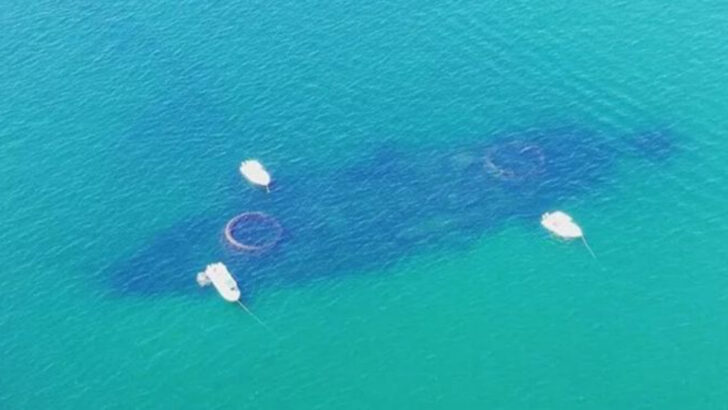
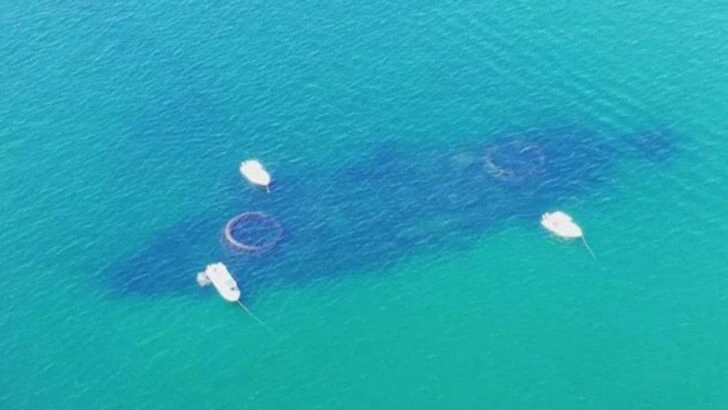
Florida is a land where history hides beneath the waves. From golden galleons to merchant ships, storms and misfortune have scattered fortunes along its coasts for centuries.
Every beach, inlet, and cove whispers tales of shipwrecks that shaped trade, greed, and adventure. The 1715 Spanish Treasure Fleet didn’t just sink—it sowed legends.
Coins, jewels, and silver bars still surface after storms, teasing treasure hunters and dreamers alike. Divers explore skeletal hulks of steamships, while historians pore over manifests and maps, piecing together stories of riches lost and found.
From Key West to the Treasure Coast, the Atlantic and Gulf waters guard secrets. Each wreck has a personality: some are eerie, some beautiful, all compelling.
Maritime museums, underwater preserves, and coastal parks offer windows into these watery graves, letting you stand where history collided with the sea. Every shell, every glint of metal, every creaking plank is a portal.
Florida isn’t just a state—it’s a vault of forgotten fortunes, waiting for curious hearts to listen to its waves.
1715 Spanish Treasure Fleet – Treasure Coast
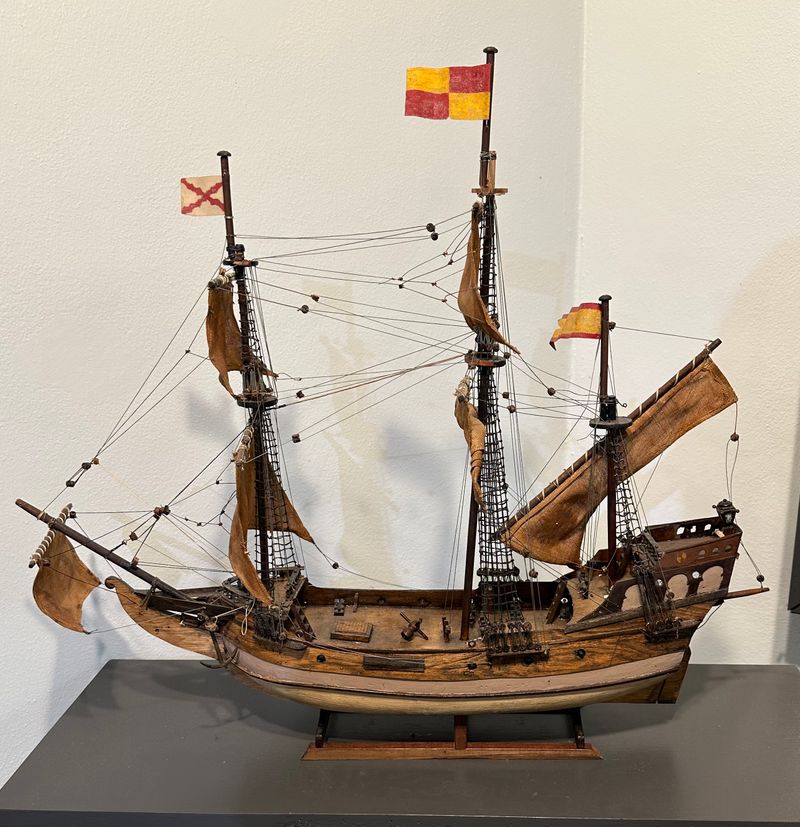
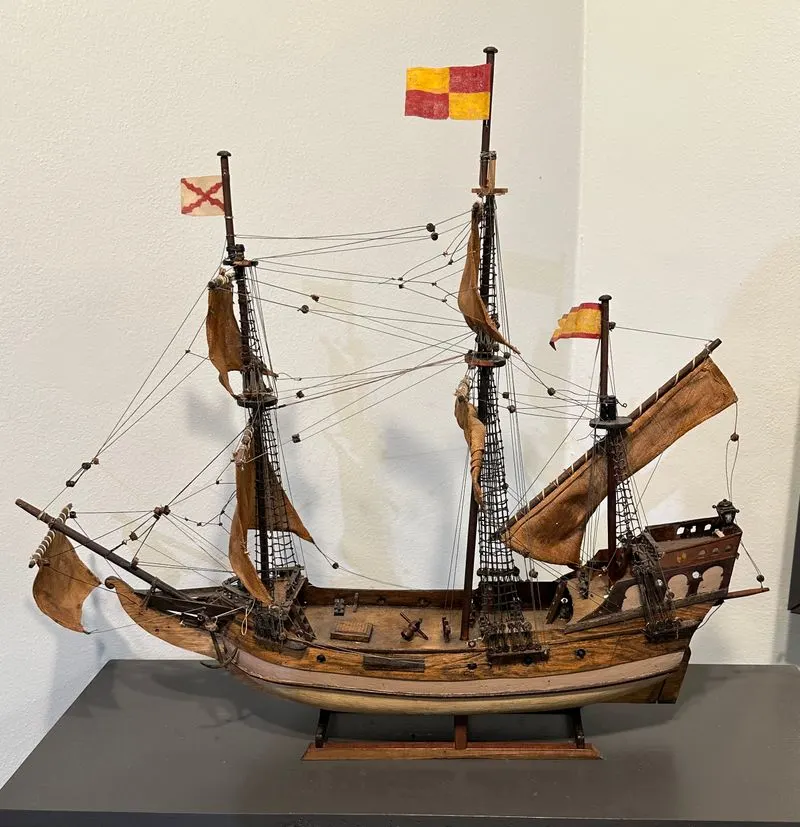
The 1715 Spanish Treasure Fleet met its fate when a July hurricane struck off Florida’s Atlantic coast, scattering galleons and their cargo between Vero Beach and Fort Pierce. Coins, jewels, and ingots spilled into shifting sands, seeding beaches with clues that still appear after seasonal storms.
You can stand on the shore and feel how history moves with the tide, listening for that small metallic whisper in the surf. Salvage began immediately in the eighteenth century, yet modern teams continue carefully permitted work offshore.
Beachcombers legally hunt the wet sand with metal detectors while respecting protected zones and cultural resource laws. The region’s nickname, Treasure Coast, is not hype, it is a living archive of shipboard life, colonial wealth, and survival after disaster.
Dive boats operate near known wreck corridors, but visibility and currents demand preparation and local advice. Responsible explorers research charts, wind histories, and post-storm erosion patterns.
When sandbars shift, a single blowout can reveal olive jars, musket balls, or escudos. Visit nearby museums to see cataloged finds and learn conservation basics before chasing glints in the wash.
Your best tool is patience, followed by tide timing and permission awareness. Treasure here is real, but so is stewardship.
Mel Fisher’s Treasures – Sebastian, FL
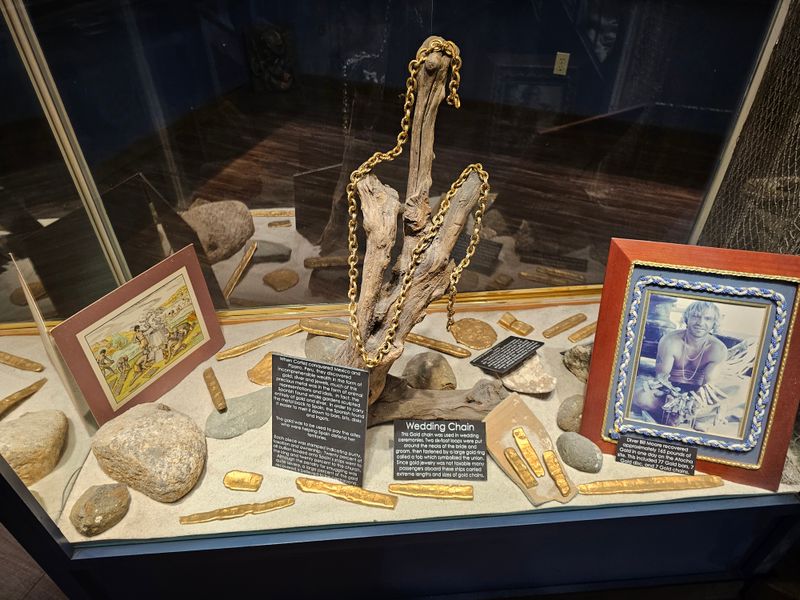
Mel Fisher’s Treasures in Sebastian blends discovery, documentation, and storytelling tied to the 1715 fleet. Exhibits highlight recovered gold chains, silver coins, olive jars, and navigational tools, connecting artifacts to crews who crossed the Atlantic on hope and royal mandates.
You get context for how storms reshaped fortunes and why patient fieldwork still matters here. The team’s legacy includes methodical surveys, conservation labs, and archival research that transformed casual lore into documented history.
Inside, you can trace artifact provenience and learn how electrolytic baths rescue corroded items. That behind-the-glass journey demystifies treasure hunting while emphasizing legality and preservation.
Staff and interpretive panels explain permitting, underwater mapping, and recovery ethics. You walk away understanding that every coin tells you more when its layer, depth, and site association are recorded.
It turns out the true jackpot is knowledge shared with the public. Pair your visit with local beaches where storm cuts might reveal period debris.
Study sand movement, talk with docents, and plan dives through reputable operators. If treasure hunting calls to you, this museum trains your curiosity to respect both the past and the sea.
San Pedro Underwater Archaeological Preserve State Park – Islamorada, FL
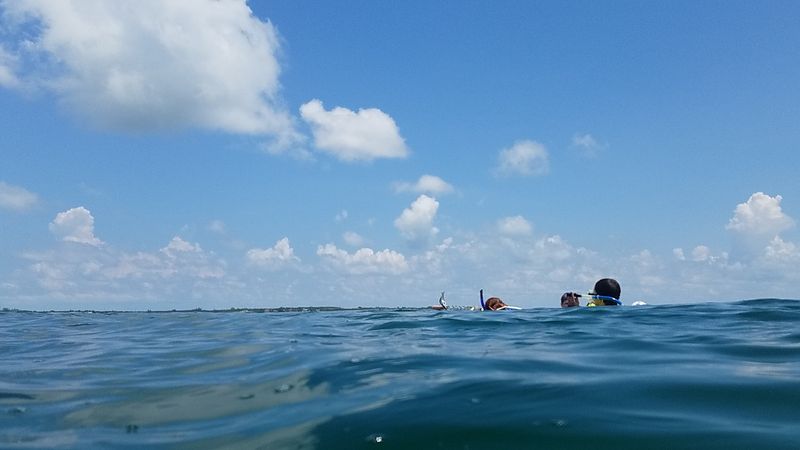
South of Islamorada, the San Pedro wreck from the 1733 fleet sits in shallow, sparkling water. Mooring buoys protect the site while guiding boats to safe tie-ins.
You can snorkel or dive across ballast stones, where reef fish weave through coral growth and history feels vividly present. Interpretive signage tells the hurricane story that sank the fleet and scattered ships across the Keys.
You are encouraged to observe, photograph, and leave everything in place. That ethic lets countless visitors learn without erasing the site.
Plan for currents, morning light, and good buoyancy. Use a reef-safe sunscreen, avoid touching coral, and keep fins off the bottom.
Bringing a small light helps you notice texture on stones and hardware. After the dive, explore local history centers that interpret the 1733 disaster and Keys wrecking culture.
The San Pedro preserve makes maritime archaeology accessible to new divers and families. It is a living classroom that proves stewardship and adventure coexist.
St. Augustine Pirate & Treasure Museum – St. Augustine, FL
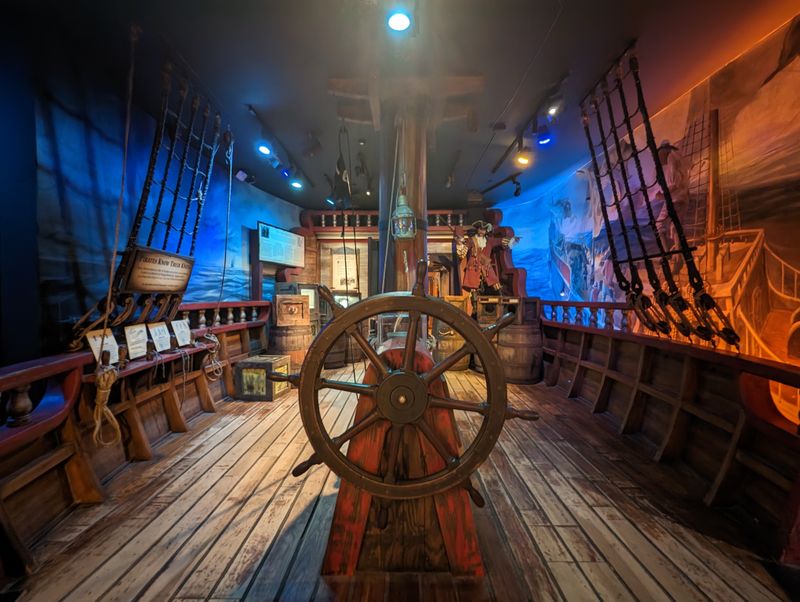
In the nation’s oldest city, the St. Augustine Pirate & Treasure Museum connects Florida’s coast to Atlantic trade, privateering, and legend. You can handle interactives, study rare documents, and see real chests and weaponry while learning how piracy intersected with colonial policy.
The exhibits balance spectacle with scholarship. St. Augustine’s coastal defenses and harbor charts provide context for treasure convoys and raiders.
You track how letters of marque blurred lines between pirates and navies. Kids love the hands on pieces, but adults appreciate the archival depth.
Before visiting, skim primary sources on Caribbean routes and hurricane seasons. Those patterns explain why wrecking and salvage boomed along nearby shores.
The museum helps you read maps like navigators once did. Walk from the museum to the bayfront and imagine galleons at anchor under wary watch from the fort.
With that mental overlay, every cannon embrasure and channel marker tells a richer story. You leave ready to explore real wreck sites along the coast.
SS Regina Underwater Archaeological Preserve – Bradenton Beach, FL
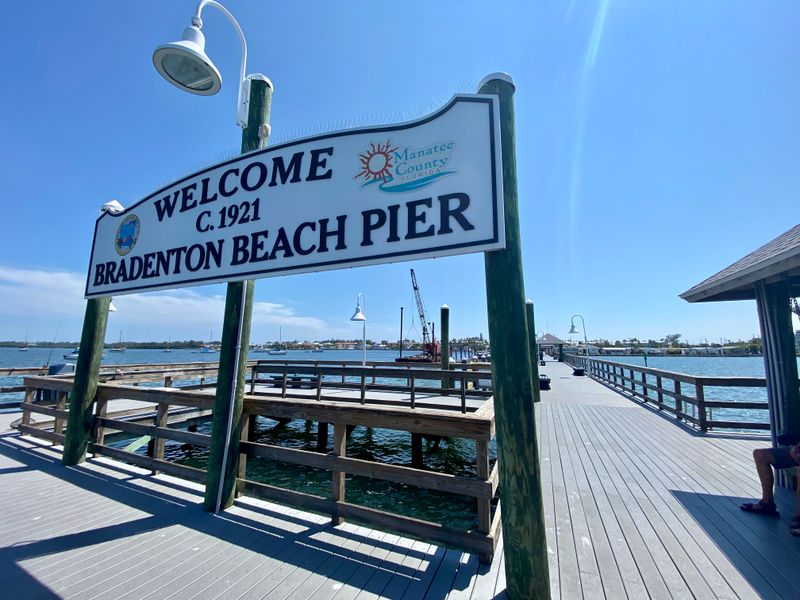
The SS Regina, a 1904 steel tanker lost in 1940, rests in shallow water off Bradenton Beach. This preserve makes maritime archaeology approachable for snorkelers and new divers.
You will fin over ribs and plates that host sea life, learning how even small wrecks reshape local ecosystems. Access is typically near shore, but check current swim zones and weather windows.
Visibility can swing with wind and tide, so pick calm mornings. As always, look but leave, and avoid snagging fragile growth.
Context deepens the visit. Read the Museums in the Sea materials before swimming out, then match diagrams to what you see.
That simple prep turns a casual splash into a guided tour. Afterward, explore Cortez fishing heritage to connect cargo routes with coastal livelihoods.
A humble tanker tells you plenty about wartime logistics and regional commerce. With patience, you will spot details that reveal how steel ages into history.
SS Copenhagen Underwater Archaeological Preserve – Pompano Beach, FL
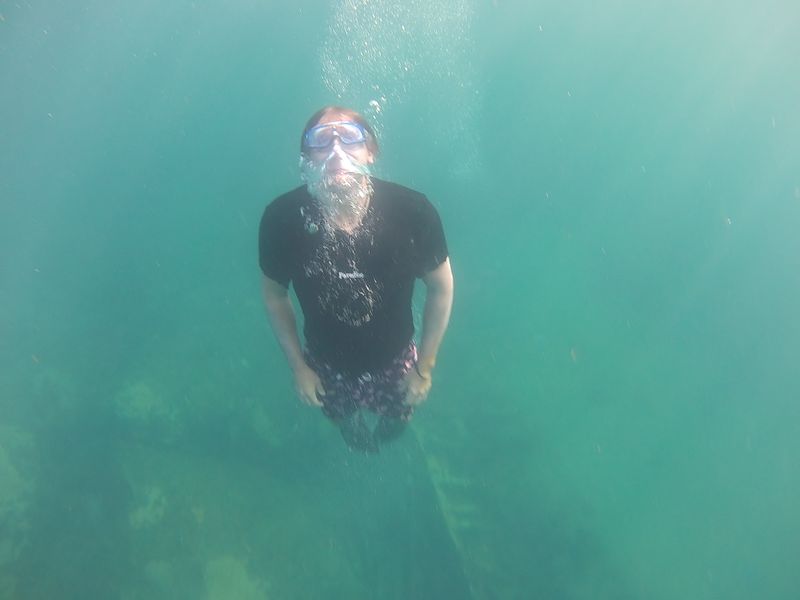
Off Pompano Beach, the SS Copenhagen struck a reef in 1900 and never sailed again. Today, its remains stretch across coral outcrops, creating an engaging route for experienced divers.
You will find structure, fish, and a sense of how iron yields to sea and time. Mooring buoys protect the substrate, so tie in properly and control buoyancy.
The layout rewards slow, methodical passes, scanning for machinery outlines and fasteners. Resist the urge to pry anything free, since integrity is the real treasure.
Research the ship’s trade and final voyage to frame what you are seeing. Knowing cargo and draft helps decode scatter patterns and reef impact.
Conditions vary, so plan for surge and bring a light for crevices. Back ashore, compare notes with local clubs who monitor reef health.
Your observations can contribute to citizen science while enriching your logbook. This preserve exemplifies diving with purpose along Florida’s busy southeast coast.
USS Massachusetts Underwater Archaeological Preserve – Pensacola, FL
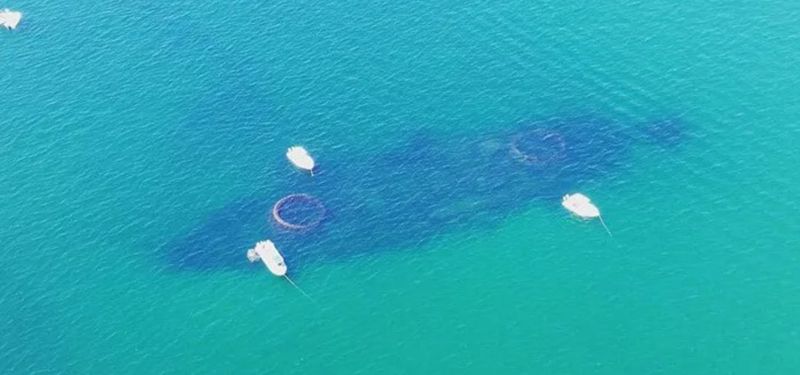
West of Pensacola Pass, the USS Massachusetts rests as one of the oldest American battleships accessible to divers. You are not chasing coins here, but naval engineering and national history.
Massive armor plates and gun mounts anchor the seafloor like a steel cathedral. Conditions can be dynamic, with currents and limited windows of visibility.
Work with local charters who know slack tides and safe approaches. Bring a light, respect depth, and maintain situational awareness around structure.
Reading ship plans beforehand elevates every pass across the wreck. When you identify casemate positions or machinery beds, the site becomes a three dimensional textbook.
It is humbling to hover where crews once drilled and drilled. After diving, visit Pensacola museums to connect the wreck to naval aviation and Gulf defenses.
Your day pivots from artifacts to strategy and geopolitics. This preserve shows how Florida’s waters guard stories beyond treasure.
Key West Shipwreck Museum – Key West, FL
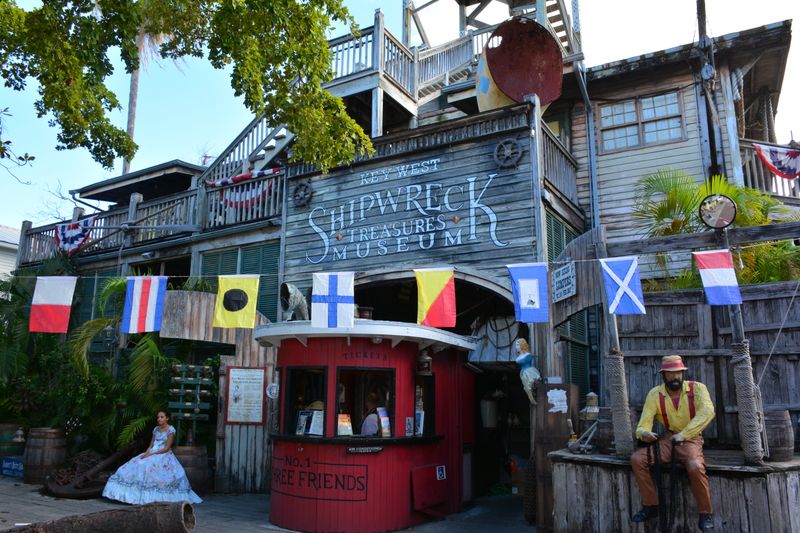
The Key West Shipwreck Museum interprets the Keys’ wrecking era when locals legally salvaged stranded ships. You will see artifacts, reenactments, and a lookout tower that frames the reef line responsible for countless groundings.
It is part theater, part archive, and entirely place based. Displays unpack how weather, reefs, and commerce created a salvage economy that rivaled gold rushes.
You learn about wreckers’ codes, auctions, and lifesaving amid profit. That nuance keeps the story grounded rather than romanticized.
Climb the tower for a sweeping harbor view, then walk Old Town streets where cargo once changed hands. Pair your visit with the Mel Fisher Maritime Heritage Museum to see conservation up close.
Together they map treasure from rumor to record. Before you go, check showtimes and weather for the best views.
Bring questions about legal frameworks, because those laws shaped livelihoods. By the time you leave, wrecking feels less like myth and more like community history.