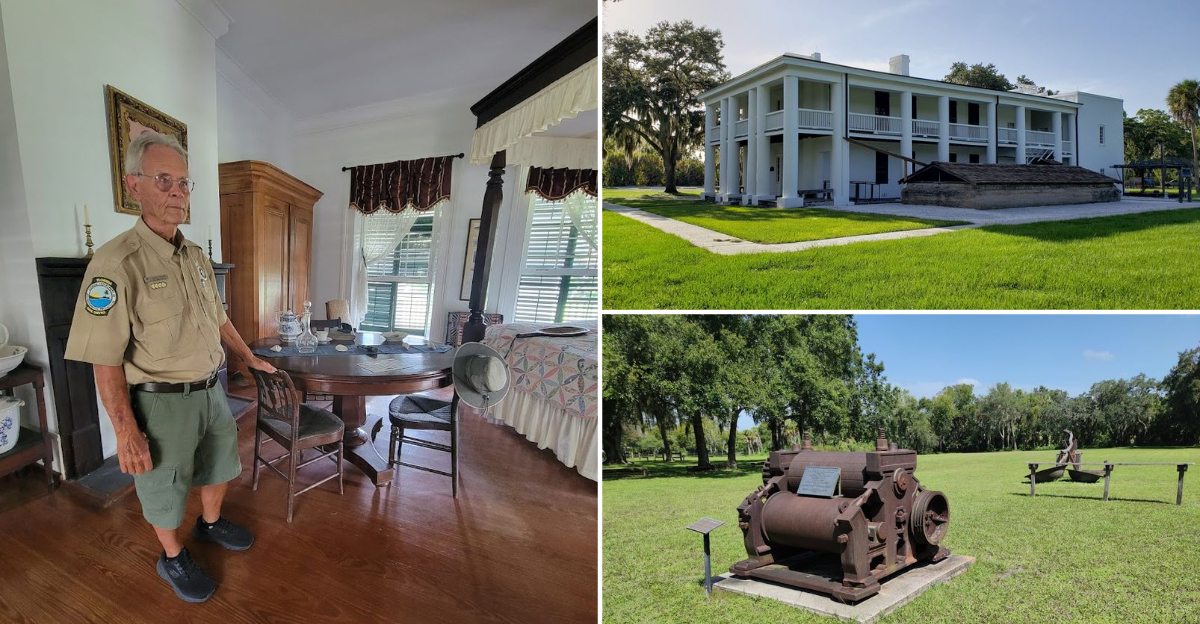
Tucked along US-301 in Ellenton, Florida, Gamble Plantation Historic State Park is home to the only surviving antebellum plantation mansion in the entire state. Built around 1845 by Major Robert Gamble, this stunning sugar plantation estate has stood the test of time and is now preserved as a Florida State Park.
Best of all, there is no entrance fee to walk the gorgeous grounds, making it an accessible and rewarding stop for families, history buffs, and curious travelers alike. Whether you are a local or just passing through, this hidden gem offers a rare window into Florida’s complex and fascinating past.
The Antebellum Mansion: Florida’s Last Standing Plantation Home
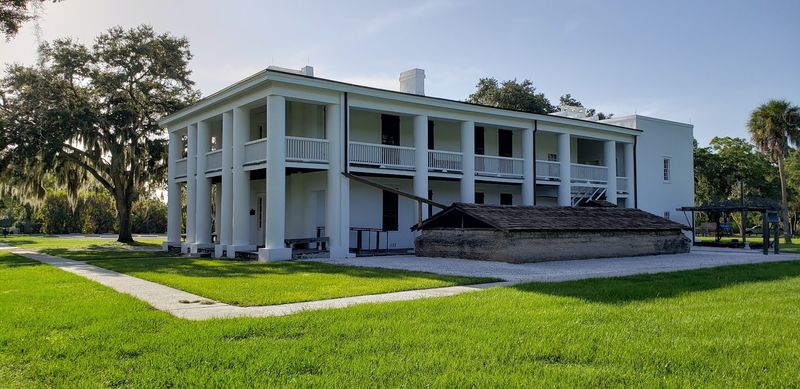
Standing quietly along the banks of the Manatee River, the Gamble Mansion is the kind of place that stops you in your tracks. Built around 1845 using a mixture of tabby mortar — a blend of oyster shells, sand, and water — and locally fired bricks, this two-story structure is a remarkable example of antebellum architecture in the Deep South.
The mansion features wide wraparound porches supported by massive columns, which served a practical purpose beyond beauty. Those deep verandas helped shade the interior rooms from the blazing Florida sun, keeping the house cooler before air conditioning ever existed.
Rocking chairs still sit on the porch today, inviting visitors to slow down and soak in the atmosphere.
What makes this mansion truly extraordinary is the fact that it is the only surviving plantation home in all of Florida. Dozens of similar estates once dotted the landscape, but fire, neglect, and the passage of time claimed them all.
This one endured. Recognized as a National Historic Landmark, the mansion draws architecture enthusiasts, history lovers, and photographers from across the country who come to witness this irreplaceable piece of American history firsthand.
Free Admission to the Grounds: A Budget-Friendly History Experience
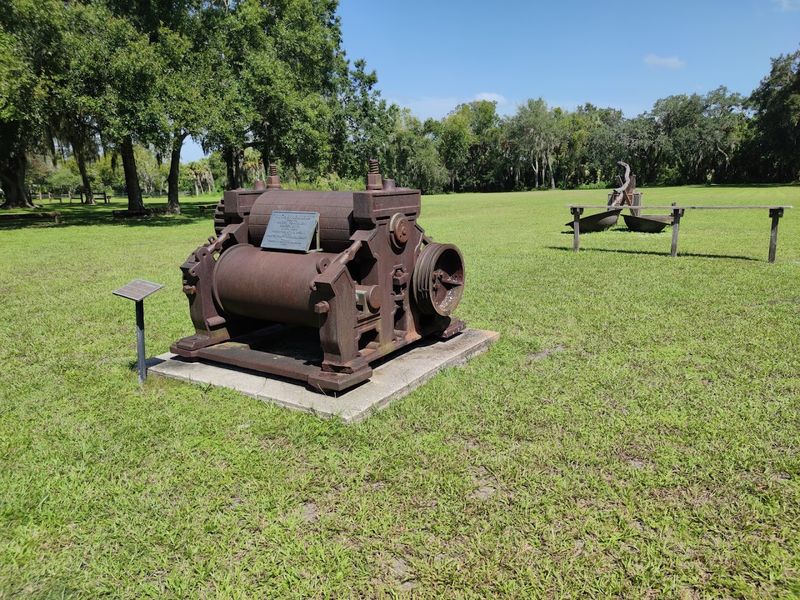
Here is something you do not hear every day — one of Florida’s most historically significant sites costs absolutely nothing to visit. There is no park entrance fee at Gamble Plantation Historic State Park, which means you can walk the beautifully maintained grounds, take photos, enjoy a picnic, and soak up over 150 years of history without spending a single dollar.
The park grounds are open Thursday through Monday from 8 AM to 5 PM. The wide, grassy lawns are well-kept and peaceful, shaded by mature trees that make the property feel like a cool retreat even on warm Florida afternoons.
Plenty of free parking is available right at the entrance, so getting there and settling in is completely hassle-free.
For visitors who want to step inside the mansion itself, guided tours are offered a few times each day at a very modest fee. But even without paying for a tour, simply walking the grounds and admiring the mansion from the outside is a worthwhile experience.
Budget-conscious families, retirees, and road-trippers passing through the Tampa Bay area consistently praise this park as one of Florida’s best free stops. It is a rare combination of beauty, history, and accessibility.
Guided Mansion Tours: Step Inside History for Just a Few Dollars
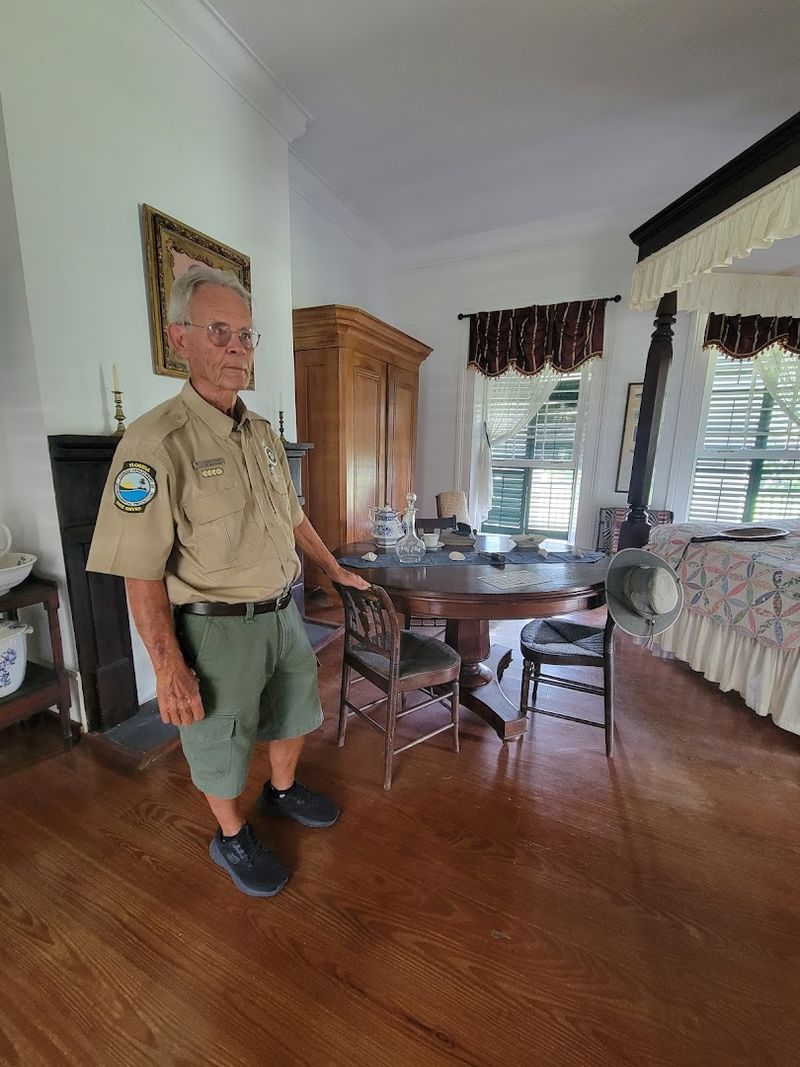
Knowledgeable, engaging, and packed with surprising stories — the guided tours at Gamble Plantation are consistently praised as the highlight of any visit. Tours are led by park rangers and run approximately 45 minutes to one hour, departing a few times each day.
The fee is just a few dollars per person, making it one of the most affordable history experiences in the entire state of Florida.
Visitors often leave genuinely impressed by how much they learn. Rangers cover the construction of the mansion, the Gamble family’s sugar operation, life in antebellum Florida, the Seminole Wars, and the broader historical context of the plantation era.
One particularly popular feature of the tour is the explanation of how everyday phrases like “hushpuppies” and “don’t throw out the baby with the bathwater” originated in plantation-era life.
Small group tours sometimes happen organically when attendance is light, and several visitors report receiving what felt like a private tour with personalized attention from the ranger. The guides are consistently described as patient, passionate, and happy to answer questions.
Checking the park’s website in advance for tour times is strongly recommended, as schedules can vary by season and staff availability may occasionally affect departures.
The Judah P. Benjamin Confederate Memorial: A Fugitive’s Refuge
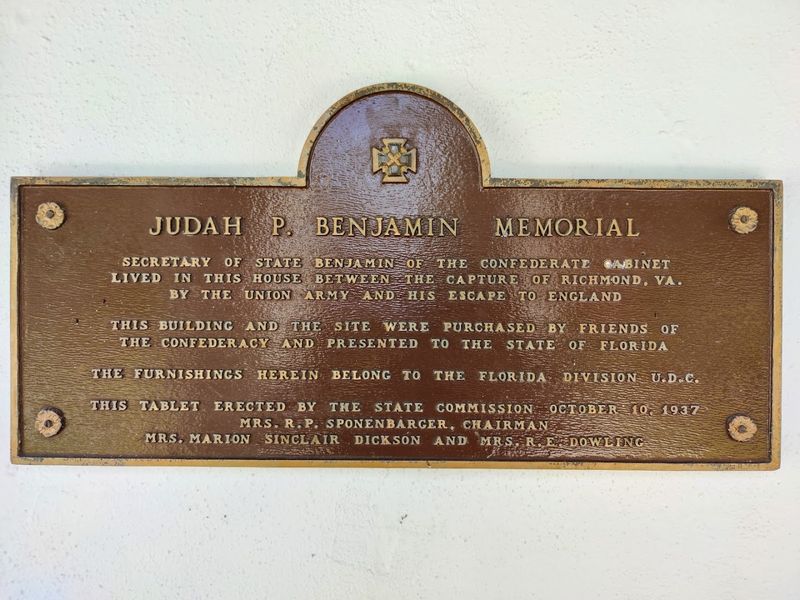
Few people know that Gamble Plantation played a dramatic role in the final days of the American Civil War. After the Confederacy collapsed in 1865, Judah P.
Benjamin — the Confederate Secretary of State — fled south through Florida in a desperate attempt to avoid capture by Union forces. He found refuge at the Gamble Mansion, where he hid before eventually escaping to England.
Benjamin’s connection to the mansion is so significant that the park carries his name in its official title: Judah P. Benjamin Confederate Memorial at Gamble Plantation Historic State Park.
A monument on the grounds honors this chapter of history, offering visitors a tangible link to one of the most turbulent periods in American history. The story has an unexpected international twist, too — Benjamin later built a successful law career in England, and the mansion’s connection to Queen Victoria’s realm occasionally comes up during tours.
This layer of Civil War history adds real depth to a visit that already covers Florida’s antebellum plantation era and the Seminole Wars. History enthusiasts who enjoy exploring the lesser-known corners of the Civil War narrative will find this stop especially rewarding.
The memorial on the grounds is worth seeking out and spending a quiet moment with before or after the mansion tour.
The Visitor Center and Museum: Start Your Visit Here
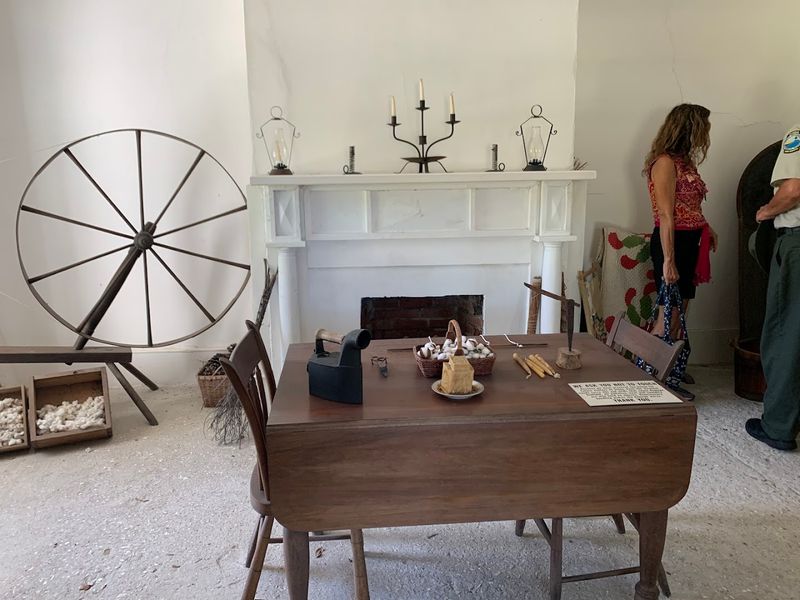
Before heading out to explore the mansion and grounds, the visitor center at the park entrance is well worth a stop. Multiple reviewers specifically recommend visiting the museum first, and for good reason — the exhibits provide important context that makes everything else on the property more meaningful and interesting.
The museum features historical photographs, artifacts, and explanations that frame the story of the Gamble estate from its construction in the 1840s through its life as a working sugar plantation, its role during the Civil War, and its preservation as a state park. Exhibits also acknowledge the enslaved people who lived and worked on the plantation, adding a crucial and honest dimension to the narrative that the tour guides reinforce during the mansion walkthrough.
A memorial on the grounds further honors those enslaved individuals, listing names where records exist. Visitors frequently note that this acknowledgment adds important depth and reflection to the overall experience.
The visitor center is free to enter and does not require a tour ticket. Staff at the center can also help you plan your visit by providing current tour schedules and answering questions about the property.
Spending 15 to 20 minutes in the museum before the tour is a smart way to get the most out of your time at the park.
The Lush and Scenic Grounds: Perfect for Picnics and Photography
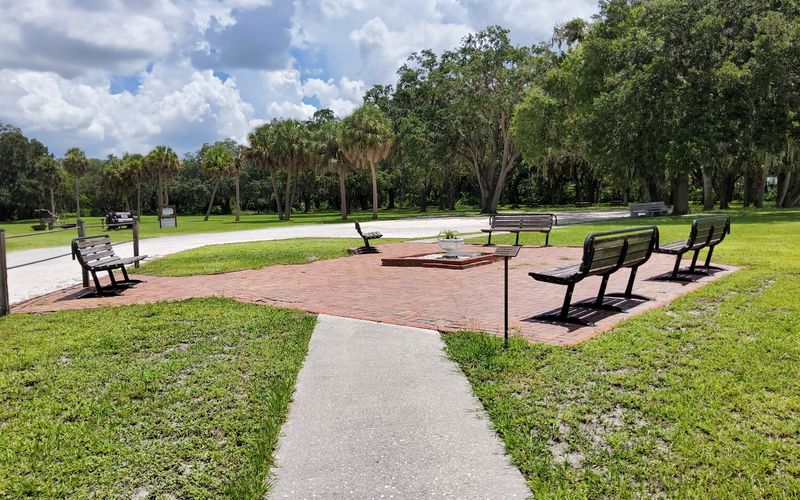
Even if you never set foot inside the mansion, the grounds at Gamble Plantation are worth the trip on their own. The property is immaculately maintained, with sweeping green lawns, towering shade trees, and a peaceful atmosphere that feels completely removed from the busy roads just outside the park boundary.
It is the kind of place where time seems to slow down in the best possible way.
A covered picnic area behind the historic house is a favorite spot for families and couples who pack a lunch and spend a relaxed afternoon on the grounds. Several visitors mention bringing picnic baskets and spending time under the shade after a morning tour, turning the outing into a full half-day experience.
The combination of historic architecture and natural beauty also makes the park extremely popular with photographers.
Wedding photo shoots, portrait sessions, and casual nature photography all happen here regularly, and it is easy to see why. The wide porches with their rocking chairs, the columns casting dramatic shadows, and the surrounding greenery create a picture-perfect backdrop at almost any time of day.
Whether you come with a professional camera or just a smartphone, you will leave with photos worth keeping. The park opens at 8 AM, and the early morning light on the mansion is particularly stunning.
The Sugar Plantation History: How Major Gamble Built an Empire
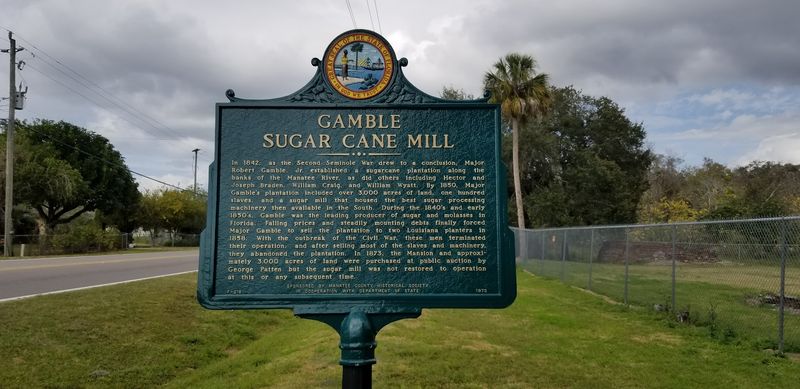
Major Robert Gamble arrived in Florida Territory in the 1840s with ambition, capital, and a plan to build a sugar empire. He purchased thousands of acres of fertile land along the Manatee River and set to work constructing what would become one of the largest sugar plantations in antebellum Florida.
At its peak, the operation covered more than 3,500 acres and produced significant quantities of sugar cane each year.
The labor that made all of this possible came from approximately 160 enslaved people who lived and worked on the property under brutal conditions. Their stories are now acknowledged both in the visitor center museum and during the guided tours, providing a fuller and more honest picture of what plantation life actually meant for the majority of people who lived there.
The park does not shy away from this history, and visitors consistently appreciate that honesty.
Sugar production in Florida was a grueling enterprise. The climate, the insects, the physical demands of harvesting cane, and the processing required made it one of the most difficult agricultural operations in the South.
Major Gamble eventually sold the plantation in the 1850s after financial difficulties, but the mansion he built endured long after his sugar empire faded. That story of ambition, labor, and consequence is at the heart of every tour offered at the park today.
Tabby Construction: The Unique Building Material Behind the Mansion
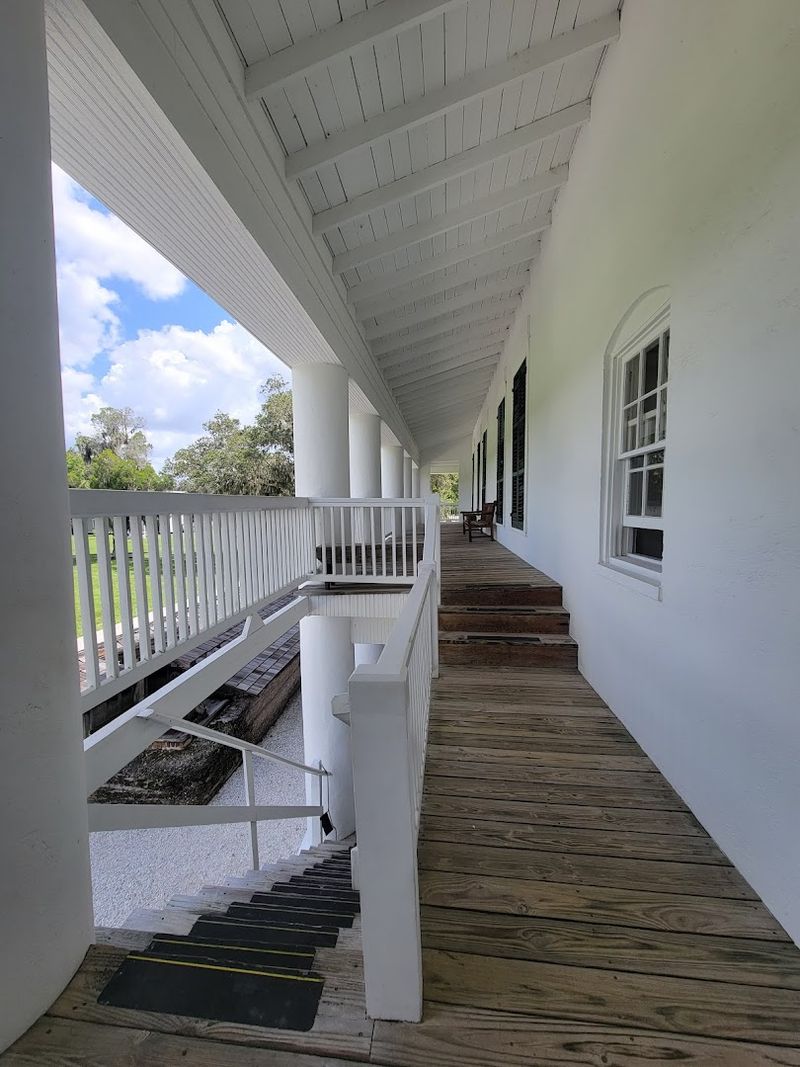
Most people walk up to the Gamble Mansion and admire its grand columns and wide porches without realizing they are looking at walls built from one of the most unusual construction materials in American history. The mansion was constructed primarily using tabby, an old building technique that combines oyster shells, sand, ash, and water to create a concrete-like material that hardens into an exceptionally durable finish.
Tabby construction was common in coastal areas of the American South, particularly in regions where timber was scarce or where builders wanted a more permanent alternative to wood. The oyster shells came from the abundant waterways surrounding the Manatee River area, making tabby a practical and locally sourced solution for a large building project.
The technique dates back centuries and has roots in both African and Spanish colonial building traditions.
What makes the Gamble Mansion remarkable from a construction standpoint is how well the tabby has held up over nearly 180 years of Florida weather — including hurricanes, humidity, and heat. Tour guides explain the tabby construction process in detail during mansion tours, and visitors consistently find it one of the most surprising and memorable facts they learn during their visit.
Running your eyes along those thick, textured walls takes on a whole new meaning once you know what they are made of.
Planning Your Visit: Hours, Tips, and What to Know Before You Go
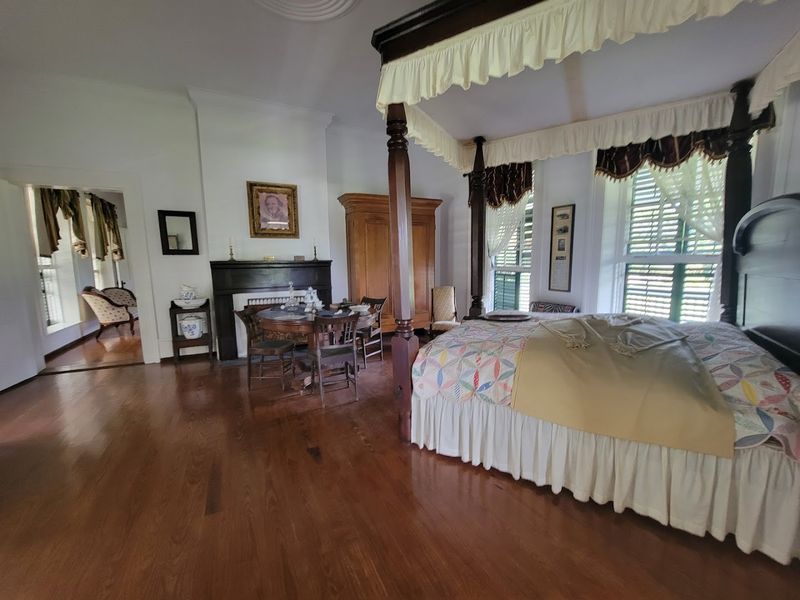
A little planning goes a long way when visiting Gamble Plantation Historic State Park. The park is located at 3710 US-301 in Ellenton, Florida, and is open Thursday through Monday from 8 AM to 5 PM.
The park is closed on Tuesdays and Wednesdays, so make sure to check the schedule before making the drive. The phone number is (941) 723-4536 and the official website is hosted through Florida State Parks.
Guided mansion tours are offered a few times per day, but tour times can shift seasonally. Checking the website or calling ahead is strongly recommended to confirm the day’s schedule.
Arriving early gives you the best chance of catching the first tour of the day and enjoying the grounds before the afternoon heat sets in. The museum closes briefly around lunchtime, so plan accordingly if you want to visit both the museum and take a tour.
Wear comfortable walking shoes and bring water, especially in warmer months. Bug spray is a smart addition during summer visits.
The park has free parking, picnic tables, and restroom facilities on site, making it easy to spend several hours without needing to leave the property. Car shows are also held on the grounds twice a year in April and November, which are especially fun community events worth looking up before your trip.