This antique store sits inside a former axe factory. The company that once worked there made the first ready-to-use axes in America.
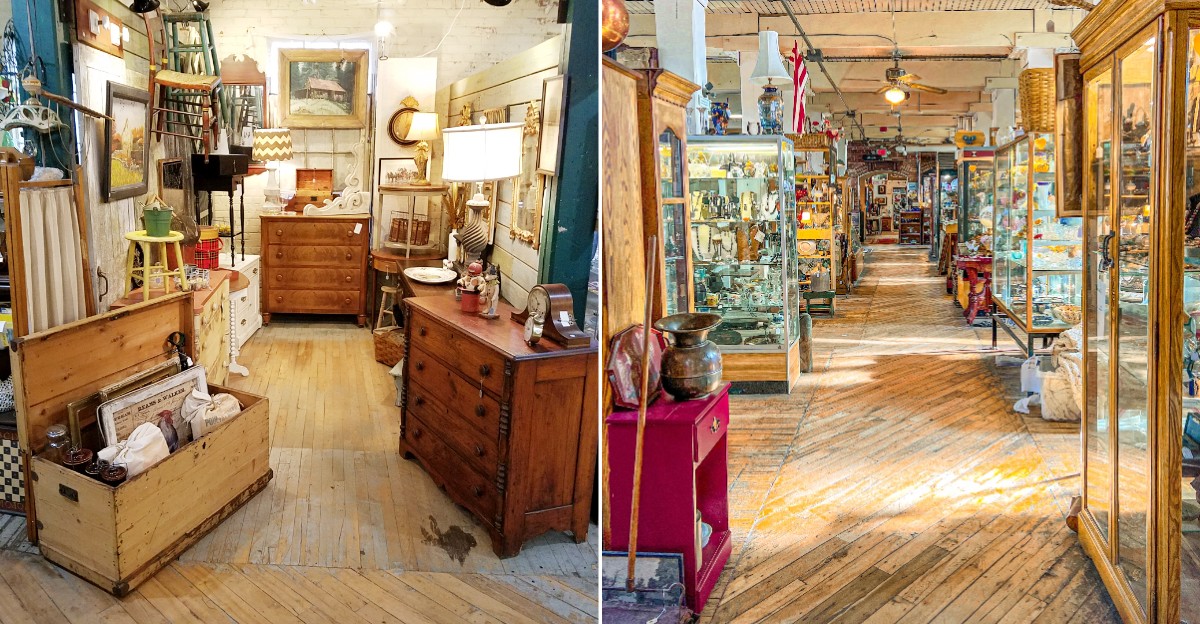
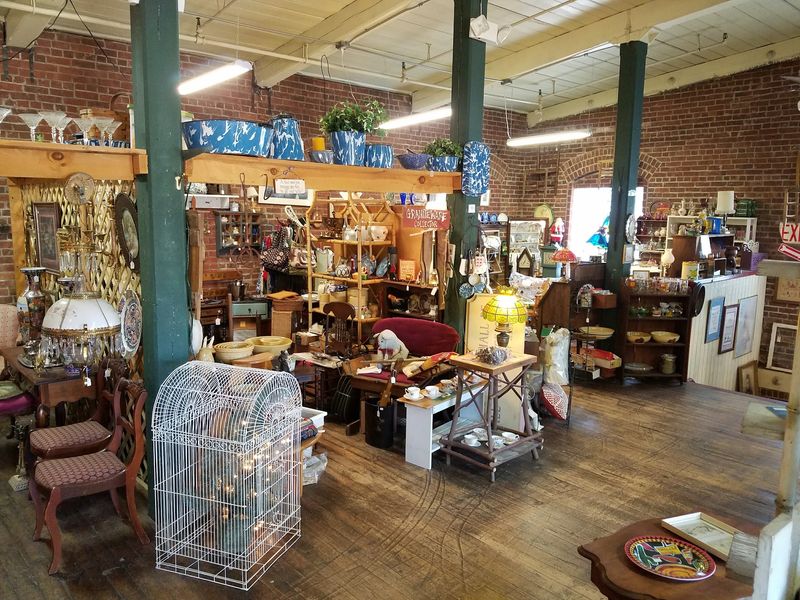
Now the old building holds jewelry, porcelain, typewriters, toys, and furniture instead of blades. More than 50 vendors fill two floors with their finds.
The mix keeps changing as sellers refresh their booths.
I like how the worn floors and heavy timber beams still show the building’s working past. You shop surrounded by real Connecticut industrial history.
I can’t imagine a mall food court competing with that kind of backdrop.
The river runs right outside, and a walking trail follows it nearby. Even the village around the shop grew up because of that factory.
So what happens when a place built for making tools becomes a place for finding treasures? Let’s find out.
An Axe Factory Turned Treasure Hunt Sounds Wild, And It Is
Antiques on the Farmington lives inside a piece of the old Collins Company Axe Factory. That alone makes it more interesting than any shopping center with a parking garage.
The Collins Company started in 1826 with an old gristmill on the Farmington River. Samuel Collins, David Collins, and William Wells got things going.
Their axes earned a national reputation for quality. The company made the first ready-to-use axes in the United States, which saved buyers a lot of grinding and fussing.
Over the years, the factory produced around 1,300 different kinds of axes, pickaxes, and cutting tools. Some of those tools played a part in the California Gold Rush.
Others helped with the construction of the Trans-Siberian Railroad. Not bad for a mill beside a Connecticut river.
The factory stopped operating in 1966, after the Flood of 1955 caused major damage. Plenty of mill towns faced the same struggle back then.
Today, shoppers browse vintage goods where workers once made tools. I love that the building got a second career instead of fading away.
It turns a simple shopping trip into a small history lesson you can actually enjoy.
Two Floors Of Factory Bones Make Browsing Feel Like An Adventure
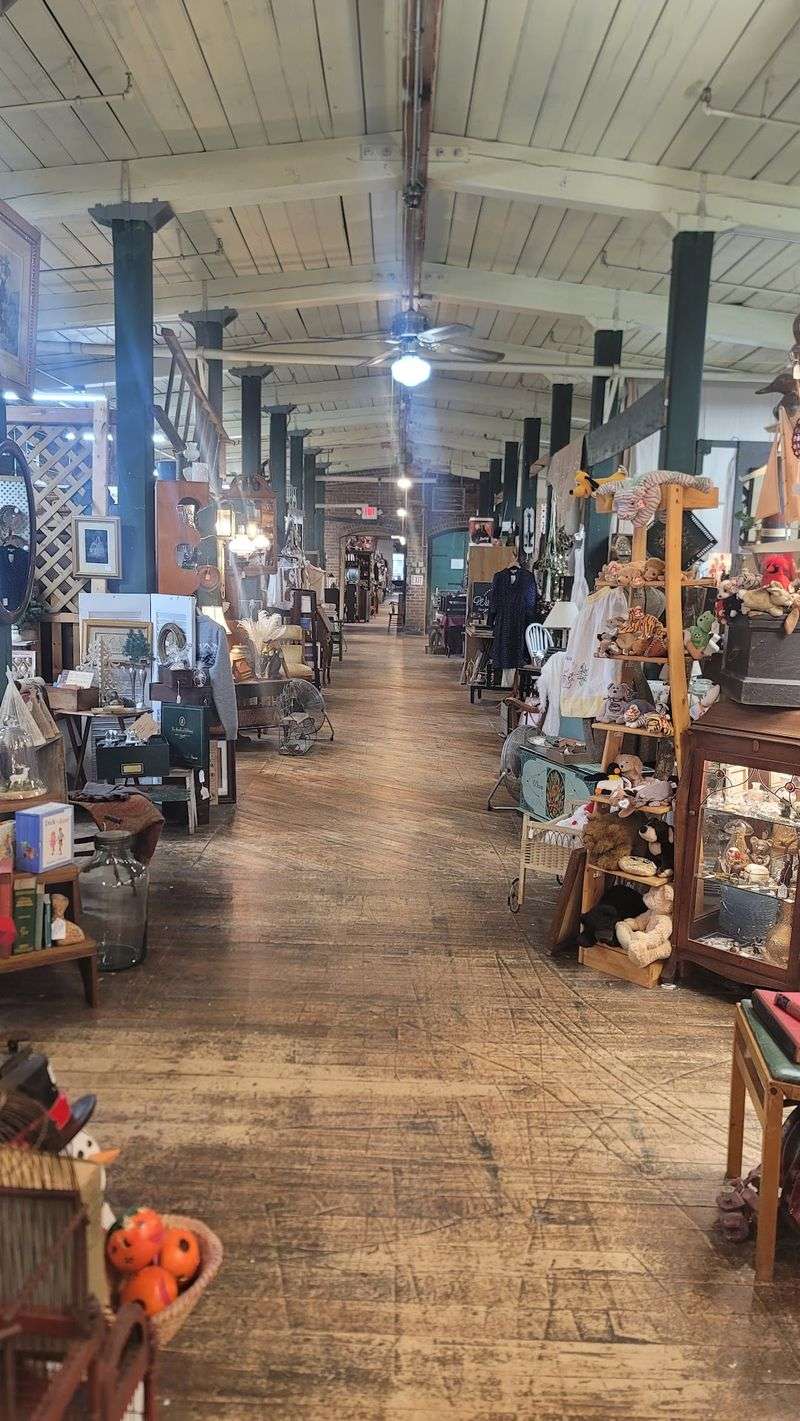
Thick timber beams and worn floors set the mood here. The building’s original factory bones are still on full display.
Shopping happens across two floors of this heavy-timber industrial structure. That means you get plenty of ground to cover, so wear comfortable shoes.
Those old floorboards carried decades of factory work before any antiques showed up. Now they support display cases, furniture, and booths packed with curiosities.
The space runs deeper than first impressions suggest. It feels big enough for a serious afternoon of browsing without becoming overwhelming.
That balance matters more than you might expect. Giant stores can wear you out fast, but a manageable layout keeps the fun going longer.
Give yourself time to explore both levels slowly. Rushing through a place like this means missing the small stuff tucked in corners and shelves.
I believe the building itself adds half the charm. Modern stores rarely have this kind of character built right into the walls.
So look up at the beams now and then. The ceiling tells its own story while the booths below tell thousands more.
Over 50 Vendors Means Every Aisle Has A Different Personality
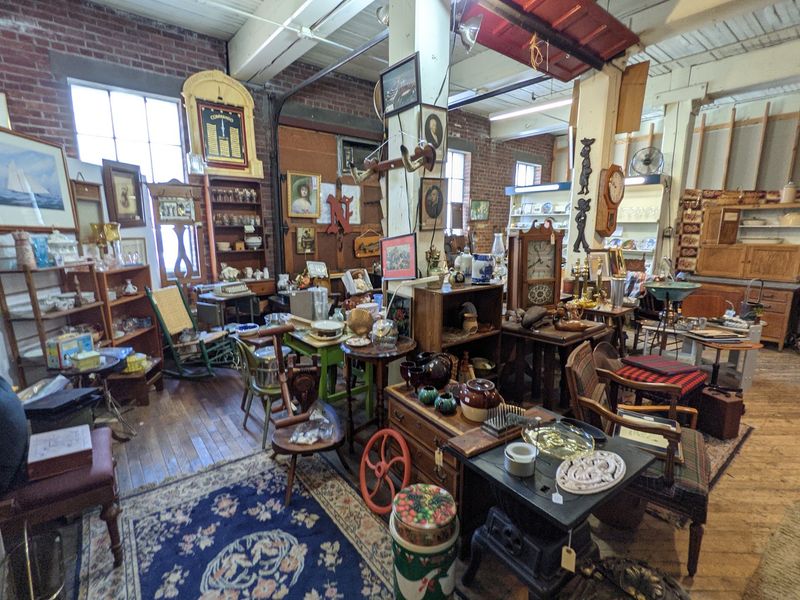
More than 50 vendors share the space at Antiques on the Farmington. Each one brings a different taste, style, and collection to the mix.
One booth might lean toward elegant porcelain. The next could be loaded with toys that look straight out of a grandparent’s attic.
That variety keeps your eyes busy. You never quite know what the next corner will reveal, which is half the excitement.
Vendors regularly refresh their displays, too. A booth you saw last month may look completely different on your next visit.
This constant change gives repeat trips a real purpose. It’s a little like a magazine that publishes a fresh issue without warning.
Here’s a smart habit for shoppers. Snap a quick photo of booths you like so you can remember which vendor carries your style.
Then check back on those spots first when you return. Favorite sellers often stock similar pieces again.
The store opened in 1991, so it has had decades to build this vendor community. That long run says something about how well the setup works.
Jewelry And Porcelain Lovers Should Head Straight For The Cases
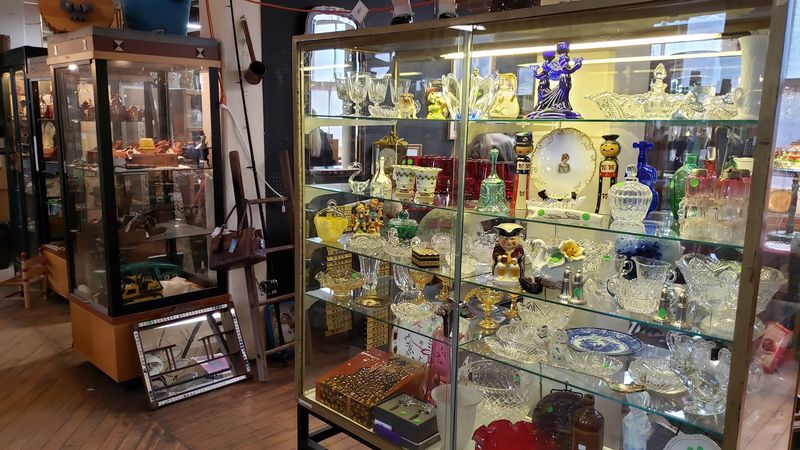
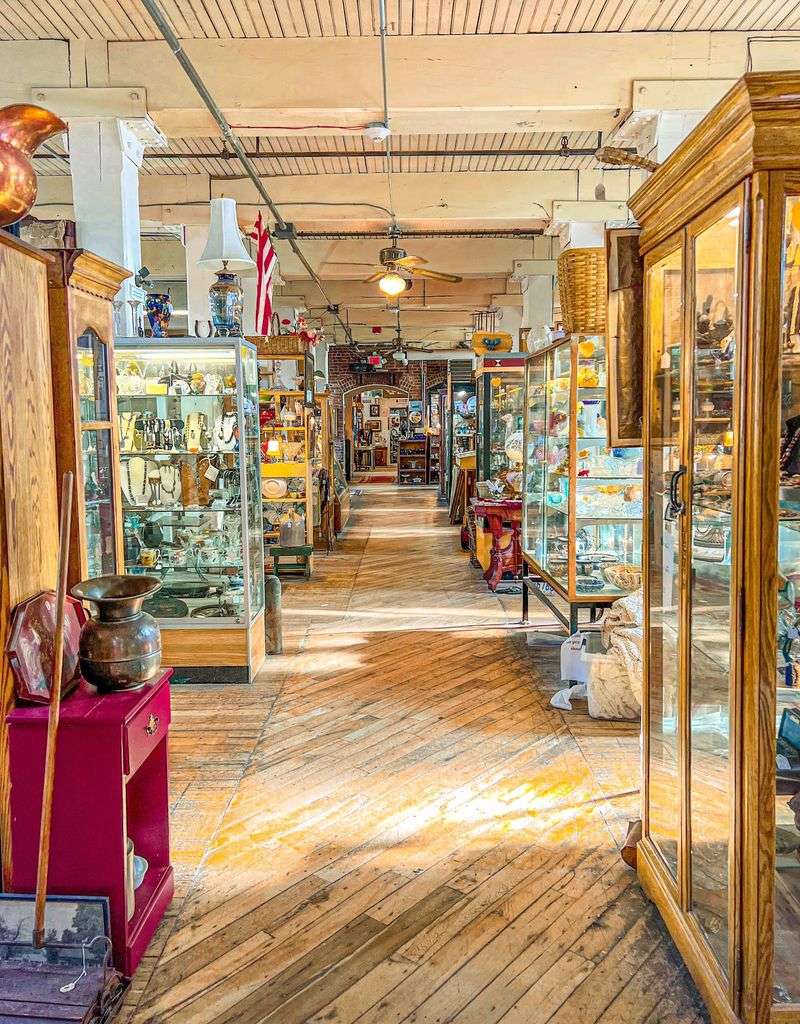
Sparkle seekers, this one’s for you. The store has particular depth in jewelry and porcelain, two categories that reward a careful look.
Vintage jewelry comes in endless styles. Brooches, rings, and necklaces from different eras can sit side by side in the same case.
Porcelain brings its own quiet beauty. Delicate cups, plates, and figurines show off craftsmanship that took real skill to produce.
Take your time with these displays. Small details like maker’s marks, patterns, and finishes can tell you a lot about a piece.
Don’t hesitate to ask staff for a closer look. Handling jewelry or fragile china usually works best with a little help.
These items also make wonderful gifts. A vintage pin or teacup carries a story that a new store item simply can’t match.
I like how one tiny brooch can feel more personal than a whole bag of mall jewelry. It comes with history already attached.
Just set a budget before you start browsing. Pretty things have a sneaky habit of multiplying in your hands.
Old Typewriters, Toys, And Pottery Bring Out Your Inner Kid
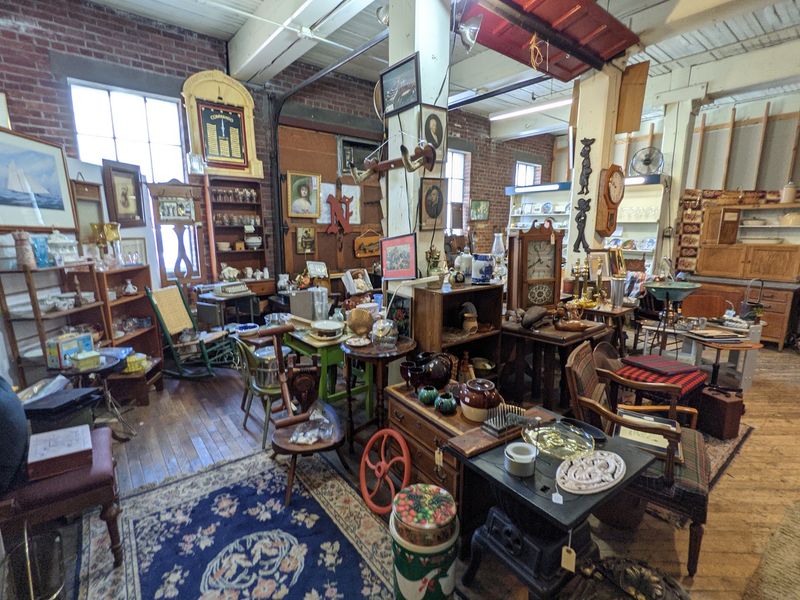
Clack, clack, ding. Typewriters show up among the merchandise, and they might be the most fun objects in the building to admire.
Beyond those, shoppers can find toys, pottery, glass, and general collectibles. Furniture fills out the larger pieces of the puzzle.
Old toys spark instant memories for many adults. Kids, meanwhile, often stare at them like they arrived from another planet.
Pottery and glass add color to the shelves. Light catching a vintage glass bowl can make an ordinary corner suddenly look cheerful.
Collectibles cover a little bit of everything. That category is where the truly unexpected finds tend to hide.
Bring a measuring tape if you’re hunting furniture. Nothing ruins a great find faster than discovering it won’t fit through your door.
Families can turn the visit into a mini scavenger hunt. Pick a theme, like a certain color or animal, and see who spots the most.
Honestly, a typewriter beats a phone case for conversation value. Good luck finding one of those at the mall kiosk.
Tell The Staff Your Dream Piece And They Might Call You Back
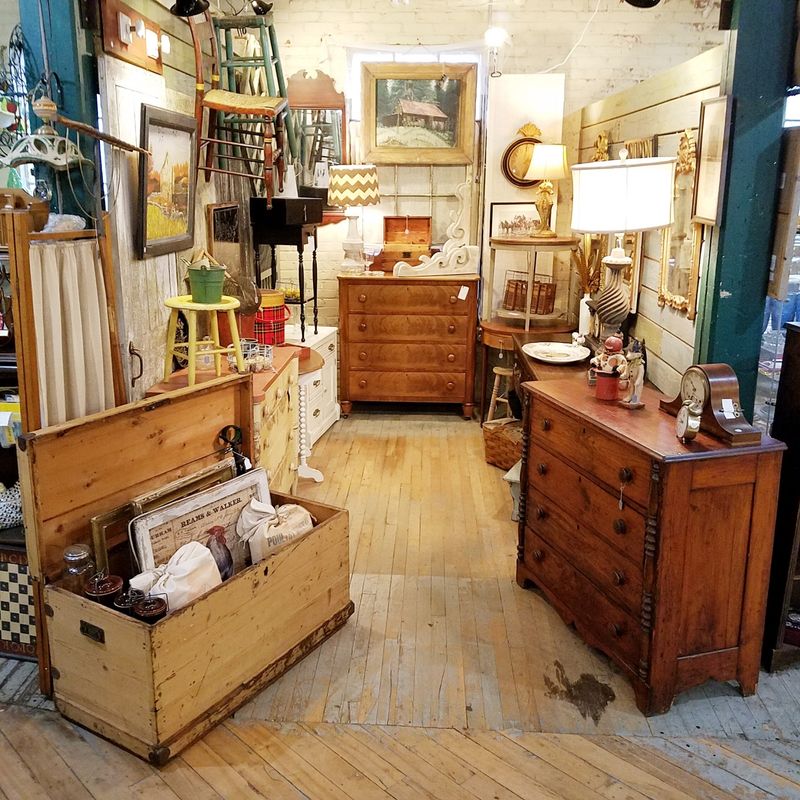
Searching for one specific item can take months. The team at Antiques on the Farmington offers a helpful shortcut for that kind of hunt.
Customers can describe a particular piece they want to find. If a matching item comes into the store, staff will follow up.
That service is rare in a world of self-checkout and endless scrolling. It feels personal, like having a friend keep an eye out for you.
This attentive approach has helped build loyalty among repeat visitors. People tend to return to places that remember what they care about.
To make the most of it, be specific. Share the type of item, era, size, color, or maker if you know those details.
Photos help too. A quick picture of a similar piece gives staff a clear idea of what to watch for.
Patience is part of the deal. Antiques arrive on their own schedule, not yours.
Still, I can’t imagine a better partner in the search. Someone else watching the shelves while you live your life sounds pretty great.
Seven Days A Week Means No Excuses For Missing Out
Good news for busy schedules. The store opens daily from 10 AM to 5 PM, so weekday wanderers and weekend browsers both get a shot.
It does close on some holidays. Checking ahead around those dates is a smart move before you make the drive.
You’ll find it at 10 Depot Street, Collinsville, CT 06022. Collinsville is a village within the town of Canton, Connecticut.
Arriving earlier gives you more breathing room. Two floors of booths can easily fill a few hours if you browse carefully.
Try planning your trip around a meal or a walk nearby. That way the shopping becomes part of a full day out.
Weekday visits can work great for people with flexible time. Weekends make it an easy family outing too.
Since vendors refresh their booths regularly, returning on different days can pay off. Your next visit may reveal something brand new to you.
Set a reminder for a free afternoon. A place this full deserves more than a rushed stop at ten minutes before closing.
The Farmington River Trail Makes A Perfect Shopping Break
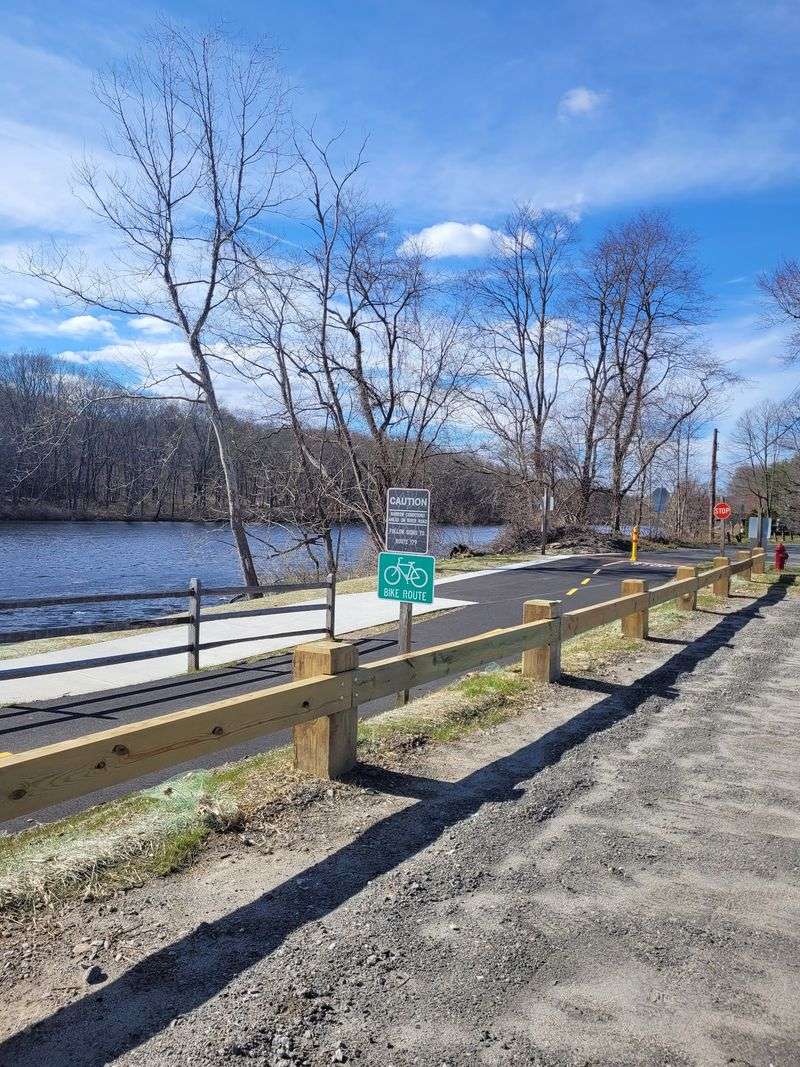
Right outside, the Farmington River flows past the old factory. A recreational pathway called the Farmington River Trail runs along the water nearby.
People use the trail for walking, running, and biking. It’s a handy way to stretch your legs after hours of browsing booths.
That mix of shopping and outdoor time makes a great combo. Your eyes rest while your feet keep moving.
Families with energetic kids may especially appreciate this option. A walk can reset everyone’s patience before heading back inside.
Cyclists can even build a whole ride around the visit. Just remember that bulky furniture and bikes don’t travel well together.
The river also connects the store to its past. The original Collins Company began with a gristmill right on these waters.
Standing near the river helps the history click. The water once powered industry, and now it offers a peaceful view.
Pack water and good shoes for the trail. A sunny day in Connecticut feels even better with a fresh find waiting in your car.
Save Time To Wander The Village That The Factory Built
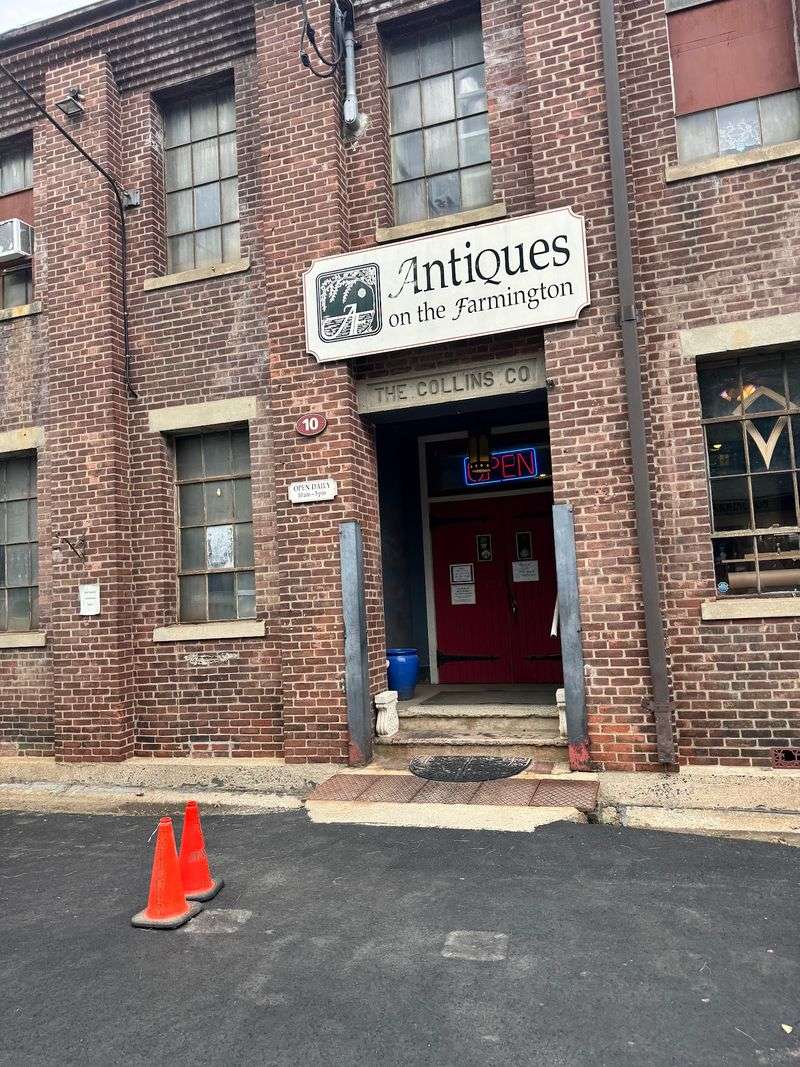
Collinsville exists because of the axe factory. As the workforce grew, the Collins Company built housing, a Congregational church, a bank, and other buildings.
Those structures shaped the village people visit today. It’s one of the few Connecticut manufacturing villages that largely survived in original form.
The factory complex belongs to the Collinsville Historic District, a National Register District. The oldest standing structure in the mill yard dates to 1846.
Arthur Frommer’s Budget Travel Magazine once named Collinsville one of America’s 10 Coolest Small Towns. That’s a fun bragging right for a former mill village.
The larger site is part of redevelopment plans by the Collinsville Redevelopment Company. The plans aim to renovate historic buildings and keep current tenants like Antiques on the Farmington.
That means the store’s future looks tied to the area’s next chapter. Old bones, new life, same treasure hunting.
Stroll the streets before or after your visit. The architecture adds context to everything you just browsed.
Honestly, this beats circling a mall parking lot. You get history, scenery, and a shopping bag full of stories.