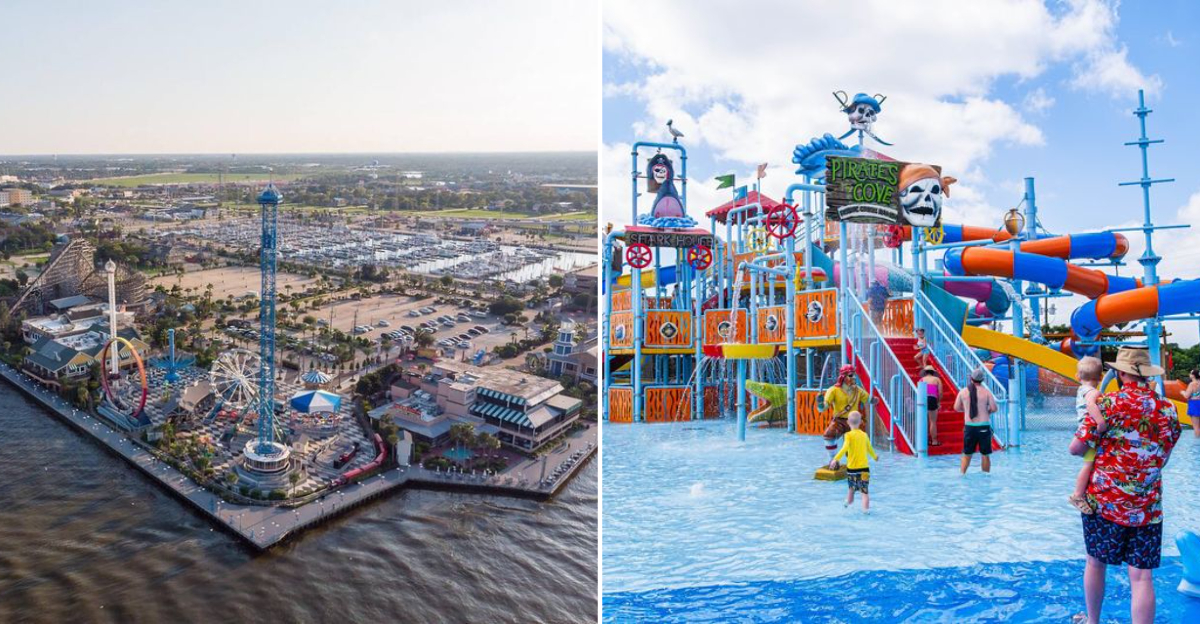
Some amusement parks disappear, but their stories refuse to leave. In Texas, faded signs, old photographs, empty lots, and surviving attractions can still hint at places that once filled summer days with midway games, spinning rides, and crowds eager for a little excitement.
The forgotten amusement parks of Texas reveal a different side of the state’s entertainment history. Some became beloved local landmarks before closing, others changed hands or evolved into something entirely different, and a few still have pieces of their original character.
Their histories stretch from small-town family attractions to ambitious destinations that once promised visitors an unforgettable day.
What makes these places fascinating is not simply what happened on the rides, but what happened around them. From vanished attractions to surviving traces, these 11 forgotten Texas amusement parks offer stories worth remembering and rediscovering.
Journey Beneath San Marcos
Cool air meets you before the ticket booth does, and that alone tells you this place is different. Instead of racing upward on steel tracks, visitors here head underground, where stone walls and fault lines quietly carry the oldest story on this list.
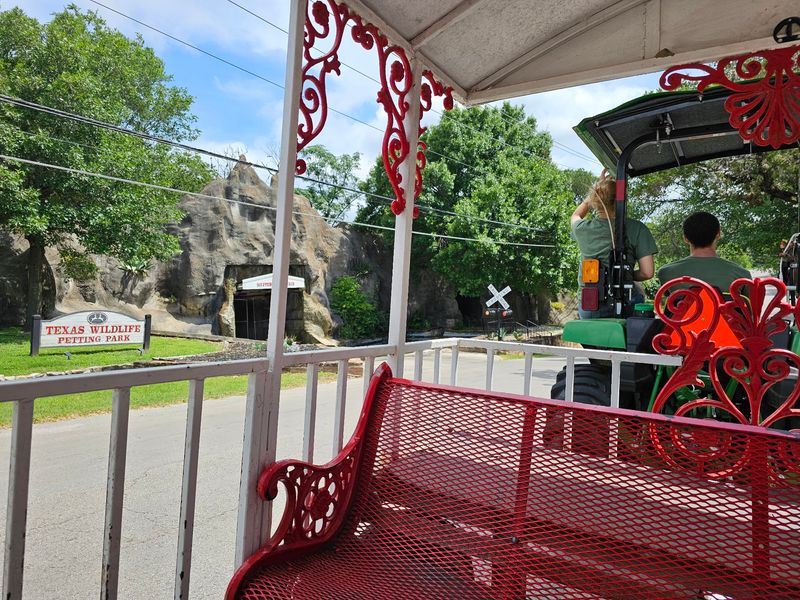
Later, you realize you are standing inside Wonder World Cave & Adventure Park in San Marcos, a place shaped by the Balcones Fault and discovered by accident in 1893. The cave stays near 72 degrees, which feels especially nice after a hot Texas afternoon.
Fossils, rock layers, and guides who explain the cave in plain language make it feel more like a living classroom than a loud thrill stop.
Above ground, the mood shifts in a fun way. There is the odd Anti-Gravity House, a train ride through Mystery Mountain, and a small wildlife area that gives families something easygoing after the cave tour.
If you visit, wear comfortable shoes and slow down a little. The real reward here is noticing how unusual Texas history can feel when it is still under your feet.
Panhandle Memories at Dusk
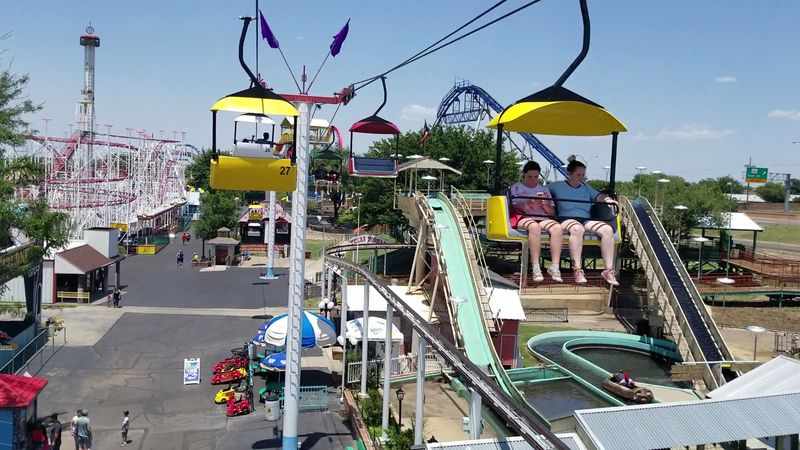
By evening, the lights start glowing against the wide Panhandle sky, and suddenly the whole place feels stitched together from old family memories. You can almost imagine generations hearing the same music, clutching paper tickets, and carrying warm bags of popcorn across the midway.
That feeling points straight to Wonderland Amusement Park in Amarillo, which began as Kiddie Land in 1951 before growing into a regional favorite. One of its best known attractions, the hand-built Fantastic Journey, says a lot about the park itself.
It was never only about speed. It was about imagination, local pride, and the kind of handmade charm big corporate parks usually lose.
Even with changes in ownership and new seasons ahead, the deeper story is about endurance. Families in Amarillo kept coming back because the park became part of summer itself.
If you stop by, look past the flashing signs for a minute and notice the details, the older ride styles, the familiar food stands, the small scale that invites conversation. Wonderland matters because it still feels personal, and that is harder to find than any thrill ride.
Where the Theme Park Era Began
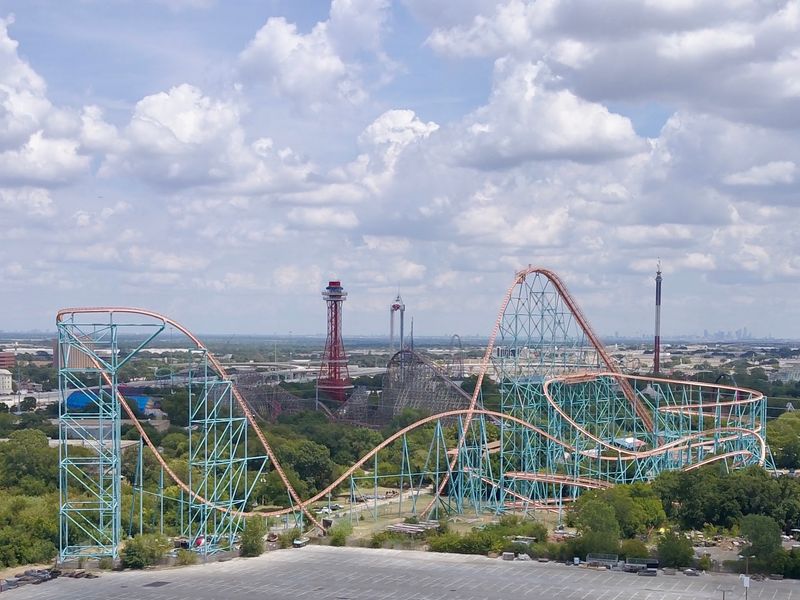
Before giant chains spread across the country, one Texas park quietly changed the rules. What feels ordinary now, themed sections, all-in-one admission, rides tied to a bigger idea, once felt bold and new to families walking through the gates.
That experiment became Six Flags Over Texas in Arlington, opening in 1961 with areas inspired by the six nations that ruled Texas. Early visitors were not just picking rides.
They were moving through stories about Spain, France, Mexico, the Republic of Texas, the Confederacy, and the United States. Even famous attractions such as the Runaway Mine Train and El Aserradero carried a sense of invention that helped shape modern amusement parks.
Today, the loudest rides get most of the attention, but the older layers are what make the place interesting. If you visit, notice the layout, the historic references, and the way the park still hints at its first mission.
It started as a proud Texas idea before it became a brand known everywhere. That makes it more than a thrill park.
It is part of the blueprint for American fun itself.
Salt Air and a Second Life
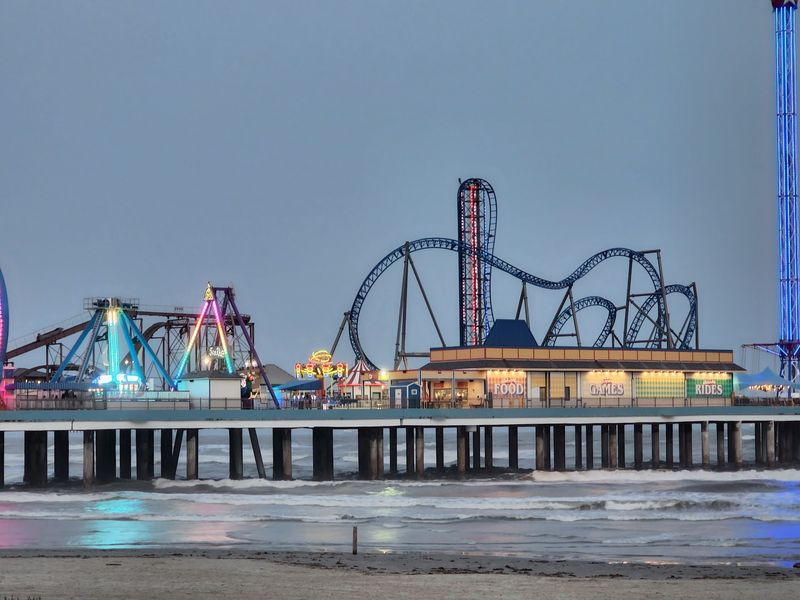
The first thing you notice is the wind. It pushes at your shirt, carries the smell of salt water, and reminds you that fun on this stretch of coast has always depended on resilience as much as excitement.
That is what makes Galveston Island Historic Pleasure Pier more than a bright row of rides above the Gulf. The site has a much older amusement history, and the modern pier stands where earlier versions once welcomed visitors before storms and time reshaped the shoreline.
Looking out from the railings, you can see waves rolling beneath the structure while the midway hums behind you, a rare mix of beach mood and carnival energy.
There is something memorable about eating a quick snack with sea spray nearby, then watching the lights turn on as the sky darkens over Galveston. The park works best when you let the setting do part of the storytelling.
Rides matter, of course, but the real draw is the sense of return. This pier feels like a place Texas kept rebuilding because people wanted that old oceanfront joy back, and refused to let it disappear completely.
Boardwalk Days on the Gulf
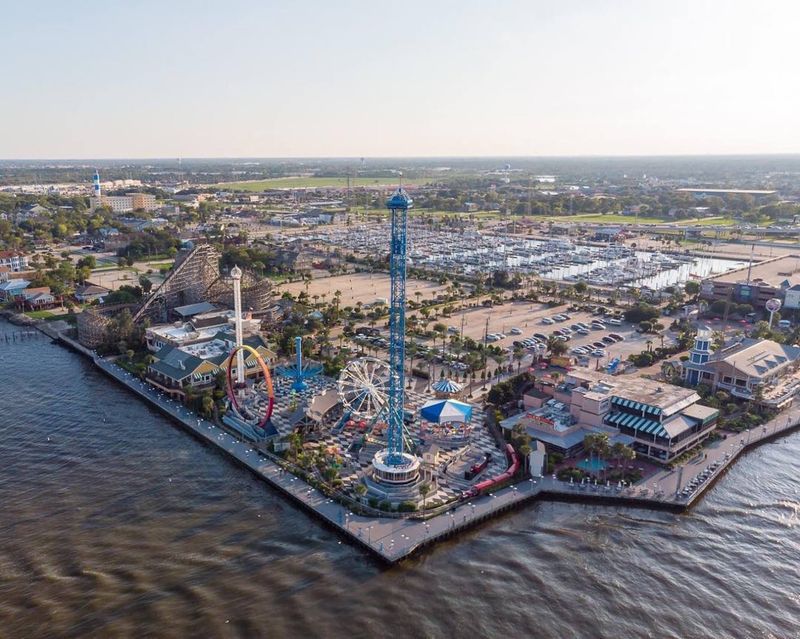
Some places feel loud in the best possible way. Gulls call overhead, restaurant patios buzz, and the sound of riders yelling from above the water mixes with the clink of dishes and boat masts nearby.
That blend belongs to Kemah Boardwalk, where the amusement park mood is tied closely to the working waterfront. The area grew from a marina setting into one of the best known coastal entertainment spots in Texas, but the fun still feels grounded in place.
You can ride the Boardwalk Bullet, step off to watch boats in the harbor, then grab seafood or a funnel cake without ever losing sight of the bay.
What makes Kemah interesting is not only the rides but the way it reflects how Texas leisure changed along the coast. It turned a shoreline hangout into a full family destination while keeping the breezy, come-as-you-are character that makes boardwalks appealing.
For visitors, the trick is simple: do not rush from attraction to attraction. Walk slowly, notice the waterfront, and stay until evening if you can.
The story here lives in the mix of motion, food, and sea air.
A Quarry Turned Celebration
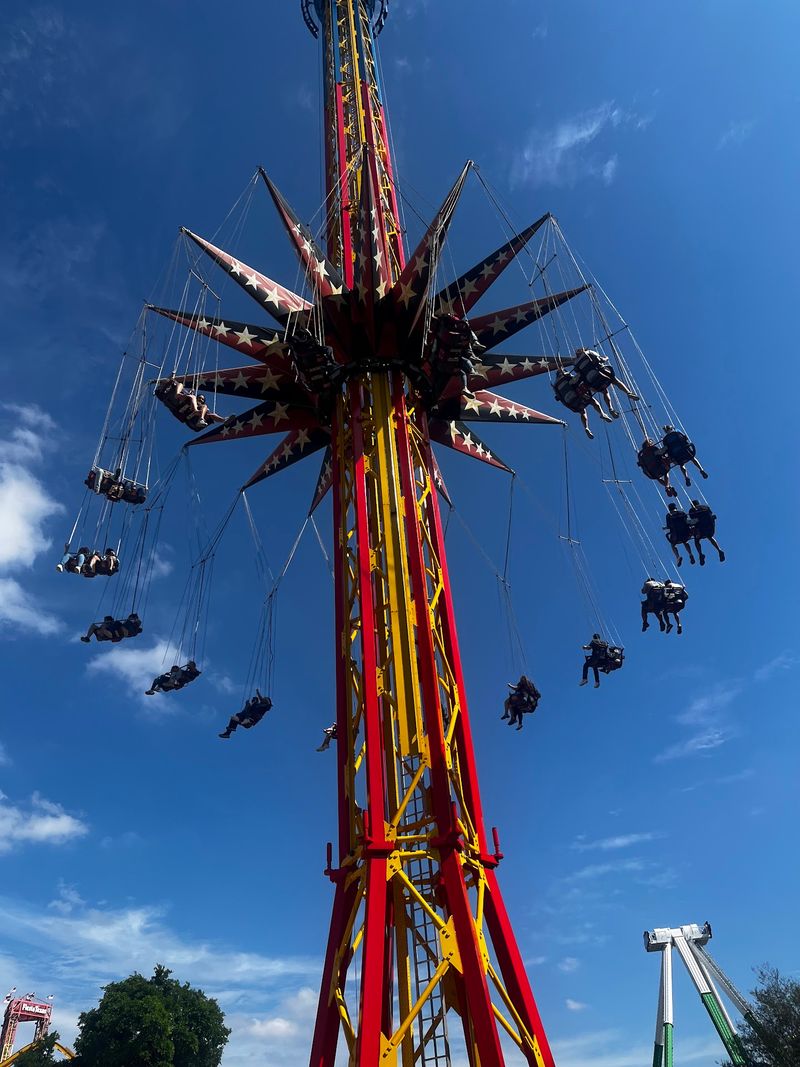
Rock walls rise around the rides like a giant outdoor stage set, and the effect is surprisingly dramatic. Few parks make you think about geology and entertainment at the same time, yet that contrast is part of the charm here.
Set inside a former limestone quarry, Six Flags Fiesta Texas in San Antonio built its identity around an unusual landscape. Opened in 1992, it feels newer than other entries on this list, but its backstory still stands out.
The quarry setting changes everything, from the views near the coaster tracks to the way live shows bounce color and sound off the stone. Superman: Krypton Coaster is famous, yet the cliffs behind it are almost as memorable as the ride itself.
The deeper story is about reuse. A place once shaped by industry became a setting for festivals, music, and family traditions.
That shift says a lot about Texas, where practicality and showmanship often meet. If you go, look beyond the headline attractions and pay attention to the setting after sunset.
The quarry walls, stage lights, and festive energy give the whole park a sense of place that many modern parks never quite manage.
Old School Fun Near Austin
Not every memorable park needs a giant backstory or a record-breaking coaster. Sometimes the strongest memories come from smaller places where a birthday party, a close go-kart race, or a hole-in-one on mini golf somehow sticks in your mind for years.
That is the quiet appeal of Austin’s in Pflugerville. It belongs to a kind of family amusement center that once defined weekend fun in growing suburbs across Texas.
Here, the big draw is variety that feels familiar, go-karts, arcade games, mini golf, and a setup that lets different ages have a good time without much planning. In a fast-changing region, the place has held onto a practical, cheerful style that many locals grew up with.
Its story is less about spectacle and more about continuity. Parents who visited in earlier years often bring kids back for the same basic pleasures, and that says plenty.
If you stop in, lean into the simple parts instead of chasing every activity. Share a pizza, play something slightly old-fashioned, and let the day unfold.
Austin’s matters because it represents a version of Texas fun that was built for regular families, not headlines.
Mesquite’s Familiar Midway Spirit
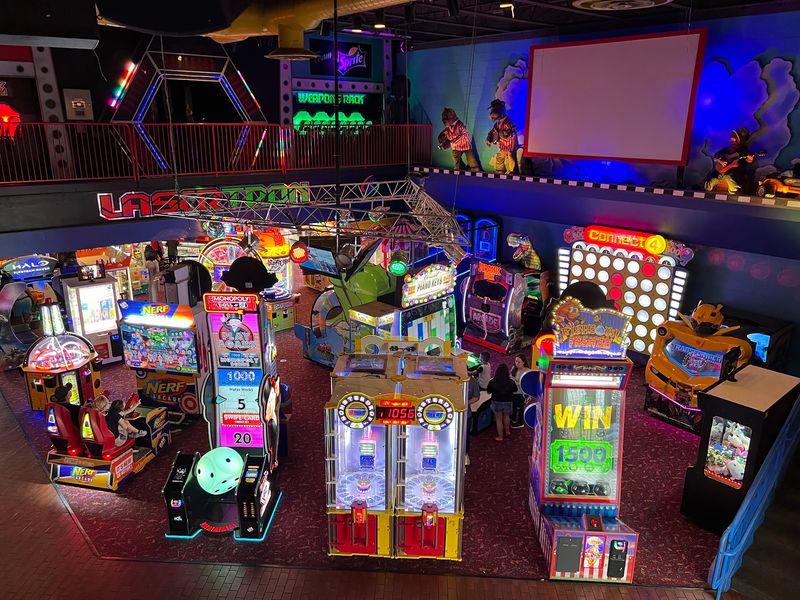
There is a special comfort in a place that knows exactly what it is. No giant myths, no elaborate backstory, just the happy noise of kids racing go-karts, the thunk of baseballs in batting cages, and families stretching an afternoon a little longer.
Celebration Station Mesquite carries that feeling well. It reflects an older style of entertainment park built around repeat visits instead of one huge vacation.
In Mesquite, the attractions are familiar in the best sense: multi-level go-kart tracks, mini golf courses, arcade games, and outdoor activities that make people move instead of just wait in line. For many Texans, places like this were where summer habits formed, and that gives the park a quiet kind of importance.
What stands out is how community-centered it feels. Birthday groups, cousins visiting for the weekend, tired parents grabbing snacks between rounds, the whole scene has a lived-in quality.
If you go, treat it like a local tradition rather than a checklist stop. Competition helps, whether on the golf course or the kart track.
Celebration Station matters because it preserves the rhythm of everyday family fun, and that part of Texas culture deserves remembering too.
Pirate Flags Over Burleson
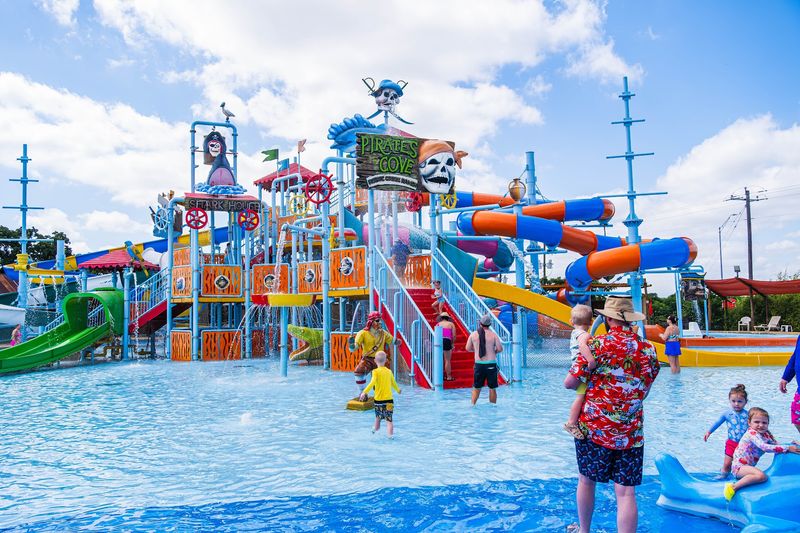
A little silliness goes a long way when families are trying to relax. Pirate flags, bright colors, and the promise of simple competition can turn an ordinary afternoon into something that feels like a small adventure without leaving town.
That playful spirit defines Pirates Cove Fun Zone in Burleson. It is not the sort of place that depends on giant coasters or huge crowds.
Instead, the pirate theme gives shape to miniature golf, go-karts, and family attractions that are easy to enjoy at almost any pace. Younger kids often love the themed setting, while older siblings usually care more about winning the race or finishing a round with bragging rights.
The story here is about how neighborhood-scale parks still matter. Texas amusement culture is not only found in famous destinations.
It also lives in spots where families can spend a few hours, laugh a lot, and head home before dark. If you visit, lean into the theme and let it be lighthearted.
Take the goofy photos, notice the details in the course design, and enjoy the lower stakes. Sometimes the most lasting memories come from places that never tried too hard.
Indoor Thrills for a New Era
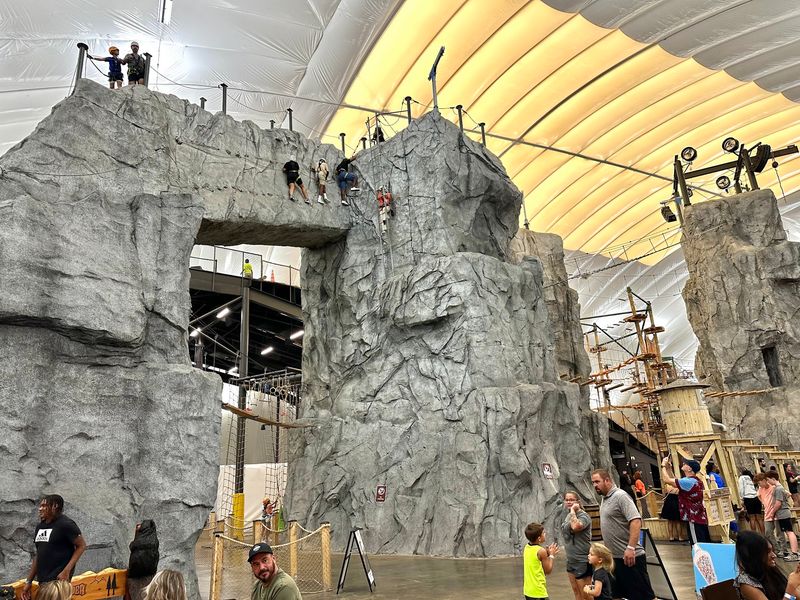
Weather disappears the moment you step inside. Heat, wind, and sudden rain no longer matter, and that simple fact says a lot about how amusement in Texas keeps adapting to modern families.
Bolder Adventure Park in Grand Prairie is a newer kind of destination, but it still fits the larger story of parks changing with the times. Instead of a traditional midway, the focus is active indoor challenge: climbing walls, ropes courses, and attractions built to test balance, nerve, and energy.
The atmosphere feels more athletic than nostalgic, yet the core idea remains familiar. People still come to measure courage, laugh at mistakes, and cheer each other on.
What makes it worth noting in this lineup is the shift it represents. Texas fun is no longer only roller coasters and cotton candy under the sun.
It also happens in controlled spaces where adventure can be packed into one building and enjoyed year-round. If you visit, wear clothes that let you move and expect a more physical experience than the word park might suggest.
Bolder tells a newer chapter, one where entertainment leans into challenge, convenience, and the changing habits of busy families.
A Resort Playground in Round Rock
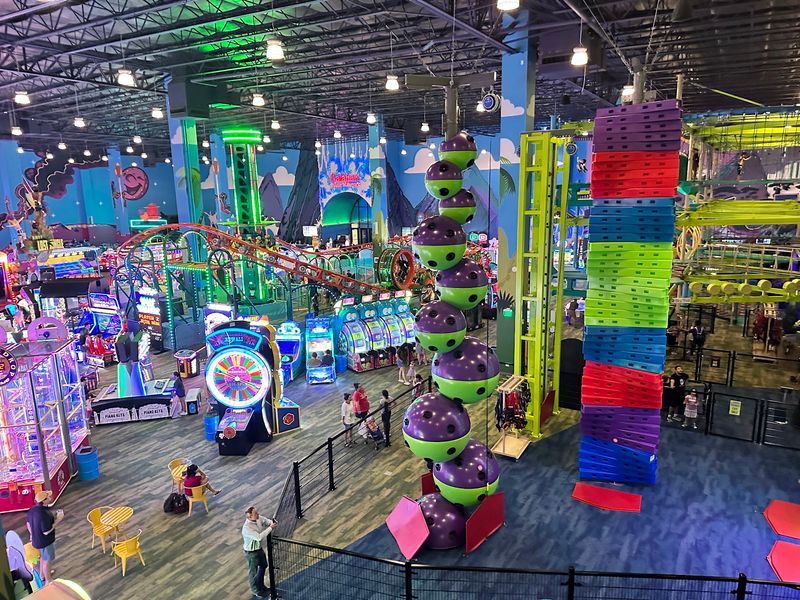
Bright colors, arcade noise, and the steady rush of people moving from water attractions to dry rides create a strange but fun kind of all-in-one escape. It feels less like a roadside stop and more like a carefully built world designed to keep energy high all day.
That world is Tom Foolerys Adventure Park in Round Rock, inside the larger Kalahari resort. It is not old enough to be truly forgotten, yet it belongs here because it shows how the Texas amusement story keeps stretching into new forms.
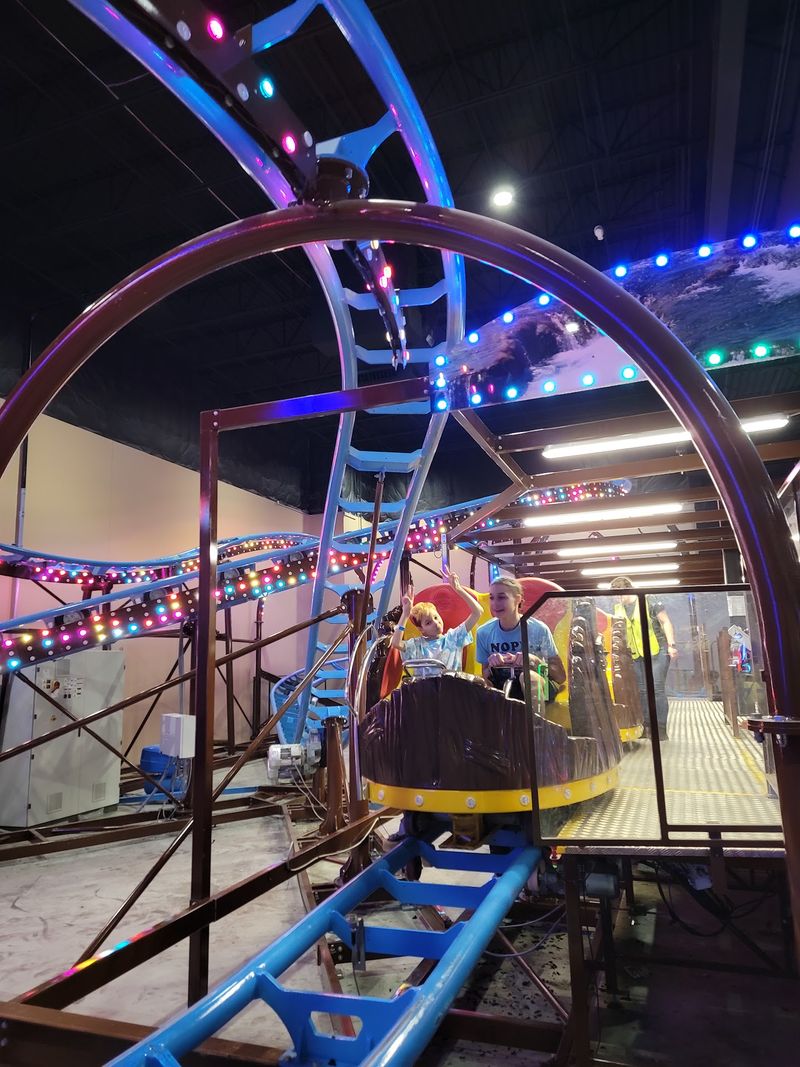
Indoor roller coasters, ropes courses, arcade games, and other attractions are folded into a resort setting where convenience matters almost as much as excitement. Families can spend hours here without worrying about weather or long drives between activities.
The interesting part is how complete the experience feels. Older parks often grew in pieces over time, while this one was planned as part of a bigger destination from the start.
If you go, pace yourself because the packed layout can make time move quickly. Tom Foolerys may be modern, but its story still reflects a classic Texas habit: building bigger, bolder places for families to gather and play.