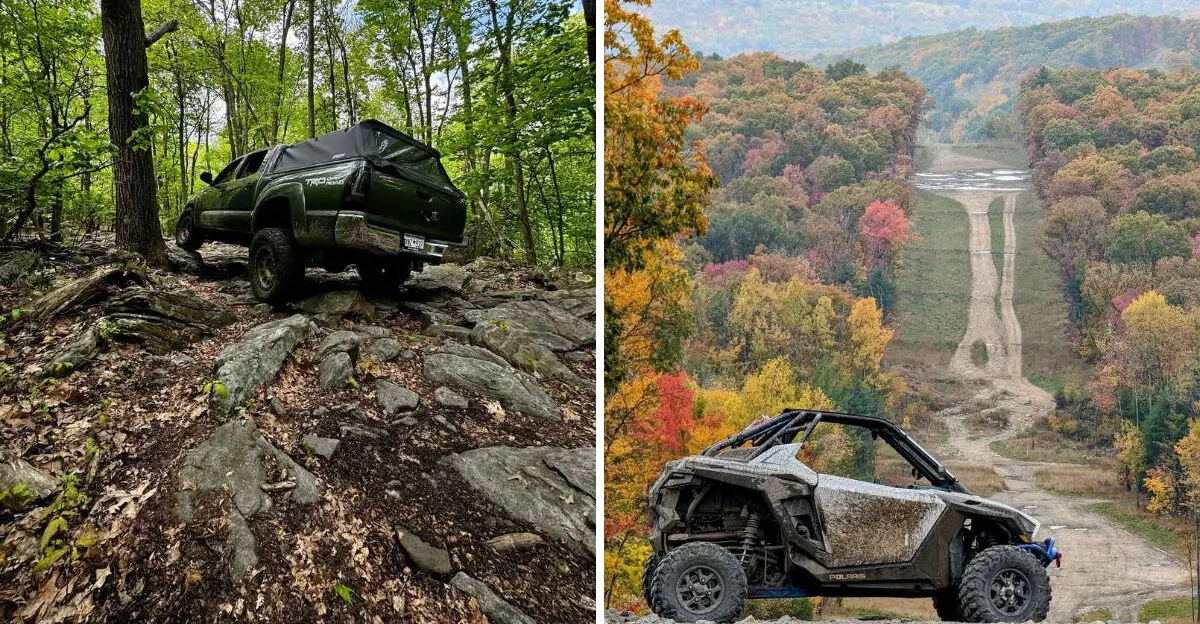
Coal country isn’t sitting still anymore—it’s roaring beneath tires, engines, and mud-covered machines.
Near Coal Township, thousands of acres once shaped by Pennsylvania’s anthracite industry have taken on a whole new purpose.
The Anthracite Outdoor Adventure Area now draws riders into rugged terrain filled with winding trails, steep climbs, rocky sections, and wide-open stretches.
What makes this place so memorable is the contrast. Old mining scars and reclaimed hills surround modern off-road adventures, creating scenery you simply won’t find at an ordinary trail park.
Whether you’re after an easy ride through the woods or ready to tackle technical terrain that demands serious skill, AOAA offers plenty of ways to get dirty.
This is where Pennsylvania’s coal-mining past meets a full-throttle outdoor adventure.
From Abandoned Coal Lands to an Off-Road Destination
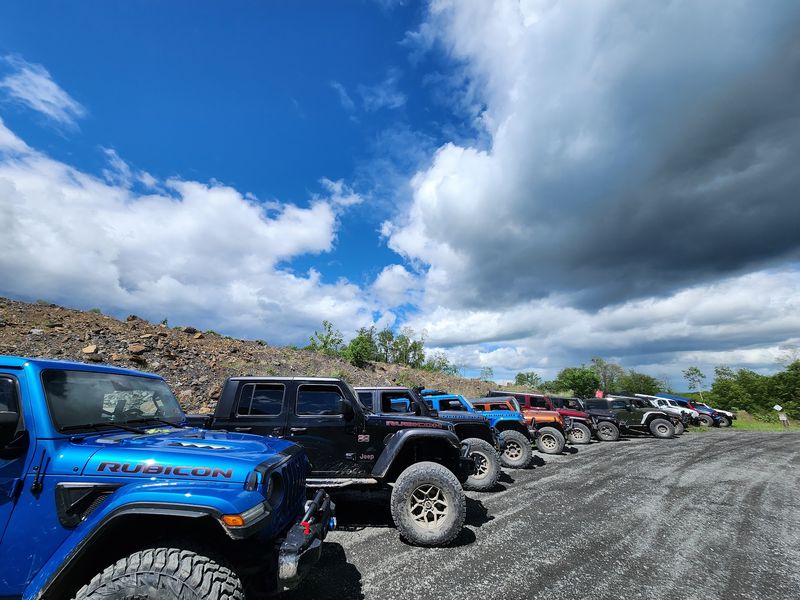
What happens when coal mining stops and the equipment rolls away? In northeastern Pennsylvania, the answer turned out to be something completely unexpected.
Land once dedicated to extracting anthracite coal now hosts an entirely different kind of energy as off-road vehicles navigate terrain that mining operations left behind.
The conversion from industrial site to recreation area wasn’t instant. Years of reclamation work helped stabilize the landscape while preserving the distinctive features that make this place so unusual.
Unlike typical forest trails, riders here encounter terrain that still tells the story of Pennsylvania’s coal era through steep hillsides, rocky surfaces, and dramatic elevation changes created by mining activity.
This transformation shows how land can gain entirely new purpose after its original use ends. The unusual topography that mining created now serves as the foundation for challenging, varied trails.
What was once considered abandoned property has become a destination drawing off-road enthusiasts from across the region who want experiences you simply can’t find in ordinary woodland settings.
Thousands of Acres of Reclaimed Pennsylvania Coal Country
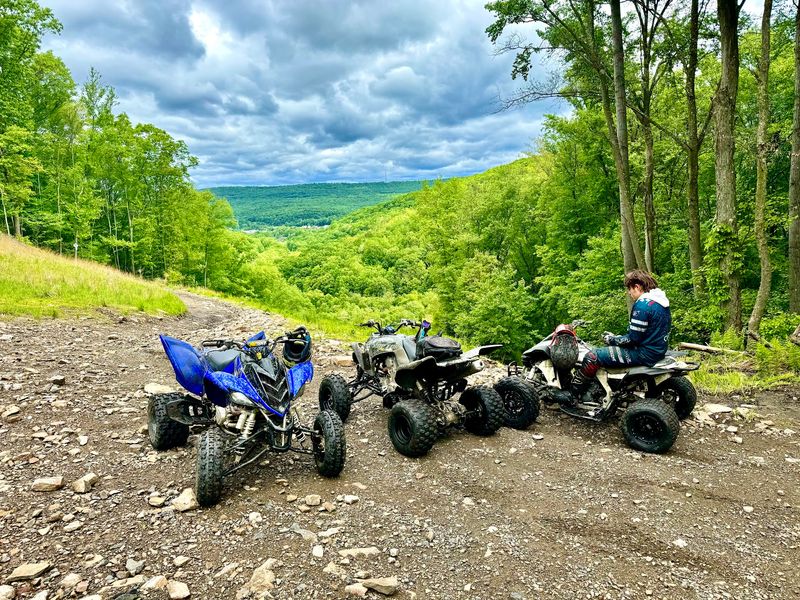
Scale matters when choosing where to spend a day riding, and AOAA delivers impressive numbers. The property currently encompasses roughly 8,000 acres according to the site’s official information, though Pennsylvania’s trail database has documented the area at approximately 6,500 acres, likely reflecting adjustments and changes over the years.
Either way, that’s a massive amount of riding space to explore.
Hundreds of miles of trails snake across this former coal-mining landscape. Riders can spend entire weekends here without covering the same ground twice.
The sheer size means different areas offer different experiences, from open sections with sweeping views to tighter, more technical routes that demand concentration and skill.
Having this much territory available makes AOAA stand out from smaller riding areas. Groups can split up based on experience level or vehicle type and still have plenty of options.
The property’s size also helps spread out visitors during busy periods, so trails rarely feel overcrowded even when the parking area fills up on popular weekends.
Trails for ATVs, UTVs, Dirt Bikes, Jeeps, and Full-Size Vehicles
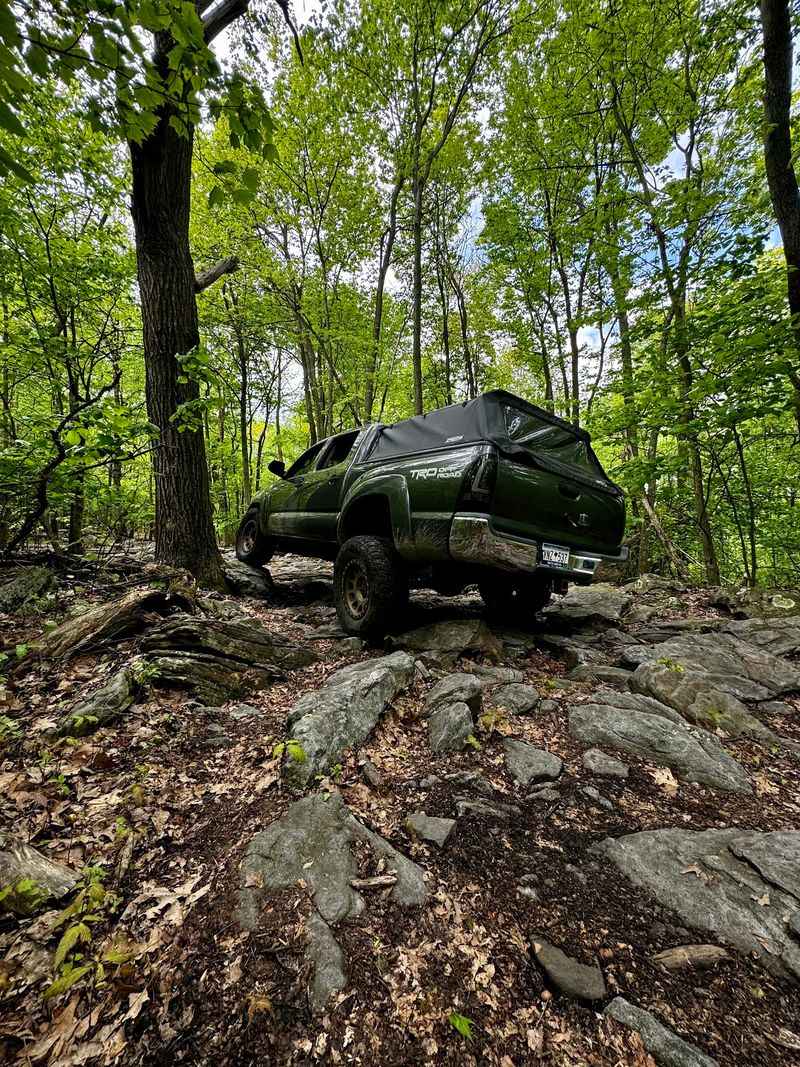
Not every off-road park welcomes every type of vehicle, but AOAA takes a broad approach. Four-wheelers, side-by-sides, dirt bikes, Jeeps, and full-size trucks can all find appropriate trails here.
This variety means families or groups with different machines can ride the same property even if they’re not all on identical vehicles.
Different trails suit different equipment. Some routes work better for nimble dirt bikes that can navigate tighter spaces, while others accommodate wider UTVs or full-size vehicles that need more room.
Rock-crawling sections attract Jeep owners looking to test their suspension and tires, whereas smoother paths let ATV riders focus on covering distance and enjoying scenery.
The multi-use approach creates interesting dynamics. You might encounter a lifted truck navigating the same rocky section you’re attempting on an ATV.
Seeing various machines tackle identical obstacles demonstrates how vehicle choice affects the experience. Whatever you’re driving or riding, you’ll find sections designed with your equipment in mind, plus plenty of routes that work for multiple vehicle types simultaneously.
Easy Cruising to Serious Technical Terrain
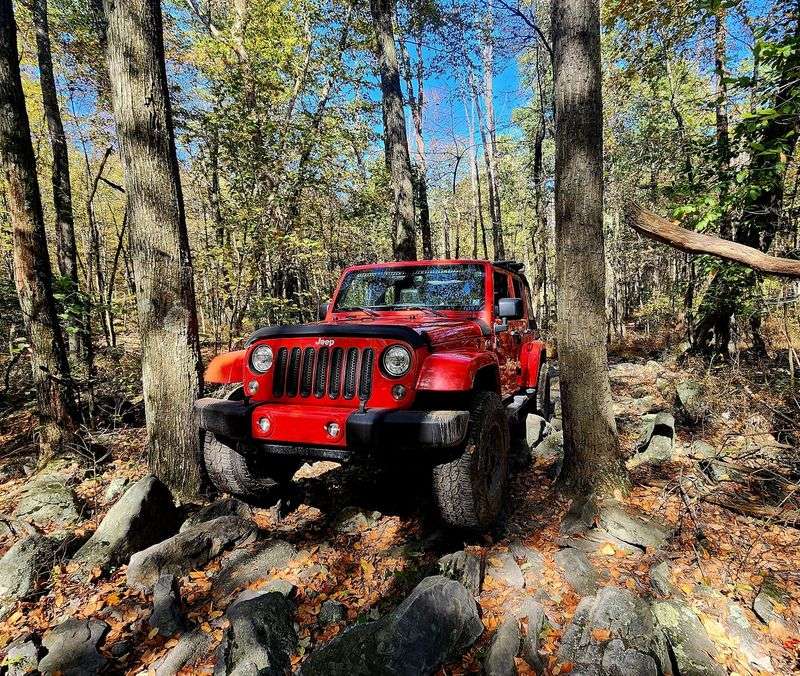
Beginners and experts rarely want identical experiences, which is why AOAA’s range of difficulty levels matters. Easier trails let newer riders build confidence without immediately facing obstacles that require advanced skills.
These routes might follow gentler grades with fewer rocks and provide good opportunities to practice basic vehicle control in relatively forgiving conditions.
Step up to intermediate terrain and things get more interesting. Steeper climbs, muddier sections, and rockier surfaces demand better technique and more capable machines.
Riders start needing to read the trail ahead and choose good lines rather than simply pointing forward and twisting the throttle.
Then there’s the truly challenging stuff. Technical sections at AOAA include steep rock faces, deep ruts, off-camber slopes, and obstacles that test both equipment limits and driver skill.
These areas attract experienced riders specifically looking for difficult terrain that pushes their abilities. The contrast between easy and hard routes means everyone from first-timers to veterans finds appropriate challenges without compromising safety or fun for either group.
The Mining History Is Still Part of the Ride
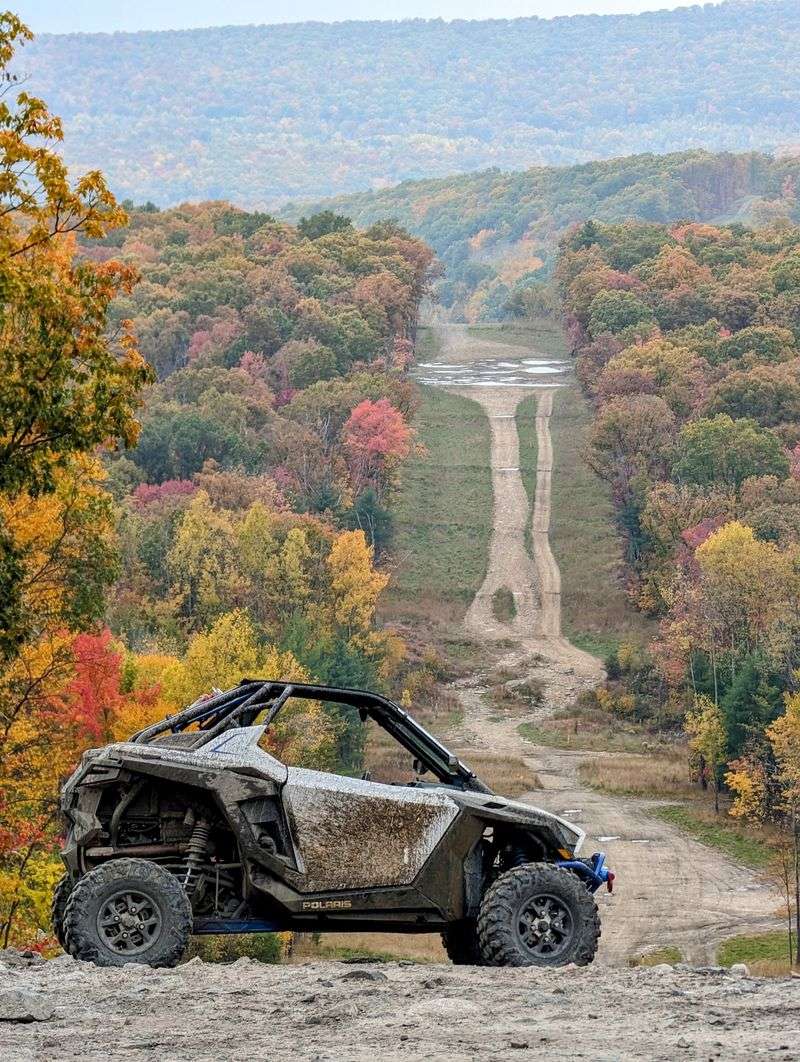
Riding at AOAA feels different because the landscape itself tells an industrial story. Old mine benches create distinctive shelf-like features across hillsides where extraction operations once worked.
These aren’t natural formations but rather the visible fingerprints of anthracite mining that shaped this terrain decades ago.
Reclaimed areas blend industrial past with natural recovery. Vegetation has returned to many sections, softening the stark profiles mining originally created.
Yet the underlying structure remains obvious. Hills rise at angles that reveal where material was removed or piled, and exposed rock faces show where miners cut into the earth searching for coal seams.
This industrial legacy gives AOAA character you won’t find in pristine wilderness areas. You’re not just riding through Pennsylvania countryside but through a landscape humans dramatically altered for specific purposes.
That history adds context and interest beyond the physical challenge of navigating the trails. Every ridge and rock face connects back to the region’s coal-mining heritage, making each ride also a journey through northeastern Pennsylvania’s economic and industrial past.
The Mammoth and Other Challenging Terrain
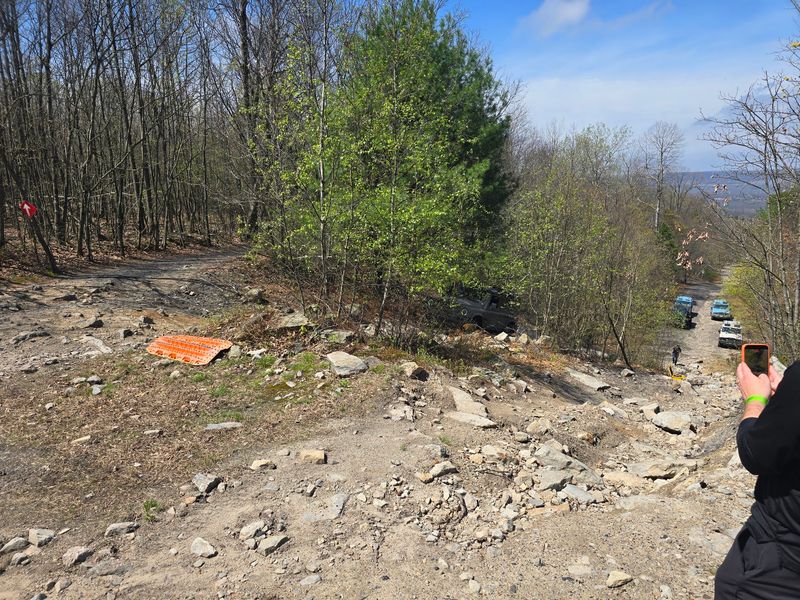
Some riders specifically seek out the hardest obstacles available, and AOAA delivers. The Mammoth area has earned its reputation as particularly demanding terrain where vehicle capability and driver skill both matter tremendously.
Rock-crawling sections here include steep faces, large boulders, and tricky angles that separate casual riders from serious enthusiasts.
Former mine features contribute to the difficulty. Where mining operations created dramatic elevation changes or exposed particularly rugged rock formations, those areas now serve as natural proving grounds.
Negotiating these sections requires careful line selection, proper tire pressure, and often a spotter helping guide you through the trickiest parts.
Not everyone needs to tackle the Mammoth or similar challenging zones. Many visitors enjoy watching skilled drivers attempt these obstacles even if they’re not ready to try themselves.
The area’s reputation attracts experienced riders from considerable distances who specifically want to test themselves against terrain they’ve heard about. If you’re looking for intimidating rock gardens and steep technical challenges, this is where you’ll find them concentrated in one unforgettable section.
It’s Not Just About Motorized Recreation
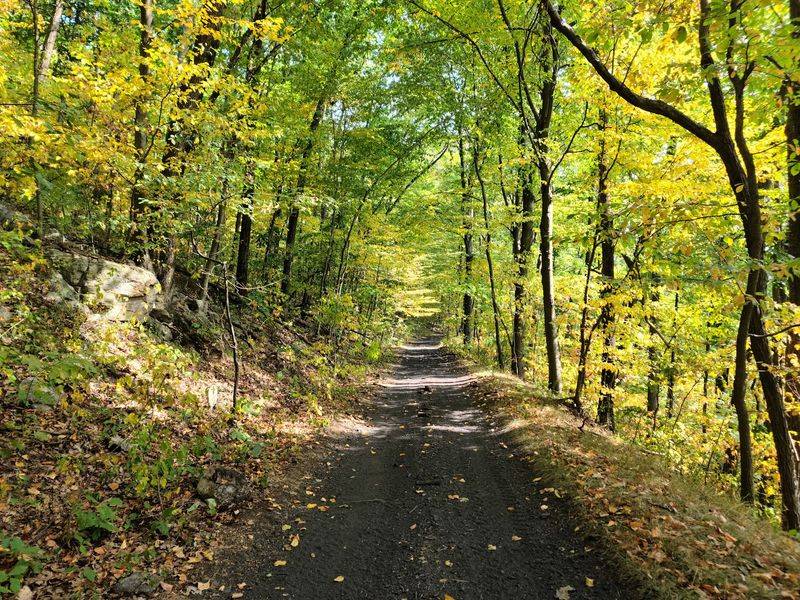
Engines and exhaust might dominate most of AOAA, but there’s also space for quieter outdoor experiences. A walking trail near the Welcome Center offers an entirely different way to experience this reclaimed coal-mining property.
Hikers and walkers can explore sections of the area without needing any motorized equipment or special licenses.
This non-motorized trail includes features like wooded sections that provide shade and peaceful surroundings. Bridges cross small waterways, and exercise stations along the route let visitors combine cardiovascular activity with strength work.
Views around Sunset Ridge give walkers scenic overlooks showing the broader landscape and helping them appreciate the property’s scale and character.
Having this walking option makes AOAA more inclusive. Family members who don’t ride can still participate in the trip by exploring on foot while others take vehicles out on the trails.
The quieter trail also provides perspective on how this former industrial site has recovered and changed, showing the natural processes gradually reshaping terrain that mining once dominated completely.
More Than a Ride: A Look at Pennsylvania’s Coal-Country Revival
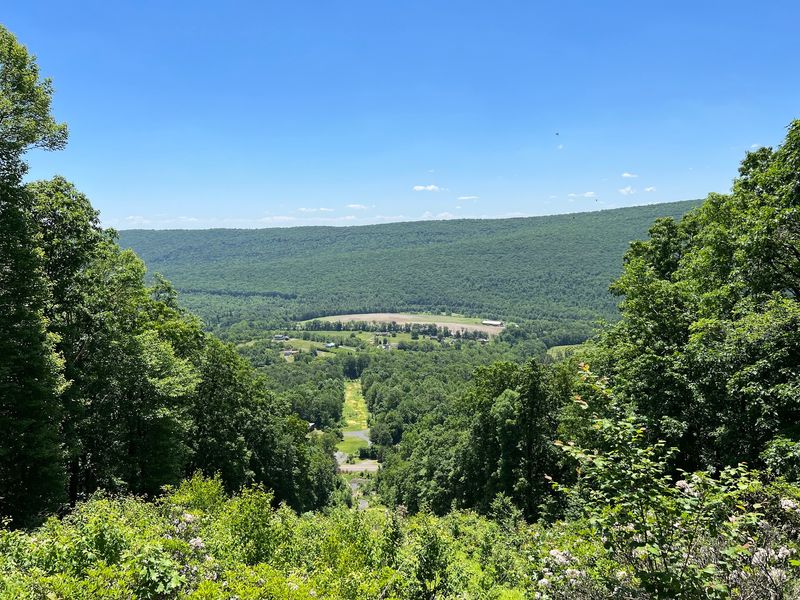
AOAA represents something larger than just a place to ride off-road vehicles. This property tells a story about what happens when communities reimagine industrial land after its original purpose ends.
Northeastern Pennsylvania’s coal-mining era left behind altered landscapes that required new thinking about their future use and economic contribution.
Transforming abandoned or underused mining property into managed outdoor tourism creates different opportunities. Instead of sitting vacant or requiring expensive ongoing reclamation without generating activity, the land now draws visitors who spend money locally and bring energy to the region.
Jobs related to managing and maintaining the recreation area replace some of what mining employment once provided.
The approach preserves industrial heritage while creating new purpose. Visitors learn about coal-mining history simply by experiencing terrain that industry created.
Physical reminders of that past remain visible rather than being erased, helping younger generations understand what this region meant to Pennsylvania’s development. AOAA demonstrates how former industrial property can successfully transition into recreational use while honoring the work and lives connected to its earlier chapter.
What to Know Before You Go
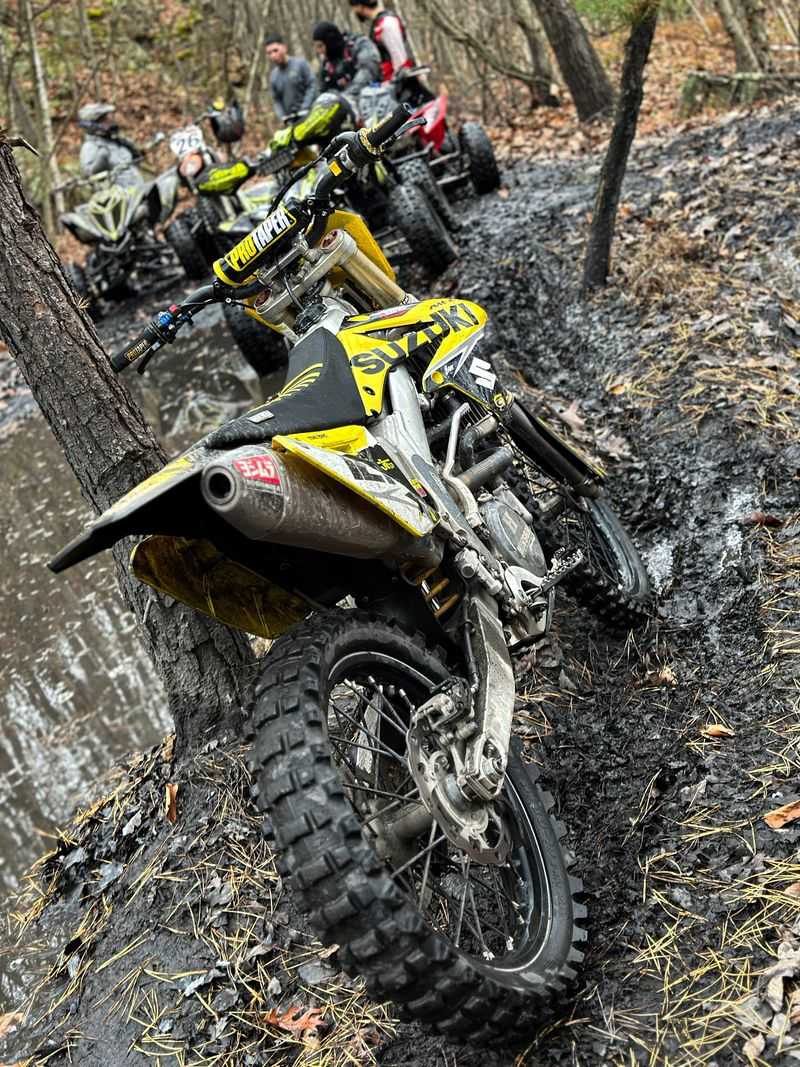
Planning ahead makes any visit more successful. AOAA requires passes for access, and pricing can change, so checking current rates before loading up your vehicle prevents surprises at arrival.
You’ll also need to complete a required waiver covering liability and acknowledging the inherent risks of off-road recreation.
The Welcome Center sits at 4100 State Route 125, Coal Township, PA 17866. You can reach them at 570-648-2626 with questions about current conditions or regulations.
Hours of operation vary, and trail sections may close temporarily due to weather or maintenance, so confirming these details before driving out saves wasted trips.
Safety requirements include wearing appropriate protective gear for your vehicle type. Helmets are standard for ATV and dirt bike riders, and additional protection like goggles and proper footwear makes sense.
Stay on designated, open trails rather than assuming every visible path is fair game. Respect property boundaries and follow posted rules to help ensure AOAA remains open and available for future visits.
Check the official AOAA Trails website for the most current information on passes, rules, closures, and operating details before heading out.