North Carolina is one of those rare states where you can stand at the top of an ancient ridge, walk along a windswept barrier island, and wander through a hardwood forest all in the same weekend.
The best part is that some of the most breathtaking experiences here cost absolutely nothing to enjoy.
From misty mountain overlooks to coastal wildlife refuges, the state’s natural and historical riches are remarkably accessible.
Whether you’re a longtime resident or a first-time visitor, these free attractions offer something genuinely worth slowing down for.
You don’t need a packed itinerary or a large budget to experience what makes North Carolina so memorable.
Just pick a direction, load up the car, and let the state’s free wonders do the rest.
1. Blue Ridge Parkway – Asheville, Buncombe County
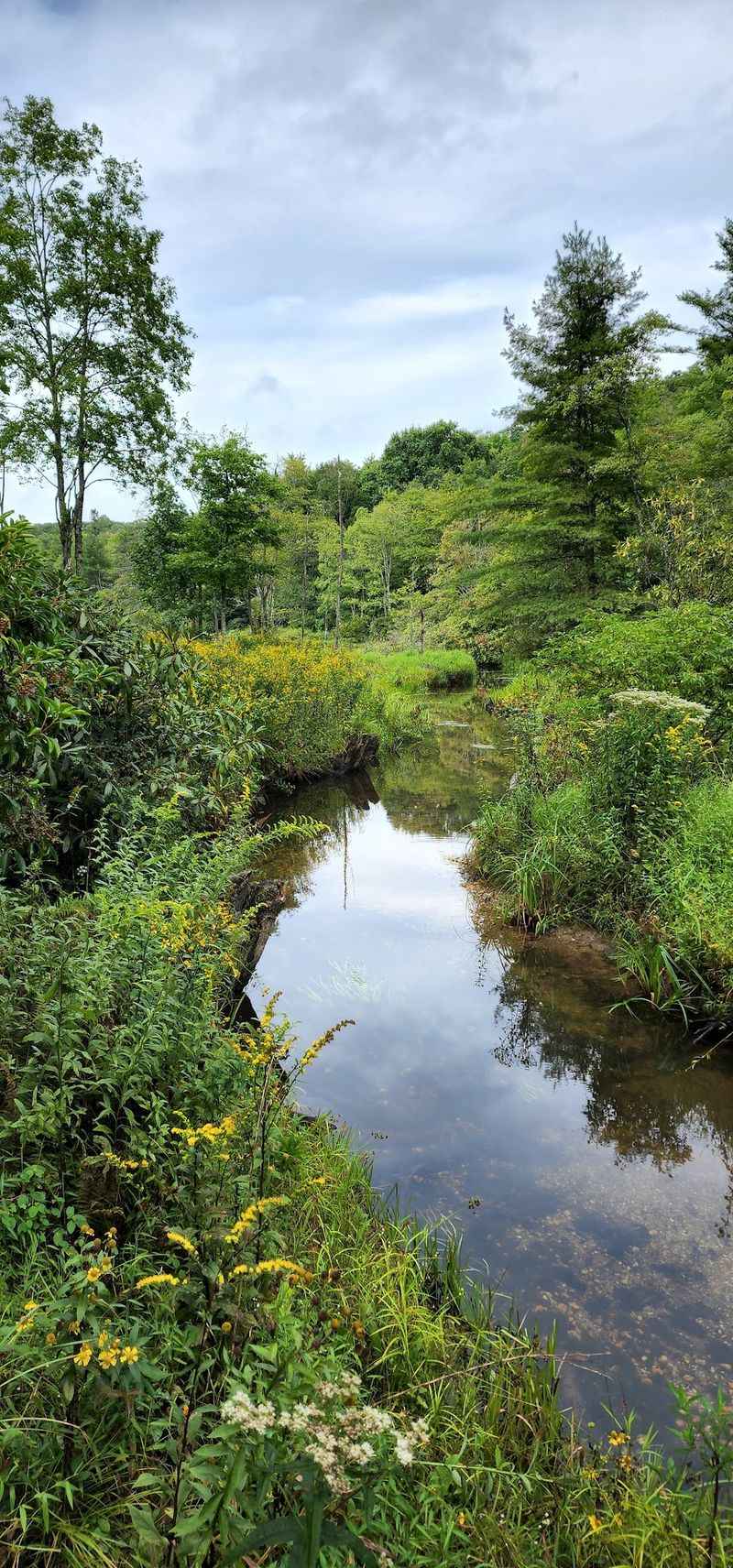
The road seems to float along the mountains, turning every curve into a postcard view.
Near Asheville, the Blue Ridge Parkway gives visitors a free way to enjoy high ridges, cool air, and wide overlooks.
You can stop for photos, short walks, or a picnic without needing a ticket.
Start early if you want quieter pullouts and softer light across the hills.
Popular nearby stops include the Folk Art Center, where Appalachian crafts and cultural history help explain the region.
Many travelers also enjoy the Craggy Gardens area, especially when summer blooms color the slopes.
Weather changes fast here, so bring a jacket even on warm days.
Cell service can be spotty, making a downloaded map a smart idea.
Drive slowly, watch for cyclists, and never park outside marked spaces.
The Parkway was built during the 1930s as a scenic route linking Shenandoah and Great Smoky Mountains national parks.
Its stone walls, tunnels, and overlooks still show careful craftsmanship.
For history, nature, and easy mountain charm, few free drives feel this memorable.
2. Great Smoky Mountains National Park – Cherokee, Swain County
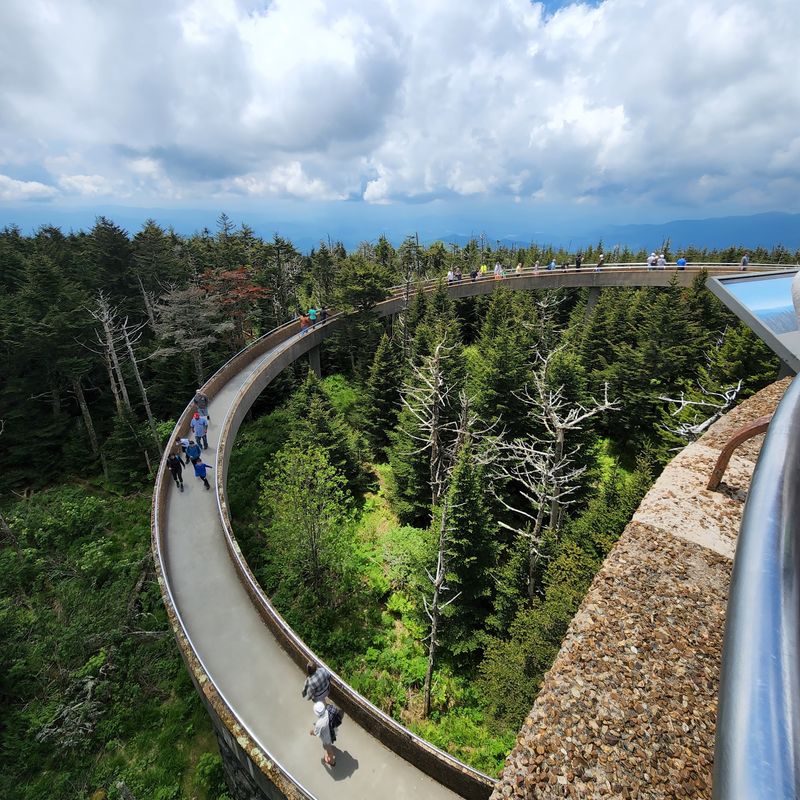
Mist hangs in the trees like a secret, and the forest feels older than memory.
From Cherokee, Great Smoky Mountains National Park welcomes visitors without an entrance fee, which is rare among famous national parks.
That makes it a smart stop for families, hikers, and anyone chasing mountain peace.
The Oconaluftee area is a helpful starting point, with historic buildings, river views, and a visitor center nearby.
Elk often graze in open fields, especially early or late in the day.
Keep plenty of distance, because they are wild animals, not park mascots.
Short trails let visitors enjoy streams, old homestead stories, and thick green woods.
Bring snacks, water, and layers, since mountain weather can surprise you.
Parking tags may be required for longer stops, so check current rules before leaving your car.
The Cherokee area also connects visitors to the homeland and living culture of the Eastern Band of Cherokee Indians.
A free park visit can become richer when you respect that deeper history.
Quiet moments beside the river often say the most.
3. Cape Hatteras National Seashore – Buxton, Dare County
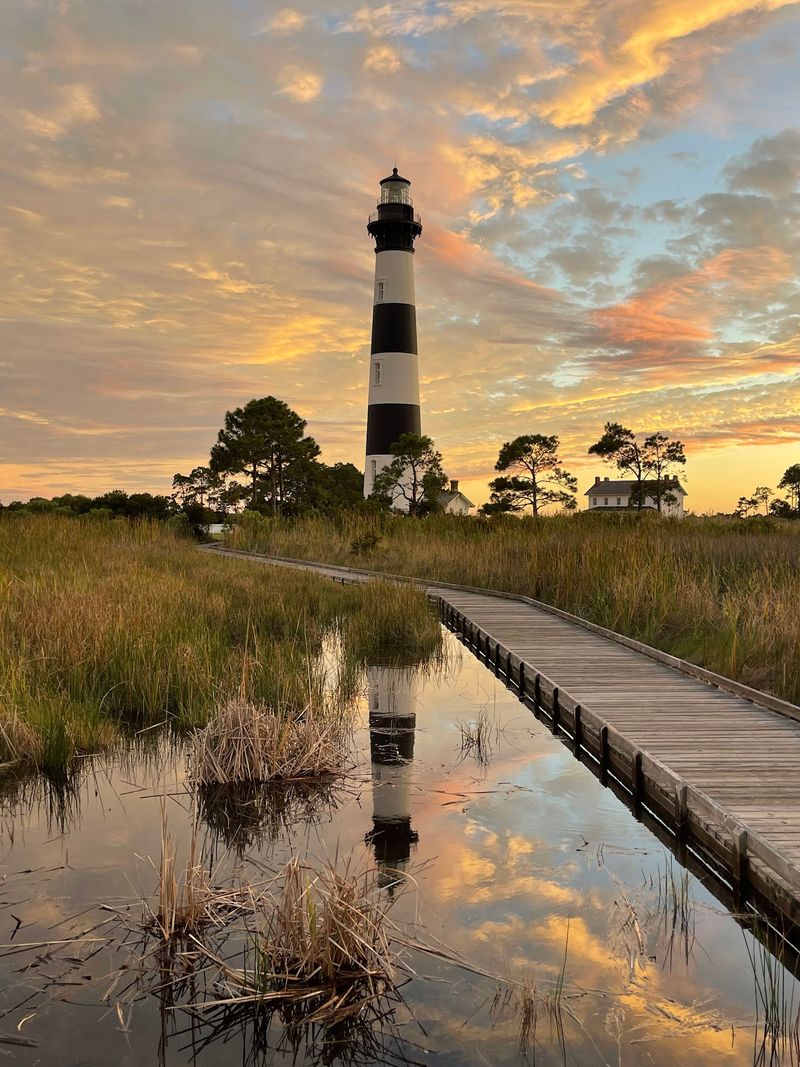
Salt wind, rolling surf, and tall dunes make the Outer Banks feel far from everyday noise.
At Cape Hatteras National Seashore near Buxton, beach access is free, and the Atlantic puts on a show all day.
Visitors come for shell hunting, sunrise watching, birding, and long walks along wild sand.
The famous Cape Hatteras Lighthouse stands nearby, though climbing it may require a fee when open.
Even from the ground, its black-and-white spiral is a striking piece of coastal history.
The lighthouse helped warn ships away from the dangerous Diamond Shoals, known as the Graveyard of the Atlantic.
Swimming conditions can change quickly, so check flags and signs before entering the water.
Rip currents are serious here, even when waves look friendly.
Bring sunscreen, water, and shoes for hot sand.
Some beach areas close seasonally to protect nesting birds and sea turtles.
Respecting those closures helps keep this shoreline wild for the future.
For a free day with ocean power, local lore, and wide-open sky, Buxton is hard to beat.
4. Eno River State Park – Durham, Durham County
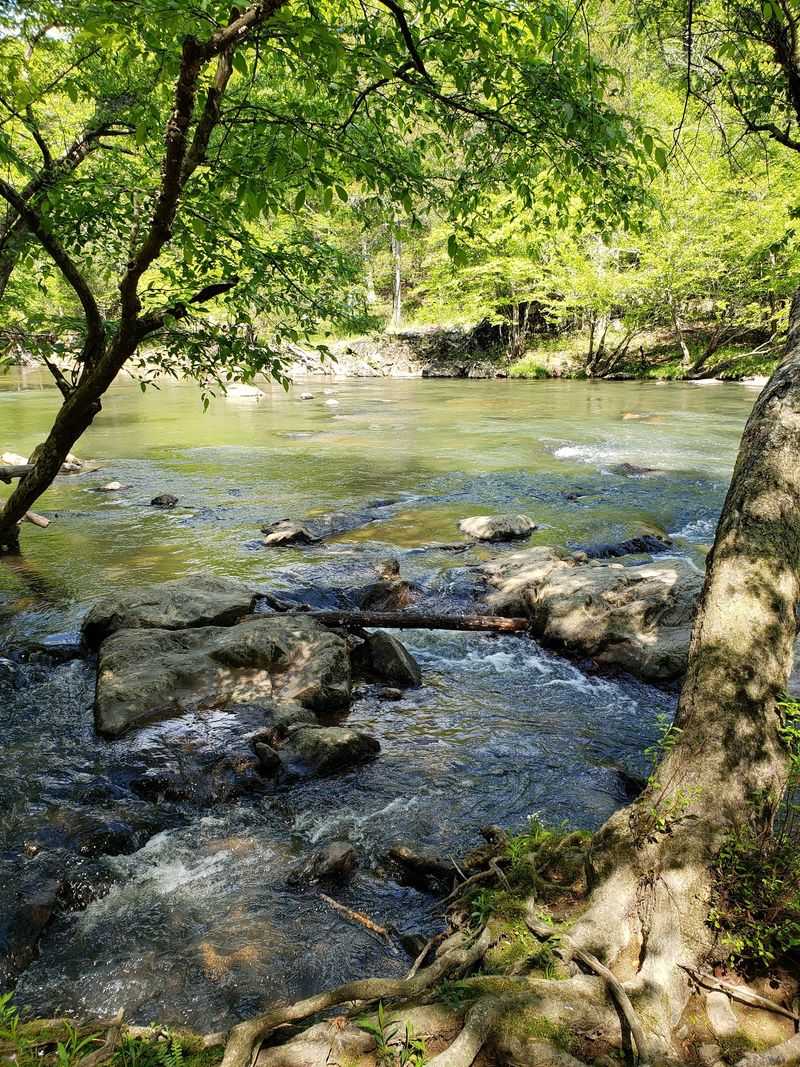
A rocky river slips through the woods just minutes from busy streets, which feels almost magical.
Eno River State Park in Durham is free to enter and offers trails, fishing spots, picnic areas, and shady riverbanks.
It is a favorite escape for people who want nature without a long drive.
Trails range from easy riverside walks to longer routes with roots, rocks, and small climbs.
The Cox Mountain Trail is popular, especially for its swinging bridge and forest views.
Wear sturdy shoes, because wet rocks near the river can be slippery.
History is tucked into the landscape, too.
Old mill sites and settlement traces remind visitors that people depended on the Eno for work, travel, and daily life.
Reading trail signs makes the walk more meaningful.
Summer weekends can get crowded, so morning visits are often best.
Pack out all trash, and avoid blocking narrow roads or neighborhood areas near access points.
The river is beautiful, but water levels and currents can shift after rain.
For quiet reflection, playful exploring, and a strong local feel, this park gives Durham a green heart.
5. Hanging Rock State Park – Danbury, Stokes County
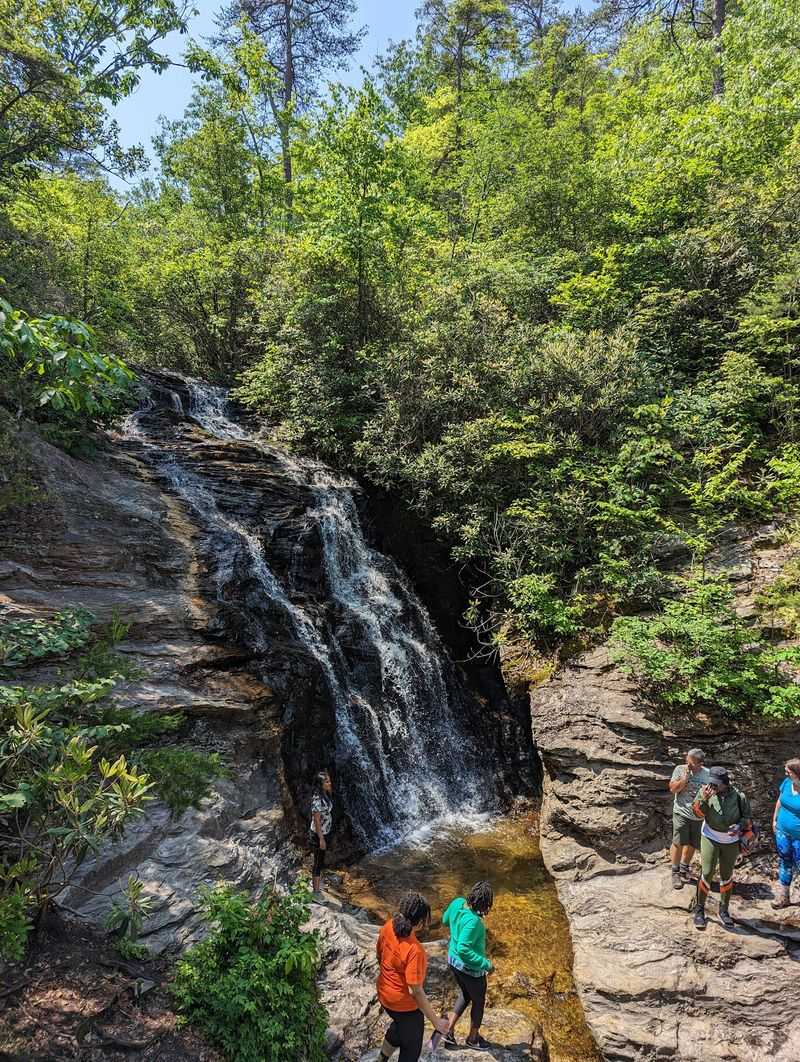
The climb rewards patient legs with a view that seems to stretch forever.
Hanging Rock State Park near Danbury is free to enter and brings together waterfalls, mountain trails, lake scenery, and dramatic stone overlooks.
It is one of the Piedmont Triad area’s best outdoor day trips.
The trail to Hanging Rock itself is a classic choice, but it has uphill sections that can tire younger hikers.
Take breaks, carry water, and allow more time than the mileage suggests.
At the top, stay behind safe edges and keep children close.
Waterfall trails offer another kind of beauty, especially after recent rain.
Lower Cascades is a popular stop, with stone steps and a cool, shaded setting.
Arrive early on pretty weekends, because parking fills quickly.
The park also has roots in 1930s public works history, when the Civilian Conservation Corps helped shape many facilities.
Their stonework and planning still support visitors today.
That mix of human effort and natural drama gives the park extra depth.
Bring a picnic, check trail maps, and watch the weather.
A free visit here can feel like a mini mountain vacation.
6. Medoc Mountain State Park – Hollister, Halifax County
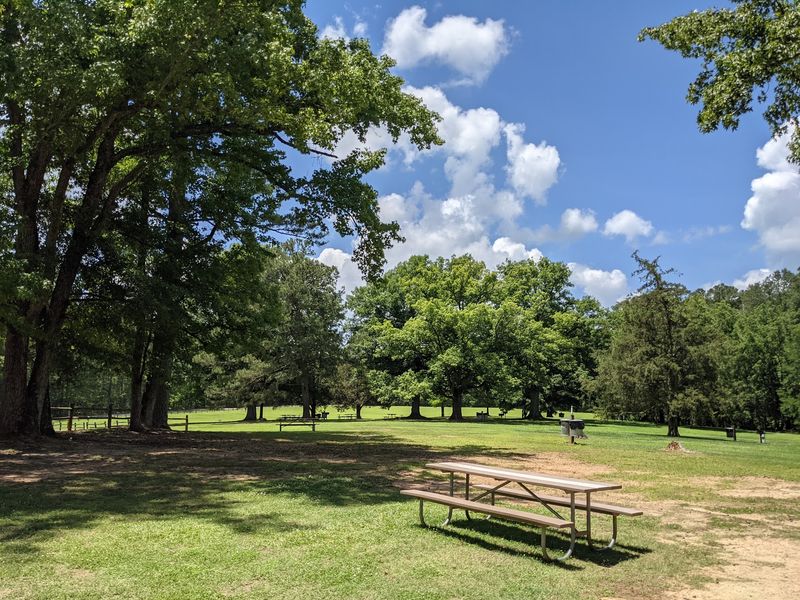
Not every mountain shouts for attention, and that is part of the charm here.
Medoc Mountain State Park near Hollister is free to visit and offers peaceful trails, creek views, camping areas, and a calmer pace than many bigger parks.
The name sounds grand, but the landscape is gentle and welcoming.
Medoc Mountain is actually the worn-down remains of very old land, not a tall peak.
That makes the trails friendly for hikers who want woods, birdsong, and fresh air without steep climbs.
Little Fishing Creek adds sparkle, especially where water slides past sandy banks and roots.
History gives the park a fun twist.
The area was once linked to a 19th-century vineyard owned by Sidney Weller, who named it after a wine region in France.
That unusual story makes the quiet forest feel more surprising.
Visitors should bring bug spray in warm months and check for ticks after walking.
Horse trails and hiking trails may share areas, so pay attention to signs.
Because the park is less crowded, it is great for people who enjoy slow exploring.
A free day here feels relaxed, earthy, and refreshingly simple.
7. Weymouth Woods Sandhills Nature Preserve – Southern Pines, Moore County
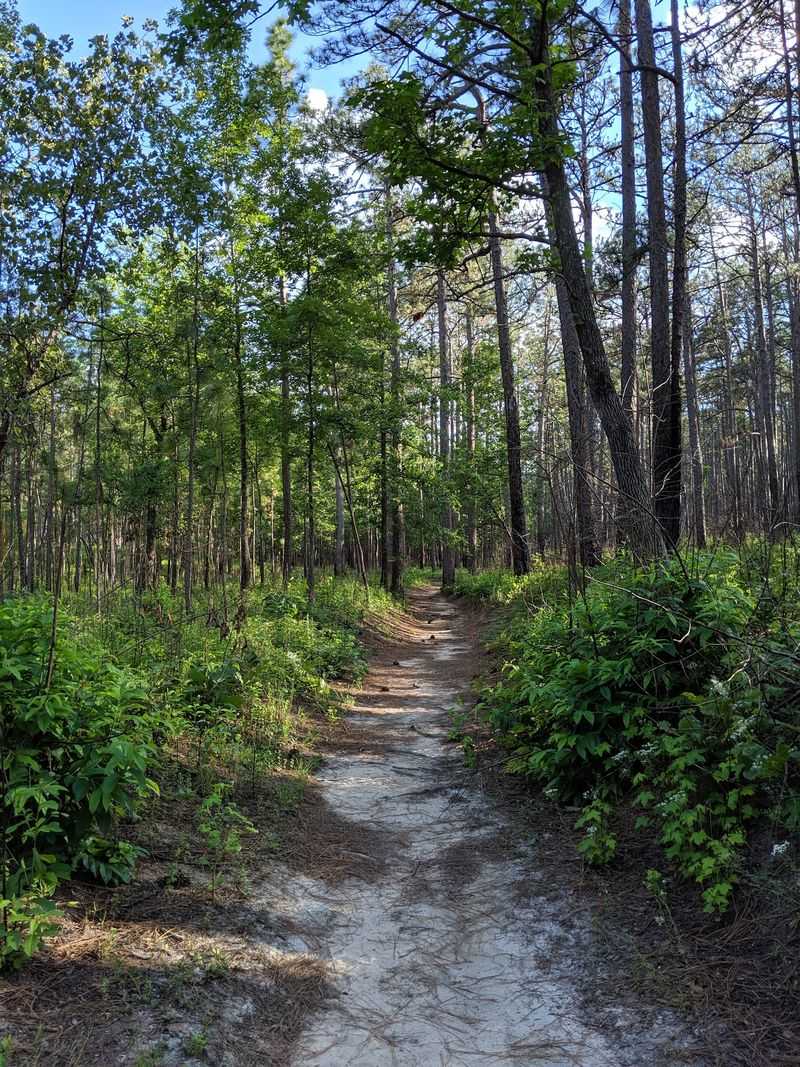
Tall longleaf pines rise like columns, and the sandy trail feels soft underfoot.
Weymouth Woods Sandhills Nature Preserve in Southern Pines is free to visit and protects one of North Carolina’s most special habitats.
It is a quiet place for walking, birdwatching, and learning how fire helps a forest stay healthy.
The preserve is known for longleaf pine, wiregrass, and wildlife that depend on this open woodland.
If you are lucky, you may hear or spot the endangered red-cockaded woodpecker.
Stay on marked trails, because sensitive plants and animal homes can be easy to miss.
Families will appreciate the manageable paths and helpful visitor center exhibits.
The trails are not about big views, but about noticing details, such as pinecones, bird calls, and shifting light.
Bring water, especially on warm days when sandy soil reflects heat.
The Sandhills region has a strong local identity, shaped by forests, rail towns, and outdoor traditions.
This preserve offers a free window into that story.
For travelers who enjoy calm places with hidden richness, Weymouth Woods is a rewarding stop.
8. Pilot Mountain State Park – Pinnacle, Surry County
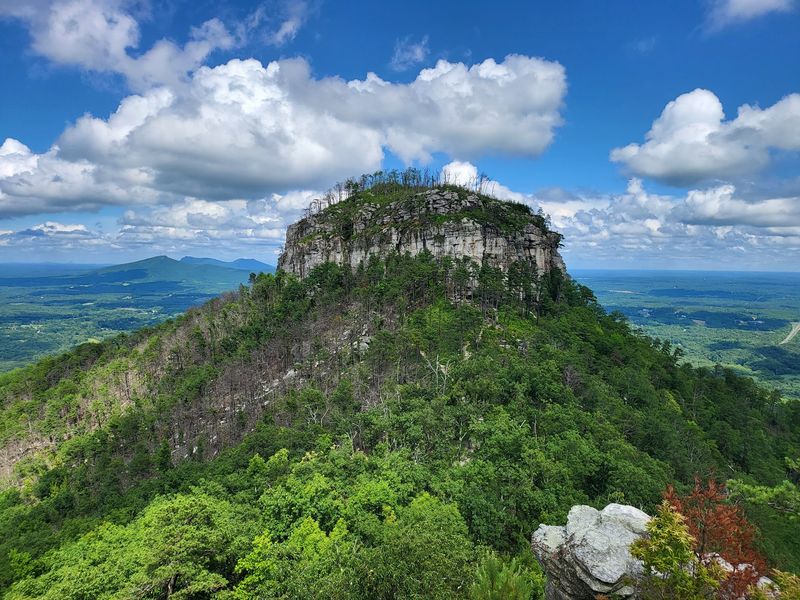
One rocky knob rises above the countryside like a giant landmark from another time.
Pilot Mountain State Park near Pinnacle is free to enter and easy to recognize because of its famous Big Pinnacle.
For generations, travelers have used this peak as a guide across the Yadkin Valley.
The summit area has overlooks that offer wide views without requiring a difficult hike.
Trails near the top let visitors see the mountain from different angles, while lower trails explore woods and river areas.
Check road access before visiting, because summit parking can be limited during busy periods.
Climbing is allowed in certain areas, but the Big Pinnacle itself is protected and closed to climbing.
That rule helps preserve the rock and the rare plants living there.
Even from a distance, the formation is impressive.
Native peoples knew this mountain long before highways and park maps existed.
Its Saura name is often linked to the idea of a pilot or guide.
Today, it still feels like a signpost in the sky.
Bring binoculars, snacks, and a camera.
A free visit can be quick, scenic, and surprisingly powerful.
9. Uwharrie National Forest – Troy, Montgomery County
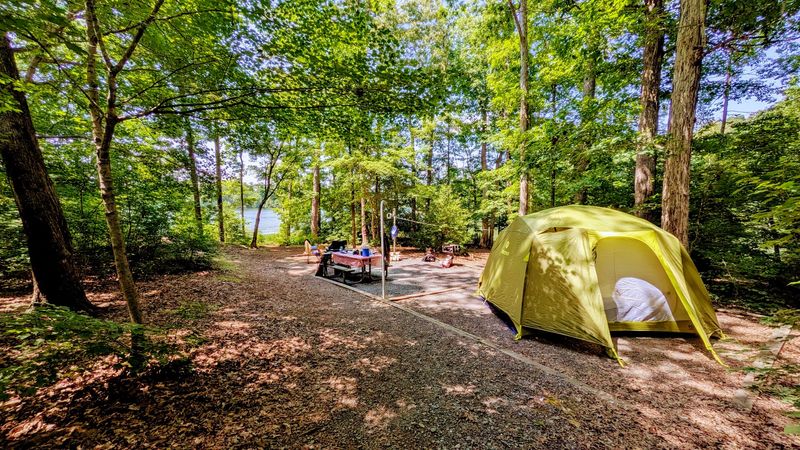
Old hills roll quietly through the center of the state, hiding trails, lakes, and backroads.
Uwharrie National Forest near Troy is free for many day-use activities, including hiking, scenic driving, wildlife watching, and exploring forest roads.
Some campgrounds or special recreation areas may charge fees, so check signs before settling in.
The Uwharrie Mountains are among the oldest mountain ranges in North America.
They are not tall today, but their age gives the forest a deep, rugged character.
Hikers can follow sections of the Uwharrie Trail for rocky paths, creek crossings, and peaceful woods.
Badin Lake and nearby waterways add chances for fishing, paddling, or picnicking where access rules allow.
Off-road vehicle areas exist, but they are separate and may require permits.
Visitors looking for quiet should choose hiking trails away from motor routes.
Bring a paper or downloaded map, because forest roads can confuse first-time visitors.
Cell service may fade, and signs are not always frequent.
Wear bright colors during hunting seasons for safety.
This forest feels adventurous without feeling flashy.
For a free outing, it offers room to roam and breathe.
10. Falls Lake State Recreation Area – Raleigh, Wake County
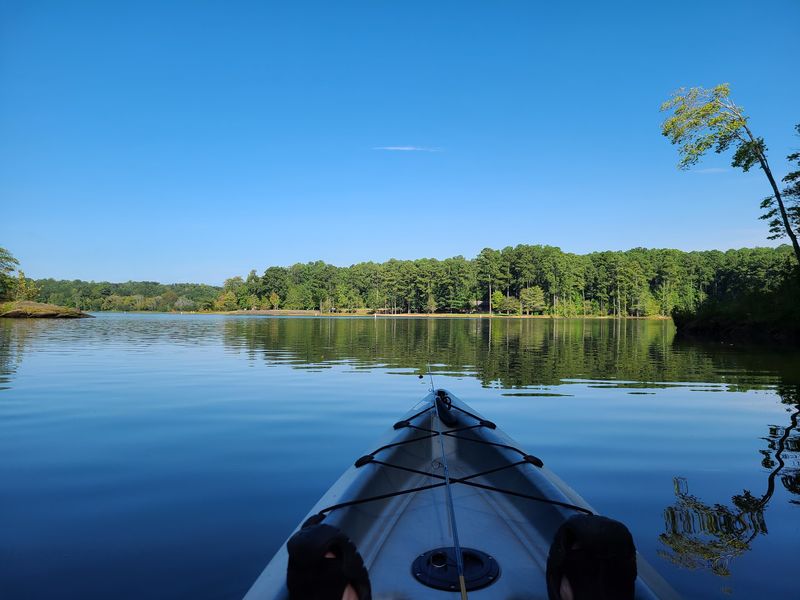
A wide lake waits just beyond the city, giving Raleigh residents an easy breath of fresh air.
Falls Lake State Recreation Area includes several access points around the reservoir, with free options for hiking, wildlife watching, and shoreline views.
Some swim beaches, boat ramps, or facilities may have seasonal fees, so read posted information carefully.
The Mountains-to-Sea State Trail passes through this area, making it a fun stop for walkers who like a bigger story.
You can hike a short section and imagine the trail continuing from the mountains all the way to the coast.
That idea turns a simple walk into a statewide connection.
Birds, turtles, and deer are common sights near quieter coves.
Bring binoculars if you enjoy watching movement along the water’s edge.
Bug spray helps in warm months, especially near marshy spots.
Falls Lake was created for flood control, water supply, and recreation, so it has practical roots as well as beauty.
Urban growth makes places like this even more valuable.
Pack a picnic, arrive early, and leave no litter.
A free lake day can feel surprisingly restorative.
11. Jockey’s Ridge State Park – Nags Head, Dare County
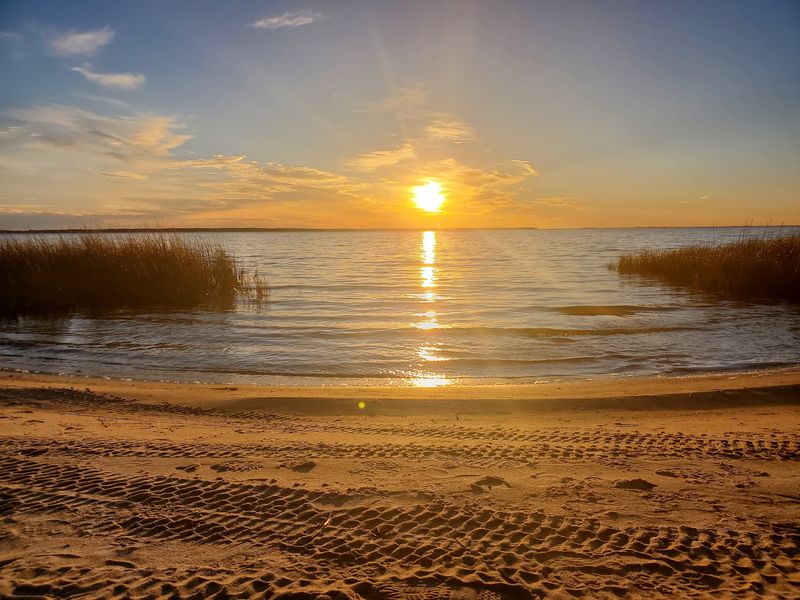
The sand rises like a golden wave, and children often race up it before realizing how steep it is.
Jockey’s Ridge State Park in Nags Head is free to enter and protects the tallest active sand dune system in the eastern United States.
It is playful, strange, and unforgettable.
Walking on the dunes feels different from hiking a forest trail.
Sand shifts under every step, so wear comfortable shoes or go barefoot when temperatures are safe.
In summer, the sand can become very hot, making morning or evening visits smarter.
Kite flying is a favorite activity because steady coastal winds sweep across the ridge.
Hang gliding lessons are offered by private companies for a fee, but watching colorful wings in the sky costs nothing.
Sunset draws crowds for good reason, with soft light over Roanoke Sound.
The dune moves over time, shaped by wind and storms.
That constant change makes each visit a little different.
Stay out of protected plant areas, and bring water because shade is limited.
For free fun with a bold coastal personality, Jockey’s Ridge delivers sand, sky, and pure Outer Banks wonder.
12. Boone’s Cave Park – Lexington, Davidson County
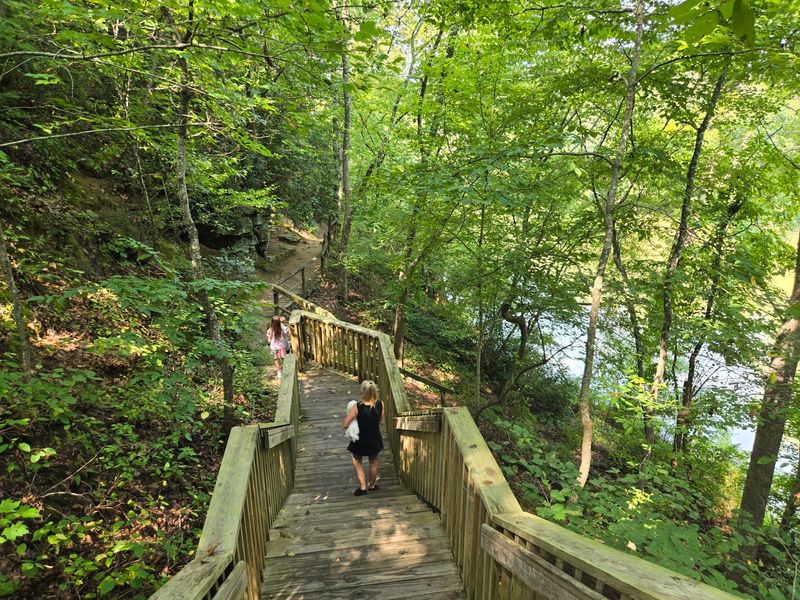
A small cave, a river bluff, and a famous frontier name give this park an old-story feeling.
Boone’s Cave Park near Lexington is free to visit and offers hiking trails, picnic spots, river views, and local legend in one compact setting.
It is especially appealing for families who like history with their nature walks.
The park is tied to stories about Daniel Boone’s family living in the area during his youth.
Historians debate details, but the connection still sparks curiosity about early settlement along the Yadkin River.
Trail signs and the cave area help visitors imagine a rougher time.
Paths lead through hardwood forest, down slopes, and toward scenic river overlooks.
Some sections can be uneven or steep, so good shoes are useful.
After rain, muddy spots may slow your walk.
The cave itself is modest, not a giant cavern, so set expectations for charm rather than spectacle.
That smaller scale is part of what makes the park feel personal.
Bring lunch, watch children near drop-offs, and respect closed areas.
For a free stop near Lexington, Boone’s Cave Park blends folklore, woods, and quiet Yadkin River beauty.