Ohio surprises visitors with incredible experiences that cost absolutely nothing.
From world-class museums to stunning waterfalls and charming historic neighborhoods, the Buckeye State packs way more adventure than most people expect.
Whether you’re exploring dramatic caves, relaxing on lake beaches, or wandering through cultural gardens, these free attractions prove you don’t need a big budget to have an amazing time.
Get ready to discover hidden gems that make Ohio one of the most underrated destinations in the Midwest.
Cuyahoga Valley National Park
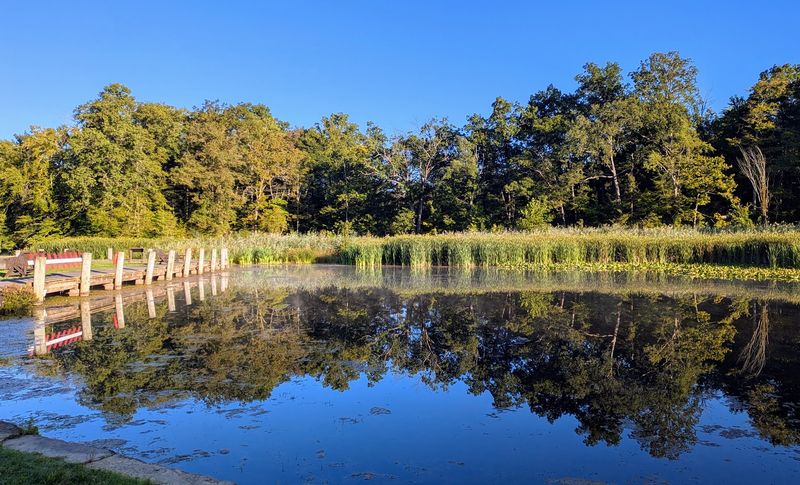
Between Cleveland and Akron sits a wilderness that feels impossibly wild for being sandwiched between two major cities. Cuyahoga Valley National Park delivers the kind of natural beauty you’d expect to pay admission for, yet it’s completely free to explore.
Brandywine Falls crashes 65 feet over ancient rock layers, creating a thundering spectacle that rivals waterfalls in pricier national parks out West.
The Ohio & Erie Canal Towpath stretches for miles, perfect for long bike rides through forests that glow gold every autumn. Wildlife sightings happen regularly here—great blue herons, beavers, and white-tailed deer make appearances along quiet trails.
You can spend entire days wandering through hemlock gorges and meadows without encountering crowds.
What makes this place truly special is how it transforms with the seasons. Winter blankets everything in snow, turning waterfalls into frozen sculptures.
Spring brings wildflowers carpeting the forest floor. This park proves that Ohio’s natural landscapes can genuinely compete with America’s most celebrated outdoor destinations, minus the entrance fees and tourist chaos.
Hocking Hills State Park
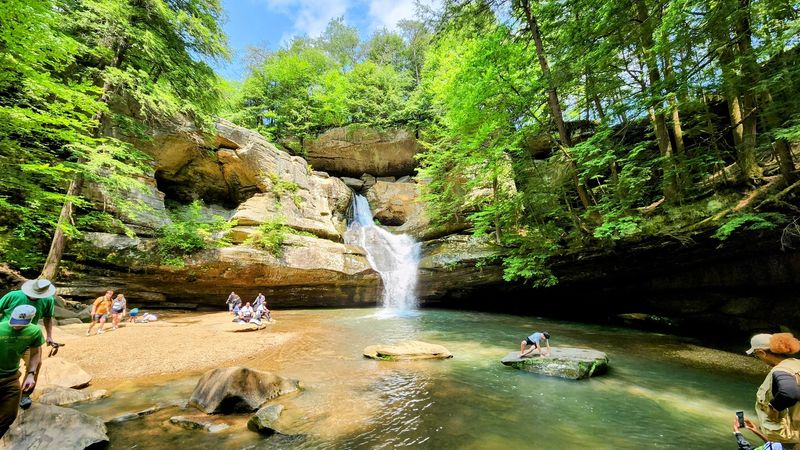
Stepping into Hocking Hills feels like entering a fantasy novel where towering cliffs guard hidden caves and waterfalls emerge from rocky alcoves. Old Man’s Cave earned its name from a hermit who once lived in this natural shelter carved by centuries of water erosion.
The recess cave creates a cathedral-like space where sunlight filters through hemlock branches above.
Ash Cave stretches as the largest recess cave east of the Mississippi River, with a horseshoe-shaped cliff spanning 700 feet. During spring rains, a waterfall pours over the rim, creating a curtain of water that echoes through the hollow.
The paved trail makes it accessible for strollers and wheelchairs, proving adventure doesn’t always require difficult hikes.
Cedar Falls and Cantwell Cliffs add even more drama to this landscape sculpted from Black Hand sandstone. Rock formations jut out at impossible angles, creating narrow passages and natural bridges.
Visiting in winter reveals frozen waterfalls transformed into massive ice sculptures. For a free destination, Hocking Hills delivers scenery that belongs on premium travel bucket lists worldwide.
Headlands Beach State Park
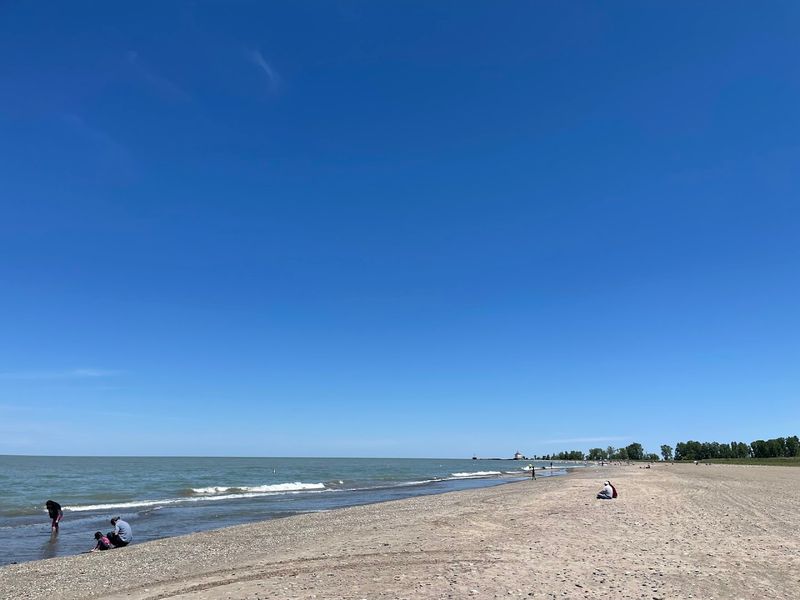
Forget everything you thought you knew about Ohio beaches. Headlands Beach stretches for a mile along Lake Erie’s shoreline, offering soft sand that rivals coastal destinations charging parking fees.
At sunrise, the water transforms into liquid gold as light spreads across the horizon, creating photo opportunities that look photoshopped but aren’t.
The beach remains surprisingly uncrowded even during peak summer weekends, giving you space to spread out and actually relax. Swimming feels refreshing without ocean waves knocking you around, making it perfect for families with younger kids.
Warm shallow areas near shore heat up nicely by afternoon, while deeper sections stay cool for those seeking a proper swim.
Behind the beach, sand dunes support rare plants and provide habitat for migrating birds. The adjacent Headlands Dunes State Nature Preserve protects this fragile ecosystem.
Walking here during fall migration means spotting hawks, warblers, and waterfowl by the dozens. This free natural beach proves Lake Erie deserves far more recognition as a legitimate summer destination worth planning vacations around.
Cleveland Museum of Art
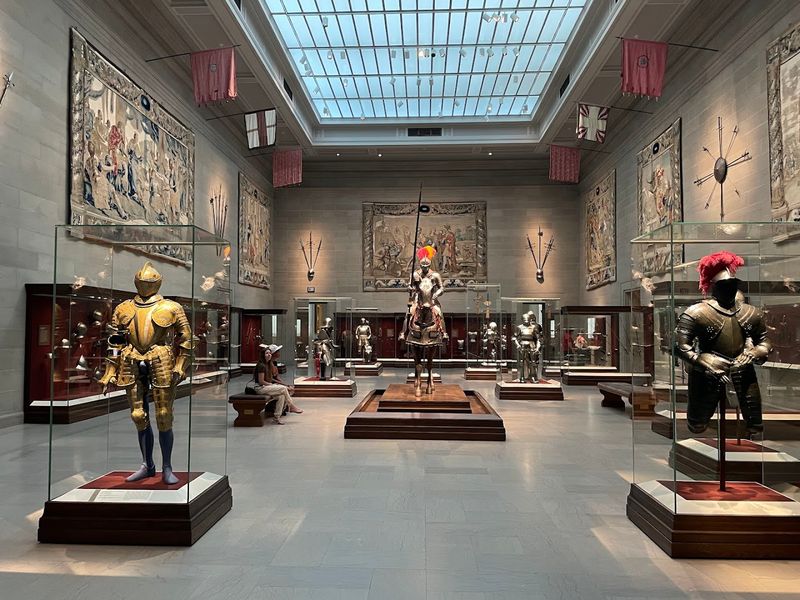
Walking into the Cleveland Museum of Art feels like crashing an exclusive party where you’re somehow the guest of honor. This world-class institution houses over 45,000 artworks spanning 6,000 years of human creativity, from ancient Egyptian artifacts to contemporary installations.
The fact that general admission costs zero dollars seems almost too good to be true.
Masterpieces by Monet, Picasso, and Caravaggio hang alongside treasures from Asia, Africa, and the Americas. The armor court displays medieval suits of armor that transport you to different centuries.
Interactive galleries let you examine objects up close, while touchscreens provide deeper context about techniques and historical periods.
The museum’s modern addition features glass-walled galleries that flood exhibition spaces with natural light. Free concerts, lectures, and special events happen regularly throughout the year.
Families appreciate the dedicated education spaces designed specifically for younger visitors to engage with art hands-on. You could spend entire days here exploring different wings without exhausting the collection.
For anyone claiming Ohio lacks culture, this museum shuts down that argument immediately.
Cleveland Cultural Gardens
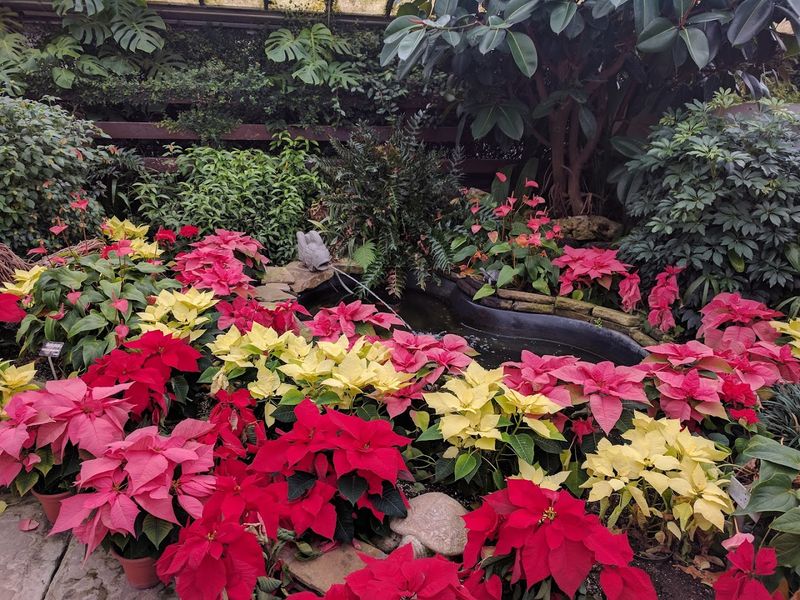
Imagine traveling through 31 different countries without leaving a single park. Cleveland Cultural Gardens makes this possible through a series of themed gardens celebrating various ethnic communities that shaped the city.
Each garden features unique architecture, sculptures, and plantings reflecting its represented culture.
The Italian Garden showcases classical columns and Renaissance-inspired fountains. Walk a few hundred feet and you’re suddenly surrounded by Japanese maples and stone lanterns in the Japanese Garden.
The German Garden includes a statue of Goethe, while the Irish Garden honors literary giants like James Joyce. These aren’t just token gestures—each space demonstrates genuine care and cultural authenticity.
Spring brings explosions of color as thousands of flowers bloom simultaneously across the gardens. Quiet benches tucked throughout provide perfect spots for reading or simply watching butterflies dance between blossoms.
The gardens stretch along Martin Luther King Jr. Boulevard, creating a peaceful green corridor through the city. Free guided tours happen during summer months, offering deeper insights into each culture’s contributions.
This hidden treasure demonstrates how diversity enriches communities in the most beautiful ways possible.
Ohio Statehouse
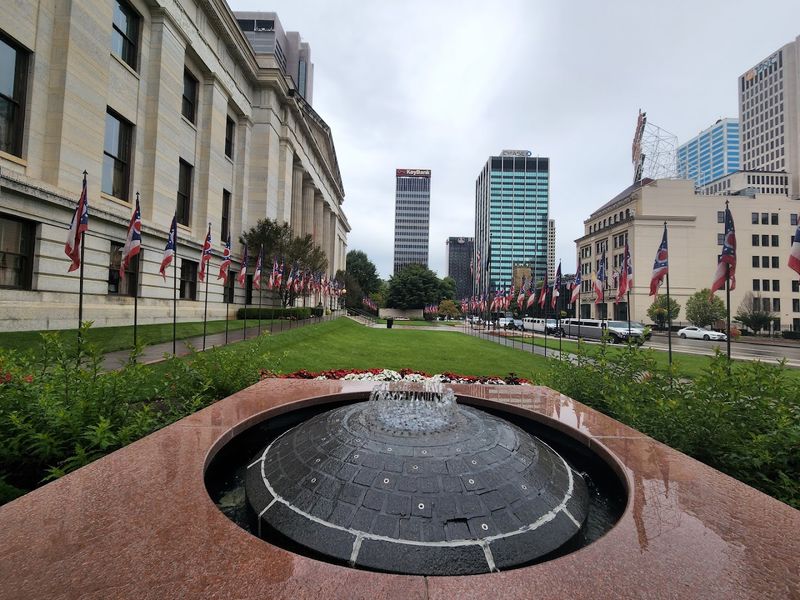
Greek Revival architecture dominates downtown Columbus through the imposing presence of the Ohio Statehouse. Built between 1839 and 1861, this National Historic Landmark offers free guided tours revealing secrets most Ohioans don’t know about their state’s political headquarters.
The building’s design deliberately avoided a traditional dome initially, creating a distinctive roofline that later received its copper cupola.
Underground tunnels connect various parts of the building, remnants of an era when legislators needed discrete passages for various purposes. The Statehouse Museum Room displays artifacts from Ohio’s political history, including items from presidential campaigns since eight U.S. presidents hailed from this state.
Restoration work completed in the 1990s returned the building to its 19th-century grandeur while adding modern accessibility features.
The third-floor rotunda features an oculus flooding the space with natural light. Marble columns imported from quarries across the region support ornate ceilings decorated with period-appropriate colors.
Tours last about an hour and guides share fascinating stories about legislation, scandals, and historical figures who walked these halls. For anyone interested in American history or architecture, this free experience delivers surprising depth.
Scioto Mile
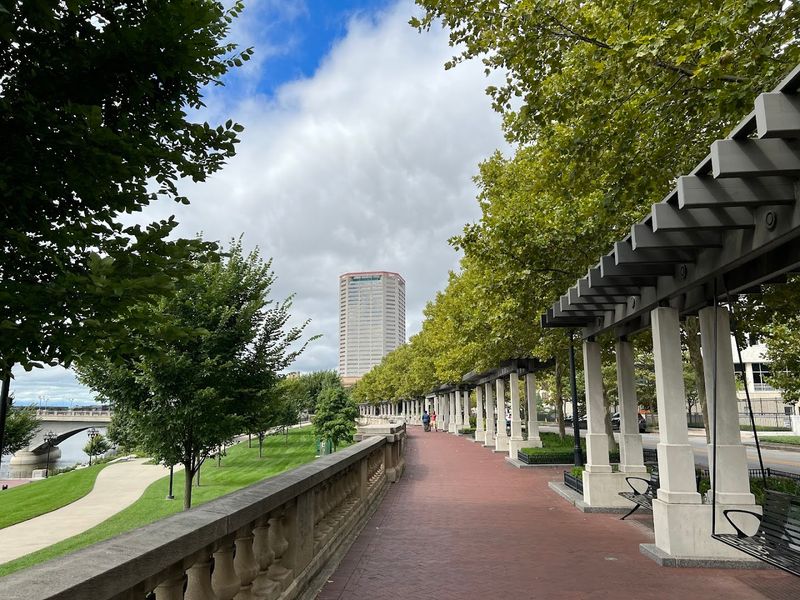
Downtown Columbus transformed its riverfront into the kind of urban park that makes other cities jealous. The Scioto Mile stretches along both sides of the Scioto River, offering 175 acres of green space, fountains, and pathways where office workers and families mingle freely.
The massive fountain shoots water jets high into the air, creating a dynamic centerpiece that changes patterns throughout the day.
During summer evenings, the fountain becomes an unofficial water park where kids run shrieking through the spray while parents relax on nearby lawns. The fountain’s choreographed displays sync with music during special events, turning ordinary Tuesday nights into impromptu celebrations.
Biking and walking paths connect the entire mile, making it easy to explore without dealing with car traffic.
Overlooks provide perfect vantage points for watching downtown’s skyline reflect in the water during golden hour. Free concerts and festivals take over the space regularly from May through September.
The park demonstrates how thoughtful urban planning creates gathering spaces that feel genuinely welcoming rather than exclusive. It’s proof that the best things cities offer their residents shouldn’t cost anything at all.
Smale Riverfront Park
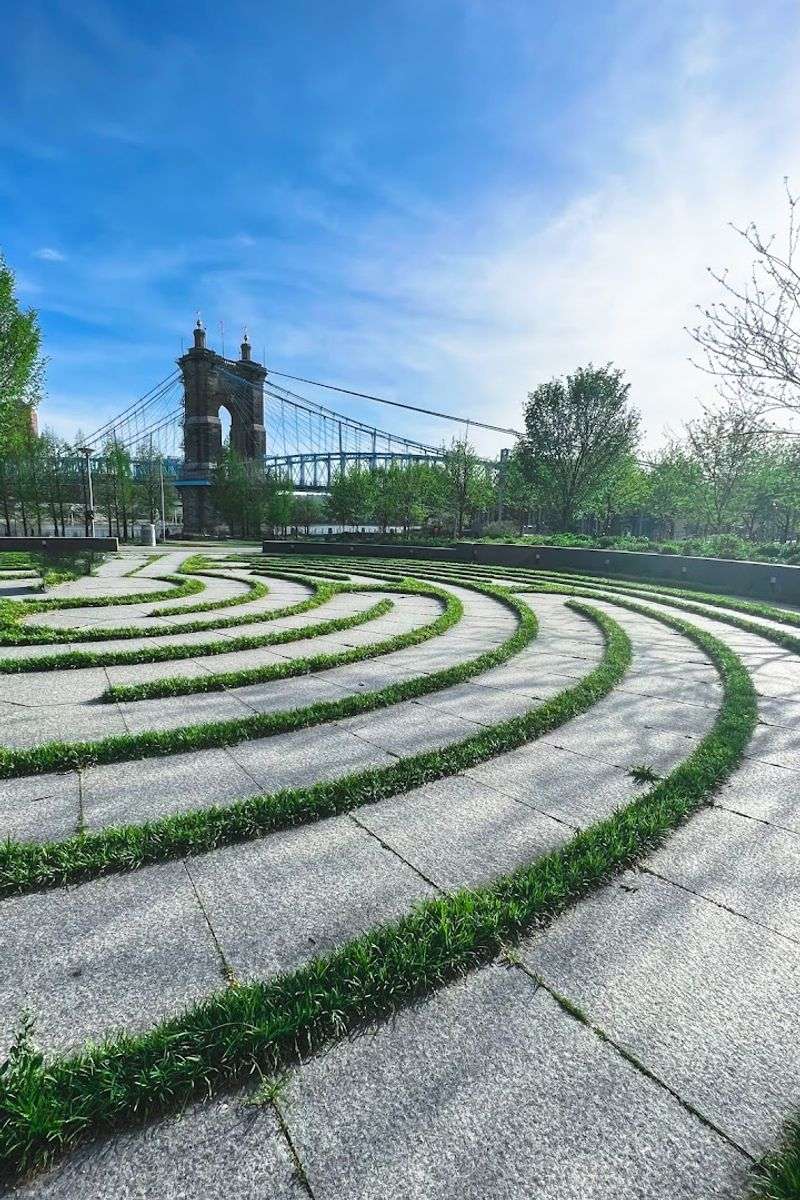
Cincinnati’s waterfront rebirth centers on Smale Riverfront Park, where modern design meets natural beauty along the Ohio River. Giant swings face the water, letting visitors of all ages rock gently while watching riverboats chug past and the Kentucky shoreline shimmer across the water.
These aren’t playground swings—they’re substantial seats designed for adults to reclaim childhood joy.
Interactive fountains called The Carol Ann’s Carousel feature 100 programmable water jets that create ever-changing patterns. On hot afternoons, the space transforms into Cincinnati’s coolest hangout spot as water shoots up in random sequences.
Careful landscaping includes native plants and trees providing shade without blocking sightlines to the river.
Multiple gardens throughout the park offer quieter spaces for contemplation away from fountain excitement. The P&G Vibrant Vine creates a tunnel of greenery perfect for Instagram-worthy photos.
Evening visits reveal why this park wins design awards—lighting transforms ordinary features into magical elements. During baseball season, you can watch fireworks from Great American Ball Park explode over the water for free.
This riverfront park proves Cincinnati takes public spaces seriously while keeping them accessible to everyone.
Eden Park
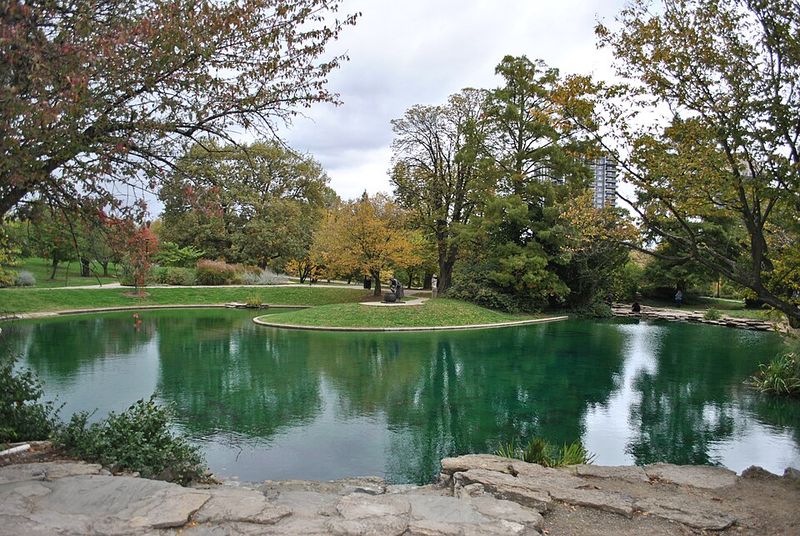
Perched high above Cincinnati, Eden Park commands views that make first-time visitors stop mid-sentence. The park’s Mirror Lake reflects surrounding trees and historic buildings, creating picture-perfect compositions no matter which direction you point your camera.
Stone steps and pathways wind through the landscape, connecting various lookout points and gardens across 186 acres.
The overlook near the Krohn Conservatory provides sweeping vistas of the Ohio River valley and Kentucky hills beyond. Sunset transforms this spot into something approaching magical as golden light bathes the river and downtown buildings glow pink.
Local photographers consider this one of Cincinnati’s premium free locations for catching dramatic skies.
Walking paths meander past the Cincinnati Art Museum and Playhouse in the Park, both cultural anchors that benefit from the park’s beauty. The Twin Lakes area offers peaceful shoreline walks where Canada geese and ducks patrol for snacks.
Spring brings massive displays of flowering trees—dogwoods, magnolias, and cherry blossoms create temporary clouds of pink and white. Eden Park demonstrates how 19th-century park designers understood that everyone deserves access to breathtaking views regardless of their bank account balance.
Toledo Museum of Art
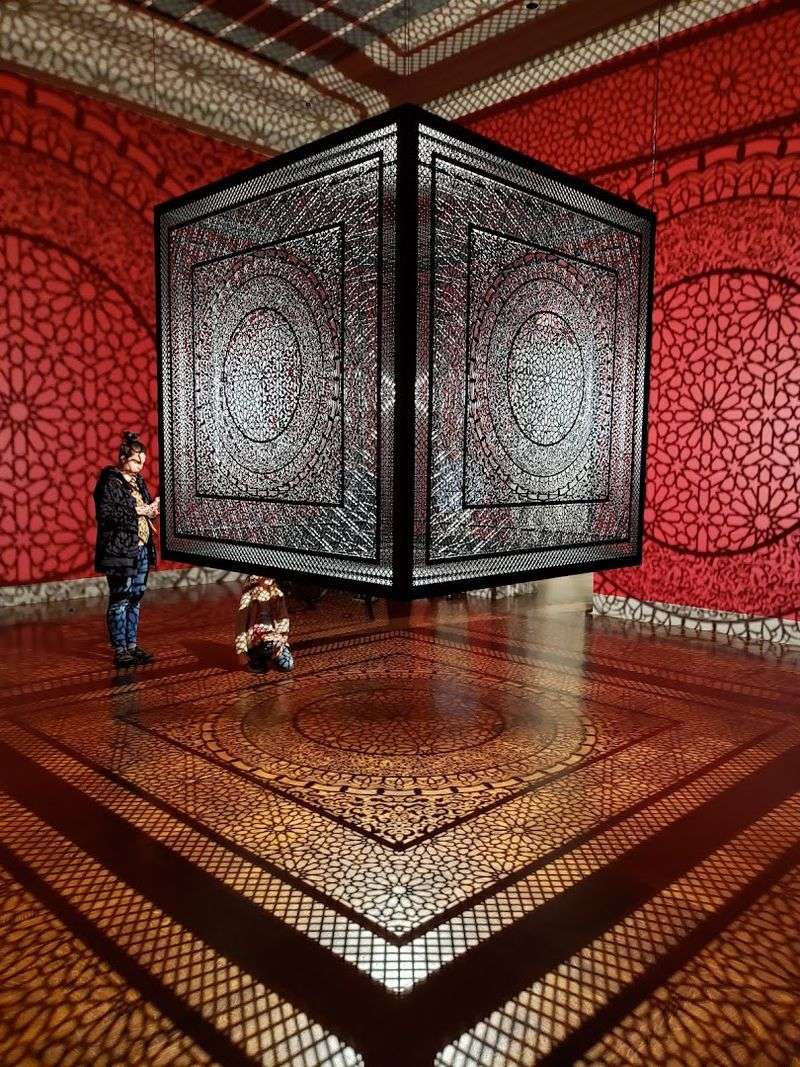
Few museums anywhere match the Toledo Museum of Art’s combination of quality and accessibility. The Glass Pavilion alone justifies the visit—a stunning building dedicated entirely to glass art ranging from ancient Roman vessels to contemporary sculptures.
Natural light pours through the structure’s glass walls, creating an environment where the medium itself becomes architecture.
The main building houses an encyclopedic collection including works by Rembrandt, El Greco, and Rubens. The medieval cloister transported stone by stone from France creates an atmospheric space for contemplating European history.
American galleries showcase everything from colonial portraits to abstract expressionism, demonstrating art’s evolution across centuries.
Free admission extends beyond just walking through galleries. The museum offers classes, concerts, and films throughout the year without charging entry fees.
The GlasSalon allows visitors to watch artisans create glass pieces using traditional techniques. Kids gravitate toward interactive spaces designed specifically for younger audiences to touch, create, and explore.
Toledo’s commitment to making world-class art accessible to everyone regardless of economic status sets a standard other institutions should follow. This museum punches way above its weight class for a mid-sized Midwestern city.
Ohio & Erie Canal Towpath Trail
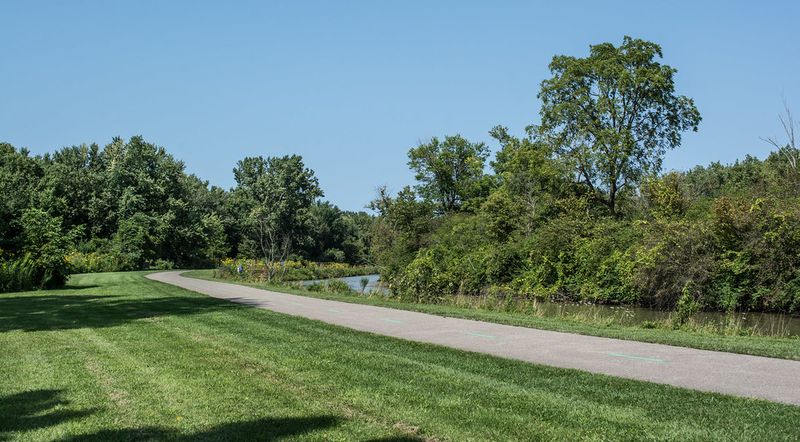
History and nature intertwine along the Ohio & Erie Canal Towpath Trail, where modern cyclists and walkers follow routes once traveled by mules pulling canal boats. The trail stretches over 80 miles from Cleveland to New Philadelphia, passing through forests, wetlands, and small towns that time seems to have forgotten.
Most sections feature smooth crushed limestone perfect for biking without jarring your bones.
Remnants of the original canal system appear throughout the route—old locks, aqueducts, and lock keeper houses remind you this was once America’s highway system. Interpretive signs explain how canal workers lived and how this waterway transformed Ohio’s economy during the 1800s.
The trail passes directly through Cuyahoga Valley National Park, connecting multiple attractions into one epic adventure.
Wildlife thrives along the corridor thanks to the protected green space. Beavers build lodges in wetland sections while great blue herons stalk fish in shallow waters.
Fall transforms the canopy into a tunnel of orange and gold. You can tackle small segments for afternoon rides or plan multi-day adventures camping along the route.
This free trail offers perspective on how transportation shaped American development while providing outstanding outdoor recreation.
German Village
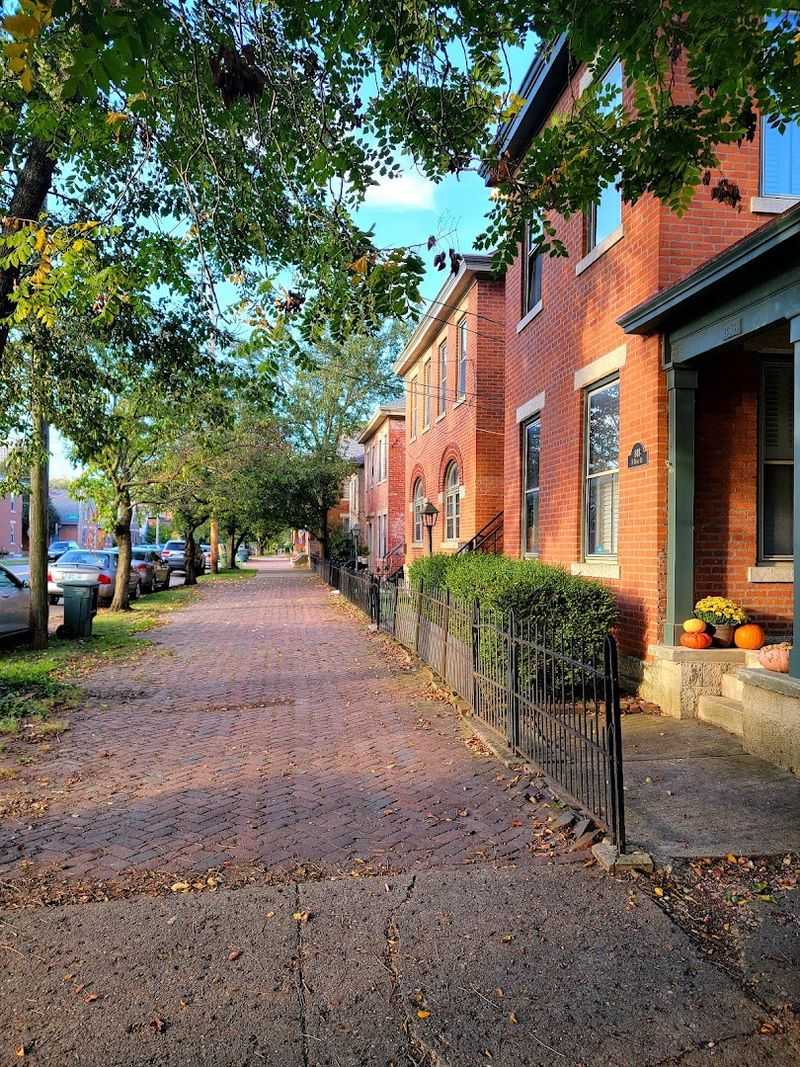
Brick streets click rhythmically under your feet as you wander through German Village, where Columbus preserved an entire 19th-century neighborhood that feels transported from another continent. Restored brick homes showcase window boxes overflowing with geraniums and petunias.
Wrought iron fences protect tiny gardens where residents cultivate roses and herbs just like their ancestors did generations ago.
The neighborhood south of downtown escaped demolition in the 1960s when preservation-minded residents fought to save these buildings from wrecking balls. Today it stands as one of America’s premier examples of historic preservation done right.
Walking these streets costs nothing but delivers the kind of architectural education you’d normally pay museum admission to receive. Each block reveals different interpretations of German architectural traditions adapted to American life.
Schiller Park anchors the neighborhood with a beautiful green space featuring a performance pavilion and walking paths. The park hosts free concerts and Shakespeare productions during summer months.
Book Loft occupies a former general store, creating a maze of 32 rooms filled with books. Simply wandering and photographing these storybook streets provides hours of free entertainment that feels more European vacation than Midwest afternoon.