


Some gardens don’t just display plants — they transport you.
The Atlanta Botanical Garden is a living escape in the heart of the city. Bright blooms, towering trees, and hidden corners invite you to slow down, breathe, and lose track of time.
Every step reveals a new scene, a new color, a new scent.
Walk across elevated paths, wander through themed gardens, or pause at water features that sparkle in the sun. Seasonal displays shift constantly, keeping each visit fresh, while pollinator-friendly plantings hum with life.
Sunset turns the skyline into a backdrop worthy of a painting, and every angle begs for a photo.
Wide paths make it easy to explore with friends or family. Benches invite lingering, clouds drift over glass towers, and when the wind whispers through the grasses, the city feels miles away.
The Atlanta Botanical Garden isn’t just a garden — it’s a place to feel alive.
Welcome Overview and Planning Essentials


Start strong by timing your visit with the garden’s operating hours, typically 9 AM to 5 PM Tuesday through Sunday, with Monday closures. Tickets often sell out during peak events, so buying in advance saves stress and sometimes money.
If you are driving, expect paid parking in the adjacent garage, or take a rideshare to dodge slow traffic.
Grab the garden map at the gate and sketch a simple loop: Conservatory, Canopy Walk, Storza Woods, Skyline Garden, Children’s Garden, and Longleaf for lunch. Seasonal installations can close sections briefly, so check the website before you go.
Comfortable shoes matter because paths invite detours, photos, and lingering.
Winter leans on greenhouses and lights, spring explodes with blooms, summer brings lush shade, and fall layers color with playful displays. Nighttime events transform familiar trails into fresh experiences.
If crowds bother you, aim for opening hour or later evening slots.
Expect thoughtful staff and volunteers ready with plant lore and directions. Budget time for the gift shop’s plant lovers’ treasures and locally inspired finds.
Plan on two to three hours minimum, longer during special programs. With a flexible route, the garden reveals itself at a relaxed pace.
Canopy Walk and Storza Woods
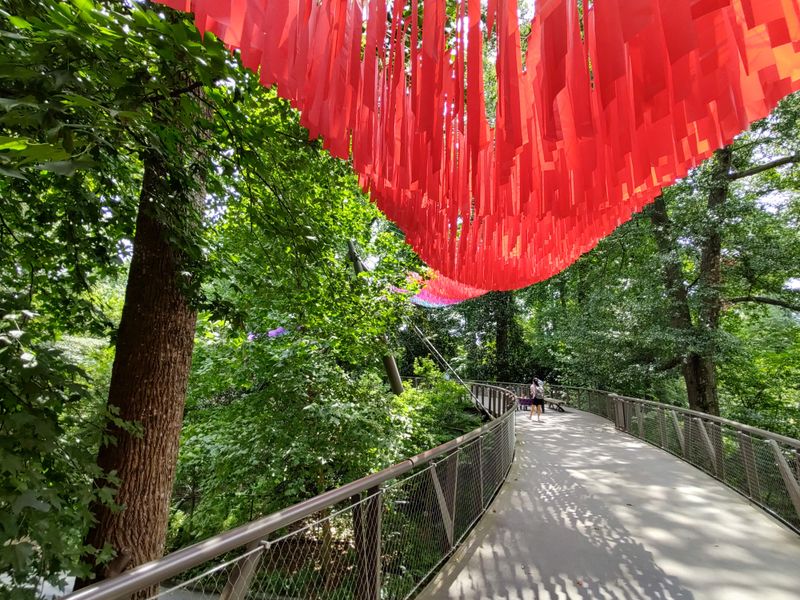
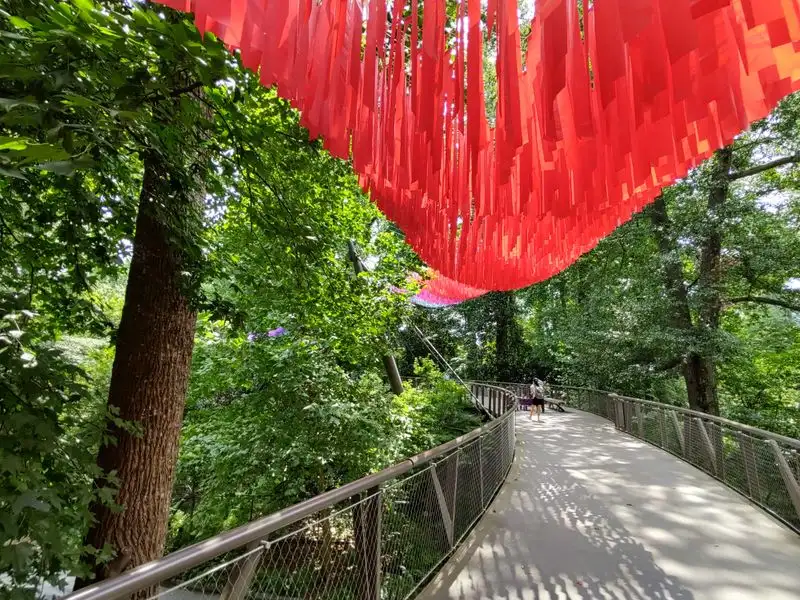
The Canopy Walk floats you through the treetops, delivering a gentle thrill without feeling extreme. Suspended above Storza Woods, it reveals layered habitats that change with light and season.
You will notice birdsong, filtered sun, and the hush that only old trees can manage.
Storza Woods is a rare urban forest, carefully restored and planted with native understory species. Spring ephemerals and fall leaf color are local highlights.
Benches invite you to pause and absorb the quiet after downtown bustle.
The walkway’s curves create new vistas every few steps, so take your time. Strollers and wheelchairs can move steadily, though you should still expect mild slopes.
Early evening brings cinematic shadows, perfect for contemplative photos.
Interpretive panels discuss ecology, reforestation, and stewardship in accessible language. You might spot seasonal art tucked among trunks.
When the garden hosts night events, the woods glow softly, feeling intimate and restorative. It is a serene counterpoint to dazzling displays elsewhere.
Skyline Garden and City Views
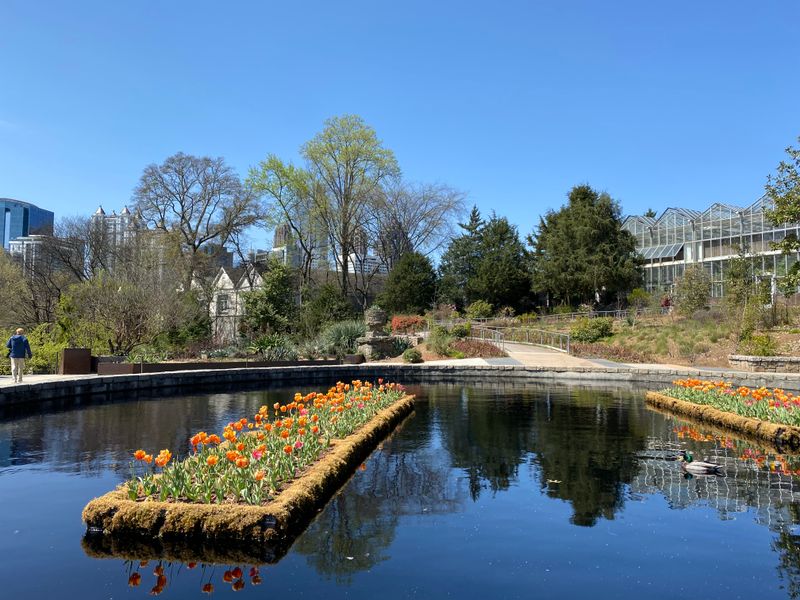
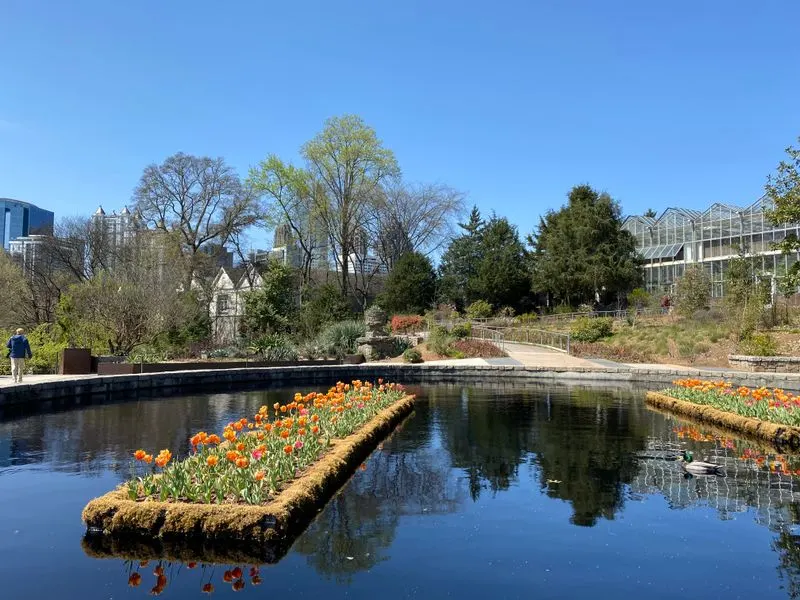
The Skyline Garden marries horticulture with a sweeping city backdrop. Terraced beds step upward, framing the Midtown skyline in living color.
Water features and pollinator friendly plantings give this overlook a breezy, urban resort feel.
Expect seasonal rotations that shift from tulips and alliums to tropical foliage and late summer blooms. The design balances texture, height, and movement so every sight line feels composed.
Bring a camera because sunset lights the buildings beautifully.
Paths are wide and accessible, making it an easy spot for groups to gather. You can skim through fast or linger on benches to watch clouds drift across glass towers.
When wind moves through grasses, the whole place whispers.
Interpretive notes highlight eco friendly choices like drought tolerance and habitat support. This is a convincing case study for high impact urban gardening.
If you love modern plant design, you will want to borrow ideas for home containers or small patios. The views alone justify the climb.
Garden Lights, Holiday Nights


After dark, the garden transforms into a glowing wonderland. Pathways lead you past towering trees draped in color, tunnels synchronized to music, and whimsical vignettes that invite photos.
Warm drinks and s’mores stations add cozy comfort to the chill.
Tickets sell out quickly, so purchase early and select earlier time slots to dodge heavier crowds. Parking can bottleneck, and rideshare drop off near the entrance is a smart alternative.
Once inside, you can wander at your own pace without feeling rushed.
It is a multisensory experience where art meets ecology, highlighting shapes of branches and garden architecture. Families, couples, and friends all find their rhythm here.
The staff keeps paths intuitive so no display gets missed.
Dress for weather and bring patience for lines at peak hours. You will still find quiet corners to breathe in the night air.
The lights feel fresh each year with new scenes and playful surprises. For many, it becomes a must repeat tradition.
Seasonal Exhibitions and Art Installations


From Alice in Wonderland to monumental sculptures, seasonal art weaves narrative through living rooms of plants. These installations give families a playful hook and design lovers detailed craftsmanship to admire.
Pathways steer you so nothing gets missed.
Expect rotating highlights that might occupy certain areas during setup. The website’s calendar flags closures so you can plan accordingly.
If a section is closed, balance your visit with the conservatory and woods.
Art here is never an afterthought. Pieces interact with foliage, water, and light, shifting character as seasons change.
Morning offers quiet contemplation, while evenings add drama and glow.
Bring curiosity and a flexible schedule. You will find creative photo ops, from grand tableaux to tiny vignettes tucked in beds.
The garden’s curatorial eye keeps the experience cohesive rather than carnival like. It is culture and horticulture in easy conversation.
Longleaf Restaurant and Refreshment Spots
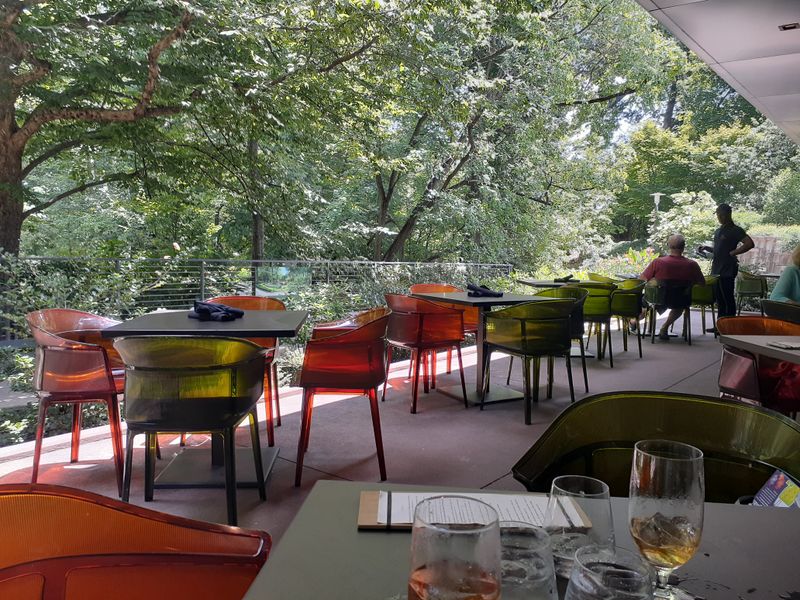
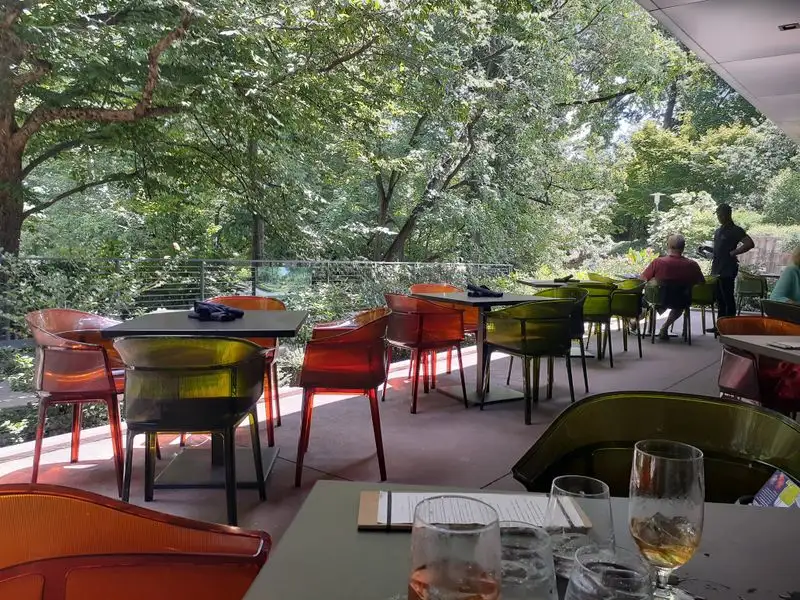
Longleaf offers a restful pause with garden views and a menu that leans seasonal. Expect fresh salads, sandwiches, and comfort plates that taste better after a long wander.
Weekend brunch and daytime hours pair well with midvisit breaks.
For quick sips, kiosks dot the grounds with hot cocoa, coffee, and occasional cocktails during events. Lines move faster earlier in the evening, so time your treat accordingly.
You can carry drinks along designated paths and savor them at scenic overlooks.
Service is friendly without fuss, and you can usually find a quiet table mid afternoon. Prices reflect the venue, but portions satisfy.
Consider sharing plates if you are saving room for dessert or a later snack.
Reservations help on busy weekends, especially during special exhibitions or holiday lights. If the dining room is full, try outdoor seating when weather cooperates.
Either way, refueling here keeps energy steady and moods bright. It is part of the experience, not an afterthought.
Accessibility, Navigation, and Comfort Tips


Navigating the garden is straightforward thanks to clear maps, intuitive loops, and plenty of benches. Most main paths are smooth and accessible, with ramps for strollers and wheelchairs.
The Canopy Walk has gentle grades and wide passing areas.
Wear supportive shoes and layer clothing for shifting weather, especially if you plan a night visit. Water stations and restrooms are placed sensibly, though lines grow during big events.
If sensitivity to scents bothers you, the conservatory’s humidity and blooms can feel intense.
Purchase timed tickets to avoid bottlenecks at the entrance. Arrive early or later in the day to bypass peak crowds and parking crunches.
Rideshare drop off near the gate simplifies logistics when traffic builds.
For sensory friendly pacing, split your visit: conservatory first, quiet woods second, then open plazas. Staff and volunteers are helpful with directions and accessibility questions.
With a little preparation, comfort stays high and your focus can stay on discovery. Your legs will thank you.
Photography Guide: Best Light and Angles


Golden hour flatters both petals and city backdrops. Start in the Skyline Garden for silhouettes, then pivot to the Canopy Walk for soft forest light.
Inside the conservatory, wipe lens fog and lean into macro textures and repeating patterns.
Compose with leading lines: paths, railings, and raised beds guide the eye. Avoid blocking foot traffic and respect plant boundaries.
Tripods are tricky on busy days, so stabilize with railings and higher ISO.
On holiday nights, embrace motion by dragging shutter slightly for light trails. Look for reflective surfaces like water features for doubled glow.
Warm beverages make good props for candid, cozy frames.
Mind signage about restricted areas and event rules. Early Sunday mornings are the quietest for wide shots.
Share the space courteously and you will leave with images that feel alive, not staged. The garden rewards patience and playful curiosity.
When to Visit: Seasons and Crowds
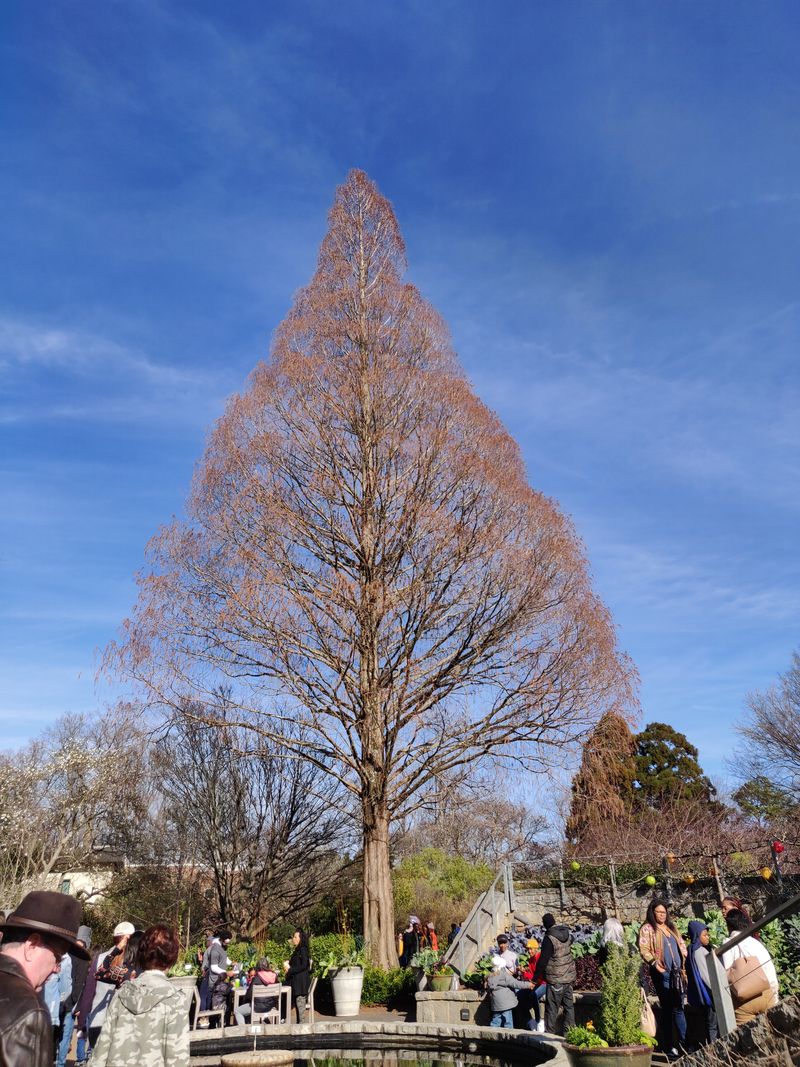
Spring brings tulips, azaleas, and a collective sigh of relief after winter. Crowds rise on weekends, so weekday mornings feel luxurious.
Summer layers shade, sculpture, and tropical color for leisurely strolls.
Fall stitches together crisp air and playful displays, often with pumpkins and warm tones. The forest glows, and photos look cinematic under slanting light.
Winter moves indoors to conservatory wonders and the night light show.
Tickets often sell fast for signature events, so plan weeks ahead. The garden updates schedules online with closures during installation changeovers.
If a section is blocked, expand time in woods or greenhouses.
Arrive at opening for room to breathe, or book later evening slots for quieter ambiance. Two to three hours is comfortable, more if you linger at demos or dinner.
Every season offers a distinct personality worth meeting on its own terms. You will want to return.
Tickets, Membership, and Value

Buying tickets ahead is the safest route, especially for holiday nights and weekend mornings. Timed entry smooths flow and keeps pathways enjoyable.
If you are local or plan multiple visits, membership pays for itself quickly.
Members get free general admission, discounts on events, and early access windows. Even one or two high demand nights can justify the upgrade.
Check for reciprocal benefits with other gardens if you travel.
Pricing varies by season and event, with winter weekdays often quieter. Factor in parking fees and food treats when budgeting.
If cost is a concern, aim for daytime visits outside peak holidays.
Digital tickets scan fast, and staff handle questions with patience. Keep confirmation ready on your phone to speed the line.
Value grows when you slow down, explore side paths, and catch a demo or two. Quality time beats a rushed checklist every time.