Some of New York’s most memorable meals begin with a story long before the first course reaches the table. Behind historic facades, neighborhood landmarks, and century-old dining rooms are places where generations of guests have gathered, traditions have endured, and remarkable chapters of the state’s history continue to unfold.
Across New York, these restaurants offer more than exceptional food. They preserve the legacies of immigrant families, Revolutionary-era taverns, iconic gathering places, and beloved local institutions that have shaped their communities for decades.
From bustling city streets to charming upstate towns, every destination pairs memorable flavors with a setting rich in character, making each meal feel like part of a much larger story.
If you enjoy discovering restaurants where history is woven into every visit, these are the places to seek out. Explore 12 New York restaurants whose unexpected beginnings and fascinating pasts have made them enduring favorites for travelers and locals alike.
Fraunces Tavern
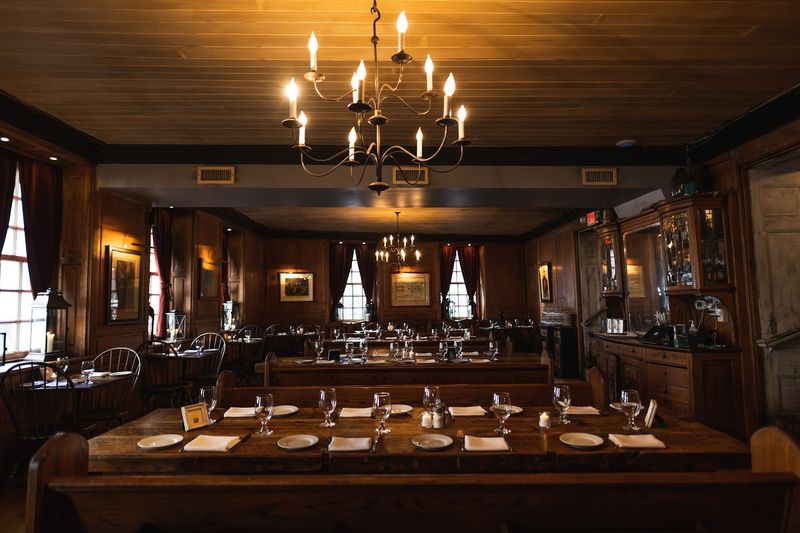
The air feels a little heavier here, as if the room still remembers difficult goodbyes and impossible beginnings. Down on Pearl Street, where Lower Manhattan moves fast, this old tavern slows everything into creaking floors, low beams, and candlelit hush.
You do not just step inside for dinner; you step into a chapter that shaped the country.
Later, the name arrives naturally: Fraunces Tavern, the place tied forever to George Washington’s farewell to his officers. That history lives beside plates of shepherd’s pie, oysters, and pints poured beneath colonial-era woodwork.
A small museum upstairs deepens the feeling that this address has seen more than most buildings ever will.
What stays with you is the strange comfort of eating somewhere so storied without losing warmth or ease. It feels intimate, human, and unmistakably New York.
Keens Steakhouse
Before the steak even lands, your eyes go up. Thousands of old churchwarden pipes hang overhead like a private museum, turning dinner into something theatrical, slightly eccentric, and deeply rooted in another New York.
The room glows with polished wood, soft light, and the quiet confidence of a place that never needed reinvention.
Only later do you settle into the fact that this is Keens Steakhouse, opened in 1885 and still carrying its history with remarkable ease. The famous mutton chop arrives rich and unapologetic, while the creamed spinach and thick-cut bacon feel built for lingering conversation.
Everything about the experience suggests ritual rather than trend.
What makes Keens memorable is not just age, but personality. You feel surrounded by stories, yet the meal remains immediate, satisfying, and wonderfully alive in the middle of Midtown.
Katz’s Delicatessen
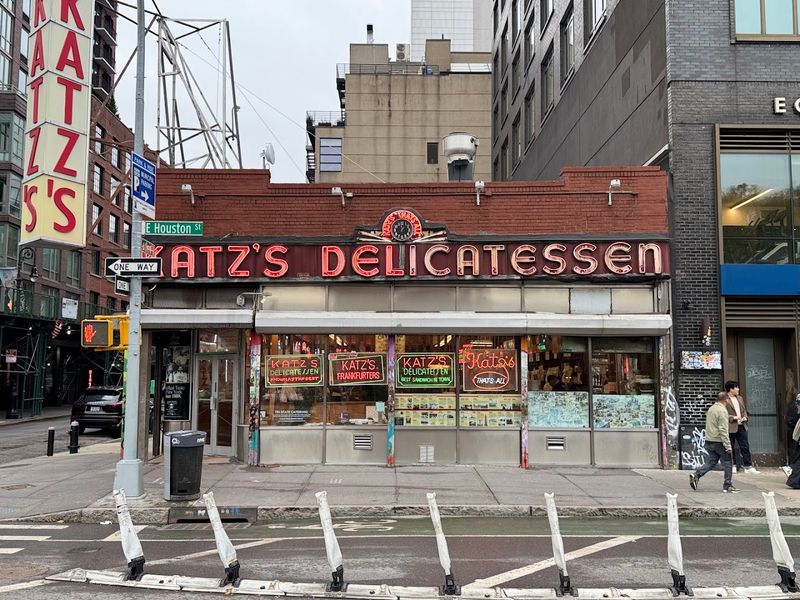
The first thing that hits you is the noise – slicing knives, shouted numbers, trays sliding, conversations colliding from every direction. Then comes the smell of hot pastrami, pepper, rye bread, and something harder to name: the feeling of old New York still holding its ground.
In a city obsessed with the next thing, this kind of continuity feels almost radical.
That is what makes Katz’s Delicatessen more than a famous stop on the Lower East Side. Since 1888, it has carried immigration history, neighborhood memory, and a movie scene everyone knows, all while serving pastrami sandwiches that barely fit in your hands.
Add a Dr. Brown’s soda and a crisp pickle, and the meal becomes part ritual, part spectacle.
You come for the legend, sure, but the place works because it still feels real. Nothing polished, nothing precious, just generous, unforgettable presence.
Old Homestead Steakhouse
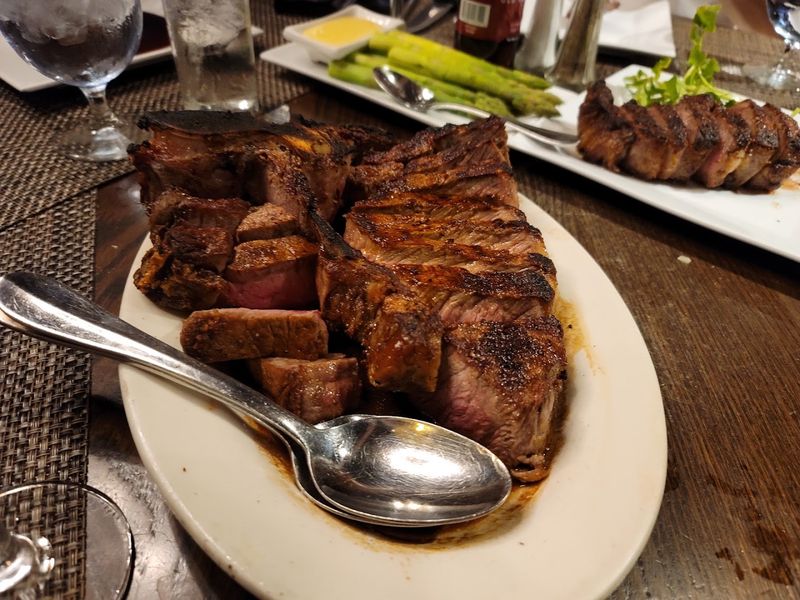
There is something irresistible about a place that has watched an entire neighborhood reinvent itself and never lost its own identity. In the Meatpacking District, where glassy developments and nightlife now dominate, one dining room still carries the swagger of old New York.
The mood is confident, slightly theatrical, and built for appetite.
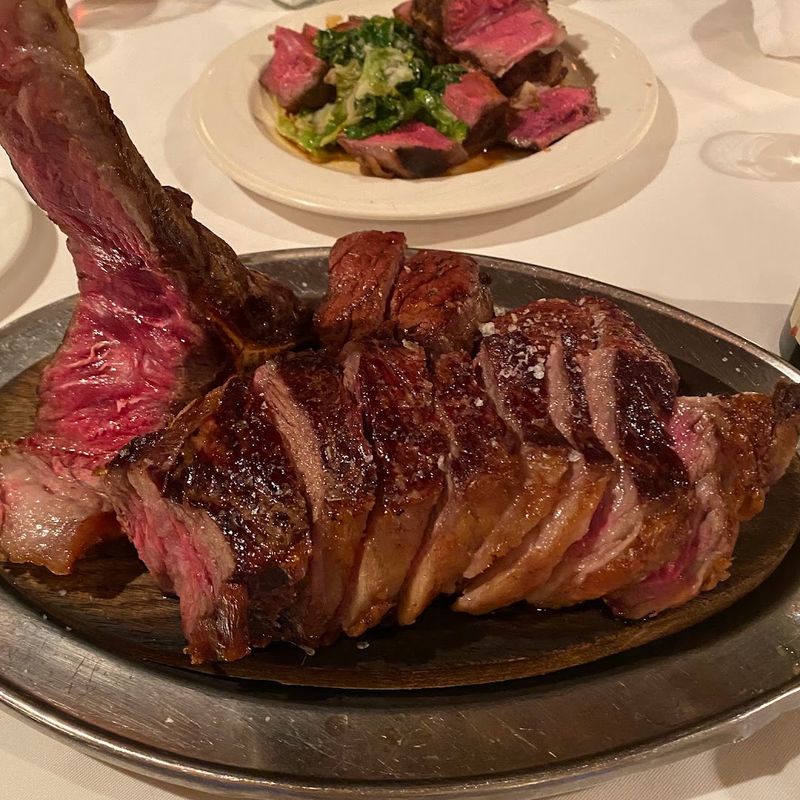
That place is Old Homestead Steakhouse, serving since 1868 and still family-owned after all these years. Its broad dining rooms, oversized cuts of beef, and old-school service feel connected to the district’s rougher, working past.
A massive porterhouse or a richly marbled rib steak makes the legacy easy to understand.
What stands out is not nostalgia for its own sake, but durability. Old Homestead feels like a survivor with style, proof that some restaurants become landmarks because they keep giving people a reason to return.
Delmonico’s
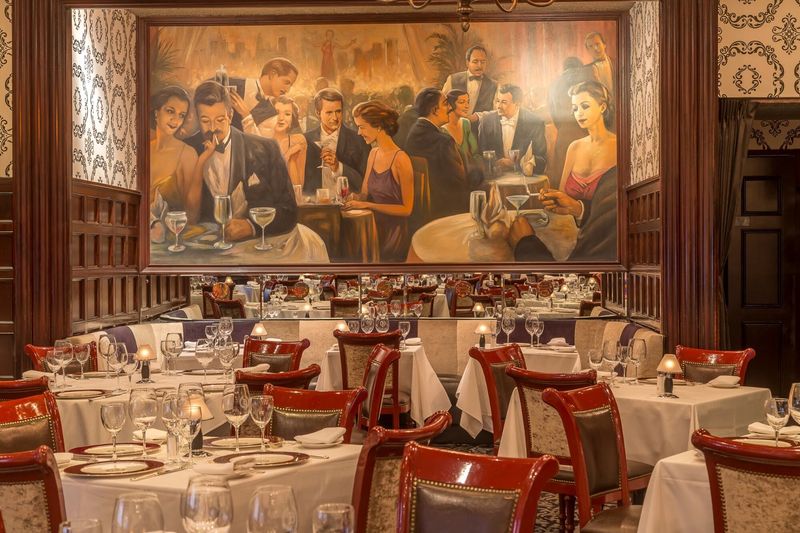
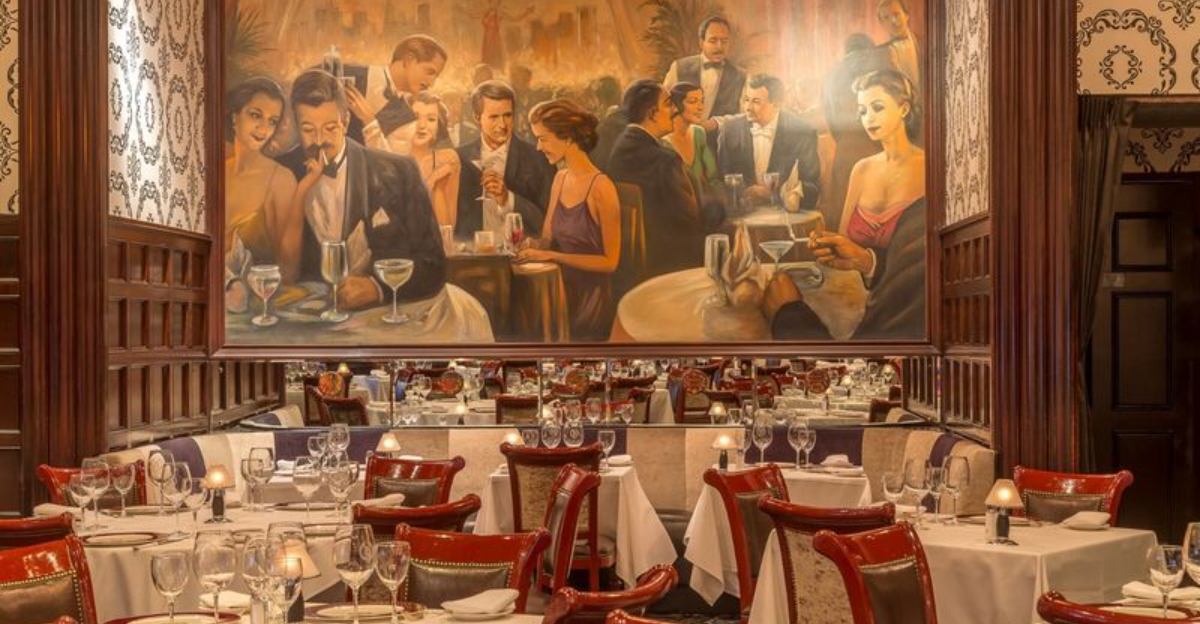
Some dining rooms seem to carry their own mythology, and this one enters the conversation before the menu does. You feel it in the formal hush, the old financial district surroundings, and the sense that power lunches, celebrations, and long-remembered meals have unfolded here for generations.
Few restaurants in America can claim this much influence without sounding exaggerated.
Then the history sharpens: Delmonico’s, often called the nation’s first fine-dining restaurant. It is associated with iconic dishes like Delmonico Steak, Eggs Benedict, Lobster Newberg, and Baked Alaska, which gives every course an unusual weight.
Presidents, industrialists, and celebrities once gathered here, but the enduring attraction is simpler than fame.
Eating at Delmonico’s feels like sitting inside the blueprint for American restaurant culture. The experience is polished, yes, but also fascinating, because so much of what now feels familiar may have started right here.
Minetta Tavern
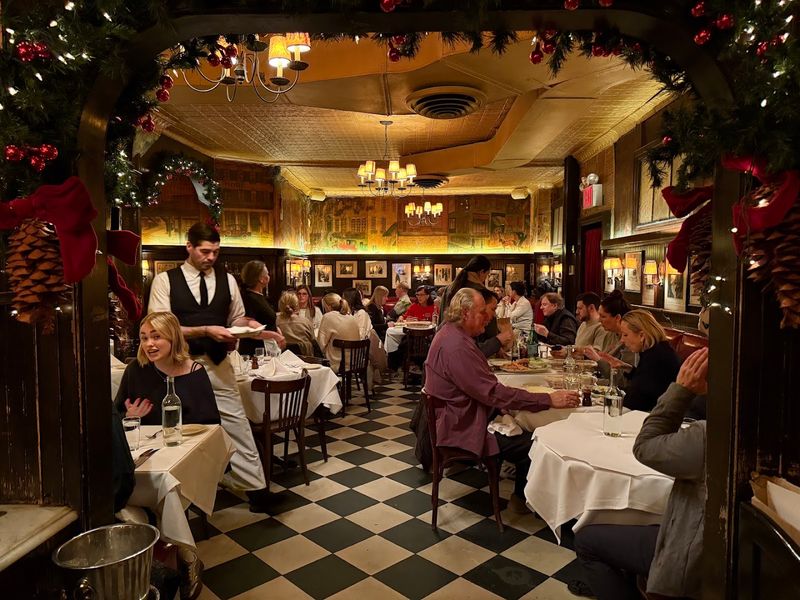
Outside, MacDougal Street can feel restless and loud, but inside the mood turns intimate almost immediately. The room glows with red banquettes, dark mirrors, and the kind of low light that flatters both the cocktails and the stories being told across the table.
It is easy to imagine writers lingering here long after midnight.
That literary spirit is part of what makes Minetta Tavern such a distinctive Greenwich Village stop. Long associated with poets, novelists, and downtown characters, it now balances old bohemian memory with the pleasures of a polished French-influenced menu.
A black label burger, crisp pommes frites, or steak au poivre gives the romance something tangible.
The charm here is not frozen in nostalgia. Minetta feels alive, seductive, and a little mischievous, the sort of place where history does not sit quietly in the corner but joins you at the table.
McSorley’s Old Ale House
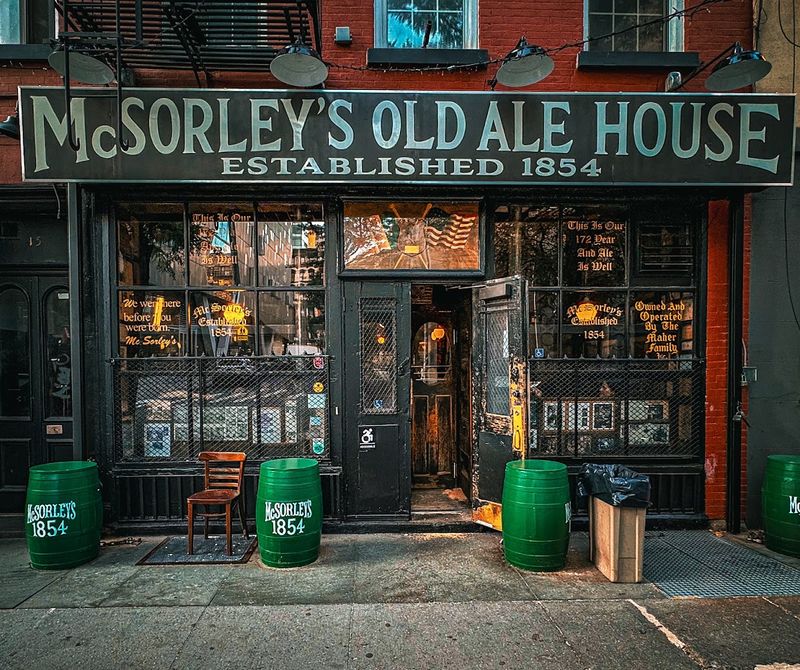
The floor crunches softly underfoot, the walls look crowded with memory, and almost nothing seems to care about modern polish. That is the beauty of the place.
In a city where bars often chase novelty, this room feels stubborn, weathered, and refreshingly uninterested in being anything but itself.
Eventually you realize you are sitting in McSorley’s Old Ale House, one of New York’s oldest taverns and one of its most atmospheric. Civil War-era history, old newspaper clippings, and memorabilia cover the space, while the famously simple choice of light or dark ale keeps things wonderfully unfussy.
The experience is less about menu complexity and more about immersion.
What makes McSorley’s memorable is how complete the illusion feels. For an hour or two, you can forget timelines, trends, and reservations, and just enjoy a mug in a room that has outlasted almost everything around it.
The Landmark Tavern
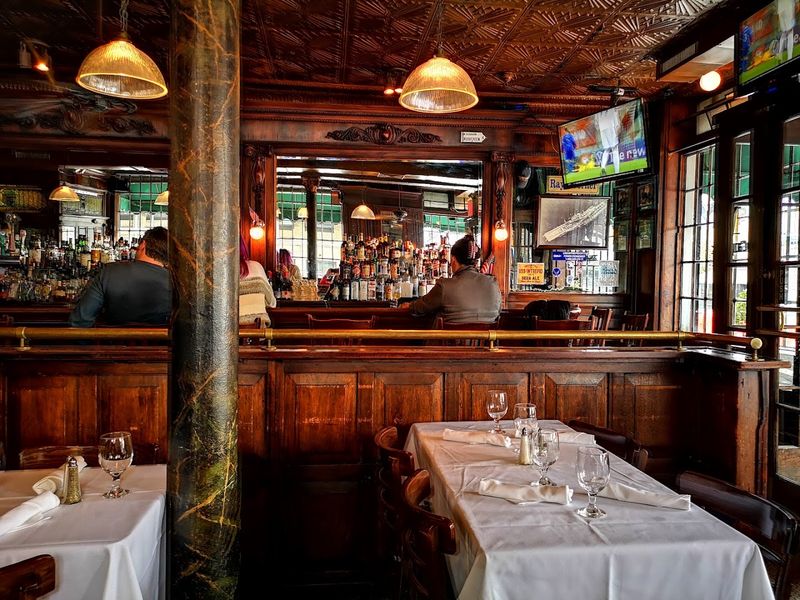
The corner feels quieter than the rest of Midtown, as if the neighborhood decided to protect one surviving piece of its older self. Brick, wood, and a little bit of legend give the place its pull long before the food arrives.
You sense that countless regulars have leaned into this bar with stories worth hearing.
That mood belongs to The Landmark Tavern, an 1868 fixture in Hell’s Kitchen with deep Irish-American roots and more than a few ghost tales attached to its name. The history matters, but so do the practical pleasures: a solid pint, a plate of shepherd’s pie, and windows that frame a stretch of Manhattan still carrying neighborhood texture.
It feels both local and historical without forcing either identity.
What lingers here is atmosphere with backbone. The Landmark Tavern offers a rare chance to experience old New York not as performance, but as something still woven into daily life.
Russ & Daughters Cafe

Some places make tradition feel heavy, but this one makes it feel bright, generous, and unexpectedly elegant. Sunlight, tiled surfaces, and plates layered with color create an atmosphere that is both nostalgic and fresh.
You walk in hungry, but you also leave with a stronger sense of the neighborhood around you.
That balance defines Russ & Daughters Cafe, the sit-down extension of the beloved appetizing store founded in 1914. Four generations of family stewardship echo through dishes like smoked salmon with a bagel board, herring, latkes, and slices of babka that taste tied to memory.
On Orchard Street, the Lower East Side setting makes those traditions feel especially grounded.
What is worth seeking out here is the preservation of culture through pleasure. The meal feels casual and comforting, yet underneath it runs a deeper story about family, migration, and the lasting language of food.
Hattie’s Restaurant
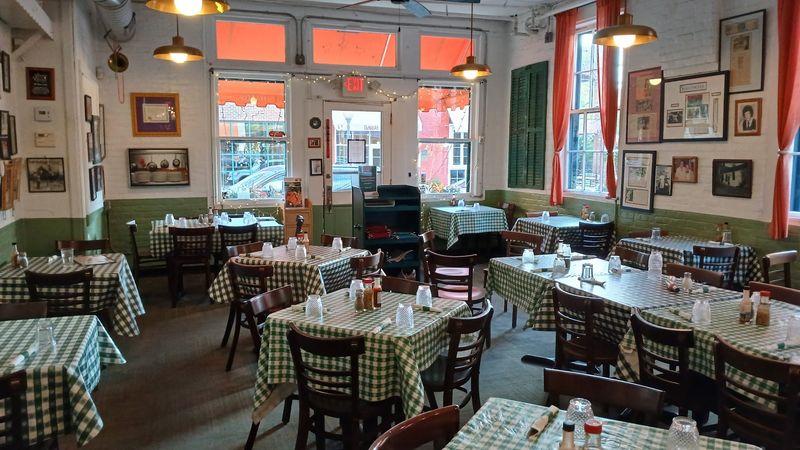
There are meals that announce themselves with elegance, and then there are meals that win you over with pure comfort and confidence. The scent of frying chicken, warm spice, and bustling conversation does the work here before you even open the menu.
It feels less like discovering a restaurant and more like arriving at a local institution mid-story.
In Saratoga Springs, that story belongs to Hattie’s Restaurant, which has been serving its famous fried chicken since 1938. The legacy is rooted in Southern cooking and community memory, but the appeal is wonderfully immediate: crisp, golden skin, hot biscuits, and sides that make the table feel abundant.
You understand quickly why generations keep coming back.
Hattie’s is worth the detour because it combines history with genuine pleasure. Nothing about it feels dusty or overly reverent; it simply delivers warmth, character, and one of those meals people remember years later.
Panza’s Restaurant
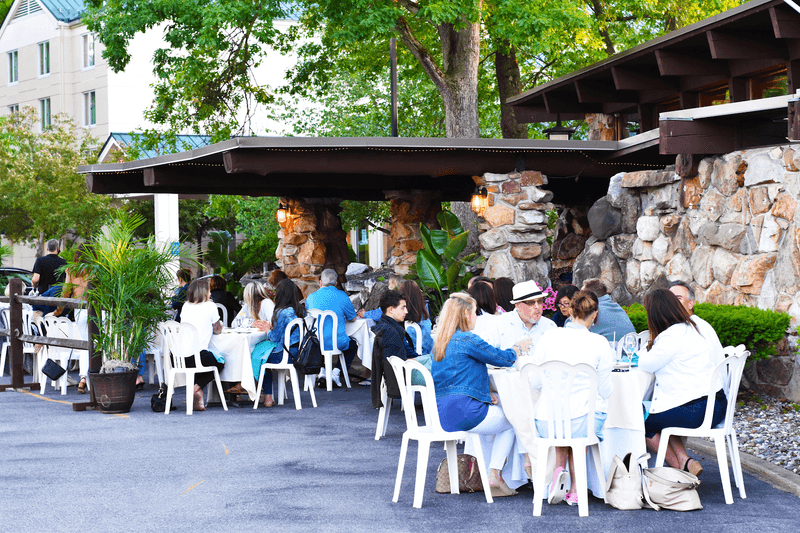
Some family stories are written in letters or photographs. Others are carried forward in sauce, bread, and the habit of gathering around a table.
Near Saratoga Springs, this restaurant has that deeply personal quality, where the meal feels connected to the people who built the business one generation at a time.
Panza’s Restaurant traces its roots back to an Italian bakery founded in 1897, and that origin still gives the place a sense of purpose. The setting near Saratoga Lake feels relaxed, while the menu leans into classic comforts like pasta, chicken parmigiana, and the kind of garlic bread that disappears almost immediately.
You can feel the immigrant story beneath the hospitality.
What makes Panza’s memorable is its sincerity. It does not rely on spectacle or reinvention, just the enduring appeal of a family legacy expressed through familiar food, easy warmth, and a setting that invites you to slow down.
Phoenicia Diner
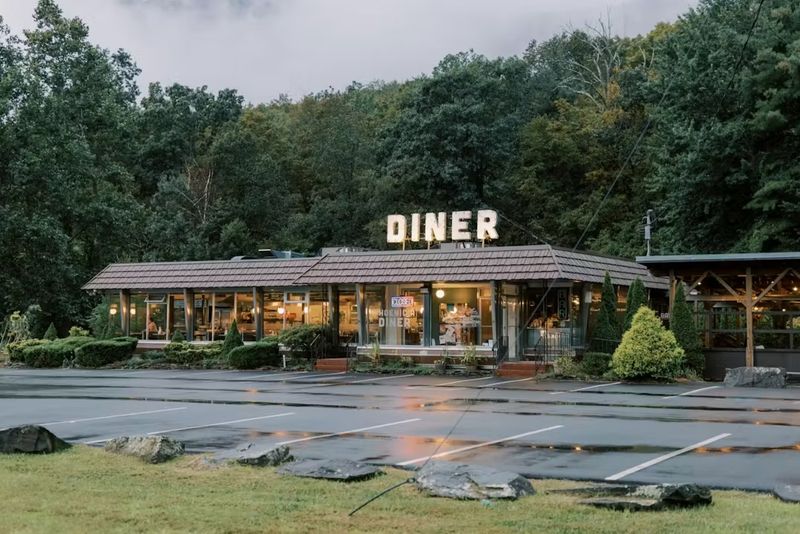
The mountains have a way of sharpening appetite, and few places capture that better than a roadside diner gleaming against the Catskills. Chrome edges, big windows, and the promise of excellent coffee create an instant sense of possibility.
It feels cinematic at first glance, but the pleasure is grounded and real.
Phoenicia Diner began life as a 1962 diner and was thoughtfully restored into one of the region’s most beloved stops. Its appeal lies in the balance between nostalgia and contemporary Catskills cooking, with local ingredients turning breakfast classics, burgers, and pies into something more memorable than a standard roadside meal.
After a hike or drive along Route 28, it lands exactly right.
What stays with you is the way the diner reflects its landscape. Phoenicia Diner feels relaxed, handsome, and deeply tied to the rhythms of the mountains, making it as much part of the trip as any scenic overlook.