
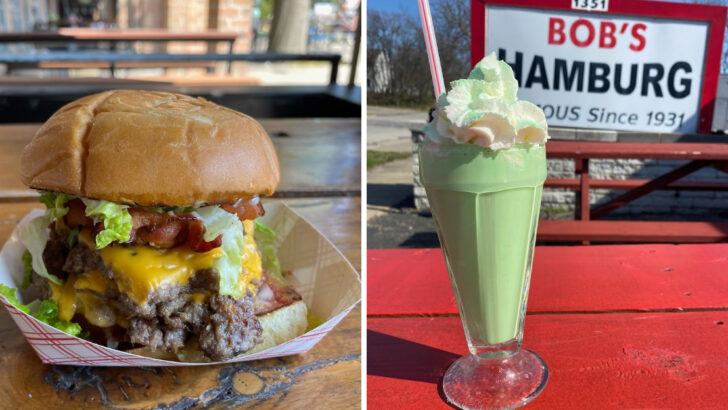
Tucked along East Avenue in Akron, Ohio, Bob’s Hamburg has been quietly flipping burgers and pouring milkshakes since 1931.
This tiny diner might not look like much from the outside, but walk through the door and you’ll understand why generations of families keep coming back.
From its sizzling griddle to its creamy hand-spun shakes, Bob’s Hamburg is the kind of place that makes you feel at home the moment you sit down.
A Humble Beginning During the Great Depression
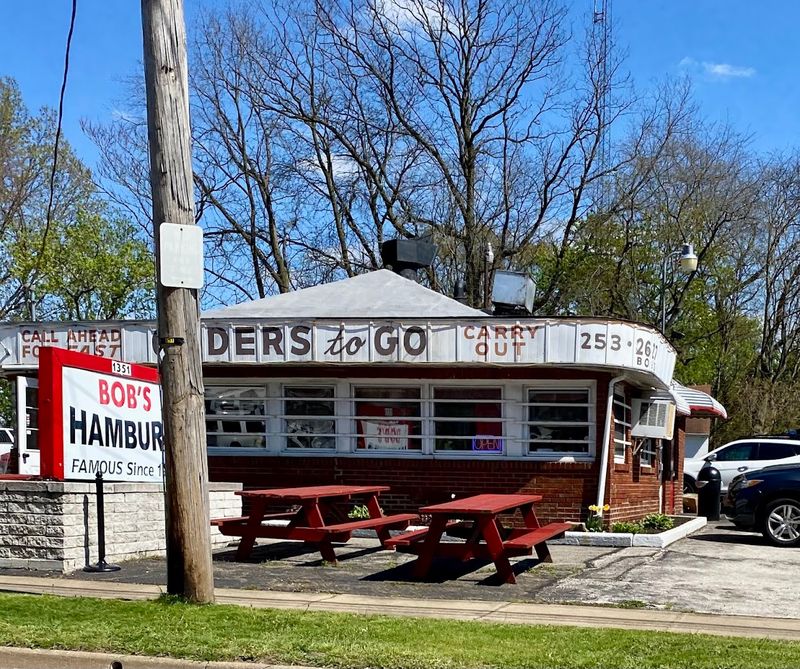
Back in 1931, when much of America was struggling just to put food on the table, a small diner opened its doors on East Avenue in Akron, Ohio. Bob’s Hamburg didn’t start out as a landmark — it started out as a simple, affordable place where working people could grab a hot meal without spending much.
Over the next nine decades, the world changed dramatically around it. Wars came and went.
Businesses rose and fell. Akron itself transformed through industrial booms and economic downturns.
Yet somehow, this little diner held on through all of it, never losing its identity or its purpose.
What makes that kind of survival so remarkable is the consistency behind it. Bob’s Hamburg didn’t reinvent itself every few years or chase food trends.
It simply kept doing what it always did — cooking honest food at fair prices for real people. That quiet stubbornness turned a Depression-era lunch counter into one of the most beloved institutions in all of Summit County.
For Akron, it’s not just a place to eat — it’s proof that something built with heart can outlast almost anything.
One of Akron’s Oldest Restaurants
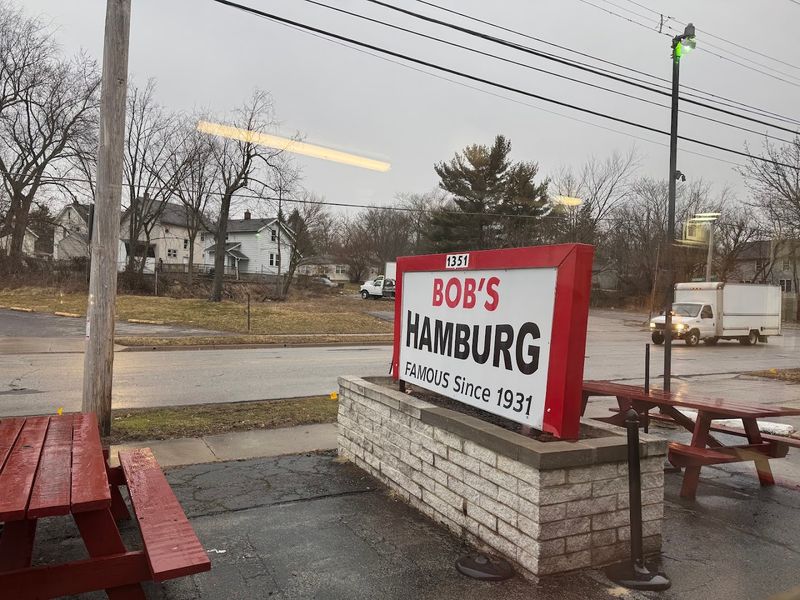
Ask longtime Akron residents where to find the city’s oldest restaurant, and Bob’s Hamburg comes up almost every time. Operating continuously since 1931, it holds a place in local history that no newer spot can claim.
That kind of longevity isn’t just impressive — it’s genuinely rare in the restaurant business, where most places close within their first few years.
What keeps people coming back isn’t nostalgia alone, though that certainly plays a role. The food is genuinely good, the prices remain reasonable, and the experience feels authentic in a way that’s hard to manufacture.
You’re not visiting a themed retro diner — you’re visiting the real thing, still operating the same way it always has.
For food historians and curious visitors, Bob’s Hamburg represents a living record of American diner culture. The counter, the griddle, the no-nonsense menu — all of it tells a story about how people ate, gathered, and connected in mid-20th century Ohio.
Locals take a quiet pride in the fact that their city still has a place like this. It’s the kind of restaurant that reminds you some things genuinely do get better with age.
The Tiny Diner That Feels Like a Time Capsule
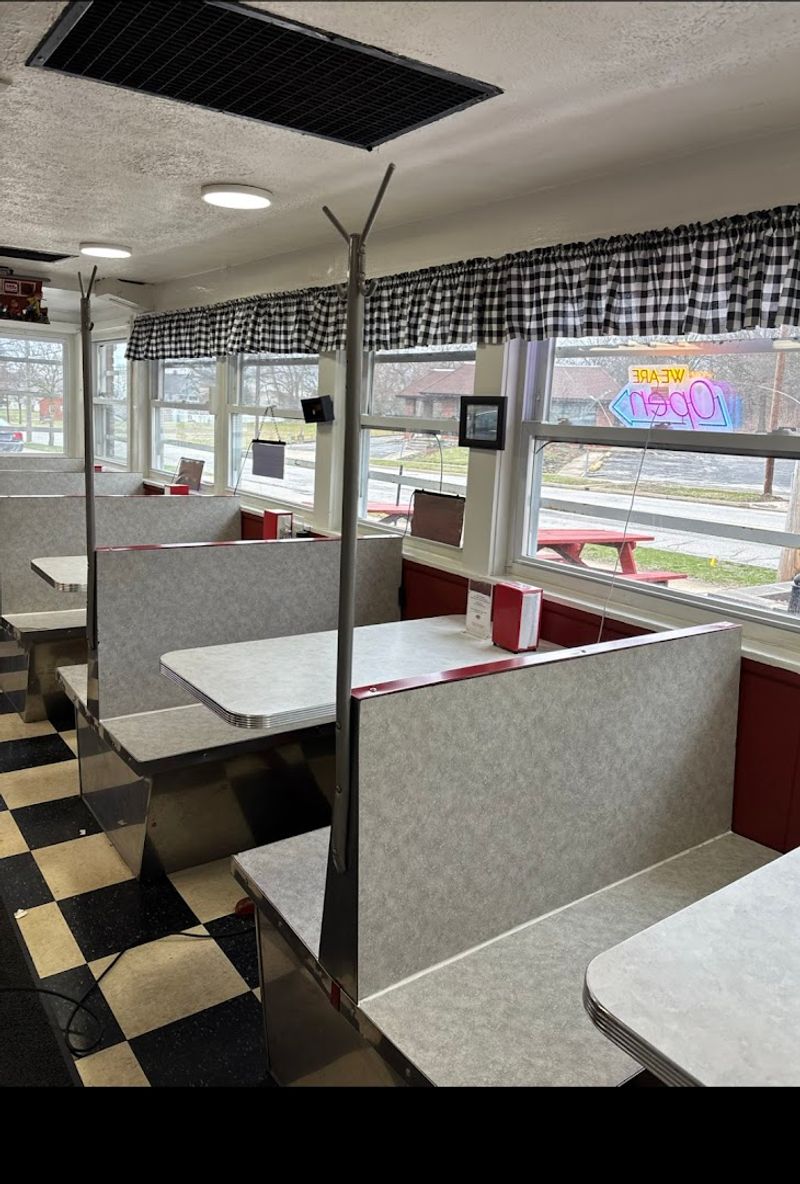
Stepping inside Bob’s Hamburg is a little like finding a door in the present that opens straight into the past. The space is small — almost surprisingly so.
A short counter, a few stools, and a griddle that’s been working hard for decades. There’s no flashy decor, no neon gimmicks, and definitely no trendy menu boards filled with buzzwords.
What you get instead is something far more satisfying: a diner that looks and feels exactly the way a diner should. The layout is compact and efficient, the kind of setup that was designed for quick, friendly service rather than ambiance.
Regulars know exactly where to sit, what to order, and how long to expect before their food arrives.
For first-time visitors, the experience can be genuinely disorienting in the best possible way. You half expect someone to walk in wearing a fedora.
The simplicity of the space has a calming effect — there’s nothing to distract you from the food, the conversation, or the quiet pleasure of being somewhere that hasn’t been touched by corporate polish. Bob’s Hamburg doesn’t try to recreate the past.
It simply never left it.
Burgers Cooked the Same Way Since Day One
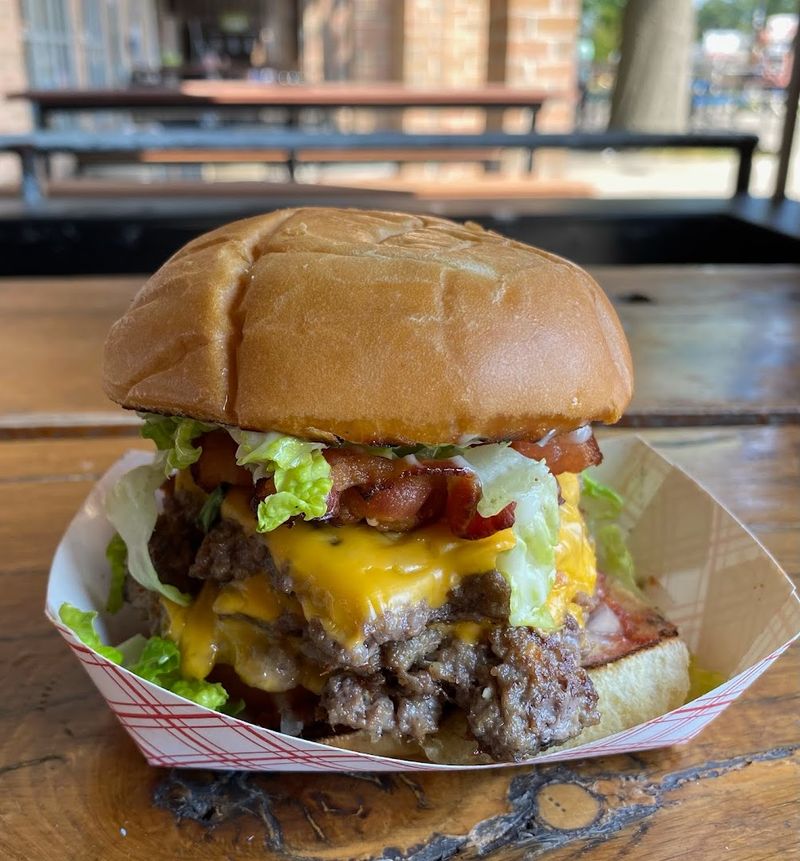
There’s a reason the burgers at Bob’s Hamburg taste different from anything you’d get at a chain restaurant — and it has everything to do with method. The patties are smashed directly onto a well-seasoned flat-top griddle that has seen decades of use.
That seasoning builds up over time, layering flavor into every burger in a way that simply can’t be replicated with a new piece of equipment.
The smash technique itself is key. Pressing the beef flat against a screaming-hot surface creates a caramelized crust — what cooks call the Maillard reaction — that locks in juices and produces a deeply savory bite.
It’s the same principle behind why a backyard burger cooked on an old family grill tastes better than one from a pristine new one.
Bob’s hasn’t changed this process because there’s no reason to. Generation after generation of customers have grown up knowing exactly what a burger from this diner tastes like.
That consistency is a form of promise — one the kitchen keeps every single day. When something works this well for this long, the smartest thing you can do is leave it exactly as it is and keep the griddle hot.
Simple Ingredients, Big Flavor
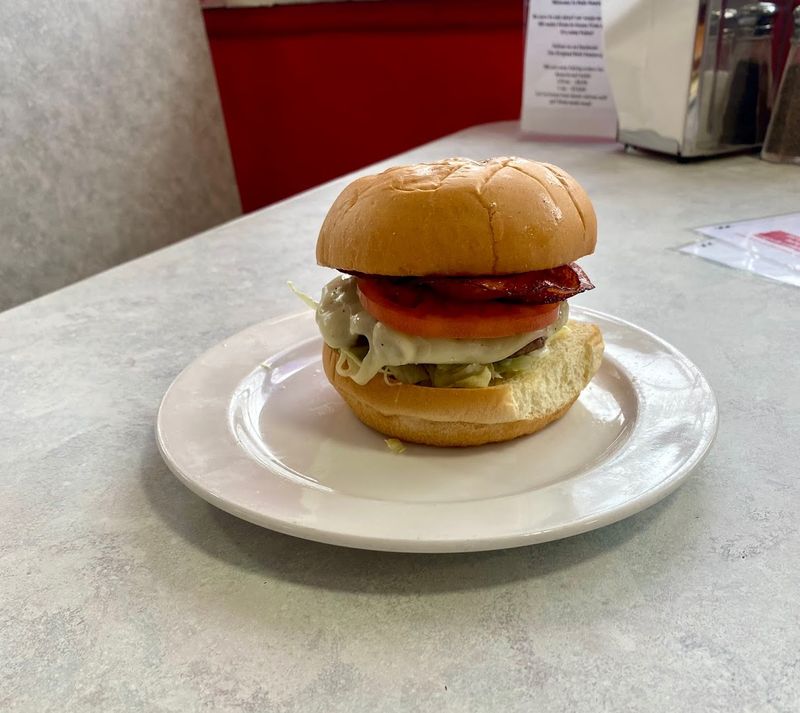
Some restaurants try to win you over with exotic toppings and complicated flavor combinations. Bob’s Hamburg takes the opposite approach — and it works beautifully.
The burger menu is built on fresh ground beef, classic condiments, and the kind of straightforward toppings that have been making people happy for generations. Nothing is over-engineered or over-explained.
That simplicity is actually harder to pull off than it sounds. When there’s nowhere to hide behind fancy sauces or trendy add-ons, the quality of your core ingredients has to speak for itself.
At Bob’s, it does. The beef is flavorful, the buns are soft without falling apart, and every element of the burger works together instead of competing for attention.
Regulars often say that a Bob’s burger tastes like what a burger is supposed to taste like — the platonic ideal of the form, uncomplicated and deeply satisfying. It’s the kind of food that reminds you why simple things done well never go out of style.
No truffle aioli required. No artisan brioche bun needed.
Just honest ingredients treated with care, cooked on a griddle that’s been earning its keep since before most of their grandparents were born.
Hand-Cut Fries and Scratch-Made Sides
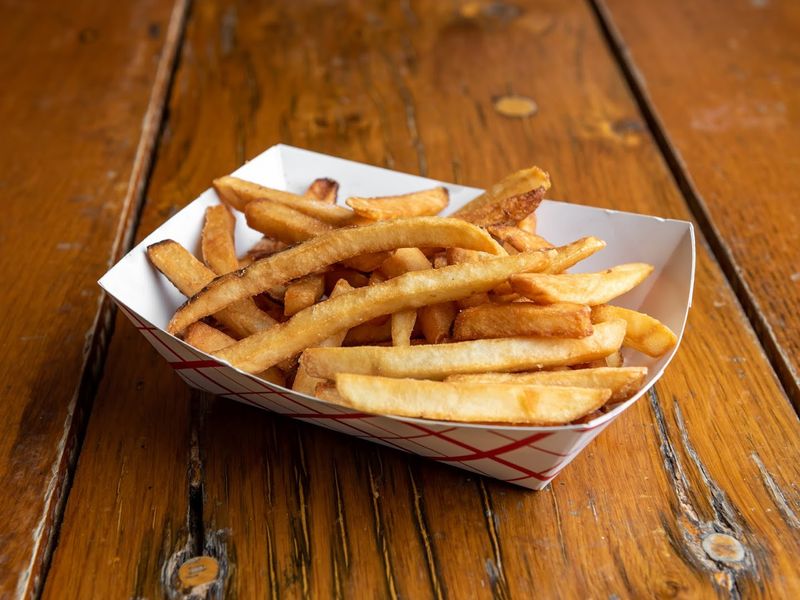
A great burger deserves an equally great side, and Bob’s Hamburg doesn’t cut corners when it comes to what lands on your tray alongside the main event. The fries are cut fresh rather than pulled from a freezer bag, which makes a noticeable difference in both texture and flavor.
Fresh-cut fries have a creamier interior and a crispier exterior — the kind of contrast that makes you keep reaching into the basket.
The onion rings follow the same philosophy: made from scratch, battered and fried to order. They’re crispy without being greasy, and the onion inside stays tender rather than pulling out in one rubbery strip when you bite down.
It’s a small detail that separates a well-made onion ring from a forgettable one.
Scratch cooking takes more time and effort than relying on pre-made products, but the difference shows up immediately in the finished dish. Bob’s Hamburg has maintained this standard not because it’s trendy — scratch cooking was just how things were done when the diner opened — but because the kitchen never found a good reason to stop.
The result is a side dish experience that feels just as thoughtful and satisfying as the burgers that share the plate.
Old-Fashioned Milkshakes That Steal the Show
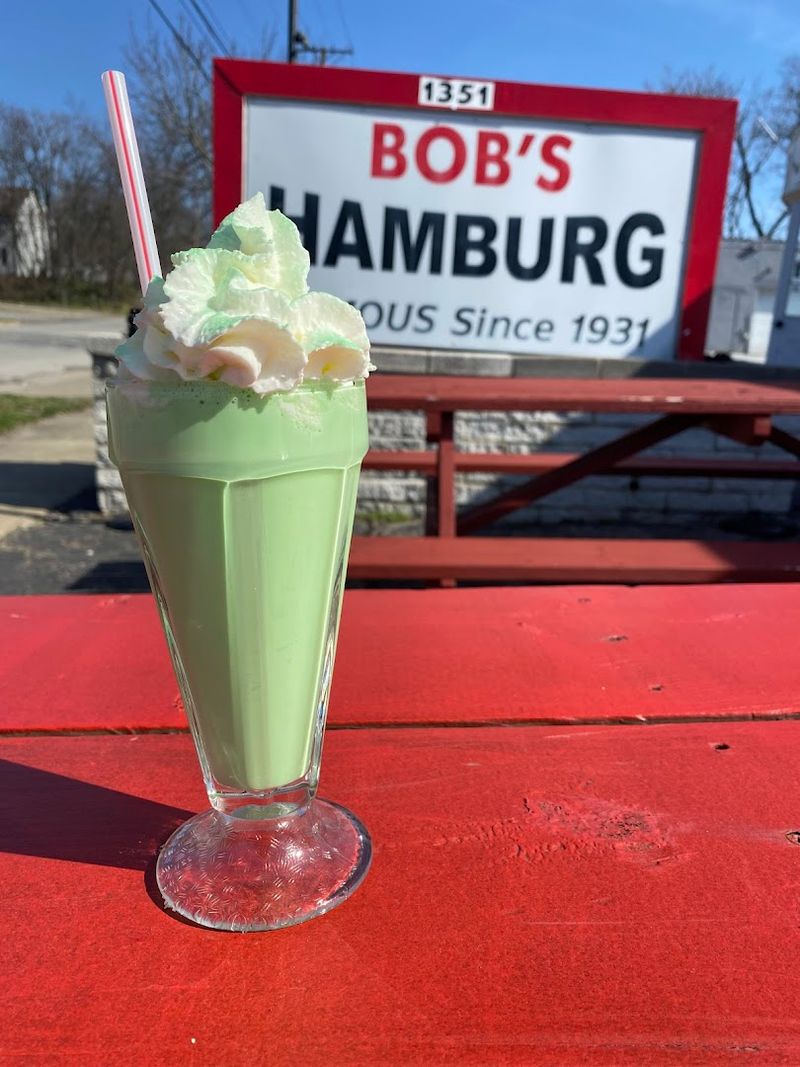
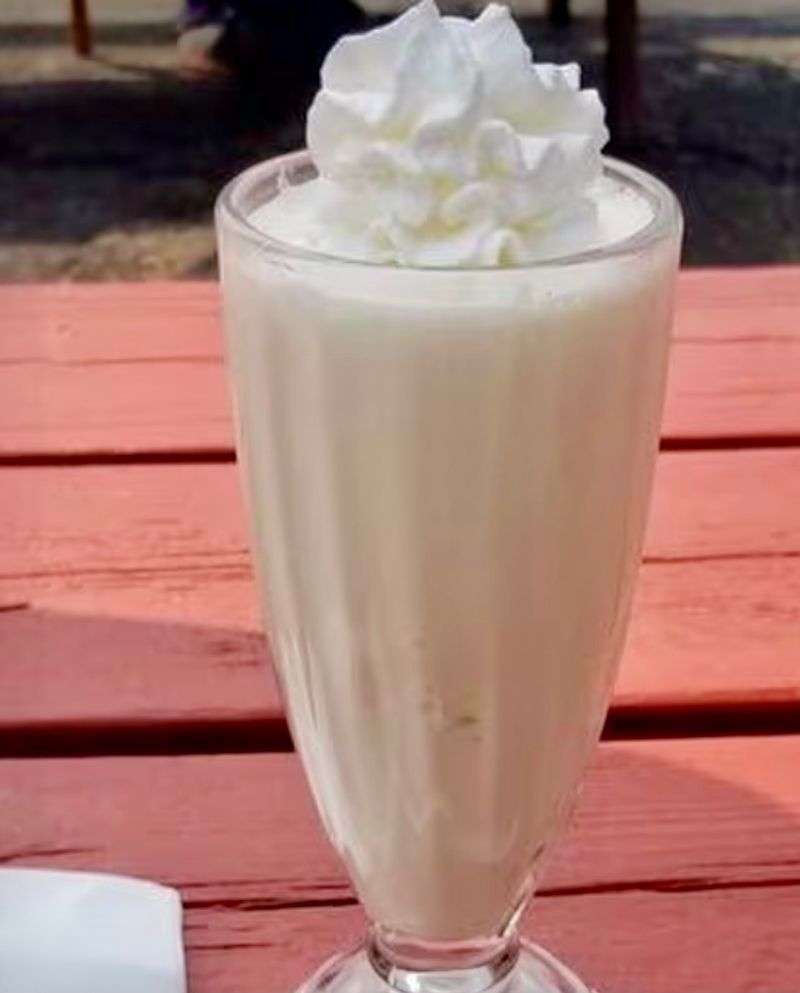
If there’s one item at Bob’s Hamburg that people talk about with genuine excitement, it’s the milkshakes. Thick, cold, and made the traditional way — blended with real ice cream rather than a mix — they arrive in the classic tall metal cup that tells you immediately you’re getting the real deal.
One sip and it becomes very clear why these shakes have their own fan following.
The texture is what sets them apart from modern fast-food versions. A properly made old-fashioned milkshake is thick enough that the straw stands up on its own.
It doesn’t rush. You have to work for it a little, and that slight resistance is part of the pleasure.
The flavors are classic — chocolate, vanilla, strawberry — without any unnecessary embellishments.
For many visitors, ordering a milkshake at Bob’s Hamburg is a ritual tied to childhood memories. Parents who grew up coming here now bring their own kids, pointing to the metal cup and saying, “This is the one.” That kind of multigenerational loyalty doesn’t happen by accident.
It happens because the shake has stayed consistently excellent for decades, earning its reputation one satisfied customer at a time. Some things genuinely deserve the hype.
A Menu That Stays True to Its Roots
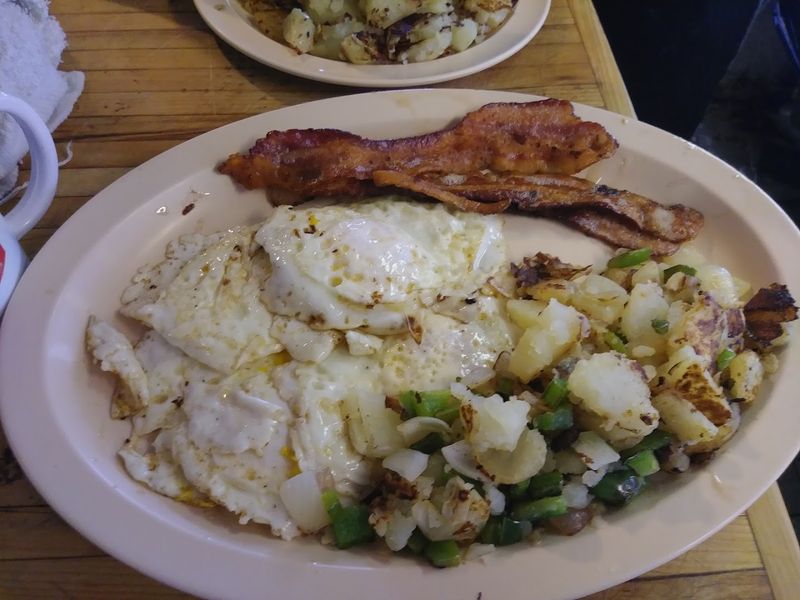
Plenty of restaurants that open with a focused concept eventually drift — adding pasta dishes, smoothie bowls, and seasonal specials in an effort to attract more customers. Bob’s Hamburg has resisted that pull entirely.
The menu today looks remarkably similar to what it offered decades ago: burgers, breakfast, and a handful of classic sides. That’s it.
That’s the whole thing.
At first glance, a limited menu might seem like a disadvantage. But for Bob’s, it’s actually one of its greatest strengths.
When a kitchen focuses on a small number of dishes, it can perfect each one rather than spreading its attention thin. The cooks know every item inside and out, which means quality stays high and consistency rarely wavers.
There’s also something genuinely refreshing about walking into a restaurant and knowing exactly what you’re getting before you even sit down. No decision fatigue, no menu anxiety, no wondering if you ordered the right thing.
You came for a burger, some fries, maybe a milkshake — and that’s precisely what you’ll get, executed with the kind of quiet confidence that only comes from doing the same thing well for over ninety years. Focused menus build loyal customers, and Bob’s is living proof.
A Community Staple Across Generations
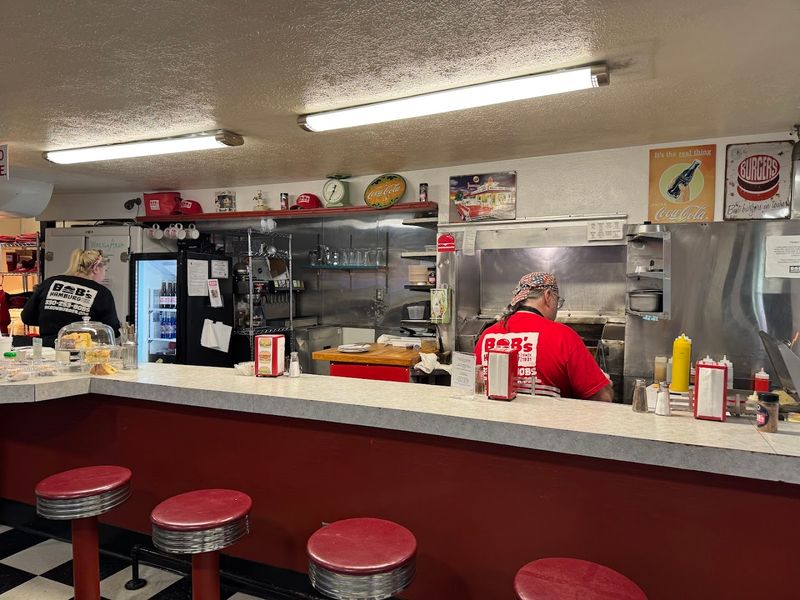
Walk into Bob’s Hamburg on any given morning and you’ll likely see a familiar pattern: older regulars who have been coming since the 1970s sitting a few stools down from young families introducing the place to their kids for the first time. That overlap — that passing of a tradition from one generation to the next — is what transforms a restaurant into a community institution.
For many Akron residents, Bob’s Hamburg is woven into personal history. First jobs in the neighborhood, Saturday mornings with grandparents, post-game stops after high school football — the diner shows up again and again in the stories people tell about growing up in this city.
It’s the kind of place that accumulates meaning over time, becoming more than the sum of its burgers and shakes.
Community staples like this don’t get built through marketing campaigns or social media strategies. They earn their status slowly, through years of showing up reliably and treating every customer like a familiar face.
Bob’s Hamburg has done exactly that, quietly and without fanfare, for nearly a century. In a world where restaurants come and go at a dizzying pace, that kind of deep-rooted belonging to a place and its people is something truly worth celebrating.
Visitor Information
Planning a visit to Bob’s Hamburg is straightforward, but a few details will help you make the most of the trip. The diner is located at 1351 East Ave, Akron, OH 44307, and can be reached by phone at +1 330-253-2627.
The full menu is available at bobhamburg.com, where you can get a sense of what to expect before you arrive.
Hours run Tuesday through Saturday, generally during daytime hours with the diner closing mid-afternoon. If you’re planning a weekend trip, aim to arrive earlier in the day to avoid missing out — once the kitchen closes, that’s it until the next morning.
The diner operates on a keep-it-simple schedule that matches its keep-it-simple menu.
Bob’s Hamburg offers both dine-in and takeout, so you have flexibility depending on your plans. The seating is limited, which means the atmosphere can get cozy and busy during peak hours — but that’s part of the charm.
Cash is always a good idea to have on hand for spots like this. Whether you’re a first-time visitor or a returning regular, the experience is the same: honest food, friendly service, and a meal that feels like it belongs to another, slower era of American life.