George Washington passed this Massachusetts tavern during the Revolutionary War—and today, you can still sit down for a meal inside its historic walls.
Longfellow’s Wayside Inn in Sudbury has welcomed travelers since 1716, giving diners a rare chance to eat in a place steeped in early American history.
Washington’s documented connection adds another layer to the story.
In June 1775, he passed the tavern while traveling toward Cambridge to take command of the Continental Army.
The property was already a busy stopping place, with soldiers, travelers, and locals moving through its doors.
There’s much more to discover here, too.
Revolutionary War connections, centuries-old rooms, literary history, and traditional New England dining come together at this remarkable Sudbury landmark.
Step inside, order a meal, and imagine the travelers who came through long before today’s guests.
The Tavern That Has Welcomed Travelers Since 1716
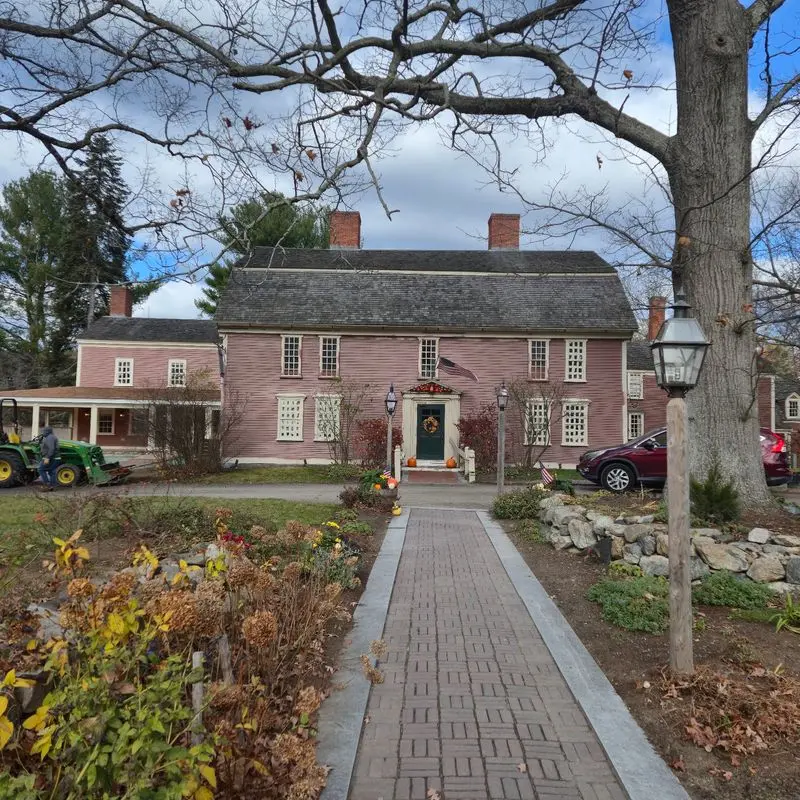
Standing along what was once the Old Boston Post Road, this remarkable building has been serving travelers for more than three centuries. What started as a small family home in 1716 gradually transformed into a bustling tavern where weary travelers could find food, drink, and a warm bed.
The location made perfect sense for an inn. Colonial roads were rough, and the journey between Boston and points west required regular stops.
Families traveling by horse or carriage needed safe places to rest, and local residents needed gathering spots for community news and social connections.
The Howe family operated the property through much of its early history, creating a tradition of hospitality that continues today. Unlike many historic buildings that became museums or fell into disrepair, this inn never stopped serving guests.
That unbroken tradition of innkeeping makes it truly special among America’s historic properties, offering modern visitors an authentic connection to colonial-era travel and hospitality that few other places can match.
What George Washington Really Did At The Tavern
History buffs often wonder about the exact nature of Washington’s visit to this property. A historic marker at the site confirms that George Washington passed through this area in June 1775 while traveling to Cambridge.
He was heading to assume command of the Continental Army, a journey that would change American history forever.
The timing was critical. Just two months after the Battles of Lexington and Concord, colonial forces needed experienced leadership.
Washington’s route from Virginia to Massachusetts took him through multiple towns, including Sudbury.
Whether Washington actually stopped for a meal at the tavern remains unclear from available primary sources. The marker notes his passage through the area rather than confirming a dining experience.
However, the documented connection between Washington and this location during such a pivotal moment adds genuine historical significance to the property.
Travelers along the Old Boston Post Road frequently stopped at taverns, making it quite possible that America’s future first president at least paused here during his momentous journey northward.
The Revolutionary War History Runs Deep Here
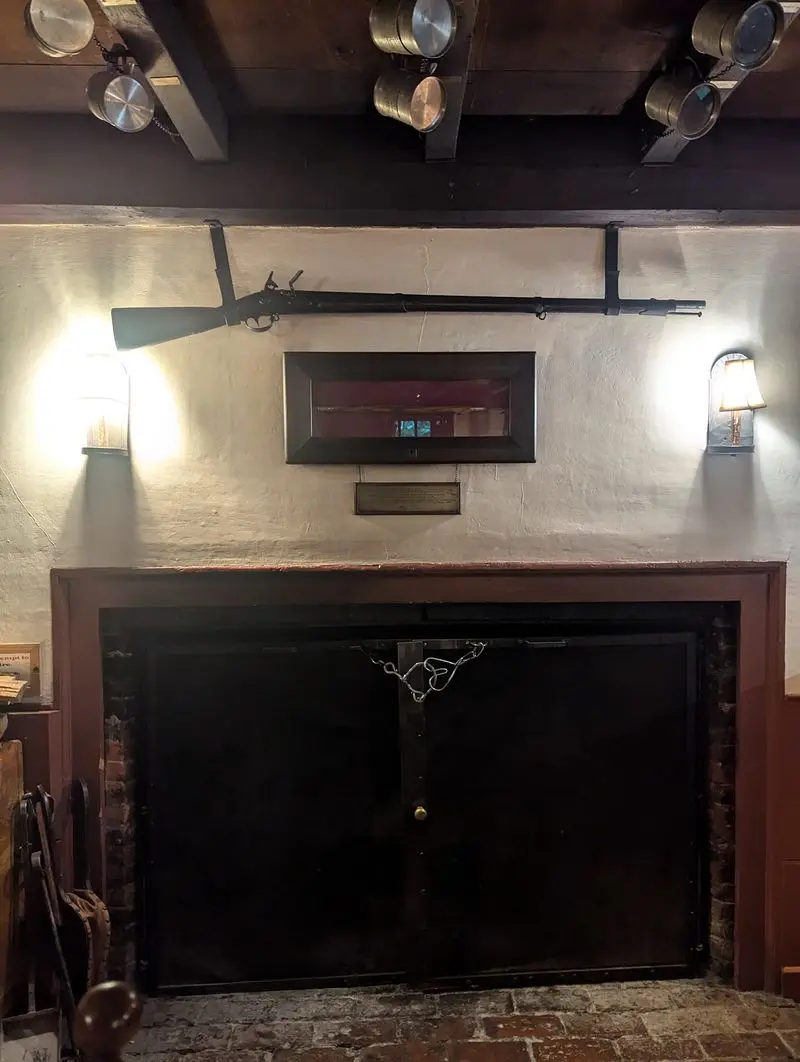
The connection between this tavern and the Revolution goes far beyond a single famous visitor. Ezekiel Howe, who ran the establishment during the Revolutionary period, answered the alarm on April 19, 1775.
When British troops marched toward Concord, he led Sudbury’s militia company to join the fight that started the Revolutionary War.
Howe’s military service didn’t end that day. He continued serving the patriot cause and eventually became a colonel under Washington’s command.
This direct connection between the innkeeper and the Continental Army commander adds another layer to the property’s Revolutionary credentials.
Other local patriots likely gathered at the tavern to discuss the growing conflict with Britain. Colonial taverns served as informal meeting places where men shared news, debated politics, and organized resistance to British policies.
The walls of this building witnessed conversations about liberty, independence, and rebellion during one of history’s most significant periods.
Today’s visitors walk through rooms where revolutionary ideas took shape and patriots prepared to fight for American independence.
The Inn That Inspired Longfellow
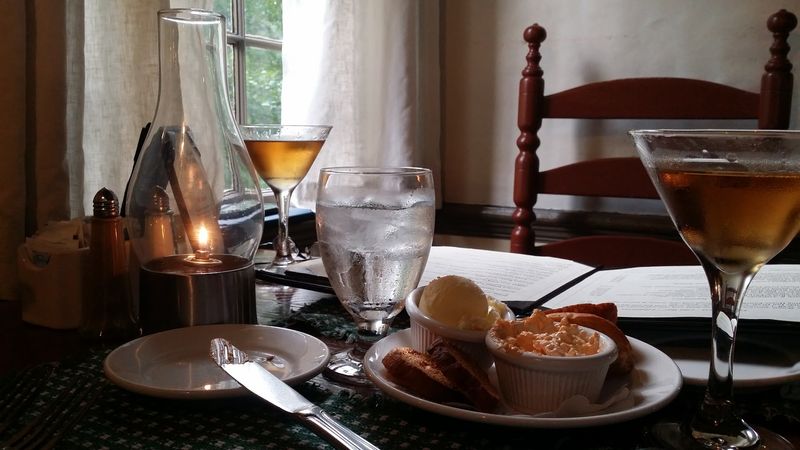
Fast forward from Revolutionary times to the 1860s, when America’s most famous poet discovered this historic property. Henry Wadsworth Longfellow found inspiration here for his collection called Tales of a Wayside Inn.
His poems brought the old tavern new fame and eventually gave it the name visitors know today.
Longfellow’s work connected readers to the inn’s rich history through verse. The collection includes multiple stories told by various characters gathered at the tavern, with the landlord sharing tales from the property’s past.
This literary attention helped preserve the building’s historical significance during an era when many colonial structures were demolished.
The Longfellow Parlor inside the inn honors this connection between literature and history. Visitors can see this special room that celebrates the poet’s relationship with the property.
The name change from Red Horse to Longfellow’s Wayside Inn reflected the property’s dual identity as both Revolutionary-era landmark and literary inspiration.
Today’s guests benefit from both historical threads, experiencing a place where American history and American literature intersect in meaningful ways.
Step Inside The Historic Dining Rooms
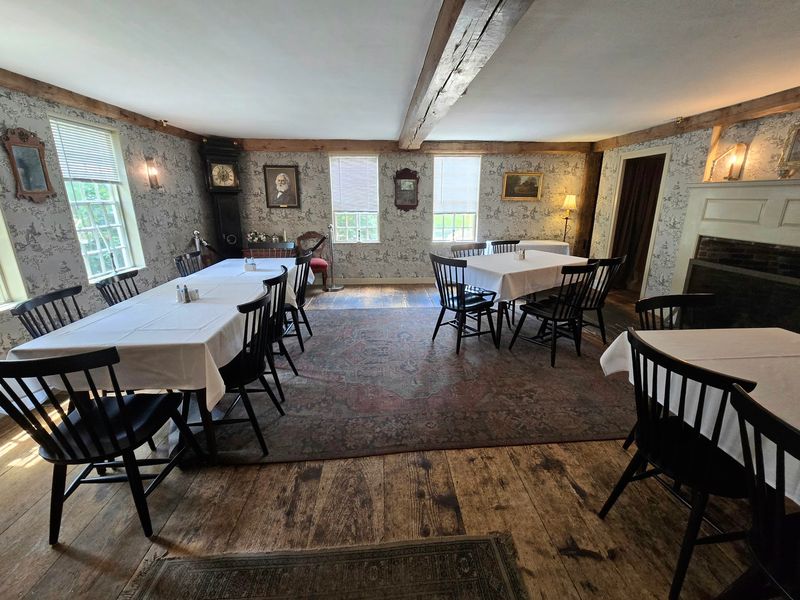
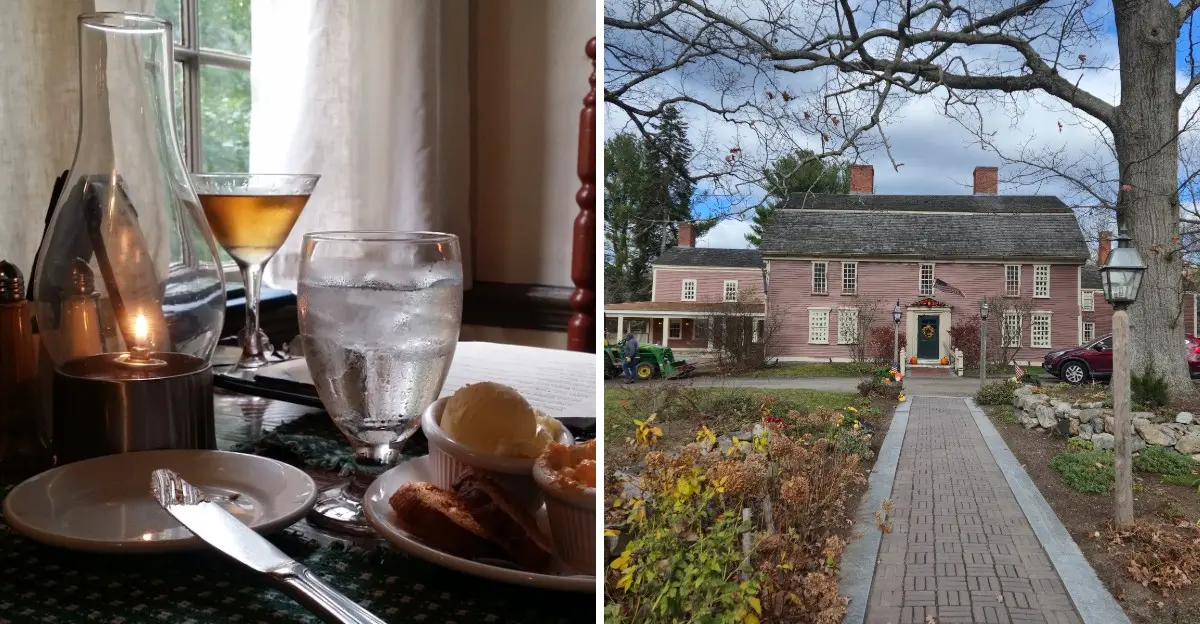
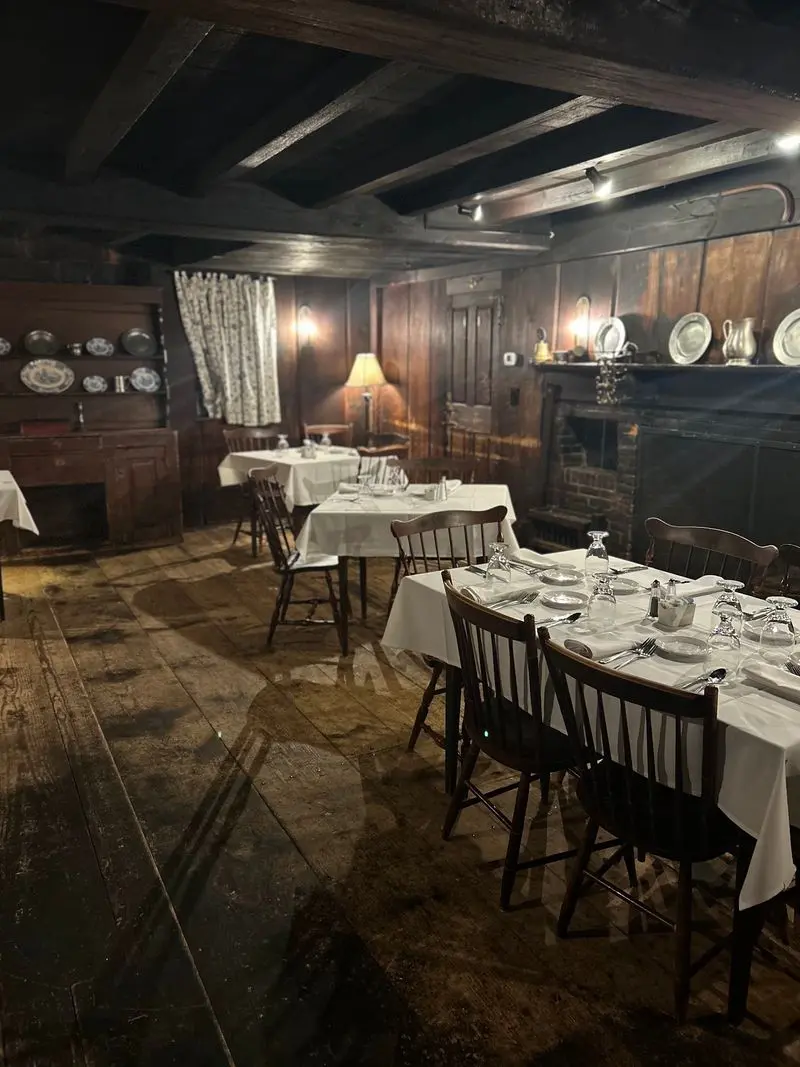
Walking into the dining areas feels like stepping back in time. Low ceilings, wide-plank floors, and massive fireplaces create an atmosphere that modern restaurants simply cannot replicate.
Period furnishings and antique details surround diners, making every meal an immersive historical experience.
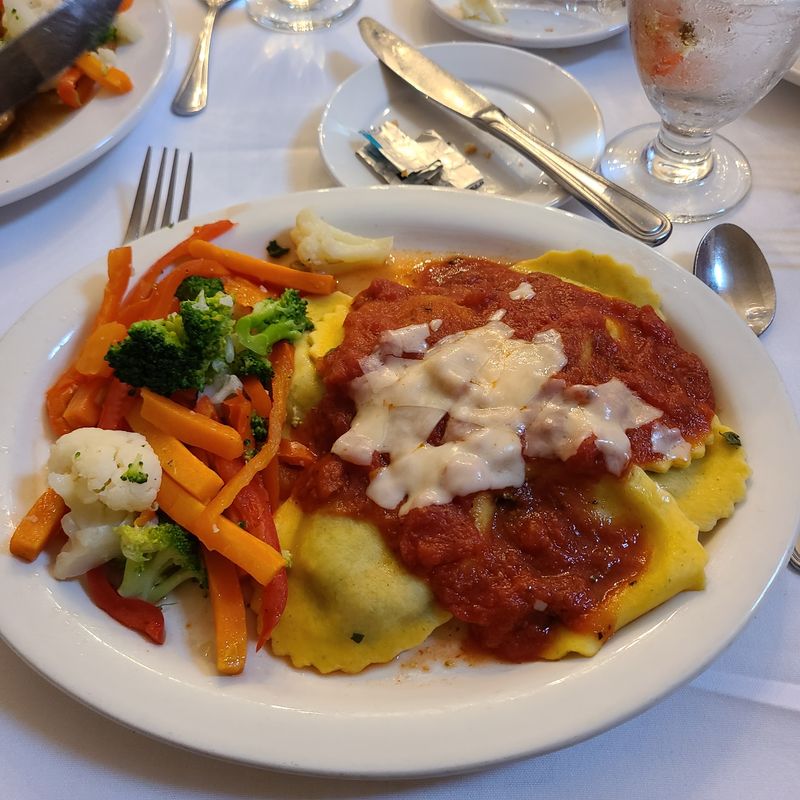
The menu features traditional New England fare that connects to the region’s culinary heritage. While colonial travelers ate simpler meals, today’s visitors enjoy elevated versions of classic dishes prepared with modern techniques and fresh ingredients.
The combination of authentic setting and quality food makes dining here special.
Several intimate dining spaces throughout the building allow groups to choose their preferred atmosphere. Some rooms feel cozy and private, while others accommodate larger parties.
The fireplaces, which once provided the only heat and cooking source, now add romantic ambiance during colder months.
Reservations are highly recommended, especially for weekend dinners. The popularity of this historic dining destination means tables fill quickly.
Planning ahead ensures you won’t miss the chance to eat surrounded by three centuries of history and character that few modern establishments can offer.
Explore More Than Just The Inn
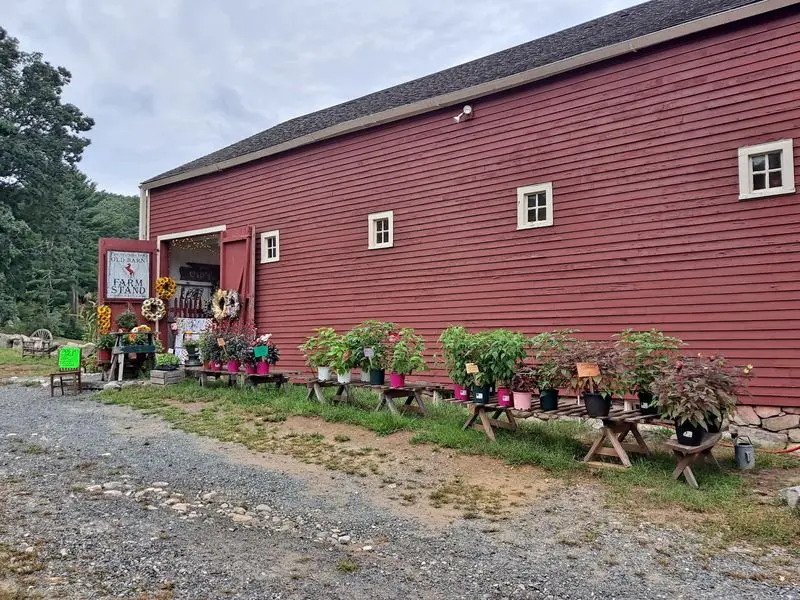
Many visitors arrive planning only to grab lunch or dinner, but that approach misses much of what makes this property remarkable. More than 100 acres surround the main inn building, creating opportunities to explore additional pieces of colonial and early American life.
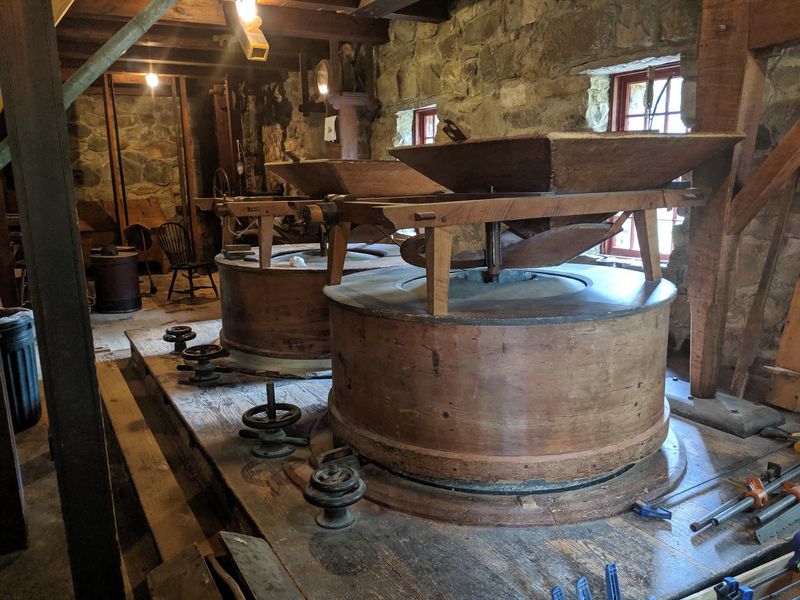
Nine historic buildings dot the landscape, each telling different stories from New England’s past. A grist mill still grinds flour using waterpower just as colonial millers did centuries ago.
The working mill demonstrates how communities produced essential food supplies before modern technology.
Other structures include an old schoolhouse and various outbuildings that supported the inn’s operations through different eras. Walking the grounds lets visitors understand how much infrastructure early taverns required.
Guests didn’t just need meals and beds but also stables for horses, storage for supplies, and workshops for repairs.
The property encourages wandering and discovery. Pathways connect the various buildings, and interpretive signs explain their historical significance.
Bringing comfortable shoes and allowing extra time transforms a simple meal stop into a comprehensive historical education that kids and adults both appreciate.
See The Museum Rooms And Historic Collections
Beyond the active dining spaces, several rooms function as museum areas showcasing the property’s fascinating history. The Longfellow Parlor stands out as a must-see space celebrating the poet’s connection to the inn.
Period furnishings and literary memorabilia help visitors understand how this place inspired American literature.
Upstairs exhibits change periodically but always focus on colonial life and the property’s evolution through three centuries. Antique furniture, artwork, household items, and tools provide tangible connections to how people lived, worked, and traveled during earlier eras.
These objects help younger visitors especially understand daily life before modern conveniences.
Some displays focus on the Revolutionary period, highlighting local contributions to American independence. Others explore the inn’s role along the Old Boston Post Road and how taverns functioned in colonial society.
The rotating nature of exhibits means repeat visitors discover new information and artifacts.
Museum access can vary based on the inn’s schedule and special events. Calling ahead ensures the spaces you want to see will be open during your visit.
Staff can provide current information about exhibits and answer questions about the collections.
Stay Overnight In A 300-Year-Old Setting
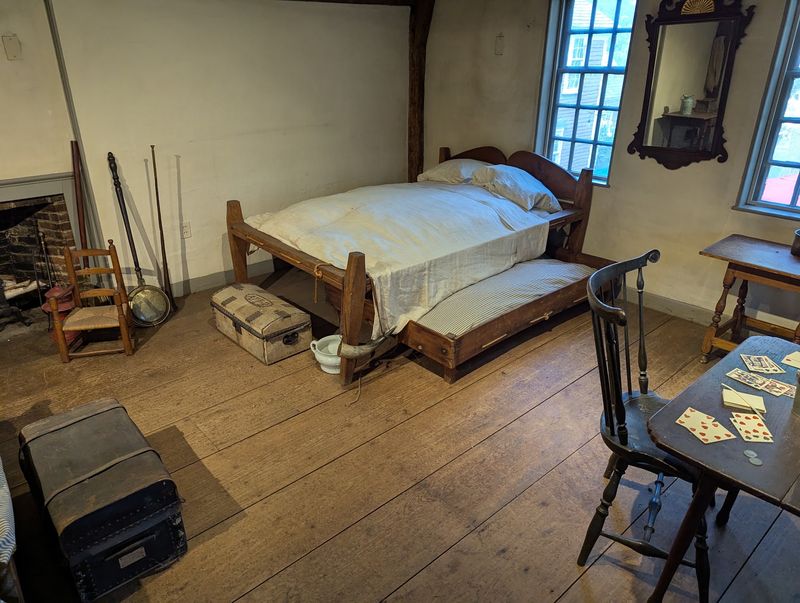
Why rush through centuries of history in just a few hours? The inn currently offers 10 guest rooms where visitors can extend their experience into an overnight adventure.
Sleeping in a building this old creates memories that day-trippers simply cannot match.
Each room features period architectural details that remind guests of the building’s age. Low doorways, slanted floors, and small windows reflect construction techniques from an era when buildings served practical rather than aesthetic purposes.
Modern comfort meets historic character in ways that balance authentic atmosphere with contemporary expectations.
Breakfast comes included with overnight stays, allowing guests to start their day with a meal in the same historic dining rooms they enjoyed the night before. The morning light reveals different aspects of the property’s character, and early risers can explore the grounds before other visitors arrive.
Room availability varies significantly by season and day of week, so advance booking is essential. The limited number of rooms means this experience sells out quickly, especially during fall foliage season when New England draws maximum visitors.
Planning several months ahead gives you the best chance of securing accommodations.
Plan Your Visit
Ready to experience this slice of American history? You’ll find Longfellow’s Wayside Inn at 72 Wayside Inn Road in Sudbury, Massachusetts 01776.
The phone number for reservations and information is 978-443-1776, connecting you directly with staff who can answer questions about dining, rooms, and special events.
Current dining hours show the restaurant serves lunch Wednesday through Saturday from 11:30 a.m. to 3 p.m., with dinner service from 4:30 to 7:30 p.m. those same days. Sunday offers dinner only, running from noon until 7:30 p.m.
These hours can change seasonally, so confirming before you travel prevents disappointment.
The grounds welcome visitors from dawn until dusk, even when the restaurant is closed. This means you can explore the historic buildings and property without necessarily eating a meal.
Make reservations by phone or through the inn’s website for the smoothest experience.
Hours, menus, room availability, and special events all change throughout the year. Checking ahead ensures your visit goes smoothly and you don’t miss seasonal activities or exhibits that might enhance your experience at this remarkable historic property.