Georgia knows how to make a splash, and not just with peaches, pines, and football weekends.
Across the state, you can stand nose to nose with sharks, watch rescued sea turtles recover, peek into salt marsh nurseries, and discover that even a quiet pond can feel like a mini safari when you know where to look.
Some stops are world famous, some are charming local surprises, and all of them offer a closer look at the watery lives moving just beneath the surface.
If you are ready for a trip that mixes giant tanks, curious critters, coastal science, and a little well-earned awe, this list is your ticket to the wet side of Georgia.
Grab your camera, bring your sense of wonder, and maybe practice your best fish face, because these ten spots turn casual sightseeing into an undersea adventure you will be talking about long after the last ripple fades.
1. UGA Marine Education Center and Aquarium
Tucked into the Skidaway Island area near Savannah, the UGA Marine Education Center and Aquarium feels like a smart little secret with salt marsh swagger.
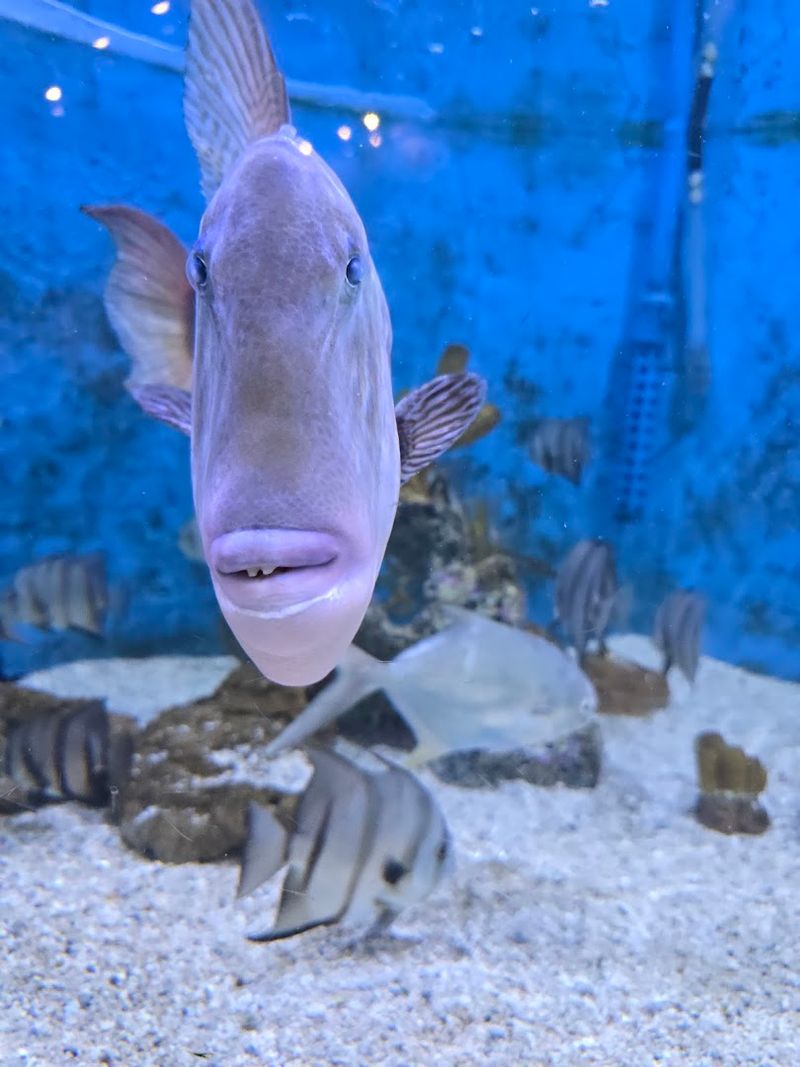
Instead of chasing giant spectacle, this spot focuses on the fascinating marine life of Georgia’s coast, which makes every tank feel local, grounded, and surprisingly personal.
You will see fish, invertebrates, and touchable creatures that reveal how much drama hides in tidal creeks and estuaries.
The aquarium is part of the University of Georgia’s marine science efforts, so the educational side is strong without becoming a lecture in sensible shoes.
Interpretive displays explain coastal habitats, conservation, and the role of marshes in supporting life that is both beautiful and important.
If you travel with curious kids or adults who secretly love science, this place rewards close looking and good questions.
Its location near Savannah makes it an easy addition to a coastal getaway, especially if you want a break from historic squares and ghost stories.
The surrounding grounds and marsh views add atmosphere, and programs often deepen the experience with guided activities.
Come ready to slow down, read signs, and notice details.
This is not the loud rock concert of aquariums.
It is the thoughtful acoustic set, and honestly, that is part of its charm.
2. Blue Heron Nature Preserve
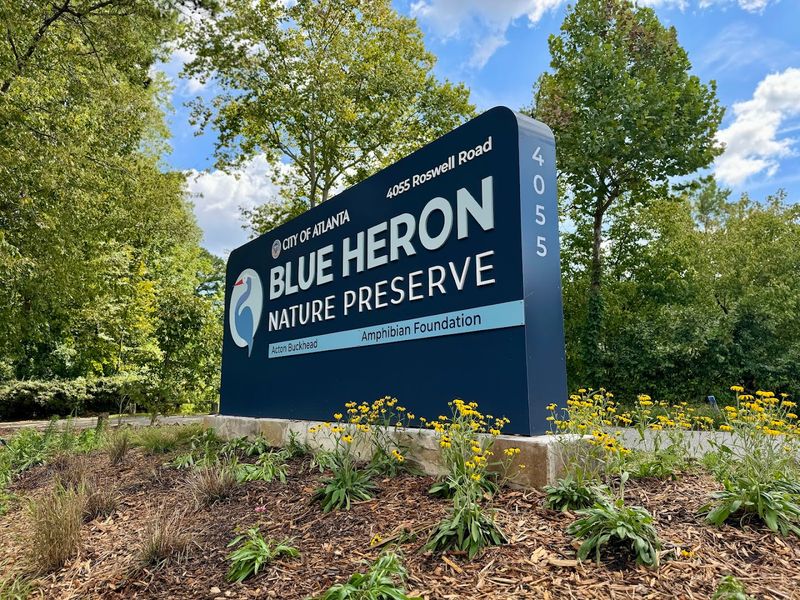
At first glance, Blue Heron Nature Preserve in Atlanta looks like a quiet green breather between city errands, but linger a little and the water starts telling stories.
Ponds, wetlands, and wooded trails create habitat for turtles, frogs, fish, birds, and plenty of life that rewards patient eyes.
It is not an aquarium in the traditional glass tank sense, yet it absolutely gives you a close-up look at aquatic ecosystems without needing a single neon jellyfish.
What makes this place memorable is the contrast.
You are in a major city, yet the preserve feels calm, intimate, and full of small discoveries that many people rush right past.
Boardwalks and paths offer good vantage points for spotting wildlife, and the preserve’s educational mission helps visitors appreciate urban conservation in action.
This stop works best if you arrive ready to observe instead of speed walk.
Bring binoculars, keep your voice low, and let the place reveal itself one ripple, dragonfly, or turtle head at a time.
Families, photographers, and anyone craving a nature reset can find something here.
In a list filled with giant tanks and famous attractions, Blue Heron earns its spot by reminding you that sea life’s freshwater cousins can be just as captivating when the setting is this surprisingly serene.
3. Georgia Sea Turtle Center
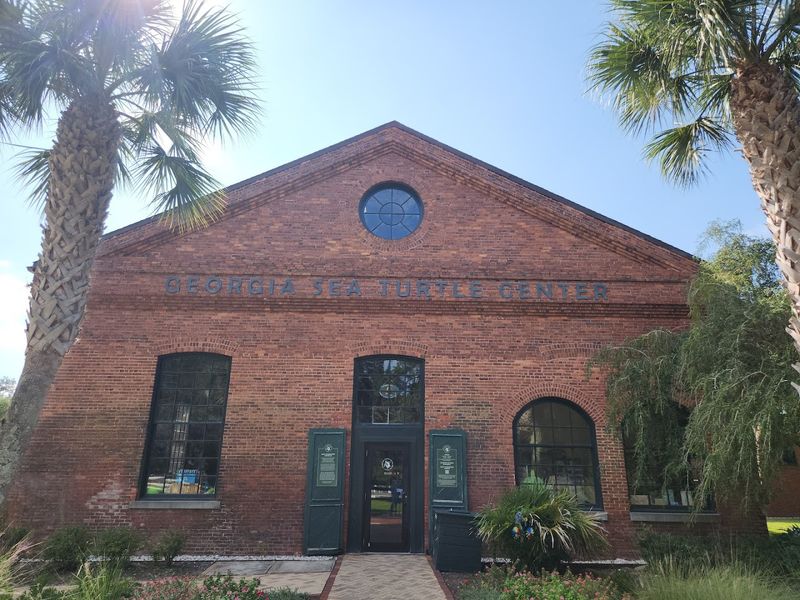
Few places make your heart soften faster than the Georgia Sea Turtle Center on Jekyll Island.
This renowned rehabilitation and education facility gives visitors a chance to see injured or recovering sea turtles up close while learning exactly what threats these animals face in the wild.
It is moving, memorable, and far more meaningful than a simple peek into a tank.
The center combines exhibits with real conservation work, which gives every display a sense of urgency and purpose.
You may see patients recovering from boat strikes, fishing line injuries, or illness, and that direct connection often turns casual interest into genuine respect.
Interpretive panels and exhibits explain turtle biology, nesting behavior, and the coastal stewardship needed to protect these animals.
Located on scenic Jekyll Island, the center fits beautifully into a day of beaches, bike rides, and driftwood photos that look suspiciously postcard perfect.
Its manageable size makes it easy to visit, but do not mistake that for a light experience.
This place leaves an impression.
If you want one stop on this list that blends education, rescue, and emotional punch, this is it.
You may arrive expecting a nice family activity and leave wanting to pick up litter, protect nesting beaches, and cheer for every turtle like a tiny armored celebrity.
4. Georgia Aquarium
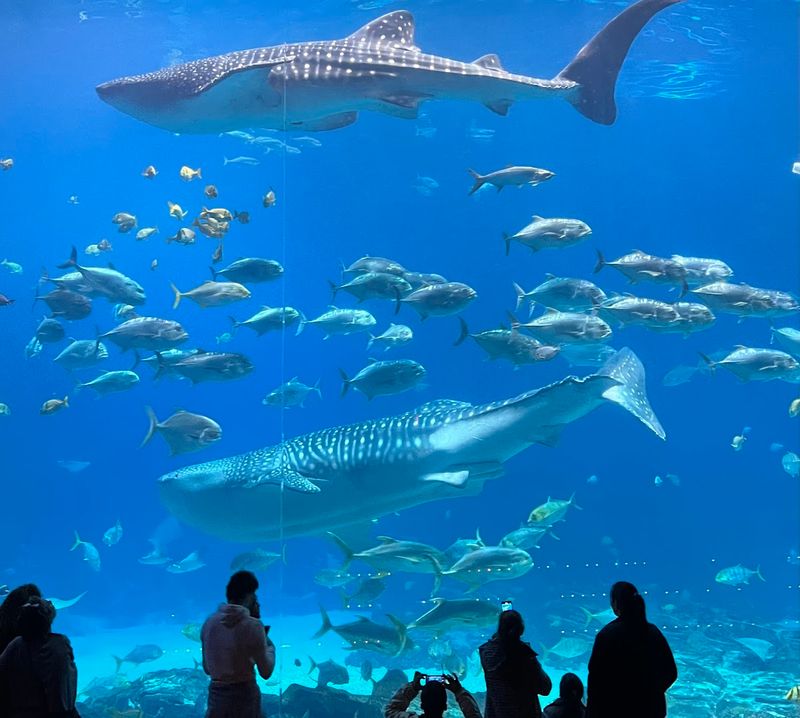
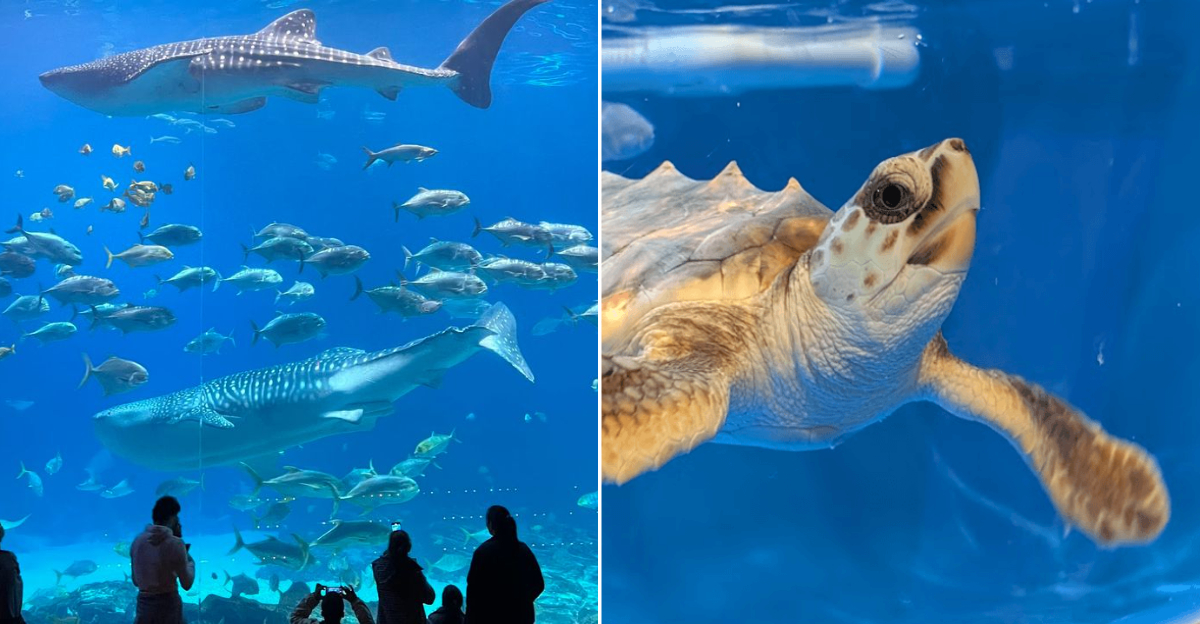
Nothing says wow quite like stepping into Georgia Aquarium in downtown Atlanta and meeting a wall of blue bigger than your expectations.
This celebrated attraction is one of the largest aquariums in the world, and it knows how to make an entrance with whale sharks, manta rays, sea lions, penguins, and mesmerizing reef life.
If you want sharks up close, the shark galleries and tunnel views deliver plenty of toothy drama without asking you to become lunch.
Beyond the giant tanks, the aquarium does an excellent job blending spectacle with education.
You can move from playful beluga whales to glowing jellyfish, then learn how marine research and conservation connect Georgia visitors to oceans far beyond the state line.
Interactive programs, animal encounters, and scheduled presentations keep the visit feeling lively instead of like a long walk past glass.
Location helps, too.
Set near Centennial Olympic Park, it fits easily into an Atlanta day with nearby museums and restaurants.
Arrive early for lighter crowds, wear comfortable shoes, and give yourself several hours, because rushing through this place is like speed dating the sea.
You will leave with photos, facts, and at least one childlike gasp you did not see coming.
5. Tybee Island Marine Science Center
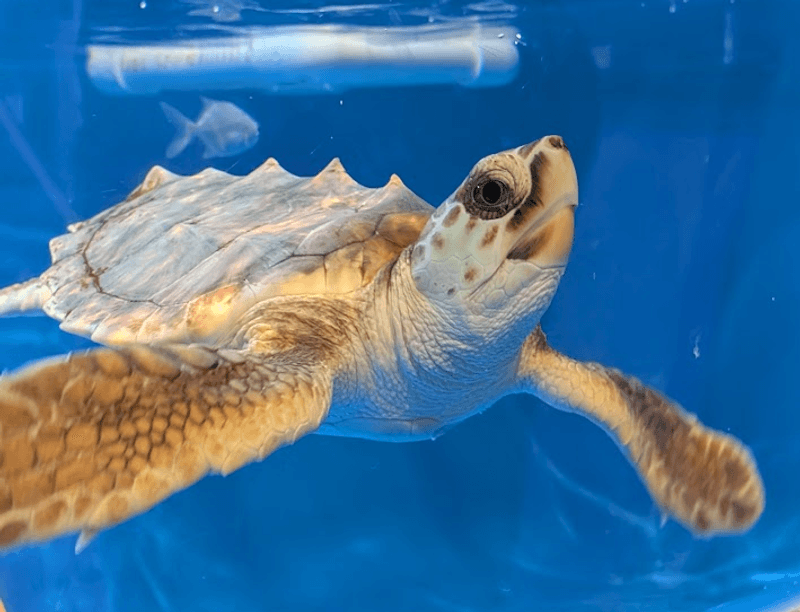
Salty air hits differently when you pair a beach day with a stop at the Tybee Island Marine Science Center.
Located on Tybee Island near Savannah, this compact center brings coastal ecology to life with exhibits that help you understand exactly what is swimming, scuttling, and nesting around you.
It feels approachable, fun, and perfectly tuned to curious travelers who want more than a quick glance at the shoreline.
The center highlights local marine habitats, shorebirds, sea turtles, and the creatures that call Georgia’s beaches and estuaries home.
Educational displays are clear and engaging, and programs often connect visitors directly to conservation issues affecting the coast.
That means your family can go from building sandcastles to actually understanding the living system under those sandy toes.
Because it sits right on Tybee Island, the visit pairs beautifully with time on the beach, a lighthouse stop, or a seafood meal that tastes extra good after a salty breeze.
This is not a giant aquarium packed with huge tanks, but it earns its place with location, heart, and real educational value.
If you want a closer connection to Georgia’s coast, this stop delivers.
Think of it as the beach’s smartest neighbor, with just enough charm to make everyone a little more ocean minded.
6. Oatland Island Wildlife Center
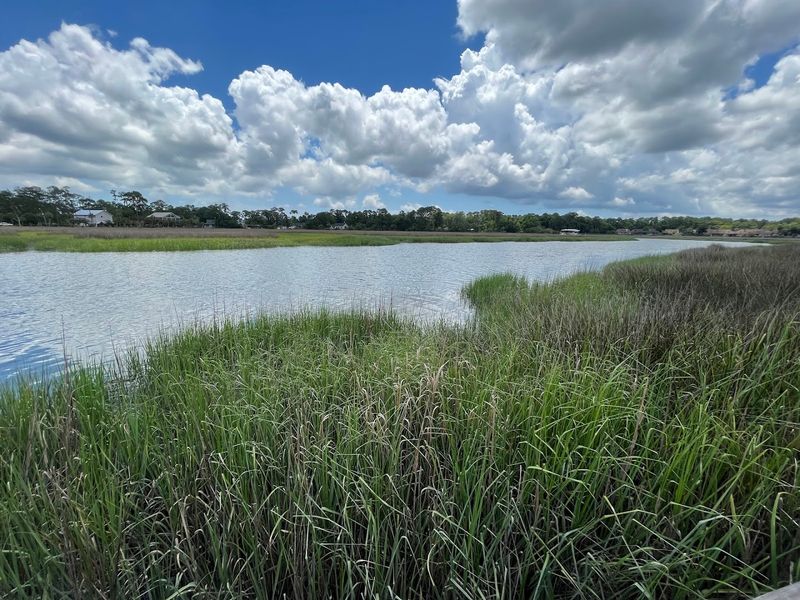
Shady trails and animal encounters give Oatland Island Wildlife Center near Savannah a field-trip energy, but in the best possible way.
This expansive nature and wildlife center is not a classic aquarium, yet its ponds, wetlands, and coastal habitats help visitors connect with the broader web of life that supports Georgia’s marine and freshwater species.
Think of it as an ecological ensemble cast, with plenty of scene stealers.
As you walk the trails, you may encounter native wildlife exhibits, birds, reptiles, and habitats that explain how land and water systems overlap.
That broader perspective is useful because sea life does not exist in isolation.
Marshes, creeks, forests, and estuaries all play supporting roles, and Oatland presents those relationships in a way that feels accessible and grounded.
Its location just outside historic Savannah makes it easy to combine with city sightseeing, and the natural setting provides a welcome change of pace from brick streets and carriage tours.
Wear good walking shoes and allow time, because this is a stroll, not a sprint.
Families especially tend to love the mix of movement and discovery.
While you will not find a giant shark tank here, you will leave with a stronger understanding of the habitats that make coastal Georgia such a rich place for wildlife.
7. Chattahoochee Nature Center
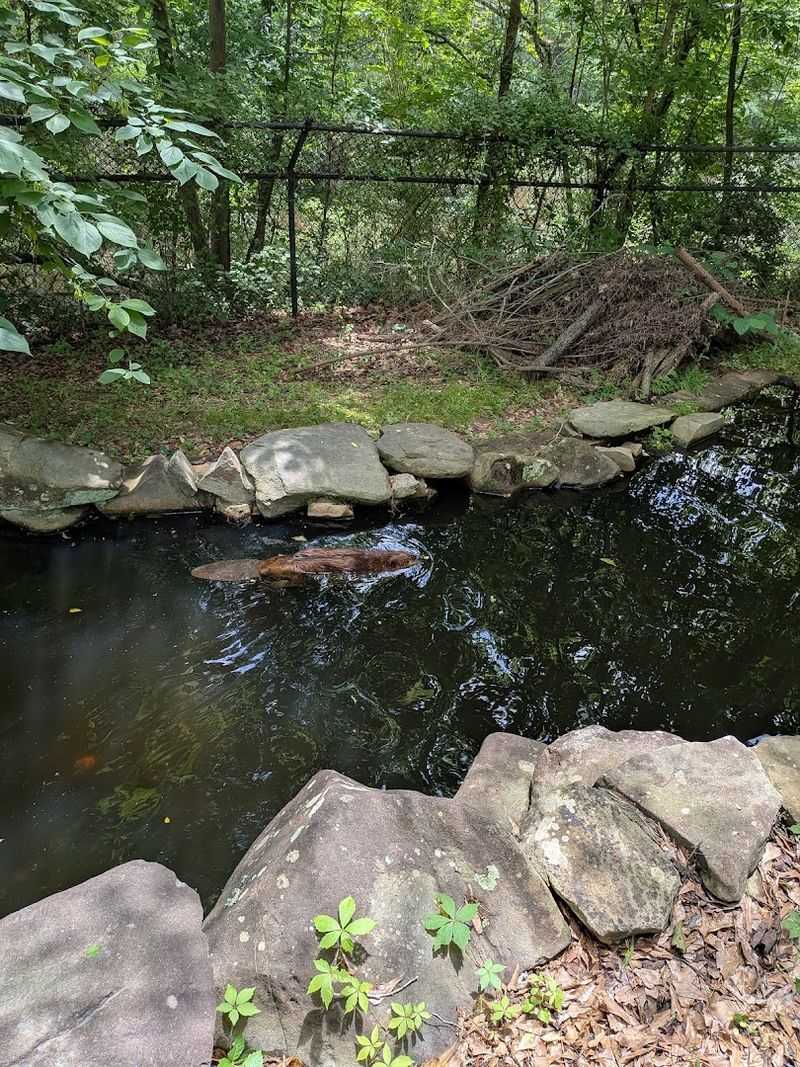
River energy gives Chattahoochee Nature Center in Roswell a refreshing edge that feels both peaceful and quietly adventurous.
Set along the Chattahoochee River north of Atlanta, this respected nature center offers a close look at native ecosystems, including wetlands, ponds, and river habitats where aquatic life shapes the entire landscape.
It is a smart pick if you like your wildlife experiences with fresh air instead of climate control.
Educational exhibits and programs help explain how Georgia’s waterways support fish, turtles, amphibians, birds, and the larger food web around them.
Walking paths, observation areas, and live animal displays create a hands-on rhythm that keeps the visit engaging.
You are not just reading about ecology here.
You are moving through it, which makes the lessons stick far better than any textbook ever could.
Roswell’s location makes this an easy day trip from Atlanta, and the setting feels far removed from traffic once you are under the trees.
Seasonal events and family programs add variety, so repeat visits can still surprise you.
Bring water, take your time, and watch the river if you need a reset.
Chattahoochee Nature Center earns a place on this list because it shows that getting close to aquatic life is not always about giant tanks.
Sometimes the best exhibit is the real river itself.
8. Fernbank Science Center
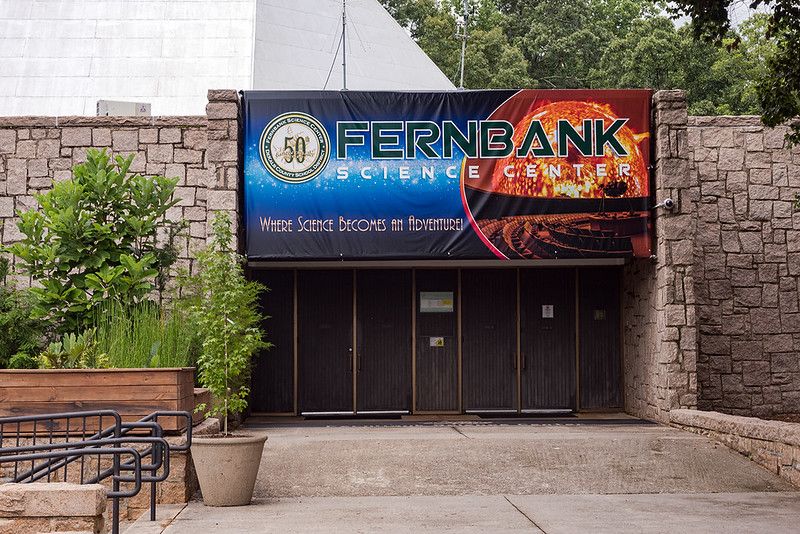
Science lovers who enjoy their animal encounters with a side of curiosity should give Fernbank Science Center in Atlanta a thoughtful look.
While it is better known for astronomy, natural science, and educational exhibits than for traditional aquarium halls, Fernbank helps connect visitors to Georgia’s ecosystems through exhibits that illuminate the natural world with clarity and context.
That means this stop earns points for brains as much as splash.
Depending on current exhibits and programming, you may find displays that explore biology, ecology, and environmental systems relevant to aquatic life and regional habitats.
The strength here is interpretation.
Fernbank has a knack for taking complex topics and making them feel approachable, especially for families, students, and adults who still get excited by a really good diagram.
Sometimes learning more about habitats is what makes later animal encounters feel richer.
Located in Atlanta, it works well as part of a city itinerary that includes parks, museums, and other family attractions.
It is especially useful on a hot afternoon or rainy day when you still want an enriching outing.
No, you are not coming here for whale sharks or playful otters.
You are coming for perspective, which is a pretty valuable travel souvenir.
Fernbank fits this list by broadening the story of sea life and reminding you that understanding ecosystems is part of getting close to them.
9. Zoo Atlanta
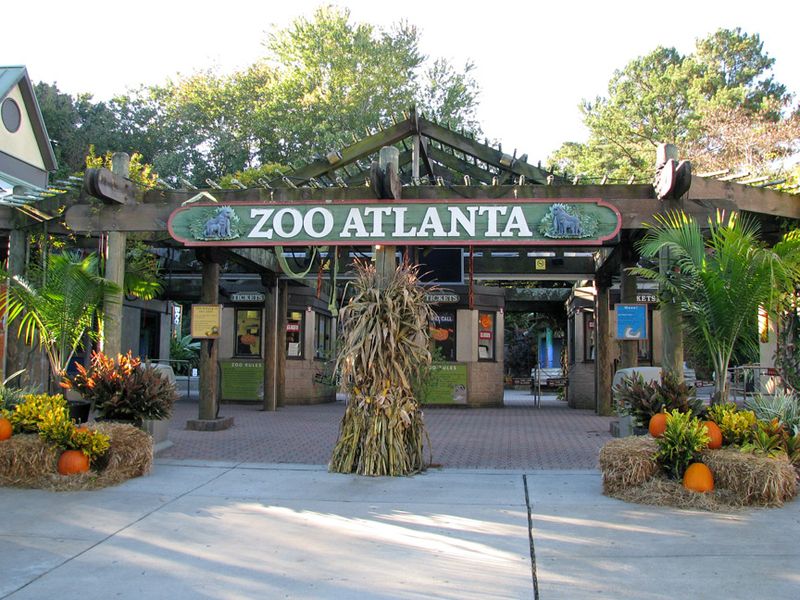
Animal fans usually think pandas first at Zoo Atlanta, but the aquatic and reptile side of the experience deserves its own applause.
Located in Grant Park in Atlanta, this major zoo includes habitats and exhibits where you can observe species connected to wetlands, rivers, and other water-rich environments, adding a useful twist to a broader wildlife day.
It is a reminder that life near the water often comes with scales, shells, and serious star power.
The zoo’s strength is variety.
You can move from charismatic mammals to reptiles, amphibians, and birds, building a fuller understanding of how different species rely on habitat, climate, and conservation efforts.
Educational signage and keeper talks often add practical detail, which helps turn simple observation into something more memorable.
If you are traveling with kids, this range keeps attention from drifting faster than a loose balloon.
Because Zoo Atlanta sits within one of the city’s classic parks, it pairs well with a full day of sightseeing and nearby dining.
Plan for several hours, wear comfortable shoes, and check schedules if you want talks or feeding times.
Although it is not an aquarium, it complements this list by showing how aquatic and semi-aquatic species fit into the larger animal world.
Plus, any place that can combine serious conservation with family fun earns a pretty solid gold star in my travel notebook.
10. Bear Hollow Zoo
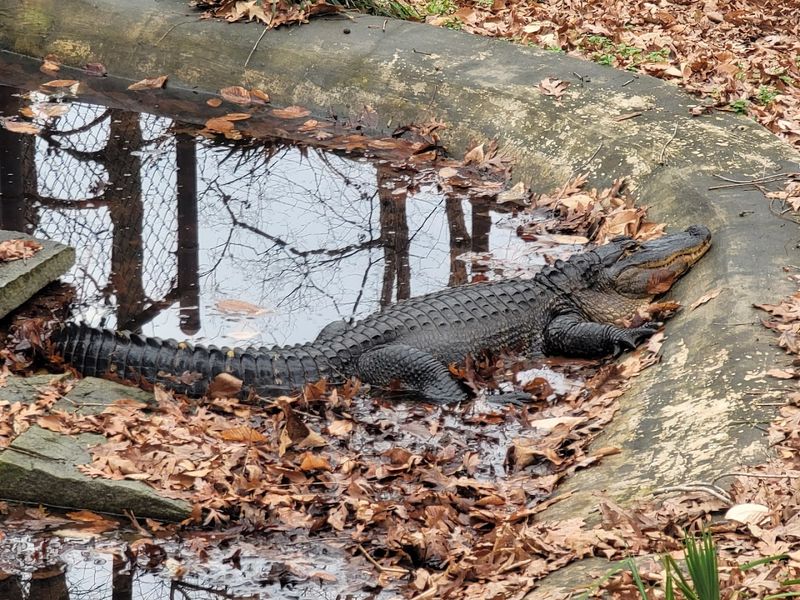
Small can be surprisingly mighty, and Bear Hollow Zoo in Athens proves that point with quiet confidence.
Located in Memorial Park, this modest community favorite focuses on native Georgia wildlife that cannot return to the wild, creating an experience that feels local, humane, and refreshingly unflashy.
It is not a sea life headline act, but it still helps tell the story of the state’s natural habitats in a way families can easily enjoy.
As you explore, you will encounter animals that reflect Georgia’s ecosystems, and the park setting adds extra appeal with green space and a relaxed pace.
The educational value comes from seeing native species up close and understanding how wildlife care, habitat awareness, and conservation work together.
For younger visitors especially, that direct connection can plant the kind of curiosity that later grows into real environmental care.
Athens gives this stop a fun backdrop, too.
After your visit, you can explore the city’s food, music, or nearby University of Georgia energy without much effort.
Bear Hollow works best when you treat it as a meaningful local attraction rather than a blockbuster zoo.
It is gentle, accessible, and worth your time.
On a list full of giant tanks and coastal science centers, this little spot rounds things out by showing that Georgia’s wildlife story also thrives inland, one rescued resident at a time.