Georgia’s craft traditions are deeply tied to the South’s history of making things by hand, from pottery and blacksmithing to weaving, woodworking, and folk art.
These schools, studios, and learning centers give travelers a chance to experience that heritage in a direct and memorable way.
Instead of simply viewing finished pieces, visitors can learn the patience, skill, and creativity behind traditional crafts.
Whether someone is shaping clay, working metal, carving wood, or learning a regional art form, each class offers a deeper appreciation for Southern craftsmanship.
Together, these Georgia-area craft schools show how old traditions continue to stay alive through hands-on learning and creative curiosity.
1. Allan Folk School, Rabun County
The mountains set the mood before a single class begins, and that matters more than you might think.
Allan Folk School in Rabun County, near the small community of Tiger, leans into that quiet North Georgia setting with workshops that feel grounded instead of hurried.
I like places where the drive in already feels like part of the lesson, and this school has that effect.
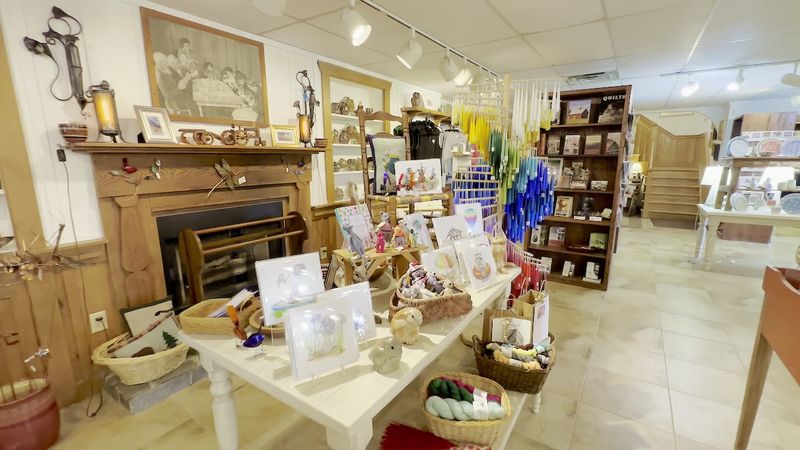
Inside, the focus stays on heritage skills, practical making, and the kind of careful instruction that rewards patience.
You may find classes in fiber arts, woodcraft, basketry, or other hand work tied to Appalachian and Southern traditions, with teachers who explain process clearly instead of dressing it up.
Wear comfortable clothes, bring a notebook, and ask questions early, because the small details are often the real takeaway.
What stayed with me most was the pace.
The setting encourages you to slow down, notice materials, and appreciate craft as a living tradition rather than a museum label.
On a crisp morning, with mountain air outside and tools humming indoors, the whole experience feels refreshingly plainspoken.
2. Georgia Museum of Agriculture Traditional Arts Workshops, Tift County
History gets louder when tools are moving, fires are lit, and someone is showing you how a skill actually works.
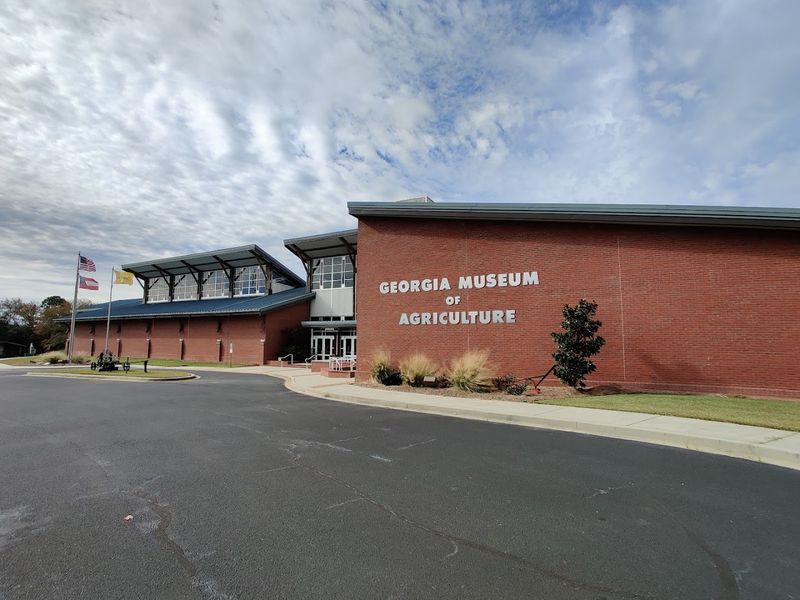
The Georgia Museum of Agriculture Traditional Arts Workshops in Tifton, Tift County, bring that energy into a living-history setting where old methods feel practical instead of distant.
I appreciate that you can learn with your hands while surrounded by buildings and equipment that reinforce the story.
Workshop offerings often connect with rural Southern life, including blacksmithing, quilting, spinning, woodworking, broom making, and other heritage crafts tied to the museum’s mission.
Because the campus is larger than many visitors expect, it helps to arrive early, wear good walking shoes, and check the calendar before you go.
Some sessions fill quickly, especially when they involve guest artisans or seasonal programming linked to harvest traditions.
The museum itself adds texture to every class.
Between sessions, you can step into historic spaces, watch demonstrations, and see how craft once fit into daily farm life across Georgia.
That wider context gives each lesson extra weight, and it makes the finished work feel connected to something older than trend.
3. Atlanta School of Blacksmithing, Fulton County
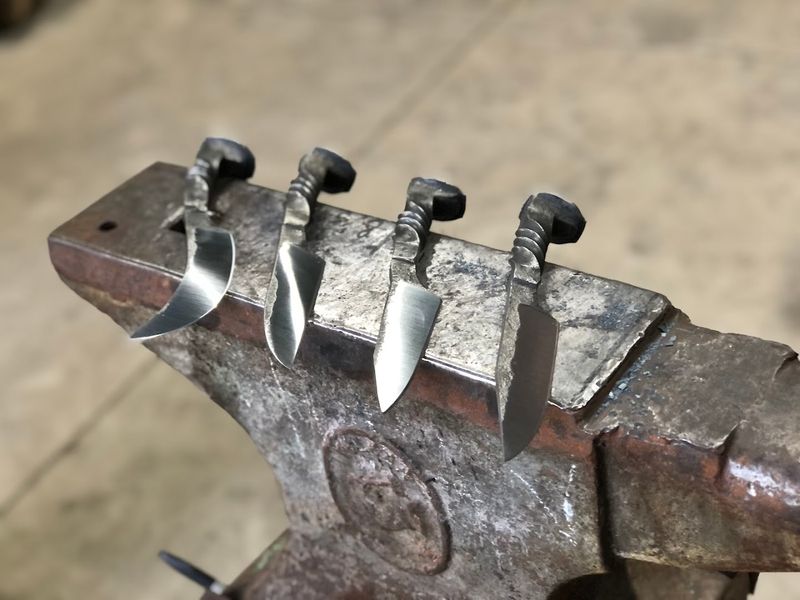
Sparks have a way of focusing the mind, and a forge leaves little room for drifting attention.
The Atlanta School of Blacksmithing in Atlanta, Fulton County, offers a hands-on path into metalworking that feels both old-fashioned and refreshingly direct.
I remember how quickly the noise of the city faded once hammer rhythm took over.
Classes usually introduce foundational skills such as drawing out steel, tapering, twisting, and shaping useful objects under close supervision.
Even beginners can leave with a small forged piece, which is satisfying in the most literal way because you feel the effort in your hands.
Closed-toe shoes are essential, cotton clothing is smart, and arriving ready to listen makes the whole experience smoother and safer.
What I like most here is the balance between tradition and access.
The school respects classic blacksmithing methods while making them understandable for curious newcomers who may have never stepped near an anvil.
If you enjoy learning by doing and do not mind a little sweat, this is one of the most memorable craft classes in metro Atlanta.
4. Spruill Center for the Arts, DeKalb County
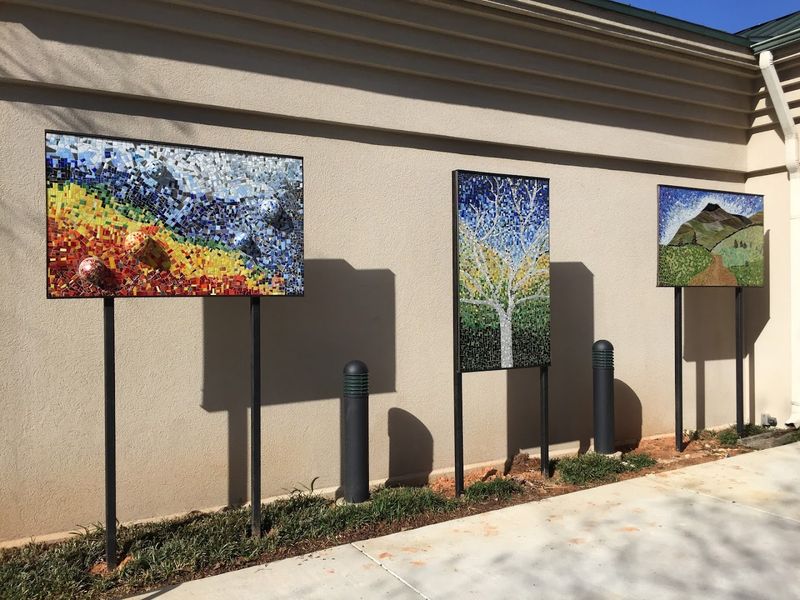
Creative energy can feel surprisingly neighborly when a place has deep roots in its community.
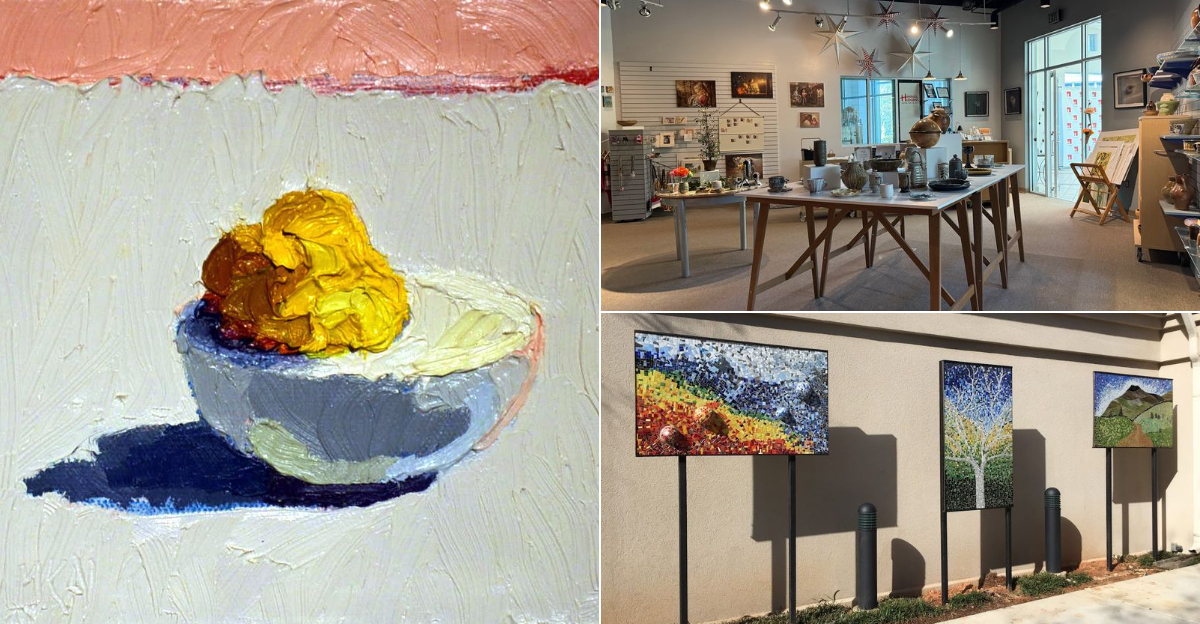
Spruill Center for the Arts in Dunwoody, DeKalb County, has built that kind of reputation through broad programming that includes craft traditions alongside painting, drawing, and design.
I like that it feels serious about skill building without becoming stiff or exclusive.
The ceramics program often gets the most attention, and for good reason, but the center’s wider class lineup gives visitors plenty of ways to explore handwork.
Depending on the season, you might find pottery, fiber arts, jewelry, mixed media, or workshops that connect contemporary practice with time-tested techniques.
If you are visiting for the first time, check whether classes are held at different campus spaces so you do not lose time circling the parking lot.
There is also a practical charm to the setting.
You are in a suburban part of metro Atlanta, yet once class begins the atmosphere shifts from errands and traffic to texture, color, and concentration.
That change of pace is part of the appeal, and it makes Spruill feel like a dependable creative reset.
5. Callanwolde Fine Arts Center, DeKalb County
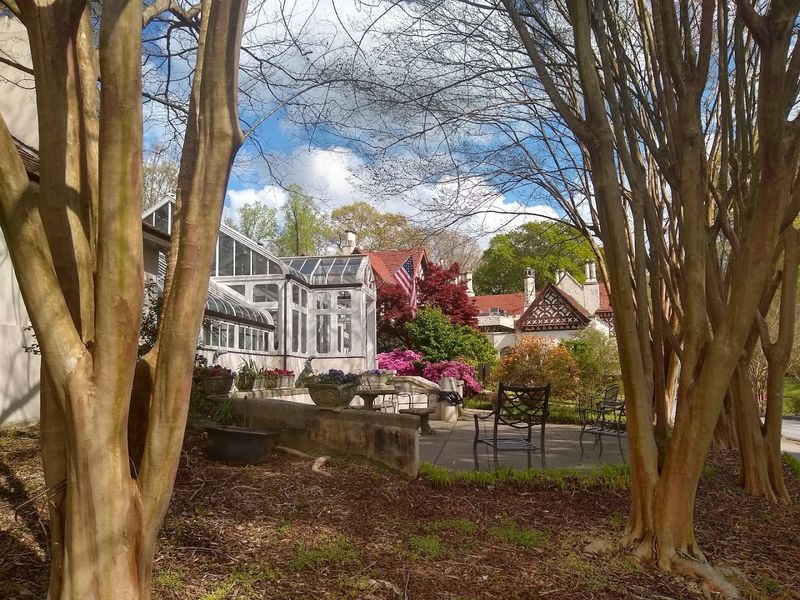
Few classrooms come with stained-glass charm and historic architecture as part of the lesson.
Callanwolde Fine Arts Center in Atlanta, DeKalb County, pairs a striking estate setting with a long-running lineup of classes in visual arts, craft, and music.
I always think a place teaches differently when the building itself reminds you that design and workmanship matter.
Its craft offerings often include ceramics, jewelry, drawing, painting, and other studio courses that welcome both beginners and returning makers.
The vibe is less rushed than many urban programs, and that helps when you are trying to learn a careful process rather than simply finish a project.
Give yourself a few extra minutes before class to explore the grounds, because the gardens and architecture are worth seeing in their own right.
There is also a nice sense of continuity here.
While some classes lean contemporary, the center’s setting naturally highlights decorative arts, hand skills, and the value of studied technique.
I have found that even a short visit feels richer when a historic place and a working arts program are sharing the same roofline.
6. Chastain Arts Center, Fulton County

Sometimes the best art spaces are the ones that fold easily into everyday city life.
Chastain Arts Center in Atlanta, Fulton County, sits in a park setting that softens the urban edge and makes studio time feel a little more spacious.
I have always liked places where you can step out of a class and immediately see trees instead of another parking deck.
The center is especially well known for ceramics, though its broader programming has included drawing, painting, and other studio arts over the years.
For anyone interested in traditional hand skills, clay is the star here, with classes that can move from foundational wheel work to more refined surface treatments and firing knowledge.
Registration can be competitive, so it is wise to watch schedules closely and sign up early when new sessions open.
What gives Chastain staying power is its steady community feel.
Students range widely in age and experience, and that mix often makes the atmosphere more welcoming than flashy.
On a busy Atlanta week, spending a few hours shaping clay in this setting can feel like a small but useful act of recalibration.
7. Hudgens Center for Art & Learning, Gwinnett County
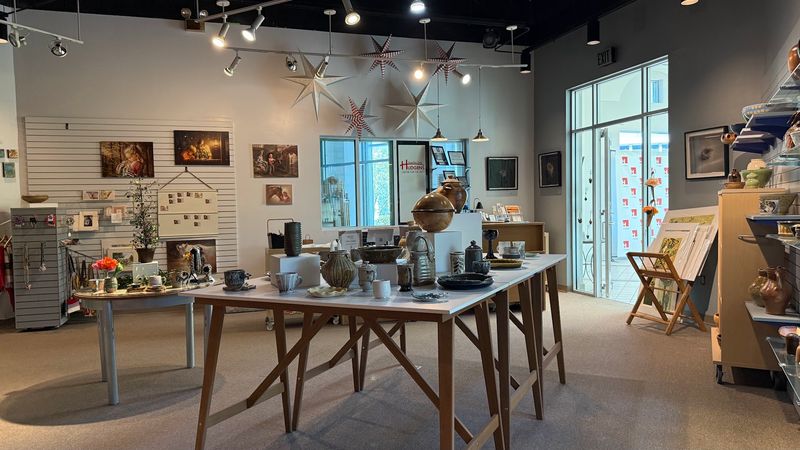
A good community arts center does more than schedule classes – it creates regular reasons to keep showing up.
The Hudgens Center for Art & Learning in Duluth, Gwinnett County, does that well by combining exhibitions, education, and approachable studio programming under one roof.
I like how easy it is to move from looking at finished work to trying a technique yourself.
Its course offerings often span ceramics, painting, drawing, and youth and adult workshops, with enough variety to keep curious makers engaged.
For readers interested in Southern craft traditions, clay and hands-on studio classes are usually the most relevant starting point, especially when local instructors bring regional perspectives into demonstrations.
If you visit during an exhibition opening or community event, you can get a fuller sense of the center’s role in Duluth’s cultural life.
The surrounding suburban location also makes it practical.
Parking is usually simpler than in intown Atlanta, and nearby restaurants can turn a class day into an easy outing.
That convenience may sound small, but it helps creative habits stick, which is often how real skill finally takes root.
8. John C. Campbell Folk School, Clay County
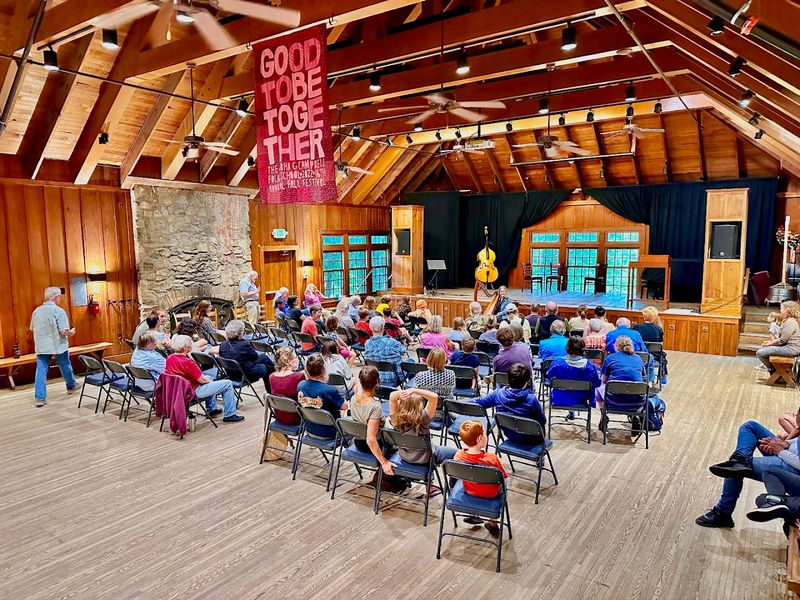
Some craft schools feel more like villages, with paths, porches, studios, and stories all working together. John C.
Campbell Folk School in Brasstown, Clay County, North Carolina, sits just beyond the Georgia line and belongs in this conversation because so many Georgia makers treat it like a beloved regional resource. I have heard people mention it with the kind of respect usually reserved for old mentors.
The school is widely known for blacksmithing, weaving, woodcarving, basketry, book arts, dance, music, and other traditional Appalachian and Southern skills.
Its weeklong and weekend formats allow deeper immersion than many community programs, which means you can settle into a craft instead of rushing through an introduction.
Lodging and meal options make planning easier, but booking ahead is wise because popular sessions do not stay open forever.
What sets the experience apart is the campus culture.
You are not only learning in a classroom – you are stepping into a creative routine shaped by shared meals, evening events, and mountain quiet.
By the time you leave, the work often feels inseparable from the place where you made it.
9. Mark of the Potter, Habersham County
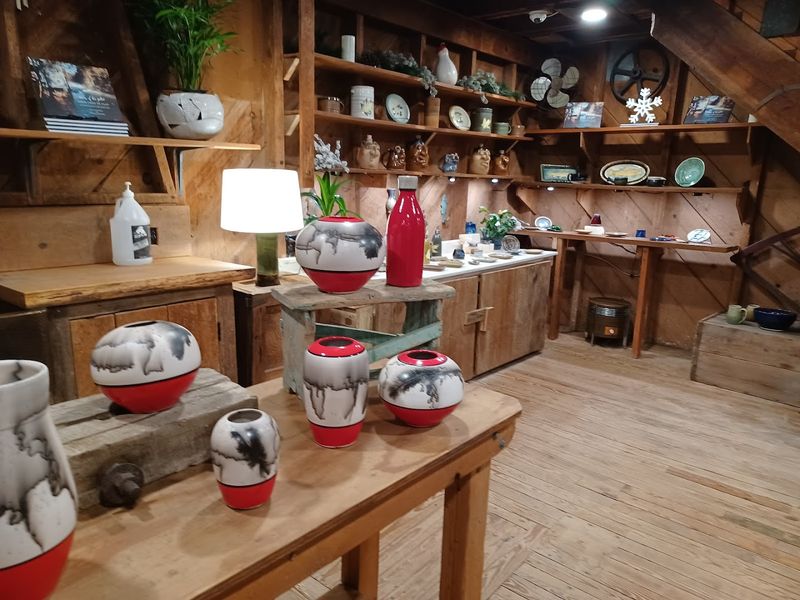
Water rushing past an old mill gives this stop an atmosphere you notice before opening the door.
Mark of the Potter in Clarkesville, Habersham County, is part gallery, part working pottery destination, and part reminder that craft can still feel rooted in landscape.
I have always found it hard to separate the ceramics from the setting, and that is a compliment.
While it is not a school in the formal campus sense, it absolutely functions as a place where visitors learn through observation, conversation, demonstrations, and close looking.
Watching potters at work adds context to the finished pieces, and the gallery often showcases forms, glazes, and regional influences that reward slow browsing.
If you stop by, take time on the deck overlooking the Soque River, because the view is part of the experience.
There is also a small pleasure in how unpretentious it feels.
The historic building, the active studio, and the fish visible in the water below all make the visit memorable without forcing the point.
For anyone interested in Southern pottery traditions, this place offers a quiet education with plenty of character.
10. Savannah Clay Community, Chatham County
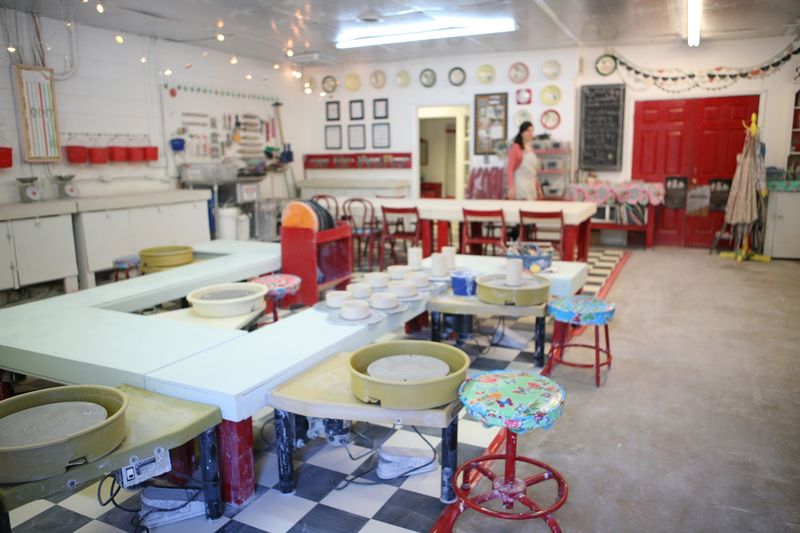
Clay has a way of making strangers talk, especially when everyone is trying to center a lump of earth at once.
Savannah Clay Community in Savannah, Chatham County, brings that friendly studio energy to one of Georgia’s most visually distinctive cities.
I like the contrast between the city’s polished historic image and the wonderfully messy honesty of a working ceramics space.
The focus here is pottery, with classes and community access that support both beginners and more experienced makers.
That matters because ceramics often becomes a long game, and a good communal studio gives you room to keep improving after the first wonky bowl.
If you are planning a visit, ask about firing schedules, open studio expectations, and whether beginner sessions provide tools and clay.
Savannah itself adds another layer to the experience.
The coastal humidity, the old streets, and the city’s strong visual culture make handmade objects feel especially at home here.
After a class, stepping back out into that atmosphere can be oddly inspiring, as if the whole city is quietly reminding you to pay attention to texture.