Some places in Georgia look impressive on your screen, then completely upstage the photo the second you arrive. The colors feel deeper, the scale hits harder, and the atmosphere does things a camera simply cannot hold.
From eerie swamps to canyon walls and salt-air streets, these spots reward showing up in person. If you want the version that actually stays with you, start here.
Providence Canyon State Park (Lumpkin)
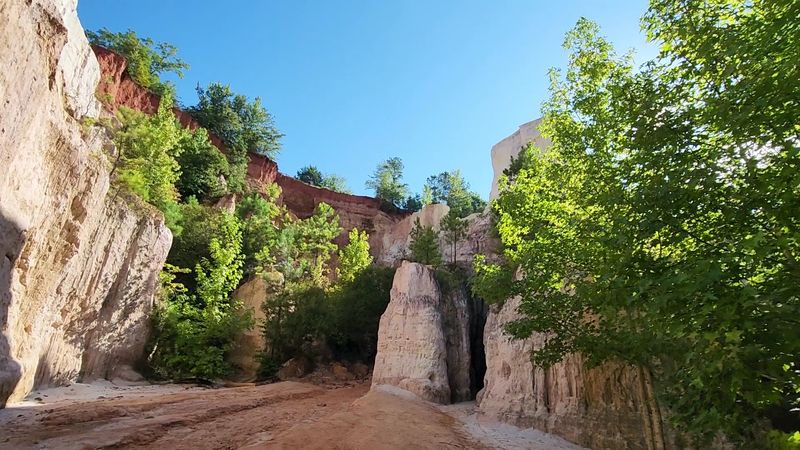
Photos of Providence Canyon usually flatten it into stripes of color, but standing inside it feels completely different. You notice how huge the gullies really are, how the walls rise around you, and how every step changes the colors from rust red to pale white and soft purple.
The place feels both beautiful and slightly surreal, especially when damp clay darkens after rain and the canyon floor turns quiet except for birds and your shoes in the sand.
What makes it unforgettable is the way you experience it with your whole body, not just your eyes. You can hike down into several canyons, feel the coolness settle around the walls, and catch details a picture misses, like the earthy smell, tiny streams, and the layered scars left by old farming mistakes.
If you visit in late summer, the rare plumleaf azalea adds another unexpected burst of color, and after sunset the dark sky can make the whole park feel even more unreal.
Savannah Historic District
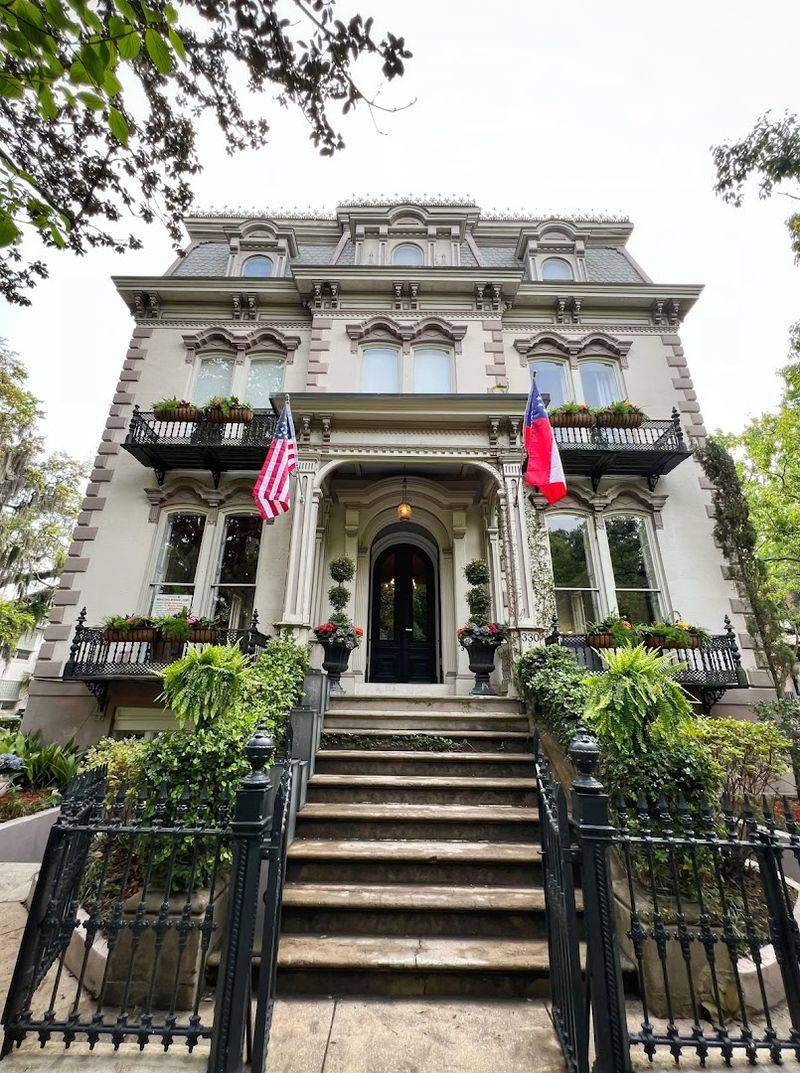
Savannah Historic District photographs beautifully, but in person it feels less like a postcard and more like a mood you can walk through. The oak canopies hang low, the Spanish moss moves with the breeze, and every square invites you to slow down instead of rushing toward the next landmark.
You hear carriage wheels, fountain water, porch conversations, and that layered soundtrack gives the city a lived-in charm no still image can hold.
The real magic is how the district keeps surprising you block by block. One moment you are passing stately homes and wrought-iron balconies, and the next you are ducking into a shady square that feels almost secret, even when other people are nearby.
At night, the glow from old streetlamps and restaurant windows changes everything again, making the same streets feel cinematic, intimate, and slightly haunted in the best possible way. You do not just see Savannah here – you drift through it and start matching its unhurried pace.
Okefenokee Swamp (Folkston)
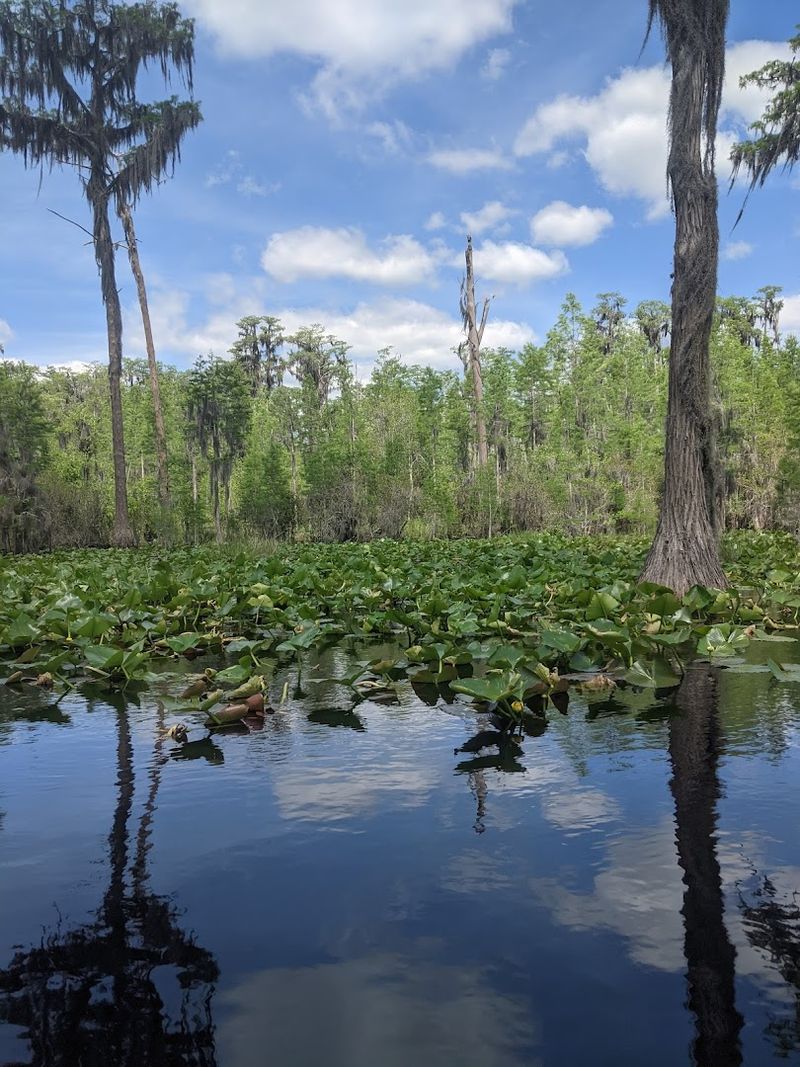
In photos, the Okefenokee Swamp can look flat, dark, and distant, but being there pulls you straight into its strange rhythm. The water reflects sky and cypress so perfectly that direction starts to feel optional, and every paddle stroke or boardwalk step makes the place seem older, quieter, and wilder.
You listen harder here, picking up insects, bird calls, and the occasional splash that reminds you something else is moving through the blackwater too.
What pictures rarely capture is how immersive the stillness becomes. The air feels heavy, the light shifts across floating vegetation, and even a simple boat tour can make you feel like you have entered a slow-motion world that existed long before roads and schedules.
Spotting an alligator in real life is not just exciting – it changes your sense of space instantly, making the swamp feel both peaceful and absolutely alert. By sunrise or sunset, the colors soften and the whole landscape becomes less scenic and more hypnotic.
Cumberland Island National Seashore
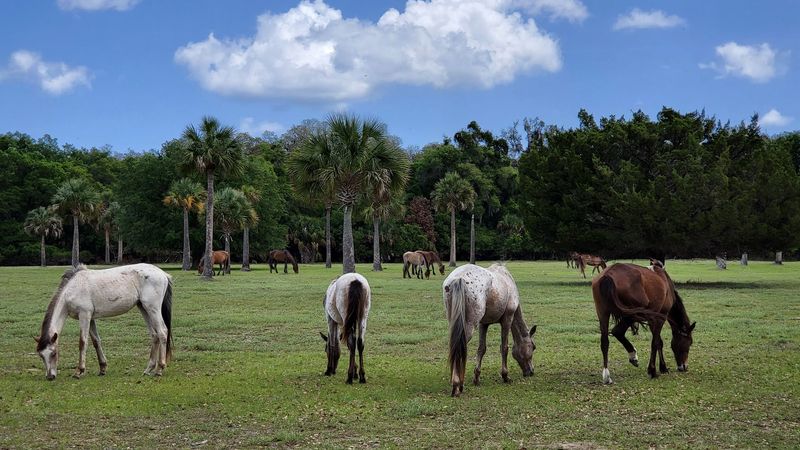
Cumberland Island looks gorgeous in photos, but real life gives it scale, silence, and a sense of wildness that images only hint at. The ferry ride already feels like a transition out of ordinary life, and once you arrive, the beaches seem wider, the dunes taller, and the maritime forest deeper than expected.
Then there are the horses, which never feel staged or decorative when you suddenly spot them moving through palmettos or along the shoreline.
The island works on you slowly, and that is exactly why it stays memorable. You are not just looking at a pretty beach – you are walking through layered ecosystems, passing ruined mansions, hearing wind in the trees, and realizing how rare it is to find a coastal place that still feels this untamed.
Even the long stretches without shops or traffic become part of the thrill, because they make every sound sharper and every view more earned. By the end, the photos you took seem smaller than what the island actually felt like around you.
Brasstown Bald (Hiawassee)
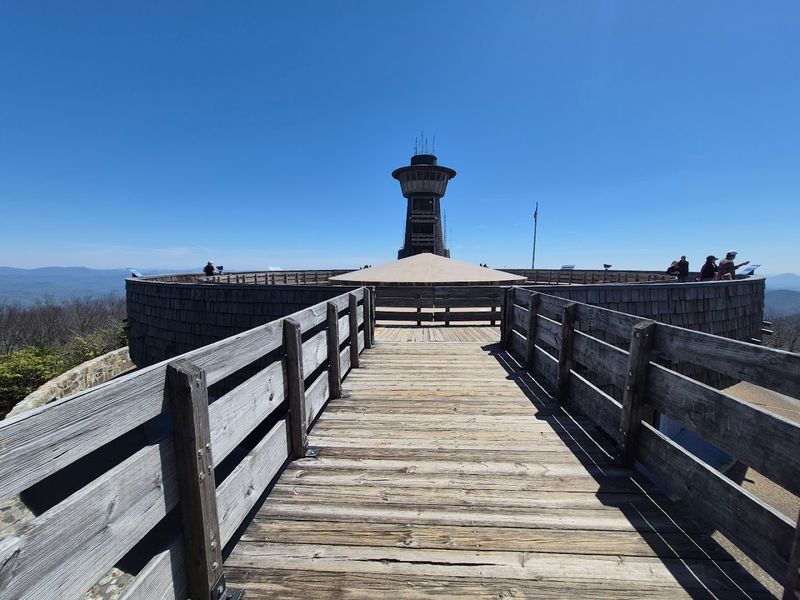
Brasstown Bald can look like just another mountain overlook online, but the summit experience has a punch that photos rarely deliver. The air feels cooler, the horizon stretches farther than your eyes expect, and the layers of blue ridges seem to keep unfolding long after a camera would stop caring.
Even the short climb or shuttle ride builds anticipation, so by the time you reach the top, the view lands with real weight.
What makes it better in person is the sensation of being surrounded, not simply presented with a landscape. On a clear day, you can trace wave after wave of mountains in multiple directions, and changing weather keeps the scene alive instead of frozen.
Fall color is especially dramatic, but even in quieter seasons the summit has that wide-open feeling that resets your brain for a minute. You notice wind, silence, sunlight on distant slopes, and the way everyone around you instinctively lowers their voice.
It feels less like checking off a viewpoint and more like stepping into the top of the state.
Georgia Aquarium (Atlanta)
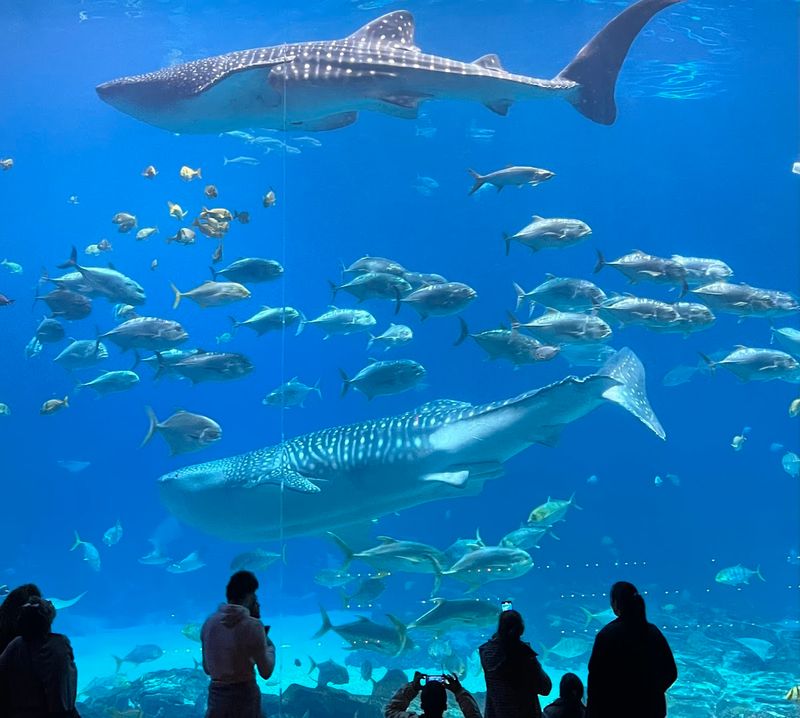
The Georgia Aquarium photographs as giant windows full of fish, but in person it feels more like stepping into another climate and scale entirely. The tanks are bigger than your body expects, the blue light changes your sense of time, and when whale sharks or manta rays glide past, the room goes quiet in a way that surprises you.
It is one of those places where adults stop pretending they are there just for the kids.
The difference is not only visual – it is emotional and physical too. You move from bright galleries into dark, glowing spaces where jellyfish pulse like living lamps, sea lions turn pure chaos into comedy, and huge schools of fish create motion that no photo can hold for more than a second.
The glass makes you feel close enough to enter the habitat, which is exactly why every exhibit lands harder in person. Even the crowd energy adds something, because shared amazement is part of the experience here.
You do not just observe marine life – you feel briefly surrounded by an underwater world.
Tallulah Gorge State Park (Tallulah Falls)
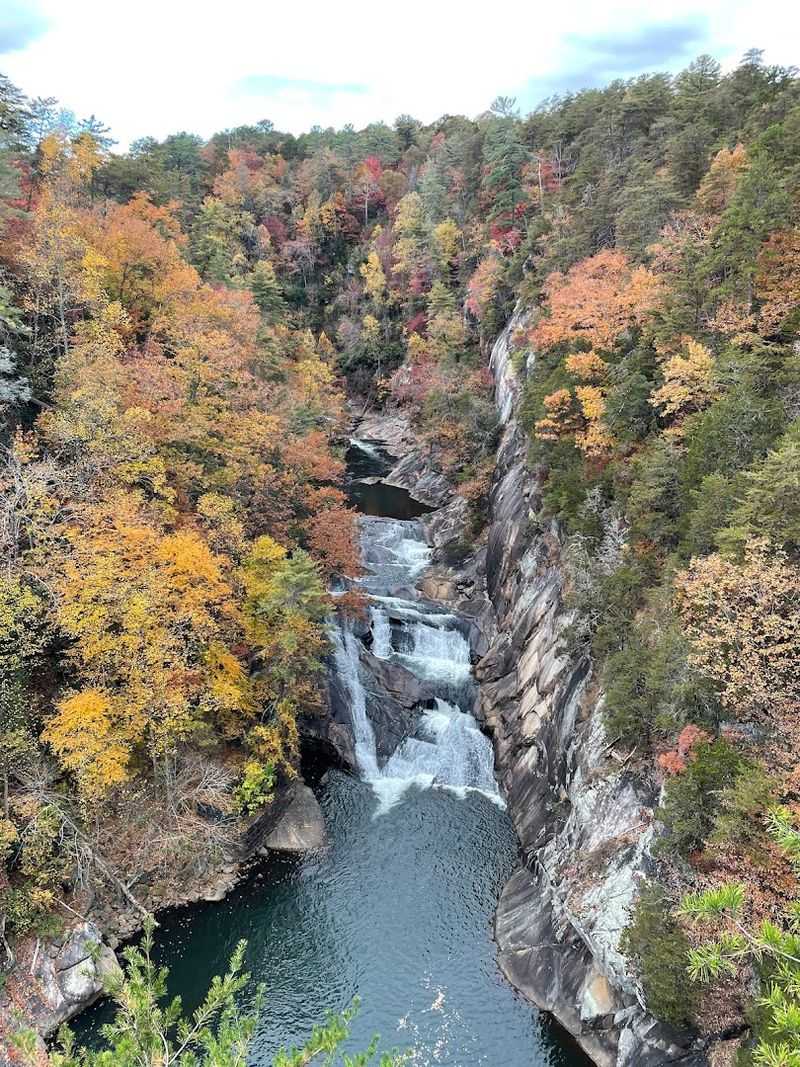
Tallulah Gorge looks dramatic in pictures, but the real thing has a depth and force that photographs never fully translate. When you stand at an overlook, the gorge seems to drop away all at once, and the waterfalls and river far below make the whole landscape feel active rather than decorative.
The suspension bridge adds that extra jolt, because your body understands the height before your brain neatly files it as scenic.
Part of the thrill is how the park lets you experience the gorge from different angles and energy levels. You can take in the sweeping overlooks, tackle the staircases, or, with a permit, head to the gorge floor and feel the scale closing in around you.
The sound of water bouncing off the rock walls, the humid air, and the sheer steepness create a full-sensory scene that a photo crops into something much tamer. Even on a busy day, there are moments when you look out and feel slightly stunned by how rugged Georgia can be.
It is not just beautiful – it feels physically impressive.
Wormsloe Historic Site (Savannah)
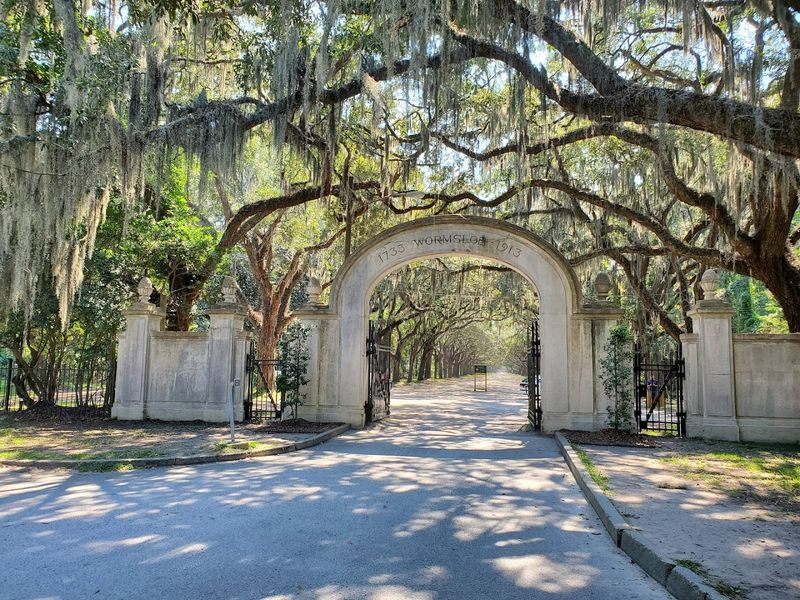
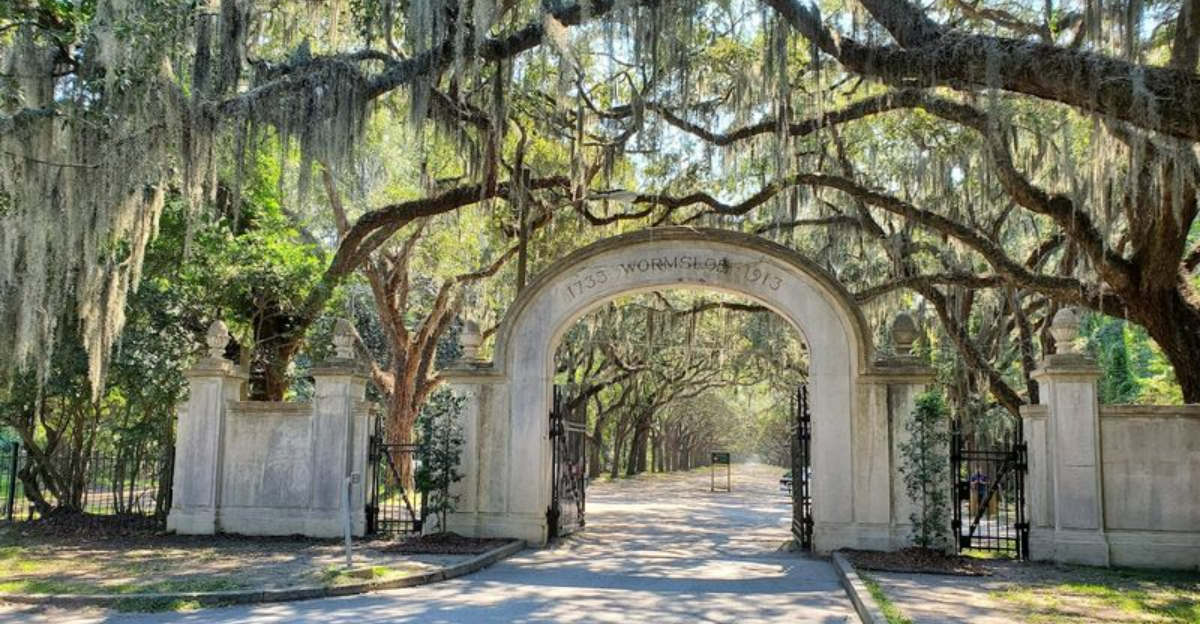
Wormsloe is famous for that oak-lined drive, but being there turns a familiar image into a full atmosphere. The avenue feels longer, darker, and more cinematic in person, with Spanish moss shifting overhead and sunlight filtering through in thin bands that make every step look dramatic.
You are not just looking down a road – you are moving through a tunnel of trees that feels suspended between elegance and ghost story.
What makes the site better beyond the entrance photo is everything around it. The historic tabby ruins, walking trails, and marsh views give context to the beauty, so the place starts feeling less like a social media backdrop and more like a layered piece of coastal Georgia history.
The sounds matter too: birds, insects, distant wind, and that hush old landscapes somehow seem to keep. If you arrive early or later in the day, the shifting light changes the mood almost minute by minute, making the iconic road feel alive instead of fixed.
It is one of those places where the famous shot is only the beginning.
Amicalola Falls State Park (Dawsonville)
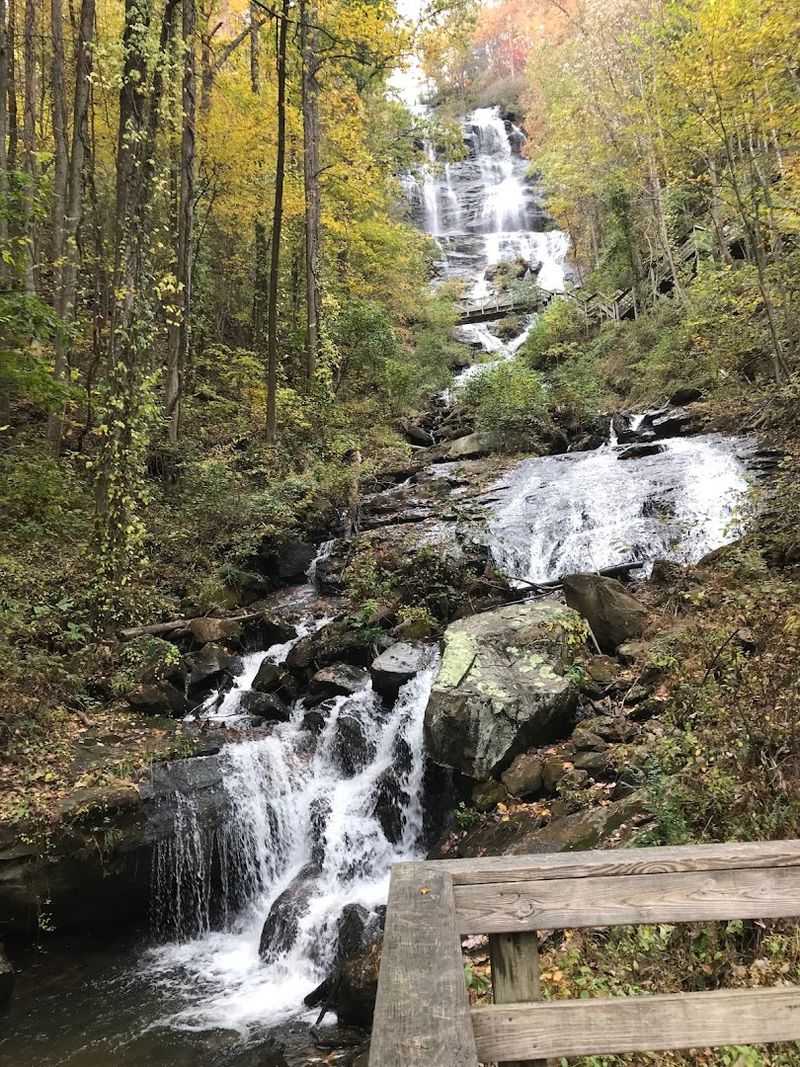
Amicalola Falls is impressive in photos, but the real experience adds movement, sound, and effort, which makes it far more memorable. The waterfall drops in a long series of rushing sections, and as you climb the stairs beside it, the perspective keeps changing from broad scenic views to close-up bursts of spray and rock.
You do not just admire the falls here – you feel them in your legs, your lungs, and the cool mist on your face.
That physical connection is exactly why it beats the picture version. Every landing offers a different angle, the forest smell deepens after rain, and the thunder of water gets louder or softer depending on where you stop, creating a rhythm that images cannot carry.
Because it is also tied to the approach trail of the Appalachian Trail, the park has this subtle energy of beginnings, challenge, and possibility. Even if you are only there for a short visit, it feels like a place that nudges you to keep climbing.
By the top, the view back out over the trees makes the whole ascent feel worth it.
Radium Springs Gardens (Albany)
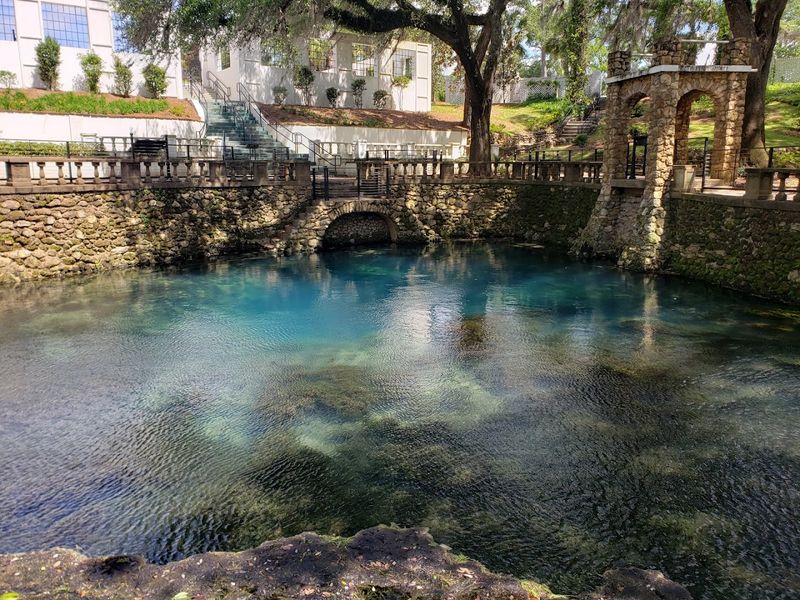
Radium Springs Gardens can look almost unreal in pictures, mostly because the water is such a striking blue-green. In person, though, the color feels even more surprising, especially when sunlight hits the spring and the surrounding greenery frames it like a secret tropical pocket in south Georgia.
The old stonework and garden remains add a slightly dreamy quality that makes the whole place feel half elegant ruin, half natural wonder.
What photos miss is the stillness and contrast. You are standing near one of Georgia’s largest natural springs, looking at incredibly clear water while historic structures, shaded paths, and quiet corners give the area a reflective mood that is hard to reproduce on a screen.
It is not a loud attraction, and that is exactly the appeal – the beauty sneaks up on you. Depending on the time of day, the spring can look serene, mysterious, or almost glowing, which keeps it from ever feeling static.
If you like places that feel overlooked and oddly magical, this one absolutely delivers more in person than online.
Cloudland Canyon State Park (Rising Fawn)
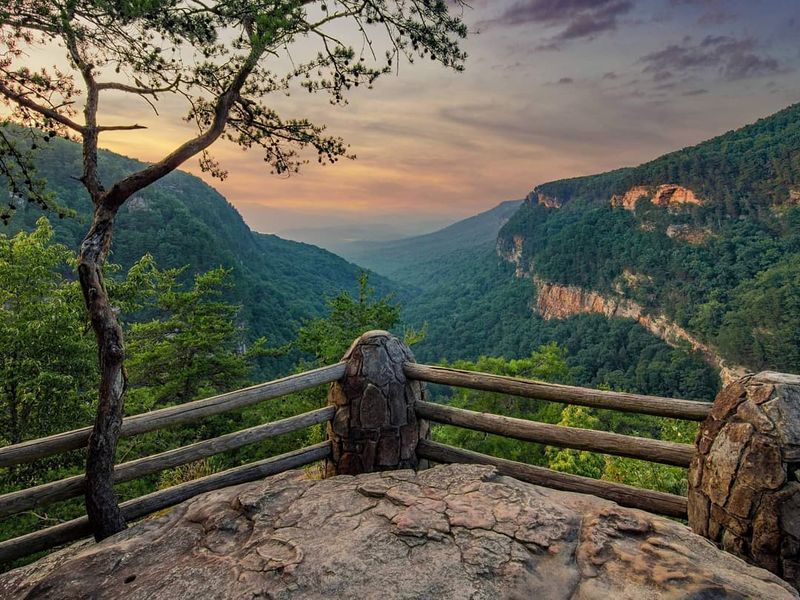
Cloudland Canyon photos usually emphasize the overlook, but being there makes you realize the park is about depth, distance, and descent. The canyon opens wider than expected, the cliffs feel taller in person, and the layered forest below gives the landscape a scale that your phone never quite manages.
Even before you start hiking, the air and openness make the place feel larger than most people imagine Georgia can be.
The park gets even better once you commit to the stairs and trails. Dropping toward the waterfalls changes the entire experience, because you move from panoramic views to enclosed ravines where rock walls, tree roots, and rushing water create a completely different mood.
That contrast is what sticks with you – one minute you are staring out across a vast canyon, and the next you are deep inside it, hearing every step and splash. The effort adds value too, because places that make you work a little often feel more rewarding.
Cloudland Canyon is scenic in photos, but in person it feels genuinely dramatic.
Historic River Street (Savannah)
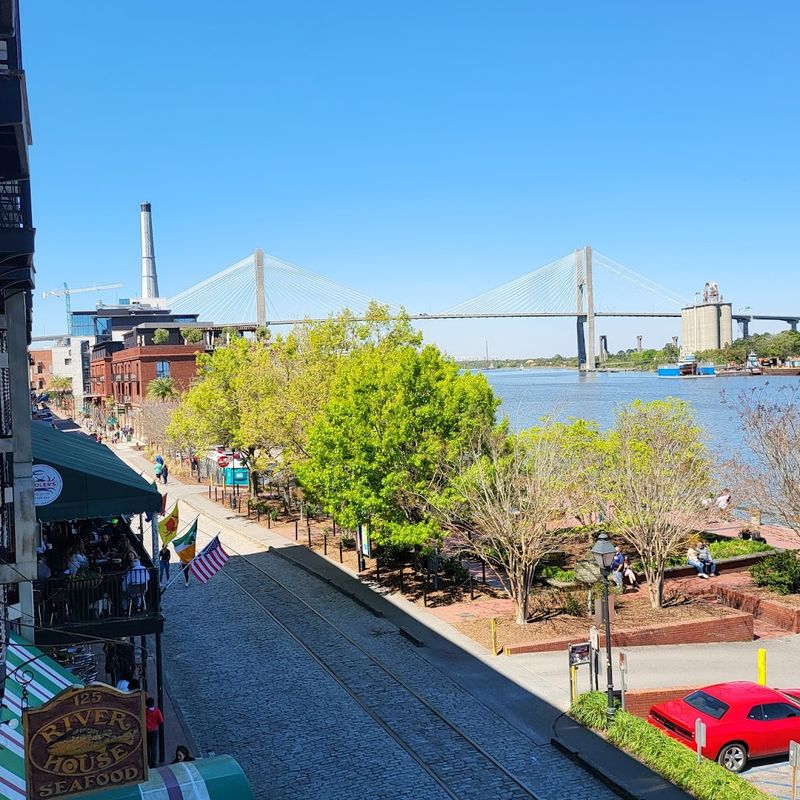
Historic River Street might seem like just a photogenic waterfront strip, but in person it has texture, movement, and personality that make it far more fun. The old brick buildings, cobblestones, and river views set the scene, yet the real charm comes from how active everything feels – ferries moving, huge cargo ships sliding past, music spilling from open doors, and people drifting between candy shops, bars, and galleries.
It feels messy in the best way, like history and nightlife decided to share the same block.
What pictures miss most is the changing mood throughout the day. In the morning, the street feels slower and more atmospheric, while evenings bring lights, conversation, and that humid riverfront energy Savannah wears so well.
The stones underfoot, the smell of the water, and the surprise of seeing an enormous ship pass so close all add scale that a neat snapshot cannot provide. You can come for a casual stroll and end up staying much longer than planned.
River Street is not just scenic – it is a whole sensory performance happening beside the river.