Long before Georgia had highways, malls, or even a single brick building, people near Cartersville were moving earth one basket at a time.
They did not have trucks or shovels made of steel. Still, they built a mound so tall that you can climb stairs to the top today and look out over a river valley.
That alone makes this spot worth a weekend drive.
Kids can see real artifacts, watch a short film, and walk the same ground where a busy town once stood. Parents get an easy day outside with history lessons that actually stick.
There is also a quiet river trail and an old stone fish trap hiding in the water.
Keep reading to learn where it is, what to see, and the smart tips that will make your visit smoother.
Where This Ancient Town Sits Today
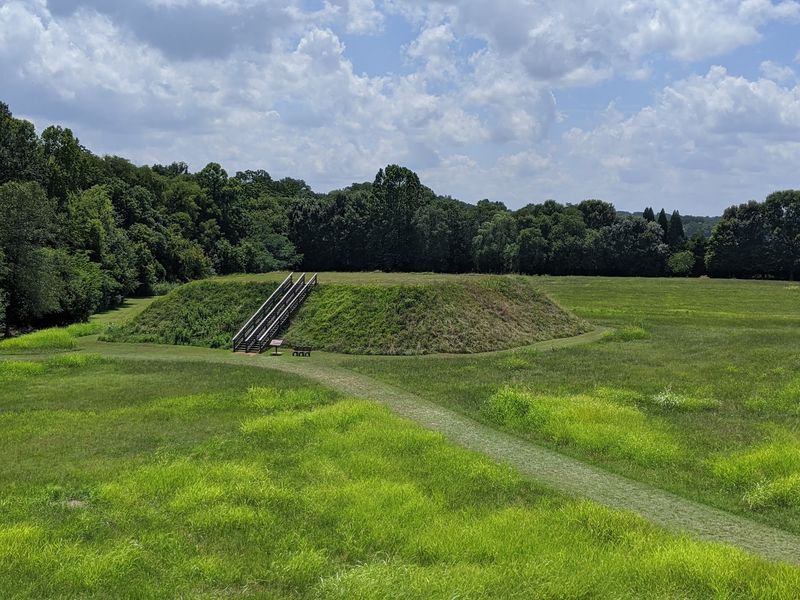
Tucked just south of downtown Cartersville, a quiet road leads to one of the most important ancient sites in the Southeast. Etowah Indian Mounds State Historic Site sits at 813 Indian Mounds Rd, Cartersville, GA 30120, in the United States.
The drive from Atlanta takes about an hour, which makes it an easy day trip for families. Many people pair it with other stops in Bartow County, such as the Booth Western Art Museum or Red Top Mountain State Park.
The site is run by Georgia State Parks. It opens daily from 9 am to 5 pm, so plan to arrive with enough time to explore without rushing.
Parking is simple and close to the visitor center. Out near the lot, you will also find a group of picnic tables with good shade.
Here is a smart move for families: check the official Georgia State Parks website before you go. Hours, fees, and special programs can change, and a quick look online can save you a surprise at the front desk.
Who Built These Earthen Giants
Around a thousand years ago, a large community of Native American people made this river valley their home. Historians call their culture Mississippian, and it lasted roughly from 1000 to 1550 AD.
These folks were organized in a big way. They had leaders, ceremonies, trade networks, art, and religion.
Without machines, they carried soil by hand in baskets to raise the mounds. Load after load, the earth slowly rose into tall, flat-topped hills.
Fun fact for curious kids: the mounds were not built all at once. Different layers were added over many years, which helped archaeologists figure out how the town grew.
Leaders likely lived or held important events on top of the mounds. Regular families lived in homes around them, close to farm fields and the river.
Nobody knows every answer about why the people eventually moved away. That bit of mystery tends to spark great car ride conversations on the way home, especially with kids who love solving puzzles.
Start Inside With the Film
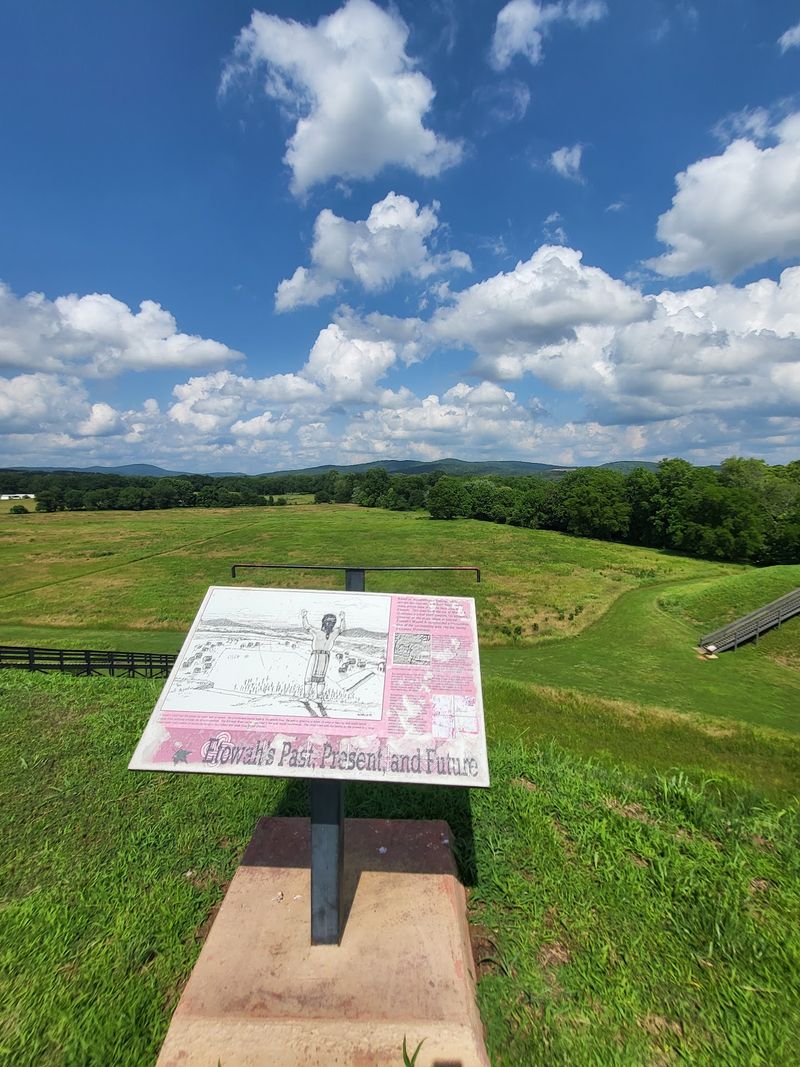
Every visit begins at the visitor center, because that is where the path to the mounds starts. Pay the entry fee here, which has been around $6 per person, and grab a trail map.
Before heading outside, sit down for the short history film. It explains who lived here and why the site matters, so the mounds make much more sense once you reach them.
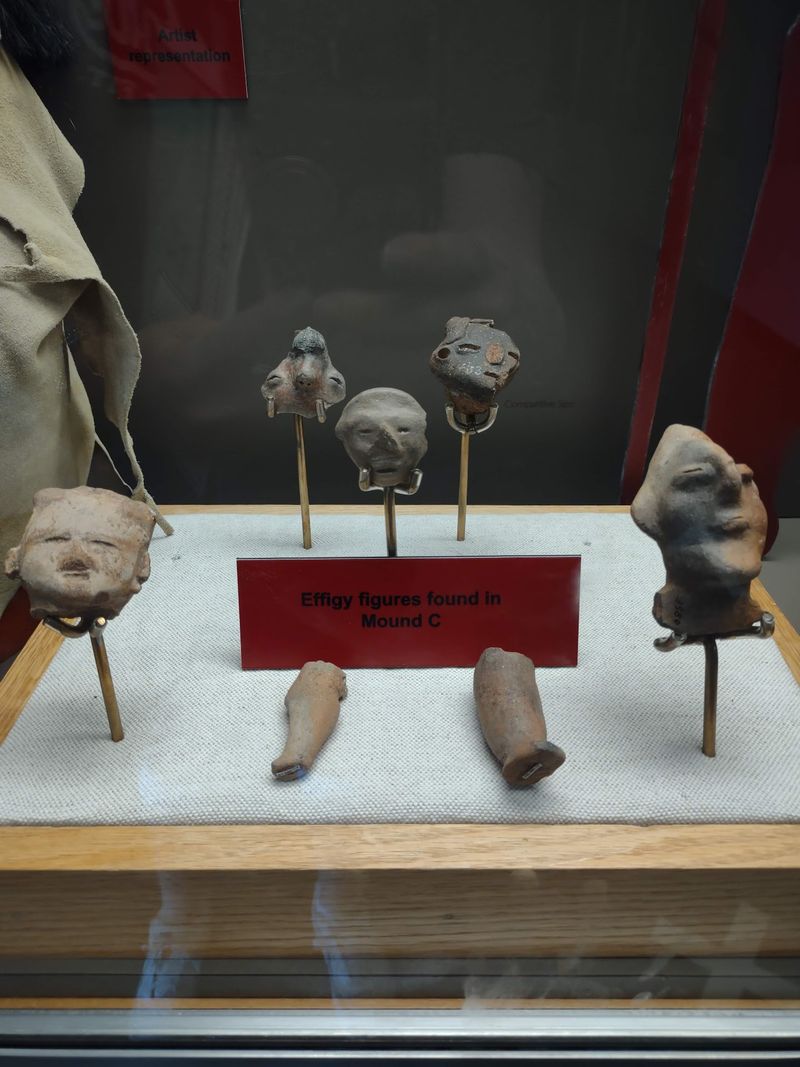
The small museum holds artifacts uncovered during digs on the property. Kids tend to love the detailed model that shows how the town might have looked in its busiest days.
The museum is not huge, so younger children will not get worn out before the fun part. A few focused minutes inside is plenty.
Staff and rangers here are friendly and know their stuff. Ask them questions, even simple ones, because they enjoy sharing stories.
A small gift shop sells magnets and souvenirs. Buying something tiny is a nice way to support the site and take home a reminder of the day.
Climbing Mound A
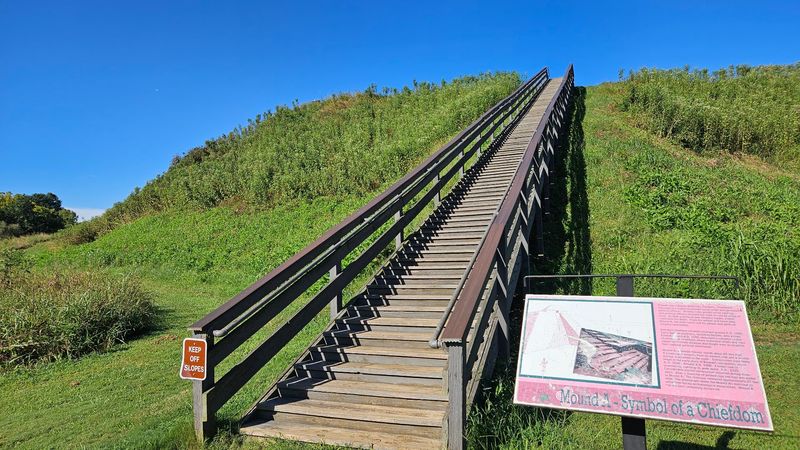
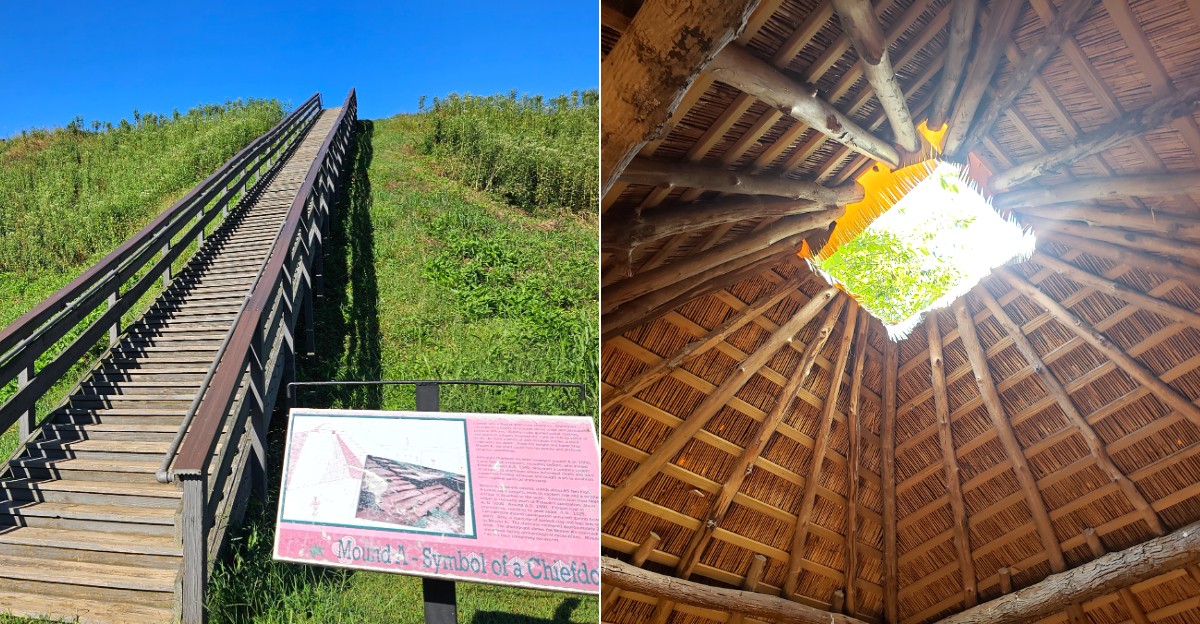
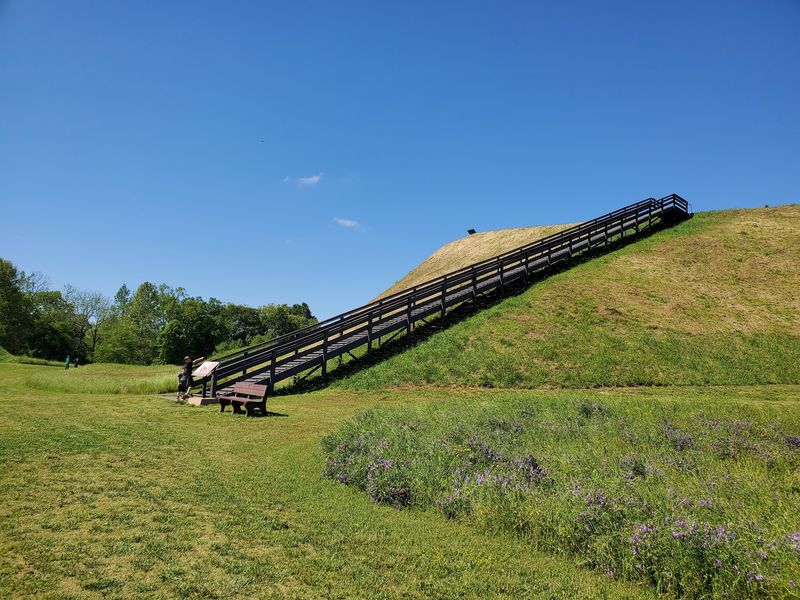
Ready for a workout with a history lesson attached? The biggest mound, called Mound A, rises about 63 feet high, and wooden stairs lead all the way to the top.
Kids usually race ahead, while grown-ups take a few breaks along the way. There is no prize for speed, so go at a comfortable pace.
From the top, the view stretches over fields, the Etowah River, and distant hills. You can see why leaders may have chosen this high spot for important moments.
Here is a fun thought to share with children: every bit of soil under their feet was carried by people. That makes reaching the top feel a lot more impressive.
Smaller mounds on the property also have stairs. Each one gives a slightly different look at the old town layout.
Wear sturdy shoes with good grip, since the steps can be steep. Little ones should hold a hand, and anyone with knee trouble can enjoy the mound from the ground just as well.
The Fish Trap Hiding in the River
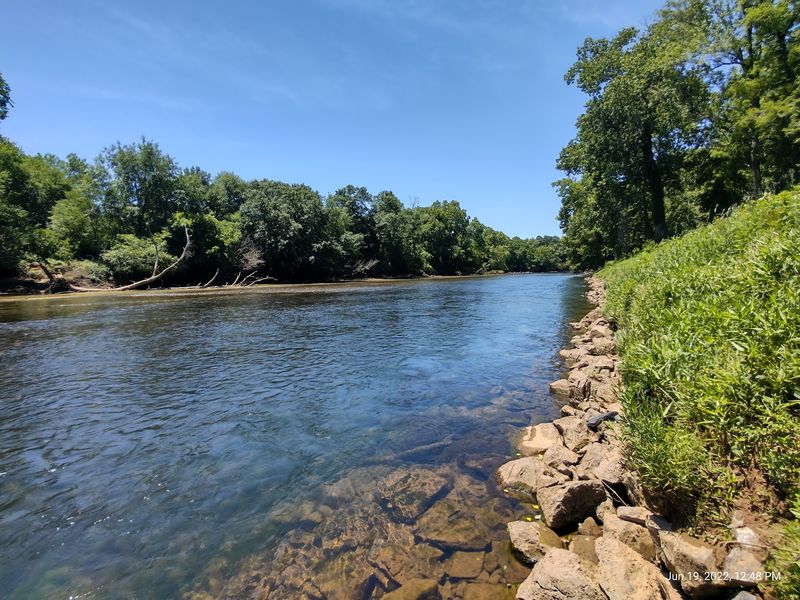
Most people come for the mounds, but the river holds a sneaky surprise. Past the smaller mounds, a path leads down to the Etowah River, and there you can spot an ancient V-shaped fish weir.
A fish weir is a stone trap built in shallow water. The V shape guided fish toward a narrow point where people could catch them more easily.
Spotting it can depend on water levels. When the river runs low, the stone lines show up better, so keep an eye out.
Benches near the riverbank make this a calm place to rest after climbing. Families often stop here to snap photos and catch their breath.
Kids enjoy turning the search into a game. Challenge them to find the point of the V first.
Stay on the trail and keep children close to the bank’s edge. The water is lovely to look at, but it is not a swimming area, so enjoy it from dry land.
Trails, Ditches, and Old Plazas
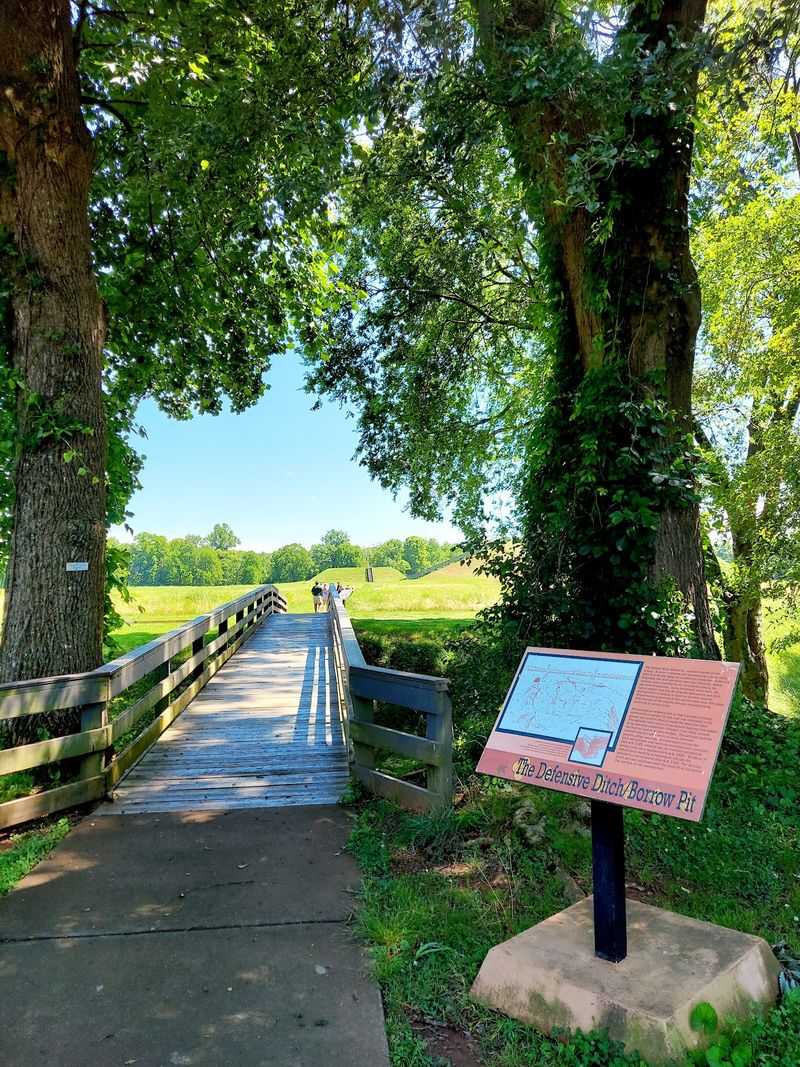
Beyond the climbing, there is a lot of ground to cover. A nature trail and river walk loop around the property, making it easy to spend a few hours here.
Look for the remains of old defense ditches that once protected the town. There was also a wide open plaza where large gatherings likely took place.
Signs along the way explain what each area was used for. Some have faded from weather over time, so reading the museum info first really helps fill in the gaps.
In late spring, especially May, meadows here can fill with purple wildflowers. Butterflies and birds are common company on the trail.
There is plenty of open space for kids to burn off extra energy. Wide fields mean they can stretch their legs without bumping into crowds.
A tip worth remembering: the paths are mostly open with little shade. Hats and sunscreen will make the walk much more pleasant, especially during Georgia summers.
Hands-On Programs Worth Watching For
Some days bring extra fun to the site. Rangers sometimes lead programs like pottery classes, where groups learn how and why ancient people made certain types of pots.
Archery lessons have also been offered here. These special events give kids a chance to try skills instead of only reading about them.
School groups visit often for field trips. Guides are patient with young learners and good at keeping attention during the tour.
Families should check the Georgia State Parks event calendar before picking a date. Programs vary by season, and some may require signing up ahead of time.
Even without an event, artists sometimes set up to paint the landscape. It is a reminder that this place inspires people in many ways.
Special dates like the solstice can also be interesting. The low sun creates long shadows across the mounds, which makes for memorable photos.
Ask staff at the desk if anything is planned during your trip, since they always know what is coming up next.
Smart Tips for a Smooth Family Day
A little planning goes a long way at this site. Bring plenty of water, because most of the grounds are open and Georgia heat can sneak up fast.
Mornings are often quiet, and arriving around opening time usually means fewer crowds. Cooler temperatures early in the day also help little legs on the stairs.
Pack a lunch and use the shaded picnic tables near the parking lot. It is an easy way to take a break between the museum and the trails.
Clean restrooms are available at the visitor center. Make a stop before heading out, since there are none down by the river.
Leashed dogs have been allowed to explore the grounds with their owners. Check current pet rules before bringing a four-legged friend along.
Plan on two to three hours to enjoy everything without rushing. When the day wraps up, families leave with tired feet, full camera rolls, and a fresh respect for the people who shaped this valley by hand.