Georgia hides quiet corners that refuse to be rushed. May slips in softly, pulling away the crowds and noise.
The state opens up forgotten paths and sleepy towns that feel untouched by time, waiting for anyone willing to wander.
Remote islands wait beyond ferry rides, untouched and strangely still. No rush, no noise, just water, wind, and space to breathe deep.
Mountain valleys breathe slow, hiding cabins, trails, and misty silence. Hikers move through quiet green corridors where even footsteps feel like whispers in the hills.
This is Georgia at its quietest, where May feels almost secret. Spring light lingers longer here, painting every moment with calm that feels rare.
Cumberland Island National Seashore
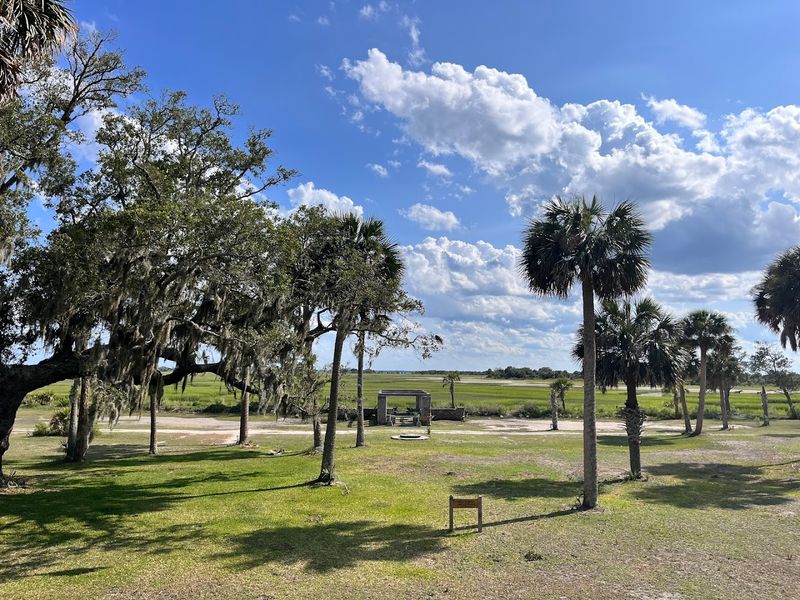
Reaching Cumberland Island requires planning since ferries limit daily visitors, but that effort rewards you with one of Georgia’s most peaceful coastal experiences. Wild horses wander freely across windswept beaches while maritime forests stand silent except for bird calls.
The island stretches for miles with barely another person in sight.
May brings comfortable warmth without the suffocating humidity that defines Georgia summers. Bugs remain minimal compared to later months, letting you explore trails and beaches without constant swatting.
The limited visitor numbers mean even popular spots like Dungeness Ruins feel uncrowded.
Pack everything you need since services are minimal on the island. Bring plenty of water, snacks, and sun protection for your day trip.
Early morning ferries give you maximum time to wander empty beaches and discover hidden forest paths before heading back to the mainland.
Suches
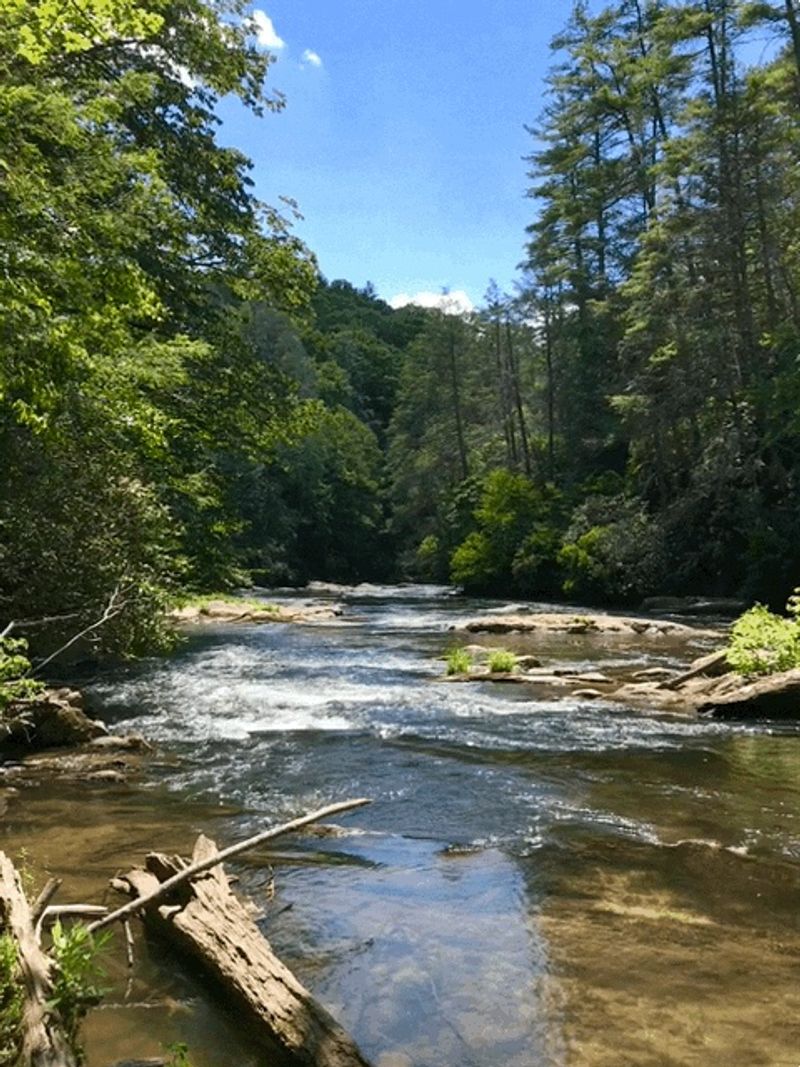
Locals call Suches the Valley Above the Clouds, and standing there on a misty May morning makes the nickname feel perfect. Mountain roads twist through forests where trout streams babble over smooth stones.
Elevation keeps temperatures pleasant while other parts of Georgia already feel sticky.
Unlike Helen with its Bavarian theme shops or Blue Ridge with weekend crowds, Suches remains authentically quiet. A handful of small stores and restaurants serve mainly locals and motorcyclists who know the area’s scenic routes.
No chain restaurants or tourist traps interrupt the natural mountain atmosphere.
Fishing enthusiasts find excellent trout waters throughout the area during May when fish are actively feeding. Hiking trails branch off into national forest land where you might walk for hours without seeing another soul.
Simple pleasures like watching fog lift from the valley create memories that fancy attractions never could.
Sapelo Island
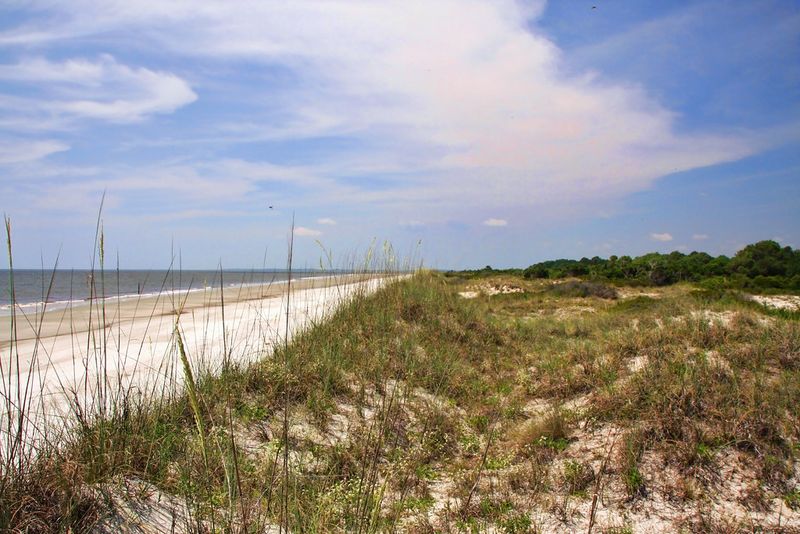
Ferry service to Sapelo Island stays deliberately limited, preserving the island’s remote character that most Georgia beaches lost decades ago. Undeveloped shorelines stretch in both directions where waves wash over shells and driftwood.
May visitors often find themselves completely alone on long beach walks.
The island holds deep Gullah Geechee history within its small community of year-round residents. Guided tours share stories of the descendants of enslaved people who built unique cultures here.
Learning this history adds meaning beyond simple beach relaxation.
Summer brings heavy tourism to nearby islands like Jekyll and St. Simons, but Sapelo remains quiet through late spring. Reserve your ferry spot early since space fills quickly despite limited promotion.
Bring sturdy shoes for exploring and respect private property signs within the historic Hog Hammock community where residents maintain their traditional way of life.
Stephen C. Foster State Park
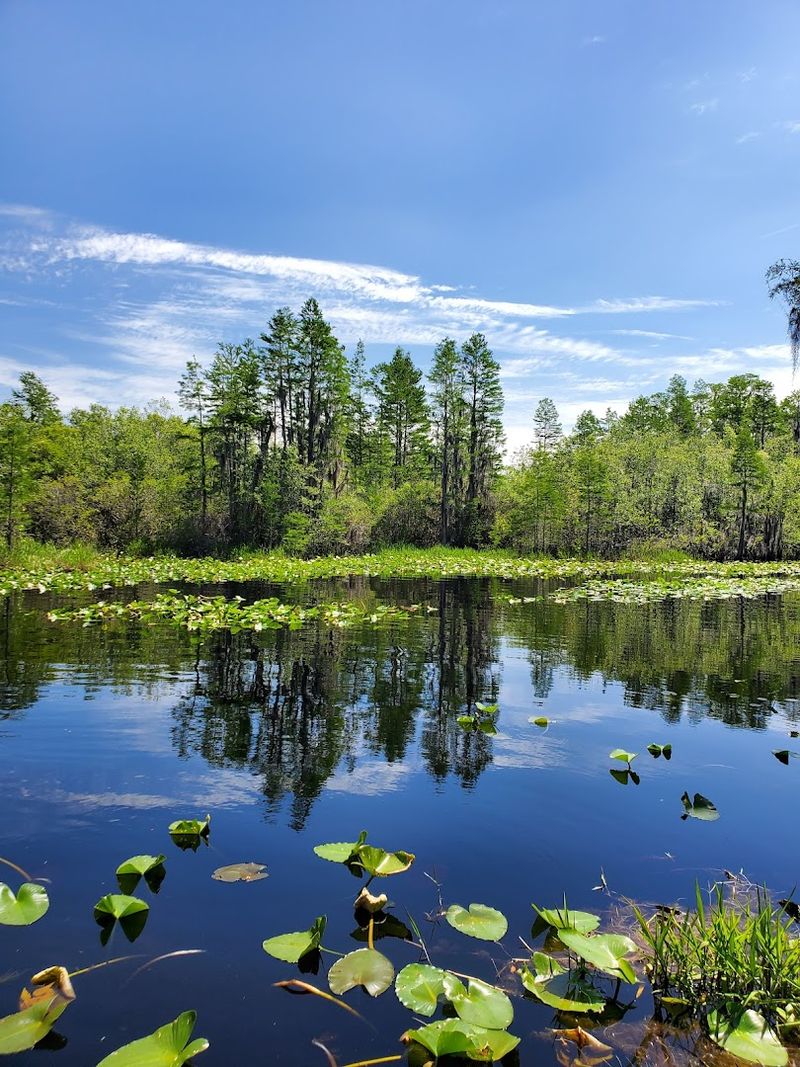
Deep inside the Okefenokee Swamp sits one of Georgia’s most isolated state parks, where civilization feels wonderfully far away. Blackwater channels wind between cypress trees draped in Spanish moss, creating scenes that look prehistoric.
The silence here runs so deep that every frog croak and bird call sounds crystal clear.
May stands out as prime visiting time when wildlife activity peaks before summer heat becomes oppressive. Alligators sun themselves on logs while wading birds hunt shallow waters.
Temperatures stay manageable for paddling the marked canoe trails that twist through this watery wilderness.
Evening brings spectacular sunsets painting the swamp in orange and pink hues. Cabin rentals let you wake up surrounded by nature’s soundtrack instead of traffic noise.
Rangers lead boat tours for those less confident navigating alone, sharing knowledge about this unique ecosystem that exists nowhere else quite like this.
George L. Smith State Park
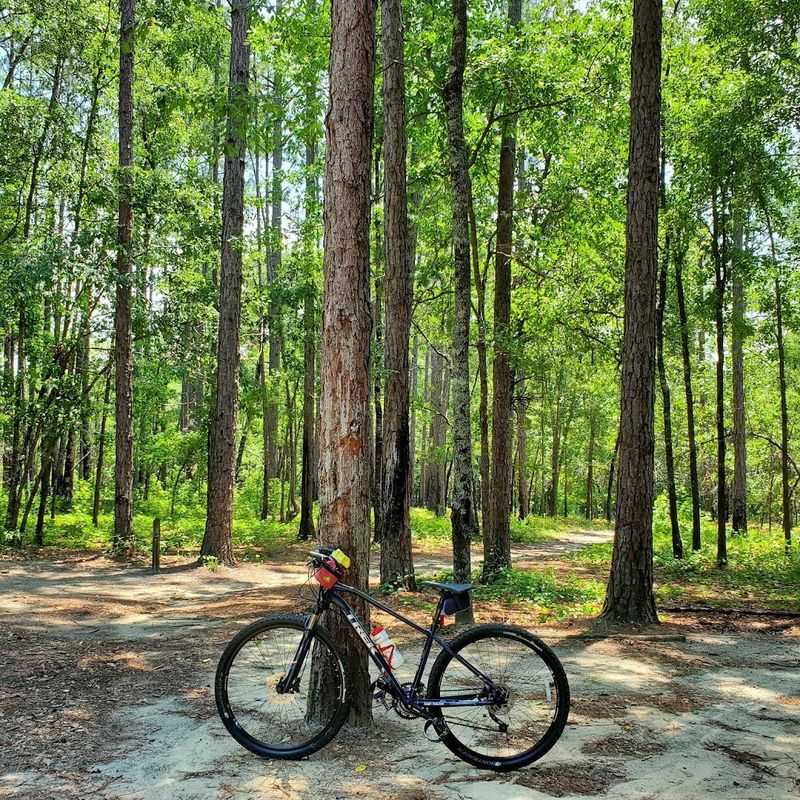
Most Georgia travelers rush past this east Georgia treasure without knowing what they miss. George L.
Smith State Park centers around a mill pond where cypress trees create natural sculptures reflected in still water. Spanish moss hangs like curtains, adding to the otherworldly calm that settles over everything.
Paddling here feels meditative as your kayak glides silently between ancient trees. May mornings arrive cool and misty, perfect for being on the water before afternoon warmth builds.
The uncrowded boardwalks let you walk over the pond for different perspectives without fighting crowds.
A historic gristmill adds interest beyond natural beauty, showing how people once lived and worked in this landscape. Fishing remains popular with locals who know the best spots but generously share the space.
Pack a lunch to enjoy at one of the quiet picnic areas where you can sit for hours hearing only birds and breeze through leaves.
Providence Canyon State Park
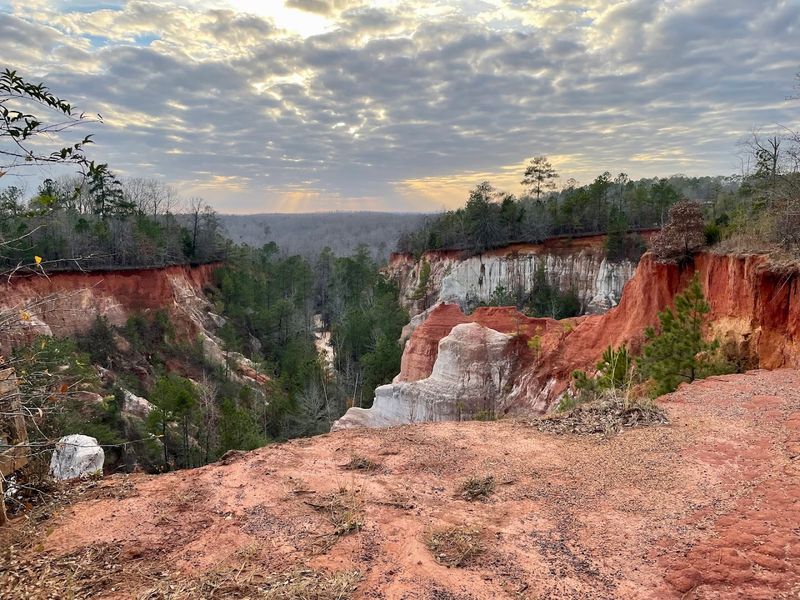
Georgia’s Little Grand Canyon surprises first-time visitors with walls striped in rust orange, deep red, and cream colors created by erosion. Unlike Arizona’s famous canyon, this one stays remarkably uncrowded outside peak summer weekends.
May offers ideal hiking weather before temperatures climb too high for comfortable canyon exploration.
Spring greenery softens the dramatic cliffs, creating beautiful color contrasts that photographers love. Trails wind along the canyon floor and rim, giving different perspectives on these unexpected geological formations.
The park’s remote southwest Georgia location keeps it off most tourist itineraries.
Wear sturdy shoes since trails can be slippery and steep in places. Bring plenty of water even though May temperatures feel moderate because the canyon amplifies heat.
Early morning or late afternoon light makes the colorful walls glow most beautifully, and you will likely have your pick of photo spots without waiting for crowds to clear.
Harris Neck National Wildlife Refuge
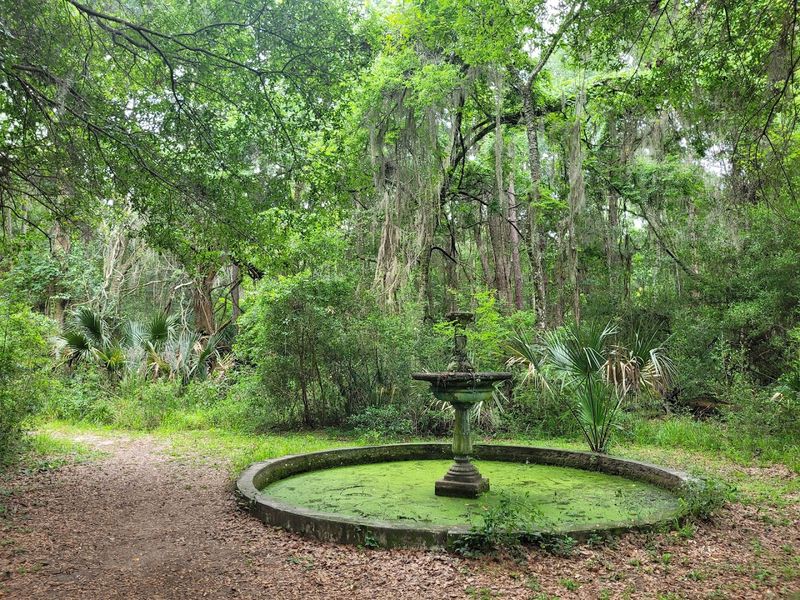
Tucked between Savannah and Brunswick, this wildlife refuge operates on a different rhythm than nearby beach towns. Driving loops wind through landscapes where wading birds outnumber people by hundreds to one.
May coincides perfectly with spring migration when species pass through that you will not see other times of year.
Walking trails branch off the main route into areas where stillness becomes almost tangible. Marshes stretch toward distant tree lines while oaks draped in Spanish moss provide shade and birdsong.
Unlike crowded Tybee Island or St. Simons beaches, Harris Neck feels genuinely remote.
Bring binoculars and a bird identification guide to make the most of exceptional viewing opportunities. The refuge allows fishing in certain areas if you want to combine activities.
Photography enthusiasts find endless subjects from dramatic landscapes to close wildlife encounters, all without the usual national park crowds that make such moments increasingly rare elsewhere.
Tallulah Falls
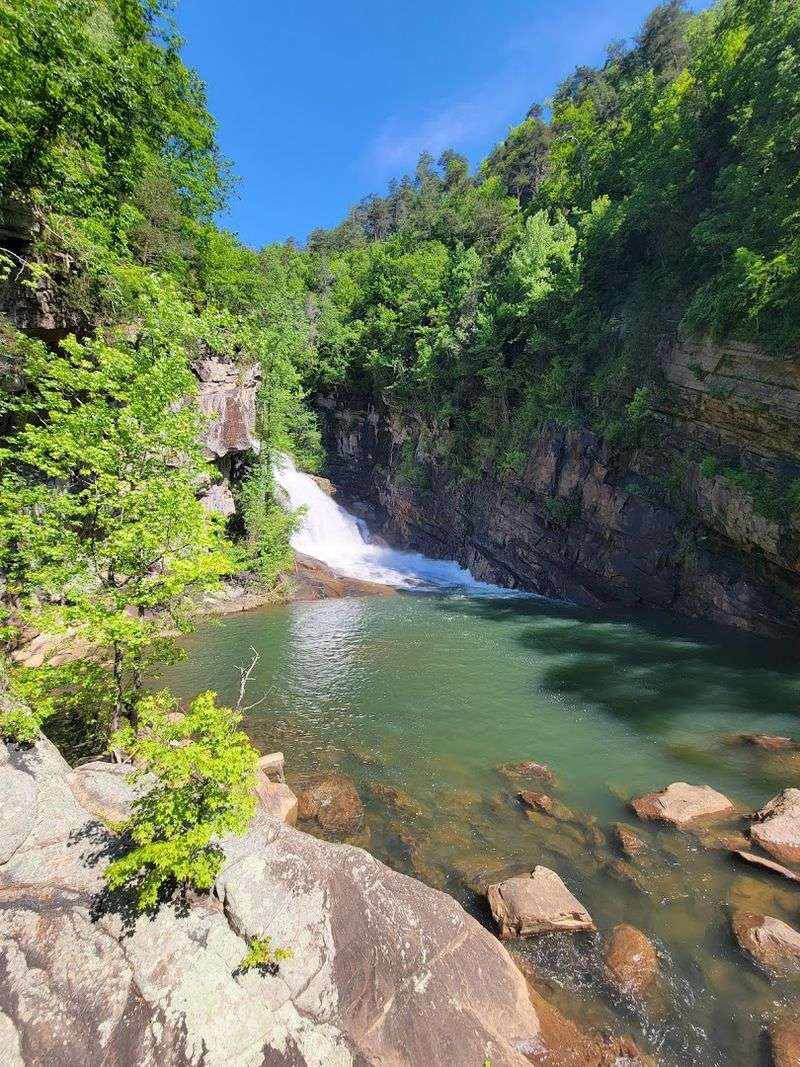
While Tallulah Gorge attracts plenty of visitors, the actual town of Tallulah Falls maintains a sleepy charm that bigger mountain destinations lost long ago. Mountain air stays fresh and cool during May when wildflowers bloom along quiet backroads.
Waterfall overlooks accessible from town provide stunning views without gorge permit hassles.
Weekday visits especially feel peaceful as you explore local shops and cafes run by people who genuinely live here year-round. The town never developed the commercial tourist infrastructure that sometimes overwhelms places like Helen.
Instead, it offers authentic mountain hospitality and relaxed pacing.
Take scenic drives on roads branching from town into national forest land where overlooks appear around unexpected curves. Small restaurants serve home-style cooking without tourist markup prices.
The surrounding area holds enough natural beauty and hiking opportunities to fill several days, yet you will rarely compete with crowds for parking or trail space during the spring shoulder season.
Little St. Simons Island
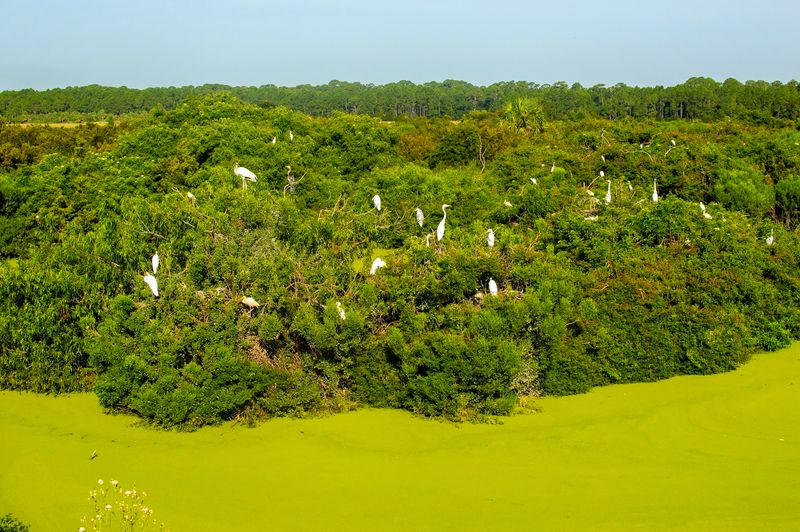
Private protection keeps Little St. Simons Island feeling like coastal Georgia must have centuries ago. Overnight guest limits ensure the island never feels crowded, preserving natural rhythms most beaches lost to development.
Seven miles of undeveloped shoreline stretch between forest and ocean where your footprints might be the only ones for hours.
May brings perfect weather for kayaking through tidal creeks where dolphins occasionally surface nearby. Birdwatching reaches peak quality during spring migration periods when hundreds of species pass through.
The island’s limited human presence lets wildlife behave naturally without the wariness common in heavily visited areas.
Staying overnight costs more than standard beach hotels but delivers experiences money rarely buys anymore. Guided naturalist programs share island ecology knowledge while respecting the quiet atmosphere guests seek.
Pack light and embrace disconnect from typical tourist amenities, because simplicity and solitude represent this island’s greatest luxuries in our increasingly crowded world.
Fort Mountain State Park
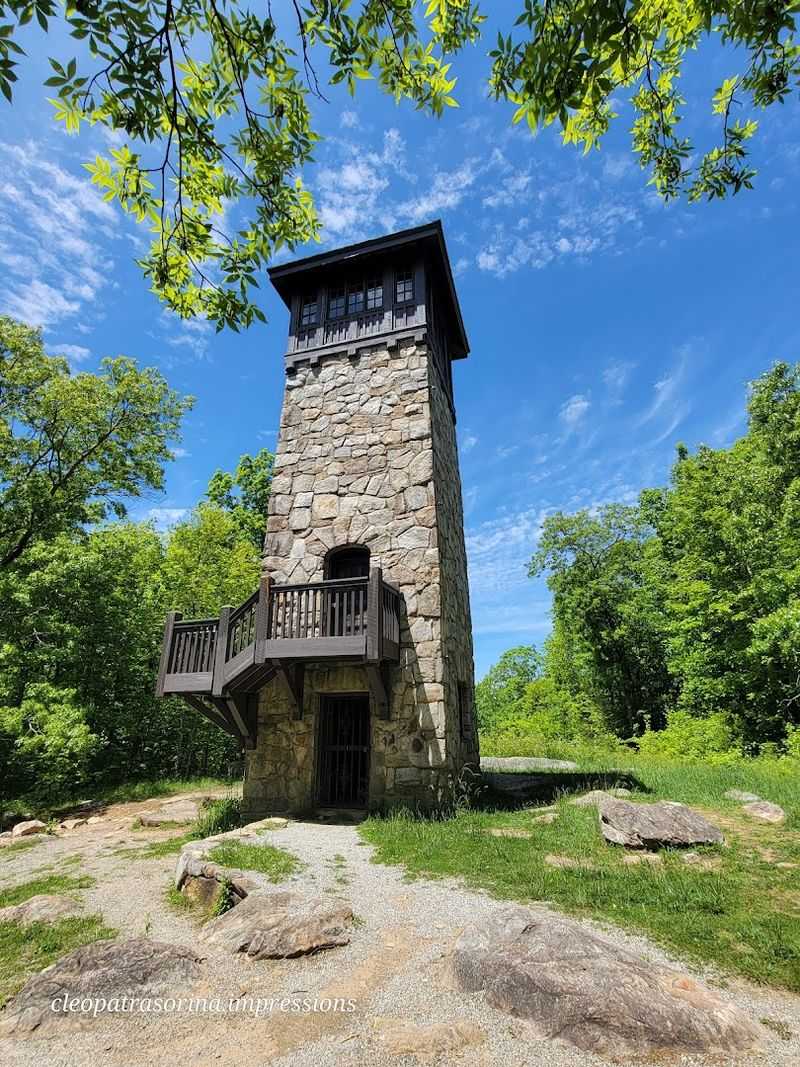
Ancient stone walls wind mysteriously across Fort Mountain’s summit, and nobody knows for certain who built them or why. That mystery adds intrigue to a park already blessed with dense forests and panoramic overlooks.
The location beside Cohutta Wilderness keeps things quieter than parks closer to Atlanta’s population centers.
May hiking feels especially pleasant as mountain temperatures stay comfortable and wildflowers bloom along trails. The elevation provides relief from heat already building in lower Georgia regions.
Lake trails, mountain paths, and historical walks offer variety for different interests and fitness levels.
Camping here lets you experience mountain nights filled with stars instead of light pollution. Rental cabins provide comfort for those wanting easy access to nature without tent camping.
Summer weekends bring families from metro Atlanta, but May weekdays often leave you sharing trails with only birds and occasional deer browsing forest edges in peaceful morning light.
Darien
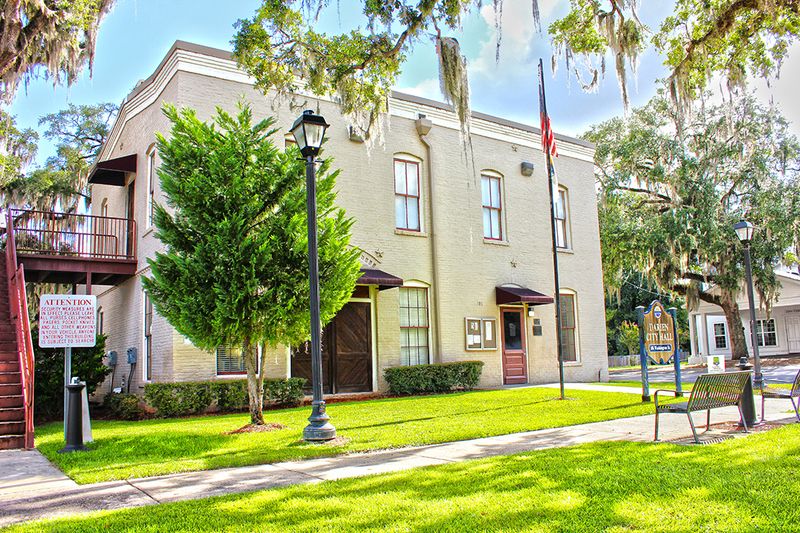
Life moves at tidal rhythm in Darien, where wide marshes stretch golden-green under enormous skies. This small coastal town predates many better-known Georgia destinations but never chased tourist dollars the way others did.
May brings warm days perfect for waterfront wandering without the crowds packing islands farther south.
Local seafood restaurants serve catches brought in by boats you can watch from dining windows. Historic buildings downtown tell stories of a town that survived wars and hurricanes while maintaining authentic coastal character.
Marshwalk paths let you breathe salt air while watching wading birds hunt shallow waters.
Use Darien as your base for exploring nearby wild areas like Harris Neck or Sapelo Island without staying in pricier resort towns. The slower pace here helps you decompress from everyday stress more effectively than busy attractions ever could.
Simple pleasures like watching sunset paint the marshes in pink and gold become the highlights you remember long after fancier vacations fade from memory.
Black Rock Mountain State Park
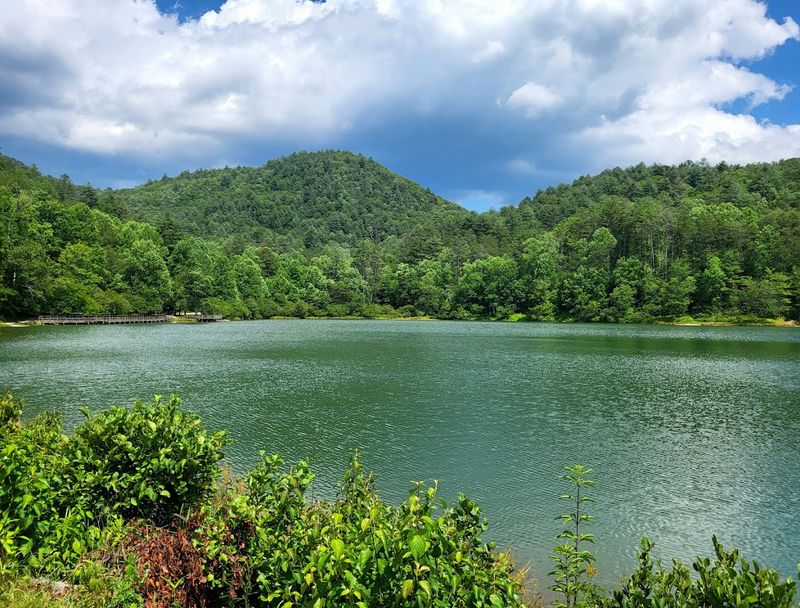
Standing at Georgia’s highest state park, you breathe mountain air that stays refreshingly cool even when valleys below turn warm. Black Rock Mountain maintains surprising tranquility during spring when many tourists have not yet discovered it for summer escapes.
Wildflowers bloom brilliantly at this elevation during May, painting meadows and trail edges in natural color.
Scenic overlooks provide stunning views across mountain ranges rolling into distant haze. The higher altitude means temperatures average ten to fifteen degrees cooler than Atlanta, making hiking genuinely pleasant instead of sweaty.
Trails range from easy nature walks to more challenging ridge routes for experienced hikers.
Camping at elevation lets you enjoy cool sleeping weather while lower Georgia already needs air conditioning. Watch for wildlife like deer and wild turkeys moving through forests in early morning hours.
The park’s location in northeast Georgia keeps it less discovered than western mountain parks, meaning you often find overlooks and trails wonderfully empty during weekday visits.
Gould’s Inlet
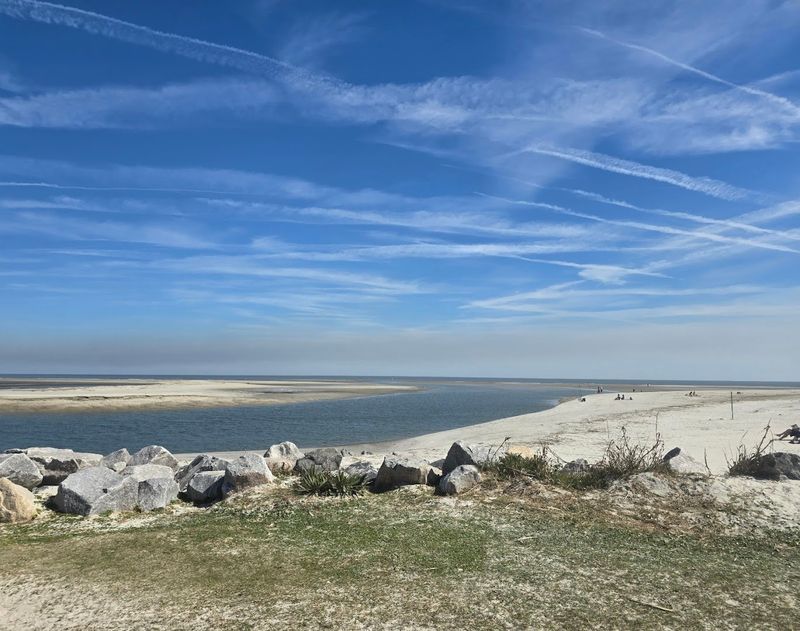
Local residents quietly favor Gould’s Inlet at St. Simons Island’s northern tip, leaving it blissfully calmer than beaches near the pier and village. Limited parking naturally controls crowds, creating the peaceful atmosphere that once characterized all coastal Georgia.
May mornings bring perfect conditions for beach walks where you spot more shorebirds than people.
Tidal changes here create fascinating pools where small marine life gets temporarily trapped, delighting curious kids and adults alike. Birdwatchers find excellent opportunities as numerous species feed along the water’s edge.
The undeveloped setting feels worlds away from commercial beachfronts only miles south.
Bring your own supplies since no vendors or facilities exist at this natural area. Low tide reveals the best beach walking and pool exploring opportunities.
Respect the environment by leaving only footprints and taking only photographs, helping preserve the quiet character that makes Gould’s Inlet special compared to Georgia’s increasingly developed coastline.