Georgia does not whisper—it roars through its mountains, forests, and deep stone-cut canyons.
Waterfalls crash down cliff faces, trails twist through thick pine, and ridge lines open up like sudden revelations. Every step feels like you’ve wandered into something older, wilder, and a little untamed.
One moment you’re deep in shaded woods. The next, you’re standing above a canyon that drops away in layers of red and gold rock.
The ground here never feels boring—it feels alive.
From Appalachian Trail summits to hidden creek paths, Georgia throws out hikes that stick in your memory long after your boots are off. Ten of them are waiting ahead, each one ready to earn its place on your bucket list.
Amicalola Falls State Park & Appalachian Approach Trail
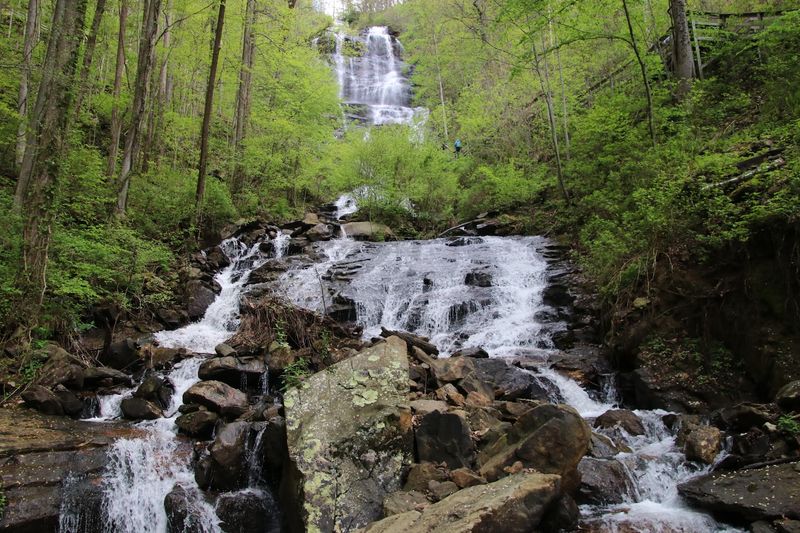
Standing before Georgia’s tallest waterfall feels like watching nature show off. Amicalola Falls tumbles 729 feet down moss-covered rocks, creating a misty curtain that catches sunlight in rainbow patterns.
The 600-step staircase climbing alongside this cascade isn’t just exercise—it’s an unforgettable journey upward.
What makes this location extra special is its connection to hiking history. The approach trail here leads to Springer Mountain, where thousands begin their Appalachian Trail thru-hikes each year.
You’re literally walking the same path as legendary long-distance hikers.
Families love the shorter waterfall loop, while serious adventurers tackle the full 8.8-mile approach trail. Either way, you’ll earn sweeping mountain views that stretch across the Blue Ridge.
Pack water and snacks because those stairs demand fuel.
Early morning visits offer the best lighting for photos and fewer crowds. The combination of thundering water, challenging climbs, and historical significance creates an experience you won’t forget anytime soon.
Blood Mountain via Appalachian Trail (Neels Gap)
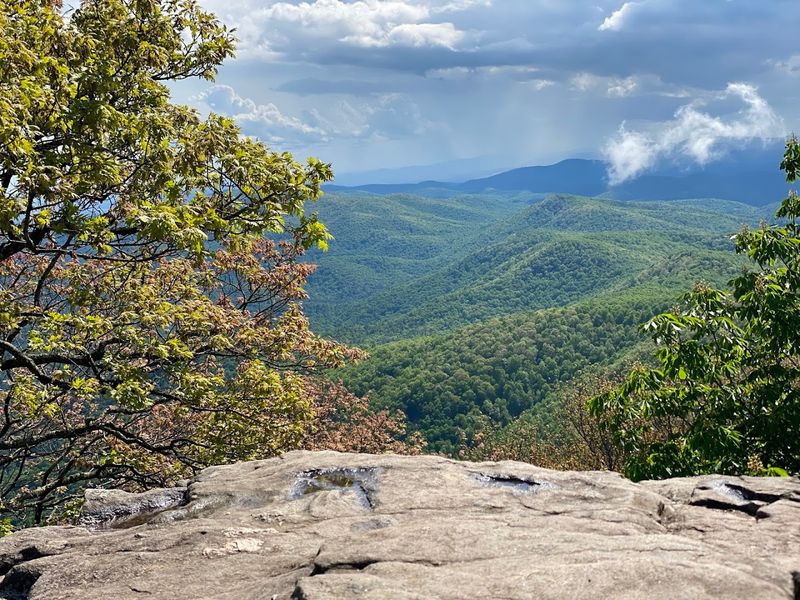
At 4,458 feet, Blood Mountain claims the title of highest point on Georgia’s stretch of the Appalachian Trail. The name sounds intense, and honestly, the climb matches that energy.
Rocky switchbacks and steep sections test your endurance, but every huffing step brings you closer to something incredible.
Near the summit sits a mysterious stone shelter built in the 1930s by the Civilian Conservation Corps. It’s the only shelter actually on the Appalachian Trail, making it a bucket-list destination for serious hikers.
The views from the top stretch endlessly across the Blue Ridge Mountains.
Starting from Neels Gap makes the trek about 4.2 miles round trip. Weekends get busy, so consider hitting the trail on weekdays if possible.
Bring trekking poles—those rocks can be slippery.
Winter transforms this peak into a snowy wonderland, though ice makes conditions dangerous. Spring and fall offer perfect hiking weather with wildflowers or colorful leaves adding extra beauty to your journey upward.
Tallulah Gorge Rim Trail & Suspension Bridge
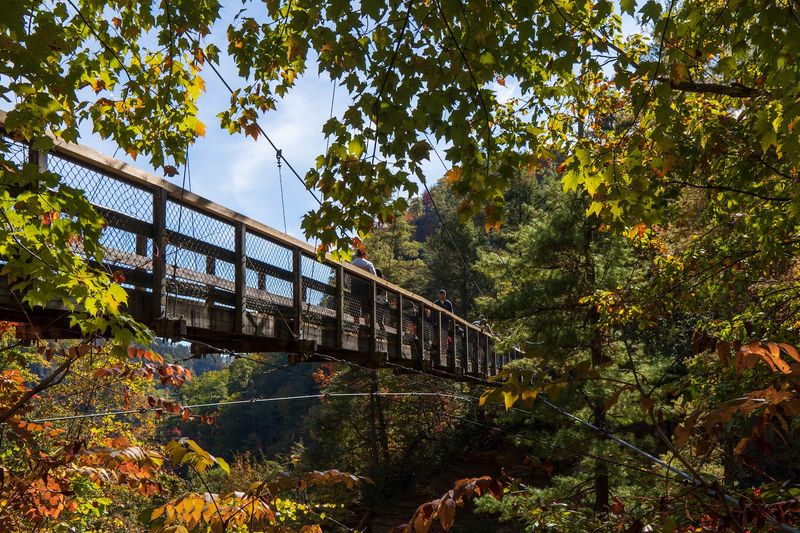
Crossing the suspension bridge at Tallulah Gorge ranks among Georgia’s most heart-pumping hiking moments. Below your feet, the Tallulah River crashes nearly 1,000 feet down through a dramatic canyon carved over millions of years.
The bridge sways gently as you walk, adding just enough thrill to make your palms sweat.
Multiple rim trails offer jaw-dropping overlooks without requiring expert skills. You’ll peer down at waterfalls thundering through layers of ancient rock.
The Hurricane Falls overlook provides the most spectacular viewing spot for photos.
Feeling adventurous? Limited daily permits allow hikers to descend hundreds of stairs into the gorge floor itself.
Down there, you’ll stand next to roaring cascades and feel the cool spray on your face. Just remember—what goes down must climb back up.
The area gets packed during peak fall foliage season when maple trees paint the canyon in fire colors. Arrive early to snag parking and permits if you’re planning the gorge floor adventure.
Cloudland Canyon State Park (West Rim & Waterfalls Trail)
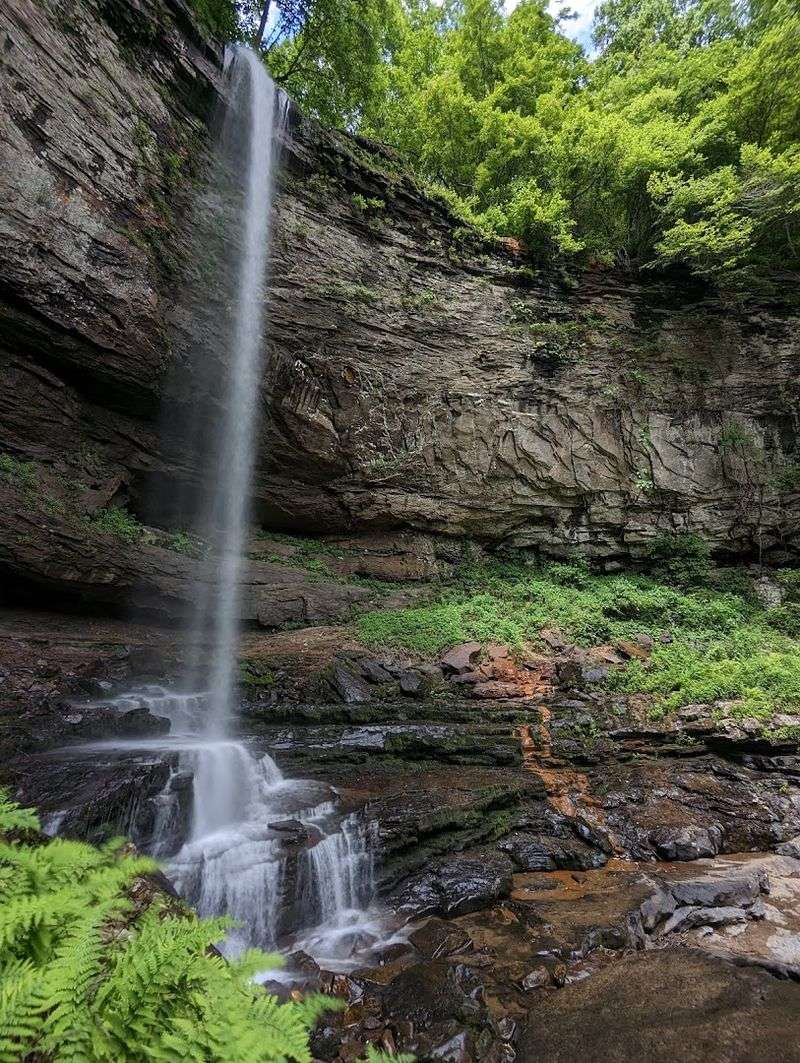
Perched on Lookout Mountain, Cloudland Canyon hides one of Georgia’s most impressive natural wonders. The canyon system here plunges dramatically, creating a rugged landscape that feels almost otherworldly.
Sandstone cliffs glow golden in afternoon light, while dense forest fills every available space with green life.
The Waterfalls Trail isn’t for the faint-hearted—you’ll descend over 600 stairs into the gorge’s depths. Your reward?
Cherokee Falls and Hemlock Falls, two stunning cascades surrounded by towering rock walls. The sound of rushing water echoes off the canyon, creating natural music.
Here’s the catch everyone should know: those stairs you descended are waiting for the climb back up. Take your time, bring plenty of water, and maybe pack some energy snacks.
Your legs will thank you.
West Rim Trail offers easier walking with fantastic canyon views for those who’d rather skip the stair workout. Either route showcases why this park deserves its reputation as a northwest Georgia treasure.
Yonah Mountain Trail
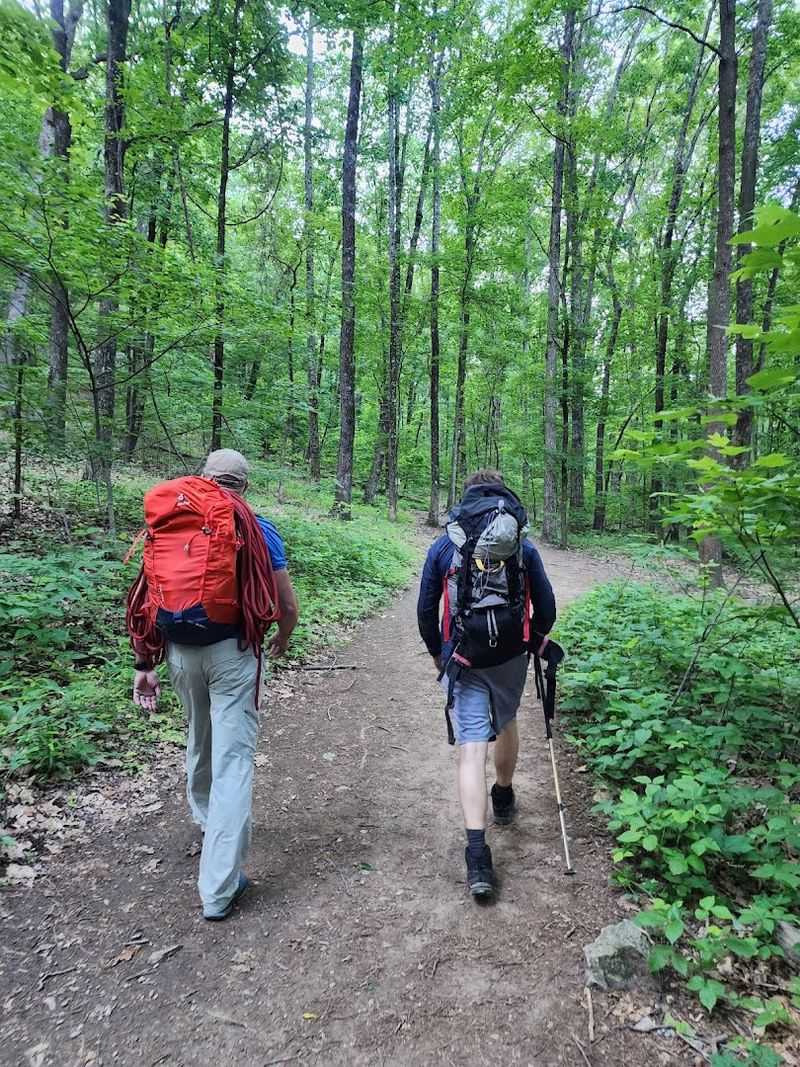
Don’t let the short distance fool you—Yonah Mountain will humble even confident hikers. This trail packs serious elevation gain into just 2.5 miles round trip, making it one of Georgia’s steepest challenges.
Your thighs will burn, your lungs will complain, but that exposed granite summit makes every difficult step worthwhile.
The final approach involves genuine rock scrambling. You’ll use hands and feet to navigate granite slabs near the top, which adds adventure most trail walks lack.
It’s not technical climbing, but definitely more intense than your average hike.
Sunrise seekers flock here because the eastern-facing summit catches first light spectacularly. Sunset works equally well, painting the sky in cotton-candy colors.
Just bring headlamps if you’re planning evening adventures—the descent gets tricky in darkness.
The name “Yonah” comes from a Cherokee word meaning “bear,” which seems fitting given this mountain’s fierce reputation. First-timers should attempt this when weather conditions are dry, since wet rocks become dangerously slippery quickly.
Raven Cliff Falls Trail (Chattahoochee National Forest)
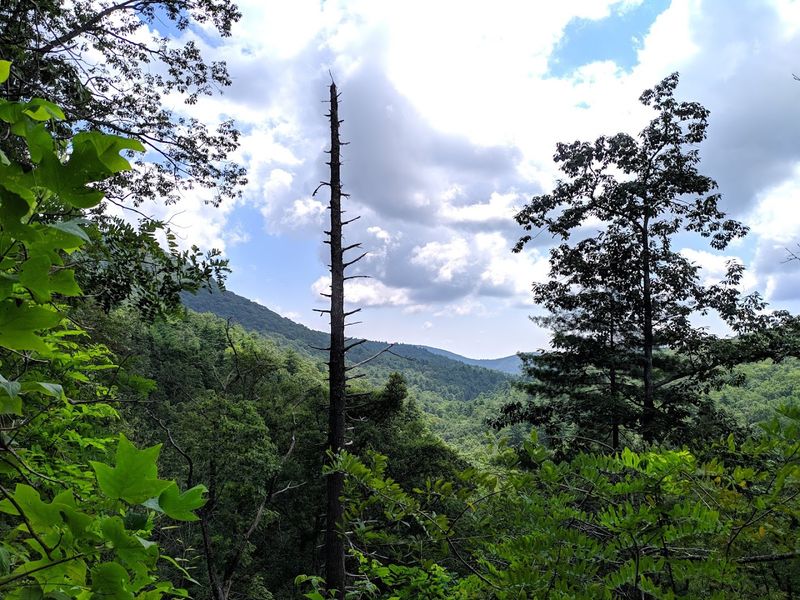
Some waterfalls thunder with power, demanding attention. Raven Cliff Falls takes a different approach, revealing itself gradually through dense Appalachian forest.
The 5-mile round trip follows Dodd Creek through peaceful woodland, where birdsong replaces traffic noise and sunlight filters through oak and hemlock canopy.
What makes this waterfall truly unique is its dramatic finale. Water doesn’t just tumble over a ledge—it flows through a split in the rock cliff itself, creating a natural window frame.
It’s one of Georgia’s coolest geological features.
The moderate trail stays relatively flat until the final approach, making it accessible for families with older kids. Creek crossings via footbridges add small adventures along the way.
Wildflowers bloom throughout spring, painting the forest floor in color.
Because this spot sits deeper in the national forest, it attracts fewer crowds than famous waterfalls like Amicalola or Tallulah. That peaceful atmosphere makes it perfect for hikers seeking quieter nature experiences.
Just remember bug spray during warmer months when mosquitoes patrol the creek areas.
Brasstown Bald Summit Trail
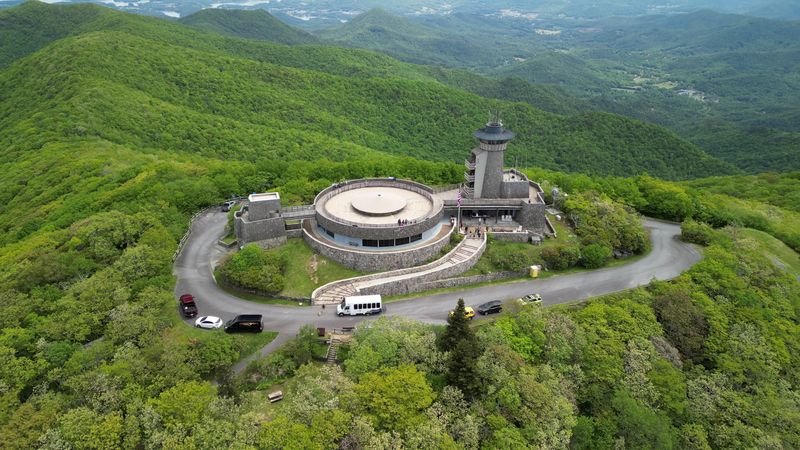
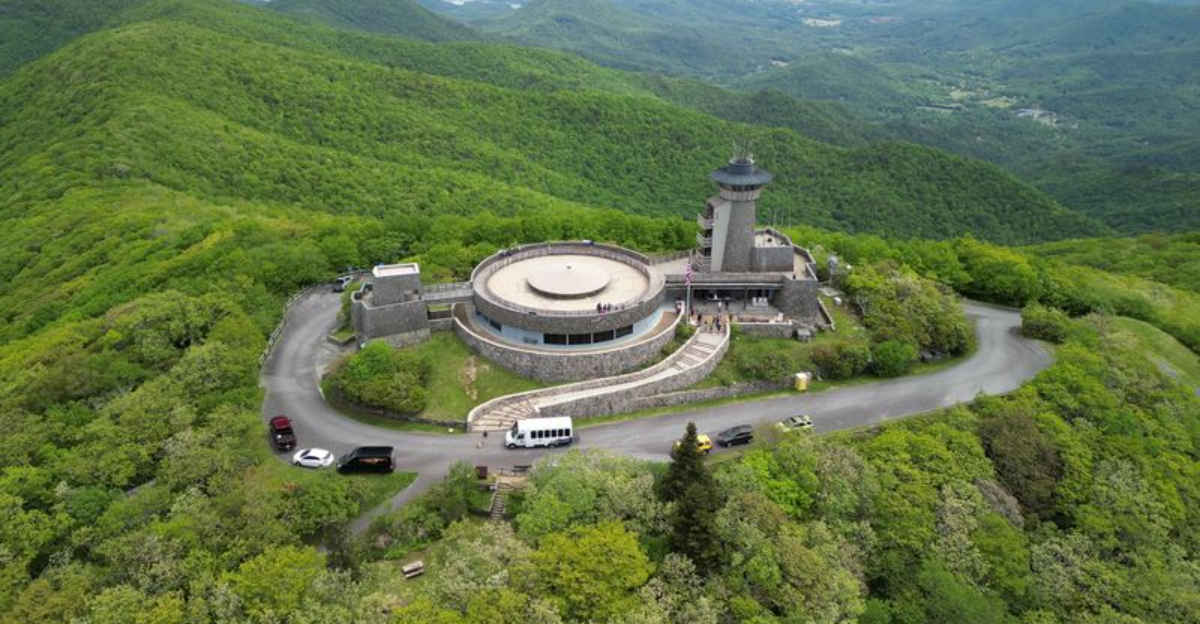
Reaching Georgia’s rooftop doesn’t require extreme mountaineering skills, which makes Brasstown Bald beautifully democratic. At 4,784 feet, this peak towers above everything else in the state.
The half-mile paved trail climbs steeply, but it’s short enough that almost anyone can manage it with breaks.
Prefer saving your energy? A shuttle runs from the parking area to near the summit during operating seasons.
No shame in that—the real prize is the observation tower anyway.
Standing in that tower feels like being on top of the world. Clear days reveal four states simultaneously: Georgia, Tennessee, North Carolina, and South Carolina.
Mountains ripple outward in every direction like frozen ocean waves. It’s the kind of view that makes you understand why people love hiking.
Early morning visits often catch clouds settled in valleys below, creating a “sea of clouds” effect. The summit stays about 10-15 degrees cooler than lower elevations, so bring layers even on warm days.
The gift shop offers interesting Appalachian history displays worth checking out.
Panther Creek Falls Trail
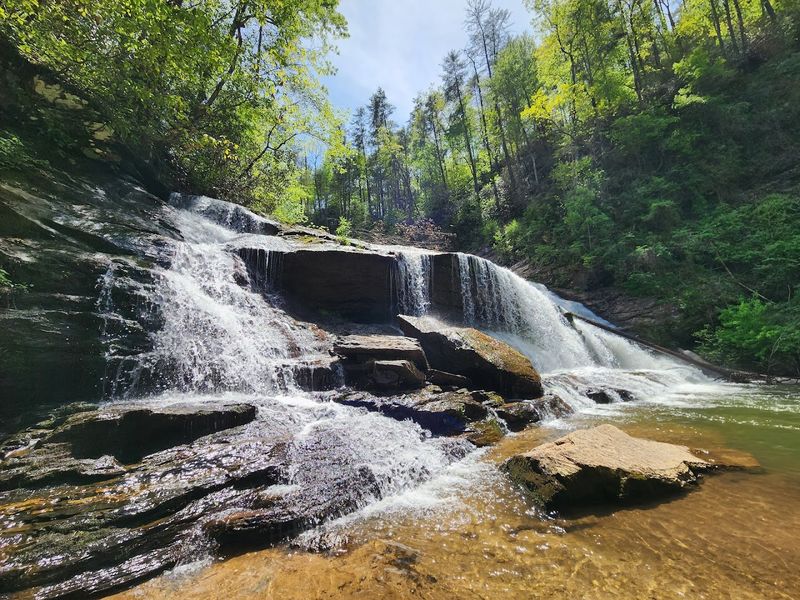
This trail earns its reputation as one of Georgia’s more challenging waterfall hikes. The 7-mile round trip demands multiple creek crossings, navigating muddy sections, and scrambling over roots and rocks.
After heavy rain, the trail becomes a muddy obstacle course that tests both boots and patience.
Why endure all that? Because Panther Creek Falls is absolutely magnificent.
Water crashes down wide and powerful, creating a large pool perfect for cooling off after your sweaty hike. The swimming hole draws brave souls willing to embrace the cold mountain water.
Trail erosion makes this hike trickier than it was years ago. The Forest Service struggles to maintain it, so expect rough conditions.
Waterproof boots are practically mandatory, and trekking poles help immensely on slippery sections.
Despite the difficulties, or maybe because of them, this trail feels genuinely adventurous. You’re earning that waterfall view through real effort.
Weekdays offer the best chance for solitude, though the remote location keeps crowds manageable even on weekends. Just don’t attempt this during winter ice conditions.
Springer Mountain (Southern Terminus of the Appalachian Trail)
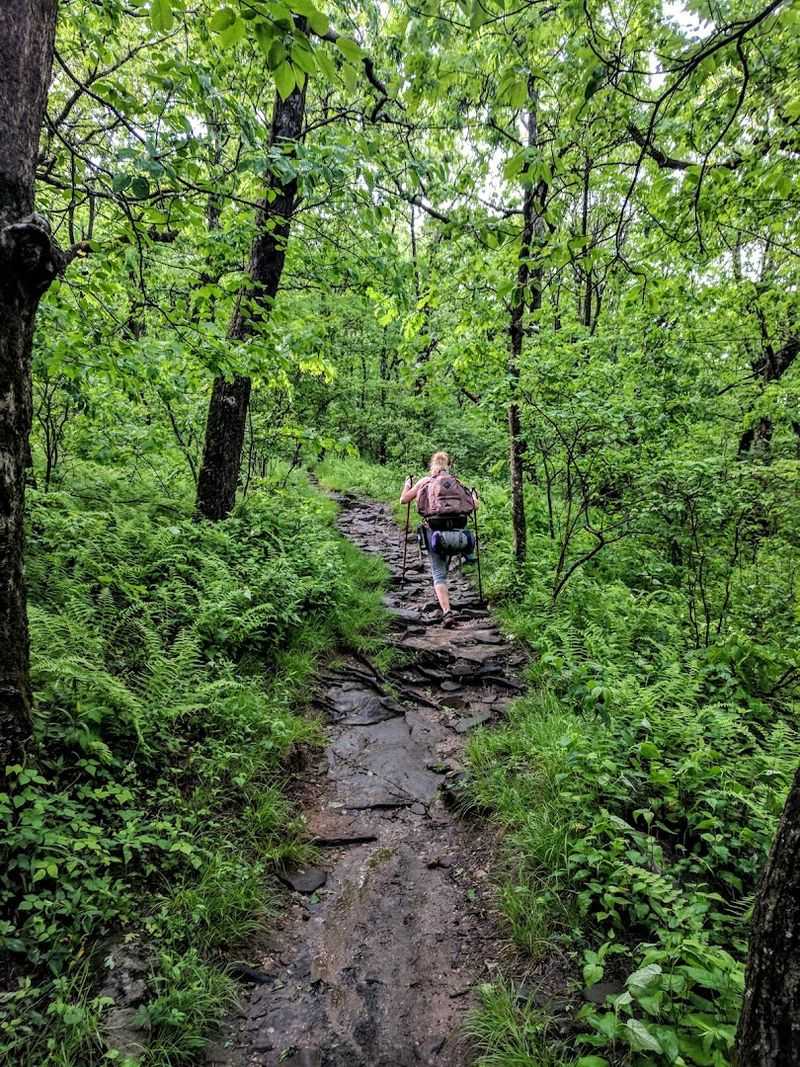
Every epic journey begins with a single step, and for Appalachian Trail thru-hikers, that step happens here. Springer Mountain marks Mile Zero of the 2,193-mile trek to Maine’s Mount Katahdin.
Standing at this bronze plaque feels significant even if you’re only planning a day hike.
The summit itself sits at 3,782 feet, offering decent views through the trees. But honestly, the location’s emotional weight matters more than the scenery.
Trail registers at the top hold signatures and hopes of thousands who’ve passed through.
Several routes reach Springer, with the approach trail from Amicalola Falls being most popular at 8.8 miles one-way. Shorter access trails exist if you’re not feeling quite that ambitious.
The summit area includes a shelter where thru-hikers often spend their first night.
Visiting during spring “thru-hiker season” (March-April) adds extra magic. You’ll meet people carrying everything they need for months-long journeys, their eyes bright with nervous excitement.
Their courage and determination prove contagious, making this more than just another mountain hike.
Providence Canyon State Park (Little Grand Canyon)
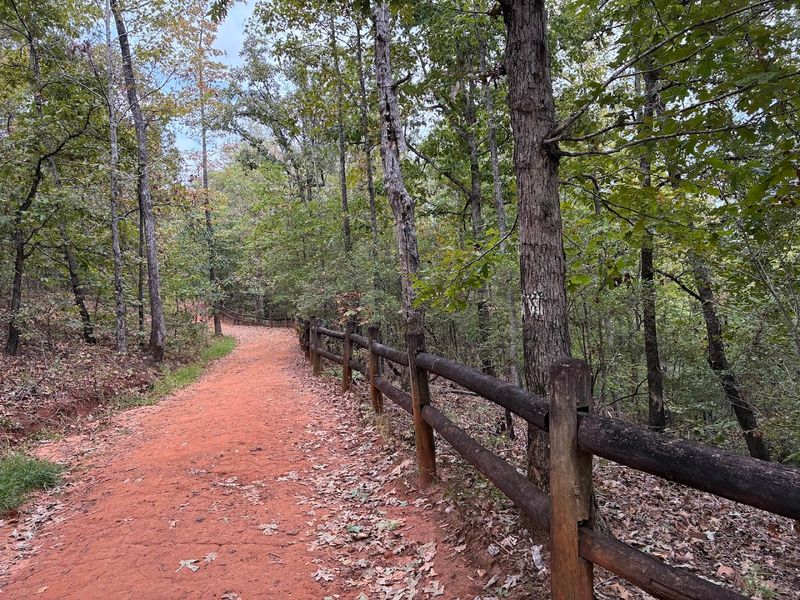
Forget everything you think Georgia hiking should look like. Providence Canyon delivers something completely unexpected—a desert-like landscape of deep gullies sliced through brilliantly colored soil.
Pink, orange, red, and purple layers create natural artwork that photographs almost too perfectly to believe.
Erosion caused these dramatic features, beginning with poor farming practices in the 1800s. What started as ditches carved into incredible canyons up to 150 feet deep.
It’s a stunning example of how dramatically humans can reshape landscapes, both intentionally and accidentally.
The canyon floor trail loops through nine main gullies, letting you walk surrounded by these colorful walls. Unlike mountain hikes, this adventure stays relatively flat, though it gets muddy after rain.
Those vibrant soils turn slippery and stain clothing permanently.
Summer heat makes the exposed canyon floor brutal, so spring and fall offer better visiting times. Winter provides unique beauty when rare snow dusts the red earth.
Photographers obsess over this location because the colors shift throughout the day as sunlight angles change. It’s Georgia’s most unusual hiking destination by far.