A president’s house in Georgia still looks much like it did on the day he passed in 1945. His unfinished portrait waits in the next building over, frozen mid-brushstroke.
That kind of detail grabs me every time. History feels less like a school assignment when you can stand inches from it.
Georgia is packed with spots like that. I’m talking about earthen mounds built by ancient hands, a fort that cannon fire changed forever, and a lighthouse with 178 steps between you and the view.
Some of these stories are thrilling. Others are heavy and hard to hear.
I think that mix is exactly what makes them worth your time, because the past was never just one mood.
So grab your walking shoes and a full water bottle. There’s a lot of ground to cover, and some of it is very old ground.
1. Martin Luther King, Jr. National Historical Park
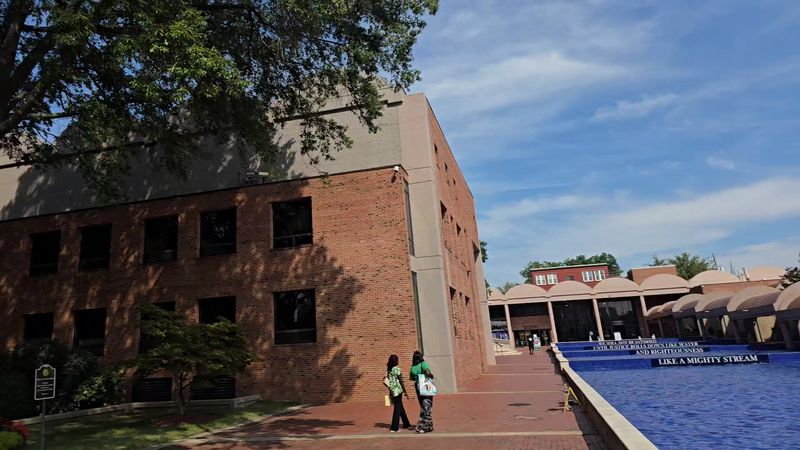
A single stretch of Auburn Avenue holds the start and the resting place of one of America’s most important voices. Few streets anywhere can say that.
Inside the park, you’ll find the birth home of Dr. Martin Luther King, Jr. and historic Ebenezer Baptist Church. His final resting place sits here too, beside a calm reflecting pool.
The visitor center pulls you straight into the civil rights movement. Exhibits trace his life and the bold people who marched alongside him.
Here’s a nice surprise for your wallet. Entry is free, and so is the parking lot.
The park opens daily from 9 a.m. to 5 p.m. Sunday mornings get busy, so a weekday visit gives you more breathing room.
Plan for more time than you expect. The stories here hit hard, and you’ll probably want a quiet moment before moving on.
Kids can follow along easily, which makes this a strong pick for families. Tours are offered, and a gift shop and theater round out the stop.
Atlanta has plenty of attractions. Few will stay with you quite like this neighborhood, where a young preacher grew up and later changed the country.
Address: 450 Auburn Ave NE, Atlanta, GA 30312
2. Little White House Historic Site
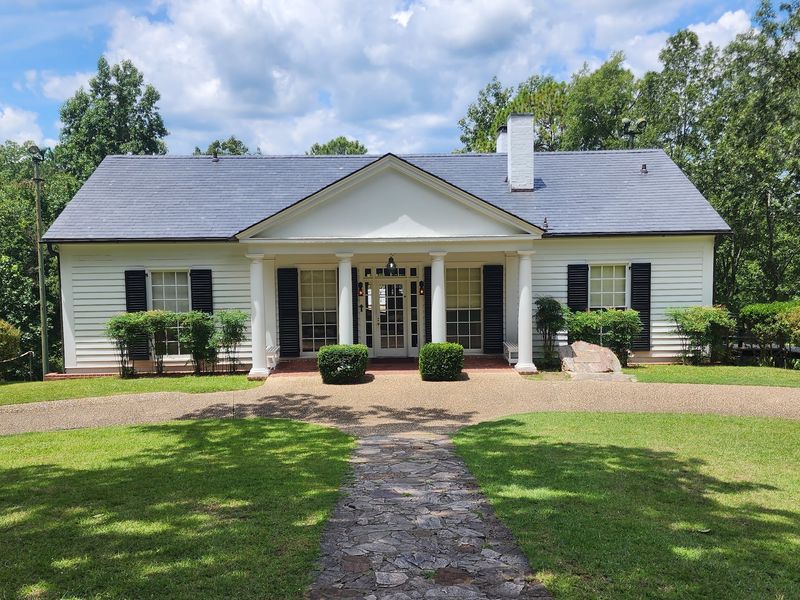
President Franklin D. Roosevelt chose a modest cottage in Warm Springs as his Georgia getaway.
He was staying here when he passed in April 1945.
The house is often described as a time capsule of that day. Walking through it feels like history pressed pause.
FDR came to this area for the nearby springs. He believed the mineral waters helped ease the effects of his polio.
Those historic pools sit about half a mile from the house. Make the short trip so you see both sides of the story.
Back on the main grounds, a museum and theater fill in the details. You can also check out a stagecoach display that kids tend to find pretty cool.
Look for the small guard posts used by the Marines and Secret Service. They’re a reminder that even a quiet retreat needed serious protection.
Guides here know their FDR facts deeply. Don’t be shy about asking questions, because you’ll likely leave with great trivia.
The site opens daily from 9 a.m. to 4:45 p.m. Give yourself a couple of hours, since the exhibits run deeper than you might expect.
Address: 401 Little White House Rd, Warm Springs, GA 31830
3. Jimmy Carter National Historical Park
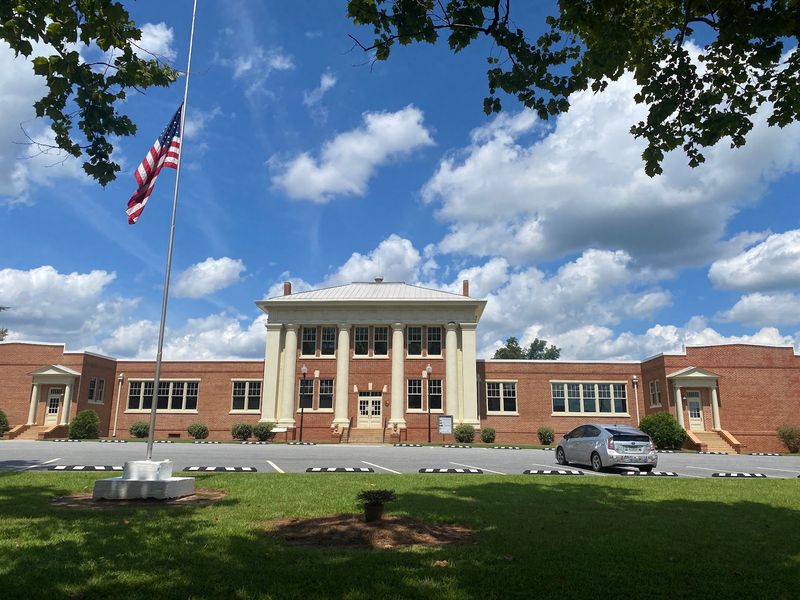
Peanut farms and a tiny train depot helped launch a run to the White House. Sounds like a movie plot, but Plains, Georgia, really pulled it off.
Unlike most park sites, this one spreads across several spots around town. Each location covers a different chapter of President Jimmy Carter’s life.
Start at Plains High School, the building that holds the main visitor center. Carter studied here as a kid, long before world leaders knew his name.
Next, head to his boyhood farm. Restored to look like the 1930s, it shows how simple and hardworking rural life was back then.
The farm even has animals on site. Little ones usually love that part, and honestly, so do plenty of grown-ups.
Don’t skip the railroad depot downtown. It served as his campaign headquarters during the 1976 presidential race.
Hours run daily from 9:30 a.m. to 4:30 p.m. Saturdays draw the biggest crowds, while Tuesday afternoons tend to be quieter.
The whole experience feels humble, which fits the man perfectly. It’s proof that big dreams can grow in a very small town.
Address: 300 N Bond St, Plains, GA 31780
4. Andersonville National Historic Site
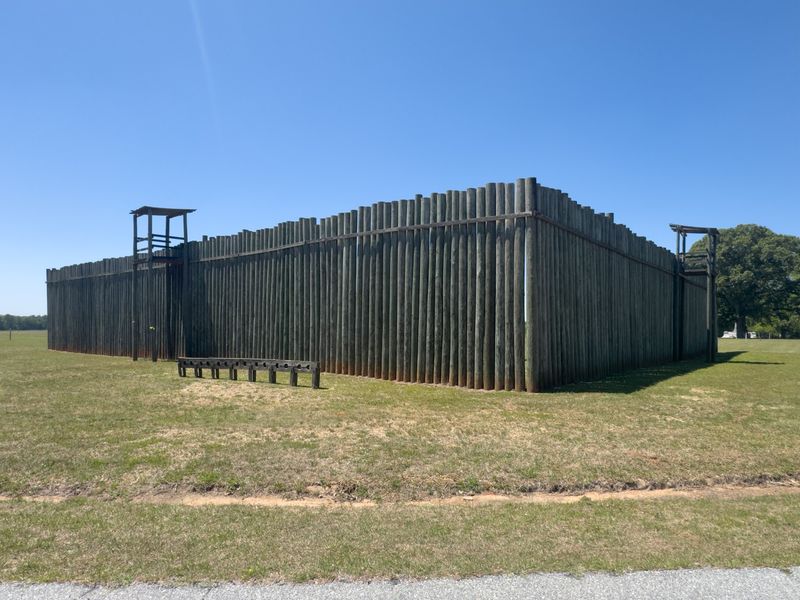
Textbooks can tell you about Civil War prisons. Andersonville makes you feel the weight of one.
During the war, this ground held a prison camp for Union soldiers. Conditions were brutal, and the stories reflect that.
Today the site serves as a memorial to all American prisoners of war. That bigger mission gives it a meaning that reaches far past one conflict.
Out on the grounds, reconstructed walls show the size of the old stockade. You’ll also see the spring and creek that once supplied the camp.
Inside, videos and exhibits explain what life here was like. The displays are educational, though they can be tough to take in.
Walking the open field changes your sense of scale. Picture thousands of men crowded into that space, and the history suddenly feels very real.
The site opens daily from 8 a.m. to 5 p.m. Sunday and Wednesday mornings are usually the calmest times to come.
Bring older kids if they’re studying American history. It sparks honest conversations about courage, suffering, and why remembering matters.
Free parking makes the visit easy. The emotional part is up to you.
Address: 760 POW Rd, Andersonville, GA 31711
5. Wormsloe State Historic Site
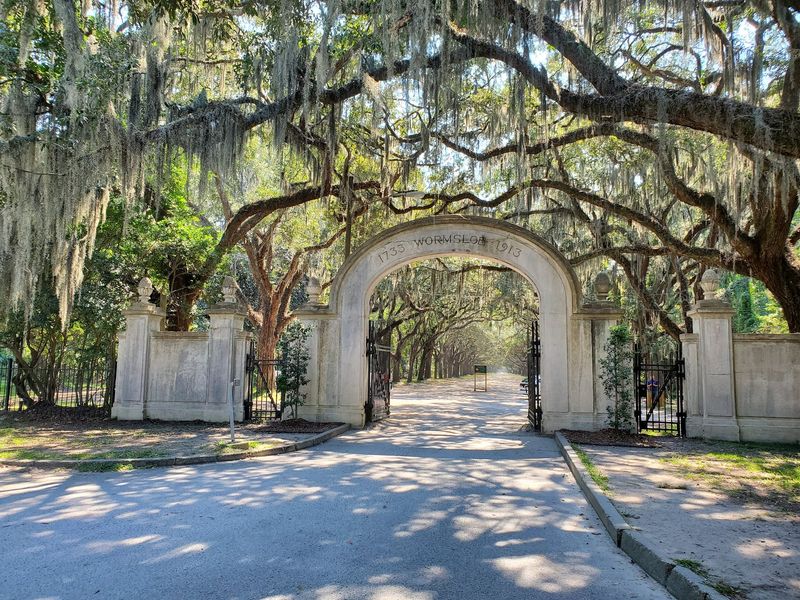
Ever seen a driveway that deserves its own fan club? The oak-lined entrance at Wormsloe stretches along a long dirt road, and it’s a showstopper.
Once you finish gawking at the trees, the history kicks in. The site protects the ruins of a colonial estate dating back to the 1700s.
Those tabby ruins are considered the oldest standing structure in Savannah. A short walk of about 300 yards takes you right to them.
Nearby, you’ll find a grave site and a colonial life area. Together they show how early settlers lived on this coastal land.
A small museum shares artifacts and a film about the family behind Wormsloe. Watch it first, and the ruins will make a lot more sense.
Nature lovers get plenty to enjoy too. Marked trails wind through the woods, and an overlook adds a lovely view.
Hours are daily from 9 a.m. to 4:45 p.m. Weekends get busy, so a weekday trip means fewer people in your photos.
Speaking of photos, charge your phone fully. That oak avenue is one of the most famous sights in Georgia for good reason.
Address: 7601 Skidaway Rd, Savannah, GA 31406
6. Fort Pulaski National Monument
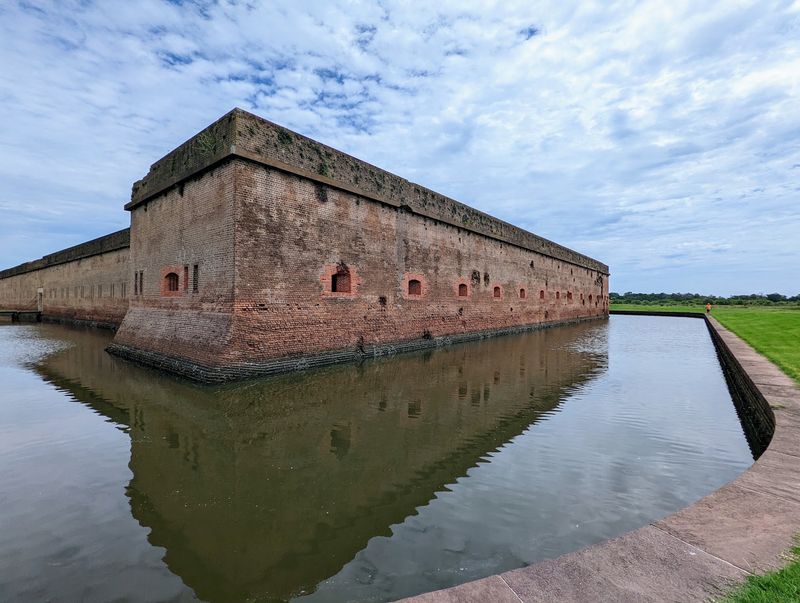
Thick brick walls once made forts like this seem unbeatable. Then the Civil War brought new rifled cannons, and Fort Pulaski learned a hard lesson.
Today you can explore that brick giant up close. Restored cannons line the walls, and storyboards explain what happened in different areas.
Pay attention to the damaged sections of the walls. They show the power of the weapons that changed how forts were built.
Ranger tours add great context if your timing works out. Historic exhibits help you piece together the bigger story too.
History isn’t the only draw here. Riverside trails welcome hikers and bikers, and the marshy setting is beautiful.
So pack sneakers, not just curiosity. You can mix a fort tour with a walk and make a full morning of it.
The monument opens daily from 9 a.m. to 4:30 p.m. Saturdays and Sunday afternoons pull the largest crowds.
Civil War fans will love the restoration work. Even if you’re not a history buff, climbing around an old fort is just plain fun.
It’s an easy add-on to a Savannah trip. Your camera roll will thank you.
Address: 101 Fort Pulaski Rd, Savannah, GA
7. Ocmulgee Mounds National Historical Park
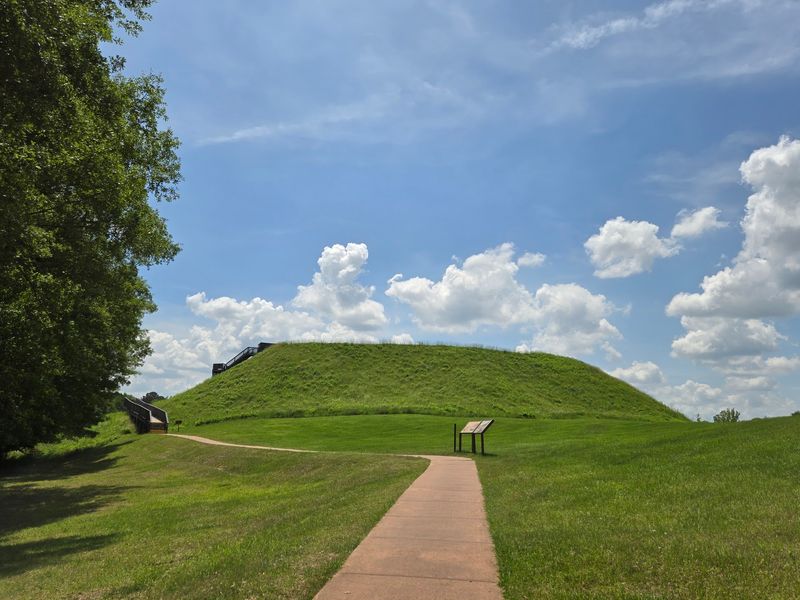
Long before Macon had streets, people here were shaping the earth into giant mounds. Some of them still rise above the landscape today.
These ceremonial mounds are the heart of the park. They connect to the Mississippian people and the long Native American story of the area.
Wooden stairs lead up some of the mounds. The climb is worth it for a fresh view of the land around you.
Don’t miss the recreated mound meeting place. Stepping inside helps you picture how gatherings may have looked centuries ago.
The visitor center museum holds artifacts and videos about the region. It does a great job explaining who lived here and how.
Walking trails connect the main sights. Paved paths, trail markers, and an audio guide keep you learning as you go.
The park opens daily from 8 a.m. to 5 p.m. Weekdays are usually quieter than weekends.
Parking is free, which is always a nice bonus. A gift shop also offers souvenirs on your way out.
Give yourself a few hours here. Ancient history this big deserves more than a quick glance.
Address: 1207 Emery Hwy, Macon, GA 31217
8. Dahlonega Gold Museum
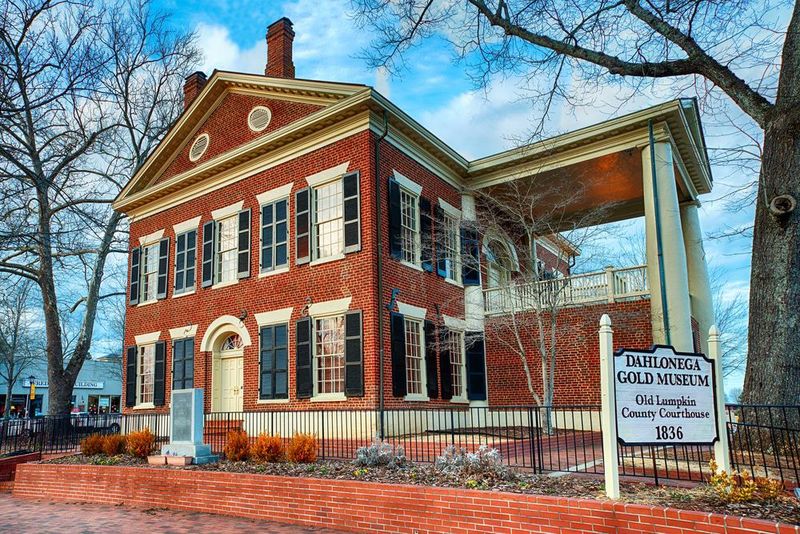
California likes to brag about its gold rush. Georgia had an early one too, and Dahlonega sat right at the center of it.
The museum fills an old courthouse on the town square. That building is a piece of history all by itself.
Exhibits cover the Georgia gold rush and how mining worked here. You’ll also learn about the courthouse’s own past.
Here’s a fun fact to share at dinner. Dahlonega once had a federal mint, though it didn’t last very long.
A short movie helps set the scene. Staff and volunteer guides share facts and local lore that bring the stories to life.
Admission is budget-friendly, which makes this an easy stop. Families will find plenty to keep kids interested.
Hours are 9 a.m. to 4:45 p.m. Monday through Saturday.
Sunday opens a bit later at 10 a.m.
Once you finish, the square is right outside the door. Shopping and gold panning in the area can stretch your visit into a full day.
Saturday afternoons get crowded. Weekday mornings are your best bet for a calm look around.
Address: 1 Public Square N, Dahlonega, GA 30533
9. Fort Frederica National Monument
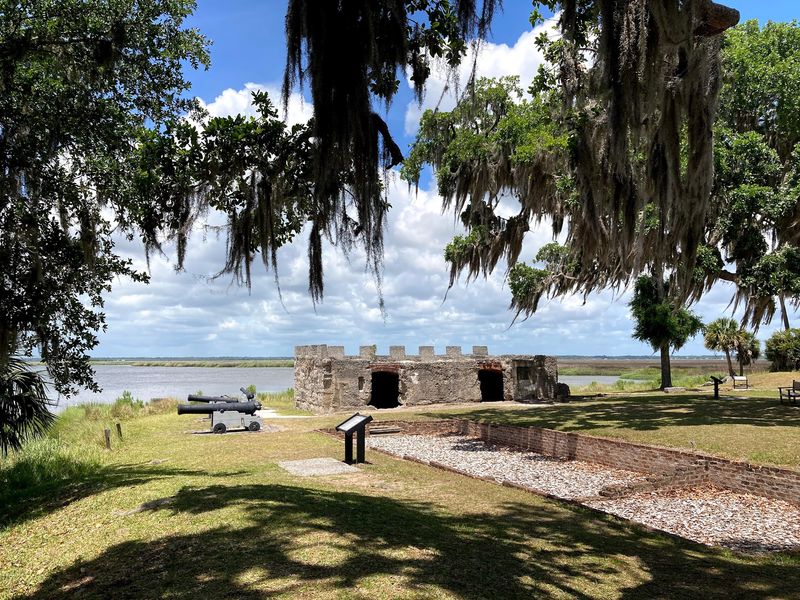
Spanish raids were a real worry in the 1730s. So in 1736, James Oglethorpe built Fort Frederica to guard Georgia’s southern edge.
A whole town grew around the fort. Today its streets and building foundations are preserved as an archaeological site.
You can wander the old town layout and spot where homes once stood. Remnants of the fort and barracks are still here too.
Start at the visitor center for a short film and exhibits. They explain who lived here and why the place mattered.
Guided tours dig into the details. If one fits your schedule, it’s a great way to understand what you’re looking at.
The grounds are lovely, with moss-draped trees shading the paths. It’s easy to forget you’re on busy St. Simons Island.
Hours run from 9 a.m. to 5 p.m. Afternoons on Wednesday, Friday, and Saturday tend to draw more visitors.
Parking is free, so you can save your cash for beach snacks later. History and coastline make a pretty great combo.
Kids enjoy exploring the open ruins. It feels a bit like a real-life treasure map.
Address: 6515 Frederica Rd, St Simons Island, GA 31522
10. Etowah Indian Mounds State Historic Site
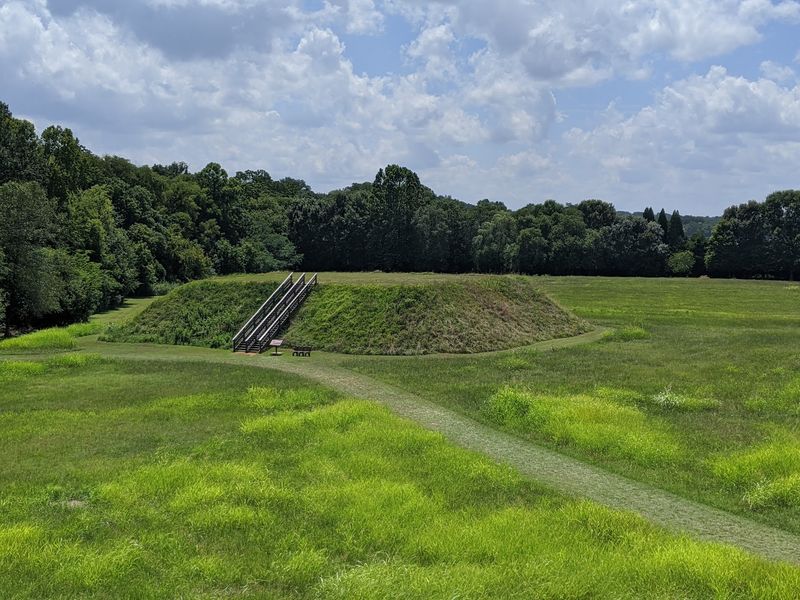
Three massive earthen mounds rise from a field near Cartersville. A Native American village once thrived right here.
The mounds are the star attraction. Standing beside them, you’ll get a real sense of how much work went into building them.
Inside the museum, you’ll find artifacts excavated from the site. Some pieces are truly impressive and help tell the village’s story.
A historical video plays in the museum too. Watch it before heading outside, and the mounds will feel even more meaningful.
Park rangers here know their stuff. Ask questions, because they can point out details you might otherwise miss.
The setting is peaceful, with nice views across the grounds. It’s a calm place to slow down and think about people who lived long ago.
Got a dog? Pups are allowed, so your four-legged buddy can tag along.
Picnic tables make lunch outdoors easy. Kid-friendly trails also help little legs burn off some energy.
Hours are daily from 9 a.m. to 5 p.m. Saturday afternoons are busiest, while Tuesday and Friday mornings stay quiet.
Address: 813 Indian Mounds Rd, Cartersville, GA 30120
11. Tybee Island Light Station & Museum
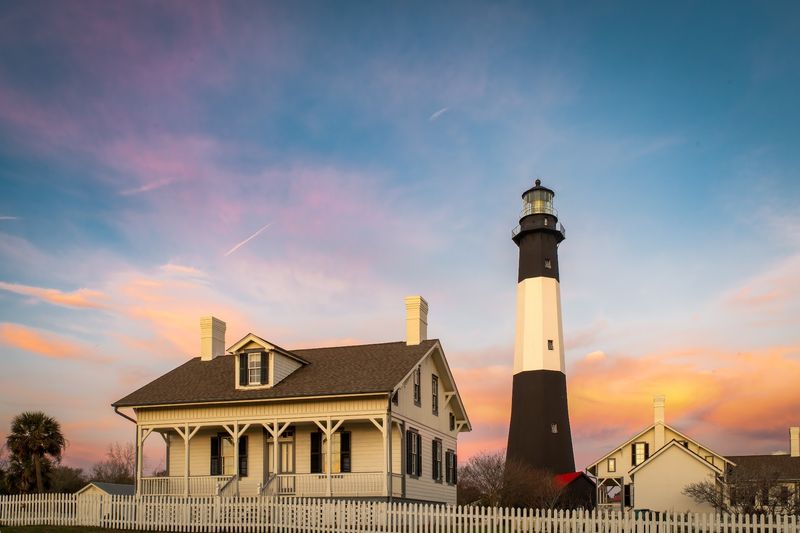
Your legs might grumble about 178 steps. Your eyes will be glad you climbed them.
The lighthouse tower stands 145 feet tall. From the top, you get sweeping views over Tybee Island and the coast.
What makes this spot special is that it’s a complete light station. Three light keeper’s cottages still sit near the tower.
The museum lives inside an 1899 military battery. That’s right, you’ll learn history inside a piece of history.
Exhibits cover the Euchee people, Fort Screven, and Tybee’s Golden Era. It’s a quick crash course on how the island changed over time.
Tours are self-guided, so you can move at your own pace. Linger at the top as long as you want, or until your legs recover.
Hours are 9 a.m. to 4:30 p.m., but note the schedule. The site is closed on Tuesdays.
Active military visitors can get a discount. A gift shop offers souvenirs for anyone who wants a little lighthouse to bring home.
Pair it with a beach day nearby. Few Georgia afternoons get better than that.
Address: 30 Meddin Dr, Tybee Island, GA 31328
12. Chickamauga And Chattanooga National Military Park
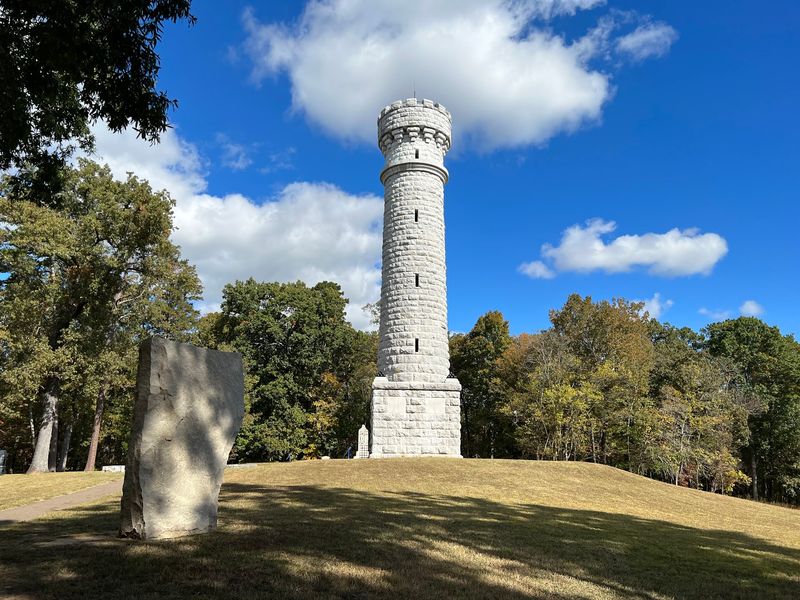
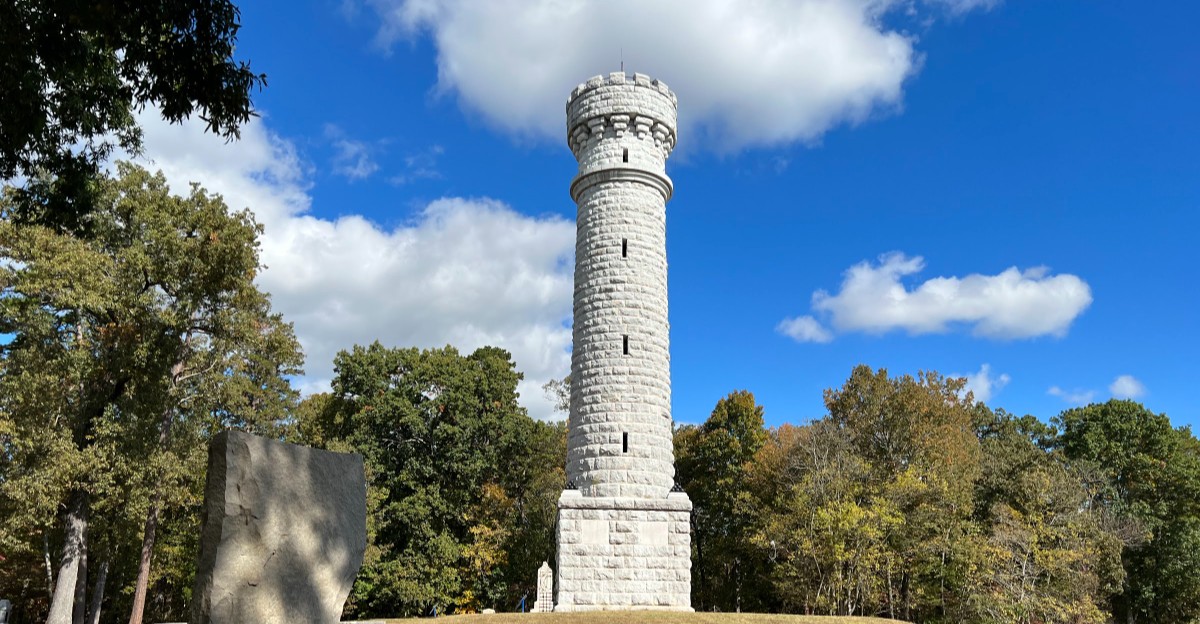
Cannons, monuments, and miles of trails fill this famous battlefield. It’s one of the biggest Civil War stories in the South.
The park remembers the Battle of Chickamauga and the siege of Chattanooga that followed. Both played major roles in the war.
Head to the visitor center first. A short film explains the battle in a way that’s easy to follow.
The museum is another must. It holds a large collection of Civil War guns, plus a gift shop.
Outside, monuments and old cannons dot the landscape. Each one marks a piece of the fighting that happened across these fields.
This park is great for active visitors too. Trails welcome hikers, runners, and bikers, and cycling lanes help riders get around.
Planning a picnic? Tables are available, and dogs are welcome to join you.
Hours are daily from 8:30 a.m. to 5 p.m. Weekends get busy, so weekdays offer more open space.
Easy access from I-75 makes this a simple detour. Just bring a water bottle, because there’s a refill station inside.
Address: 3370 Lafayette Rd, Fort Oglethorpe, GA 30742