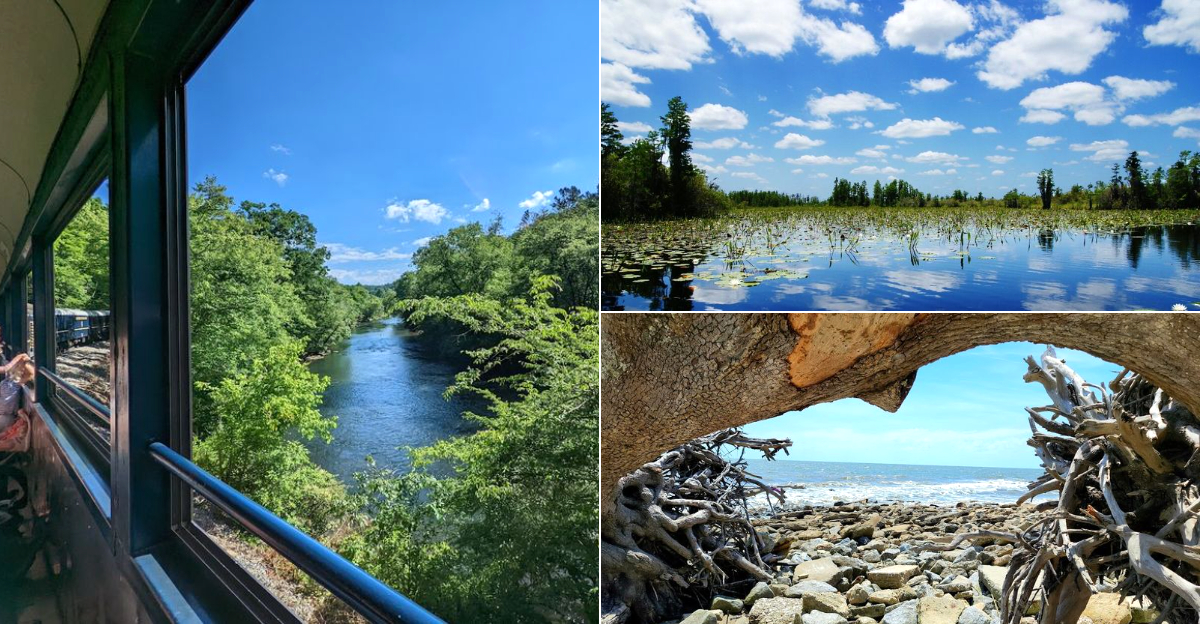
From the mist-shrouded peaks of the Blue Ridge Mountains to the sun-bleached maritime forests of the coast, Georgia is a state of breathtaking geographic diversity.
While many travelers only experience the bustling corridors of Atlanta, the true magic of the Empire State of the South lies in its historic corners and natural wonders.
This curated list guides you toward ten bucket-list destinations that showcase the state’s rugged beauty, deep history, and undeniable Southern charm.
Each location offers an immersive experience that goes far beyond the typical roadside attraction, promising memories that linger long after you return home.
It is an invitation to slow down, explore the extraordinary landscapes, and discover why Georgia’s most legendary spaces are absolutely worth the journey.
1. Cumberland Island National Seashore, St. Marys, Camden County
Some places make silence feel like part of the scenery.
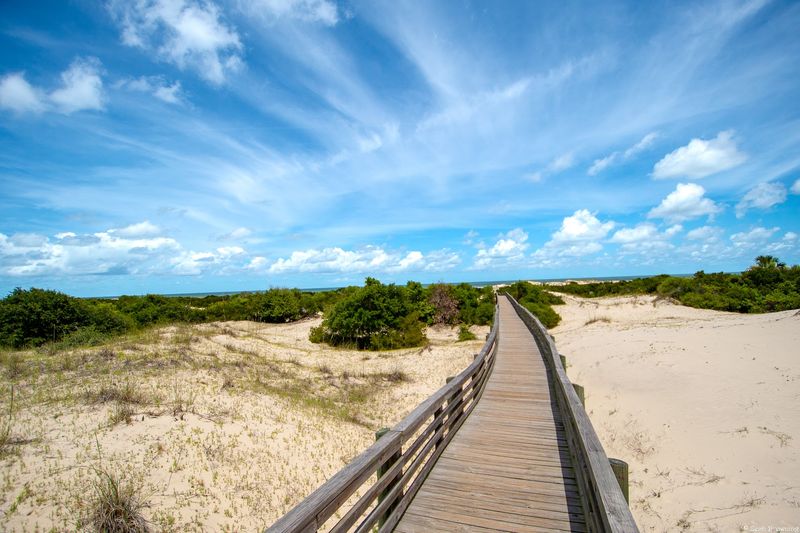
Cumberland Island National Seashore off St. Marys in Camden County does that the moment the ferry leaves the mainland behind and the noise drops away.
I remember stepping onto the dock and realizing the loudest things around me were wind, birds, and my own footsteps.
The island is famous for wild horses, long empty beaches, and the haunting ruins of Dungeness, yet it never feels staged for visitors.
Bring more water than you think you need, because distances are bigger than they look, and summer heat can turn a simple walk into a real workout.
The ferry requires advance planning, which honestly helps keep the island feeling rare.
What I liked most was how the landscape kept changing without warning, from palmetto-lined trails to open sand and live oaks twisting overhead.
If you stay alert, you might spot armadillos, shorebirds, or a quiet alligator near inland water.
By the time I headed back, the mainland felt oddly busy. I love that this state never sticks to one mood for long.
2. Providence Canyon State Park, Lumpkin, Stewart County
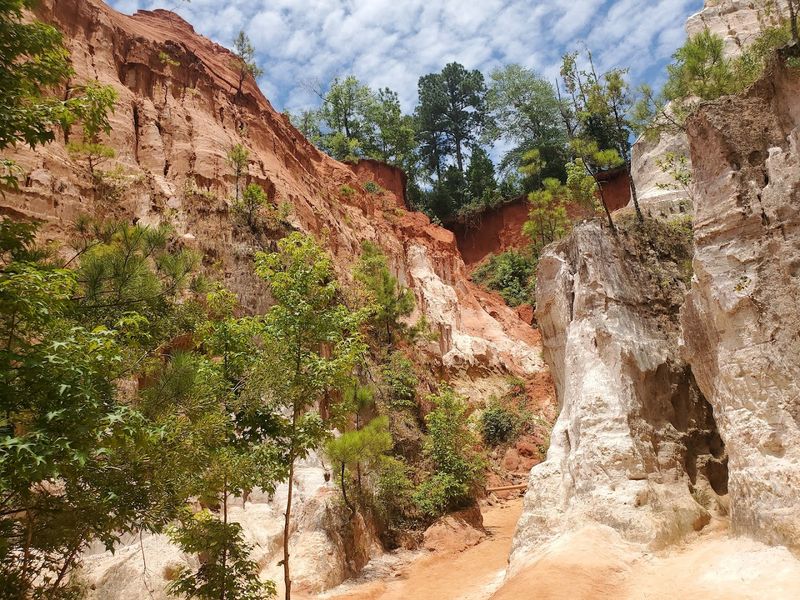
The ground suddenly drops away here, and the view catches you off guard in the best possible way. Providence Canyon State Park in Lumpkin, Stewart County, is often called Georgia’s Little Grand Canyon, though its story is far more human and a little sobering.
These dramatic gullies were formed largely by poor farming practices in the 1800s, which makes the beauty feel both accidental and unforgettable.
The canyon walls shift between orange, rust, pink, and cream, especially when the sun hits them from the side.
I found the Canyon Loop Trail especially rewarding, but the sandy footing can be slippery, so sturdy shoes matter more than style here.
After rain, the colors look richer, though the paths can turn messy fast.
There is also a quiet backcountry area with pioneer camping for anyone who wants stars instead of screens.
If you visit in summer, start early because the exposed sections heat up quickly.
It is one of those places that proves Georgia knows how to keep a secret in plain sight.
3. Tallulah Gorge State Park, Tallulah Falls, Rabun County
The first glimpse feels like opening a book to the most dramatic page.
Tallulah Gorge State Park in Tallulah Falls, Rabun County, cuts nearly a thousand feet deep and packs more motion, sound, and vertical drama than many places twice its size.
I still remember hearing the river long before I could properly see it.
The rim trails offer excellent overlooks, and the suspension bridge delivers that brief flutter in the stomach without demanding mountaineering skills.
If you want to hike to the gorge floor, you need a permit, and only a limited number are issued each day, so planning ahead is smart.
The stairs are serious, and your legs will definitely file a complaint on the way back up.
One fun detail is the park’s history of daredevils, including the famous tightrope walker Karl Wallenda, who crossed the gorge in 1970.
Water releases can transform the scene, especially during scheduled whitewater events, when the river turns from scenic to forceful.
Even if you never leave the overlooks, the place leaves a strong impression.
4. The Historic District of Savannah, Savannah, Chatham County
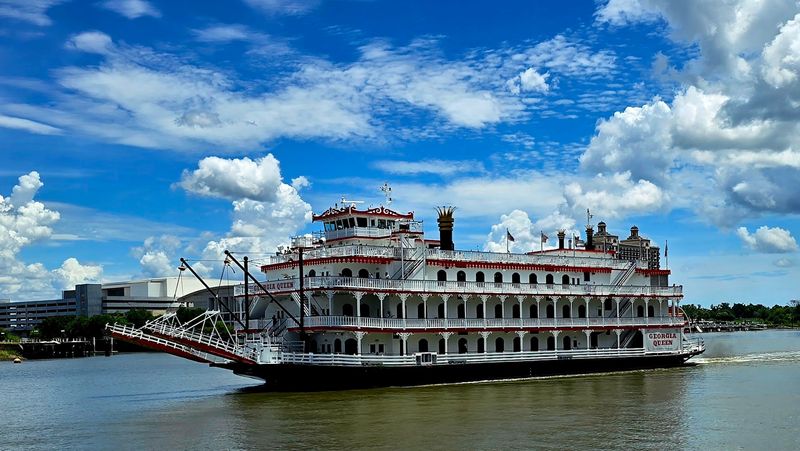
Brick streets, shaded squares, and slow-moving air make this city feel like it knows exactly what it is doing. The Historic District of Savannah in Savannah, Chatham County, is not just pretty to look at – it is a place best absorbed at walking speed with no strict agenda.
I like starting early, when the light is soft and the city feels half awake.
The district is built around a famous grid of public squares, each with its own mood, monuments, and benches that practically invite lingering.
You can tour house museums, browse small shops, or pause at Colonial Park Cemetery and let the layers of history sink in. Forsyth Park usually gets the spotlight, but the quieter corners often stay with me longer.
Food helps tell the story too, from classic Southern plates to cafés tucked into old buildings with worn floorboards and plenty of charm.
If you can, look up as often as you look ahead, because balconies, shutters, and ironwork reward a curious eye.
In the evening, the district seems to trade sunlight for atmosphere without missing a beat.
5. Jekyll Island’s Driftwood Beach, Jekyll Island, Glynn County
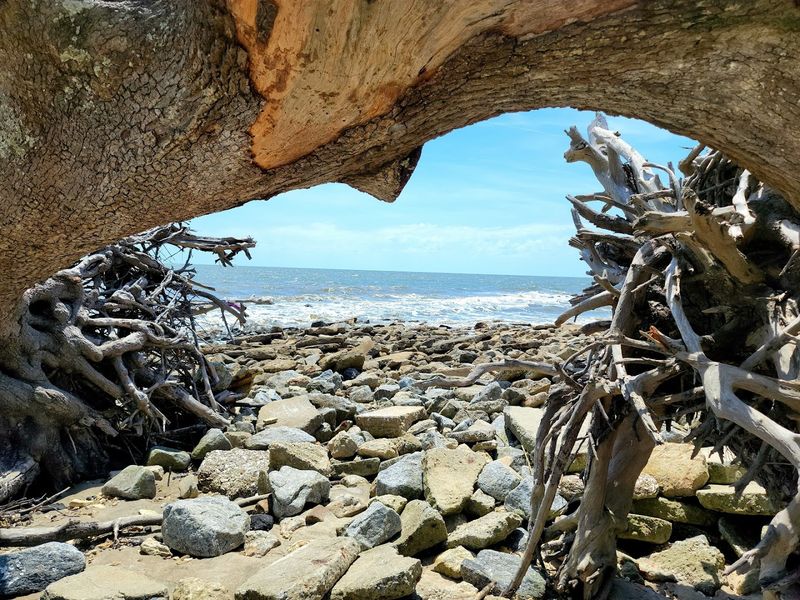
At low tide, the shoreline looks like nature has been sketching in twisted lines for centuries.
Jekyll Island’s Driftwood Beach on Jekyll Island in Glynn County is lined with weathered tree trunks and roots that create one of the most recognizable coastal scenes in Georgia.
The first time I visited, I spent more time looking at shapes in the wood than at the water.
The beach is especially photogenic at sunrise, when the pale sand and silvered timber catch soft light and the crowds stay relatively thin.
This is not the best spot for a classic swim day, but it is perfect for wandering, taking photos, and watching shorebirds work the edges of the tide.
Bring bug spray in warmer months, because the gnats can be determined little critics.
Erosion created the scene, which gives the beach a beauty tied to constant change rather than permanence.
Nearby, the island’s historic district and bike paths make it easy to turn a short stop into a full day.
Even on a busy weekend, this stretch of coast manages to feel reflective rather than rushed.
6. Blue Ridge Scenic Railway, Blue Ridge, Fannin County
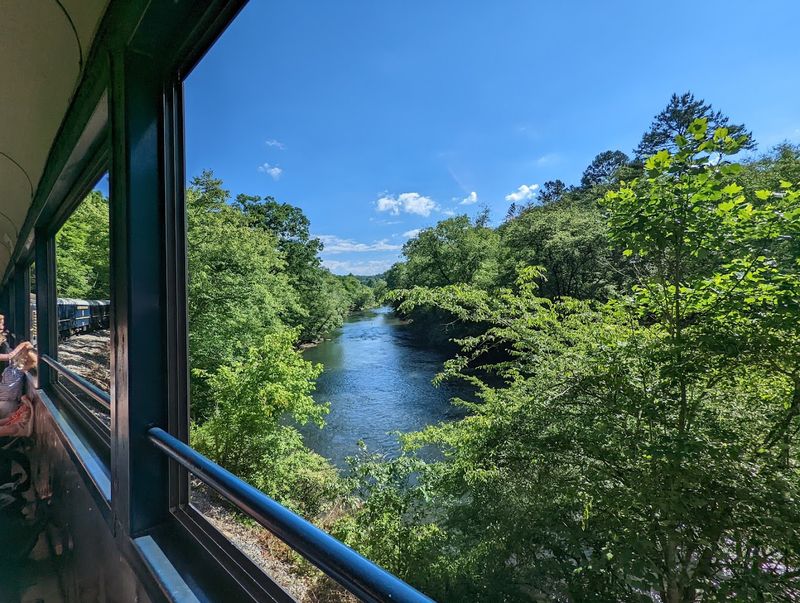
Some trips are less about speed and more about finally noticing what you usually pass by.
The Blue Ridge Scenic Railway in Blue Ridge, Fannin County, follows the old line along the Toccoa River and turns a simple ride into an easygoing look at North Georgia mountain scenery.
I was surprised by how quickly the rhythm of the train made everyone relax.
Most round trips run to the twin towns of McCaysville, Georgia, and Copperhill, Tennessee, where you can stand with one foot in each state if you want a playful photo.
The vintage cars add character, and choosing open-air seating can make the river views and forest smells feel even more immediate.
Fall is the headline season for leaf color, but spring and summer rides have their own calm appeal.
The downtown depot area is worth extra time, with shops, bakeries, and a walkable main street that feels pleasantly old-fashioned without trying too hard.
If you are traveling with kids or grandparents, this is an unusually easy shared win.
The whole experience rolls along with just enough nostalgia and just enough fresh air.
7. Okefenokee Swamp, Folkston, Charlton County
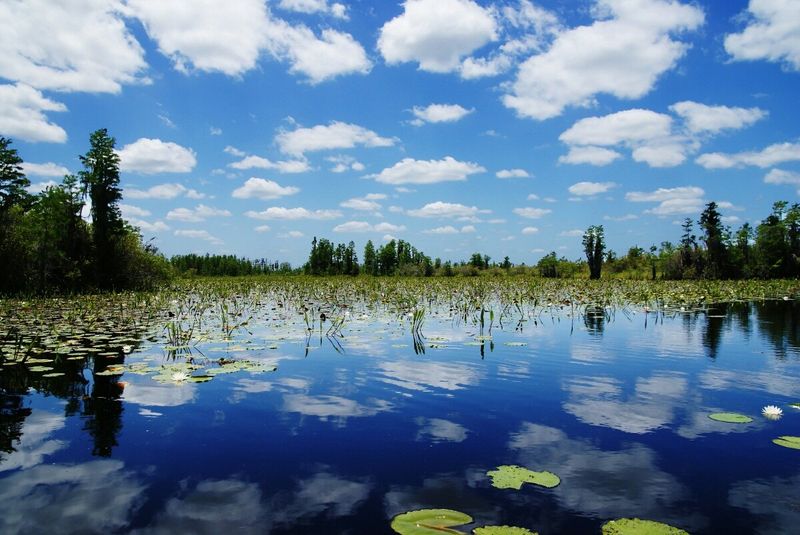
The water here moves slowly, but the place holds your attention right away.
Okefenokee Swamp near Folkston in Charlton County is one of the largest intact freshwater ecosystems in North America, and it feels wonderfully untidy, alive, and older than any schedule you brought with you.
I quickly learned that silence in a swamp is never really silence at all.
From the refuge entrances and boardwalks, you can watch alligators drift, hear frogs tune up, and spot birds flashing through the cypress and lily pads.
Boat tours are the best way to understand the scale, though even a short paddle can be memorable if you are comfortable on the water.
Bring binoculars, sunscreen, and patience, because this landscape rewards people who slow down instead of rushing for sightings.
The peat-filled wetland also plays a huge ecological role, storing water and supporting species that depend on its shifting habitats.
I liked how the interpretive exhibits explain the science without draining the mystery from the experience. By the end of the day, my shoes were dry, but my sense of time had definitely gotten swampy.
8. Rock City Gardens, Lookout Mountain, Dade County
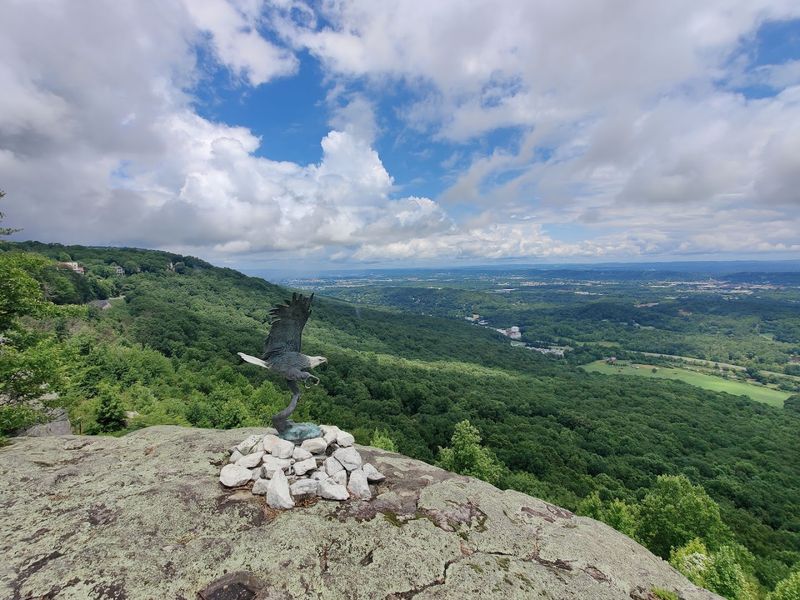
Twisting paths and giant stone passages make this stop feel playful before the views even arrive.
Rock City Gardens on Lookout Mountain in Dade County blends natural rock formations, curated gardens, and broad overlooks in a way that keeps changing the mood around each bend.
I expected a quick scenic stop and ended up lingering far longer than planned.
The famous route threads through narrow gaps, under overhangs, and past gnome-filled corners that somehow feel charming instead of kitschy.
Lovers Leap is the best-known overlook, and on a clear day people love to say you can see seven states from there, though visibility naturally depends on weather and haze.
Comfortable shoes help, because the trail includes stairs, uneven stone, and tempting side glances at every turn.
Seasonal events, especially the holiday lights, give the gardens a very different personality after dark.
I also liked the balance between natural drama and old roadside attraction energy, which makes the place feel distinct rather than polished into blandness.
It is a reminder that travel can be a little odd and still be thoroughly memorable.
9. Wormsloe State Historic Site, Savannah, Chatham County
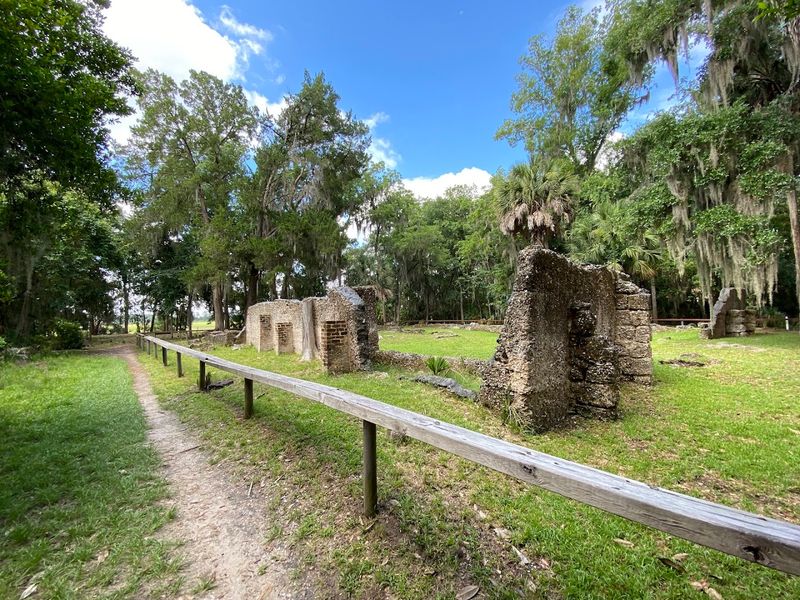
Few entrances announce themselves with quite this much confidence.
Wormsloe State Historic Site in Savannah, Chatham County, is best known for its long avenue of live oaks draped in Spanish moss, and yes, it is every bit as striking in person as the photos suggest.
I have seen people go quiet there without being asked to.
Beyond the famous drive, the site preserves the remains of Georgia’s oldest standing tabby ruins, linked to the colonial estate of Noble Jones.
The small museum adds useful context, and the walking trails through the grounds help the place feel more layered than a quick photo stop.
If you visit in the morning, the light through the trees can turn the road into a green tunnel with a soft glow.
There are also periodic living history programs that bring colonial-era skills and daily routines into view without making the experience feel gimmicky.
I appreciated how the setting balances elegance with actual historical substance, which is not always guaranteed at popular sites.
Even after the camera is put away, the oak-lined approach tends to stay in your head.
10. Cloudland Canyon State Park, Rising Fawn, Dade County
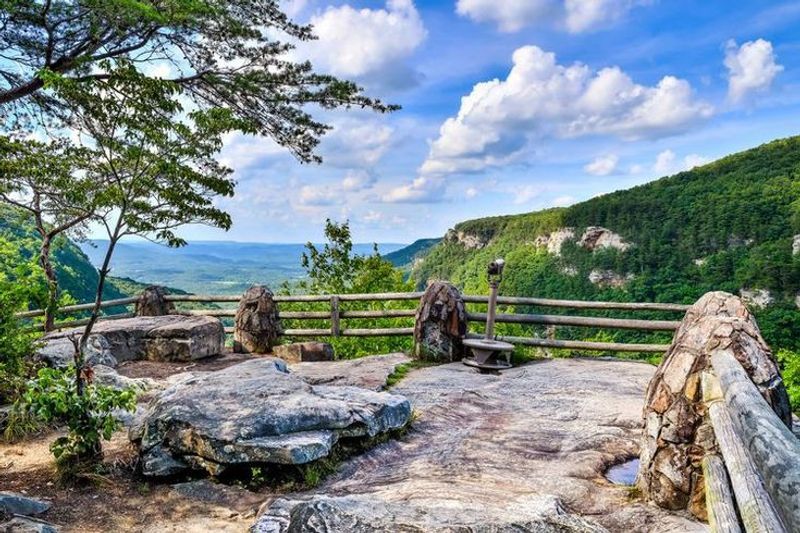
The edge arrives fast here, and suddenly the landscape opens like a dropped curtain.
Cloudland Canyon State Park in Rising Fawn, Dade County, sits on the western edge of Lookout Mountain and offers one of the most impressive canyon views in the state without much fuss.
The overlooks alone are worth the drive, especially when the air is clear and the layers stretch out.
If you want more than a viewpoint, the stair-heavy trails lead down to waterfalls, including Cherokee Falls and Hemlock Falls, where the sound of water replaces the wider vista with something more enclosed and intimate.
I will be honest: the climb back up is the part your lungs remember.
Bring water, take your time, and do not underestimate the number of steps just because the map looks manageable.
The park also has camping, cottages, yurts, and plenty of space for travelers who want a full weekend instead of a brief stop.
In fall, the foliage adds extra texture, but the park stays rewarding through every season.
This is the kind of place that leaves you pleasantly tired and mentally reset.