You do not have to purchase a ticket to a crowded, concrete amusement park or travel thousands of miles across the ocean to come face-to-face with the world’s most magnificent creatures.
Hidden away just past the busy interstate corridors of the Peach State, expansive sanctuaries allow you to step outside the standard weekend routine and enter sprawling, open-air habitats that feel completely detached from the modern world.
From the rolling foothills of North Georgia to the sun-faded marshes of the Atlantic coast, these parks pair dedicated global conservation with heart-pounding, close-range encounters.
They stand as a vivid reminder that an awe-inspiring, authentically raw wildlife expedition is waiting just an easy afternoon’s drive away.
1. Georgia Safari Conservation Park – Madison, Morgan County
Something changes when wildlife viewing comes with a little stillness and a front-row horizon.
Georgia Safari Conservation Park in Madison, Morgan County, pairs safari-style lodging with broad animal habitats, so the experience leans less theme park and more slow observation.
I find that this setup makes every sighting feel earned, especially when a giraffe strolls into view while you are simply sitting with coffee.
The overnight stay is part of the draw, but the conservation angle gives the place more depth.
At Georgia Safari Conservation Park, guided encounters and curated spaces help you learn why species management, breeding programs, and habitat design actually matter beyond the photo moment.
If you book, check what activities are included, because timing can shape how much animal movement you see.
Madison itself adds charm with its historic feel, which makes the contrast even more memorable.
I would treat this one as a small getaway rather than a quick stop, since the mood rewards unhurried pacing.
It is the kind of place where the quiet ends up being part of the attraction.
2. Atlanta Safari Park – Commerce, Jackson County
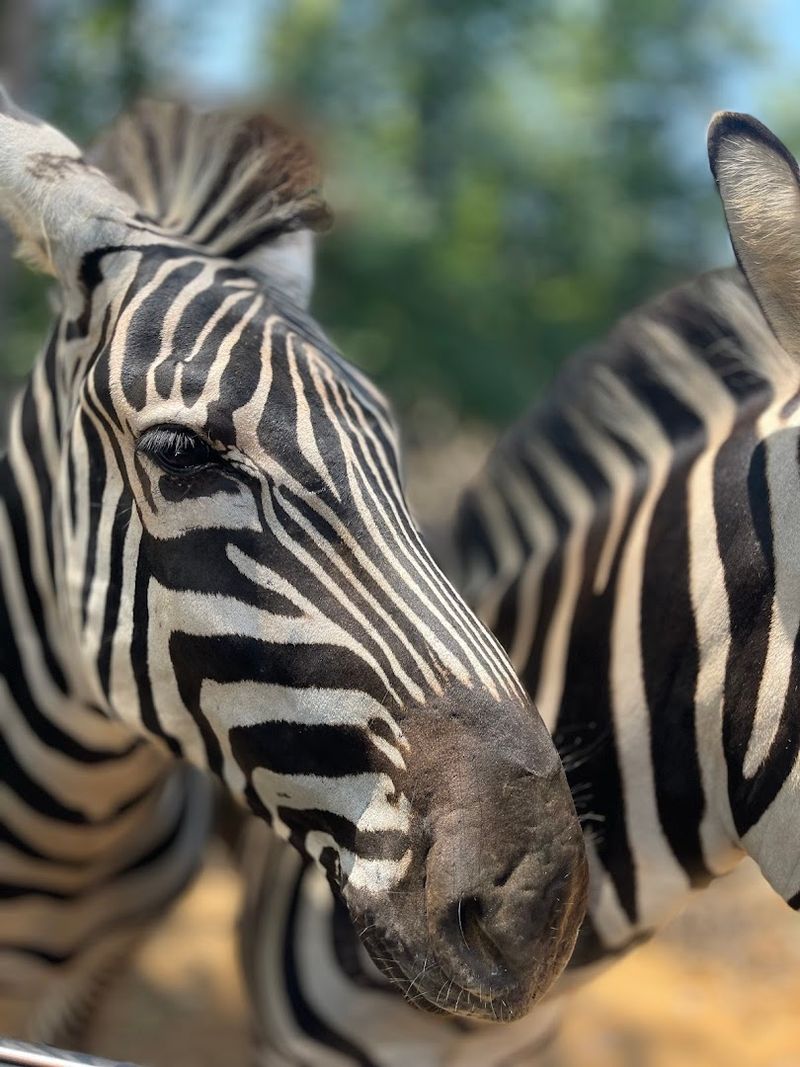
The first surprise here is how quickly the interstate world falls away.
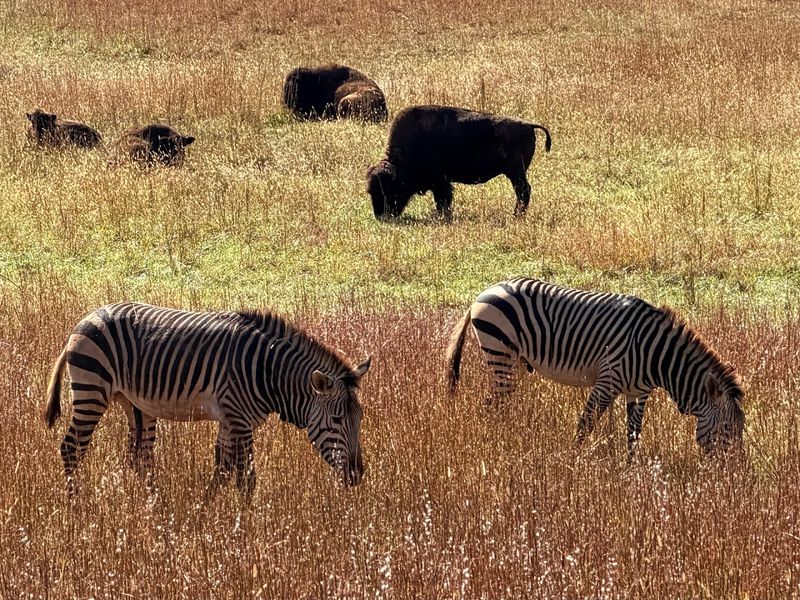
Atlanta Safari Park in Commerce, Jackson County, delivers a drive-through experience where bison, zebras, and other roaming animals turn an ordinary car ride into something much more watchful.
I like that it feels accessible from metro Atlanta without feeling urban once you are inside the gates.
Movement becomes the real entertainment, because no two passes look exactly the same.
At Atlanta Safari Park, animals may cluster near one bend and vanish from another, so it helps to keep conversations low and eyes moving instead of assuming the biggest species will be obvious.
Bringing a passenger who can handle photos while someone else drives makes the visit smoother and safer.
Commerce is already known for outlet detours, but this stop gives the area a completely different identity.
I appreciate that the park scratches the safari itch without requiring a full weekend plan, which makes it easy to fit into a north Georgia route.
Even a short visit leaves you with that nice sense of having gone somewhere farther away.
3. Chehaw Park & Zoo – Albany, Dougherty County
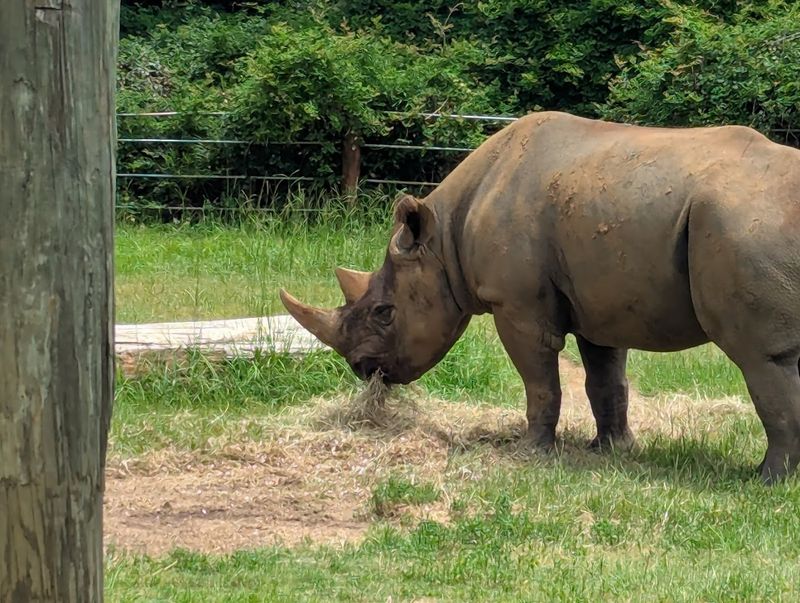
Shade can be a strategic luxury when you are exploring animals in South Georgia.
Chehaw Park & Zoo in Albany, Dougherty County, blends zoo exhibits with a much larger park setting, so the experience feels greener and more spread out than many first-time visitors expect.
I like that you can build a full day here without feeling pinned to one pace.
The animal collection gives the visit substance, with species that reward slow observation rather than a quick glance.
At Chehaw Park & Zoo, black rhinos, cheetahs, and other residents anchor the route, while the surrounding parkland adds room for biking, walking, and letting children reset between exhibits.
Comfortable shoes matter here, because the grounds invite more wandering than you may initially plan.
There is also a local history layer, since the broader park has longstanding ties to outdoor recreation in Albany.
I find that combination appealing because it keeps the day from becoming exhibit after exhibit with no breathing room.
When a place lets you shift from wildlife viewing to tall pines and back again, the memories tend to stick differently.
4. Noah’s Ark Animal Sanctuary – Locust Grove, Henry County
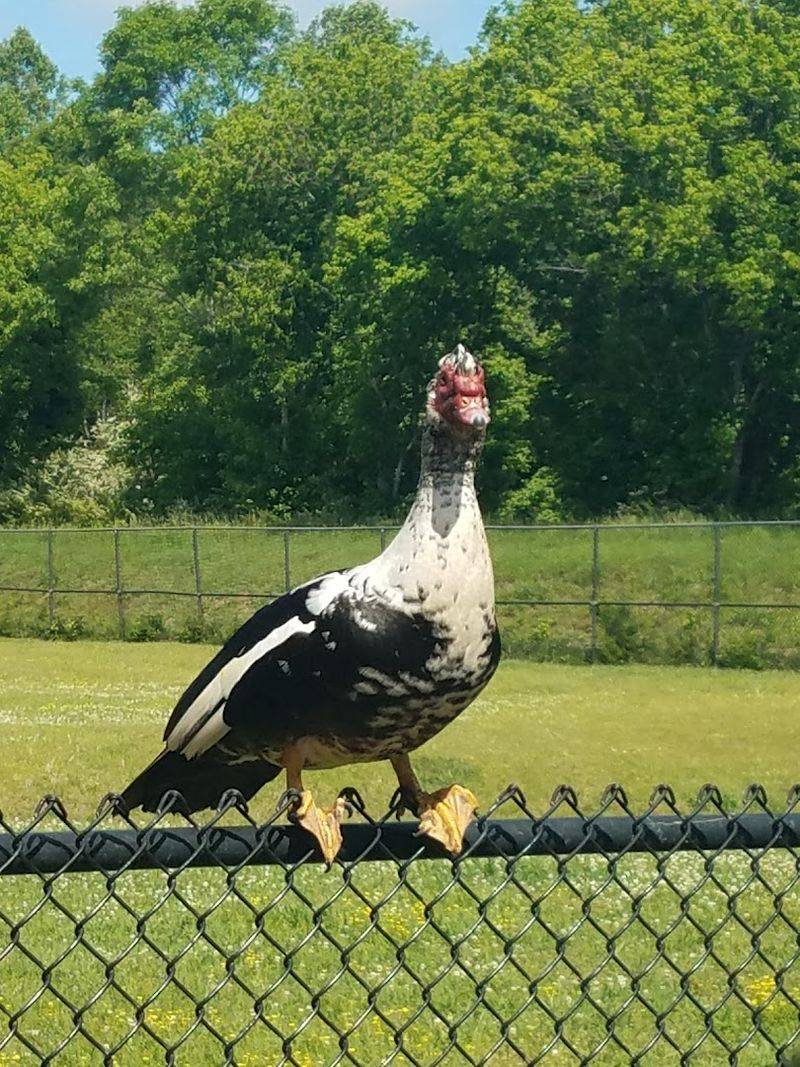
Rescue stories have a way of changing how you look through the fence.
Noah’s Ark Animal Sanctuary in Locust Grove, Henry County, is not built around spectacle, and that is exactly why it stays with you.
I think visitors connect quickly here because many animals arrived from difficult circumstances, so every enclosure carries context as well as curiosity.
The sanctuary is especially known for rescued exotic animals, including big cats and bears, but the mood remains grounded.
At Noah’s Ark Animal Sanctuary, educational signs and staff insights help explain rehabilitation, long-term care, and why some animals cannot simply be released back into the wild.
Going in with realistic expectations helps, since this is more about compassion and learning than choreographed encounters.
Locust Grove makes it an easy detour for travelers along I-75, yet the emotional tone feels far removed from the highway.
I appreciate places that ask you to pay attention rather than just collect photos, and this one does that naturally.
You leave with a better sense of the responsibility that follows human fascination with wild animals.
5. Yellow River Wildlife Sanctuary – Lilburn, Gwinnett County
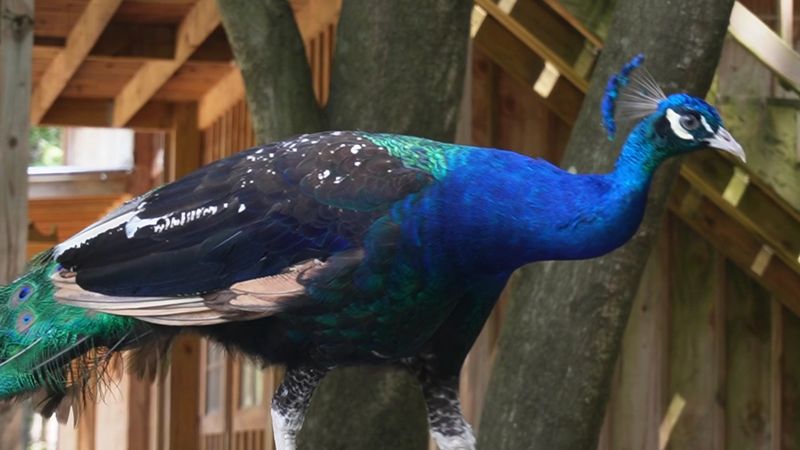
Wooded paths can make animal sightings feel more personal than polished exhibit lines ever do.
Yellow River Wildlife Sanctuary in Lilburn, Gwinnett County, leans into that strength with a setting that feels tucked away even though it sits within metro Atlanta reach.
I like bringing a slower pace here, because the sanctuary reveals more when you are not racing from one enclosure to the next.
Native species are a major draw, which gives the visit a distinctly regional character.
At Yellow River Wildlife Sanctuary, you may see deer, bison, reptiles, and birds of prey while learning about Georgia ecosystems in a way that feels direct rather than textbook-heavy.
Closed-toe shoes are a smart move, especially after rain, since the natural terrain can get a little uneven.
Lilburn is not always the first place people associate with wildlife experiences, and that is part of the appeal.
I enjoy how this sanctuary trades flash for atmosphere, making each encounter feel grounded in place.
It is the sort of stop where the rustle in the trees can be just as memorable as the animals you came to see.
6. North Georgia Zoo & Farm – Cleveland, White County
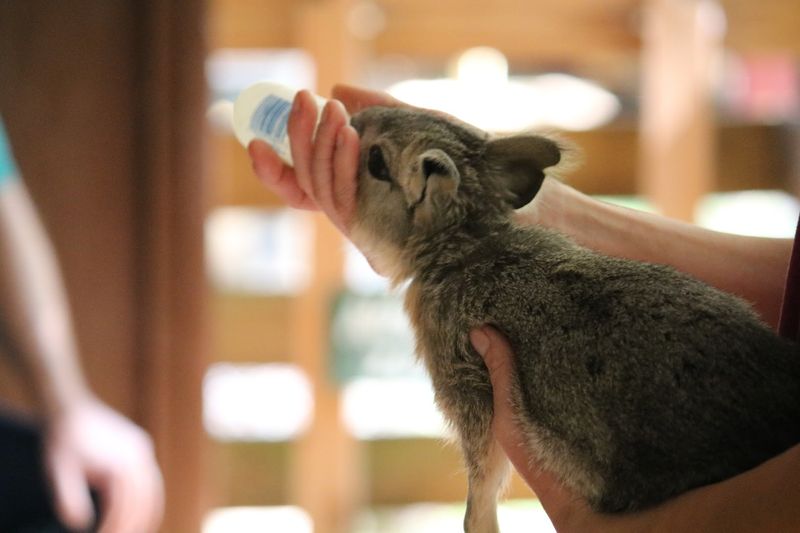
Not every wild feeling comes from distance; sometimes it comes from being unexpectedly close.
North Georgia Zoo & Farm in Cleveland, White County, mixes exotic animals, farm favorites, and encounter programs in a way that keeps the day lively rather than linear.
I have always thought this place works well for visitors who want variety without bouncing between multiple attractions.
The mountain setting gives the experience a softer edge, especially on cooler mornings.
At North Georgia Zoo & Farm, camel rides, feedings, and hands-on options can shape the day, but checking schedules ahead matters because timed encounters often become the highlight.
If you want a calmer visit, weekdays usually feel easier for lingering and chatting with staff.
Cleveland sits close to several North Georgia scenic routes, so this stop pairs nicely with apple houses, overlooks, or a cabin weekend.
I enjoy that the animal list shifts your attention constantly, from hoofed species to smaller, more curious faces.
It feels part zoo, part farm, and part pleasant reminder that kids are not the only ones who get excited at feeding time.
7. Wild Animal Safari – Pine Mountain, Harris County
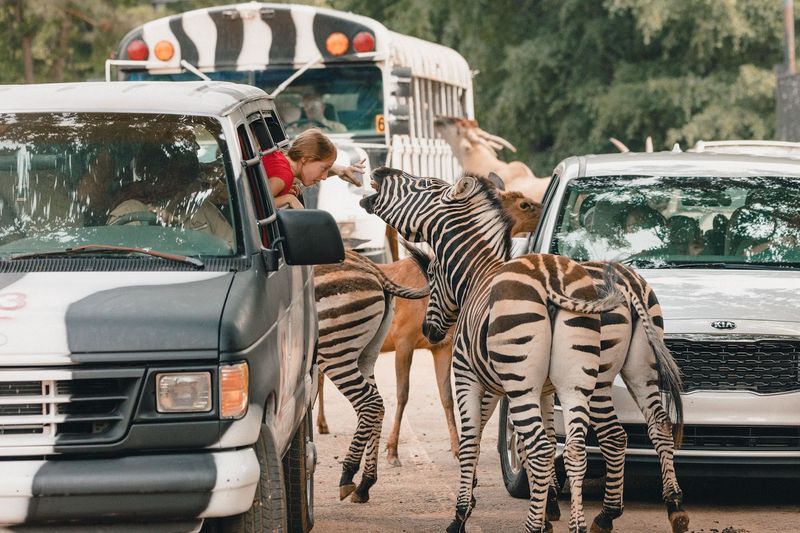
The road starts working its magic before the first hoof comes into view.
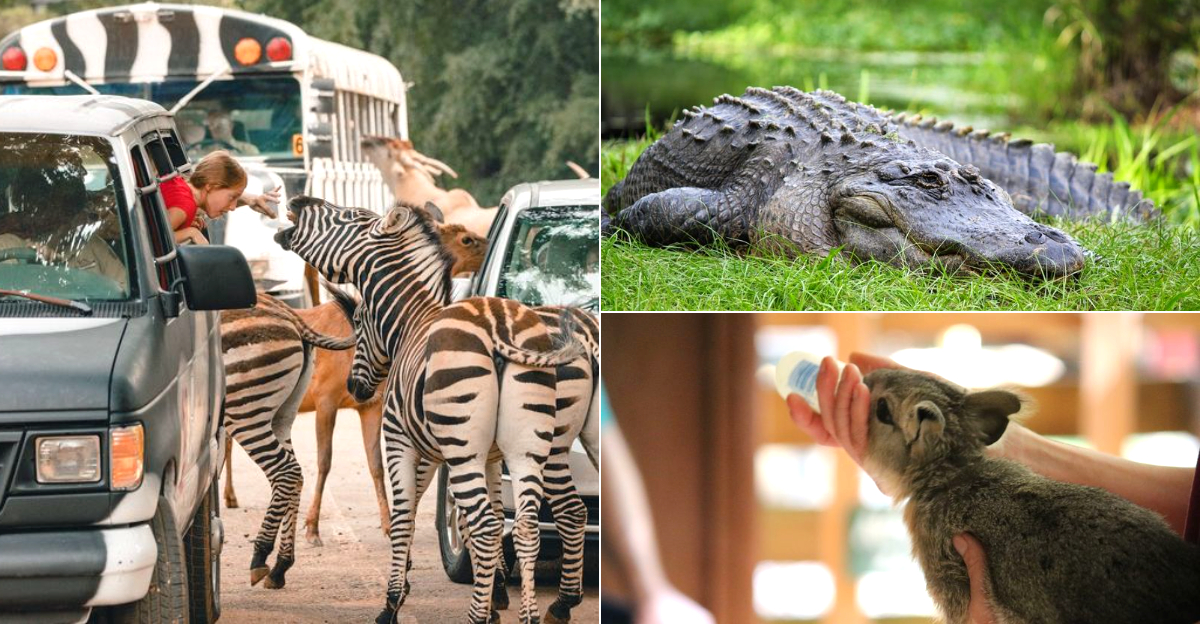
At Wild Animal Safari in Pine Mountain, Harris County, you drive through open habitats where zebras, antelope, and larger herd animals create a scene that feels more layered than a standard zoo loop.
I like arriving earlier in the day, because animals often seem more active before the Georgia heat settles in.
A little patience pays off here, especially when traffic slows and everyone starts scanning the same patch of grass.
The walk-through section at Wild Animal Safari adds camels, birds, and smaller encounters, so it is worth budgeting extra time beyond the drive itself.
If you are traveling with kids, keep wipes handy and windows only partly lowered, since eager noses can appear quickly near the car.
The setting near Callaway Gardens also makes this an easy add-on for a longer Pine Mountain day.
I appreciate that the experience feels casual rather than rushed, and the animal variety keeps the route from feeling repetitive.
By the end, your camera roll usually looks much busier than expected.
8. Oatland Island Wildlife Center – Savannah, Chatham County
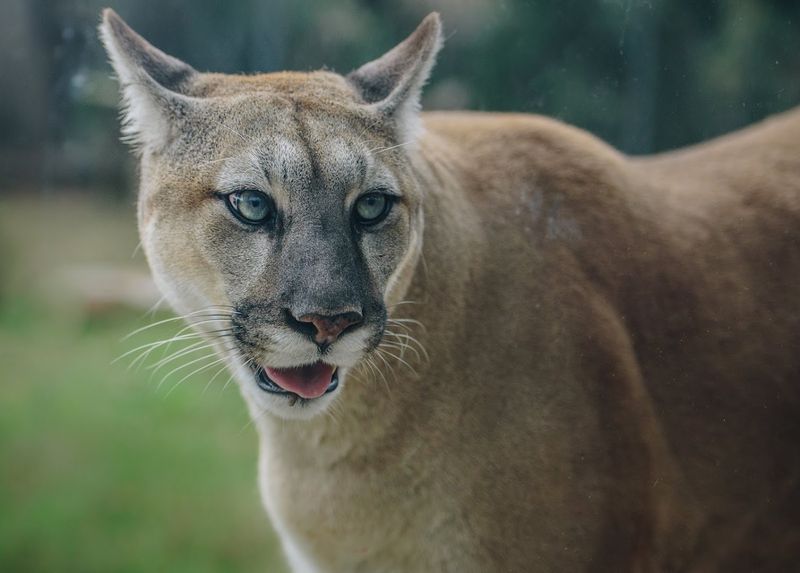
The air feels different when marsh country and forest edges share the same trail.
Oatland Island Wildlife Center in Savannah, Chatham County, is arranged along walking paths that make the whole visit feel like a gentle expedition instead of a simple circuit.
I find that the layout encourages better attention, because each turn shifts the mood and the species you are watching.
Many animals here are native to the region, which gives the center a strong sense of place.
At Oatland Island Wildlife Center, wolves, birds of prey, and reptiles are part of a broader story about coastal habitats, education, and conservation, all delivered in a setting that feels pleasantly unhurried. Water and bug spray can make a big difference, especially in warmer months when the Lowcountry climate starts making itself known.
Savannah visitors often fill their schedules with squares, food, and ghost tours, so this stop adds a refreshing counterpoint.
I like it best when paired with a slower morning, because the trails reward patience and listening.
The result feels less like checking off exhibits and more like stepping into the region’s living field guide.
9. Bear Hollow Zoo – Athens, Clarke County
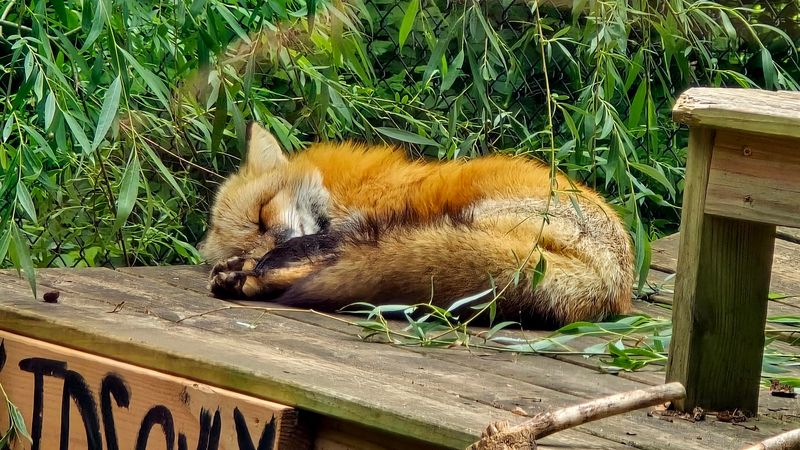
Small places sometimes catch you off guard by being more memorable than expected.
Bear Hollow Zoo in Athens, Clarke County, focuses on rescued and non-releasable native wildlife, which gives the visit a clear purpose from the moment you walk in.
I appreciate how approachable it feels, especially for families who want meaningful animal viewing without committing to a huge day.
The paths are manageable, but the stories behind the animals give the stop real weight.
At Bear Hollow Zoo, black bears, owls, reptiles, and other Georgia natives help explain rehabilitation and why some creatures end up needing permanent human care.
It is easy to pair this with a picnic or nearby park time, so bringing snacks can turn a short outing into a relaxed afternoon.
Athens is famous for music, college energy, and food, which makes this quieter attraction stand out even more.
I like that it offers a local, low-key way to reconnect with the wildlife of the state itself rather than chasing only exotic species.
Sometimes a modest visit leaves the clearest impression because nothing is trying too hard.
10. Georgia Sea Turtle Center – Jekyll Island, Glynn County
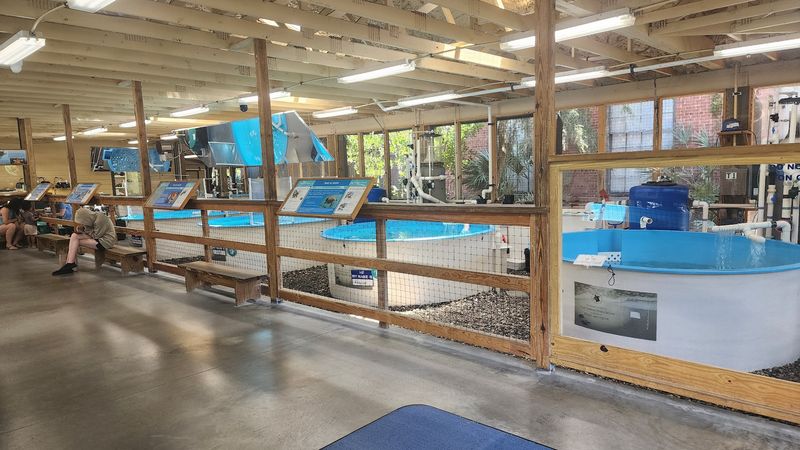
The coast has its own kind of wildlife suspense, and not all of it happens in open water.
Georgia Sea Turtle Center on Jekyll Island, Glynn County, brings you into the world of rehabilitation, veterinary care, and marine conservation with a focus that feels personal rather than distant.
I think it is one of the best places in Georgia for understanding how human choices shape animal survival.
Inside, the exhibits explain threats like boat strikes, fishing gear, and habitat pressure without losing the sense of hope.
At the Georgia Sea Turtle Center, the patient stories and treatment areas make each turtle feel like more than a species label, and that emotional connection is what gives the visit its power.
If you can, combine it with a beach walk, because seeing the shoreline afterward makes the conservation message land harder.
Jekyll Island already encourages slower travel, so this stop fits naturally into the rhythm of the place.
I usually leave feeling informed instead of lectured, which is a fine balance for any educational attraction.
It quietly turns a beach day into something much richer.
11. Tanglewood Nature Center / Regional Exotic Outposts – North Georgia, White County
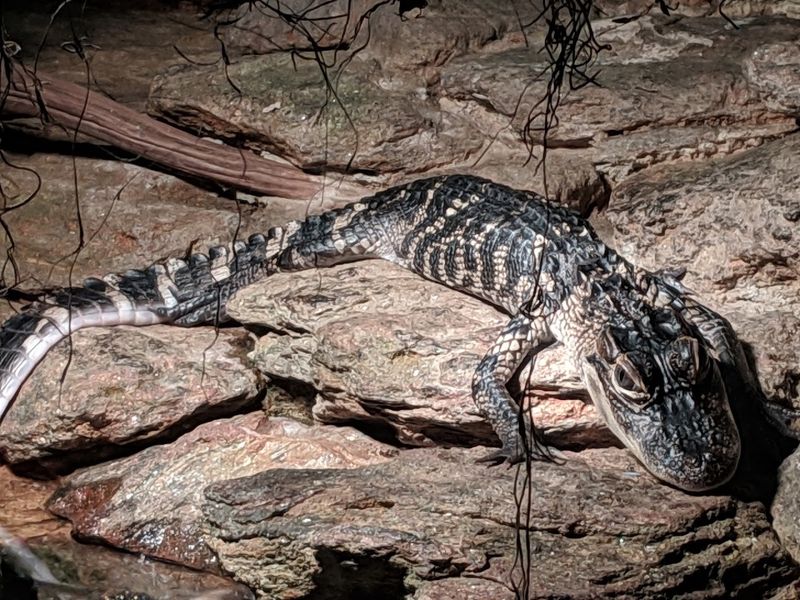
The charm here comes from the feeling that you have found something slightly off the main map. Tanglewood Nature Center / Regional Exotic Outposts in North Georgia, noted here in White County, tends to deliver a more intimate animal experience where the setting and the storytelling matter as much as the species list.
I enjoy places like this because they often feel shaped by personality instead of a standard attraction template.
Expect the pace to be more personal than polished, which can be a real advantage.
At Tanglewood Nature Center / Regional Exotic Outposts, smaller-scale encounters with unusual animals often create better conversations, especially if you ask questions and let the guides share the details behind the scenes.
It is smart to confirm hours and booking information ahead of time, since regional wildlife operations sometimes run on limited or seasonal schedules.
The North Georgia backdrop does a lot of quiet work, giving the visit a relaxed mountain-country tone.
I like these outposts best when I treat them as discovery stops rather than checklist attractions.
That mindset leaves room for the unexpected, which is usually where the most interesting moments begin.
12. Okefenokee Swamp Park – Waycross, Ware County
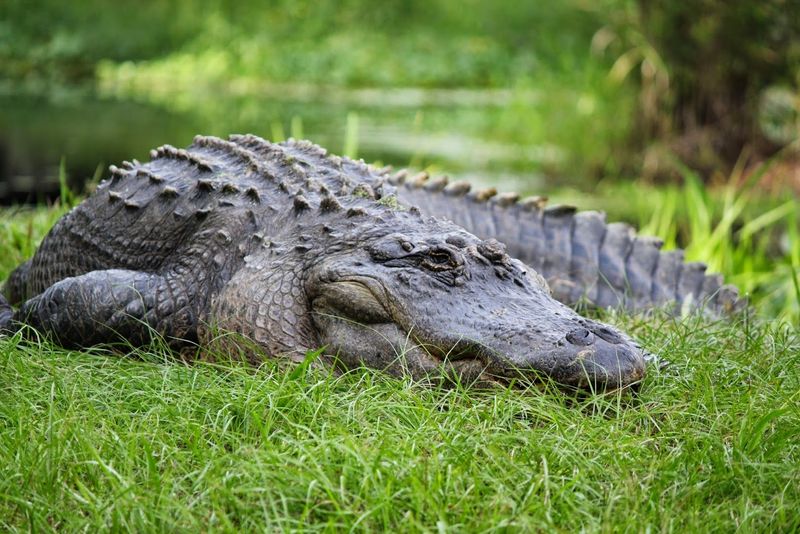
Water can make wildlife watching feel suspenseful in the best possible way.
Okefenokee Swamp Park in Waycross, Ware County, offers boardwalks, boat experiences, and swamp habitat so immersive that every ripple seems worth tracking.
I have always found this one especially compelling because the landscape itself feels like a living character, not just a backdrop for animal sightings.
Alligators are the headline for many visitors, but birds, amphibians, and the eerie beauty of the wetlands deserve equal attention.
At Okefenokee Swamp Park, guides often add the right mix of ecology, local lore, and practical context, which helps you understand how this vast swamp system functions beyond the dramatic visuals.
Binoculars are useful here, since some of the best moments happen a little farther off than your phone camera would like.
Waycross gives you access to one of Georgia’s most distinctive ecosystems, and it feels unlike anything else on this list.
I appreciate that the experience asks you to notice sound, movement, and silence at the same time.
By the end, even the still water seems to have been telling you something.