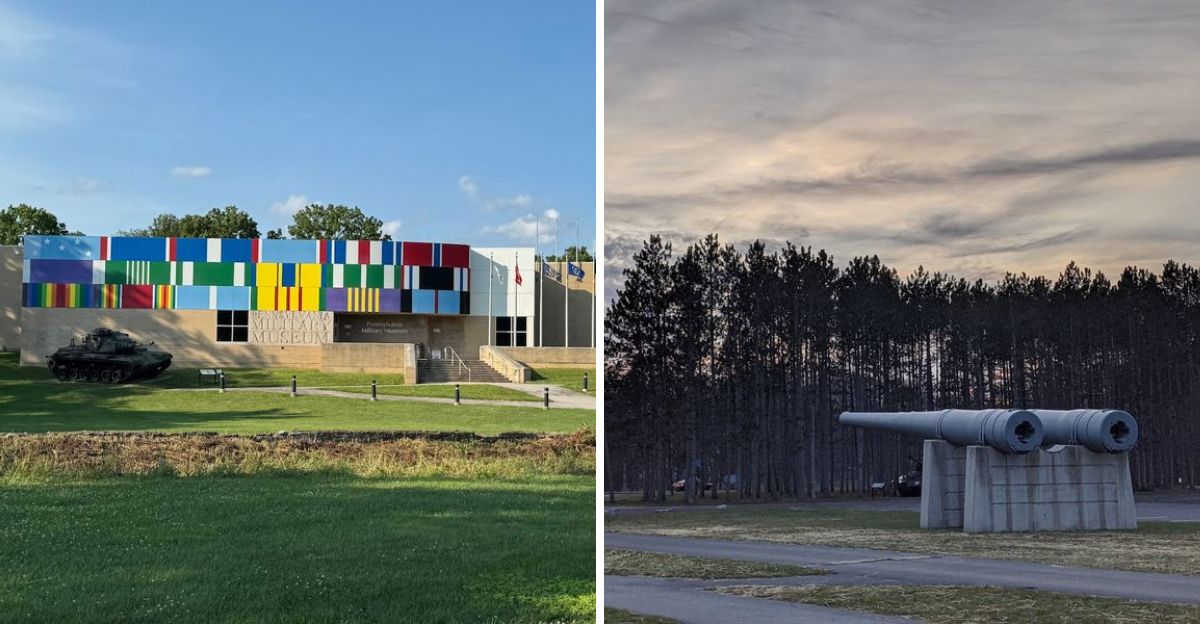
Walking into the Pennsylvania Military Museum in Boalsburg feels different from most historical attractions.
Something about the combination of memorial grounds, aging battlefield relics, and the quiet reverence expected at war shrines creates an atmosphere visitors often describe as unexpectedly haunting.
While the museum officially focuses on Pennsylvania’s military heritage and the 28th Infantry Division, many guests report an emotional heaviness that goes beyond typical museum experiences, sparking conversations about whether the space carries more than just historical weight.
Whether you believe in supernatural occurrences or simply appreciate how deeply emotional spaces can affect visitors, this unique destination blends military history with the kind of eerie atmosphere usually reserved for Pennsylvania’s famous ghost tours.
A Military Museum With an Unexpectedly Eerie Atmosphere
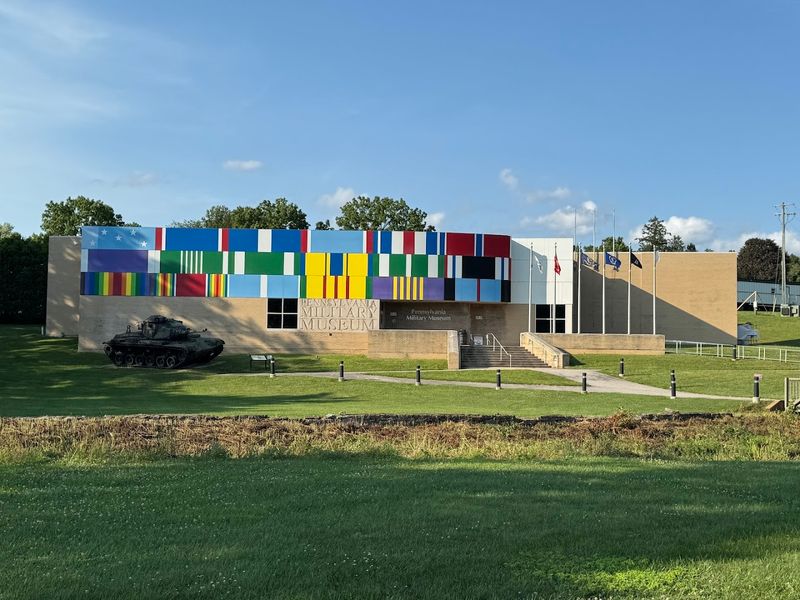
Most visitors arrive expecting standard military exhibits: uniforms behind glass, informational plaques, maybe a tank or two parked outside. What catches people off guard is how the entire experience feels weighted with something harder to name.
The museum sits among memorial grounds where stone monuments honor fallen soldiers. Old battlefield artifacts rest in display cases that have seen decades of use.
Everything moves slowly here, from the careful way staff members speak to the deliberate pace visitors naturally adopt while reading memorial inscriptions.
Even skeptics admit the combination creates an atmosphere that sticks with you. Silence feels heavier in spaces dedicated to remembering sacrifice.
Shadows seem longer near displays of personal effects recovered from battlefields. Nothing overtly spooky happens, yet something about walking among relics carried by soldiers who never came home makes the air feel different.
Before anyone mentions ghosts, the museum already delivers an emotionally intense experience simply through its solemn focus on Pennsylvania’s citizen-soldiers and their stories of service.
How Boalsburg Became Home to Pennsylvania’s Military Memory
Boalsburg wasn’t always synonymous with military heritage. Theodore Davis Boal changed that when he established Camp Boal on family land during the early 1900s.
Boal believed citizens needed military training, so he created a space where Pennsylvania men could prepare for service. His private initiative grew into something much larger when the 28th Infantry Division adopted the location for training and eventually established a permanent shrine.
After Boal’s death, his vision evolved beyond a training camp. The grounds transformed into a memorial site honoring Pennsylvania soldiers across multiple conflicts.
What started as one man’s patriotic project became an official state museum in 1969.
Today, visitors walk the same land where thousands once trained before heading to war. The transition from active military site to memorial space adds layers to the experience.
Buildings that once echoed with drilling soldiers now stand quiet, filled with artifacts instead of activity. That shift from living military base to historical preservation site creates its own haunting quality.
The War Relics That Give the Museum Its Weight
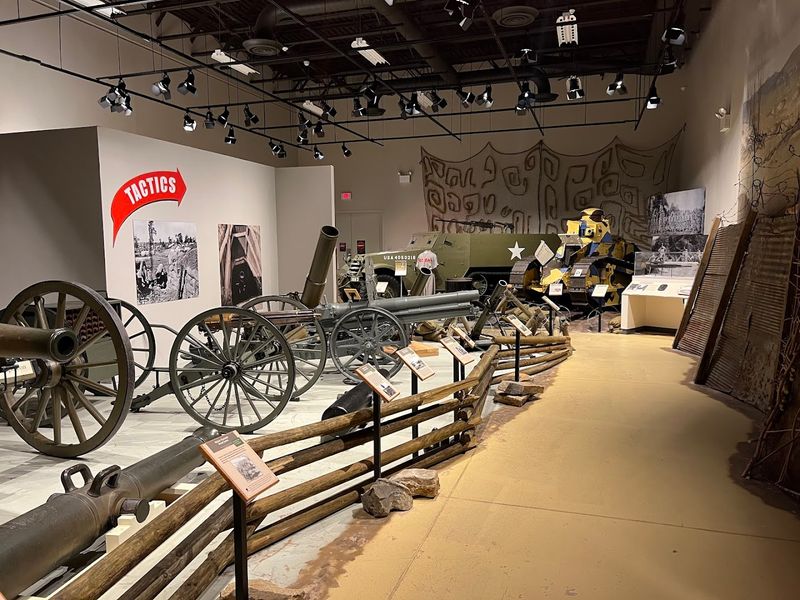
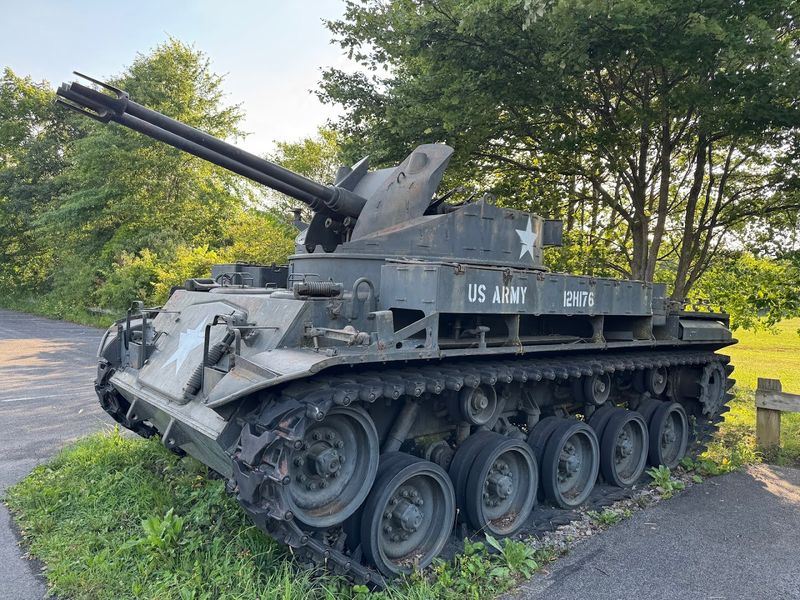
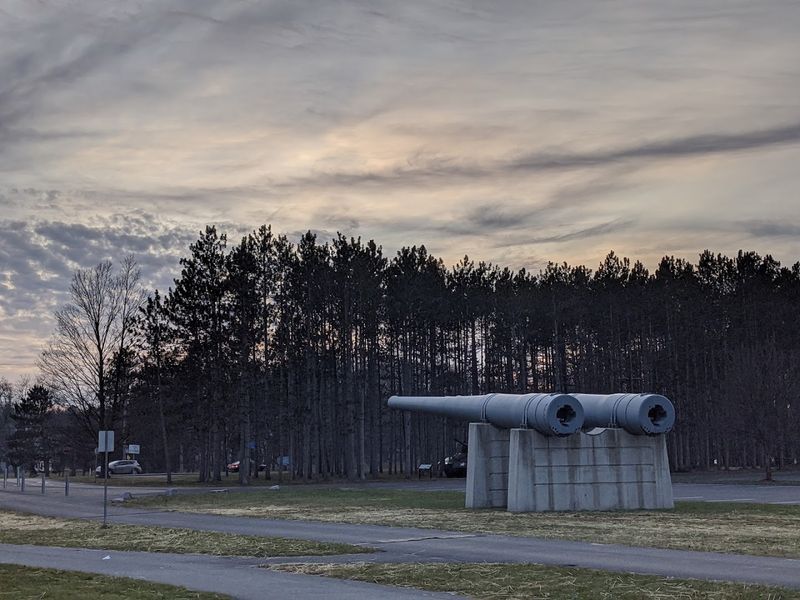
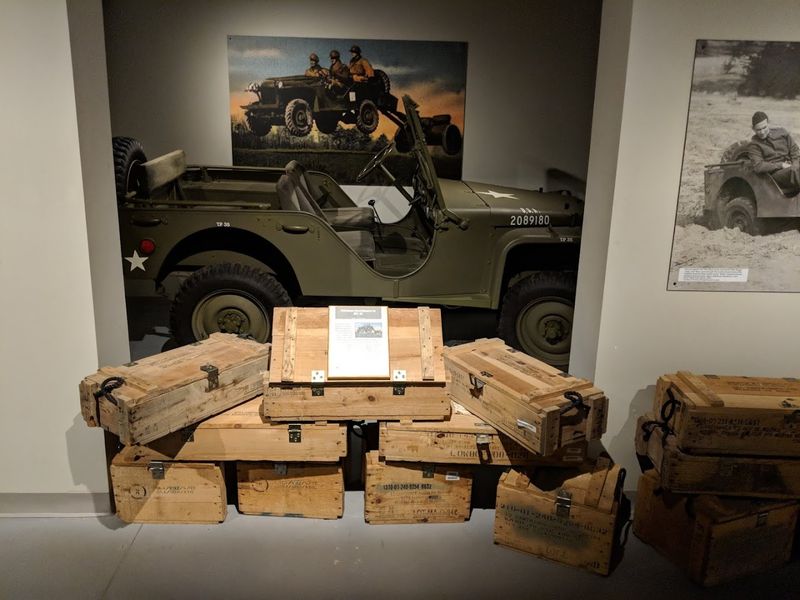
Collections make or break military museums, and this one doesn’t hold back. Authentic military vehicles dominate outdoor spaces while indoor galleries showcase weapons that saw actual combat.
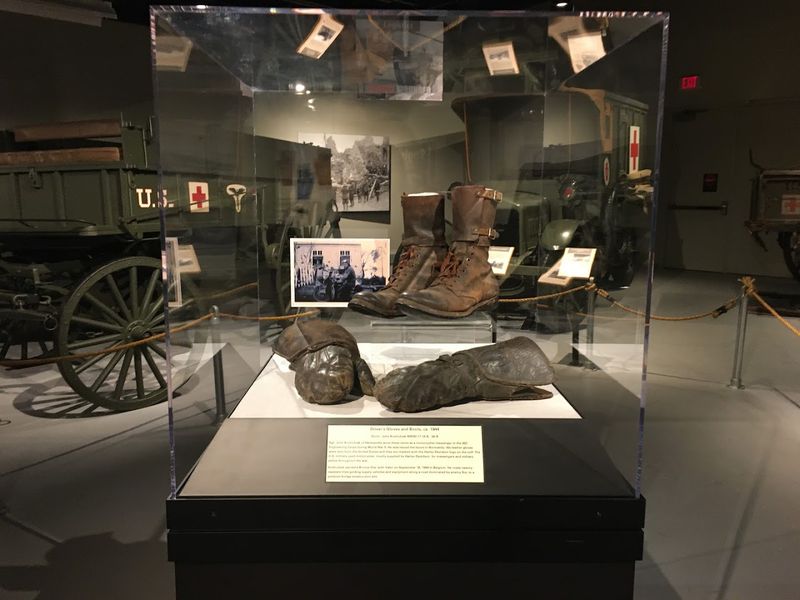
Uniforms worn by Pennsylvania soldiers hang in temperature-controlled cases, some bearing obvious damage from their wartime use. Personal items—letters, photographs, dog tags—connect visitors directly to individuals rather than abstract history.
Memorial displays dedicated to specific units and battles provide context that textbooks never capture.
What strikes visitors hardest are often the smallest objects. A soldier’s pocket watch stopped at an unknown moment.
A diary with entries that suddenly end. Boots worn thin from battlefield marches.
These items carry emotional weight precisely because they’re so ordinary.
Every artifact represents someone’s son, brother, father, or friend. When you stand close enough to read names written inside helmet liners or see bloodstains preserved on fabric, the distance between past and present collapses.
Historical events become personal tragedies you can almost reach out and touch.
Battlefield Objects With Stories Attached to Them
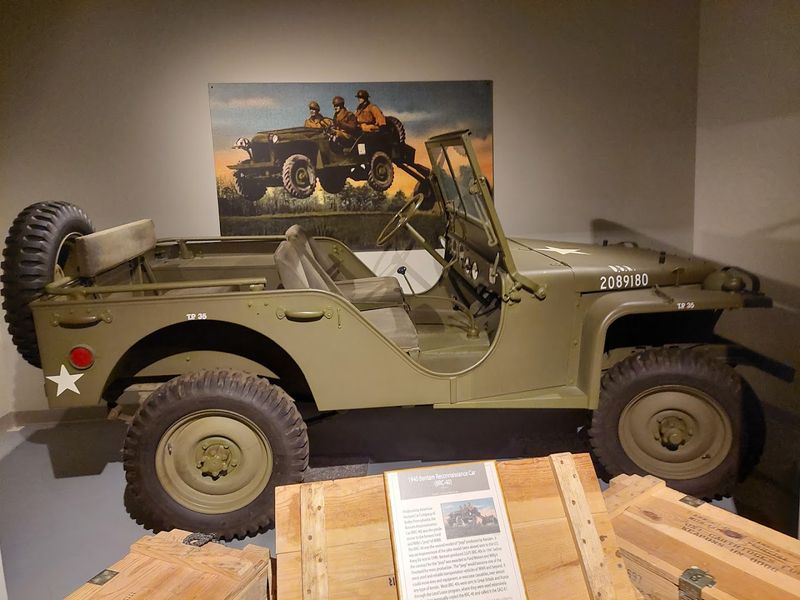
Military museums face a unique challenge: how do you display violence and death respectfully while honoring those who experienced it? The answer lies in letting objects speak for themselves.
Every piece here arrived with a story, though not all stories survived. Some artifacts came with detailed provenance explaining exactly who carried them and where.
Others arrived anonymously, identified only by type and approximate era, their original owners lost to time.
That mystery adds another dimension to visiting. Standing before a rifle or canteen, you naturally wonder about the soldier who last held it.
Did they survive the war? What did they think about while cleaning that weapon or drinking from that container?
The questions hang unanswered, creating space for imagination and reflection.
Paranormal enthusiasts argue that objects retain energy from traumatic events. Whether or not you buy into that theory, there’s no denying that battlefield relics carry psychological weight.
These aren’t reproductions or symbolic representations—they’re actual pieces of war brought home and preserved.
Why Military History and Ghost Stories Often Intersect
Ask any paranormal investigator where they focus their attention, and military sites inevitably make the list. Battlefields, forts, veterans’ hospitals—locations connected to war consistently generate supernatural folklore.
The connection makes cultural sense even if you don’t believe in ghosts. Places associated with mass death, profound suffering, and collective trauma become embedded in community memory differently than everyday locations.
Stories grow around them, passed down through generations, evolving with each retelling.
Unexplained sounds get attributed to restless spirits rather than settling buildings. Shadows become apparitions.
The emotional intensity visitors feel gets interpreted as supernatural presence rather than psychological response to tragic history.
Whether you approach these stories as literal truth or cultural metaphor doesn’t change their function. They keep memory alive.
They ensure we don’t forget what happened in these places. They make history feel immediate and relevant rather than distant and abstract.
The Pennsylvania Military Museum sits at this intersection naturally, honoring those who died while creating exactly the kind of reflective, memorial atmosphere where ghost stories thrive.
The Quiet Power of the 28th Infantry Division Shrine Grounds
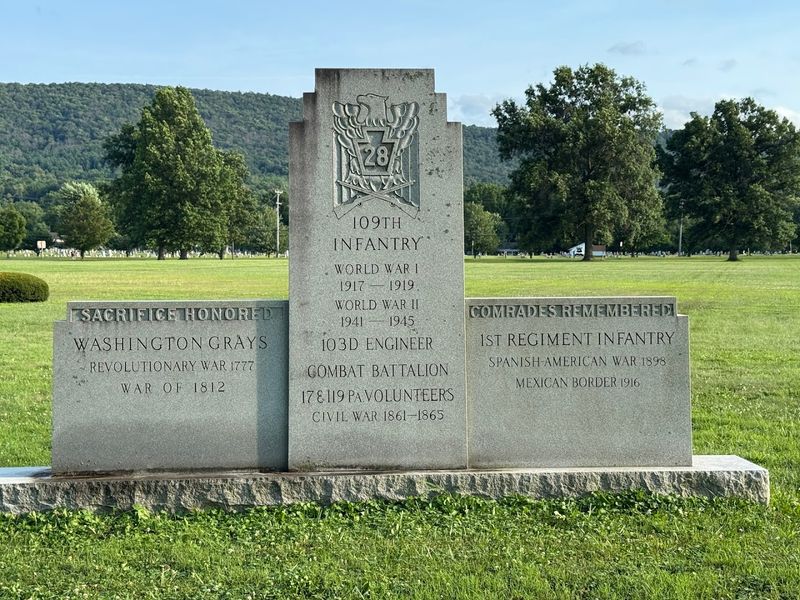
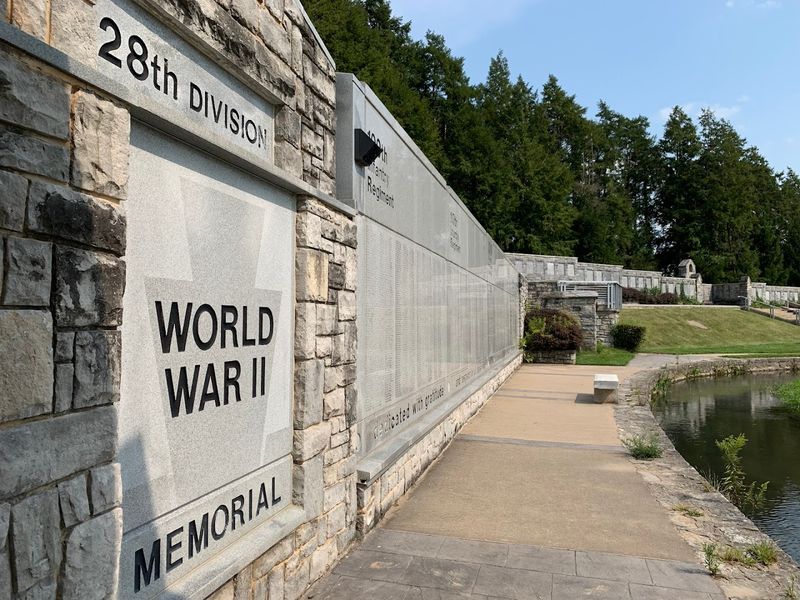
Step outside the main museum building and you’ll find the real heart of the site. The 28th Infantry Division Shrine spreads across outdoor grounds designed for reflection and remembrance.
Stone monuments list names of fallen soldiers, organized by conflict and unit. Memorial walls display plaques honoring specific battles and campaigns.
The landscaping intentionally creates quiet corners where visitors can pause without feeling rushed.
Cemeteries naturally feel solemn, but memorial grounds carry their own particular energy. Unlike graveyards where bodies rest beneath markers, these spaces commemorate deaths that occurred elsewhere.
They’re intentional gathering points for collective grief and honor.
Walking among these monuments, especially alone or during overcast weather, delivers an experience many describe as haunting without anything supernatural occurring. The weight comes from recognizing how many names appear on the walls, how young many soldiers were, how many conflicts Pennsylvania citizens have fought in.
Emotional haunting proves just as powerful as supernatural haunting. These grounds achieve their purpose: making visitors feel the cost of war through more than statistics.
Pennsylvania’s Long Love Affair With Ghost Lore
Pennsylvania didn’t accidentally become one of America’s most haunted states. Centuries of history, particularly around Revolutionary and Civil War sites, created perfect conditions for ghost story culture to flourish.
Gettysburg alone generates enough paranormal tourism to support an entire industry of ghost tours, haunted inns, and supernatural investigations. Eastern State Penitentiary in Philadelphia ranks among the country’s most famous haunted attractions.
Countless smaller towns maintain their own local legends about historic homes, battlefields, and forgotten cemeteries.
This cultural context matters for understanding the Pennsylvania Military Museum experience. Visitors often arrive already primed to expect something unusual because Pennsylvania’s reputation precedes itself.
The state has trained tourists to look for ghostly encounters at historic sites.
Whether that expectation creates experiences or simply allows people to notice what they might otherwise dismiss remains debatable. What’s certain is that museums and historic sites in Pennsylvania operate within a cultural landscape that embraces paranormal folklore as part of historical interpretation.
Ghost stories have become interwoven with how Pennsylvanians understand and share their past.
What Makes This Experience Feel Different From a Typical Museum Visit
Modern museums often prioritize interactivity and quick engagement. Touchscreens, audio guides, selfie opportunities—everything designed to keep visitors moving and entertained.
The Pennsylvania Military Museum takes the opposite approach.
Exhibits demand slow attention. Reading personal letters requires stopping and focusing.
Understanding the significance of particular battles means reading detailed contextual information. The memorial nature of displays discourages casual browsing or treating artifacts like background decoration.
This deliberate pacing creates immersion that flashier attractions can’t match. When you spend genuine time with each display, when you read soldiers’ names aloud, when you pause to absorb what you’re seeing, the experience lodges deeper in memory.
Visitors frequently report losing track of time, emerging from exhibits surprised by how long they’ve been inside. That sense of time distortion contributes to the strange atmosphere.
Outside distractions fade. The present moment stretches and blurs.
For people accustomed to fast-paced museum experiences, this slower, heavier approach feels distinctly unusual. You’re not entertained—you’re moved, challenged, sometimes overwhelmed by the human cost behind every artifact.
Visitor Information and Tips
Planning ahead prevents disappointment. The Pennsylvania Military Museum operates at 51 Boal Avenue in Boalsburg, but hours and admission fees vary seasonally.
Always check current schedules before traveling since the museum occasionally closes for special events or maintenance.
Budget at least one to two hours for indoor exhibits if you want to properly absorb the displays rather than rushing through. Serious military history enthusiasts should plan three hours minimum, especially if they read all the contextual information and examine artifacts closely.
The outdoor memorial grounds and shrine area deserve equal attention. Walking the monuments and reading inscriptions takes additional time but provides essential context for understanding the museum’s mission.
Comfortable walking shoes become necessary equipment since you’ll cover considerable ground.
Weather matters more than you’d expect. Memorial grounds lose nothing in rain or overcast conditions—some argue the somber weather enhances the reflective atmosphere.
However, Pennsylvania winters can make outdoor exploration uncomfortable. Spring and fall offer ideal conditions for combining indoor and outdoor experiences without weather becoming a distraction from the historical content.