

If you love opulent architecture, storied families, and rooms that whisper secrets, this list will have you planning a cross country itinerary.
The Gilded Age left behind spectacular mansions that you can actually step inside today. From Newport cliffs to Hudson Valley hills, these homes reveal the drama and ambition that shaped modern America.
Pick your favorites and start plotting your next grand tour.
The Breakers, Newport, Rhode Island
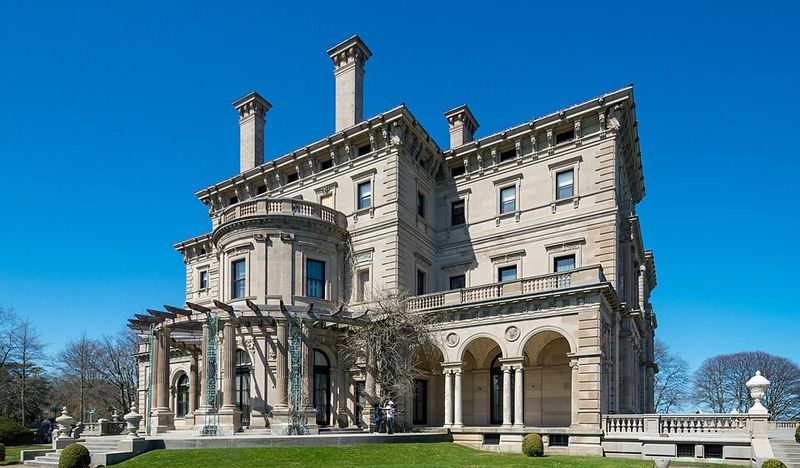
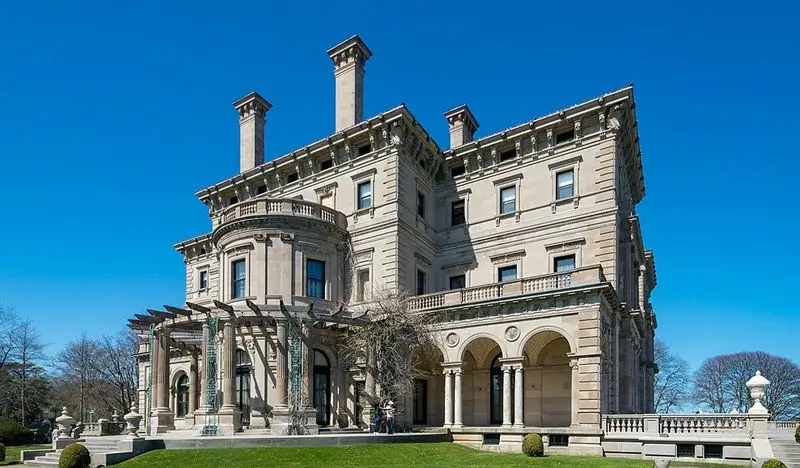
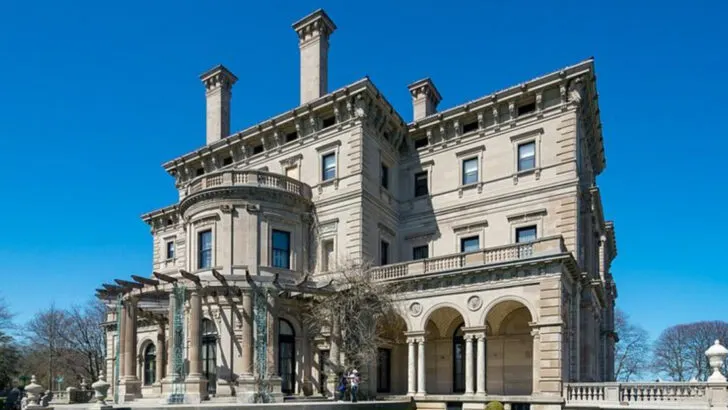
Step through the gates of The Breakers and you immediately feel the theatrical flair of the Vanderbilt legacy. The Italian Renaissance inspired palace towers above the Atlantic, its limestone facade gleaming against sea light. Inside, gilded ceilings, Baccarat chandeliers, and marble sourced from across Europe create a stage where wealth and technology met aspiration.
As you move room to room, the scale feels almost cinematic. The Great Hall rises like a cathedral, built to awe guests and assert social power. Look closely at carved dolphins, shell motifs, and classical figures that nod to maritime trade and old world prestige.
Docents unpack the hidden systems that made the mansion hum. You hear about electric lighting disguised as candles and early elevators tucked behind silk drapery. The kitchen suite reveals teamwork behind elaborate dinners, with copper batterie de cuisine and order bells still lining the walls.
Outside, the Cliff Walk winds along the breakers that gave the house its name. Sea spray and formal gardens frame family stories of summers called the season. You leave understanding both the glitter and the grind of maintaining such grandeur, and why preservation here matters.
Marble House, Newport, Rhode Island
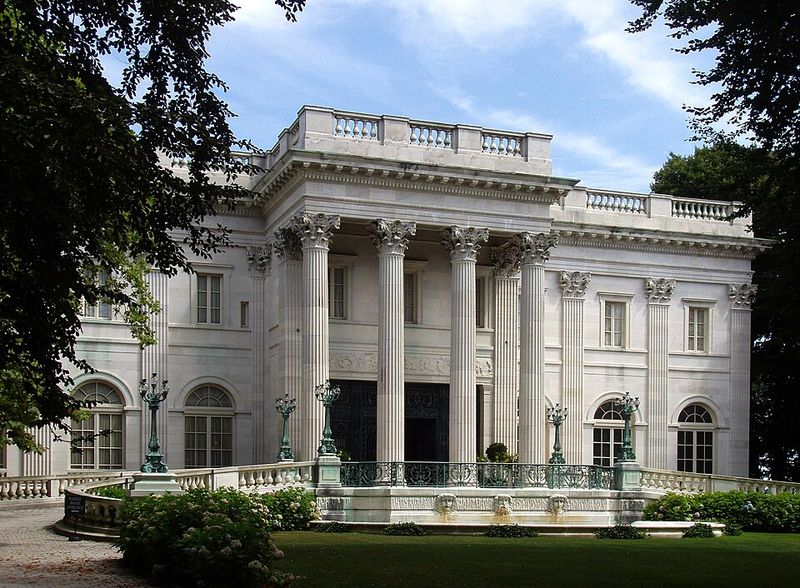
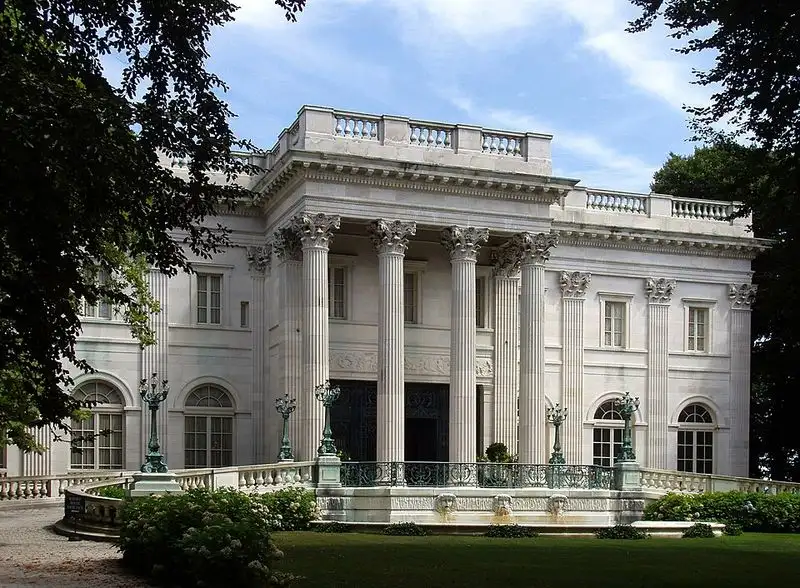
Marble House feels like a manifesto written in stone. Commissioned by Alva Vanderbilt, this Newport showpiece channeled Parisian taste through American ambition. Every surface sparkles with imported marble, turning corridors into galleries and staircases into ceremonial paths.
Touring the banquet hall, you notice how sound bounces off polished stone, amplifying conversation and status. Gilded reliefs and mythic figures crown doorways like a pageant. The Chinese Tea House on the lawn adds a whimsical counterpoint, catching ocean breezes and late day light.
Guides frame Alva as strategist and social engineer. You hear how a lavish coming out ball helped reset society’s pecking order. There is drama in the divorce, the suffrage activism, and the way this house doubled as a platform for ideas, not just parties.
Stand at the terrace and imagine arriving carriages, silk rustling, and electric bulbs winking on for night events. Marble House reveals the calculated artistry of lifestyle as statement. You leave appreciating both its stone cold beauty and the warm human ambition that shaped it, from quarry to ballroom.
The Elms, Newport, Rhode Island
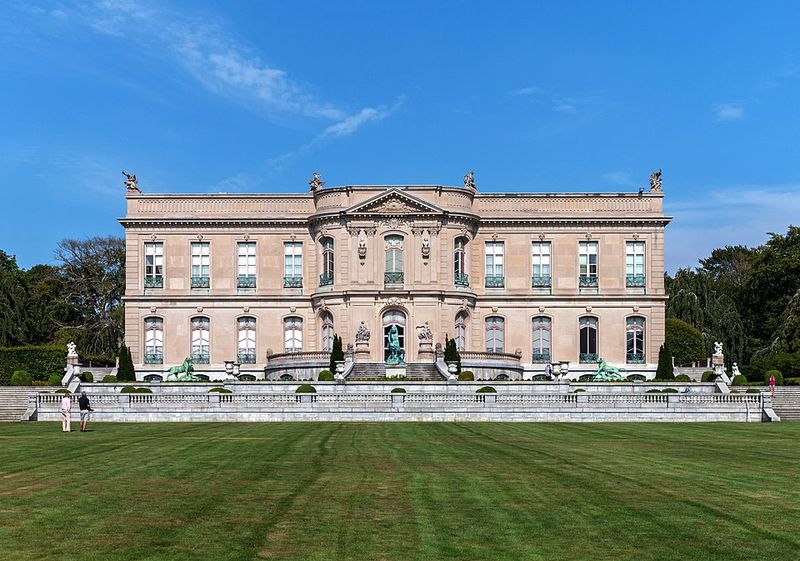
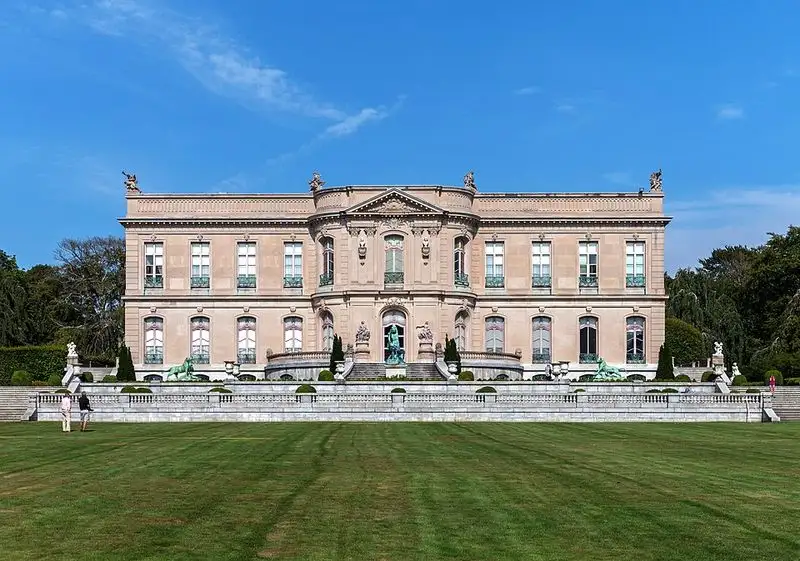
The Elms channels French elegance with American confidence. Modeled after a Parisian chateau, it balances strict symmetry with airy gardens and playful fountains. Step inside and the dining room’s tapestries and silver services frame a ritual of spectacle.
What makes The Elms unforgettable is the servants’ world below. Tunnels, coal handling systems, and laundry rooms map the house’s hidden metabolism. You glimpse schedules, bells, and lists that kept every course hot and every bed turned down.
Climb the grand staircase and you reach rooms curated as social stages. A conservatory invites light through curved glass, while the ballroom’s gilding reads like a spotlight on status. Portraits and bronze work underscore relationships with European dealers and artisans.
Outside, the sunken garden layers terraces, urns, and clipped hedges into living geometry. Stand by the marble pavilion and you can picture summer concerts and card games drifting into twilight. The tour leaves you with a full picture of a machine for living and entertaining, humming beneath a polite, elegant surface.
Biltmore Estate, Asheville, North Carolina
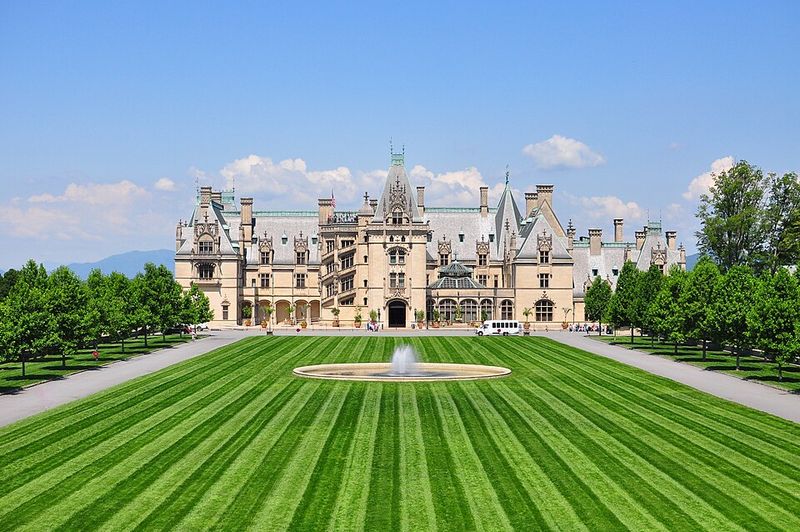
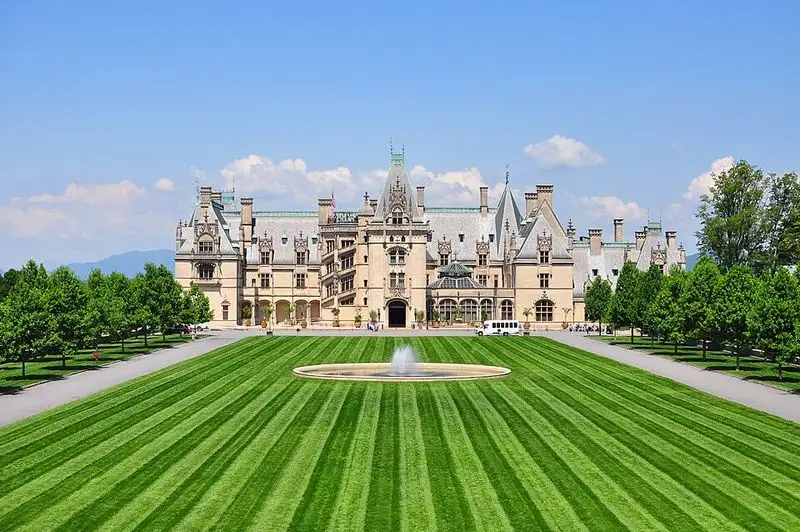
Biltmore is the Gilded Age scaled to a private universe. George Vanderbilt’s dream house stretches with turrets, loggias, and a view that seems borrowed from a painting. Inside, a winter garden unfurls under glass while the library’s secret doors make readers smile.
Guides point out how modern the estate was for its time. There is central heating, a swimming pool, and bowling in the basement, all integrated with quiet precision. You see how architects and craftspeople solved massive problems with style, from drainage to lighting.
Beyond the house, Frederick Law Olmsted’s landscape design stages long approaches and cinematic reveals. Vineyards, conservatory blooms, and miles of trails make the visit more than a walk through rooms. The dairy barn area tells a story of science and stewardship evolving into hospitality.
Stop by the rooftop tour and the engineering reveals itself. Copper flashing, carved finials, and stone joints meet mountain winds every season. Biltmore is a living case study in maintenance and vision, and you leave feeling both dazzled and surprisingly grounded by its practical guts.
Lyndhurst, Tarrytown, New York
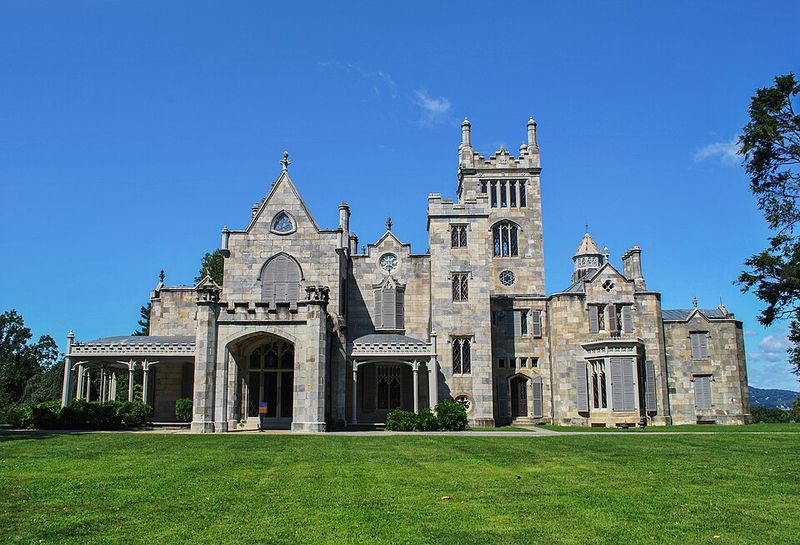
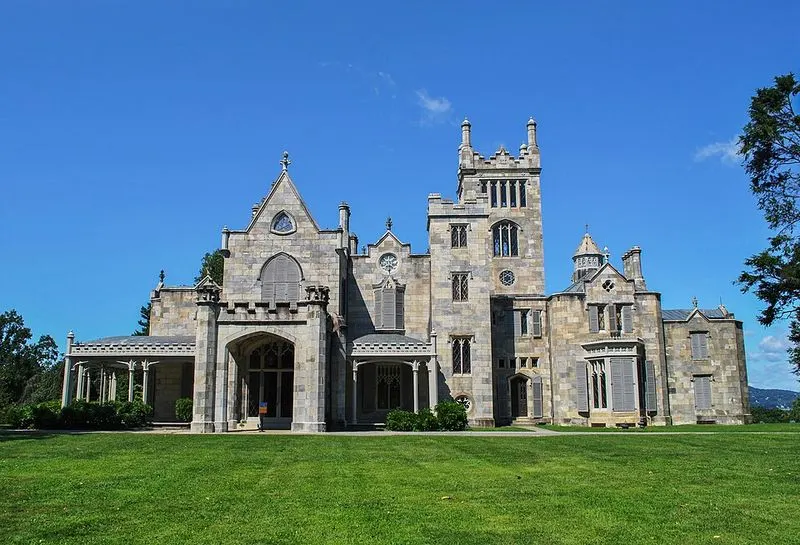
Lyndhurst sits like a romantic sketch above the Hudson, mixing Gothic edges with sweeping lawns. The setting feels theatrical, with archways framing river light and towers punctuating the skyline. You step inside and find rooms that balance shadow and sparkle.
This house carries the imprint of multiple owners, each layering taste over time. Jay Gould’s era added luxury and stories of railroads, risk, and reputation management. Furniture and art remain largely intact, transmitting daily rhythms alongside showpiece moments.
Guides weave architecture with gossip and industry. You learn how fortunes traveled on rails and how public image softened through philanthropy. The conservatory’s ironwork becomes a lesson in craft, while the bowling alley whispers of private leisure.
Wander the grounds and the Hudson becomes a co star. Trails lead to river overlooks and a dramatic greenhouse frame. Lyndhurst feels like a novel you can walk through, where characters appear as portraits, invoices, and monograms, and the plot twists with every renovation.
Kykuit, Sleepy Hollow, New York
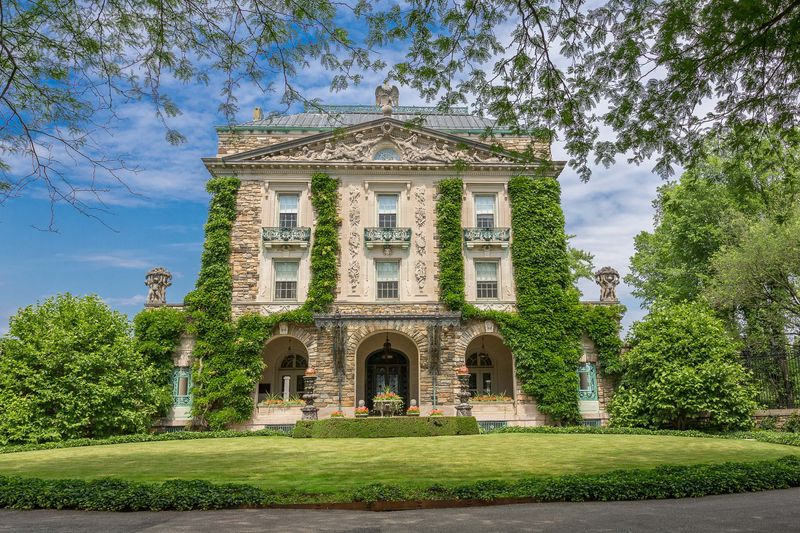
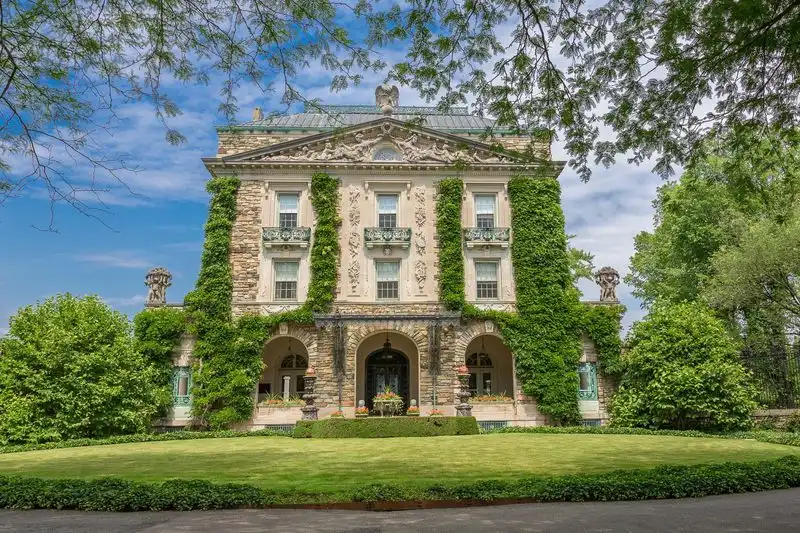
Kykuit distills Rockefeller discipline into a hilltop retreat. The house reads restrained outside and richly layered within. Rooms hold tapestries, Chinese bronzes, and modern art collected with a curator’s eye.
On the terraces, sculpture converses with fountains and views. You trace steps across green rooms outdoors, each framed by stone walls and hedges. The lower gardens feel intimate, while the upper lawn broadcasts power across the valley.
Guides connect oil fortunes to civic projects and art patronage. Garage tours showcase a gleaming car collection that turns transportation history into design theater. You sense how business efficiency translated into domestic order and quietly spectacular hospitality.
Stand by the loggia and the river seems to pause. The wind carries church bells and train horns, tying estate life to regional rhythms. Kykuit leaves you with a portrait of wealth that chose understatement over flash, and impact over headlines.
The Mount, Lenox, Massachusetts
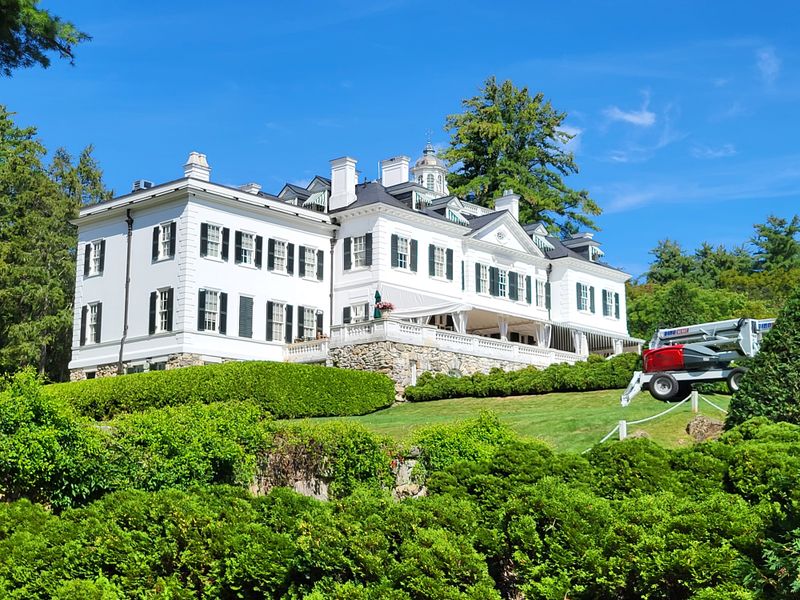
The Mount invites you into Edith Wharton’s mind as much as her home. Proportions are calm, spaces rational, and gardens structured like sentences. You walk through rooms designed to support writing, conversation, and restorative quiet.
Guides trace Wharton’s design principles from The Decoration of Houses. You notice clarity in door alignments, sightlines, and restrained ornament. The library and drawing rooms feel like instruments tuned for social harmony.
Outside, lime allees and clipped hedges outline outdoor rooms with literary precision. The terrace frames the Berkshires like a page margin. Seasonal programs layer theater and readings that echo Wharton’s wit.
It is a different Gilded Age voice, prioritizing good bones over glitter. You leave feeling refreshed by the discipline of beauty. The Mount shows how thoughtful design can nurture work, friendship, and the occasional good gossip without ever shouting for attention.
Nemours Estate, Wilmington, Delaware
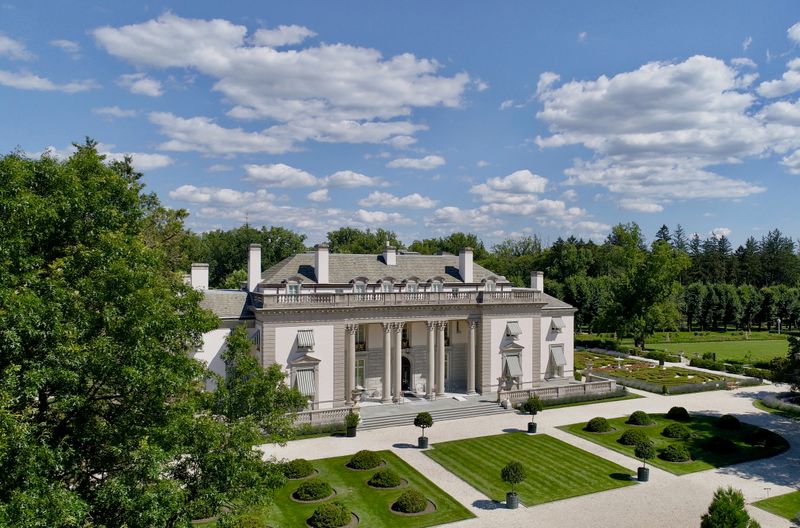
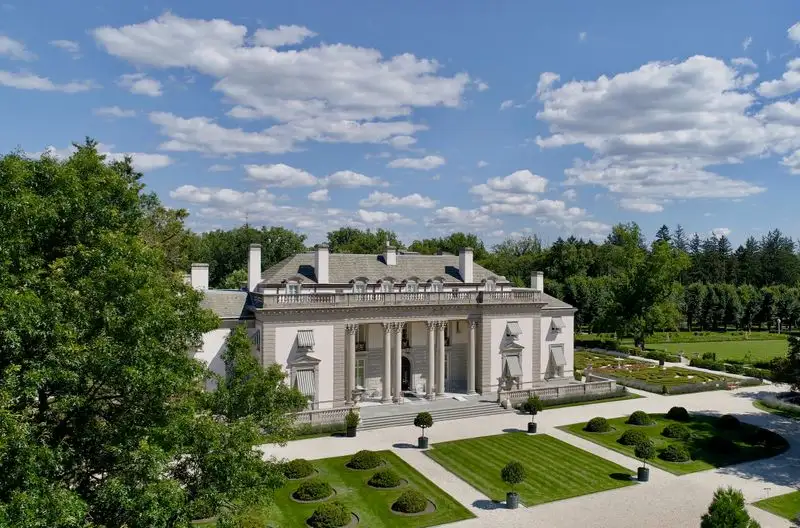
Nemours channels a French dream into Delaware reality. Alfred I. du Pont built a 77 room mansion framed by parterres, fountains, and one spectacular reflecting pool. The facade’s limestone grace continues indoors with boiserie and chandeliers that feel effortlessly chic.
Tours walk you through salons arranged for conversation and display. Mechanical ingenuity hides in plain sight, including innovative elevators and early air handling. The kitchen complex shows the backstage needed for polished living.
Outside, the French gardens deliver geometry you can feel underfoot. Boxwood lines your path, statues punctuate sightlines, and water draws your eye toward the horizon. Seasonal blooms soften the precision without blurring it.
Nemours balances romance with pragmatism, and that tension keeps the visit lively. You grasp how engineering supported elegance, and how European references gained American momentum. It is a place that photographs beautifully and rewards slow, curious walking even more.
Hearst Castle, San Simeon, California


Hearst Castle is headline architecture backed by a private zoo’s worth of stories. William Randolph Hearst and architect Julia Morgan composed a hilltop temple to collecting, borrowing motifs from Spain and Italy. The Neptune Pool glitters like film, while Casa Grande commands from every angle.
Tours break the sprawl into digestible chapters. One focuses on cottages, another on evening rooms, and each reveals how old world fragments were recomposed. Tapestries, ceilings, and cloisters traveled across oceans to become one improbable whole.
What makes it thrilling is the editorial eye behind it all. You can feel a publisher’s instinct for drama in every axis and reveal. Even the guest list reads like a who’s who of Hollywood, politics, and creative elites.
Stand by the Roman Pool and the mosaics swallow you in blue. California light turns everything into a postcard, yet maintenance stories ground the dream. Hearst Castle shows how spectacle, logistics, and taste can collaborate when money and momentum align.
Vizcaya Museum and Gardens, Miami, Florida
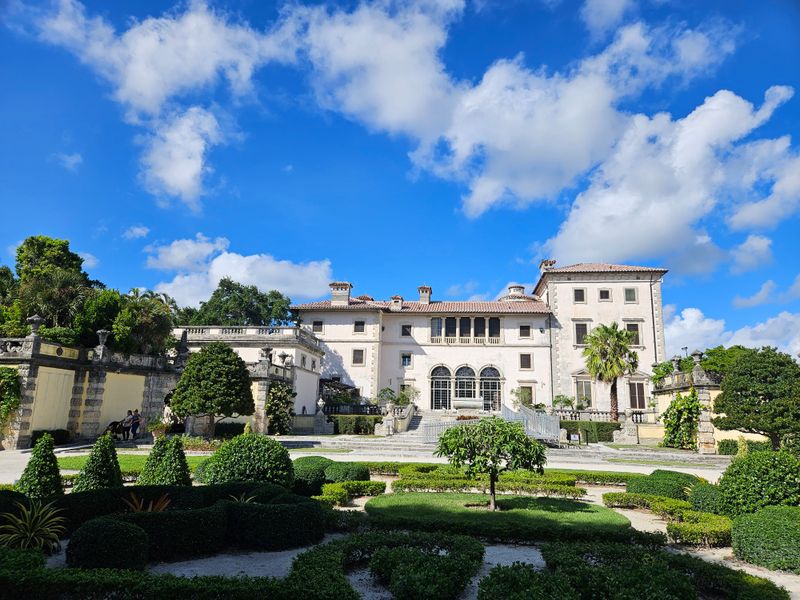
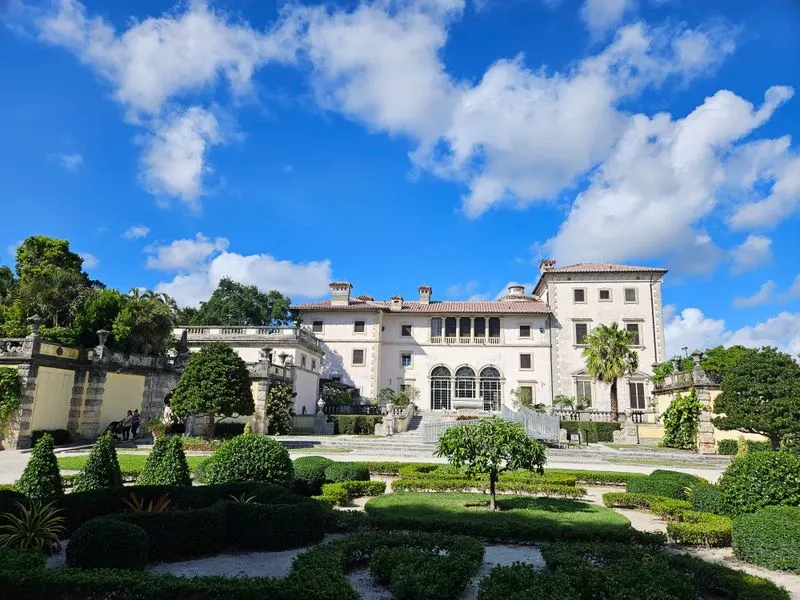
Vizcaya marries European villa style with Miami’s tropical drama. James Deering’s winter home frames Biscayne Bay like a private stage. The barge sculpture anchors the waterfront while loggias invite sea breezes through arcades.
Inside, rooms layer antiques with custom pieces designed to harmonize, not simply impress. You feel the breezy logic of cross ventilation and shaded courtyards. Frescoes, carved doors, and stone floors cool the heat with texture and tone.
The gardens are a playful maze of grottos, fountains, and clipped hedges. Mangroves and orchids remind you this is Florida, not Lake Como. Walk the casino and tea house to catch the best angles for photos and shade breaks.
Vizcaya makes leisure feel like an art project. The house tells a story about collecting, climate, and clever adaptation. You leave with salt on your skin, lime scent in the air, and a new appreciation for how design can flirt with the tropics.
Hammond Castle, Gloucester, Massachusetts
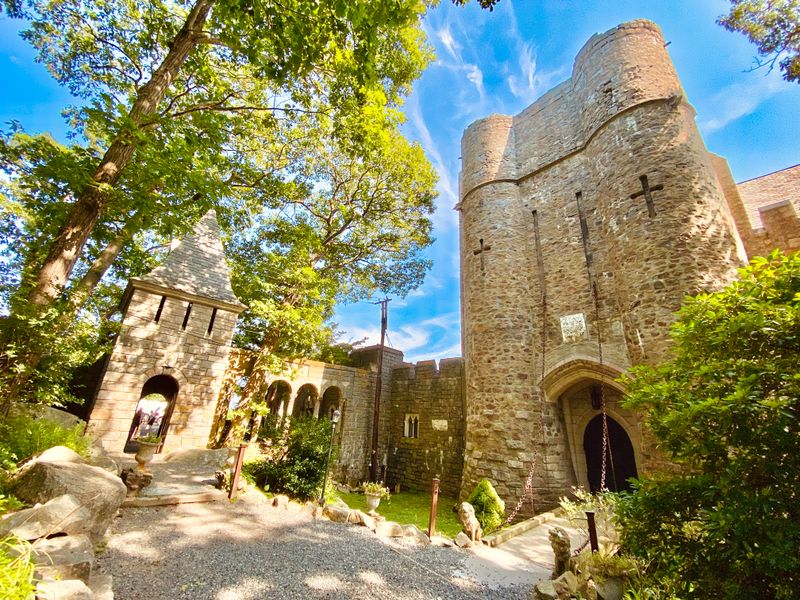
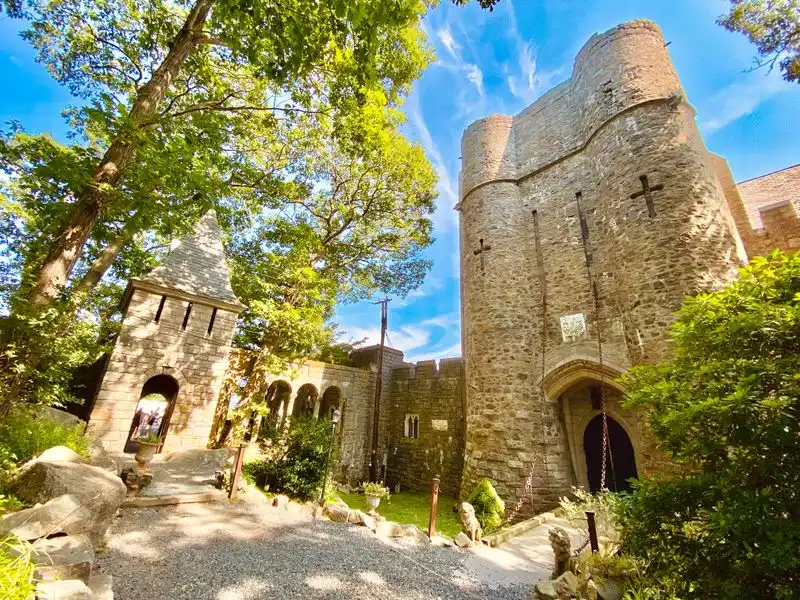
Hammond Castle blends laboratory and legend on a cliff over the Atlantic. Inventor John Hays Hammond Jr. stitched medieval elements into a home that could host experiments and masquerades. The great hall’s organ shakes the stone with sound when it is played.
Tours talk as much about patents as parties. You learn how remote control research happened a few steps from a salt sprayed battlement. Artifacts range from Roman pieces to quirky oddities, each with a collector’s grin behind it.
Windows frame water like moving paintings. Storm days are especially atmospheric, with waves pounding the base and gulls carving the sky. The courtyard feels like a time capsule open to the weather.
It is not a typical Gilded Age palace, and that is the charm. Hammond Castle celebrates curiosity and theatricality in equal measure. You come for the stone drama and leave remembering the spark that turns ideas into living spaces.
Oheka Castle, Huntington, New York
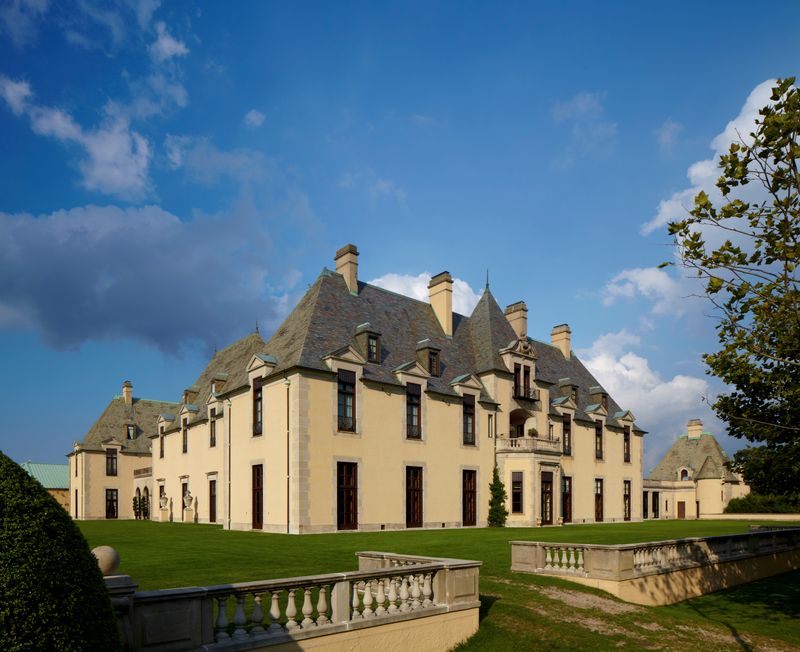
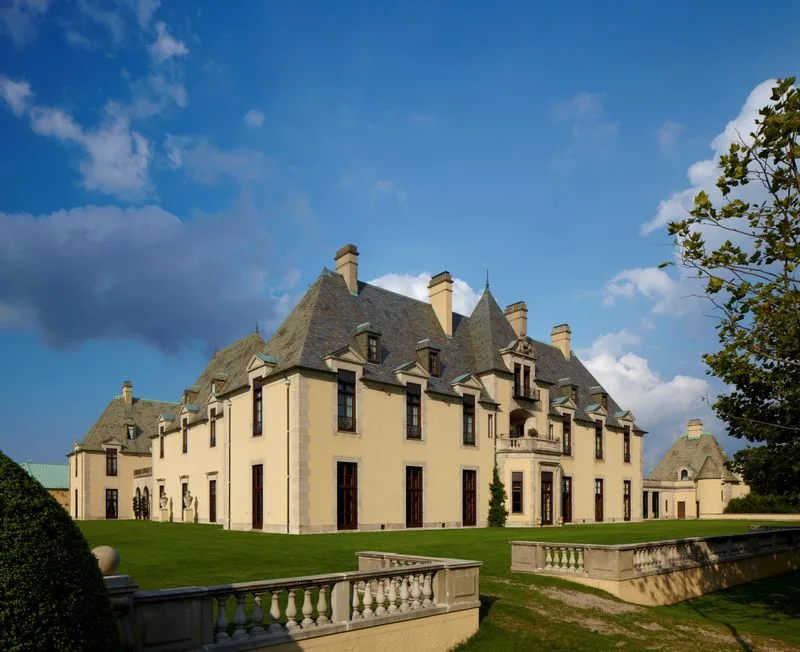
Oheka Castle rises from Long Island’s Gold Coast like a carefully placed crown. Built by financier Otto Hermann Kahn, it stages symmetry and ceremony from driveway to rooftop. The approach primes you for terraces, clipped greens, and views that unfurl like ribbon.
Inside, ballrooms and galleries host tours and events, showing how grandeur adapts to modern use. You notice craftsmanship in wrought iron, carved stone, and wood panels that warm the formality. Photos hint at famous guests and film shoots, making the place feel familiar.
Gardens echo French precedent with American swagger. Reflecting pools double the sky and trim boxwood frames every step. The scale makes even a stroll feel like a processional moment.
Oheka’s restoration story adds stakes to the beauty. You see how near loss turned into careful revival, and why maintenance never really ends. The house lands somewhere between fairytale and workplace, where preservationists clock in to keep the dream alive.
Filoli, Woodside, California
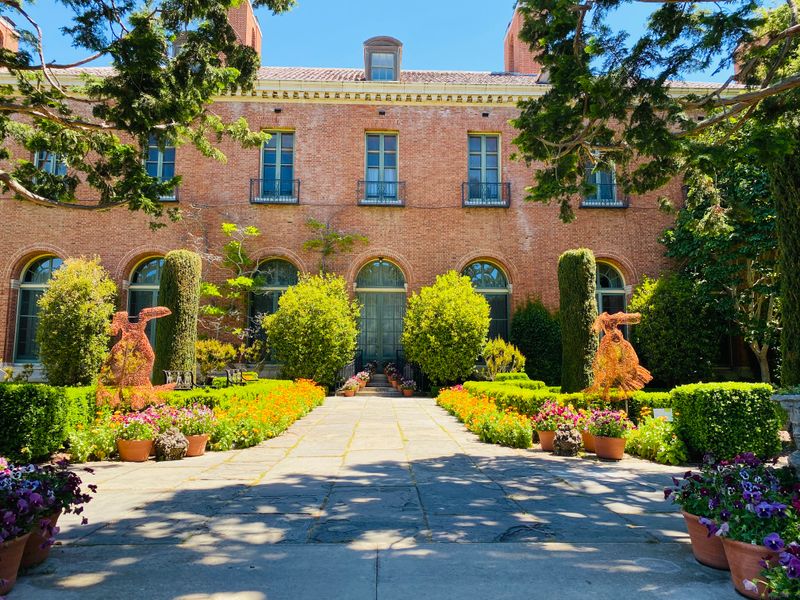
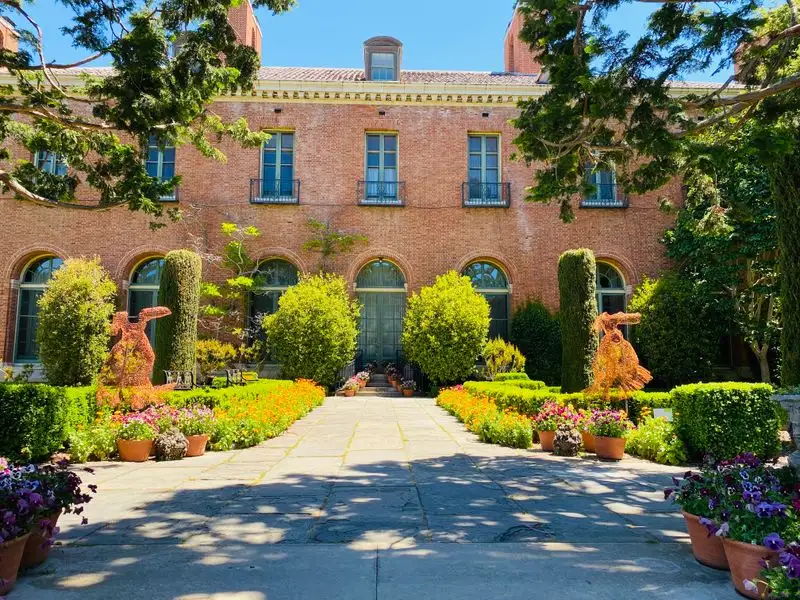
Filoli is serenity dressed as splendor. The Georgian Revival house sits against the Santa Cruz Mountains, while gardens step down in color and texture. You feel welcomed by scale that is grand but not overwhelming.
Tours highlight craftsmanship and the acronym name’s origin: Fight, Love, Live. The interiors balance polished wood, patterned floors, and generous windows. Seasonal exhibits bring new energy without crowding the core character.
Outside, the garden rooms reward a slow loop. Walled spaces hold roses, fruit, and herbs with painterly composition. The reflecting pool and cutting garden shift moods as the light changes, making repeat visits satisfying.
Filoli’s preservation team keeps the estate active through classes and community events. You watch volunteers tending borders and understand how stewardship works day to day. It is a breath out from Silicon Valley buzz, reminding you that time can be shaped like a garden path.
Swan House, Atlanta History Center, Georgia
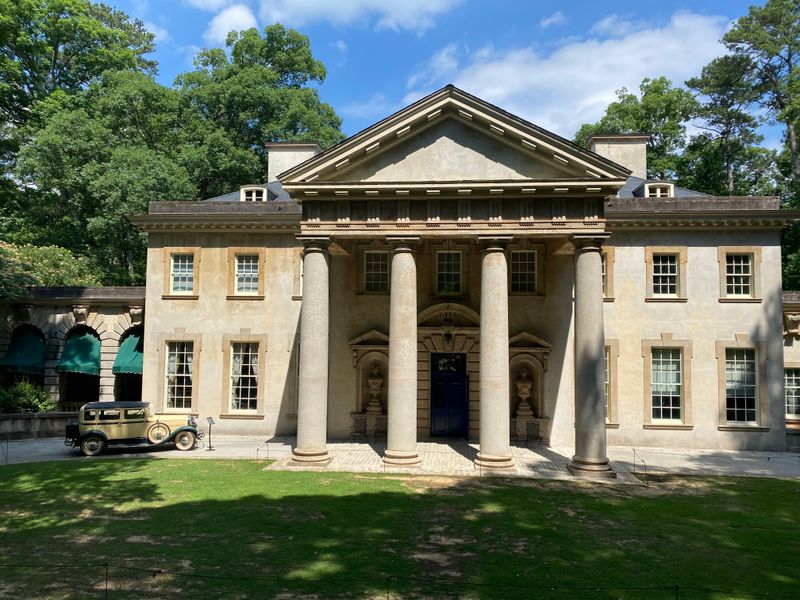
Swan House brings neoclassical drama to Atlanta with a theatrical staircase that practically begs for photos. Built for the Inman family, it pairs polished interiors with pragmatic service spaces. You sense social ritual in the way rooms flow from greeting to dining to retreat.
The tour ties the house to regional change. Stories of cotton, commerce, and reinvention give the architecture context. You find modern amenities tucked quietly behind paneled walls, one of the Gilded Age’s favorite tricks.
Outside, fountains and lawns choreograph calm. Magnolias frame the facade, and the property connects to the Atlanta History Center’s broader exhibits. It is easy to pair the house visit with gardens and galleries for a well paced day.
Swan House feels stately without stiffness. You leave with a sense of how elegance can be both backdrop and participant in city life. The house turns history into a series of welcoming rooms you can actually move through.
Rosecliff, Newport, Rhode Island
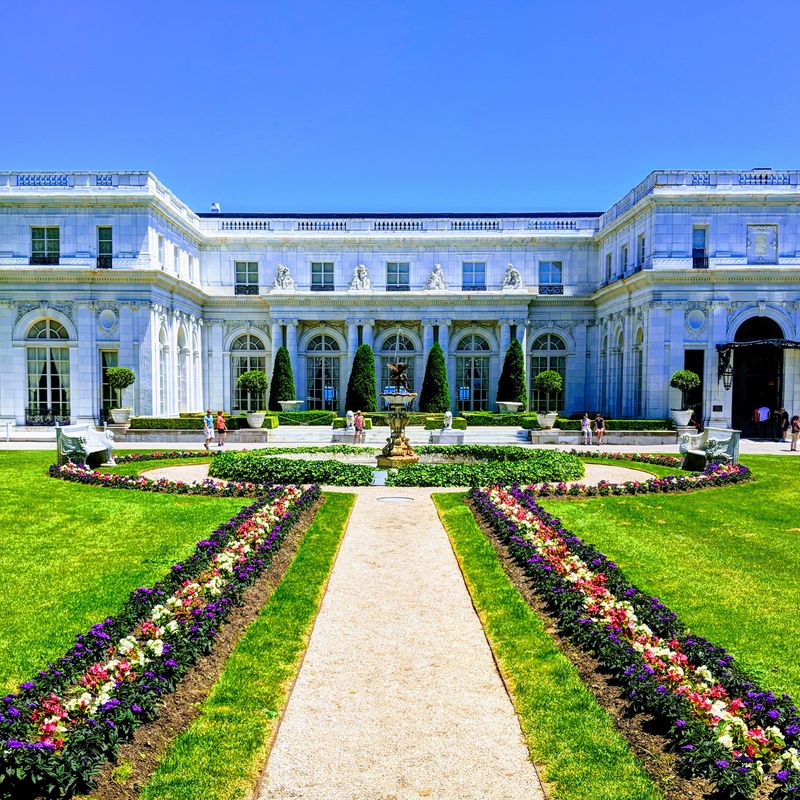
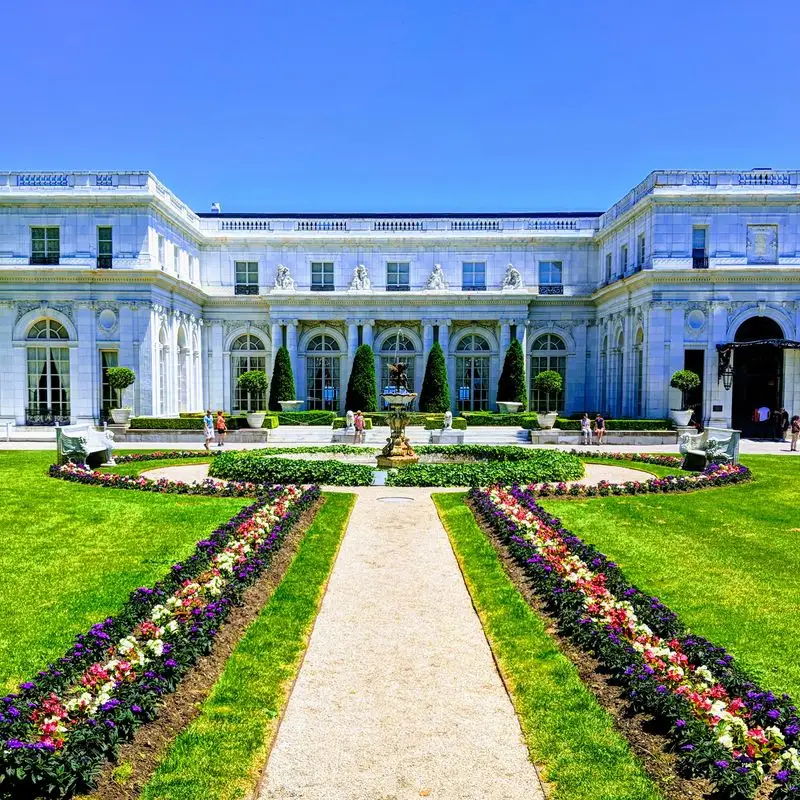
Rosecliff feels like a dream you can actually visit, with its white stucco walls and heart shaped staircase inviting you to linger.
Modeled after the Grand Trianon at Versailles, it channels European glamour through an American lens, right on the Cliff Walk. You will hear stories of parties that stretched until dawn, towering sugar sculptures, and fashions that changed by the season.
Inside, gilded moldings sparkle in natural light, while ballroom windows open to sweeping Atlantic views.
Guides reveal clever engineering, like concealed service corridors that kept staff invisible. You can imagine dance music echoing across marble floors, boats dotting the horizon, and guests comparing fortunes over tea.