A bottle washer built in 1946 still cleans the glass milk bottles at this dairy. Yes, the same machine.
It has outlasted typewriters, rotary phones, and probably a few million milk mustaches.
The milk going into those bottles is cream-top, so the cream floats right up to the neck. It’s vat pasteurized in small batches and never homogenized.
It arrives by company tanker.
I like how stubborn this place is, in the best possible way. Plenty of small dairies in Michigan closed over the decades.
This one kept the glass, kept the family in charge, and kept scooping ice cream too.
I can’t imagine a better excuse to shake a milk bottle on purpose. So what does a dairy like this look like up close?
The Cream Floats Up Top, And That Is Exactly The Point
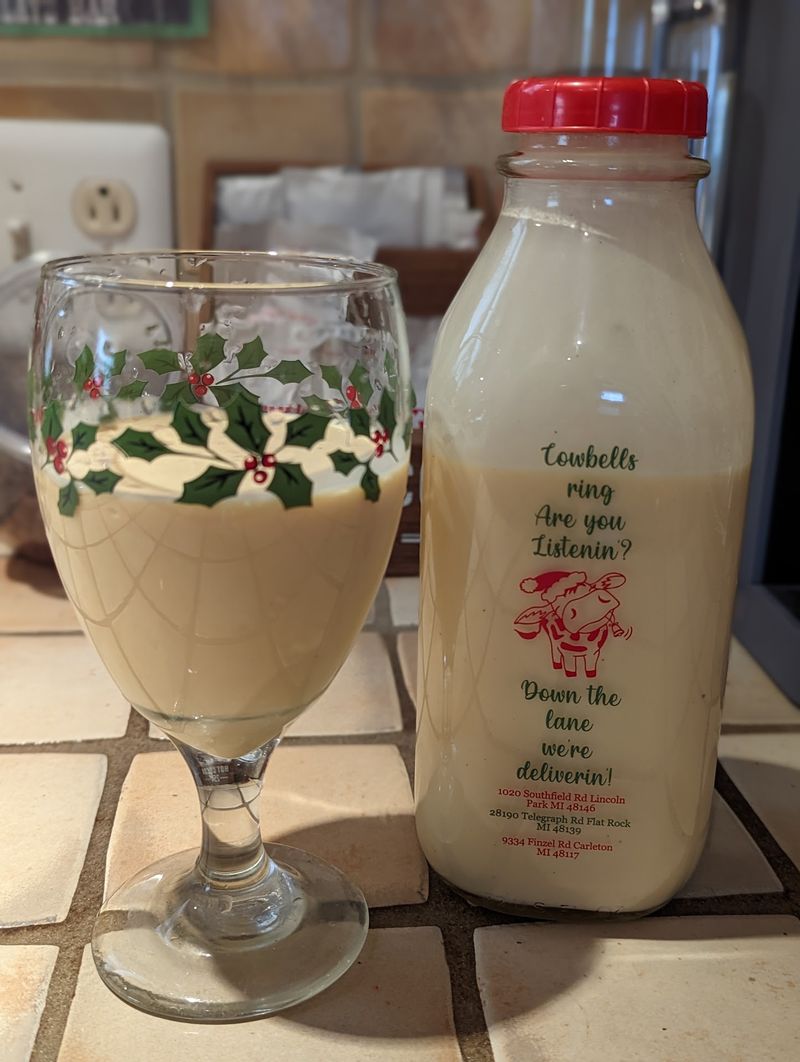
Calder Dairy calls its star product Natural Creamline Milk, and the name gives away the whole plot. The milk is never homogenized, so the cream separates and rises to the top of the bottle.
Homogenizing is the step most grocery milk goes through to break up the fat and keep it mixed. Skipping it leaves the milk closer to how it comes from the cow.
The dairy also vat pasteurizes this milk instead of rushing it through. Vat pasteurizing heats milk in a batch at a lower temperature for a longer time.
Not homogenized does not mean raw, by the way. The milk is still pasteurized, so it checks the safety box too.
So what do you do with that cream layer? You can give the bottle a good shake before pouring, or skim the cream off for coffee or oatmeal.
Either way, the choice belongs to you, not a factory machine. That small bit of control feels oddly satisfying for a weekday grocery run.
Small-batch processing happens right at the Lincoln Park plant. Calder Dairy has made milk this way for generations of Michigan families, and the idea never needed an upgrade.
A Bottle Washer From 1946 Is Still Clocking In
Most kitchen gadgets give up after a few years. The bottle washer at Calder Dairy dates back to 1946, and it still works.
That machine has been cleaning glass milk bottles since the dairy first opened. It’s basically the most loyal employee in the building.
Glass is the reason it matters so much. Calder fills its milk into recyclable glass bottles, then washes and reuses them.
You pay a bottle deposit when you buy milk in glass. Bring the empty back, and the bottle heads home to that trusty washer for another round.
I love how simple the system is. Buy milk, drink milk, return bottle, repeat.
It also cuts down on the plastic jugs piling up in your recycling bin. Your fridge door might look a little fancier too, honestly.
Here’s a practical tip for first-timers. Keep a spot near your front door or in your car for empties, so they actually make it back.
Glass bottles are heavier than plastic, so a sturdy bag helps on the trip home. A little extra weight seems like a fair trade for milk that comes with this much history.
An Air Force Bonus And A Used Laundry Truck Started Everything
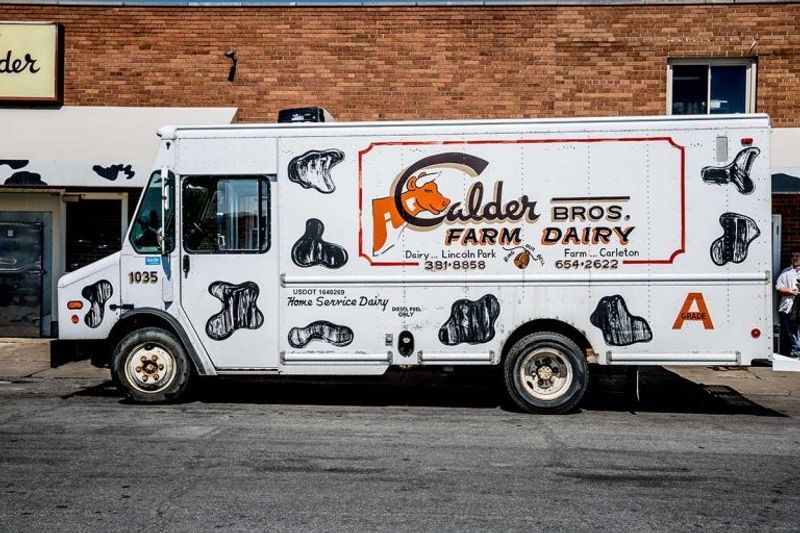
William Graham Stewart Calder had a bonus check from the Air Force and a big idea. In 1946, he used that money to buy a 12-year-old used laundry truck.
Yes, a laundry truck. It became his first milk delivery vehicle, which is a pretty bold career pivot for a truck.
Those first days were tiny by any standard. His opening daily sales came in under twenty dollars.
Bill didn’t have his own cows back then. He bought milk from nearby dairy farms and processed and bottled it at the plant on Southfield Road.
That same Lincoln Park plant still handles the bottling today. Not many businesses can say they never left their original address.
Calder Dairy kept growing slowly and steadily. Its old-fashioned habits, like glass bottles and vat pasteurization, helped it last while many small dairies closed.
Bill lived to 94 and saw his little milk route become a Michigan favorite. The Calder family, including John Calder, still oversees the dairy and farm.
I find that story wildly encouraging. One secondhand truck and a lot of stubborn effort turned into a business that has outlived nearly everything around it.
Meet The Herd Behind Every Glass Of Milk
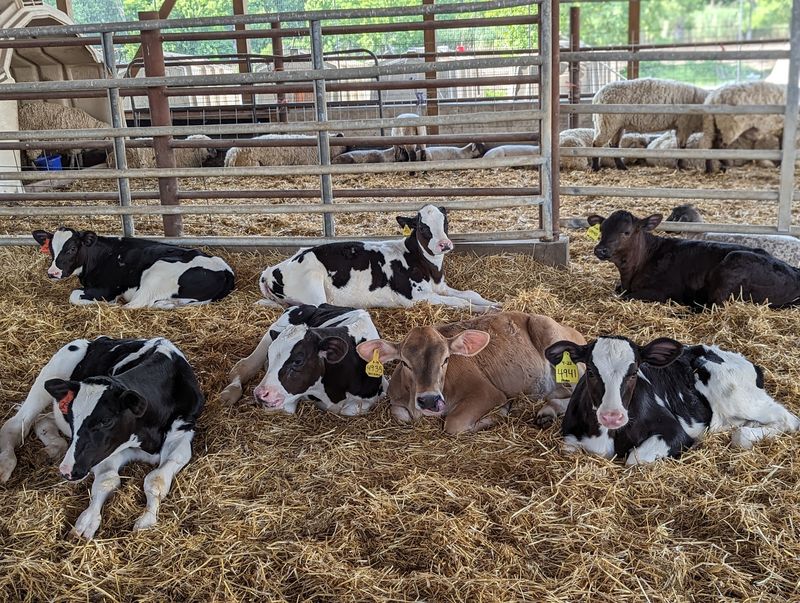
A single Brown Swiss cow kicked off the whole herd. The Calder family bought her to keep the grass short on their farm in Carleton, Michigan.
That farm started as a family retreat, not a business plan. Over time, it grew into the main milk supply for Calder Dairy.
Today the herd numbers about 180 cows. You’ll find three breeds in the mix: Holstein, Brown Swiss, and Jersey.
Each breed brings something different to the barn. Holsteins are the famous black-and-white cows, while Jerseys are smaller with soft brown coats.
The family doesn’t use rBST hormones on the herd. That’s a growth hormone some dairies use to boost milk production.
After milking, a company tanker truck carries the milk from the farm to the Lincoln Park plant. There it gets processed in small batches and bottled.
I like knowing exactly which cows made my breakfast. Most grocery milk can’t give you that kind of family tree.
It also means fewer hands touch the milk between barn and bottle. The Calders control the trip from pasture to fridge, which is rare these days.
Save Room For A Scoop At The Ice Cream Parlor
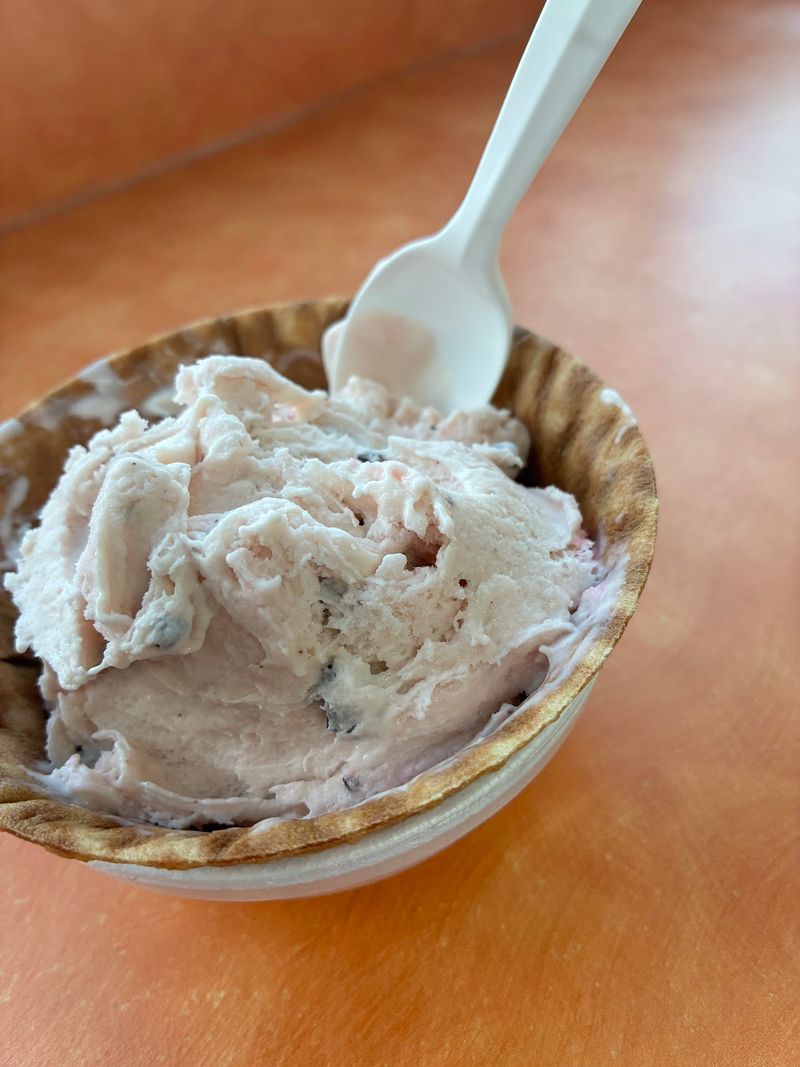
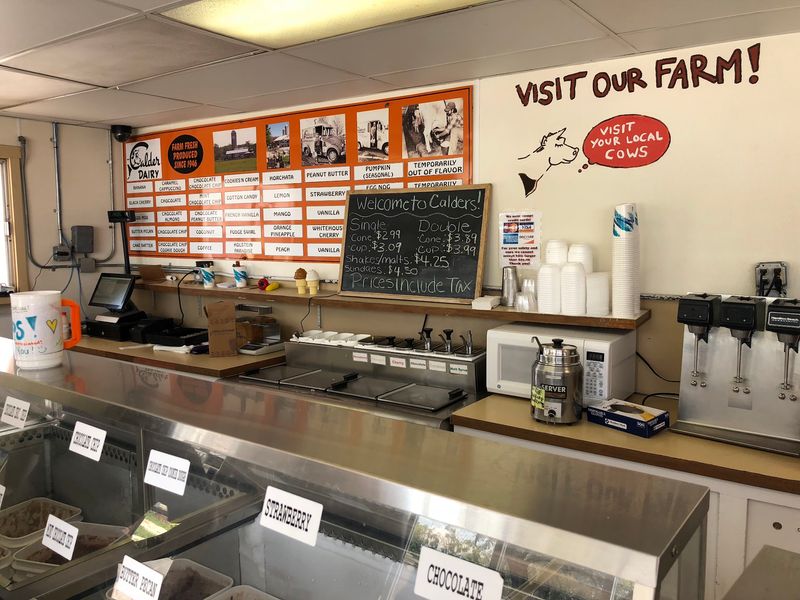
Milk is the main act here, but the ice cream parlor steals plenty of scenes. The Lincoln Park location has its own parlor right on site.
Calder Dairy makes its ice cream on the family farm. That means the same herd behind your milk is behind your cone too.
Chocolate Peanut Butter is one of the popular picks. Butter Pecan also ranks high for anyone who likes a little crunch with their cream.
Fall brings a pumpkin ice cream into the lineup. It’s a nice reason to stop by when the leaves start dropping.
The parlor keeps shorter hours than the dairy store. Check the current schedule before you promise anyone a scoop.
A smart move is to grab ice cream first, then shop the store. That way your milk and butter stay cold for the ride home.
Kids especially enjoy the idea that cows made dessert. It’s a sneaky little farm lesson disguised as a sugar treat.
Honestly, a cone at Calder Dairy feels like a small Michigan tradition. The flavors change with the seasons, so a second visit is basically a requirement.
The Store Shelves Go Way Past Plain Milk
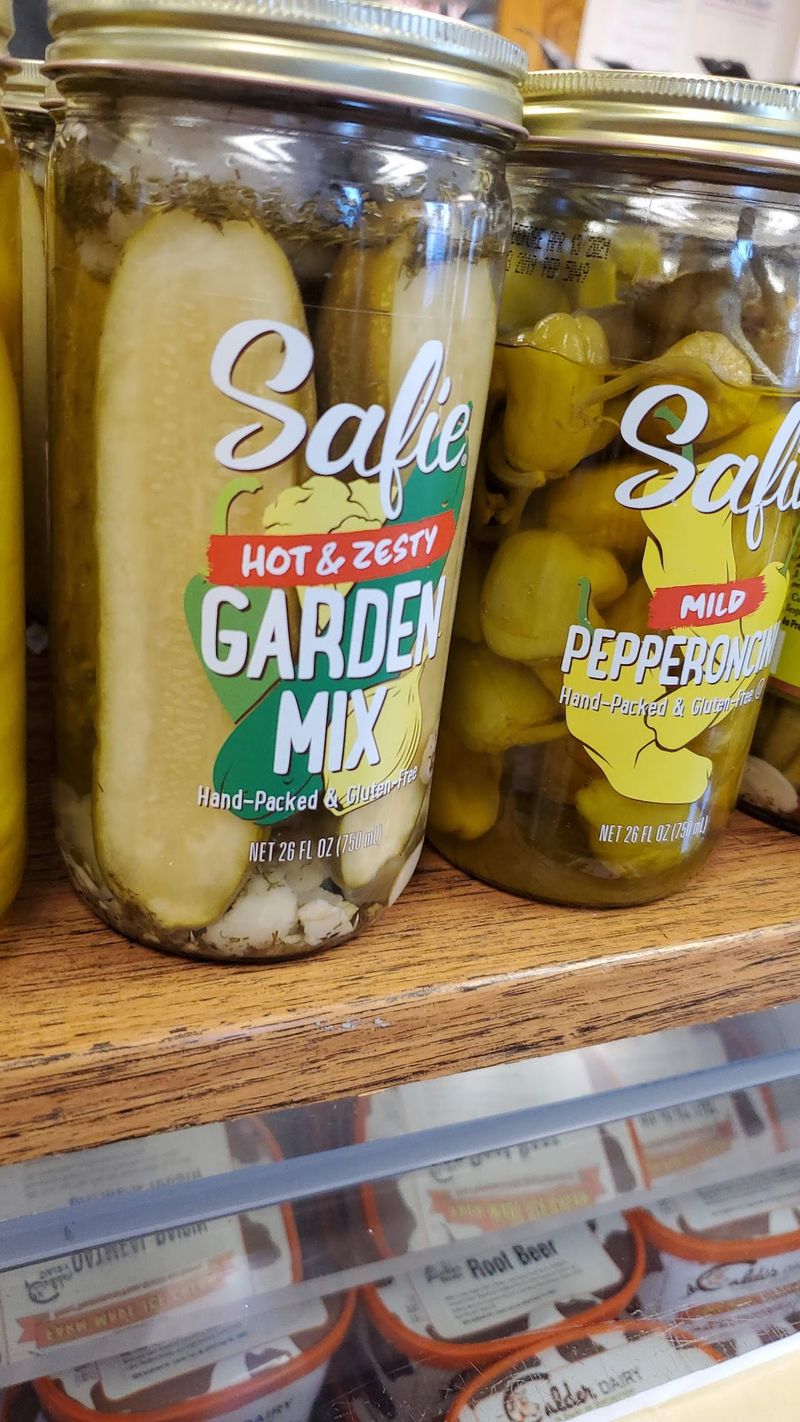
Butter, buttermilk, brie. The dairy case at Calder Dairy reads like a grocery list your grandma would approve of.
Milk comes in several styles beyond creamline. You’ll find whole, low-fat 2%, skim, and chocolate milk.
Bakers can stock up on half and half, whipping cream, and buttermilk. Pancake Saturday just got a serious upgrade.
Calder makes its own butter in more than one container size. Sour cream and a toasted onion chip dip round out the snack department.
Cheese fans get options too. There’s cottage cheese, farm cheese, mini brie, and cream cheese in plain or garlic and herb.
The store also carries goods from other makers. Look for lemonade in glass bottles, Roos Roast coffee, Saffies pickles, and Harvest Acres honey.
Zingerman’s pimento cheese shows up here as well. It pairs nicely with a few crackers and zero guilt.
My advice is to bring a cooler on warmer days. Between the butter, cheese, and glass bottles, your cart fills faster than you’d expect at this Lincoln Park shop.
Egg Nog Season Starts Earlier Than You Think
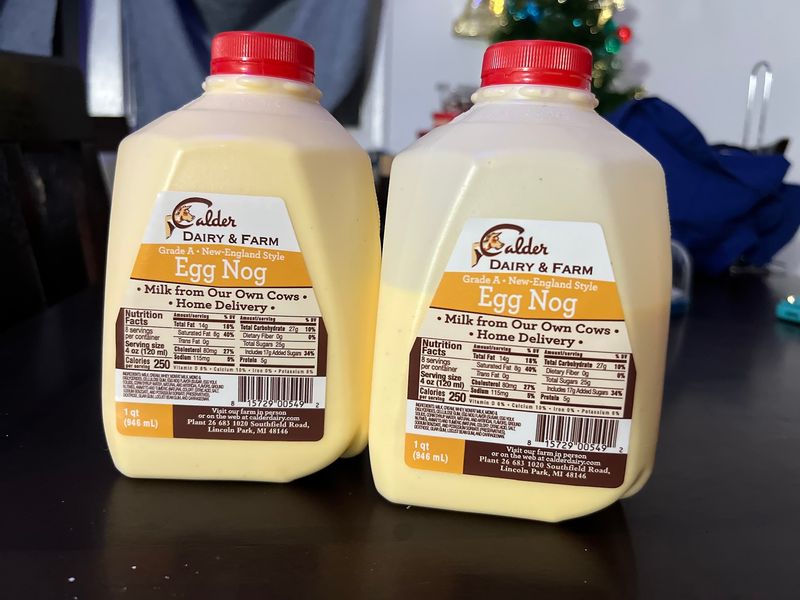
Late October is when things get festive around here. That’s when Calder Dairy starts making its seasonal egg nog.
Most people wait until December to think about nog. The Calders apparently decided Halloween was close enough.
It’s a limited-time product, so it won’t sit on the shelf all year. That makes the first bottle of the season feel like a small event.
Egg nog is one of the topics that comes up most often about this dairy. Chocolate milk sits right beside it in popularity.
So should you plan ahead? If egg nog is your holiday thing, mark late October on your calendar and check back often.
It works well straight from the glass. You can also pour it into coffee, French toast batter, or a holiday milkshake.
Calder egg nog makes a fun hostess gift too. A cold glass bottle with a local label beats another candle any day.
Just remember the bottle deposit and return the empty. Your holiday spirit and the 1946 bottle washer will both thank you.
The Milkman Never Actually Left Downriver
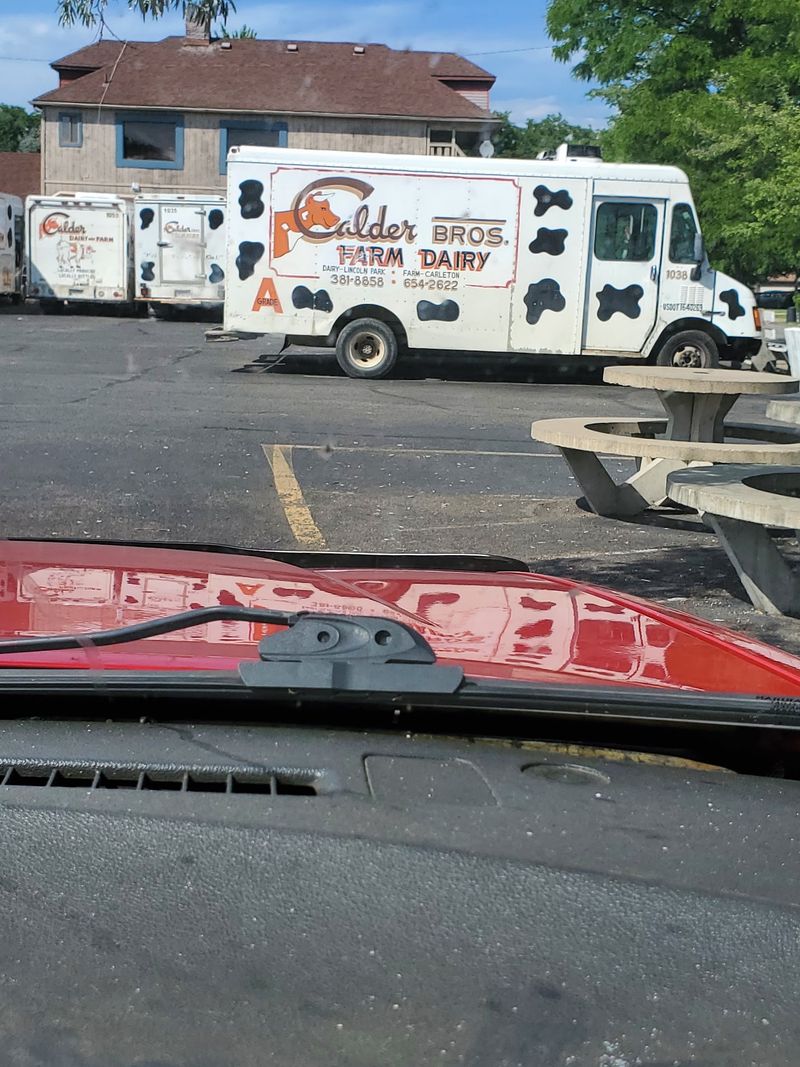
Home milk delivery sounds like something from an old TV show. Calder Dairy still does it.
Delivery covers the Downriver area and reaches beyond it. Fresh milk can show up at your door without a store run.
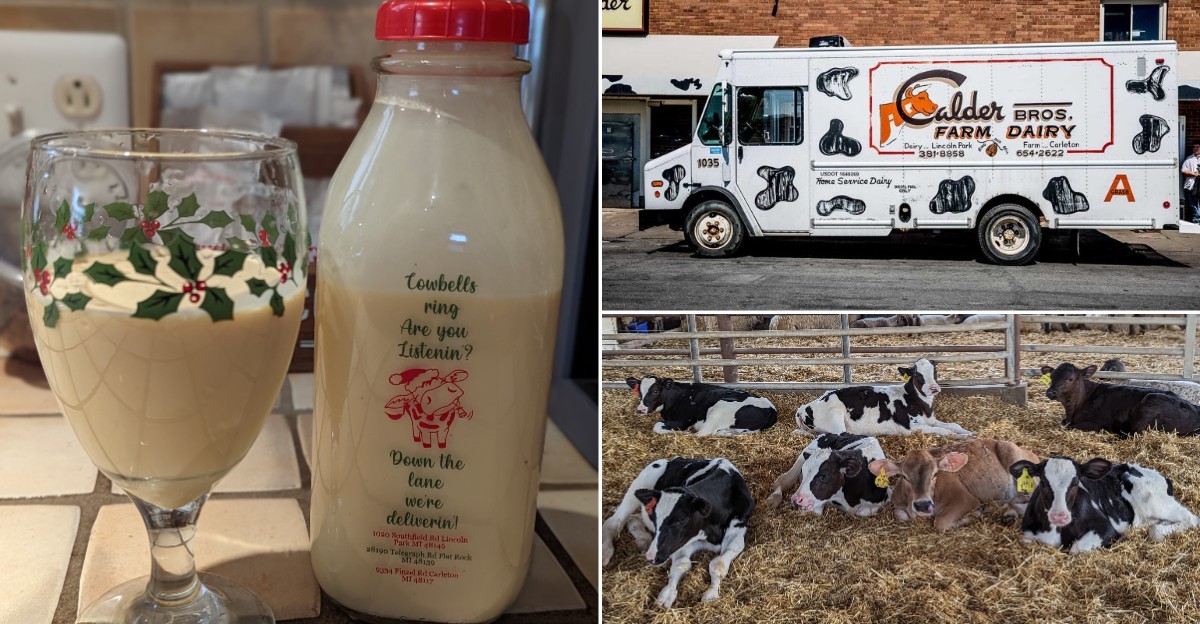
The trucks are hard to miss. They’re modern vehicles wrapped in black Holstein spots with the Calder logo.
It’s a fun nod to the 1946 laundry truck that started everything. The ride got an upgrade, but the job stayed the same.
Delivery makes a lot of sense for busy families. It also helps folks who find it tough to get out to shop.
Prefer picking things up yourself? The dairy and store sit at 1020 Southfield Road in Lincoln Park, Michigan 48146.
Southfield Road is easy to reach from much of Downriver. You can pair a milk run with an ice cream stop in one quick trip.
Either option keeps those glass bottles moving in a steady loop. I think that’s the coolest part, since the system feels refreshingly old and surprisingly practical.
Take A Road Trip To See The Cows Get Milked
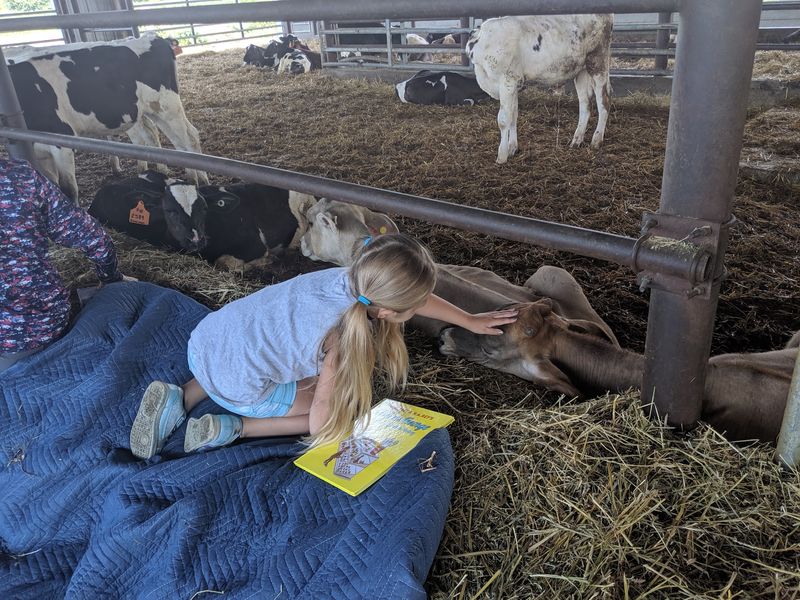
Here’s a fun follow-up to your milk run. The Calder Farm in Carleton is open to the public all year.
Milking happens daily at 4 p.m., and visitors can watch. It’s a great way to connect that glass bottle to an actual cow.
Kids get a lot to explore beyond the barn. A petting area features ducks, geese, goats, pigs, and donkeys.
The farm also has a pond and a waterfall. It’s a calm spot after a busy afternoon with the goats.
Farm visits like this teach kids where food really comes from. They also beat another afternoon of screen time by a mile.
A farm store sells Calder products on site. You can grab ice cream or milk without driving back to Lincoln Park.
There’s also a Calder store in Flat Rock, which opened in 2017. It gives more Michigan families an easy stop for the same dairy goods.
Still, the original Lincoln Park plant is where those glass bottles get filled. Start there, finish at the farm, and you’ve seen the whole cream-top story.