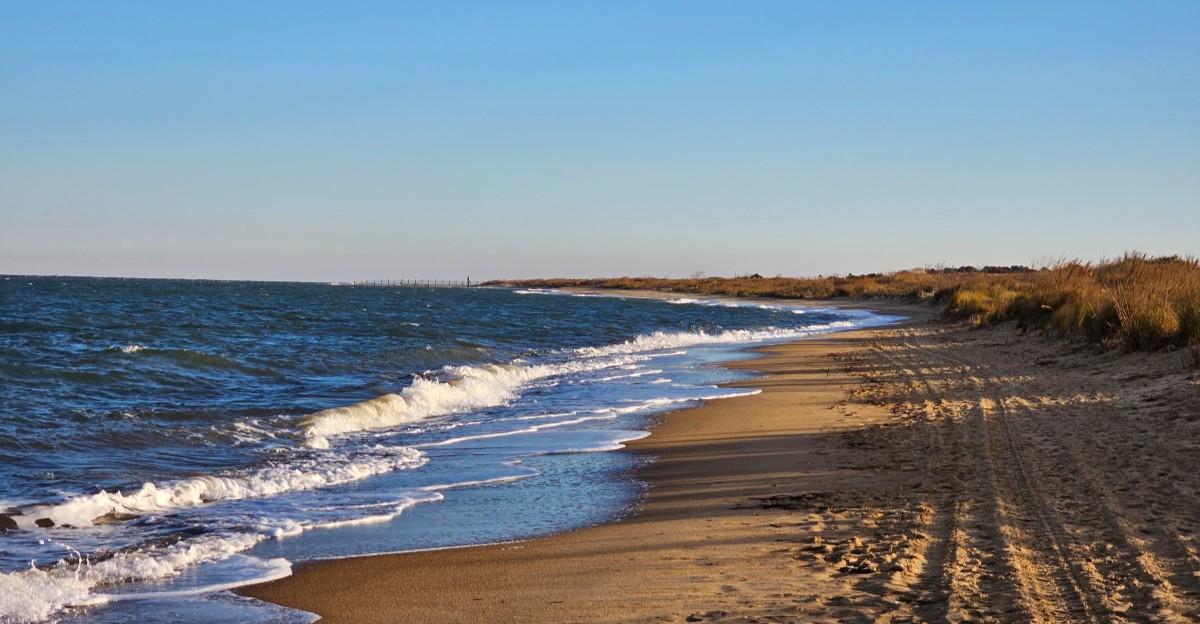
A tug on a bait line can turn an ordinary family outing into a story your kids tell all summer, especially when the day also includes sandy toes, shady trails, and a picnic with a view.
First Landing State Park, Virginia, brings those possibilities together, giving families room to trade busy schedules for beach time, woodland walks, and the simple thrill of watching something move beneath the water while everyone waits to see what happens next.
Before you pack a crabbing pole, check current rules and ask park staff where crabbing is allowed, because a little planning helps protect wildlife and keeps your adventure safe, legal, and fun for everyone in your group, from curious toddlers to grandparents who prefer a shady seat.
Grab your sunscreen, bring plenty of drinking water, and leave room in the schedule for surprises, because the best family memories here rarely follow a perfectly planned afternoon itinerary.
Start With a Ranger, Not a Guess
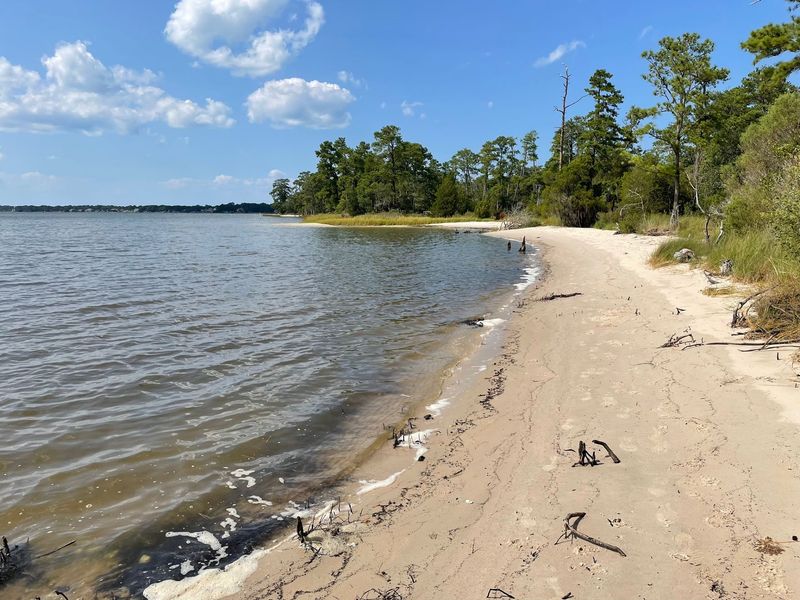
Your best piece of outdoor gear might be a five minute conversation with park staff. Before anyone drops bait into the water, ask where crabbing is permitted and which access points suit a family outing.
First Landing State Park is at 2500 Shore Dr, Virginia Beach, VA 23451. Its beach, forest trails, and inland waterways serve different activities, so getting a current map helps you choose the right starting point.
Rules deserve a quick check before excitement takes over. Consult the Virginia Marine Resources Commission for current recreational crabbing requirements, including any gear restrictions, size limits, seasonal rules, and license requirements that apply to your method.
Plan around the park’s posted hours rather than an old review or saved screenshot. Visit the official Virginia State Parks website or call 757-412-2300 to confirm access, fees, closures, and available facilities.
A flexible plan makes the whole day easier. If staff advise against crabbing that day, switch to beach play or a woodland walk instead. The goal is a happy family adventure, not forcing one activity when weather, access, or local conditions suggest a better choice.
Let a Bait Line Build the Suspense
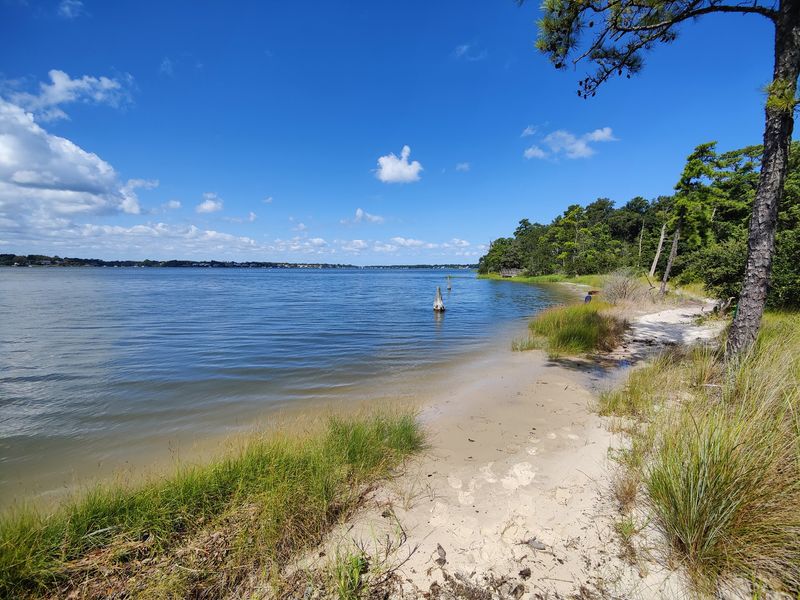
Nothing tests a child’s patience quite like a bait line that suddenly starts moving. Where park staff confirm crabbing is allowed, a simple setup can turn waiting into the main event.
Pack only gear permitted under current Virginia rules. Depending on your chosen method, that may include a handline or suitable pole, bait, a dip net, and a container for briefly observing a legal catch. Keep sharp tools and hooks under adult control.
Slow hands usually beat excited splashing. Let an adult manage the line while another person prepares the net, and give children clear jobs away from the water’s edge.
A crab’s claws are not friendly handshakes. Avoid letting kids grab a crab, and have an experienced adult handle any catch safely. Release animals that cannot legally be kept, following current guidance and avoiding unnecessary handling.
Some outings end without a single crab, and that is fine. Celebrate careful teamwork, an interesting ripple, or the funniest prediction about the bait. Bring a backup activity so the afternoon stays cheerful even when the wildlife refuses to follow your family’s carefully discussed plans for a catch.
Give Sandy Toes Their Turn
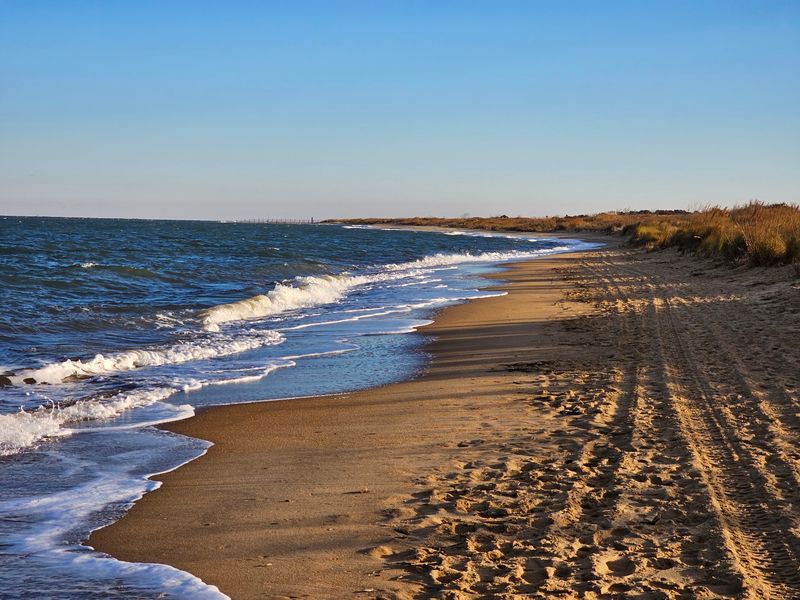
Sand has a funny way of fixing a restless mood. After time spent watching a line, the park’s Chesapeake Bay beach gives children space to dig, build, and stretch their legs.
Bring a small bucket instead of a mountain of toys. A scoop, a few sand molds, and imagination can keep younger visitors busy while adults enjoy the water view. Leave plants, dunes, and wildlife undisturbed.
Swimming needs a separate safety plan. Bay conditions can change with wind and weather, and calm looking water does not remove the risks. Check current park guidance, supervise children closely, and use properly fitted life jackets when appropriate.
Skip the assumption that someone else is watching. Choose one adult to focus on children near the water, then clearly hand over that responsibility when taking a break. Keep crabbing equipment away from swimmers and busy beach areas.
A dry change of clothes can feel like luxury afterward. Pack towels, sunscreen, drinking water, and a bag for wet items. Before leaving, gather every toy and scrap of litter so another family finds the same inviting stretch of sand on their next visit.
Follow the Cypress Trees Into Another World
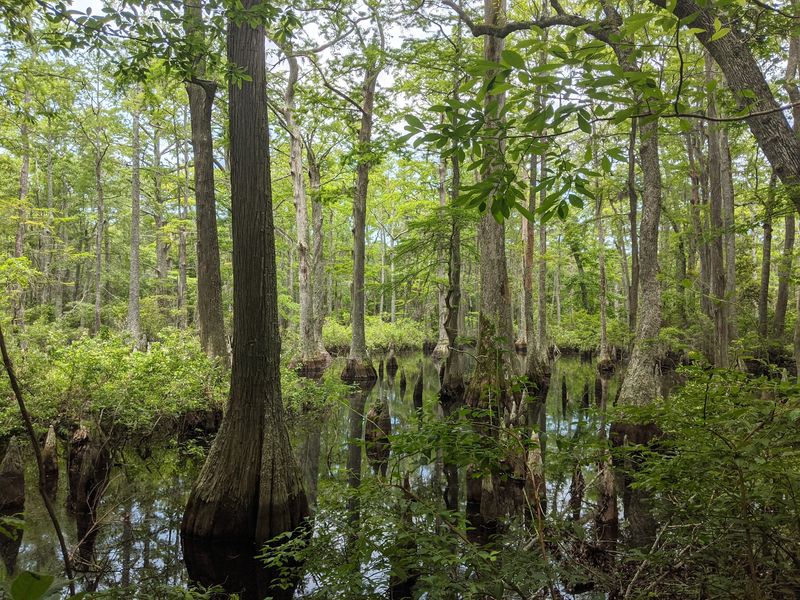
The scenery changes fast when sand gives way to swamp.
Along the Bald Cypress Trail, tall trees, dark water, and hanging Spanish moss create a setting that feels far removed from a typical beach afternoon. It is an easy way to add a completely different chapter to your family day.
Pick up a trail map before setting out. Ask staff about current conditions, distances, and any closures, then choose a walk that matches your youngest hiker’s energy. A short outing with happy kids beats a long march filled with complaints.
Look closely without leaving the marked route. Cypress knees rise around the trees, and wet places may reveal frogs, turtles, or dragonflies. Sightings vary, so treat every discovery as a bonus rather than a promise.
Closed shoes help on uneven surfaces, while insect repellent can make warm weather walks more comfortable. Use boardwalks carefully and keep children from leaning over edges.
Try a quiet listening stop halfway through. Ask everyone to name one sound before moving again. A bird call or rustling leaf can turn a simple walk into a memory nobody expected when packing beach towels.
Make Lunch the Easiest Part of the Day
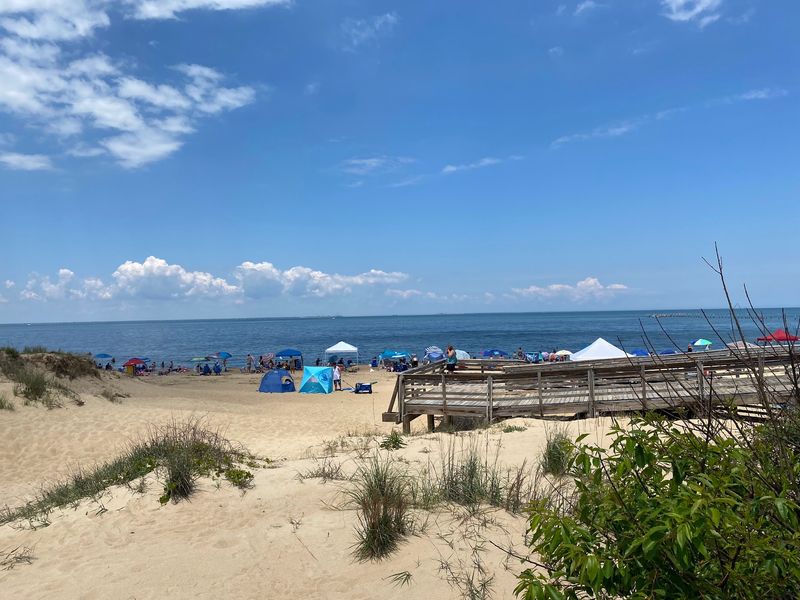
A hungry child can turn a beautiful view into background noise. Keep lunch simple, and your afternoon has a much better chance of staying cheerful.
Pack foods that travel well in a cooler. Sandwiches, cut fruit, crunchy vegetables, and easy snacks mean less preparation and fewer loose pieces blowing across the table. Keep perishable food cold and bring enough drinking water for everyone.
Choose a designated picnic space and check the day’s facility availability. Spread out only what you need, keeping bags and food away from paths. If your group needs an accessible table or nearby restroom, ask staff before settling in.
Clean hands matter after bait, sand, and wildlife watching. Use soap and water before eating whenever possible, and keep fishing supplies separate from lunch containers. A small cleanup kit saves plenty of trouble.
Give the break a little personality. Ask each person to share the strangest thing they noticed so far, or vote on the afternoon’s next activity.
Finish by checking beneath the table for dropped wrappers. Never feed wild animals, even when they look interested. A tidy picnic protects the park and keeps your family routine pleasantly uncomplicated.
Turn Wildlife Watching Into a Tiny Mission
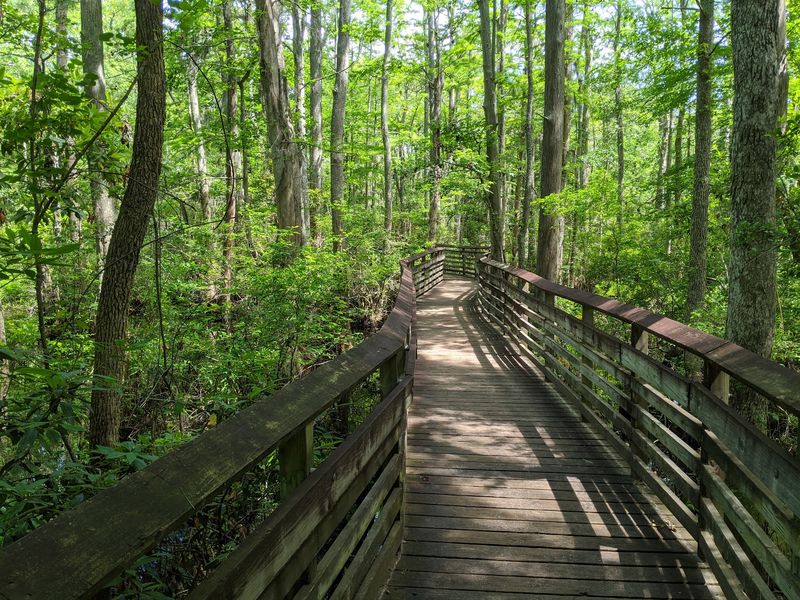
Binoculars can make even the quietest kid become the group’s chief explorer. The park’s mix of beach, marsh, and woodland gives families several habitats to watch during one visit.
Create a small challenge before walking. Look for a bird near water, an insect above a puddle, and an animal track in a suitable sandy spot. Nobody needs to identify every species to enjoy noticing something new.
Visitors report seeing turtles, herons, egrets, and other wildlife, but animals keep their own schedules. Dolphins are sometimes spotted from the beach, though a sighting is never guaranteed. Patience and a quiet voice improve the experience without disturbing anything.
Stay on designated paths and give animals room. Do not chase, feed, collect, or corner wildlife for a photograph. Teach children that watching from a distance is part of being a good guest.
A pocket notebook adds an easy creative twist. Let kids sketch what they saw, record colors, or invent a silly nickname before checking a field guide.
End the game with shared discoveries instead of winners. The smallest dragonfly may become the day’s biggest story once everyone starts comparing their favorite observations.
Add a Paddle When the Family Is Ready
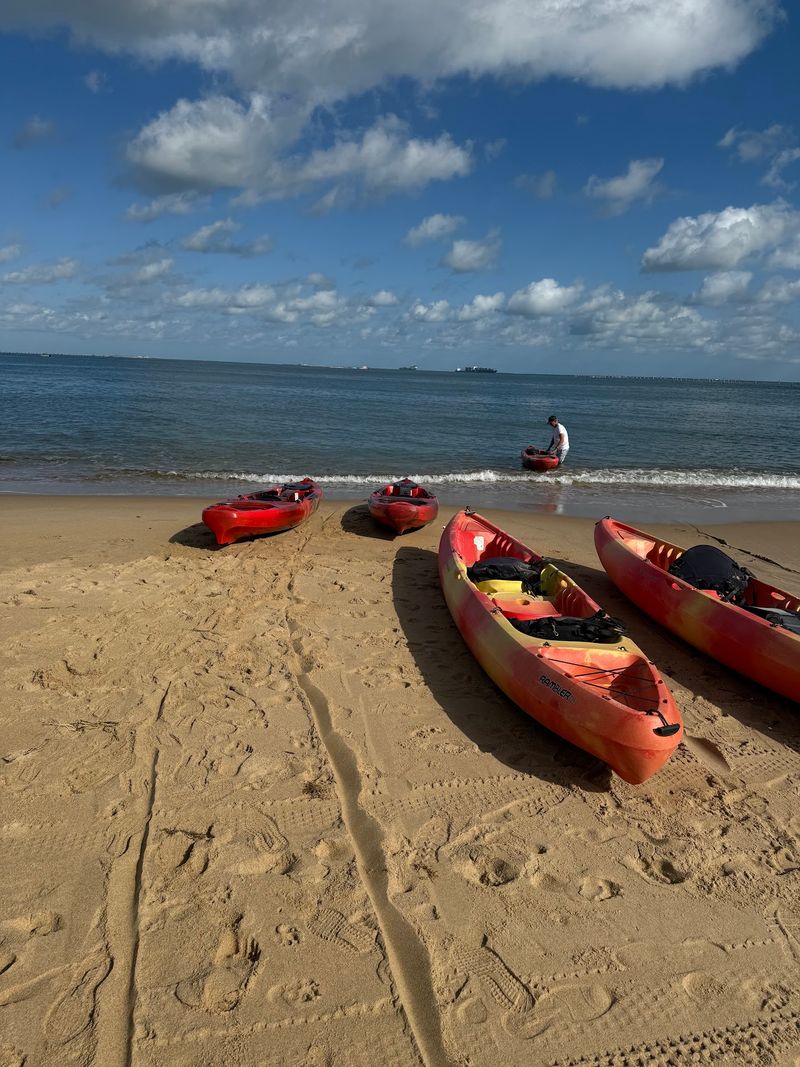
From a kayak, familiar trees suddenly look like part of a different park. A paddling outing can add another view of First Landing’s waterways when conditions and family abilities allow.
Do not treat it as an automatic add on. Check with park staff about launch access, permitted routes, and current conditions. If you want a guided trip, confirm availability, age requirements, equipment, and the operator’s safety procedures before making plans.
Everyone needs a properly fitted life jacket. Children also need boats and supervision suited to their size and experience. Wind, tides, heat, and storms can change a pleasant outing into a difficult one.
Beginners benefit from keeping expectations modest. Choose a short, suitable trip rather than trying to cover every waterway. Tell someone your plan, protect your phone from water, and carry drinking water.
Watch the shoreline without bumping into it. Give wildlife space, avoid disturbing marsh plants, and follow guidance around shallow areas and sensitive habitats.
Sometimes the smartest paddling choice is waiting for another visit. A beach walk still offers water views without extra equipment. Let comfort and safety decide, not pressure to squeeze every possible adventure into one afternoon.
Leave Room for History and a Last Look
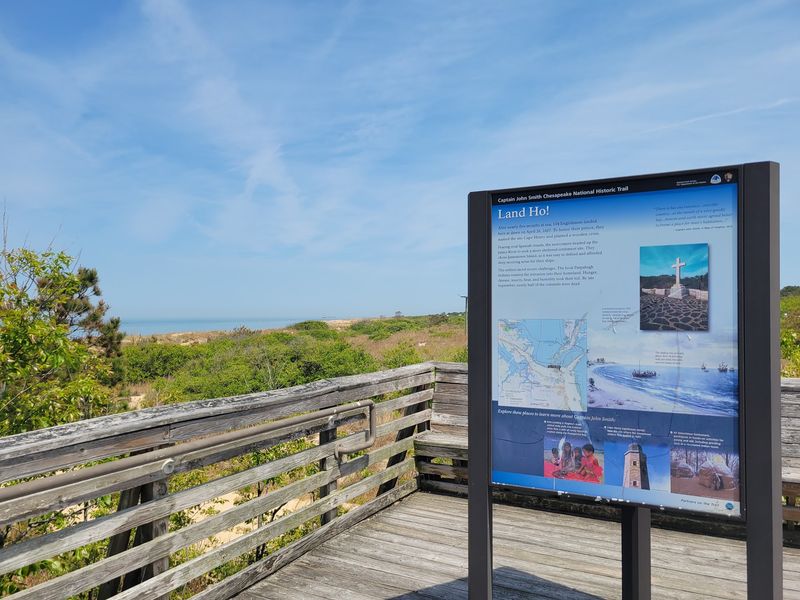
One last look at the water can be better than one more activity. As your outing winds down, leave a little breathing room instead of racing through a final checklist.
The park’s name points to the 1607 landing of English colonists at Cape Henry before they continued toward Jamestown. Interpretive information can help families understand that connection and introduce conversations about the people and landscapes tied to this history.
Check which visitor facilities or programs are open during your visit. A brief stop can give curious kids context without turning the afternoon into a long lesson. Let their questions guide the conversation.
If time and posted hours allow, finish with a relaxed beach pause. Evening light can soften the scenery, though clouds and weather decide whether you get a colorful sunset. Keep enough time to pack up and leave safely.
Ask everyone to choose one moment worth remembering. Maybe it was a moving bait line, a mossy tree, or lunch that tasted better outdoors.
Before heading home, shake out towels and check your belongings. You may leave without a crab, but still carry a family story worth retelling.