
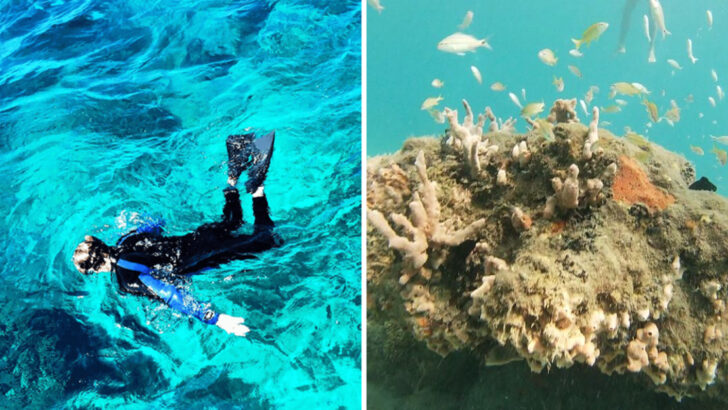
Salt-clear water, gentle surf, and a kaleidoscope of marine life make Florida an easy win for your next snorkeling getaway. From coral gardens in the Keys to spring-fed rivers with manatees, every skill level can find a spot that feels tailor-made.
You will get practical tips, realistic conditions, and local insights so your mask time is pure joy, not guesswork. Grab a reef-safe sunscreen and plan for the best visibility of 2026.
John Pennekamp Coral Reef State Park, Key Largo
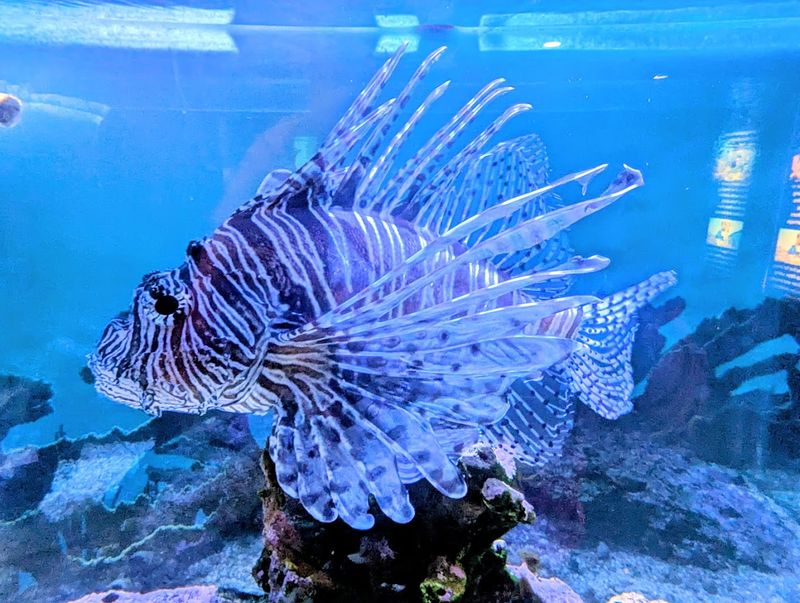
Glass-clear water and living coral set the tone here, and you can feel it from the first fin kick. Guided boat trips take you to shallow reefs where purple sea fans sway beside brain coral and schools of sergeant majors.
If you prefer staying near shore, the Cannon Beach area offers an easy warm-up with remnants of a replica shipwreck just offshore.
Timing matters. Book early morning or late afternoon tours for calmer winds and fewer crowds, then watch the colors pop when the sun sits higher.
You will want a shorty wetsuit in winter, a rashguard in summer, and always reef-safe sunscreen to protect the corals you came to admire.
Navigation is simple with mooring buoys and helpful crew who brief you on currents and entry technique. Pack a snug mask, a snorkel with a purge valve, and fins that fit your kick style.
For photos, a red filter helps correct color loss at depth, making those parrotfish and blue tangs look as vivid as they feel in person.
Dry Tortugas National Park, Key West Access
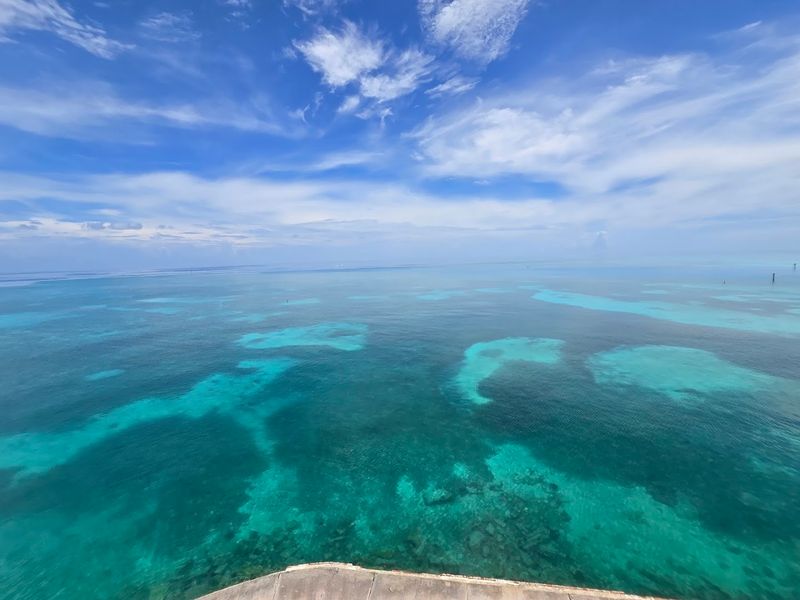
Remote water equals ridiculous visibility, and this park delivers that in spades. The moat wall around historic Fort Jefferson doubles as an easy snorkel route with tropical fish weaving through old bricks and sponges clinging to corners.
Expect gentle surge, patch reef gardens, and that rare mix of history and sea life in one frame.
Getting here requires commitment by ferry or seaplane, so pack smart. Bring a wide-brim hat, hydration tablets, and a compact dry bag for your phone and permit.
Currents are usually manageable inside the swim zones, yet you should still note wind direction and stay close to the ladders for smooth exits.
Photographers love the shallow sunbeams and sandy backdrops that make colors jump. A simple action camera with a clip mount frees your hands to adjust your mask or give space to a cruising barracuda.
Leave only bubbles, skip standing on coral, and keep snacks sealed to outsmart opportunistic gulls patrolling the fort walls.
Phil Foster Park (Blue Heron Bridge), Riviera Beach
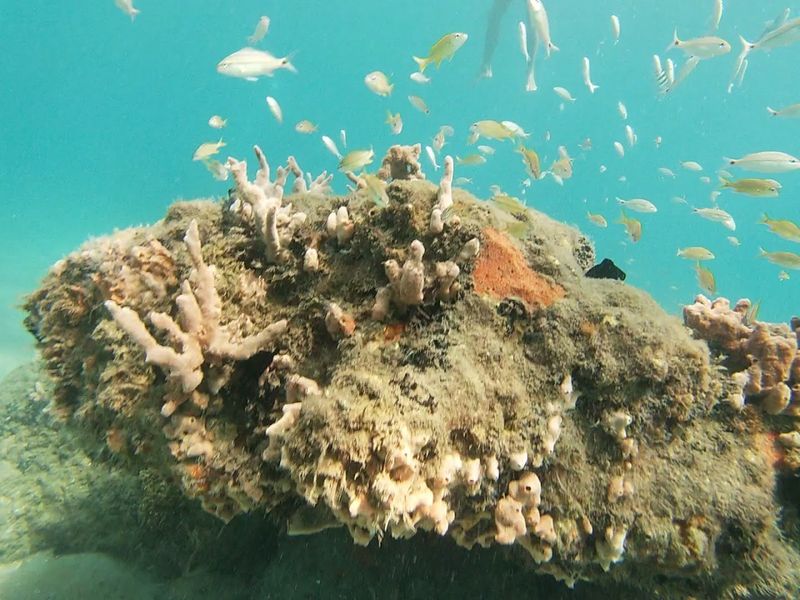
Critter hunters light up here thanks to protected waters and ridiculously diverse macro life. Under the bridge, seahorses cling to algae, octopus peek from cans, and decorator crabs strut with flair.
You will appreciate the mellow depth, typically 6 to 15 feet, which stretches bottom time while you scan patiently.
Tides rule everything. Aim for high slack tide to cut current, maximize clarity, and catch shy residents in calmer water.
A small dive light helps spot camouflaged creatures under pylons, and thin gloves protect against accidental scrapes on barnacle crust.
Parking fills quickly on weekends, so arrive early, stash valuables discreetly, and use a bright surface marker if you drift beyond the swim area. Slow movements get better encounters than fast kicks here.
Bring a magnifying lens for your camera housing, then add a gentle light to showcase tiny nudibranchs without blowing out their colors.
Looe Key Reef, Big Pine Key
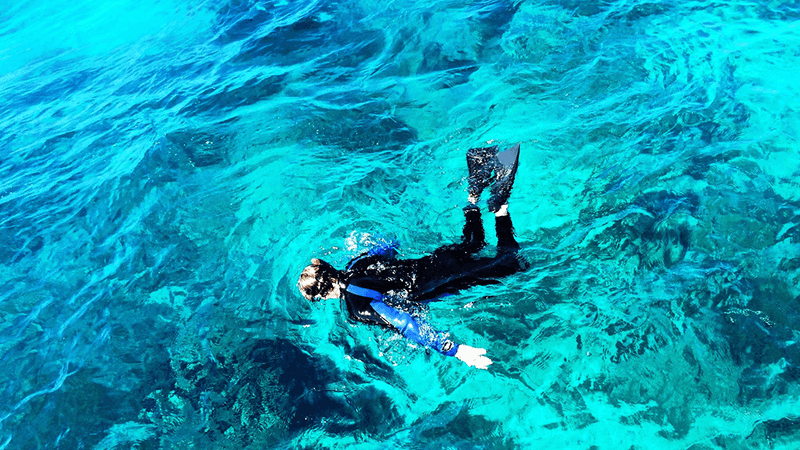
Reef architecture steals the show, with spur and groove channels that funnel fish into photogenic clusters. You will see blue tang, chubs, and rainbow parrotfish grazing along gorgonians while elkhorn stands guard like underwater antlers.
Surface conditions vary, so boat captains pick calmer sections to keep things smooth for newer snorkelers.
Bring a snug vest for extra buoyancy and warmth during winter fronts. A defog routine matters here, because the scenery arrives immediately and you will not want to surface mid-tour.
Crew briefings cover reef etiquette, pointing out no-touch zones and sandy patches for safe rest stops.
Expect occasional currents that keep the water extra clean. Staying streamlined helps: minimal dangling gear, a compact camera, and fins matched to your kick power.
Back on deck, log fish IDs with a quick reference card and sip water to keep cramps away for your second session.
Sombrero Reef, Marathon
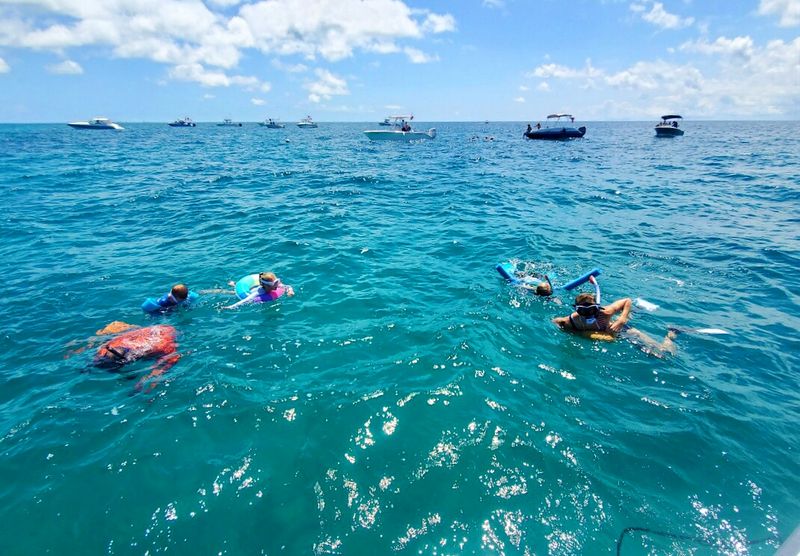
Currents sweep nutrients across these ridges, fueling healthy gorgonians and a swirl of reef fish. You will notice color layers that stack from sandy channels to coral crowns, perfect for gentle surface cruising.
The lighthouse adds character and helps orient your group for easy navigation.
Choose a tour that supplies vests and noodles for a relaxed float, especially for first-time snorkelers. Crews typically split groups by comfort, so you are never pressured to kick hard or chase a sighting.
A simple whistle on your lanyard is handy if you want quick attention from the guide.
Visibility benefits from settled weather, and a day after strong wind often looks best. Keep strokes slow, watch your trim, and avoid stirring the bottom, which clouds the view.
If you bring an action camera, lock exposure to keep white sand from washing out coral colors when the sun swings overhead.
Bahia Honda State Park, Lower Keys
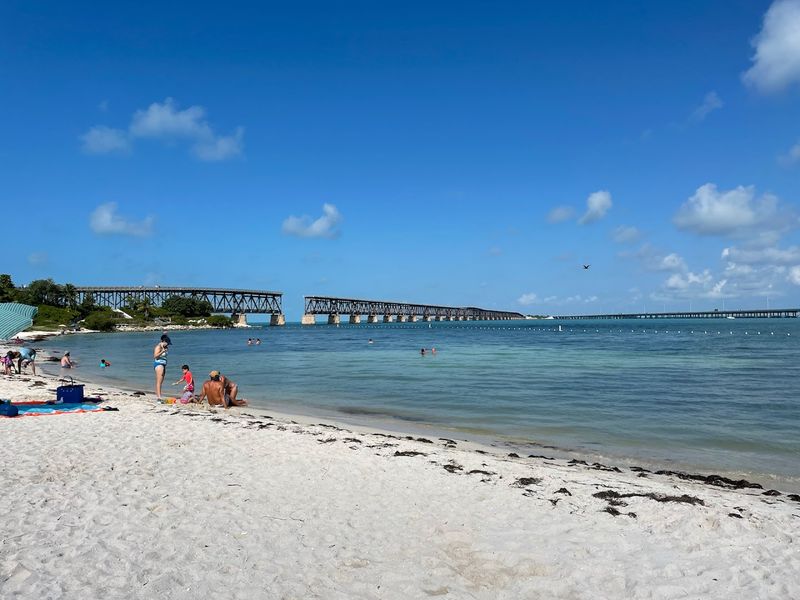
Shore entry makes this spot friendly and flexible, ideal for a warm-up day before boat reefs. Shallow seagrass beds shelter juvenile fish, starfish, and occasional stingrays sliding gracefully along the sand.
On calm days, patch reefs just off the beach deliver spurts of color without a long swim.
Check the flag at the lifeguard stand and pick the leeward side when winds pick up. A compact mesh bag keeps fins and snacks tidy as you shift between water sessions and shade breaks.
Bring water shoes for walking across shell bits and avoid stepping on urchins hiding near rocky edges.
Visibility swings with weather, yet patience rewards you with glittering baitfish and darting wrasse. Pack a small cooler for an easy picnic, then schedule your snorkeling during the midpoint of an incoming tide.
Afterward, rinse gear at the stations and log wildlife in a notes app so your Keys itinerary keeps improving.
Crystal River and Three Sisters Springs, Citrus County
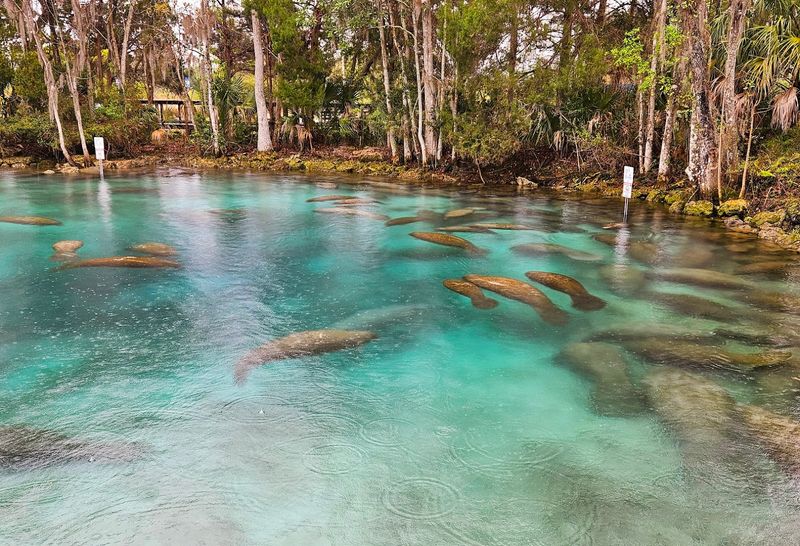
Winter brings manatees seeking warm spring water, and a quiet float here feels magical. You will stay horizontal, hands tucked, giving plenty of space while these gentle giants glide past.
Licensed operators provide briefings, float vests, and in-water guides who protect both visitors and animals.
Water clarity improves early and on colder mornings as more manatees gather inside protected zones. Bring a hooded rashguard for warmth and a soft camera tray that keeps your hands stable without chasing.
Patience gets better encounters than speed, and a still posture often invites a curious pass within the rules.
Outside peak season, the springs remain beautiful with fish, turtles, and shimmering sand boils. Remember, no touching, no riding, and no cornering animals against banks.
Warm up afterward with a thermos drink, then review your shots for fogging, which often sneaks in when cool air hits a warm housing.
Devil’s Den Prehistoric Spring, Williston
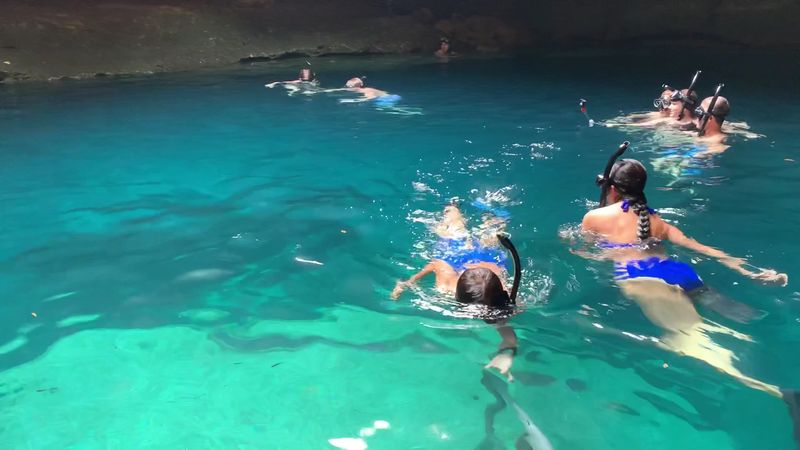
Ancient limestone and a natural skylight create an otherworldly mood that photographs beautifully. Descend the stairs, slip into the spring, and you will see rock ledges forming terraces around deep blue water.
The vibe is calm and controlled with staff keeping entries organized and safe.
A shorty wetsuit is a smart call here because the constant spring temperature can feel brisk after 30 minutes. Bring a soft light to peek into nooks while staying respectful of posted boundaries.
Good trim protects both your knees and the fragile rock from accidental contact.
Because this is a confined space, keep fins lifted during entries and exits to avoid bumping the stairs. Morning slots tend to be quieter and let you savor the cavern atmosphere.
After your swim, warm up topside, log observations in your phone, and plan an afternoon at a nearby spring run for contrast.
Egmont Key State Park, Tampa Bay
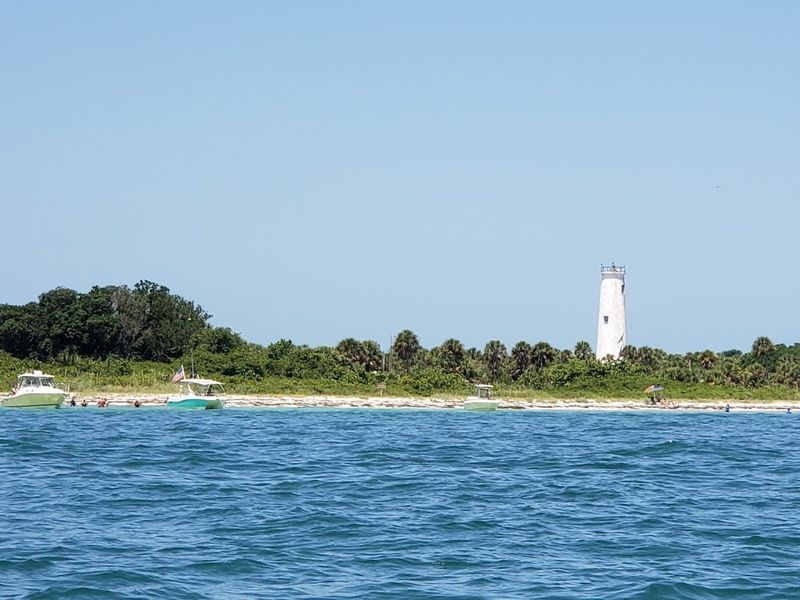
Old fort ruins and emerald water set a playful stage for a ferry day trip. Nearshore rubble hosts bait balls and sheepshead, and you might spot dolphins from the beach between sessions.
Conditions swing with tides, so picking the right window changes everything.
Plan for an incoming tide for clearer water and friendlier current near the ruins. Wear water shoes for broken shell patches, and bring a soft cooler since amenities are limited.
A long-sleeve rashguard keeps sun off while you float near the swim buoys and scan sandy cuts for rays.
Keep movements gentle around structure to avoid stirring sediment and losing visibility. Bring a compact safety whistle and a bright hat so your group can regroup quickly onshore.
When the wind picks up, call it early and enjoy the island walk, then save your second snorkel for a calmer tide swing.
Peanut Island, Palm Beach
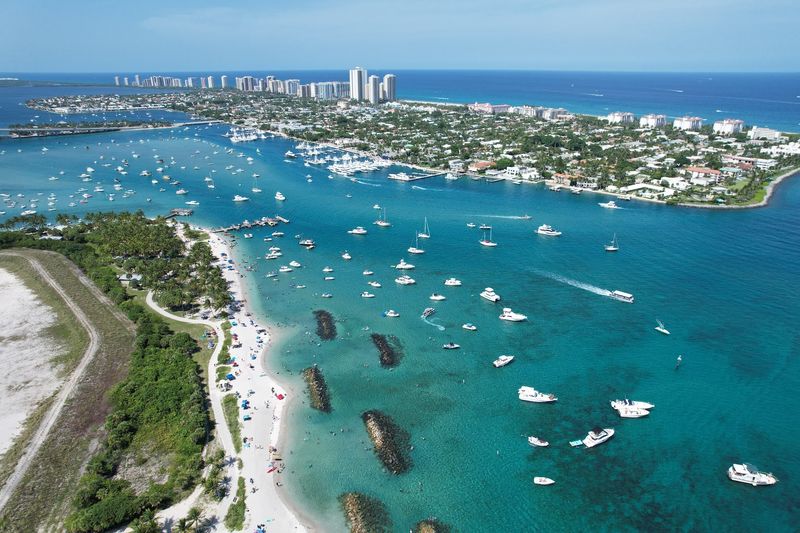
A sheltered lagoon makes this spot perfect for easy conditions and colorful fish around man-made rock piles. You will find sergeant majors, parrotfish, and occasional angelfish cruising predictable routes that are great for new snorkelers.
The island vibe feels casual, and the short water taxi ride adds a fun flourish.
Tide timing still matters because the inlet can influence clarity. Aim for slack high for the cleanest water and a relaxed current.
Pack a compact umbrella or sun shelter, plus a dry bag for your phone and snacks since shade can be limited.
Streamline your kit with short fins for maneuverability in the lagoon and a mask that seals without overtightening. Keep toes off rocks to avoid fire coral surprises and keep hands tucked to protect small critters.
After your session, rinse gear, hydrate, and catch a final lap when the sun softens in late afternoon.
St. Andrews State Park Jetties, Panama City Beach
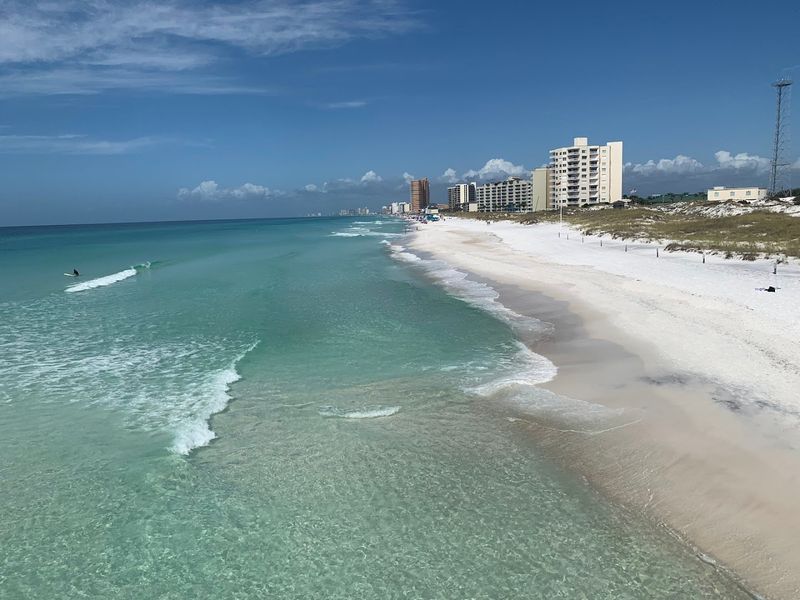
Granite jetties create a calm pocket that acts like a fish magnet on the right tide. Expect spadefish, sheepshead, and the occasional flounder blending into sand while pelicans patrol above.
The walk from parking is short, which helps with family logistics and frequent water breaks.
For the best clarity, target incoming tide and moderate surf forecasts. Water shoes make entries easier across rocks, and a compact float keeps rest stops simple.
A rashguard prevents rub from the vest and guards against midday sun reflecting off pale sand.
Keep your kick compact near rocks to avoid stirring silt that ruins visibility for everyone. A small mesh bag holds defog, snacks, and a microfiber towel for quick warm-ups.
If waves rise, shift to the lagoon side or take a break and return when conditions settle rather than fighting chop.
Destin Jetties, East Pass
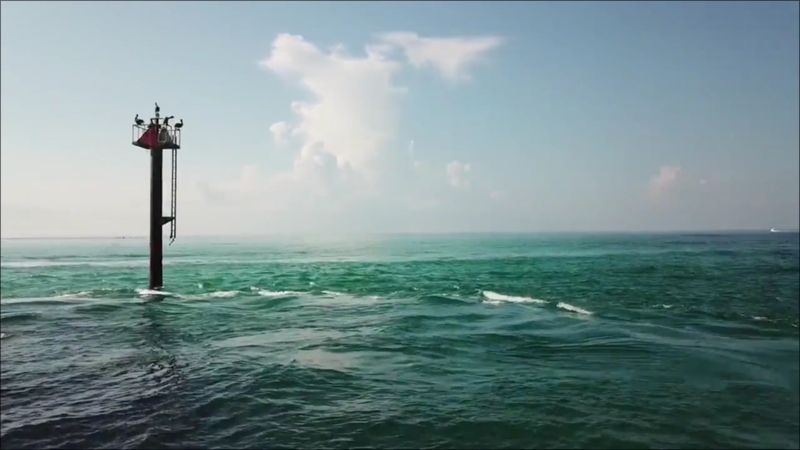
Emerald water and busy bait schools keep this Panhandle classic interesting on calm days. Rocks host sheepshead and juvenile grouper, while the sandy channels carry glittering glass minnows.
You will want to match your session to the tide to balance clarity with manageable current.
Local advice points to slack high or the beginning of an incoming tide. A surface marker float increases visibility to boaters near the pass, which can get lively.
Choose a snug vest, keep your camera compact, and avoid dangling straps that can snag between rocks.
Parking can fill fast in peak season, so arrive early, pack light, and stage your gear before walking to the entry. Keep an eye on changing wind that can build short chop along the rocks.
If visibility drops, grab a snack, warm up, and try again when the tide swings cleaner.
Fort Zachary Taylor Beach, Key West
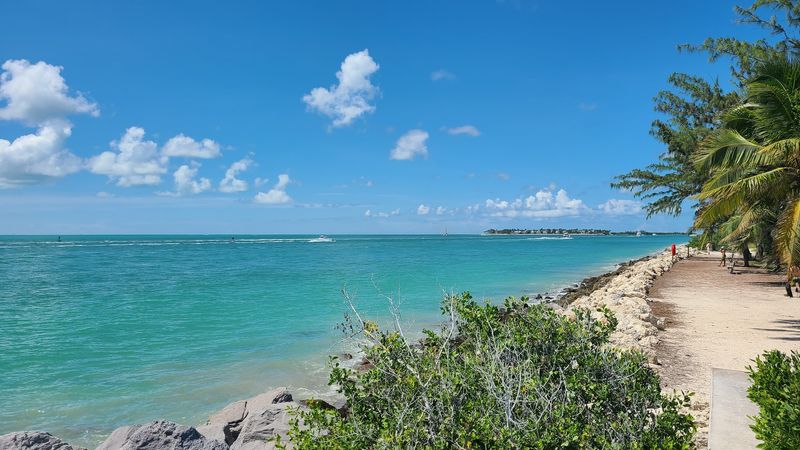
Rocky fingers near shore concentrate fish and offer an easy saltwater fix without a boat. Grunts hover in striped groups while parrotfish nibble, adding pops of color under a calm surface.
The beach itself is a crowd pleaser, and sunset sessions feel especially mellow.
Bring water shoes for the entry, a compact float, and a rashguard to handle sun reflecting off pale rocks. Check flags for conditions and pick the calmest side to keep silt from clouding your view.
A simple defog routine and gentle frog kicks protect visibility for nearby snorkelers.
Between laps, snack under the pines and review a fish ID card so your next swim becomes a little scavenger hunt. Pack a lightweight towel and a dry bag for phones and keys.
If wind rises, take a pause, then return as it settles to enjoy clearer water and easier breathing.