America’s first true canal still leaves its mark in the woods here, and you can walk right beside it.
Workers finished the 22-mile waterway in 1800, long before railroads stole its job.
I like how this spot mixes old engineering with pure swamp scenery.
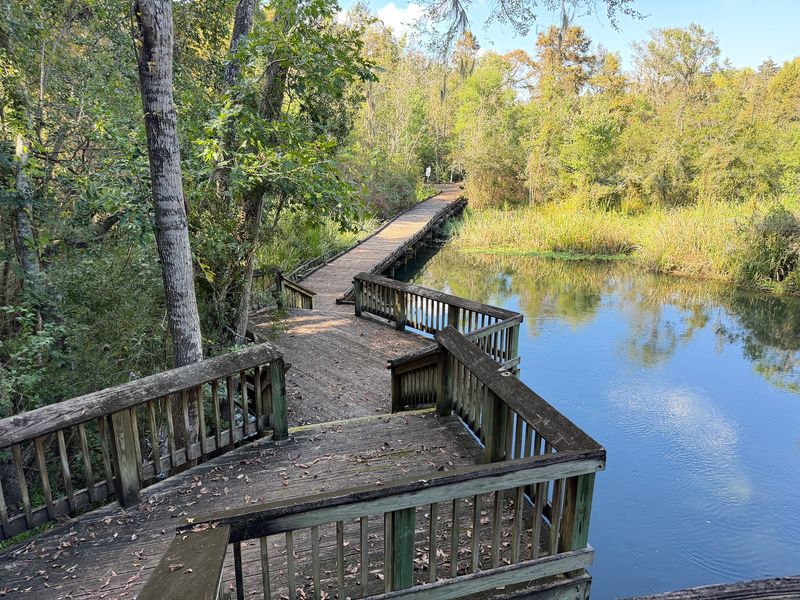
Four miles of boardwalk wind over blackwater creeks and cypress trees.
Alligators, turtles, and more than 160 bird species call the place home.
South Carolina winters are mild, which makes a cool afternoon stroll here sound pretty perfect to me.
The shade, the quiet water, and the history all feel easier to enjoy without summer heat.
There’s also a full-size replica of a Civil War-era torpedo boat waiting outside the Berkeley County Museum.
A limestone bluff millions of years old rises along one trail.
So how much can one park really pack into a single afternoon?
You Can Walk Beside America’s First True Canal
History buffs, this one’s for you. Old Santee Canal Park protects the site of what’s called America’s first true canal.
The canal was chartered in 1786 and finished in 1800. It stretched 22 miles and linked the Santee and Cooper rivers.
Boats used it to haul goods like cotton and indigo toward Charleston Harbor. For about half a century, it served as a busy shipping route through South Carolina.
Then trains showed up and changed everything. By the 1850s, the canal had faded out of use.
Here’s the fun part. Portions of the original canal are still visible along the park’s trails, so you can see real traces of it yourself.
The story also includes the people who built it. Black tradesmen and enslaved people did much of the construction work, and that history matters here.
Winter is a smart time to notice these old channels. With less summer growth around, the shapes of the land can feel easier to read.
Take a minute to stand still beside it. You’re looking at work that shaped trade in the young United States.
Four Miles Of Boardwalk Make Swamp Walking Surprisingly Easy
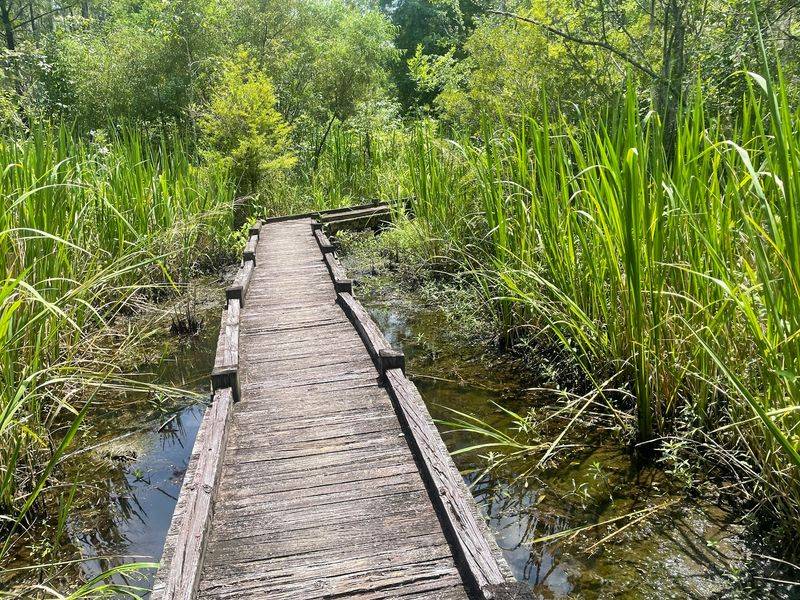
Swamps sound messy until someone builds you a wooden highway through one. The park has four miles of boardwalks winding through the backwaters of Biggin Creek and the surrounding swamp.
Those boardwalks are ADA-accessible. That makes the swamp friendly for strollers, wheelchairs, and anyone who prefers dry shoes.
The paths wind through the backwaters of Biggin Creek. Bald cypress trees rise from dark, still water all around you.
A cool winter afternoon suits this walk nicely. You can wander slowly without the heavy heat that South Carolina summers bring.
Watch your footing after rain or leaf drops. Wood can get slick, so steady steps are the move.
The trails use color-coded signage to keep you on track. Grab a map at the gate, and you’ll have a much easier time planning a loop.
Most facilities sit near the parking area. Some trail sections reach pretty far away, so bring water and use the restroom before heading out.
Benches along the way give you spots to pause. Sitting quietly over the water might be the best show in the whole park.
Bring Binoculars Because The Locals Have Feathers And Scales

More than 160 bird species have been spotted at this park. That number makes binoculars feel less like an extra and more like a must.
Look for blue herons, ospreys, wood ducks, and barred owls. Bald eagles and Prothonotary warblers are on the list too.
Birds are only part of the cast. Alligators, turtles, deer, frogs, skinks, and salamanders also live in this habitat.
Yes, alligators. Keep a respectful distance, stay on the trails, and keep a close eye on kids and pets near the water.
Winter can be a nice season for bird watching. Bare branches may open up views that leafy summer trees would block.
Patience pays off here. Pick a quiet stretch of boardwalk, lower your voice, and let the swamp do the talking.
Snakes are part of the wild mix as well. That’s normal for a South Carolina wetland, so simply watch where you step.
Keep a little checklist going on your phone. Counting heron sightings could turn into a surprisingly competitive family game.
Grab A Canoe And See The Creek From Water Level
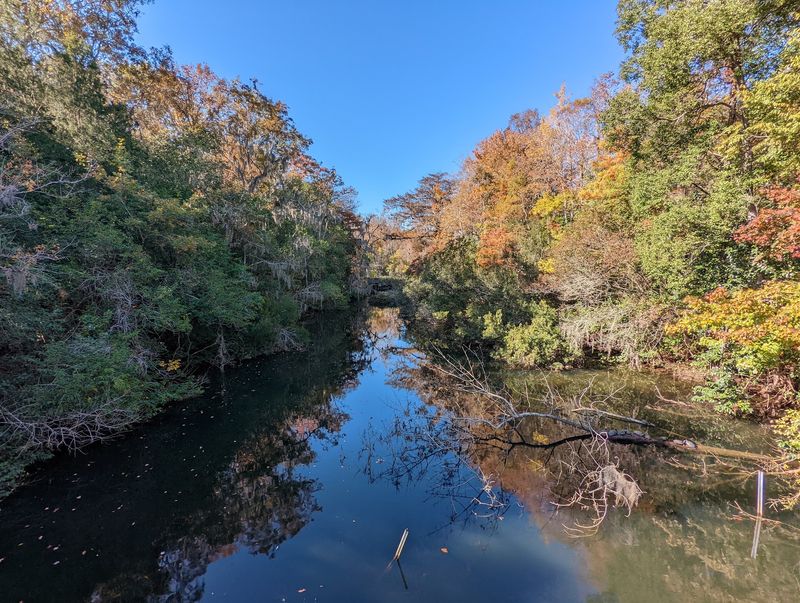
Boardwalks show you the swamp from above. A canoe puts you right in the middle of it.
The park offers a three-mile marked paddle trail. It guides you through wetlands filled with bald cypress trees.
Canoe rentals are available, so you don’t need to haul your own boat. That’s a big win if your car is more sedan than pickup truck.
The creek’s blackwater looks dark and glassy. Cypress trunks rise straight out of it, giving the whole trip a calm, storybook feel.
Paddling in winter means cooler air and steady effort. Dress in layers, and pack a dry change of clothes just in case.
Check with the park about rental availability before you go. Weather and season can affect water plans, so a quick call saves headaches.
Remember that alligators share these waters. Keep hands inside the canoe and give any wildlife plenty of room.
Marked routes help beginners feel confident. Even so, paddle with a buddy and wear a life jacket every time.
Seeing the swamp at eye level feels completely different. Turtles and birds suddenly seem much closer.
Your Warm-Up Stop Covers Thousands Of Years Of Stories
Cold fingers? Head indoors for a bit.
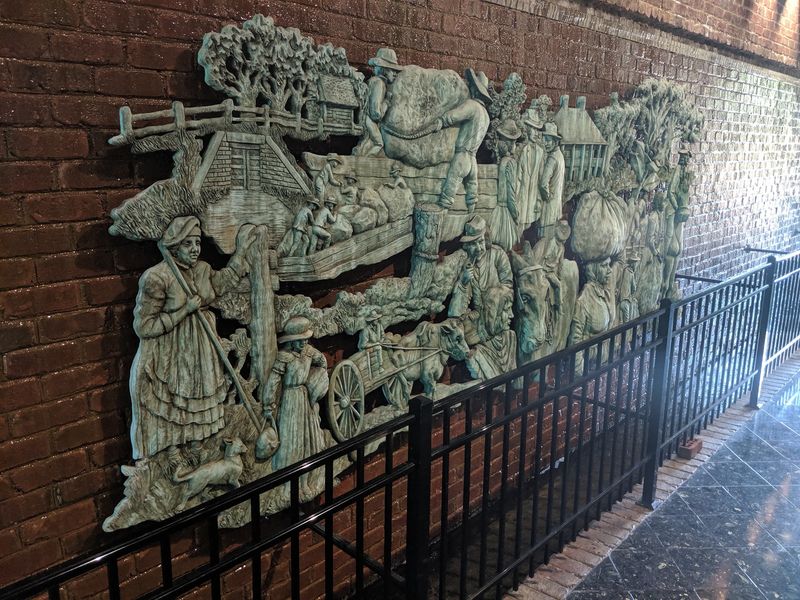
The Interpretive Center at Old Santee Canal Park makes a great warm-up break.
Its exhibits trace local history back as far as 4000 B.C. That’s a long timeline for one building.
You’ll learn about the area’s people, the canal, and the natural world around it. Videos on different historical topics let you pick what sounds interesting.
The center also covers the local bird population. That’s handy before a walk, since you’ll know what to watch for outside.
Then there’s the Living Loft. It features live creatures, which is usually the moment kids stop asking for snacks.
Starting your visit here makes sense. The history gives the trails more meaning once you step outside.
Leashed dogs are welcome on many trails. Inside buildings is a different story, so plan pet care around museum time.
The center works year-round, rain or shine. On a gray winter day, it can easily fill an hour of your afternoon.
Ask staff about current programs while you’re there. They can point you toward what’s happening that season.
A Full-Size Torpedo Boat Replica Is Waiting Inside The Museum
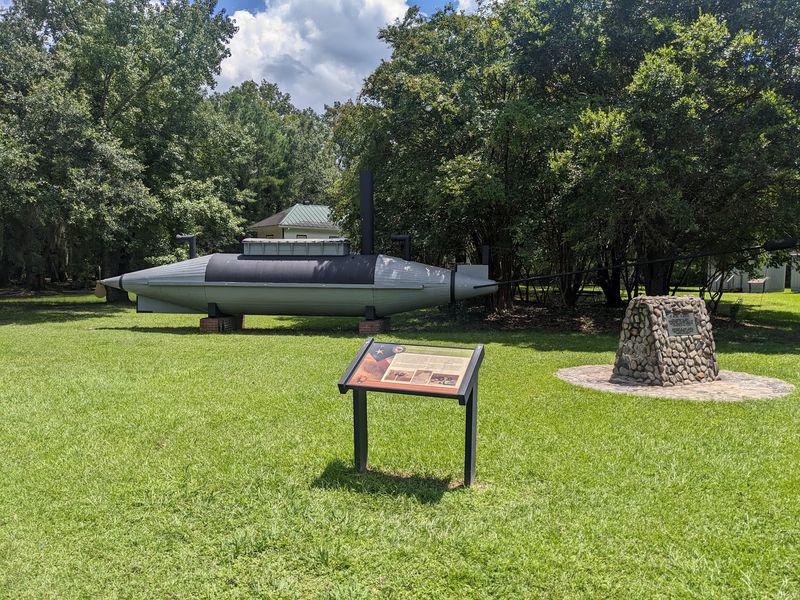
Not every park keeps a torpedo boat indoors. The Berkeley County Museum and Heritage Center sits inside the park grounds.
Better news? Entry is included with park admission, so you get two attractions for one trip.
The star attraction is a full-scale replica of the Little David, displayed outside the Berkeley County Museum. That Confederate torpedo boat was built right at Stony Landing Plantation.
Seeing it full size helps the story click. Reading about a vessel is one thing, but standing next to its shape is another.
The museum showcases the region’s wide-ranging history. It covers stories that stretch across many eras of Berkeley County.
The museum is a manageable size. You can explore it without feeling rushed or worn out before hitting the trails.
Pair it with the Interpretive Center for a full indoor history session. On a chilly or drizzly afternoon, that combo works beautifully.
Kids who like boats, machines, or old maps will find plenty here. Adults may get curious about the local backstory too.
Leave time for questions. This museum tends to spark them.
An 1843 House And A Revolutionary Site Share The Grounds
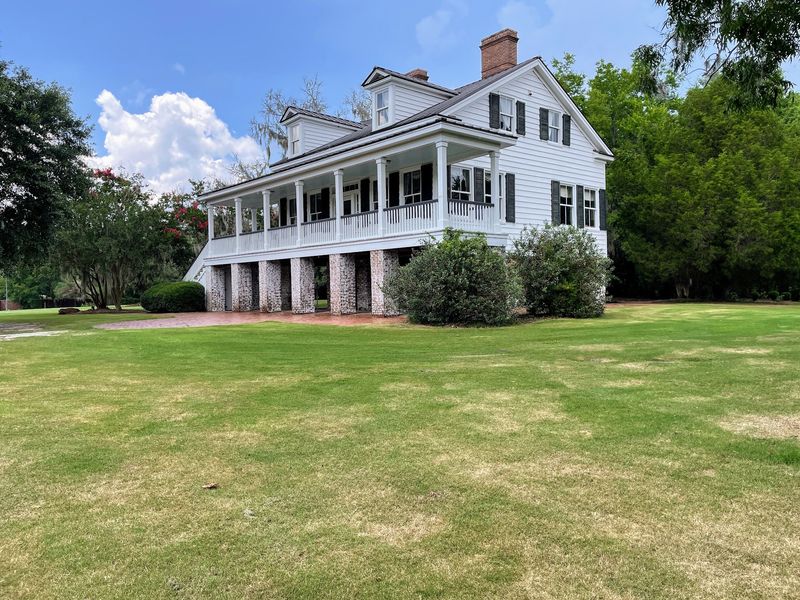
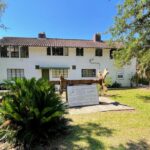
Built in 1843, the Stony Landing House adds a homey chapter to the park’s story. It stands as one of the site’s historic attractions.
Tours may be available, so ask at the park when you arrive. Availability can vary, and checking first avoids disappointment.
Then there’s Fort Fair Lawn. This Revolutionary War site also sits within the park.
Think about that range for a moment. Within a single afternoon, you can move through colonial history, canal history, and nineteenth-century home life.
Winter is a comfortable time to cover all that ground. Cooler air makes walking between sites far more pleasant in South Carolina.
The full address is 900 Stony Landing Road, Moncks Corner, SC 29461. Plug it in, and the park sits a short drive from Charleston.
Bring a curious mind and comfortable shoes. Some paths include natural ground and earthen steps along the way.
History here doesn’t stay locked behind glass. It’s scattered across the land itself, waiting along the trails.
That makes every walk feel a little like a treasure hunt.
A Bluff Older Than The Dinosaurs’ Memory Hides On The Woodland Trail
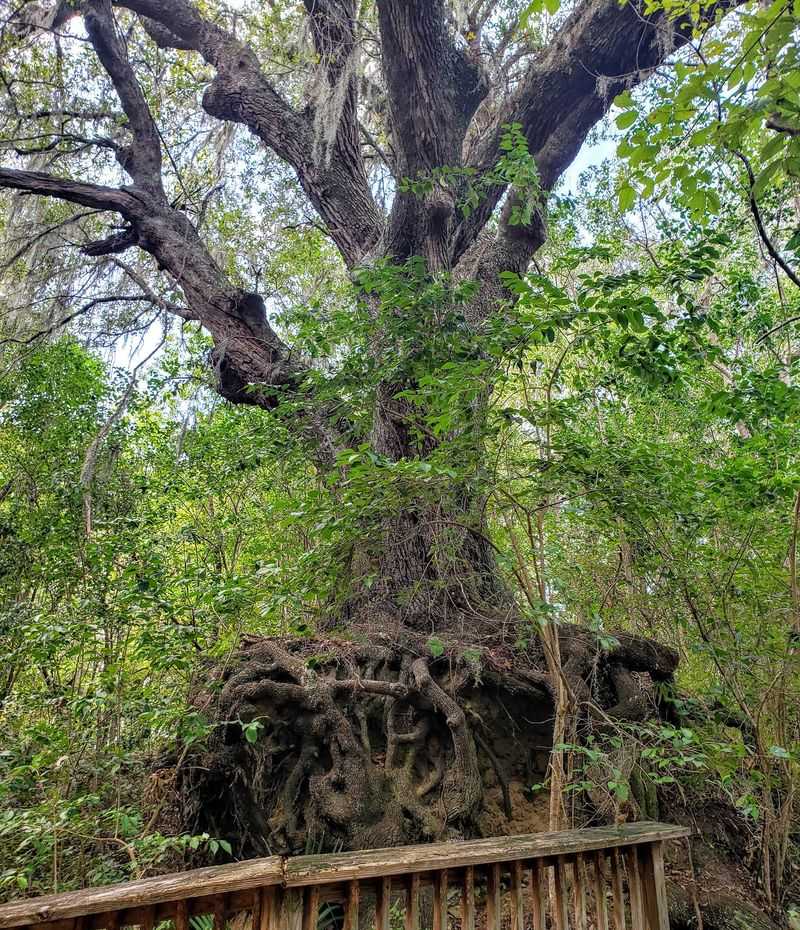
Ready for a workout with a geology lesson? The Woodland Trail traverses a steep limestone bluff.
That bluff is made of Cooper Marl. It’s estimated to be 25 to 35 million years old.
Not every trail here is flat boardwalk. The Woodland Trail and Canal Trail feature natural paths and earthen stairs.
Those stairs mean strollers may struggle in spots. Plan to stick with the boardwalks if wheels are part of your crew.
Kids who like a challenge may love this section. Some stretches get narrow and climb a bit, which feels like a real adventure.
Winter brings a bonus. Thinner foliage can make the bluff’s rocky face easier to spot from the path.
Wear shoes with decent grip. Earth steps and fallen leaves can make footing tricky after rain.
Take a breather at the top. Catching your breath beside rock that old puts any long week in perspective.
Honestly, it’s a pretty great excuse for slow walking. Nobody needs to know you’re tired.
Holiday Lights And Santa Turn The Season Extra Merry
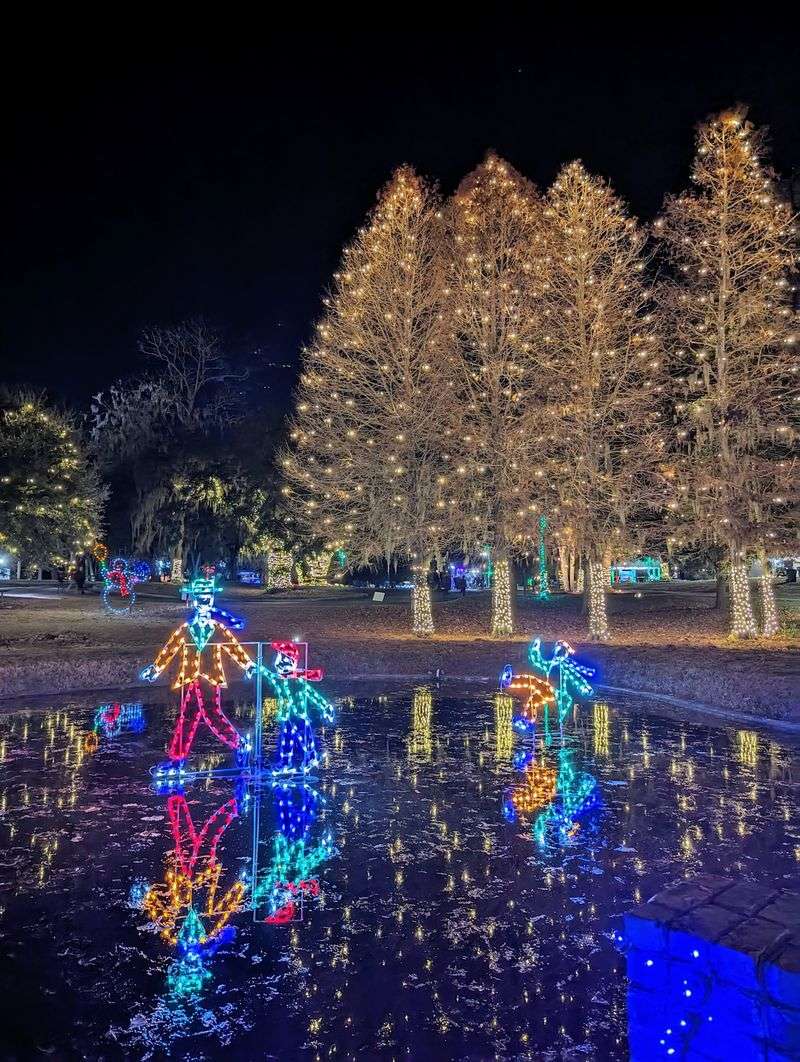
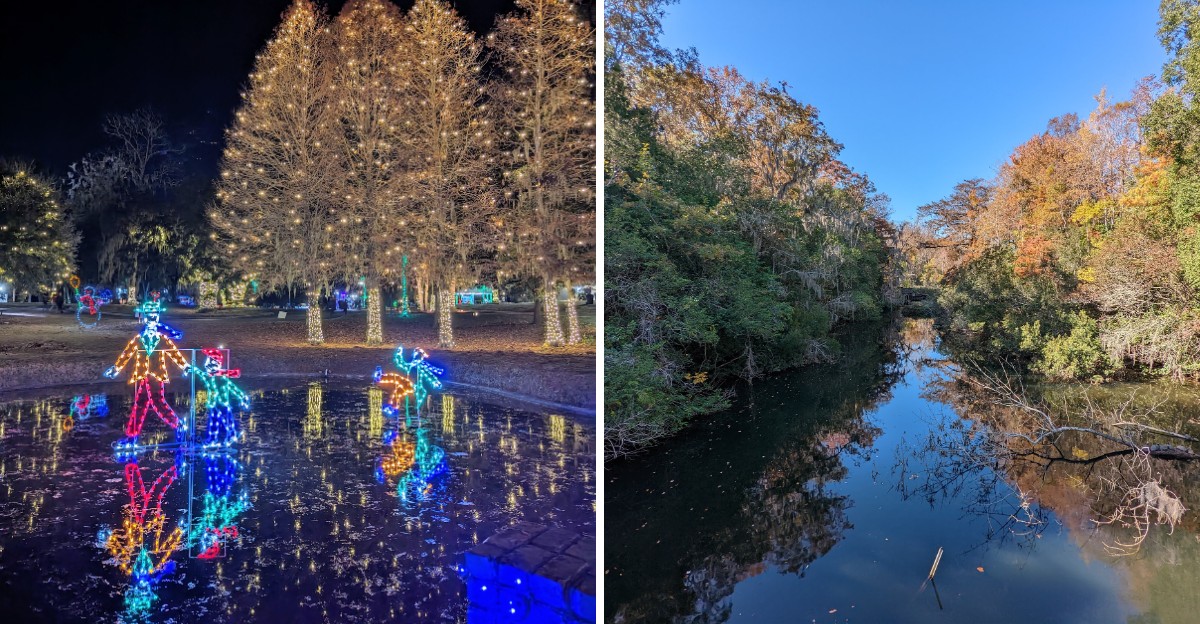
December brings a whole new mood to the park. Holiday In The Park typically runs over several evenings that month.
Families can enjoy free visits with Santa Claus. Crafts, food, and other festive activities round out the evening.
The event is part of Santee Cooper’s larger Celebrate The Season charitable holiday program. That program also includes a holiday lights driving tour.
Runners and walkers have their own fun too. The Tinsel Trot Holiday Fun Run and Walk is often held in November.
Participants get a sneaker peek at the lights before the season officially kicks off. The flexible course usually covers about two miles.
A post-race party follows, with Santa, kids’ activities, and a DJ. Food costs extra, and proceeds benefit local charities.
Dates change each year, so check the schedule before planning. Festivals may also have different pet policies.
Daytime visits still shine in winter. The park is open daily from 9 a.m. to 5 p.m.
Spend the afternoon on the trails, then come back for lights. That’s a South Carolina winter day done right.