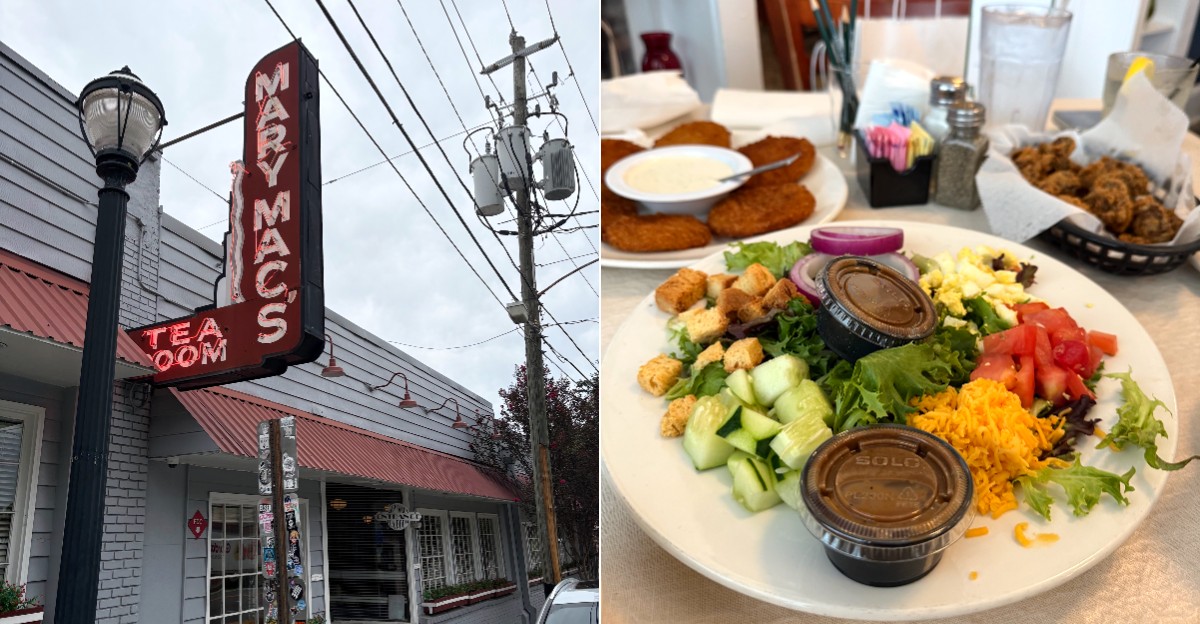
Some Atlanta traditions refuse to go digital, and one of the most charming arrives on a small slip of paper with a pencil beside it. There is no tablet, no app, and no QR code to scan.
Guests at this Midtown dining room write down their own meal choices, the same way people have done it for generations. The habit has outlasted wars, booms, and countless food trends since the 1940s.
It also says a lot about how this place treats its guests, its history, and its city. Some folks find it quirky, while others call it the best part of the meal.
Keep reading to learn where this pencil tradition came from, why it still matters, and the handy tips that will make a first trip feel like a return visit.
A Pencil Tradition With A Famous Address
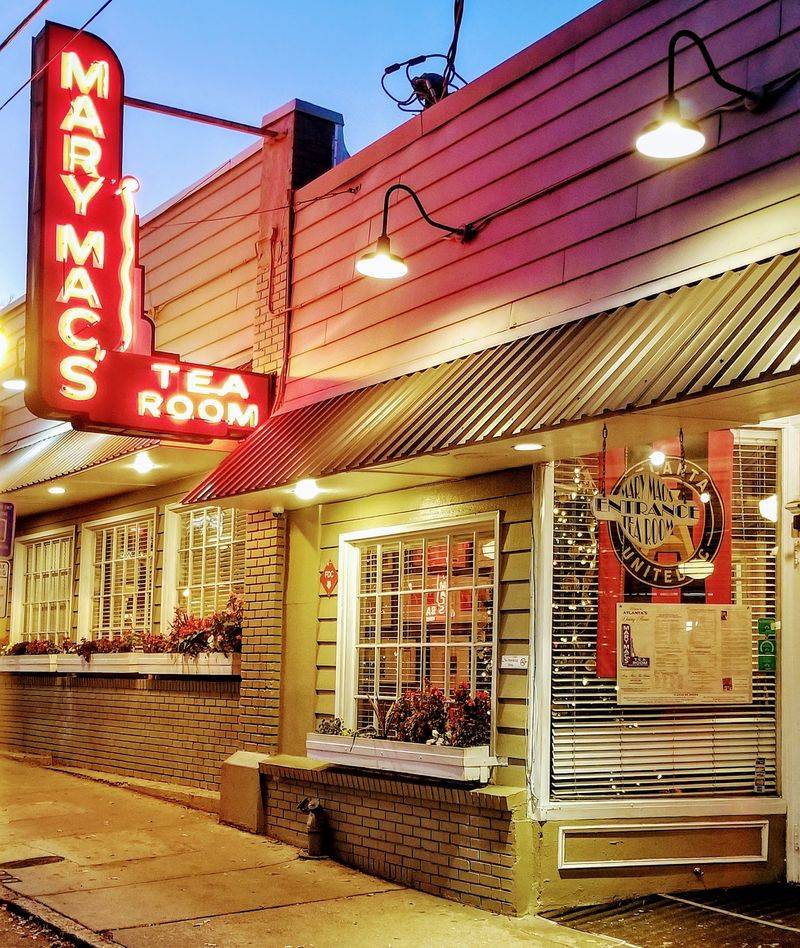
Plenty of restaurants promise old-school charm, but few put it right into your hand. Mary Mac’s Tea Room sits at 224 Ponce De Leon Ave NE, Atlanta, GA 30308, in the heart of Midtown Atlanta, Georgia.
Guests here receive a paper order ticket and a pencil once they sit down. The menu is listed on the ticket, and diners mark or write what they want before handing it over to a server.
The address alone carries weight in this city. Ponce De Leon Avenue is one of Atlanta’s best-known streets, and the restaurant has been a fixture along it for decades.
That pencil is more than a tool. It acts as a small welcome into a way of dining that has stayed steady while the neighborhood around it changed again and again.
First-timers sometimes pause when the pencil appears on the table. Regulars, though, usually grab it right away and get to work.
Either way, the first lesson is simple: here, you are part of the ordering process from the very start.
The Woman Behind The Paper Ticket
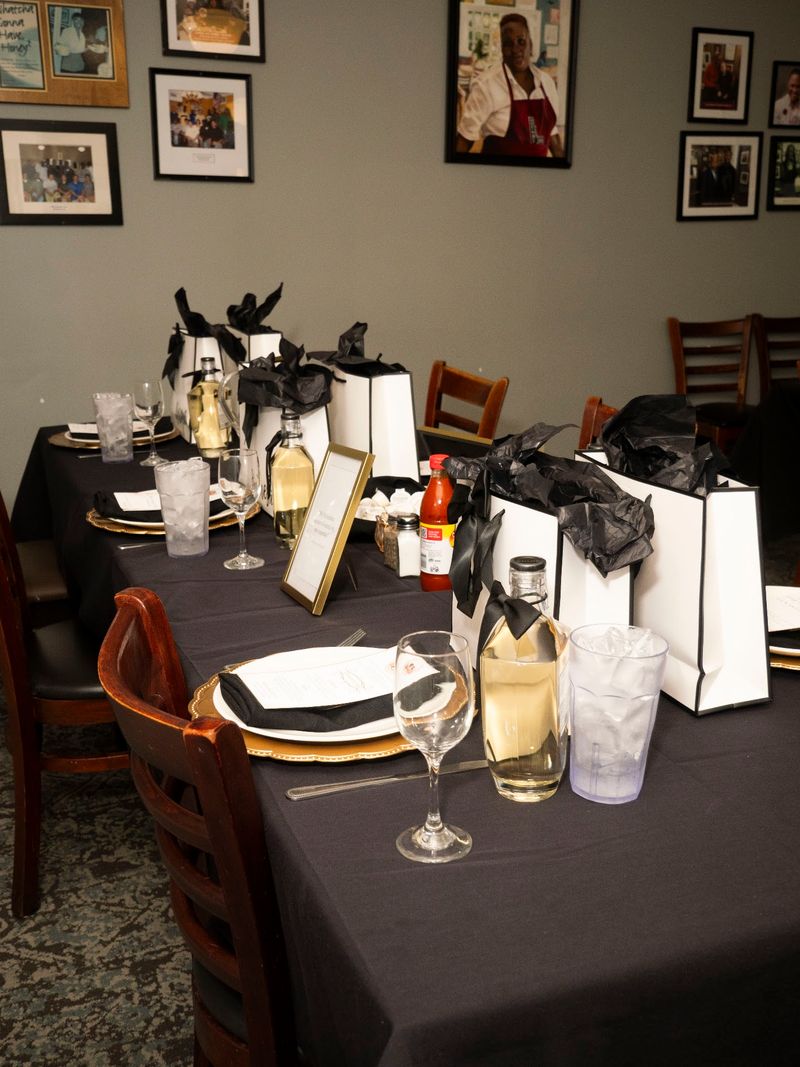
Back in 1945, a woman named Mary MacKenzie opened this restaurant and ran it with determination. She did it as a single mother, which was a bold move for the era.
During that time, many Atlanta restaurants run by women used the name tea room. The label gave such places a respectable image when women were building businesses on their own terms.
Writing your own order fits neatly with that practical spirit. It kept things clear, cut down on mix-ups, and let a busy kitchen move quickly.
Mary’s story is still told by the staff today. Many servers enjoy sharing a bit of history while guests look over their tickets.
The pencil, then, connects modern diners to the restaurant’s founding years. Each time someone writes down a meal, they repeat a routine that started in the postwar years.
History lessons are rarely this hands-on. Here, the past is not stuck behind glass but sits right beside your napkin, waiting to be picked up.
Walls That Tell Atlanta’s Story
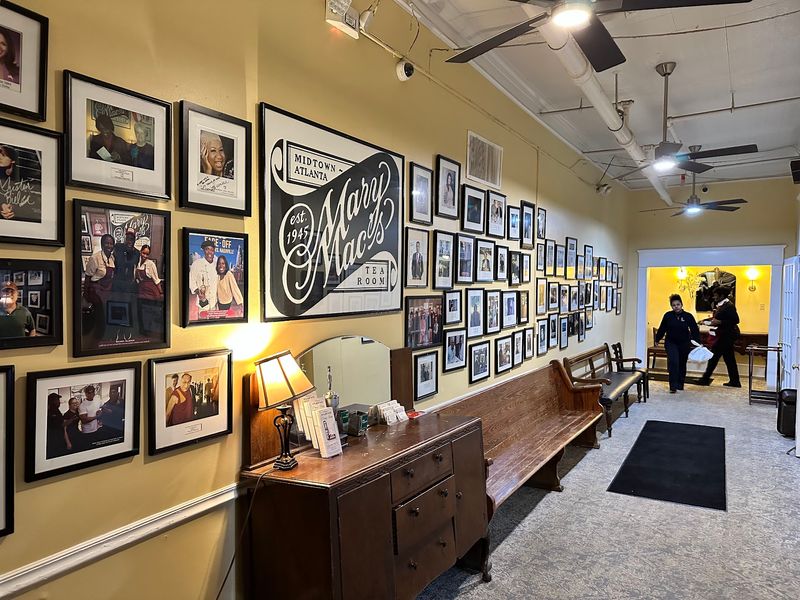
Look up from your ticket for a moment. The walls are covered with photos of well-known guests, including former President Jimmy Carter.
The decor leans classic rather than modern. Some people find it wonderfully authentic, while others think it feels a bit dated.
That old-fashioned look is part of the point. A pencil and paper order fits right in with framed photos and long-standing dining rooms.
The State of Georgia has honored the restaurant as Atlanta’s Dining Room. That title reflects its role as a gathering place for locals, leaders, and travelers.
Many staff members have deep ties here too. Some families have worked at the restaurant across several decades, back to the days when there was only one dining area.
Spend a few minutes browsing the photos before or after your meal. It makes the wait go faster and adds context to your visit.
Every frame is a reminder that you are writing your order in the same spot as many famous names before you.
More Rooms Than You Would Guess
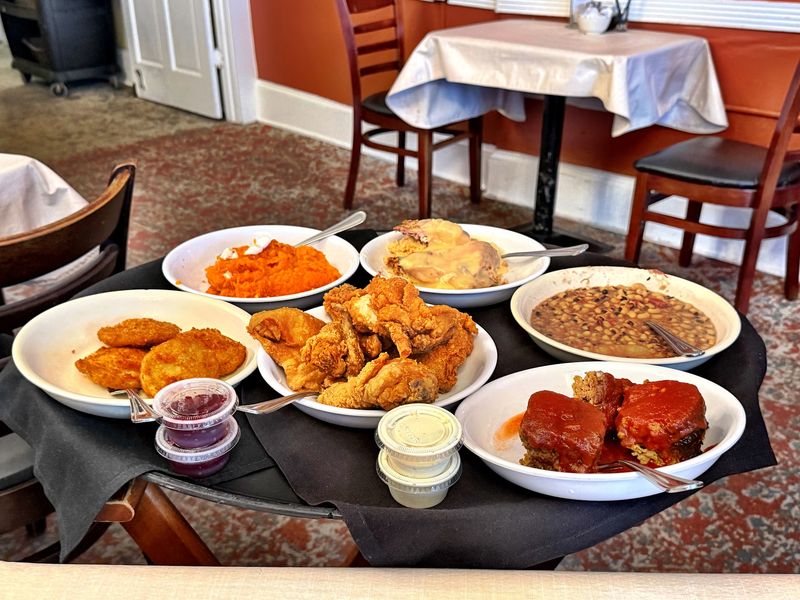
From the street, the building looks modest. Inside, it opens into many different dining rooms that hold a surprising number of guests.
Each room runs on the same pencil system. That consistency helps servers handle crowds without confusion, no matter where you sit.
Some rooms include a bar area, while others feel more tucked away. Solo diners and large groups both seem to find a comfortable spot.
The space is also fairly accessible. Guests using crutches have moved around without much trouble, and restrooms are generally reachable.
Private event rooms are available for parties such as graduations and celebrations. Event coordinators help plan the details ahead of time.
Planning note: private events have a set minimum guest count and limited setup time, so ask questions early.
Large groups can also order family style, which brings shared platters to the table.
However big the party, the ritual stays personal. Somebody still has to pick up that pencil and make the first mark.
Choosing From A Long Menu
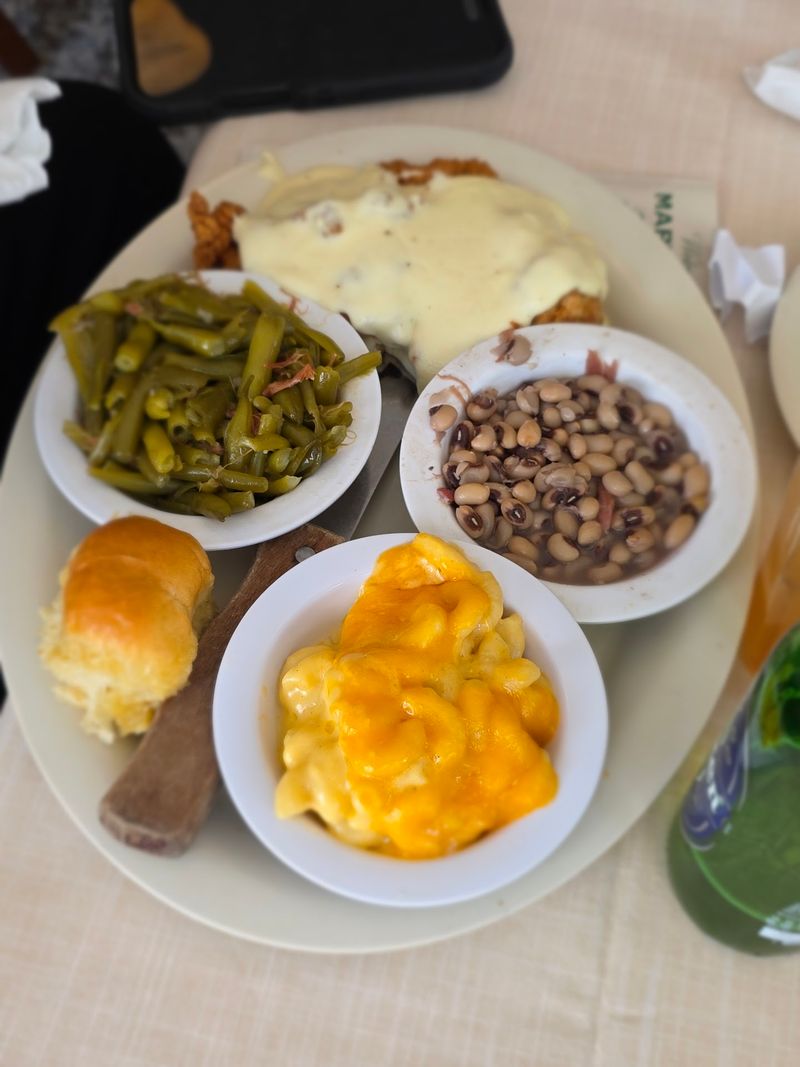
Decision time can take a while here. The ticket lists a long lineup of Southern classics, plus plenty of side dishes.
Writing things down helps with that. Guests can think, change their minds, and erase without feeling rushed by a waiting server.
Portions are generous, so order with care. Many diners end up taking food home, and that is part of the experience.
Complimentary yeast rolls and cornbread usually arrive at the table too. Those alone can fill you up if you are not careful.
The kitchen sometimes runs out of popular sides later in the day. Arriving earlier gives you the fullest selection on the ticket.
Seasoning tends to be moderate, aiming for a broad range of tastes. Salt and pepper on the table let you adjust.
Treat the ticket like a shopping list for a feast. Circle your favorites, leave room for something new, and keep a spare line ready for dessert.
Servers Who Know The Drill
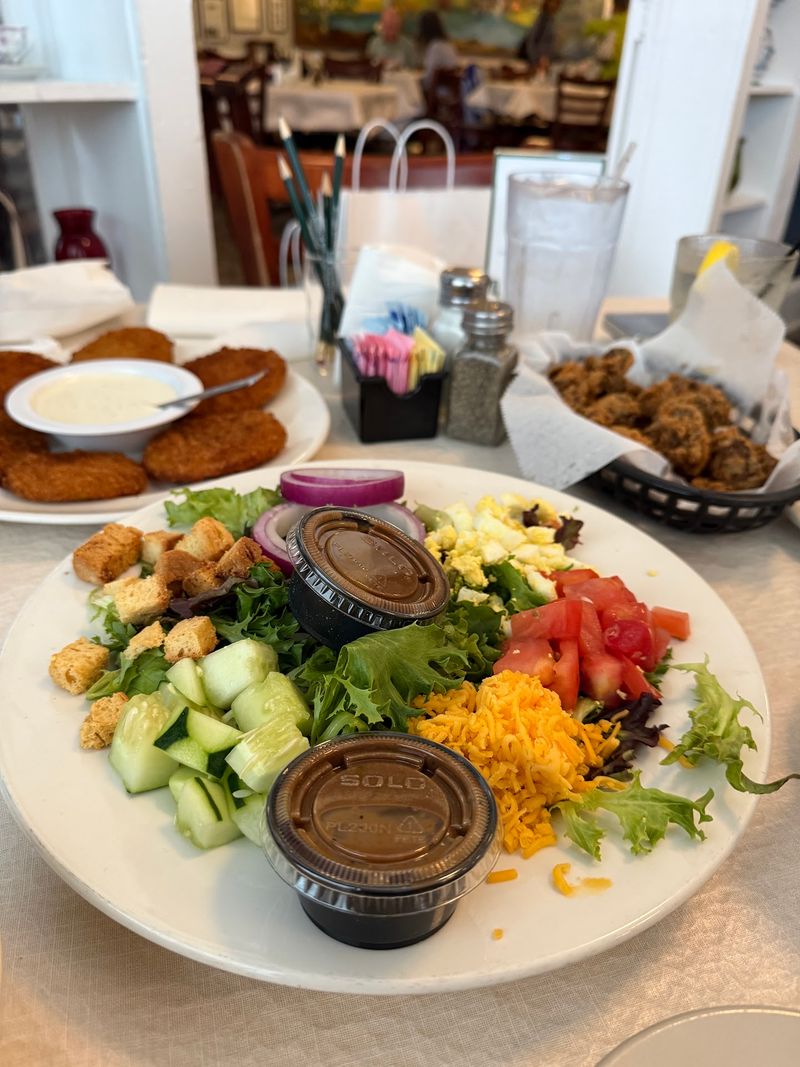
A pencil might seem like it replaces the server. In reality, it frees them up to be more helpful.
Instead of spending minutes writing down orders, servers can explain the menu, share history, and suggest dishes. Many guests remember their server by name long after the meal.
Staff here often treat diners like family. They check in, answer questions, and help newcomers understand the ticket.
Some servers go a step further. They might bring extra broth for cornbread or offer a taste of something unfamiliar.
Busy hours can slow service a little. Patience pays off, since the crew handles big crowds every single day.
Ask your server for a recommendation if you feel stuck. They know which items are popular and which sides pair well.
The paper ticket handles the facts, while the people handle the hospitality. Together, they create a system that has worked smoothly for many decades.
Smart Timing And Parking Tips
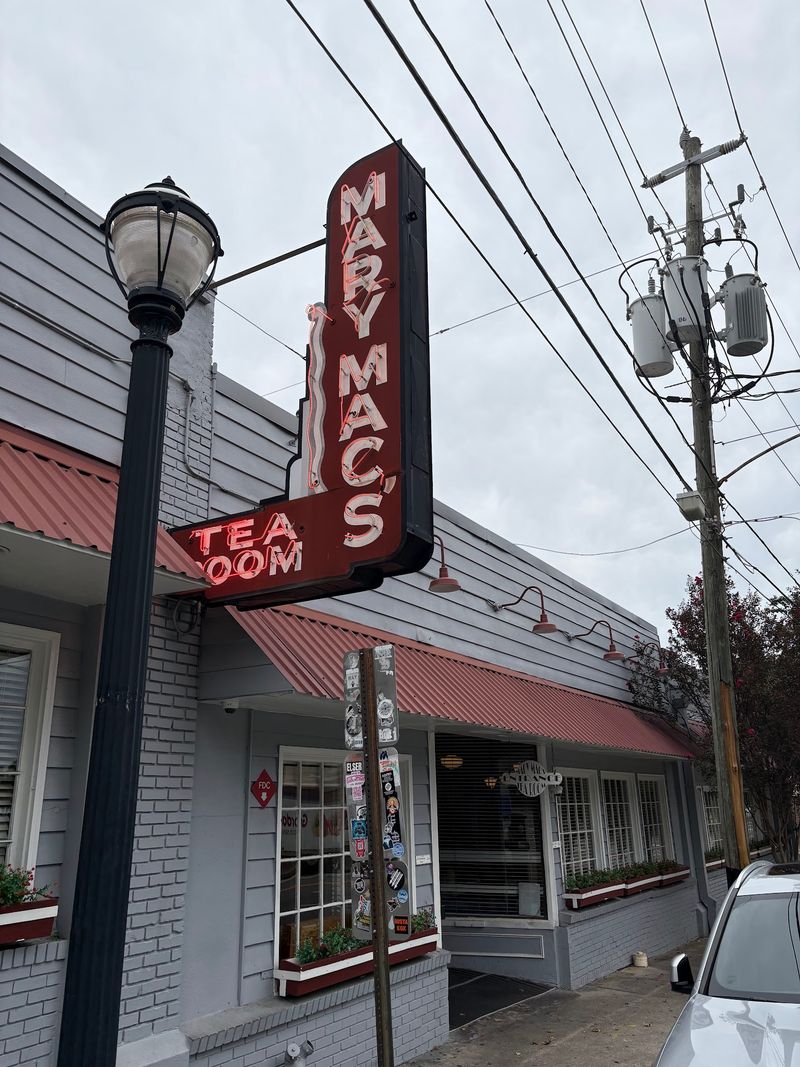
Lines often stretch out the door at popular times. That crowd is a good sign, but it helps to plan ahead.
The restaurant opens at 11 am and closes at 9 pm every day of the week. Weekday lunches and earlier hours tend to feel calmer.
Parking is limited along the street. Thankfully, there is a lot behind the building for guests.
Arriving early also means more side dishes remain on the ticket. Later in the evening, a few favorites may already be gone.
Quick checklist:
Come before the lunch rush. Use the rear lot.
Bring patience for busy weekends.
Cinnamon rolls can be ordered by the dozen to take home. Many guests add them to the ticket before leaving.
Good timing turns a long wait into a short one. With a bit of planning, you will be holding that pencil sooner than expected.
Why The Pencil Never Retired
Technology could easily replace the paper ticket. The restaurant simply chooses not to let it.
The pencil keeps a living link to 1945. It honors Mary MacKenzie and the generations of staff who kept her vision going.
It also slows the moment down. Guests put away their phones, talk about choices, and focus on the table.
Kids love the job of filling out the order. Grandparents often remember doing the very same thing decades ago.
That shared memory is a big reason locals keep coming back. Travelers, meanwhile, get a hands-on taste of Atlanta history.
Some traditions survive because they are useful. Others survive because people love them.
This one manages to be both.
So when the pencil appears, enjoy the moment. Write clearly, ask questions, and save room for dessert.
Long after the plates are cleared, that little slip of paper remains the quiet signature of Atlanta’s Dining Room, one handwritten order at a time.