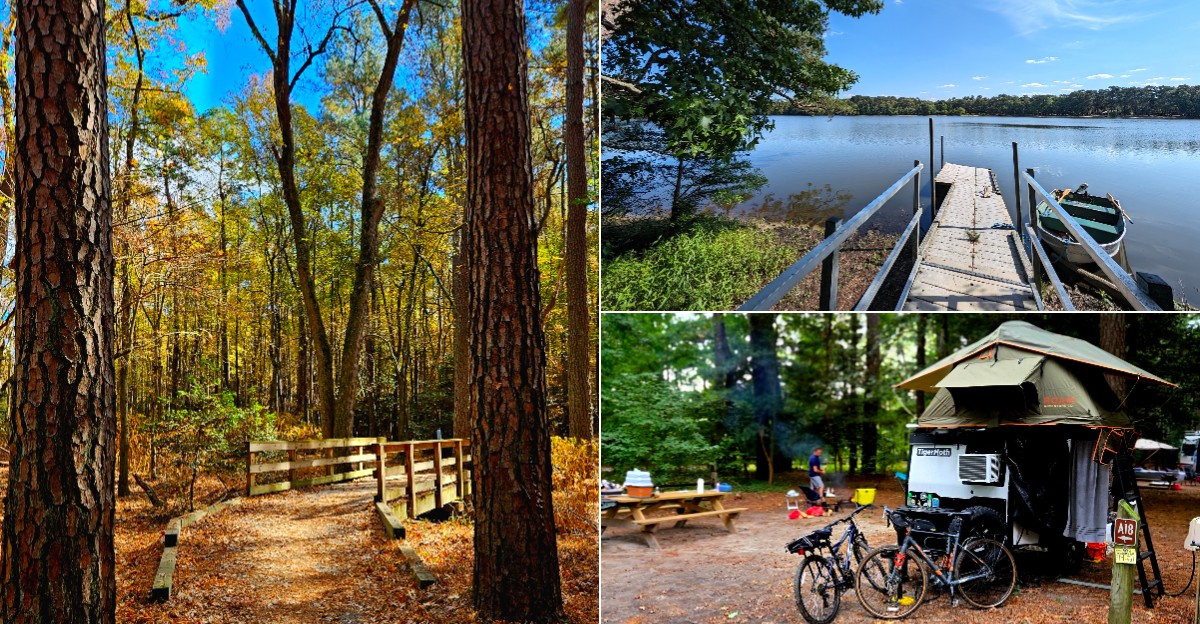
Tall bald cypress trees rise straight out of dark, glassy water, their knobby knees poking up along the shoreline.
Trap Pond State Park near Laurel in southern Delaware protects one of the northernmost natural stands of bald cypress in the country.
Wandering its quiet waterways feels surprisingly like drifting through a Southern bayou.
Rent a kayak, canoe, or paddleboat and follow the marked water trails deep into the cypress swamp.
On land, easy hiking and biking trails loop through shady forest, and the nature center helps kids learn about local wildlife.
Pack bug spray, bring your camera, and give yourself time to slow down and enjoy the calm.
Meet the Bald Cypress Trees
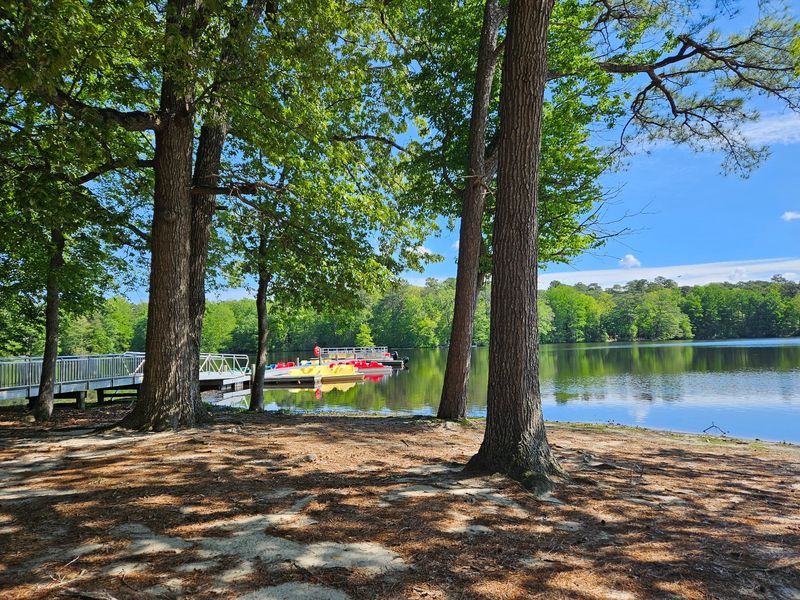
At first glance, the trunks seem to grow straight out of the pond. That sight is the reason many people compare this Delaware forest to the wetlands of Louisiana. Bald cypress trees can live with their roots in wet ground, and their wide bases make them look especially striking beside the water.
Look closely near the trunks for woody bumps called knees. Scientists still study exactly what those knees do, so there is no need to accept a simple explanation as settled fact. Instead, notice how they add texture to the shoreline. Unlike most trees called cypress, bald cypress trees lose their soft needles in fall. That change gives the forest a fresh look with each season.
You can see the trees from shore, but a paddle offers a closer view of the flooded groves. Keep your boat clear of roots and shallow spots, and avoid touching or climbing the trees. If you take photos, try a low angle that includes both trunks and reflections. Early or late daylight can bring out their shapes without the harsh glare of midday sun. Give yourself time to look beyond the nearest trees, too. Their rows and spaces reveal why this pond feels different from an ordinary lake.
Paddle Into the Quiet Groves
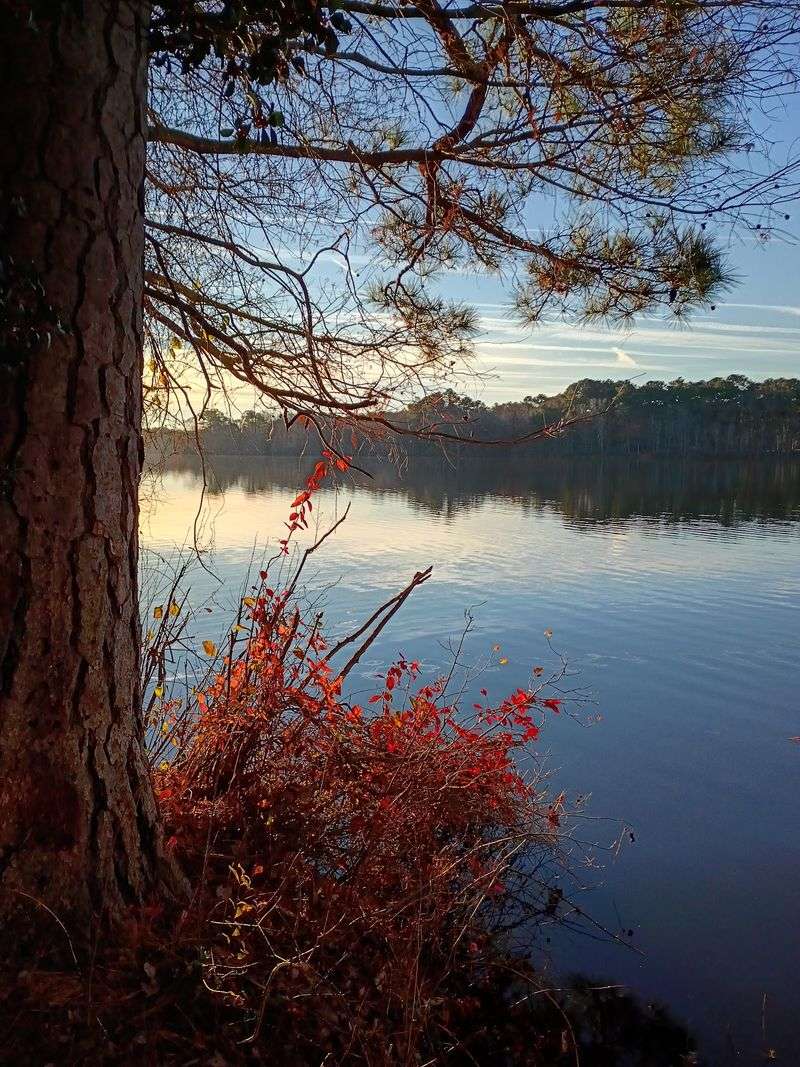
A few strokes of a paddle can change the whole mood of a visit. Open water gives way to narrower passages, where tall trunks rise beside the boat and sounds seem softer. Kayaking or canoeing is one of the clearest ways to understand why visitors call the cypress groves unforgettable.
Bring your own craft if park rules allow it, or check current rental options before leaving home. Rental hours can change with the season, weather, or staffing. A phone call can save a disappointing trip, especially if paddling is your main reason for coming. Wear a properly fitted life jacket and carry water, even when the pond looks calm. Wind can make the trip back harder than the trip out.
Ask park staff about water trails and current conditions before launching. A map helps you choose a route that matches your time and skill level. Move slowly around turns and give other paddlers room in narrow areas. Shallow water, submerged wood, and plant growth are good reasons not to rush. If you use an inflatable kayak, ask which launch is least likely to scrape it. Keep your camera secure, then put it down for a moment. The best part may be hearing birds above you while the boat slips quietly through the trees.
Let a Pontoon Tour Lead the Way
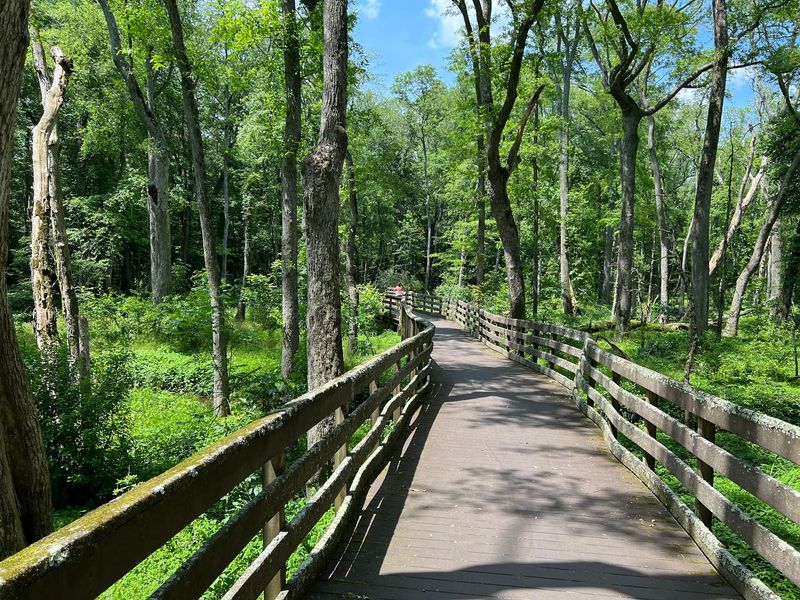
Not everyone wants to steer a boat through a watery forest. A guided pontoon ride offers another way to enjoy the cypress scenery while someone else handles the route. It can work well for a group with mixed ages or for visitors who want to focus on listening and looking.
Check the park’s current tour schedule before you travel. Ask about reservations, prices, trip length, and any access needs for your group. Tours may depend on weather and staffing, so do not count on finding an open seat without checking first. If you are bringing children, explain that quiet voices make it easier to hear the guide and notice wildlife.
Take a hat and drinking water on warm days, even if the boat offers shade. A small pair of binoculars can help you spot birds without leaving your seat. Keep phones and cameras over the boat rather than the water when taking pictures. A guide can also point out details you might miss alone, such as changes in the trees or signs of animals nearby. For first time visitors, the ride can help you learn the shape of the pond. Afterward, you can decide which views deserve a longer look from a trail or picnic spot.
Watch for Wildlife Along the Water
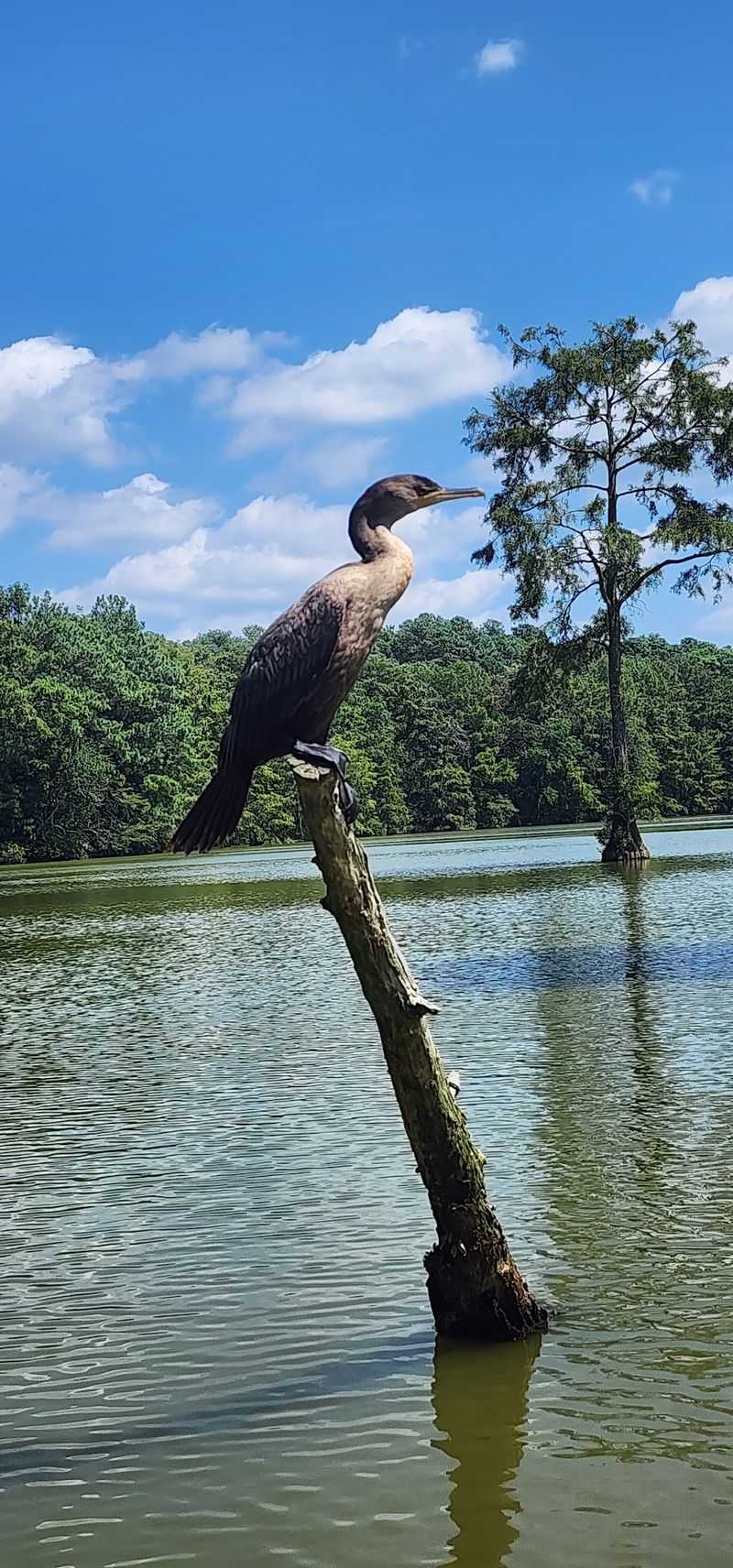
A ripple beside a log might be a turtle slipping into the water. A tall bird standing still near the shore might be a heron waiting for its next meal. Visitors also report seeing frogs, dragonflies, deer, and other animals around the park.
Wildlife sightings are never promised, which makes patient watching part of the fun. Slow down at the edge of a trail or pause your paddle well away from an animal. Binoculars let you see details without moving closer. Morning and late afternoon can be pleasant times to look, though weather and season affect what is active.
Keep food packed away and never feed squirrels or other wildlife. Food from people can make animals approach campsites and boats, and it is not a healthy replacement for their natural diet. Stay on marked paths so you do not damage the wet ground where small creatures live. If children join you, turn the visit into a quiet search for movement, tracks, and bird calls. Ask them to describe what they notice before reaching for a phone. For photos, use a zoom lens rather than following an animal. Leaving it undisturbed gives the next visitor a chance to enjoy the same surprise.
Follow the Trails on Dry Ground
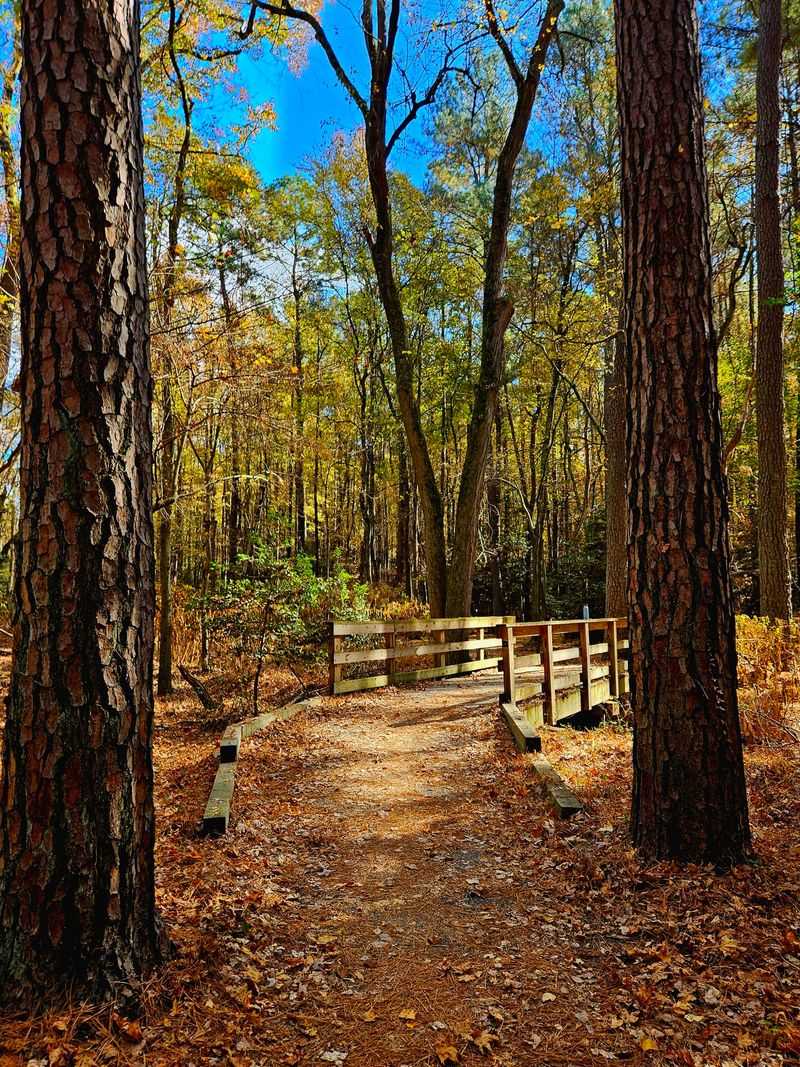
Dry shoes can still take you close to the wetland. Walking trails offer a slower view of the pond, the woods, and the small changes that are easy to miss from a boat. They also give a group more freedom to turn back when younger walkers get tired.
Pick up a current trail map or ask staff which route suits your time and comfort level. Trail conditions may change after rain, so wear shoes that can handle damp ground. In warm months, bring insect repellent and check for ticks after walking through wooded areas. Carry water rather than assuming you will pass a place to refill your bottle.
Some park trails are also used for cycling. Bikers should ride at a pace that allows them to stop safely, while walkers can make room when they hear someone approaching. Stay on the marked route to protect plants and avoid getting lost. Stop now and then to look toward the water through gaps in the trees. You may find that the forest feels different only a short distance from the launch. If your group has limited mobility, ask about current path surfaces and distances before setting out. The right route can make a short walk feel like a full visit.
Stay After the Day Visitors Leave
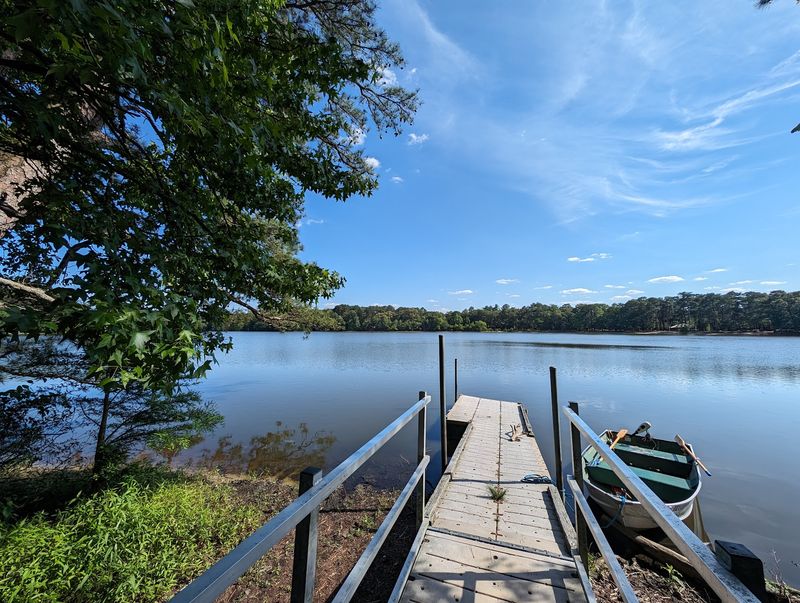
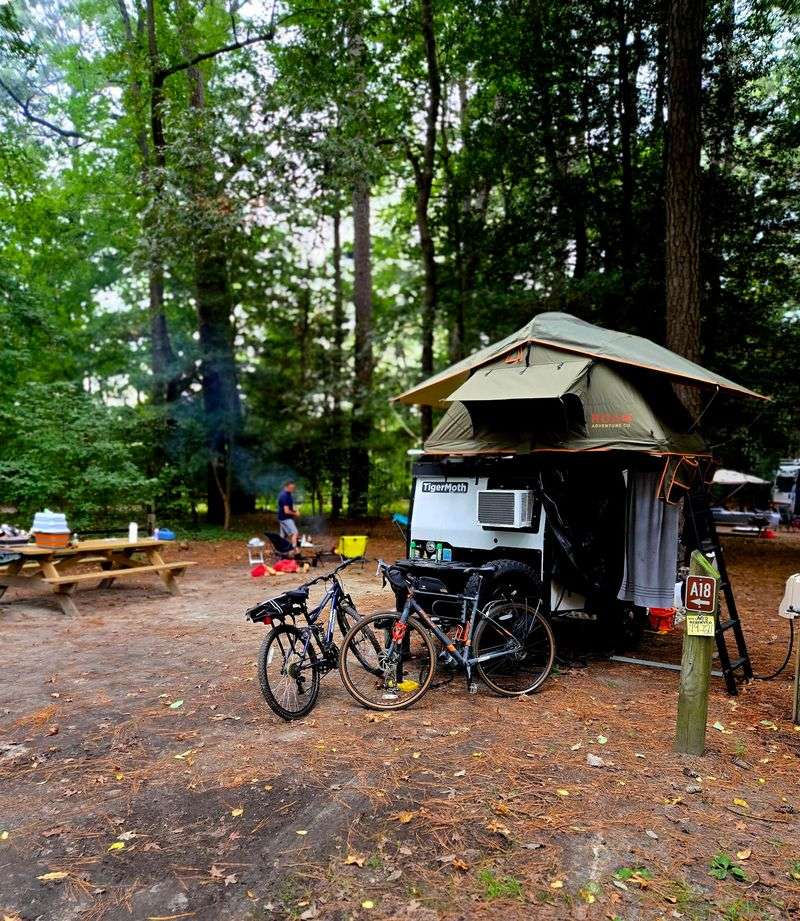
The pond does not lose its charm when a day trip ends. An overnight stay leaves room for an unhurried morning walk, another paddle, or a quiet evening among the trees. The park offers camping, and visitors may find other lodging options such as cabins or yurts depending on availability.
Reserve ahead when you can, especially for weekends and popular seasons. Check the exact details of your site before booking, since hookups, space, and nearby facilities can vary. Campers using an RV should confirm the services they need rather than assuming every site has the same connections. If you choose a tent, think about shade, drainage, and the weather forecast.
Bring a flashlight for trips after dark and store food securely. Squirrels may visit campsites, but feeding them makes life harder for both animals and campers. Insect repellent is useful near woods and water, particularly during warmer months. Keep your campsite tidy and follow posted rules for fires, waste, and quiet hours. A little planning lets you spend less time solving problems and more time enjoying the setting. Before turning in, listen for sounds you missed during the busy part of the day. That slower pace is a reward of staying overnight.
Make Room for a Picnic and Play
One person wants to paddle, another wants lunch, and someone else is ready for the playground. A flexible day works well here because the park has more to offer than a look at the trees. Picnic areas give families a place to rest between walks, boating, and other outdoor activities.
Pack a simple meal and enough water for everyone. Bring a bag for your trash, and leave the table ready for the next group. If you are planning a larger gathering, ask the park about pavilion reservations and any rules for shared spaces. Arriving with a plan for meals can be helpful when your group has different schedules.
Fishing is another option for visitors who prefer to stay near the water. Check Delaware fishing rules and any license requirements before casting a line. Keep hooks and loose tackle away from children and wildlife, and never leave fishing line behind. The park also has recreation areas where kids can burn off energy after a quieter activity. Rather than trying to do everything, let each person choose one favorite stop. You might discover that the picnic break becomes the moment everyone remembers, with water nearby and tall trees framing an easy afternoon together.
Plan the Trip Around the Forest
A good visit starts before you reach the water. Trap Pond State Park is at 33587 Bald Cypress Ln, Laurel, DE 19956, in southern Delaware. Set your map to the park itself, then allow time to find the entrance, park, and choose what to do first.
Check the official park website for current hours, entrance fees, rentals, tours, and camping details. If a boat ride is the heart of your plan, call ahead at 302-875-5153 to confirm what is running that day. Weather and seasonal schedules can affect water activities. It is also wise to ask staff about trail conditions or access needs rather than relying on an old review.
For a quieter visit, consider a weekday or an early start. Summer can feel hot and humid beside the pond, so carry water, use sun protection, and pack insect repellent. Cooler weather brings a different view of the cypress trees, but dress for changing conditions. Swimming is not an activity to assume is available; follow current park signs and rules. Leave enough space in your schedule to linger without rushing from one stop to another. The most memorable part may be a simple pause beside the pond, watching an unfamiliar forest rise from familiar Delaware ground.