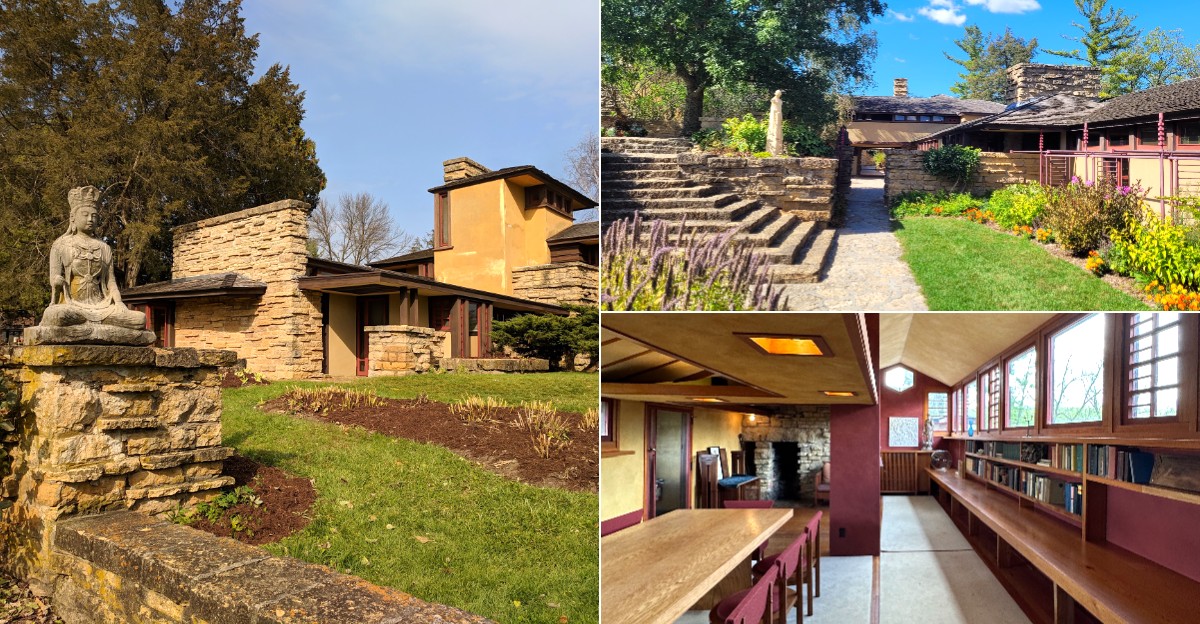
Tucked among rolling hills and river valleys, this estate feels like it grew right out of the land.
Taliesin near Spring Green, Wisconsin, was the home, studio, and architecture school of Frank Lloyd Wright.
Wright named it with a Welsh word meaning shining brow, a nod to its perch on the hillside.
Guided tours begin at the Frank Lloyd Wright Visitor Center overlooking the Wisconsin River.
In 2019, Taliesin became part of a UNESCO World Heritage Site honoring Wright’s most important works.
Book a tour ahead of time and give yourself a moment to soak in the views before you leave.
Start Beside the River at the Visitor Center
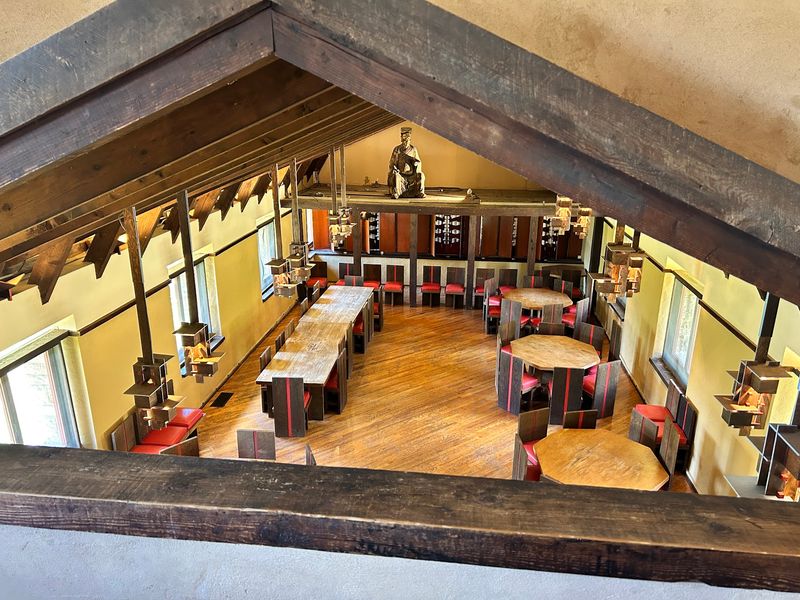
A river view and bold rooflines make the beginning of your visit feel like part of the attraction, not just check-in. The Frank Lloyd Wright Visitor Center stands at 5607 County Rd C, Spring Green, WI 53588, and serves as your starting point.
Known as Riverview Terrace, the building grew from a Wright design and was completed after his death, adding another layer of history. Before heading toward the estate, take a moment to notice how its broad windows bring the surrounding scenery into the space.
Staff can help explain tour choices, confirm departure details, and answer questions about what your ticket includes that day. Arrive ahead of your scheduled departure so parking, checking in, and finding your group do not become a last-minute rush.
The supplied listing gives daily hours of nine to five, but seasonal schedules and tour departures should always be checked separately. Use the official Taliesin Preservation website or call 608-588-7900 before traveling, especially if your plans depend on a particular tour.
Remember that reaching the visitor center does not mean you can freely enter every historic building on the estate without arrangements. A little preparation here makes the rest of the experience smoother, leaving more time to enjoy the architecture and river scenery.
Read the Hills Through Wright’s Design
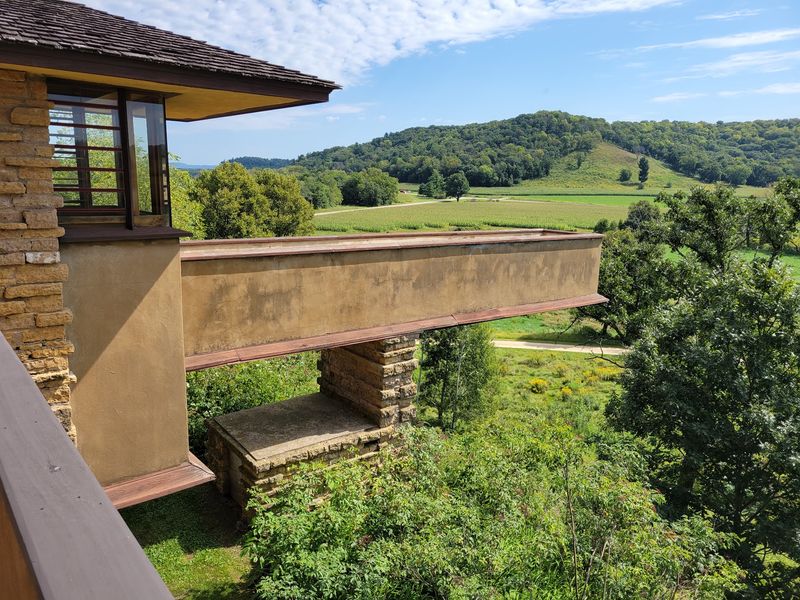
Look across the hillside, and the house seems to belong there as naturally as the trees and fields around it. That feeling helps explain organic architecture, Wright’s approach to making buildings work with their setting rather than stand apart from it.
At Taliesin, low rooflines, terraces, and stone surfaces help connect the home to the shape and colors of the surrounding land. Instead of treating the countryside as a backdrop, the design makes outdoor views an active part of everyday life inside.
One useful detail to watch is how the building rests along the brow of the hill instead of dominating its summit. The name Taliesin is commonly translated as shining brow, a fitting connection between the house, its position, and Wright’s Welsh heritage.
You do not need a design textbook to understand the idea once you start noticing where windows direct your attention. Compare a framed view from indoors with the same landscape outside, and consider how each position changes what you first notice.
Stay on approved paths and follow your guide’s directions when looking for views, since the estate is not an unrestricted public park. The reward is a clearer sense of why this masterpiece feels rooted in its landscape rather than simply placed upon it.
Discover a Home That Kept Changing
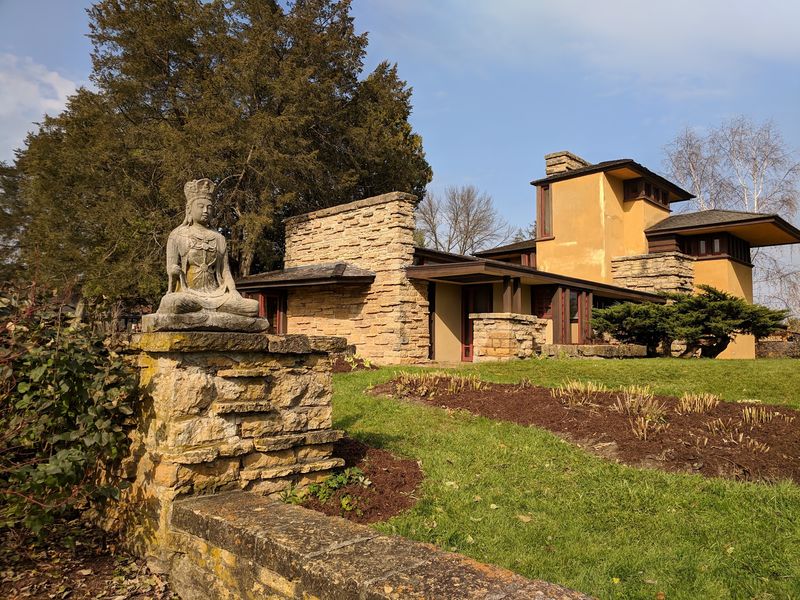
Some houses tell a story through one finished design, but this one reveals decades of changes, repairs, and fresh ideas. Wright began Taliesin in 1911, then continued reshaping it as his personal life and architectural work developed over the years.
His connection to the land reached back to childhood and the family ties that helped shape his affection for this countryside. Knowing that background makes the estate feel less like a showpiece and more like a deeply personal experiment in living.
The history also includes painful events, particularly the 1914 attack and fire that killed seven people, including Wright’s partner, Mamah Borthwick. Another major fire followed in 1925, and rebuilding helped create the layers visitors encounter in the house as it exists today.
A good tour places these events in context without reducing the entire estate to tragedy or treating difficult history as entertainment. Listen for how guides separate original construction, later changes, and restoration work, because those distinctions can make complicated spaces easier to understand.
Ask which features belong to different periods if that subject interests you, while allowing room for others in the group to participate. You may leave with a more thoughtful view of Wright, recognizing both his creative achievements and the complicated human story behind them.
Choose a Tour That Fits Your Curiosity
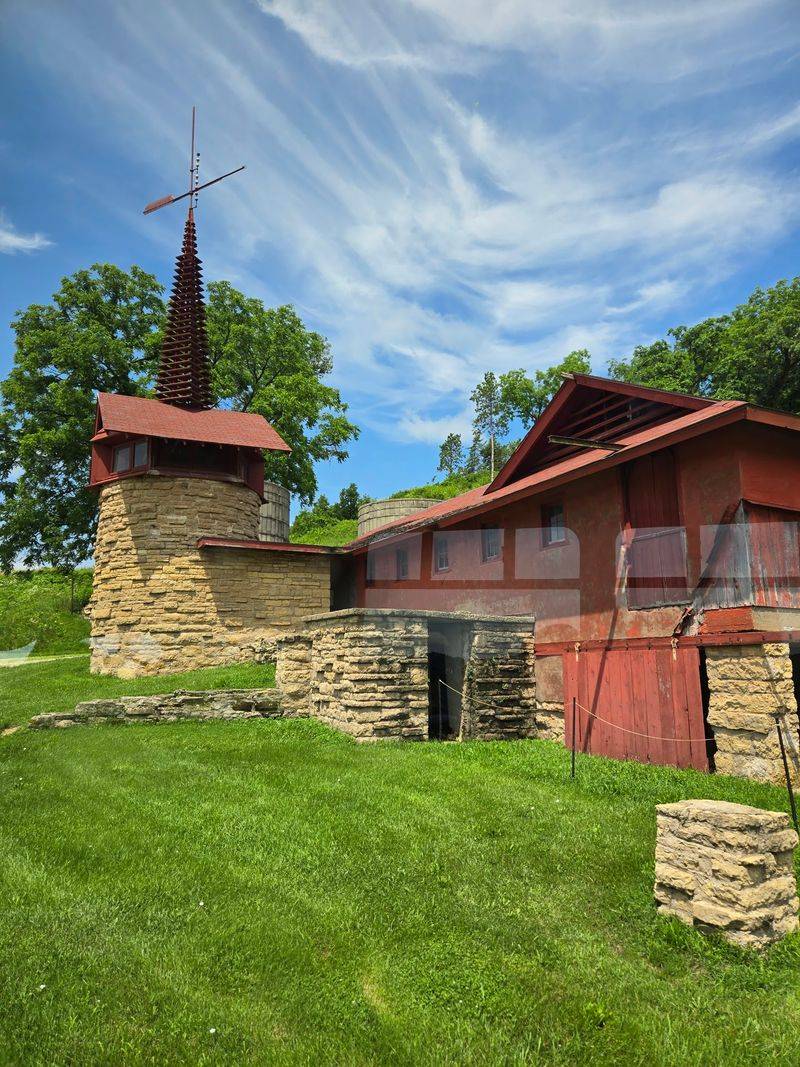
Your best visit might be a focused look inside the home, or it might mean several hours exploring a larger architectural story. Taliesin Preservation offers different tour formats, so choosing carefully matters more than simply booking the first available departure on the calendar.
House-focused options suit visitors most interested in domestic spaces, while broader tours can connect the home with other buildings and estate history. Guest reviews describe Highlights Tours around two and a half hours and longer Estate Tours around four hours, but offerings can change.
Check current descriptions for duration, walking distance, building access, age rules, and any restrictions before deciding which ticket matches your group. A longer tour is not automatically better if someone prefers a shorter visit or finds extended walking tiring, especially during warm weather.
Many reviewers praise knowledgeable guides who explain small details and connect Wright’s ideas with the rooms and landscapes guests actually see. That human context can be especially helpful for beginners, since unfamiliar architectural terms become easier to understand when paired with clear examples.
If a self-guided option is offered, confirm its exact start time rather than assuming you can begin whenever you arrive that day. Reserve ahead when possible, and build extra time around your booking so the visit feels relaxed rather than squeezed between other commitments.
Notice the Small Details Inside
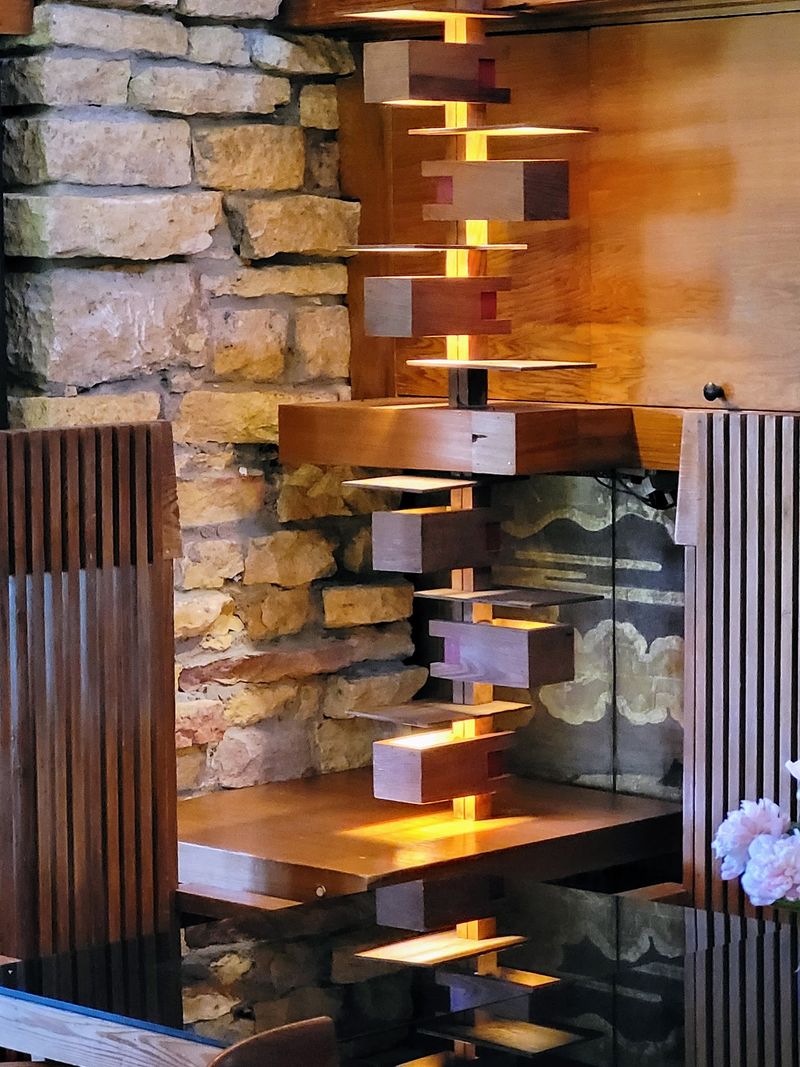
A doorway, a window edge, or a built-in seat can reveal as much about Wright’s thinking as an impressive exterior view. Inside Taliesin, the most rewarding moments often come from slowing down and noticing how individual details support the room around them.
Watch how ceiling heights affect your sense of space, especially when a tighter passage leads toward a room with wider views. Wright often used contrasts like these to shape movement and attention, making a simple walk through a building feel carefully planned.
Materials offer another easy starting point, because wood and stone can connect an indoor space with the colors and textures outdoors. Rather than trying to remember every architectural term, choose one feature and follow how it appears in several areas along your route.
Taller visitors should pay attention to low clearances, a detail mentioned in guest feedback, and everyone should move thoughtfully through narrow spaces. Historic furnishings are not ordinary museum seating, so only sit or touch when staff clearly say that doing so is permitted.
Ask about current photography rules before taking pictures, and avoid blocking doorways while others are trying to see or move through rooms. Even without a camera, remembering one clever detail can give you something lasting to discuss long after the tour has ended.
Follow the Story Beyond the Main House
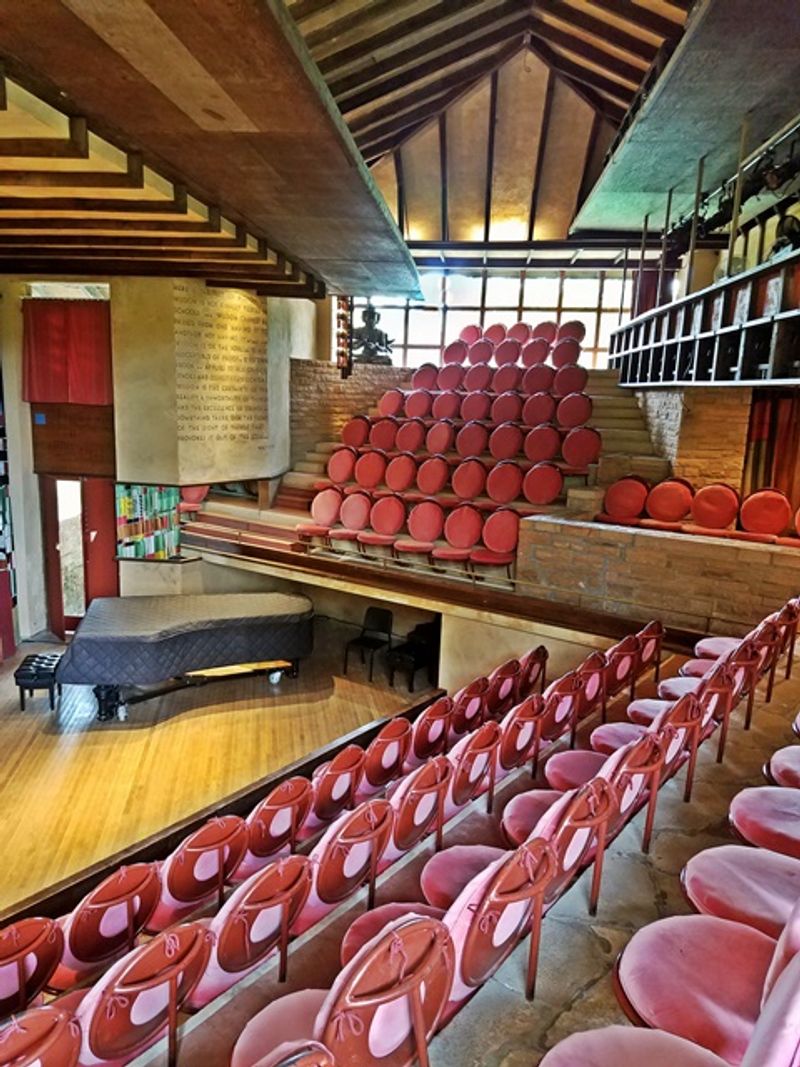
The main residence gets plenty of attention, yet the wider estate helps explain why Wright’s ideas reached far beyond his own household. Depending on your chosen tour, other buildings can reveal connections among family life, education, work, and the training of young designers.
Hillside is especially meaningful because the building began as a school associated with Wright’s aunts before becoming part of his educational world. The Taliesin Fellowship, founded in 1932, brought apprentices into a setting where architectural learning was linked with daily work and shared life.
That background changes how you see the estate, turning separate buildings into parts of a larger system rather than isolated architectural objects. A guide can explain how spaces served different purposes over time and how students contributed to the community that grew around Wright.
Broader estate tours may include Hillside and additional structures, but you should read the current route instead of expecting every building automatically. Some areas have limited access, and restoration needs or other conditions can affect what is available during a particular visit or season.
If education interests you, ask how the apprenticeship model differed from a typical classroom, keeping questions brief enough for the group’s pace. You will gain a fuller picture of Taliesin as a working community, not merely a famous architect’s attractive home among the hills.
Make Room for Weather and Walking
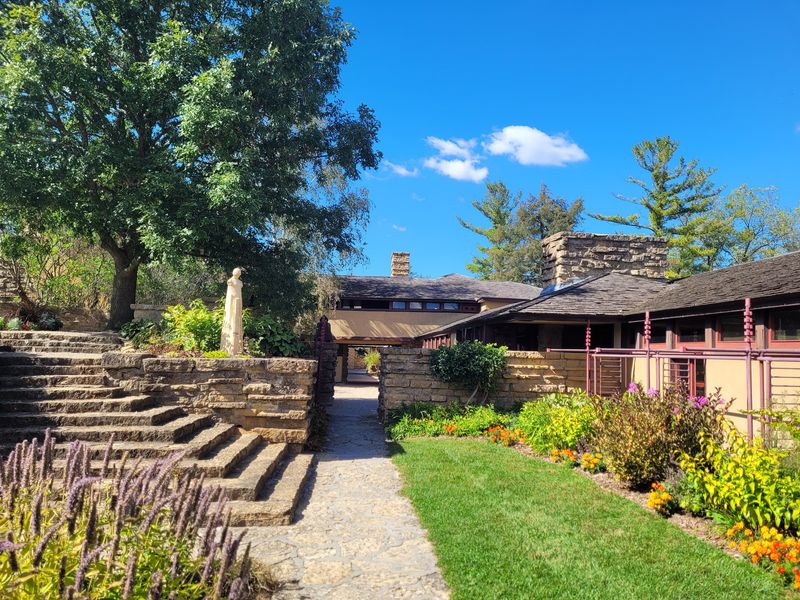
Beautiful grounds are easier to enjoy when your feet are comfortable and your schedule leaves space for the weather to have opinions. Because tour routes can combine indoor rooms with outdoor walking, preparation should match the specific experience you book rather than a general assumption.
Choose supportive shoes, bring appropriate sun protection, and check the forecast before leaving, particularly during periods of heat or unsettled weather. Guest feedback describes tours in high humidity, a useful reminder that even an interesting walk can feel demanding on a hot day.
Ask staff about water policies, walking surfaces, stairs, and opportunities to rest if any of those details could affect your comfort. Visitors with mobility needs should discuss the exact route in advance, since historic buildings and uneven ground may present different access challenges.
Families should also review age requirements and think about whether children will enjoy the length and pace of the selected tour. A shorter, well-matched experience often creates better memories than an ambitious itinerary that leaves everyone tired before the most interesting rooms appear.
Allow time for parking and check-in, but remember that visitor center opening hours are not the same as individual tour departure times. With those practical details settled beforehand, you can spend more attention on the scenery, the guide’s stories, and the surprising design choices.
Leave With More Than a Souvenir
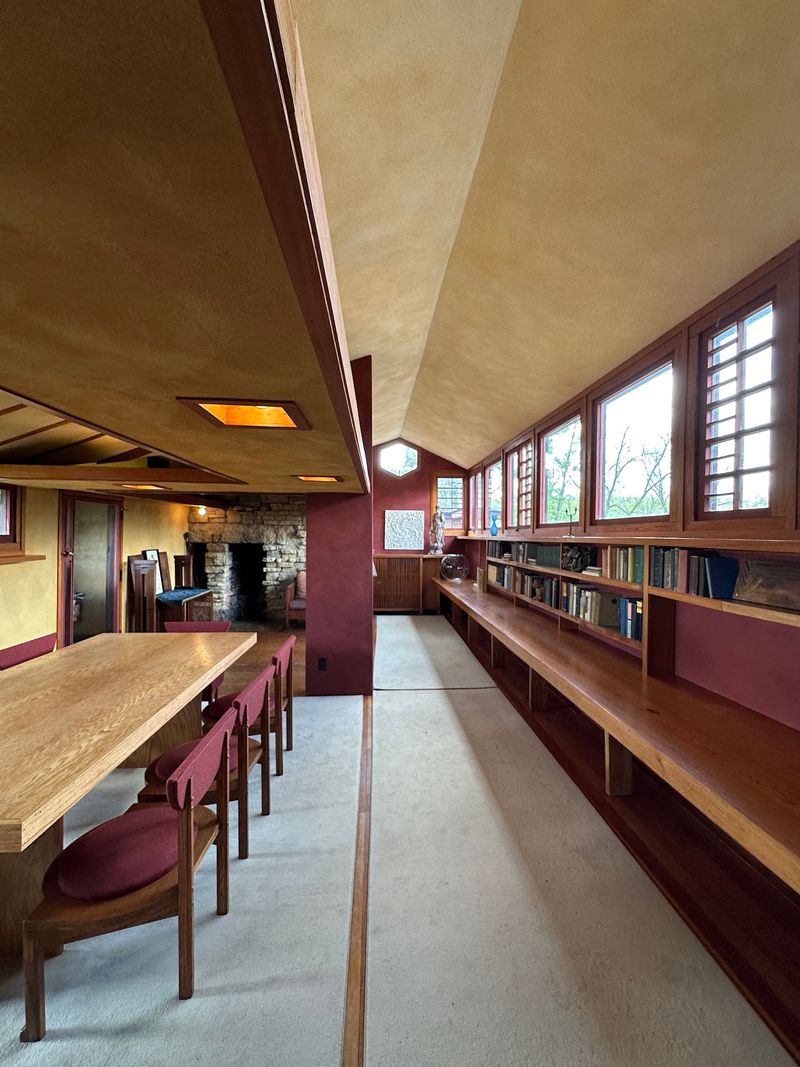
After hearing the stories and studying the rooms, a quiet pause can help the whole visit settle into something more memorable.
The visitor center gives you a place to regroup, and reviewers mention enjoying its café and browsing the selection of gifts. Check current food service hours before planning lunch, since a positive review from another season does not guarantee availability during your visit.
If the café is open, allow enough time to eat without rushing toward a departure or arriving late for your reserved tour. The shop can be useful for finding a book that explains details you noticed, rather than choosing something simply because it carries Wright’s name.
Preservation is another part of the experience worth considering, because an aging architectural landmark needs continuing care rather than occasional cosmetic attention. Taliesin Preservation’s work helps protect the estate and interpret its history, allowing future visitors to encounter spaces that remain rich with meaning.
Ask staff where to learn more about current projects if you want a clearer understanding of what responsible care involves behind the scenes. Before leaving, compare notes with your companions about a favorite room, an unexpected fact, or a view that changed how you understood the house.
Those small observations often become the lasting souvenirs.