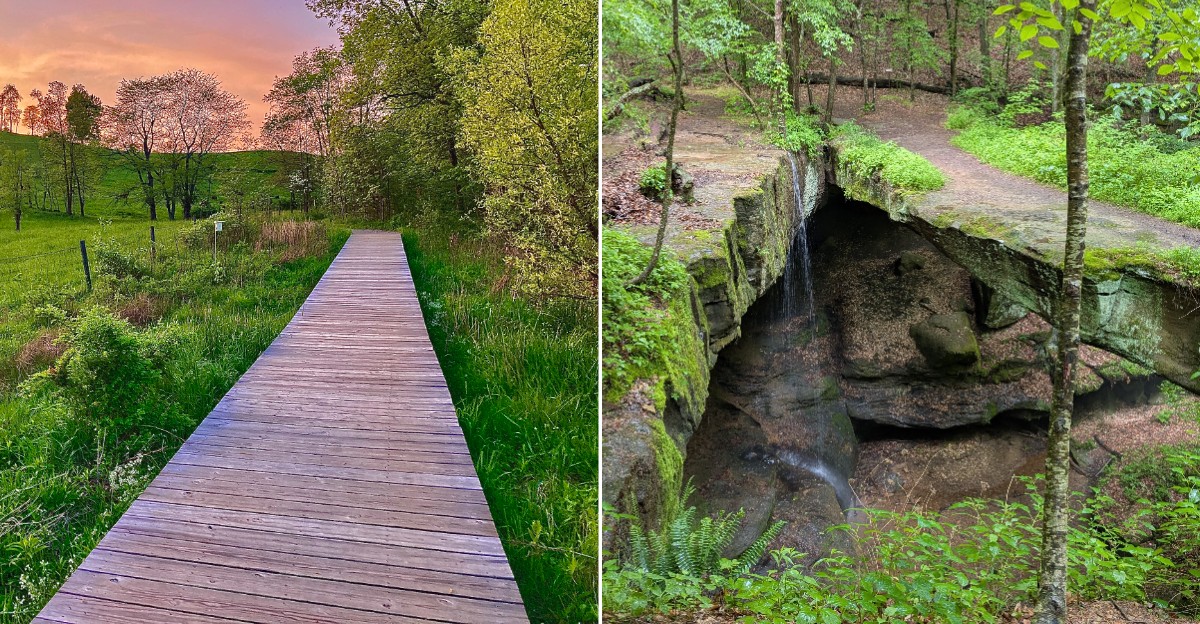
A slab of sandstone more than 100 feet long hangs 50 feet across a ravine, and nobody built it. Wind, rain, and slow-moving groundwater did all the work over millions of years.
It started life as a cave. Then part of the roof gave way, and what stayed behind became the largest natural bridge in Ohio.
I like how quiet the whole thing feels about its own fame. There’s no visitor center, no gift shop, and no snack stand.
You get a small gravel lot, a trail through fields and woods, and a stone arch waiting at the end.
I can’t imagine driving past the highway signs without stopping at least once. Most people heading to the busier Hocking Hills spots do exactly that.
So what are they missing just a few minutes off the road?
The Star Of The Show Is A Stone Arch That Shouldn’t Still Be Standing
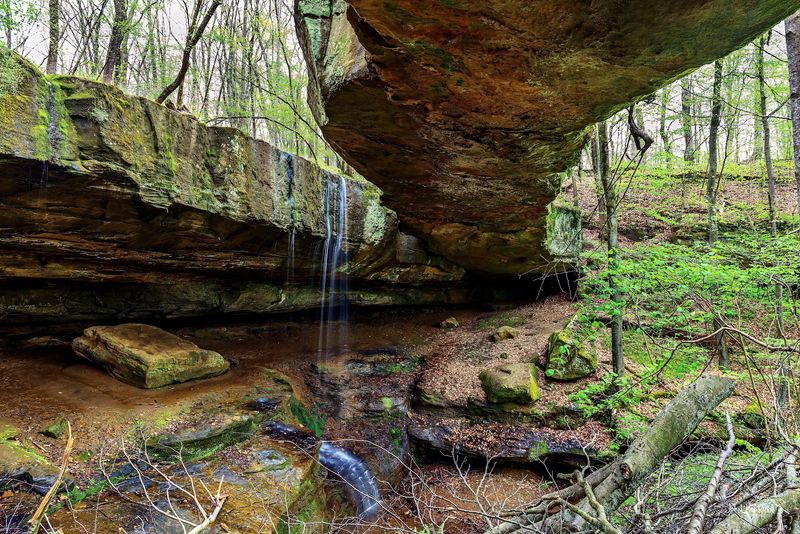
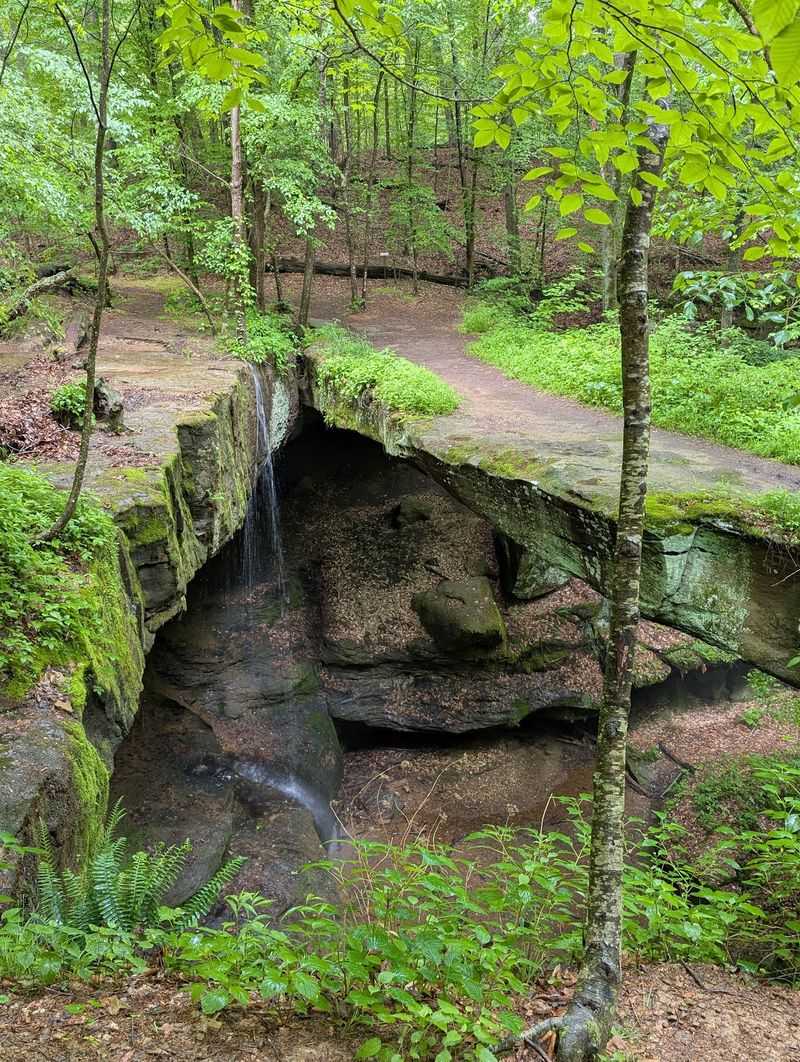
Ohio’s biggest natural bridge lives inside Rockbridge State Nature Preserve, and it earns every bit of that title. The span stretches more than 100 feet long and arches 50 feet across a ravine.
Its width ranges from about 10 to 20 feet. That’s wide enough to look sturdy, yet narrow enough to make you wonder how it holds together.
The rock is Black Hand sandstone, a tough local stone found across the Hocking Hills. Erosion from wind, rain, and seeping groundwater slowly carved it over millions of years.
Here’s the fun part. The bridge was once a cave, and part of its roof collapsed long ago.
The piece that stayed put became the arch you see today.
That backstory makes the view feel a little more dramatic. You’re basically looking at the leftovers of a cave that lost its ceiling.
Bring a camera with a wide setting if you have one. The arch is long, and squeezing it into one photo takes some stepping back.
Just remember to stay on the marked trails while you frame the shot. Preserve rules require it, and the ravine edges deserve respect.
Your Legs Will Notice Those Hills Before Your Eyes Notice The Bridge
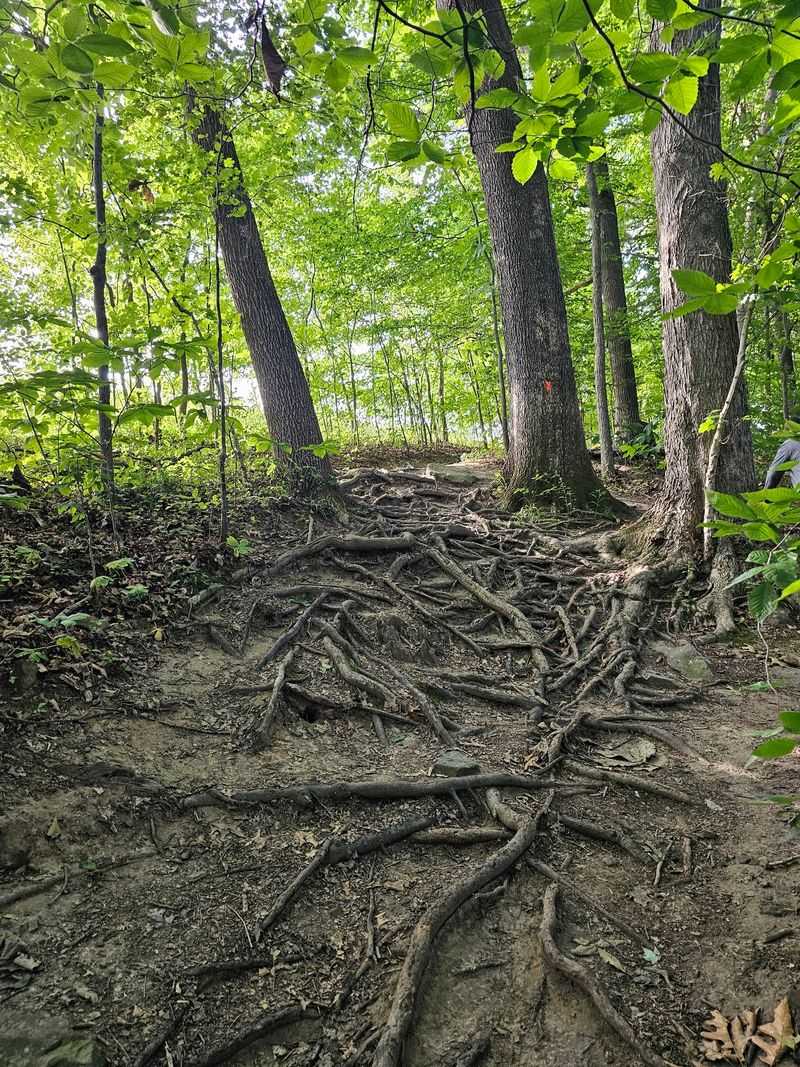
Short trails can still pack a punch. The preserve offers about 2.75 miles of hiking, and the route is generally rated moderate.
The system includes a loop that winds around the rock bridge. A second loop adjoins it and heads deeper into the woods.
Expect real hills and plenty of tree roots along the way. Those roots work like natural stair steps, though they can get slick after rain.
Good footwear matters more here than you might expect for a smaller trail. Sneakers with worn soles will not be your friend on a muddy climb.
Pack water too, even for a quick visit. Climbing back toward the parking lot at the end can feel longer than the walk in.
Plan on hiking at a relaxed pace if you want to soak in the scenery. Rushing just turns the hills into a workout and nothing more.
Doing both loops gives you the fullest picture of the preserve. You’ll see the arch, the woods, and extra rock features that many quick visitors skip.
Honestly, the effort makes the bridge feel earned. That’s a pretty good trade for a free afternoon outdoors.
A Rainy Week Turns On A Waterfall Nobody Can Schedule
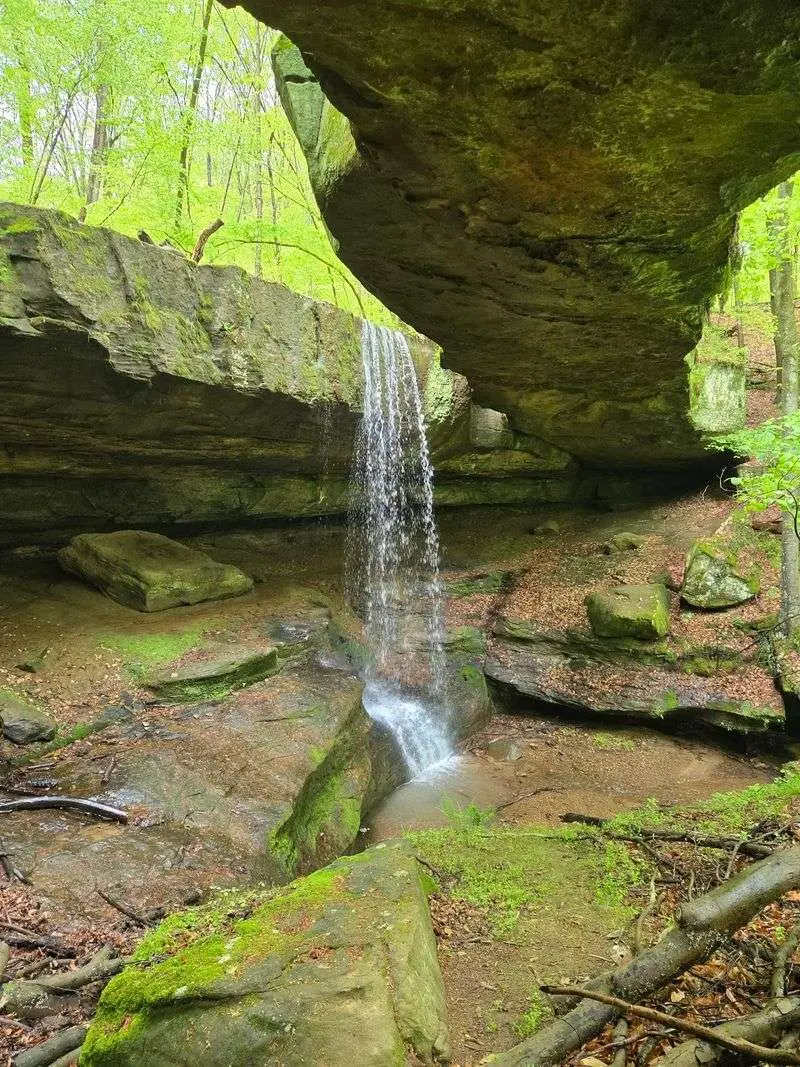
Timing is everything with Rockbridge Falls. It’s a wet weather waterfall, which means it flows when nature decides to turn on the tap.
The falls sit near the natural bridge, so you can enjoy both features in one stop. Spring and the days after heavy rain usually give the best show.
During dry stretches, the waterfall may shrink to a trickle or vanish entirely. That’s not a flaw, just the way these seasonal falls behave in Ohio.
Checking the recent weather before you go is a smart move. A few soggy days beforehand can make the difference between a drip and a real cascade.
Rain also brings mud, so pack accordingly. Waterproof boots and an extra pair of socks in the car will make the drive home much happier.
Springtime adds another bonus. Wildflowers pop up across the preserve, giving the woods some color while the water is flowing.
Put those together and you get the preserve at its liveliest. A wet spring week might be the sweet spot for first-timers.
Just watch your step near wet rock. Sandstone gets slippery fast when water is running over it.
Ancient Visitors Found These Rock Shelters Long Before Hikers Did
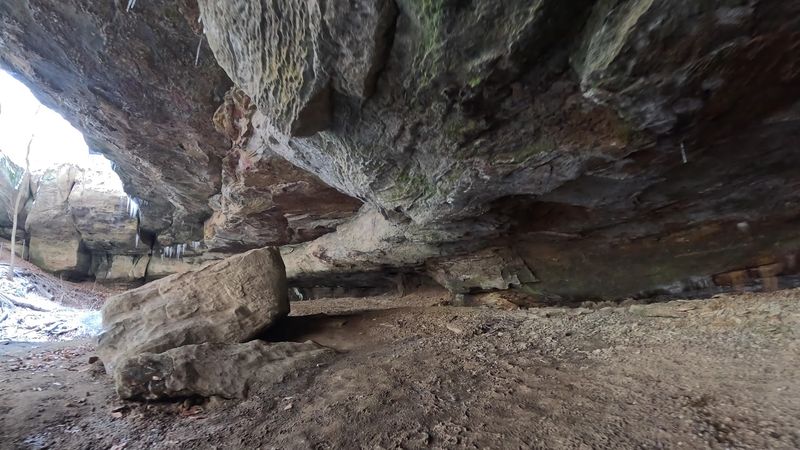
More than 10,000 years ago, prehistoric Native Americans may have used rock shelters and cliff overhangs in this area, although that specific timeline needs historical verification. It’s a reminder that these woods have a long human history.
The natural bridge isn’t the only stone feature worth noticing. The preserve also contains rock shelters and overhangs scattered through its ravines.
These features formed through erosion, which also helped shape the arch. As softer layers of sandstone wore away, harder rock remained overhead, creating sheltered hollows.
It’s easy to understand their appeal. An overhang can offer shade and some protection from rain, providing natural shelter without construction.
Walking past these formations adds another dimension to the hike. The landscape reflects a long history of natural change and human connections to the area.
Take your time along the trails to look for these features beyond the main bridge. The preserve’s trail system offers more to explore than the arch alone.
Treat the formations gently. Stay on designated trails, avoid climbing on fragile rock, and leave natural features undisturbed.
A little patience can make the visit more rewarding. Slow down, look around, and enjoy the details that are easy to miss.
Paddlers Get A Sneaky Back Door To The Arch
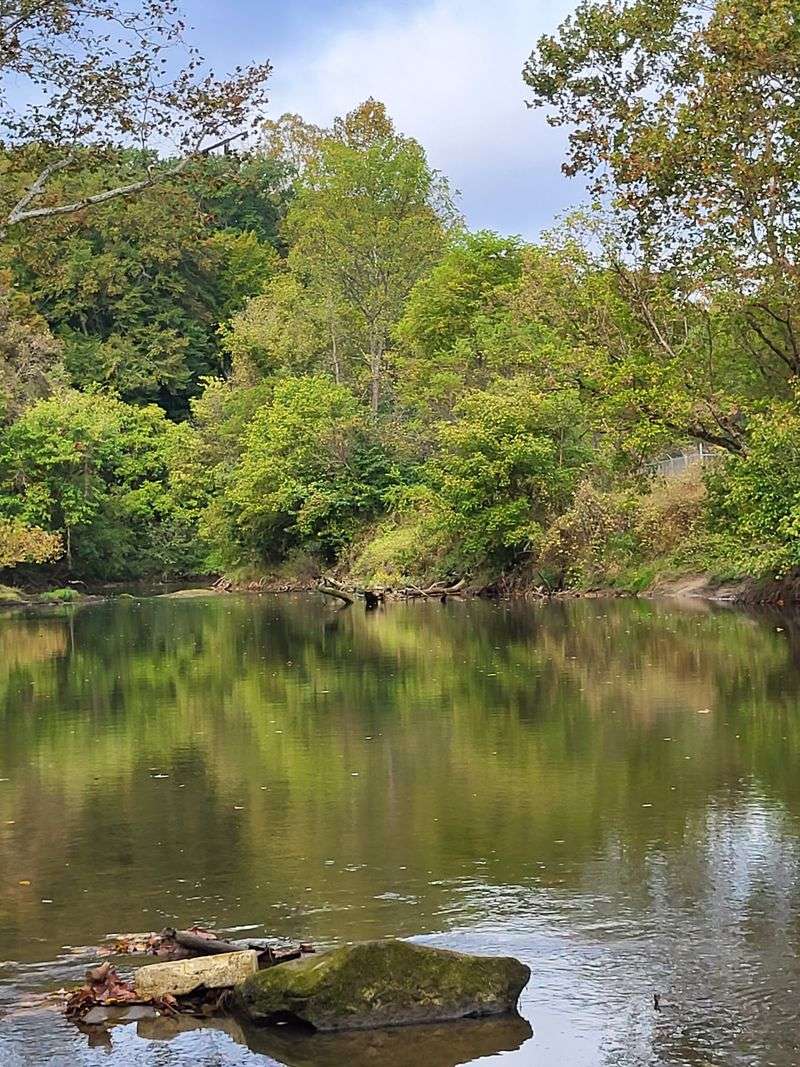
Not everyone arrives by car. The Hocking River runs nearby, and canoe and kayak trips offer a different way to reach the bridge.
There’s a drop-off point across from the arch. From there, a short trail of about five minutes leads you right to the natural bridge.
That makes for a pretty great mid-trip break. Paddle a while, stretch your legs, see Ohio’s largest natural bridge, then hop back in the boat.
Local outfitters in the Hocking Hills region can help with rentals and shuttles. Booking ahead is wise during warmer months when river trips are popular.
Wear shoes that handle both water and dirt. Flip-flops might survive the river, but that short trail deserves better footing.
Remember that river conditions change with the weather. After heavy rain, water levels can rise quickly, so check conditions before launching.
The paddling route also gives you a fresh view of the landscape. Rolling hills and wooded banks look different from water level than from the trail.
Honestly, arriving by kayak feels a bit like sneaking in through a side door. It’s a fun story to tell later.
Bird Watchers And Wildflower Fans Get Plenty To Love
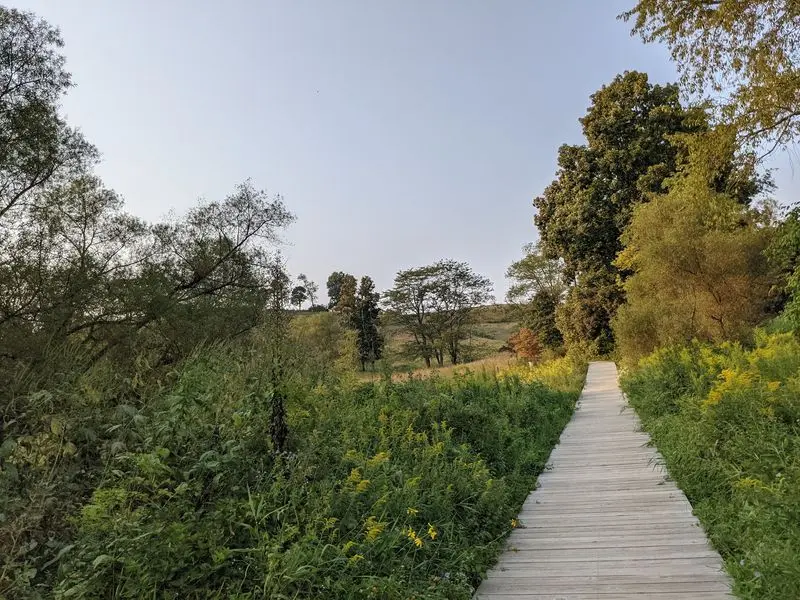
Birding ranks among the most popular activities at the preserve, right alongside hiking. The mix of fields, woods, and river valley gives birds plenty of places to hang out.
Binoculars are worth tossing in your bag. A small field guide or bird app can help you put names to whatever is singing overhead.
Early mornings are often the liveliest time for birds. The preserve opens half an hour before sunrise, which gives dedicated birders a nice head start.
Spring brings wildflowers to the forest floor. Their blooms add color to the trail before the tree canopy fills in completely.
Slowing down helps with both hobbies. Rushing to the bridge means missing the small details that make a nature preserve special.
Protect yourself while you explore. Long sleeves, a hat, and bug spray make sense in warm months, especially in wooded areas.
Stay on designated trails, too. Wildflowers are delicate, and stepping off the path can damage plants that took years to establish.
Think of the arch as the headliner and the birds and blooms as the opening acts. Both deserve your attention.
Families Once Called This Spot Simply The Rocks
Back in the 1920s, local families knew the natural bridge by a simple nickname: The Rocks. They visited the area for recreation, enjoying its unusual sandstone formations.
The history goes back even further. The Hocking Canal operated in the surrounding area during the 1840s, when canals played an important role in moving goods across Ohio.
In 1977, Zora Crawford sold 45.5 acres to the State of Ohio. Rockbridge State Nature Preserve was officially established the following year, in 1978.
Today, sources report different figures for the preserve’s acreage, ranging from about 182 to 202 acres. The protected land includes the woods, ravines, and rock formations surrounding the natural bridge.
It’s remarkable that a place once enjoyed by local families is now protected for future generations. Its natural appeal remains, while preservation efforts help safeguard the landscape.
The old nickname still suits the place. Sometimes, the simplest names stick, especially when the scenery speaks for itself.
Knowing the history adds another layer to a visit. The preserve reflects generations of local recreation and the area’s broader history, from canal-era transportation to the protection of its distinctive geology.
Not bad for a place that never needed a fancy title. The Rocks still says it all.
Pack Smart Because The Preserve Keeps Things Bare Bones
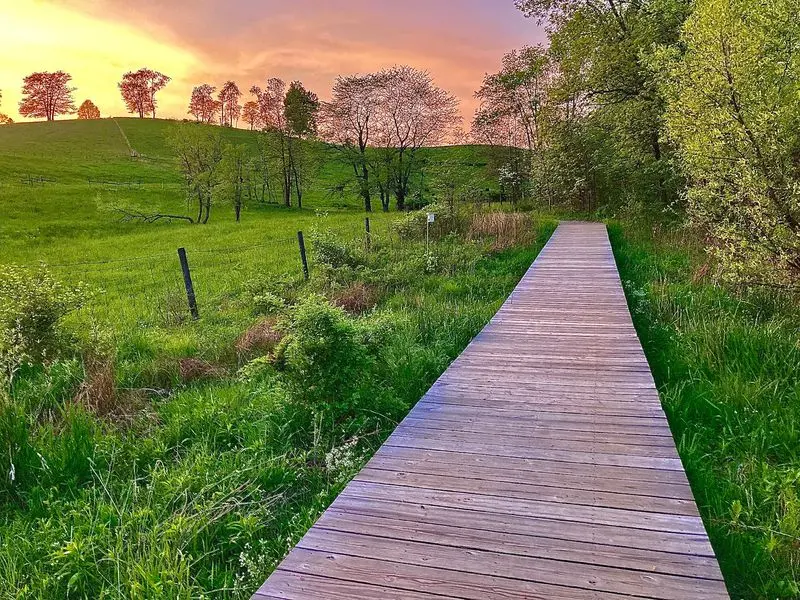
Simple is the theme here. The preserve has a small gravel parking area and few other facilities.
There are no restrooms or picnic tables inside the preserve, so plan your snack and bathroom stops before you arrive.
A rest stop with restrooms and picnic facilities has been reported nearby along US-33, but confirm that it is accessible and available before relying on it.
The small parking area can fill up, so arriving early or later in the day may help you find a space. Weekends can be especially busy in pleasant weather.
Pack a trash bag and carry everything back out. Leaving no trace helps protect the preserve’s natural setting.
The preserve is generally listed as open daily from half an hour before sunrise to half an hour after sunset. Check current access information before your visit.
A small backpack with water, snacks, bug spray, and a first-aid kit covers most needs. Bring a rain jacket when wet weather is possible.
The limited facilities may require a little extra planning. In return, visitors can enjoy a quieter, more natural setting.
Leave Fido At Home And Read These Rules First
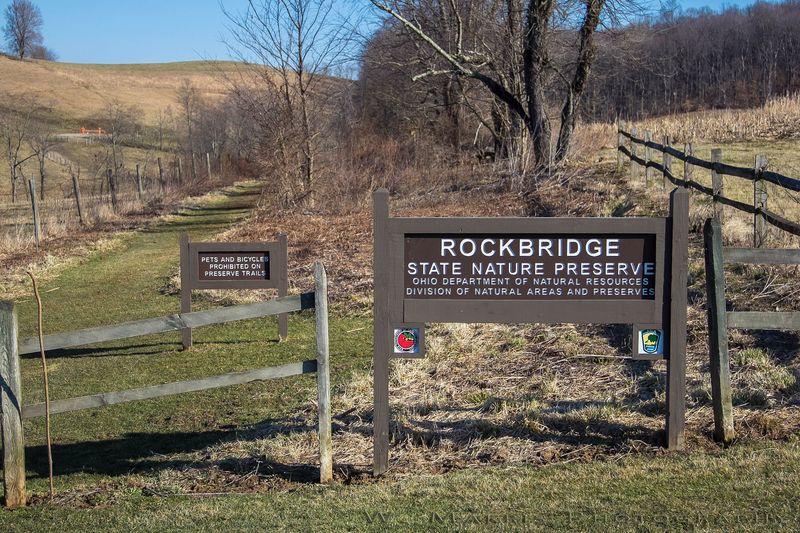
Dogs are wonderful hiking buddies, but not at this preserve. Pets are not permitted anywhere within Rockbridge State Nature Preserve.
Visitors also need to stay on designated trails. That rule protects fragile plants, rock formations, and wildlife habitat throughout the property.
Families should know the trails aren’t suitable for wheelchairs or strollers. Roots, hills, and uneven ground make wheels a tough match.
Little hikers who can walk on their own may enjoy the adventure. Just plan for breaks and keep a close eye near ravines and drop-offs.
Following the rules might feel strict compared to a city park. State nature preserves exist mainly to protect natural features, not just for recreation.
That focus is exactly why the woods feel so untouched. Fewer disturbances mean healthier plants and happier wildlife.
If you’re traveling with a pet, consider other Hocking Hills spots that allow leashed dogs. Research ahead so nobody ends up waiting in a hot car.
Respecting the guidelines keeps the preserve open and beautiful. Everyone gets to enjoy the arch for years to come.
A Quick Detour Off US-33 Could Become Your Favorite Stop
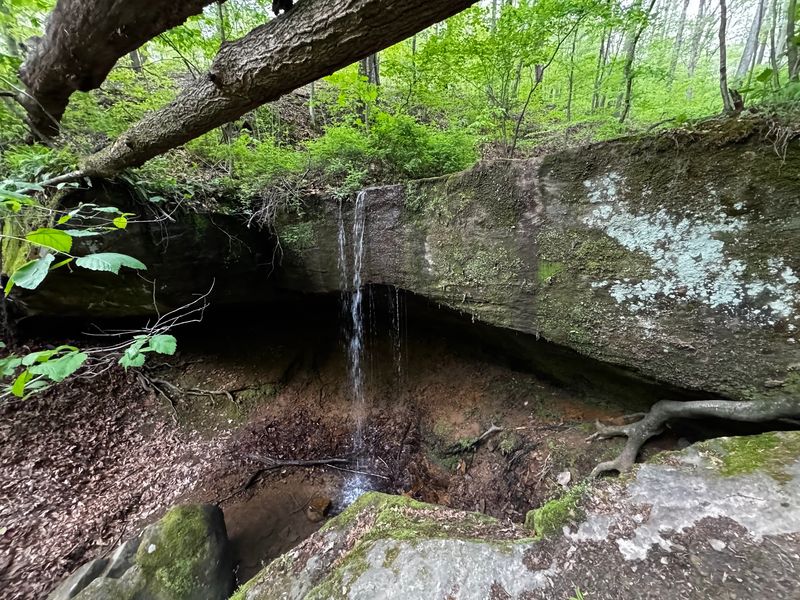
Getting there is refreshingly easy. The preserve sits at 11475 Dalton Road, Rockbridge, OH 43149, in Hocking County.
Rockbridge is a small unincorporated community within the famous Hocking Hills region. Travelers zip past it on US-33 without realizing what’s nearby.
That location makes the preserve a perfect add-on to a larger Ohio road trip. You can pair it with other Hocking Hills attractions in the same weekend.
The access road and parking area are modest, so drive slowly and patiently. Rushing on rural roads never ends well.
Visiting Rockbridge State Nature Preserve also offers a calmer alternative to busier destinations. It’s a nice change of pace if crowded overlooks wear you out.
Bring a printed map or download directions before you go. Cell service can be spotty in hilly rural areas.
I believe the best travel moments often come from small detours like this. A short drive can lead to something you’ll remember for years.
So next time you’re cruising through southeast Ohio, take the exit. The largest natural bridge in the state is waiting patiently for you.