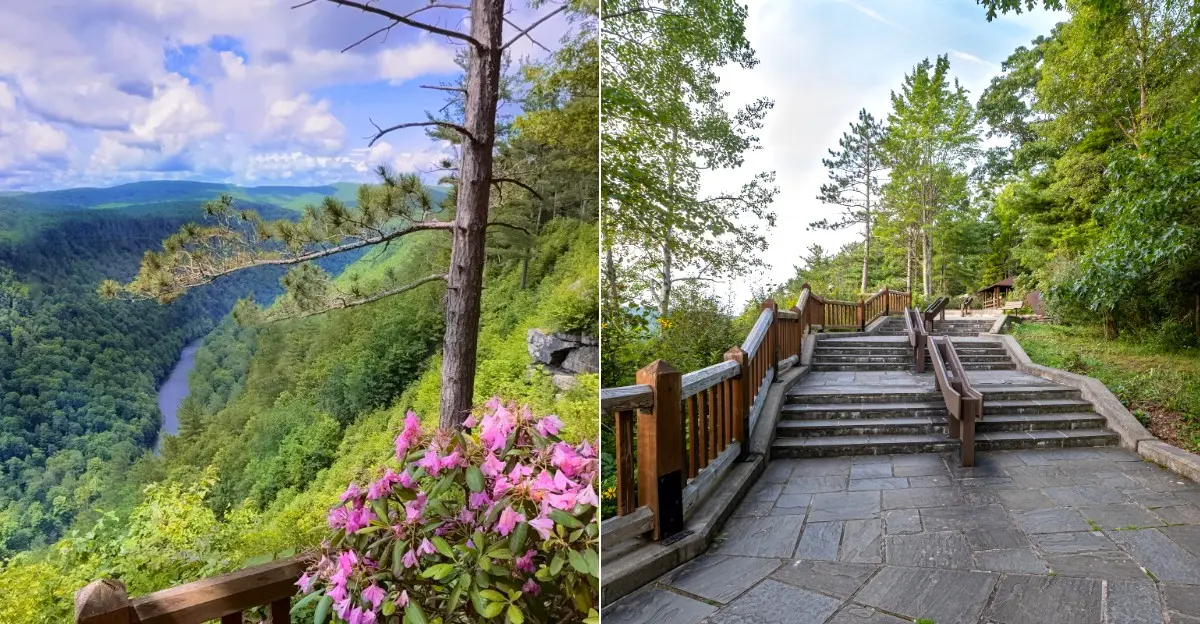
Standing at the edge of a deep, forested gorge, it is easy to forget you are in Pennsylvania.
Leonard Harrison State Park near Wellsboro sits on the east rim of Pine Creek Gorge, often called the Grand Canyon of Pennsylvania.
From the main overlook, you can gaze roughly 800 feet down to Pine Creek winding through the valley below.
The Turkey Path trail leads adventurous hikers down the canyon wall past small waterfalls.
In autumn, the gorge bursts into red, orange, and gold, making it a favorite fall foliage destination.
Bring your camera and comfortable shoes, because this canyon is even more impressive in person.
A Forested Canyon With a Big Reveal
A quiet drive through wooded hills gives little warning of the huge view waiting at the end. Suddenly, the ground falls away, and a wide valley opens beneath you. The surprise is part of what makes Pennsylvania’s Grand Canyon so memorable.
Leonard Harrison State Park sits on the east rim of Pine Creek Gorge at 4797 PA-660, Wellsboro, PA 16901, United States. Its overlooks offer a clear introduction to the steep slopes, thick woods, and creek below. Unlike the famous Arizona canyon, this landscape wears a green coat through much of the year.
The gorge stretches well beyond the park, so the scene represents only part of a much larger natural feature. Near the overlooks, the canyon is roughly 800 feet deep, making the water below seem surprisingly small. Give yourself time to study the slopes rather than snapping one picture and leaving.
Start with the main viewing area before choosing any hiking route. That first stop helps you understand the terrain and decide how much walking fits your group. For a simple visit, comfortable shoes, drinking water, and a little patience are enough to turn a brief scenic stop into a rewarding outdoor break without needing to tackle the canyon’s steepest paths.
Overlooks That Do the Heavy Lifting
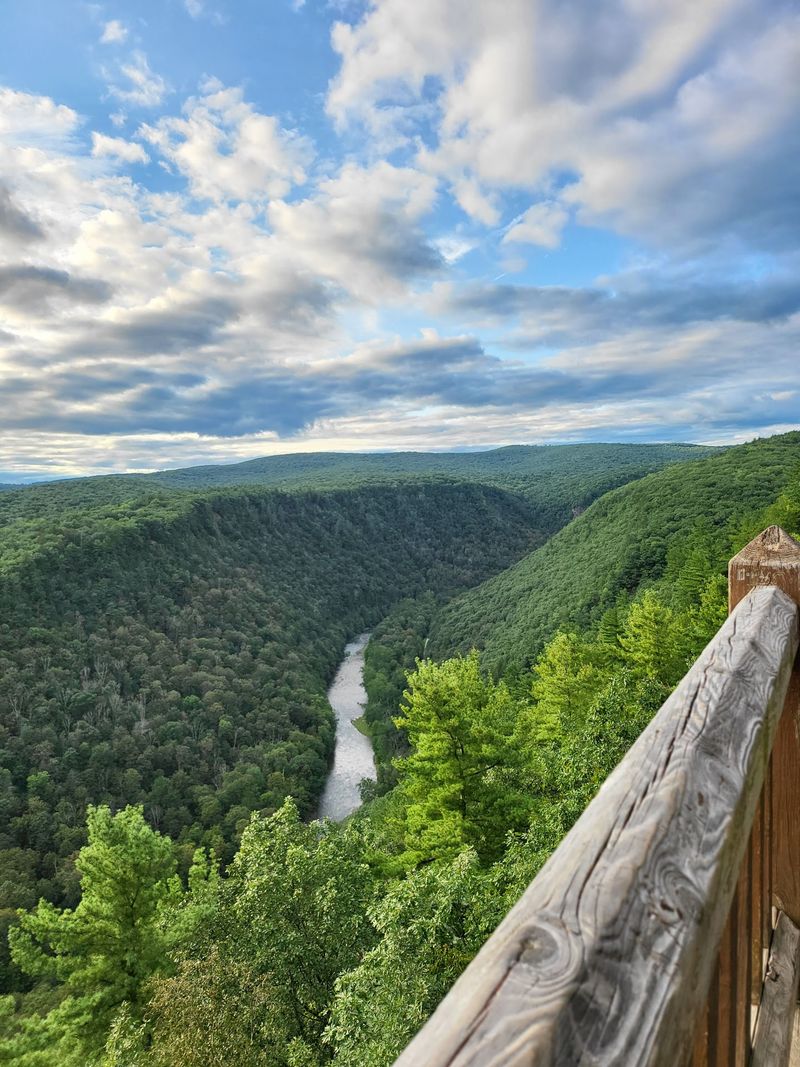
Big scenery does not always require a big hike. The main overlooks let visitors enjoy the canyon without committing to the long climb down to the creek. For families with different energy levels, that makes the viewing area a useful starting point.
Developed platforms provide several angles across the valley, with railings separating visitors from steep ground. Move between viewing spots slowly, because a small change in position can reveal another bend or wooded ridge. Stay behind every barrier, even when a better photograph seems just a few steps away.
Bring binoculars if you have them, especially for studying distant slopes or watching birds above the gorge. A phone camera captures the broad scene, but it may flatten the canyon’s depth. Including a nearby railing or tree in your picture can help show how far the landscape drops.
Visitors with mobility concerns should check current accessibility details before traveling, since paths and viewing levels can differ. Ask park staff which route best matches your needs rather than assuming every overlook is equally easy to reach. Arriving outside the busiest afternoon hours may also make the experience calmer, giving your group more space to pause, enjoy the breeze, and take photographs without feeling rushed by other visitors.
Turkey Path Brings a Real Challenge
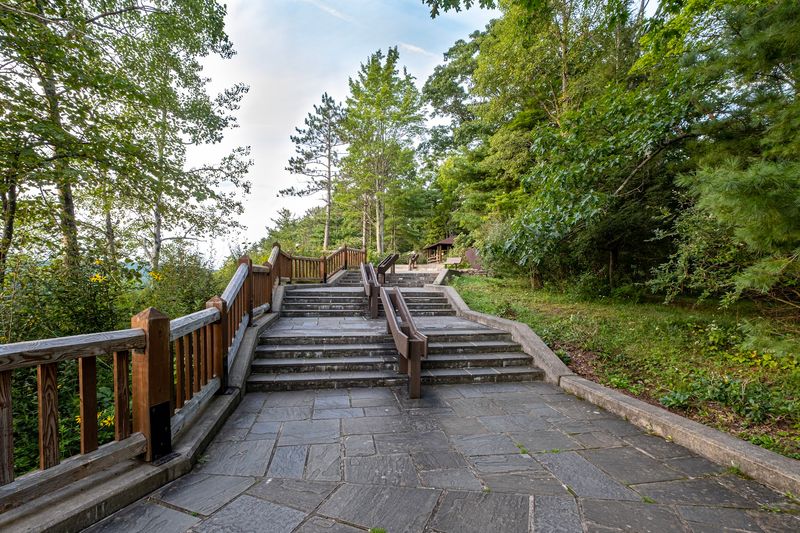
Your legs will notice what your camera cannot fully explain: the canyon is steep. Turkey Path leads down toward the creek through wooded slopes, turning a scenic visit into a demanding hike. The return trip requires climbing back up, so downhill progress is only half the effort.
The route is about one mile each way and loses roughly 800 feet of elevation. Steps, uneven ground, and damp surfaces can make the walk harder than its short distance suggests. Wear shoes with strong grip, carry water, and avoid treating the trail like a casual stroll.
Allow generous time for rests and photographs rather than racing a fixed schedule. Children need close supervision, and anyone with balance problems or painful knees should carefully consider another route. Turning around early is a sensible choice when conditions or energy levels change.
Check official trail notices before setting out, since weather damage or maintenance can affect access. Do not assume you can safely cross the creek to reach trails on the opposite rim, because there is no connecting footbridge here. Keep your outing on the planned route, save strength for the climb, and remember that reaching the bottom is optional while returning safely is the part that matters most for everyone.
Waterfalls Reward a Careful Descent
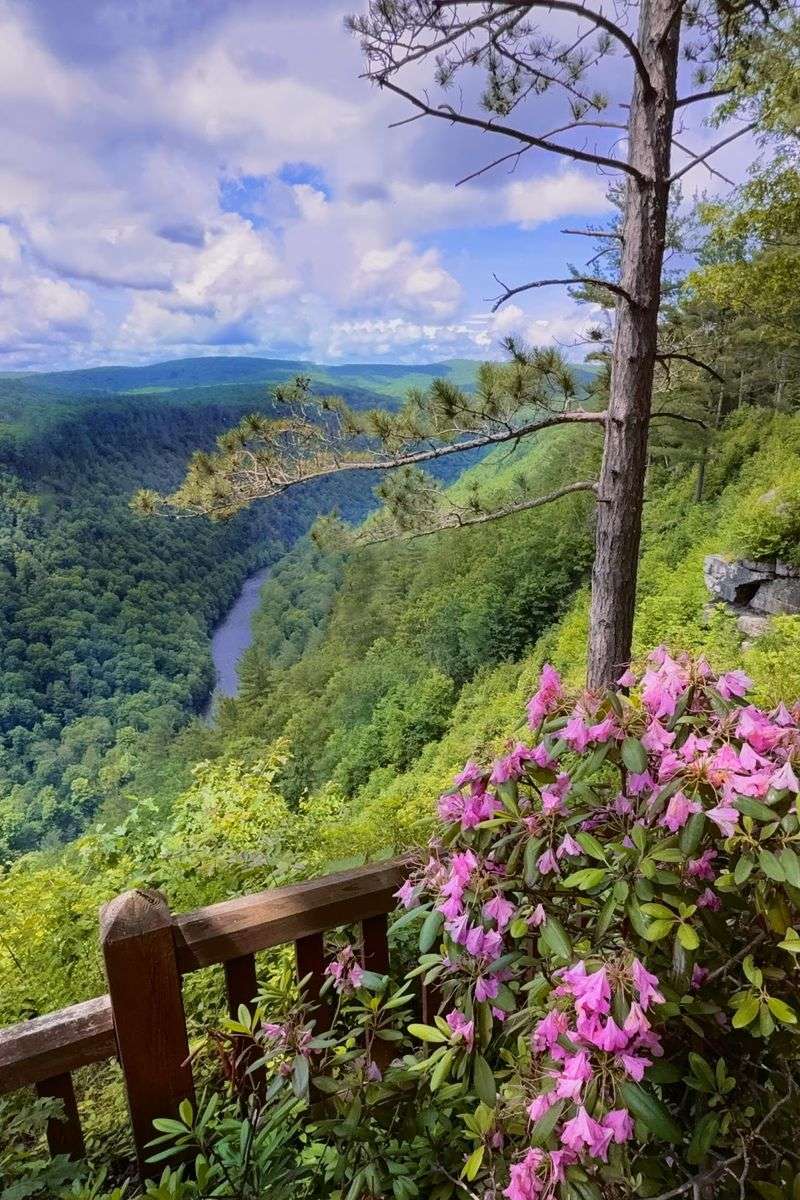
The sound of moving water can reach you before a waterfall comes into view. Along Turkey Path, small cascades add a closer, quieter kind of beauty to the canyon experience. Instead of looking across distant slopes, you can watch water work its way over rock.
Flow changes with rainfall and season, so waterfalls will not look the same on every visit. Wet periods may bring stronger cascades, while dry stretches can leave a thinner stream. Avoid expecting a particular photograph to match the conditions you find that day.
Water also makes nearby surfaces slippery, especially steps, roots, and exposed stone. Stay on the marked trail and use provided railings where available. Climbing onto rocks for a picture can turn a peaceful stop into a dangerous situation surprisingly quickly.
For photographs, pause at a secure spot and let other hikers pass before taking your time. Cloudy skies often soften harsh shadows, helping show detail in the water and surrounding woods. A small cloth is useful for wiping moisture from your phone or camera lens, but the best preparation is still sturdy footwear, enough drinking water, and a realistic plan for the uphill return after enjoying the cascades along this rewarding but physically demanding canyon trail with care.
Shorter Walks Offer Their Own Rewards
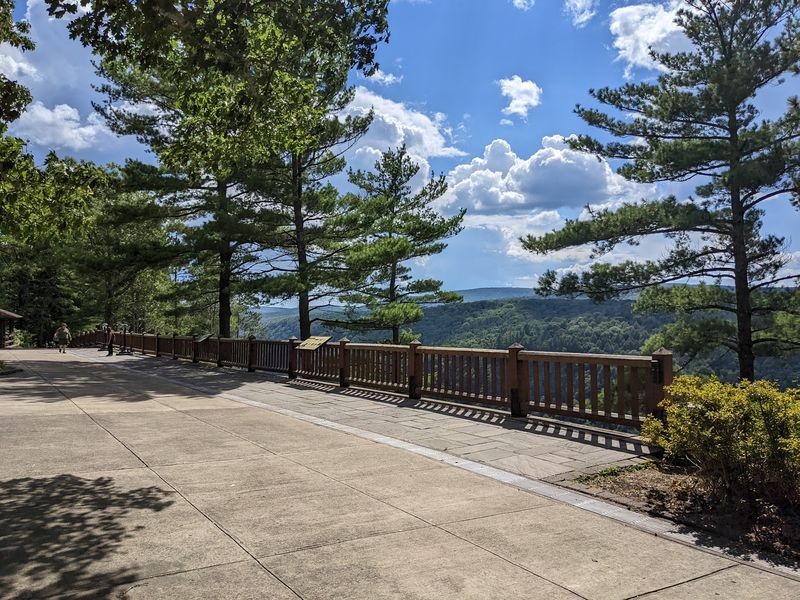
Not every memorable outing needs sore legs at the finish. A shorter woodland walk can offer fresh angles on the canyon while leaving time for lunch and a relaxed afternoon. That balance is especially welcome when your group includes children or less experienced hikers.
The Overlook Trail provides another option beyond the main viewing platforms and the steep canyon descent. Its route leads through the woods to Otter View, giving visitors a different place to appreciate the landscape. Check the posted map for distance, trail shape, and current conditions before choosing your walk.
Shorter does not mean completely flat or free of hazards. Roots, uneven footing, and muddy patches still call for practical shoes and attention. Carry water even when the parking area feels close, especially during warm weather.
Let the walk unfold at a comfortable pace instead of treating each viewpoint as a box to check. Listen for birds, notice changing light beneath the trees, and give children time to examine fallen leaves without disturbing living plants. If anyone starts feeling tired, choose a sensible turnaround point and keep the day enjoyable, because a modest walk that suits everyone often creates better memories than a longer route taken simply to prove you could finish it.
A Visitor Center Makes the View Meaningful
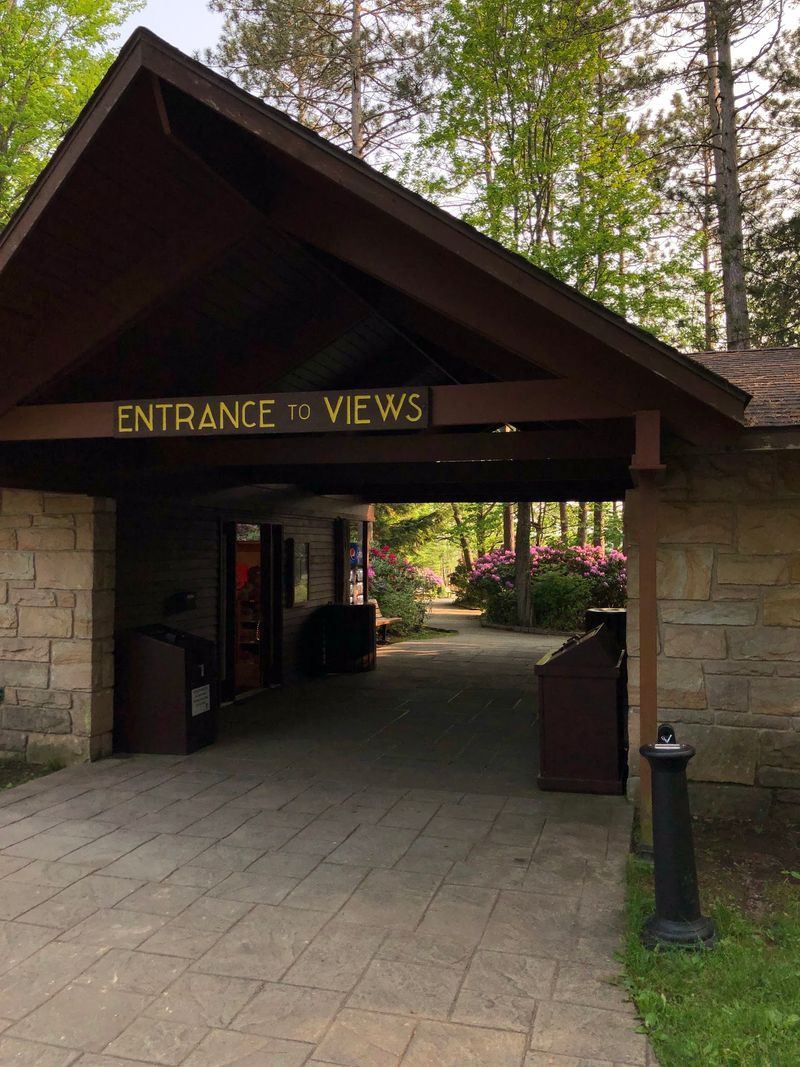
A sweeping view becomes more interesting when you understand what you are seeing. The visitor center offers a useful pause before or after exploring, with educational displays that add context to the landscape. It also gives curious visitors a place to ask practical questions.
Start by checking for trail updates, weather concerns, and information about available facilities. Staff can help you match your plans to the day’s conditions and your group’s abilities. That conversation may save you from choosing a route that sounds easier on paper than it feels underfoot.
Families can use the displays to turn a scenic stop into a simple learning experience. Ask children what animals might live in the forest or why the creek follows the valley floor. Then look for clues outside, connecting what they learned indoors with the real surroundings.
A gift shop and restroom facilities can make this stop convenient, but operating hours and available services may change. Check current information through the official state park website rather than relying on an older review. Bring your own water and snacks anyway, since having the basics packed lets you focus on the visit instead of searching for supplies when a facility is closed or an expected service is not available that day.
Picnics and Camping Slow the Day Down
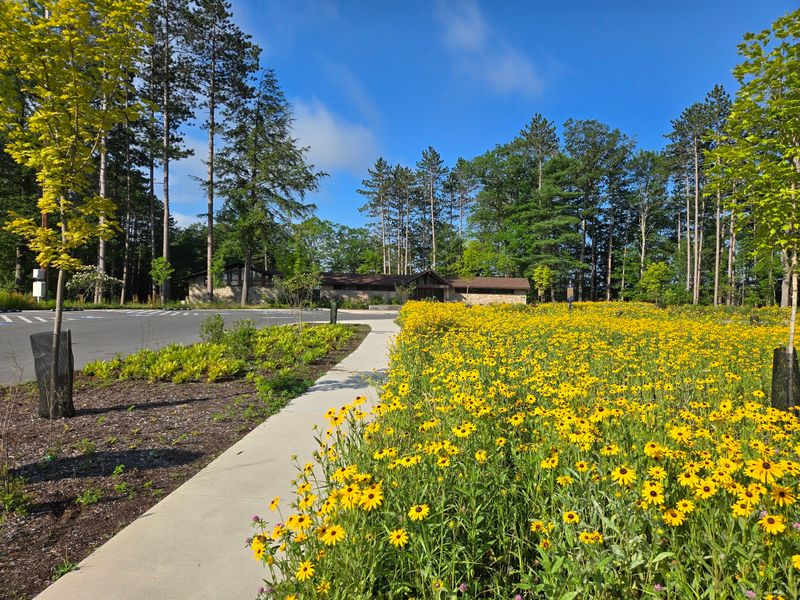
Sometimes the best part of an outdoor trip happens after the walking stops. A picnic gives everyone a chance to rest, compare favorite views, and enjoy being outside without following a schedule. Wooded picnic areas make that slower pace part of the park experience.
Pack a simple meal, refillable water bottles, and a bag for carrying away your rubbish. Do not count on food vendors being available, since services can change over time. Keep food secured and never offer leftovers to wildlife, even when an animal seems comfortable around people.
Camping extends the visit beyond a quick overlook stop and leaves more room for unhurried exploring. The campground offers developed facilities, but individual sites can differ in layout, shade, and privacy. Review the official campground map and reservation details before selecting a spot that suits your equipment.
Check seasonal opening dates, fees, pet rules, and any current restrictions before packing the car. Families should also plan for cool evenings and changing weather rather than judging overnight comfort by the afternoon temperature. Whether you stay for a sandwich or a full night, respecting quiet hours and leaving your space clean helps preserve the relaxed setting for the next visitors who come looking for their own peaceful canyon break here.
Seasons Change the Canyon’s Character
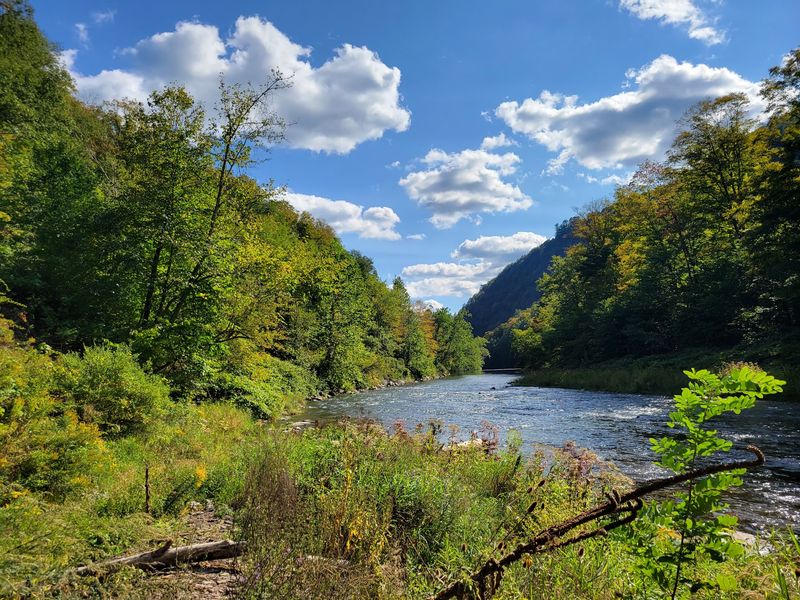
One visit cannot show every mood of a forested canyon. Spring brings fresh leaves and changing water flow, while summer fills the slopes with deep green. Autumn can turn the same view into a patchwork of red, orange, and gold.
Fall color timing varies with weather, so avoid treating any single weekend as a guaranteed peak. Check current foliage reports and forecasts before setting your travel date. Popular weekends may bring more visitors, making an earlier arrival helpful for parking and a quieter look around.
Morning mist sometimes softens the valley, but fog can also hide the view completely. Clear conditions usually make distant ridges easier to see, while cloudy light can suit woodland photography. Choose your timing around safe travel and realistic expectations rather than chasing one perfect image.
Cold weather introduces additional concerns, including ice, slippery paths, and changes in facility availability. Consult official alerts, download a map before arriving, and carry layers suited to the forecast. Most of all, leave room in your plans to adapt, because the canyon does not need bright sunshine or peak leaves to be impressive, but enjoying it safely depends on accepting the conditions in front of you and choosing activities that fit your group’s comfort and abilities that day.