This Wisconsin mansion looks like it wandered out of an English fairy tale.
Tucked inside Oshkosh, Paine Art Center & Gardens rises with stone walls, rooms, and enough old-world flair to make you wonder if you took a wrong turn.
Nathan Paine, a lumber baron, and his wife, Jessie, dreamed of creating an extraordinary home.
They poured years of planning into the estate, but the story took a sharp turn before they could settle inside.
Today, the mansion tells a different story.
Visitors can wander through richly detailed rooms, admire works of art, and uncover the history behind the Paine family’s project.
Outside, the gardens add a layer of charm, changing with the seasons.
Come for the castle-like mansion, then stay curious about the dream that became something beyond a home.
Meet the Lumber Baron Behind the Mansion
Before the stone mansion rose in Oshkosh, lumber was a big part of Nathan Paine’s world. He grew up around the city’s wood industry and later became president of the Paine Lumber Company.
That work helped give him the money to plan an estate far grander than an ordinary family home.
Nathan and his wife, Jessie, began shaping that dream during the 1920s. Their plans reflected both their success and their interest in art, design, and beautiful outdoor spaces.
Knowing where the money came from makes the mansion’s story easier to understand: it connects one striking building to the businesses that helped build Oshkosh.
As you look at the house, imagine the distance between a busy lumberyard and these quiet stone walls. Wood products could help create a fortune, but the Paines chose stone for their most personal project.
Their choices also left a gift for future visitors. The estate now tells a local history story as well as a family story, which makes a walk through it feel like more than a tour of a fancy house.
An English Dream in Wisconsin
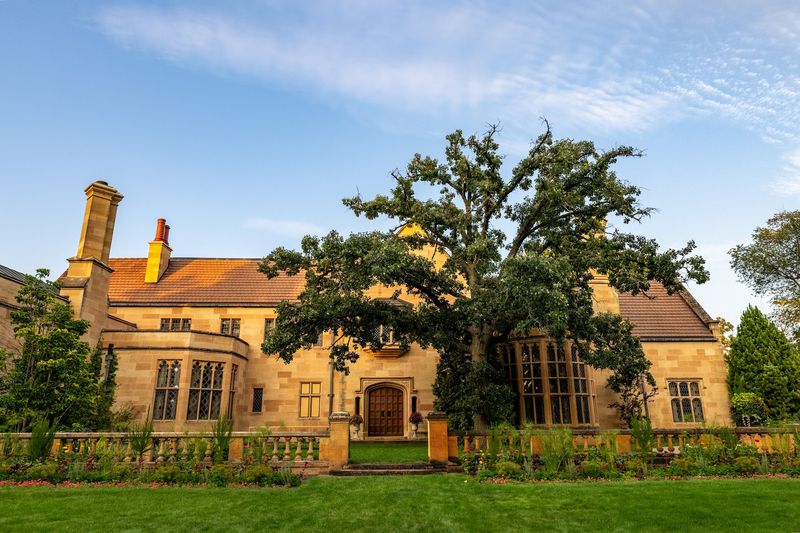
An English country estate in Wisconsin sounds like a surprising idea, but that was the Paines’ goal. Nathan and Jessie asked architect Bryant Fleming to design a home that felt grand, welcoming, and tied to its grounds.
They wanted the house, gardens, artwork, and furnishings to fit together rather than look like separate projects.
Picture planning your own room and then planning every path outside its window, too. That gives you a sense of how carefully the couple approached this place.
Fleming’s design drew on English homes while making room for the Paines’ tastes and the setting in Oshkosh.
Visitors can try looking beyond the mansion’s front door to see how the whole estate works. Notice how a view changes as you move from a stone wall to a garden path or from a room toward the outdoors.
The property was meant to be experienced in pieces that connect. Even if you know little about architecture, following those connections can help you see why the gardens matter just as much as the house itself.
Old World Looks, Newer Roots
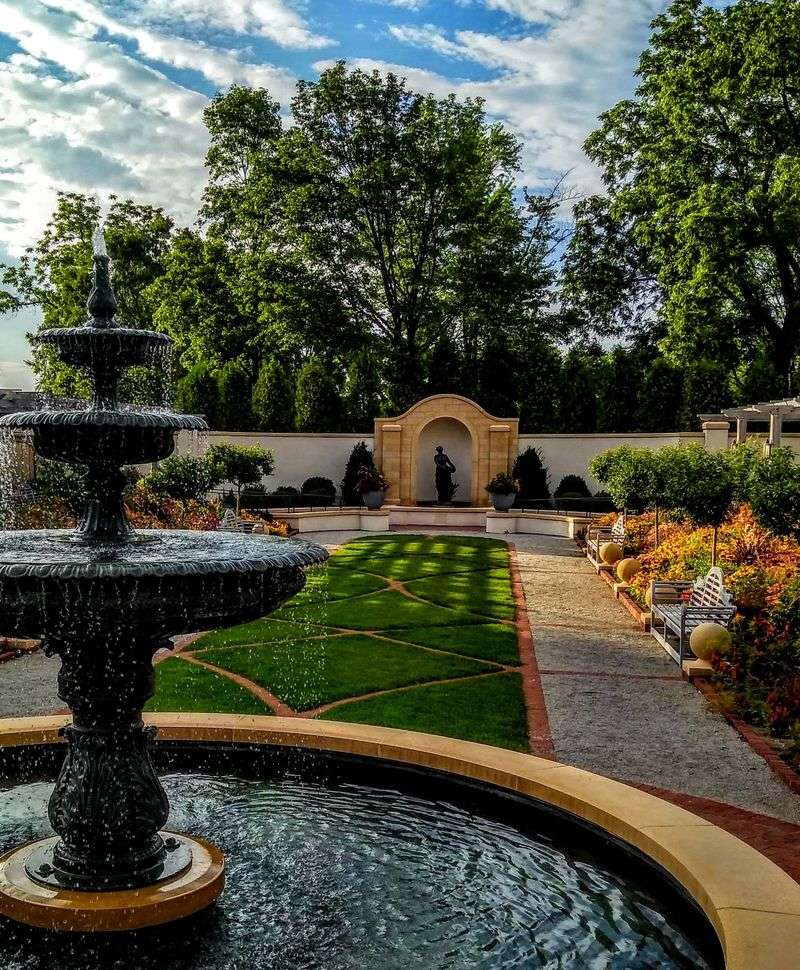
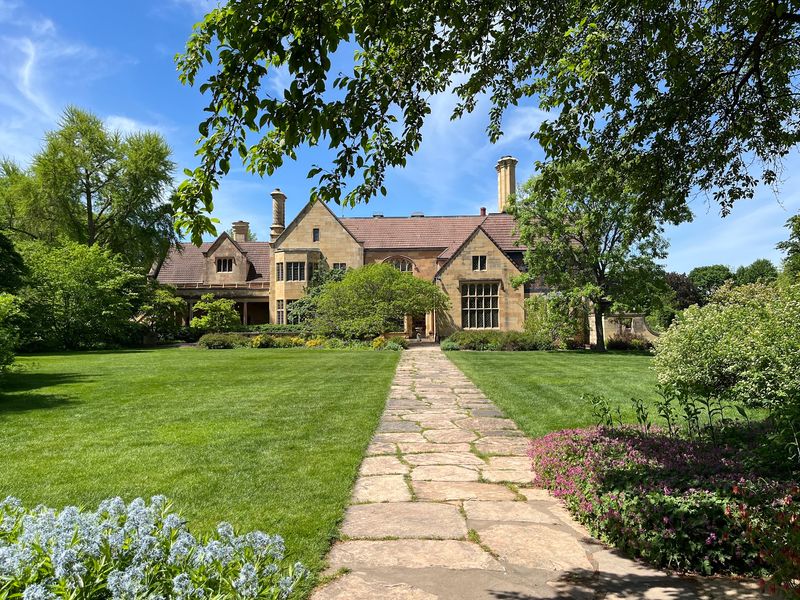
At first glance, the mansion could fool someone into guessing it is centuries old. Its stone walls, tall chimneys, arches, carved details, and unusual windows borrow from different periods of English design.
Together, those features create the castle-like look that makes the building so memorable.
Look closely, though, and you will see a carefully designed home, not an ancient fortress. The Paines planned it in the 1920s, and construction began in 1927.
Its older appearance came from deliberate choices about shapes, materials, and decoration.
Try a simple spotting game when you visit: count the window shapes you can see from one side of the house. Then find an arch, a carved feature, and a chimney.
Those small details explain the building’s character better than any single photograph can. They also show how architecture can tell a story without using words.
The mansion gives visitors a taste of English history while staying firmly rooted in Wisconsin’s own past. That mix is part of its charm, especially when you round a corner and find a new view.
A Strong Shell with a Purpose
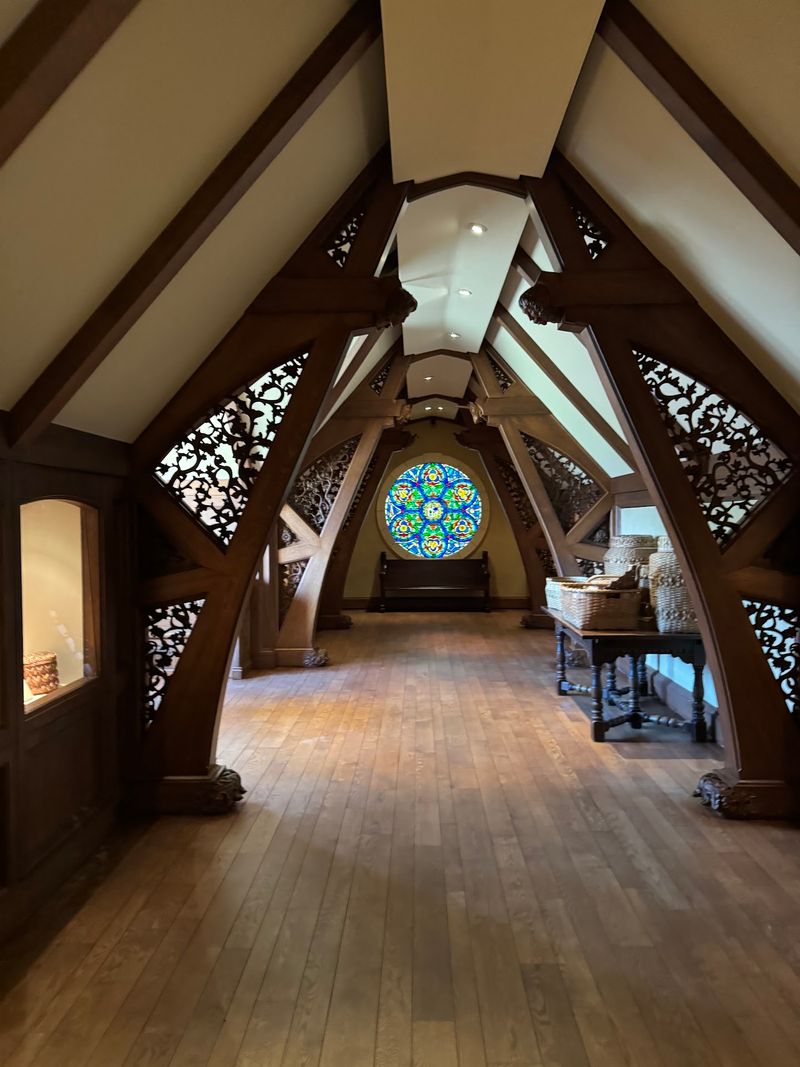
Behind the mansion’s old-fashioned face is a practical surprise: its structure used steel and concrete. Those materials were modern choices for the time and helped make the building more resistant to fire.
Nathan Paine had good reason to care about that kind of protection.
Fires had caused serious damage in Oshkosh and had affected property connected to him. For a man whose work centered on lumber, the danger was hard to ignore.
Building a strong shell for the estate joined his personal experience with a careful plan for the future.
When you study the outside, remember that a building’s appearance does not always reveal how it was made. The heavy stone may suggest a medieval castle, but the supporting structure belongs to a much later age.
That contrast is a useful lesson for young visitors: smart design can honor an old style while using newer methods to solve real problems. Ask what choices you would make if you had to build a lasting home in a place where fires were a known risk.
When Building Work Came to a Stop
Imagine seeing the outside of your dream home finished while the rooms inside still need work. That was the difficult turn in the Paines’ story.
Construction started in 1927, and the mansion’s exterior was largely complete around 1930. Then the Great Depression brought deep financial trouble to the Paine Lumber Company.
Work on the house stopped, leaving the estate unfinished. The pause was not simply a change of taste.
It grew out of a national economic crisis that affected many families and businesses, even those that had once seemed secure.
As you walk through the property, keep that timeline in mind. The grand stone exterior speaks of the hopeful 1920s, while the interrupted project points to the hardship of the 1930s.
Places like this can make big events in a history book feel personal. A visitor does not need to know every detail of the Depression to understand the disappointment of putting a long-planned home on hold.
That contrast gives the beautiful building a more complicated and deeply human story.
A Home Its Owners Never Occupied
The most surprising fact about the mansion may be that Nathan and Jessie Paine never called it home. They spent years planning the estate, yet the interrupted building project kept them from moving into the grand rooms they had imagined.
Nathan died in 1947 without living there.
Jessie later helped guide the property toward a different future as a public museum. Instead of remaining a private dream, the house became a place where many people could enjoy art, design, and gardens.
That change gives its story a hopeful ending without hiding the couple’s disappointment.
Think about how many homes are known mainly through the families who lived inside them. Here, the idea behind the home is just as important as daily life within it.
As you visit, look for signs of the Paines’ plans rather than trying to picture years of family gatherings that never happened. Their vision still shapes what people experience today.
Sharing the estate turned a personal project into a lasting part of Oshkosh’s cultural life.
Rooms with Stories in Their Details
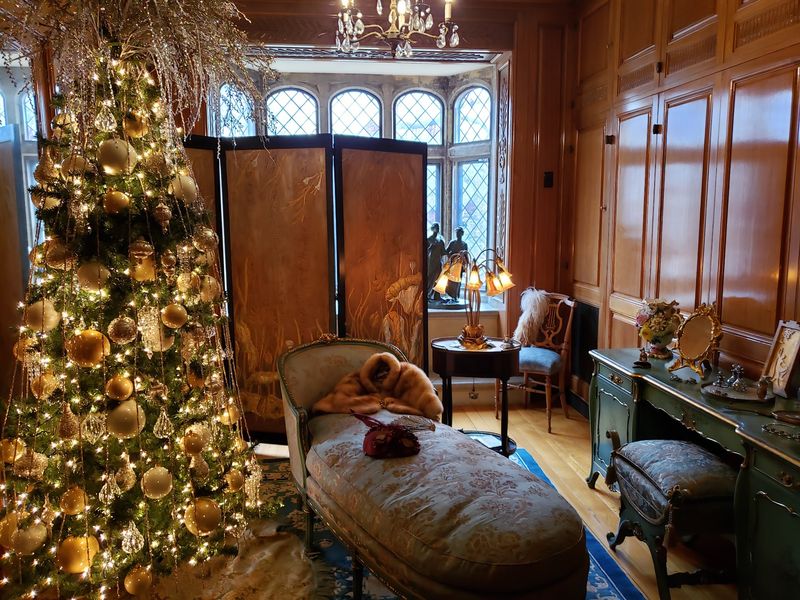
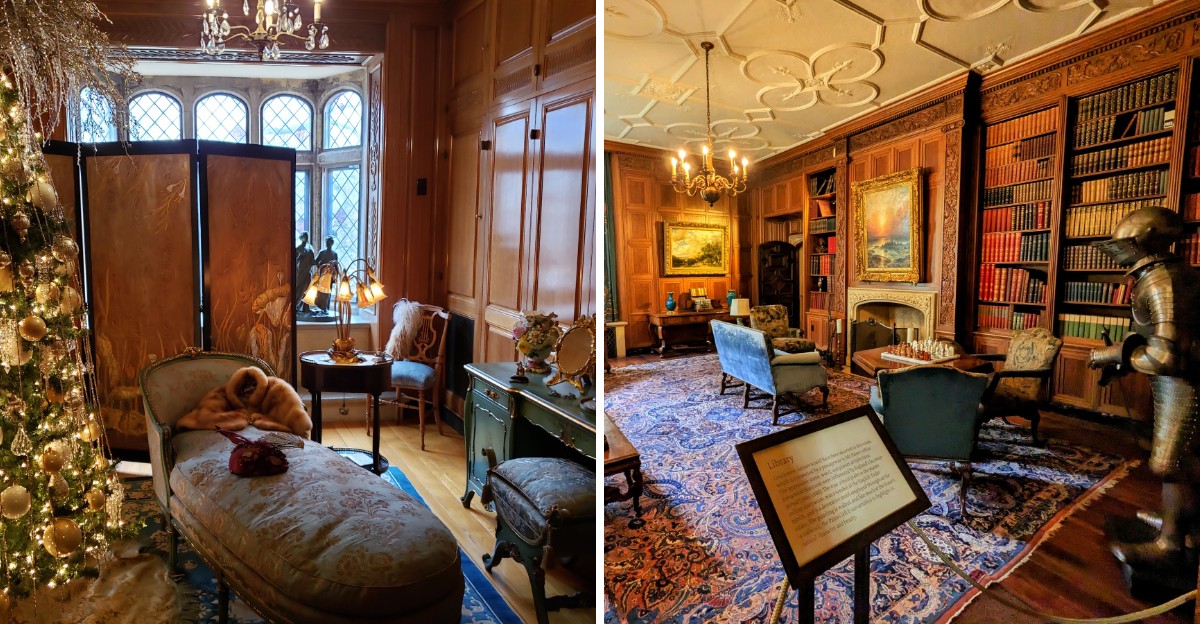
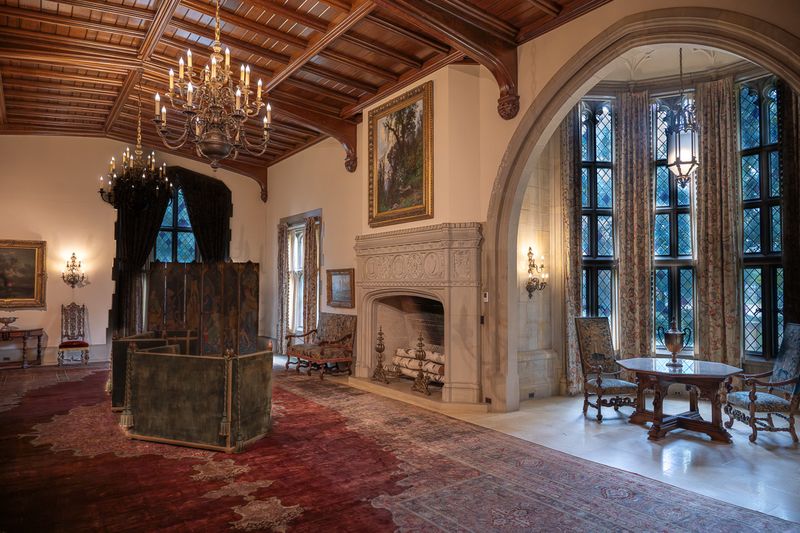
Step indoors and the mansion begins to tell several design stories at once. Its rooms draw on Tudor, Elizabethan, Jacobean, Georgian, Victorian, and French styles.
Those names may sound like a lot to remember, but you do not need a quiz to enjoy what you see.
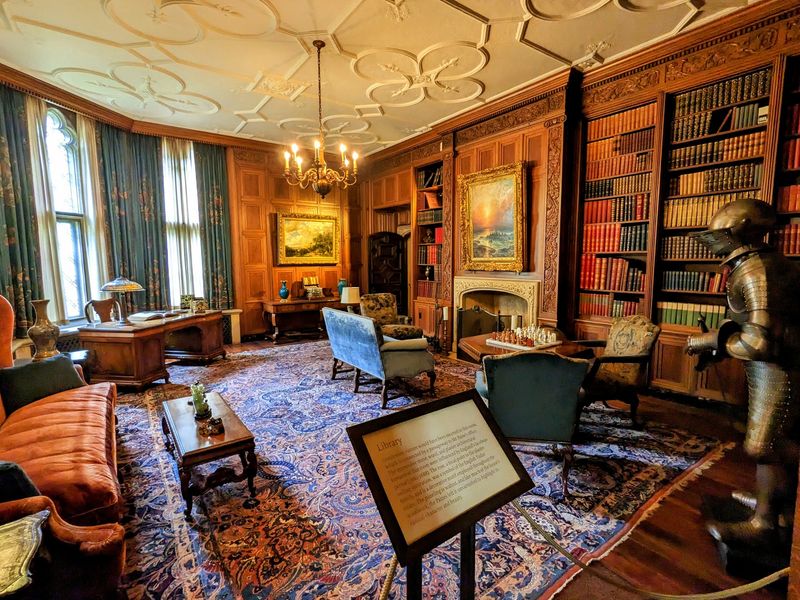
The Great Hall, Library, Dining Room, and Stair Hall are good places to notice how each space has its own mood. Watch for differences in woodwork, furniture, doorways, and decoration.
A large hall may feel formal, while a library can suggest a quieter place to read and think.
Choose one detail in each room and compare it with something you noticed earlier. Is the next space brighter, darker, simpler, or more decorated?
That small exercise makes a tour feel like discovery rather than a rush from one room to another. It also helps explain the Paines’ larger goal: they wanted a house shaped by art and history, not just a building filled with expensive objects.
Take your time, because the closer views often reveal the best surprises.
Art Was Always Part of the Plan
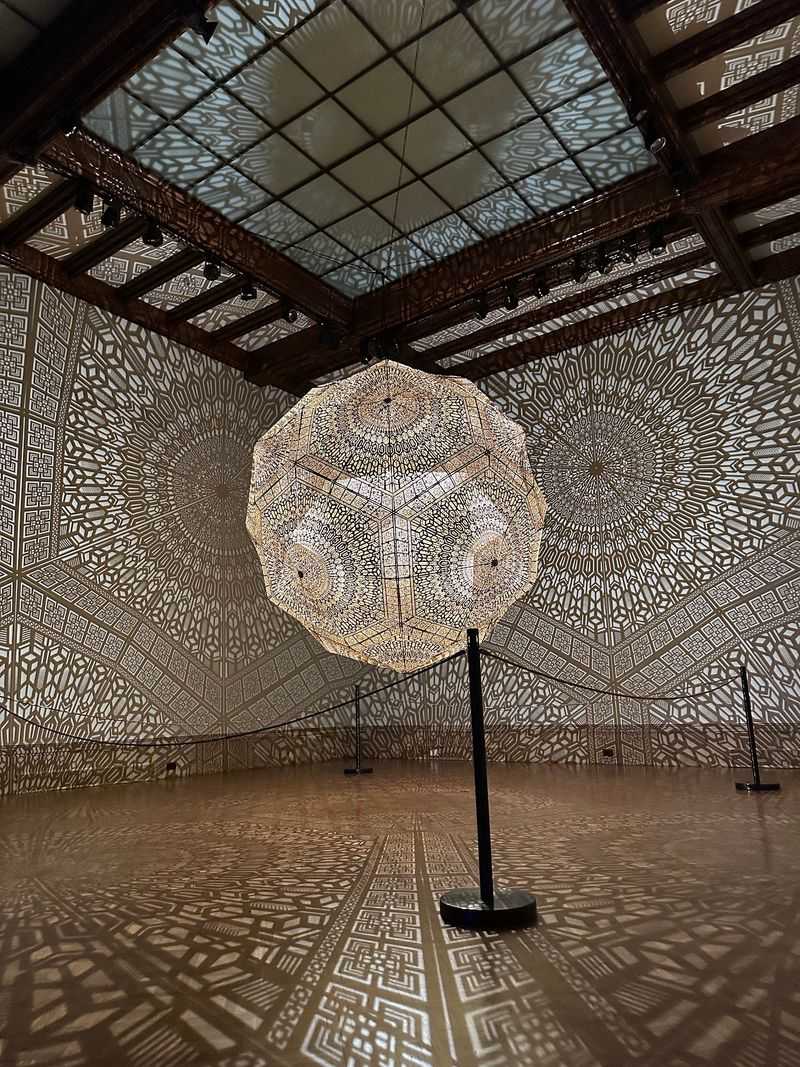
A painting on the wall was never meant to be an afterthought here. Nathan and Jessie Paine collected art and objects as part of their vision for the estate.
Paintings, furniture, sculptures, and decorative pieces would help make the home feel complete and give visitors things to study from room to room.
The collection includes connections to American and French landscape traditions. A landscape painting can capture the feeling of a place through light, weather, trees, or water.
That makes it an interesting partner to the real gardens just outside the mansion.
When you see a work of art, pause before reading its label. Notice the first thing your eyes find, then ask why the artist might have placed it there.
Afterward, read the label for more context. This easy habit makes museum visits more rewarding, even if art is new to you.
The Paines hoped for more than a beautiful private house, and their collecting helped lay the groundwork for the art center people can explore today.
Garden Paths Beyond the Stone Walls
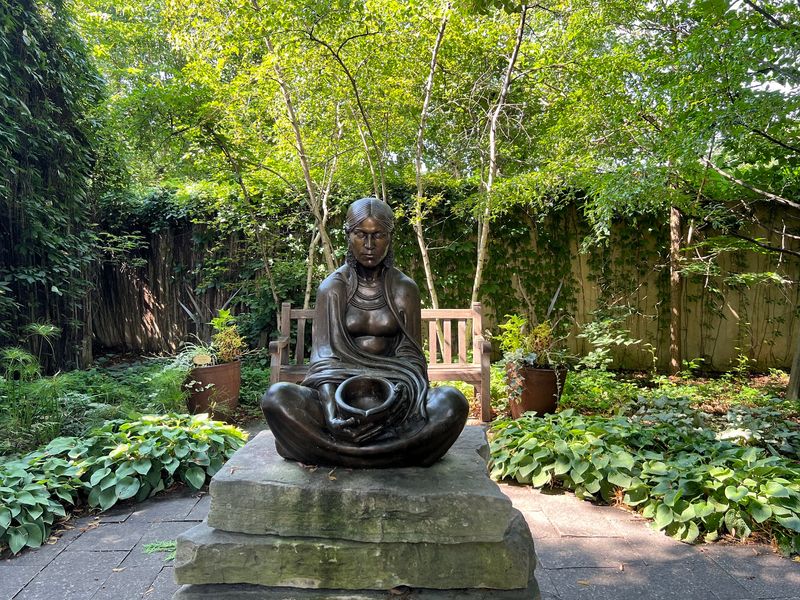
Outside the mansion, nearly four acres of grounds offer a change of pace. The gardens are made of connected spaces, so a short walk can bring a new mix of plants, paths, sculptures, and views.
Seasonal displays also mean the property may look different on a return visit.
Give yourself time to wander instead of treating the grounds as a quick stop after the house. Look back toward the stone walls from several spots to see how the mansion’s appearance changes.
A nearby planting might frame a window, while a path can lead your eye toward a sculpture.
Comfort matters on a garden visit, so wear shoes that suit walking and check the day’s weather before you leave. If you enjoy taking photos, try capturing the same view from both close up and farther away.
You may notice details you missed at first. The gardens are not merely a setting for the mansion.
They were part of the Paines’ original vision and give visitors another way to understand the estate as a whole.
Make Your Oshkosh Visit Easy
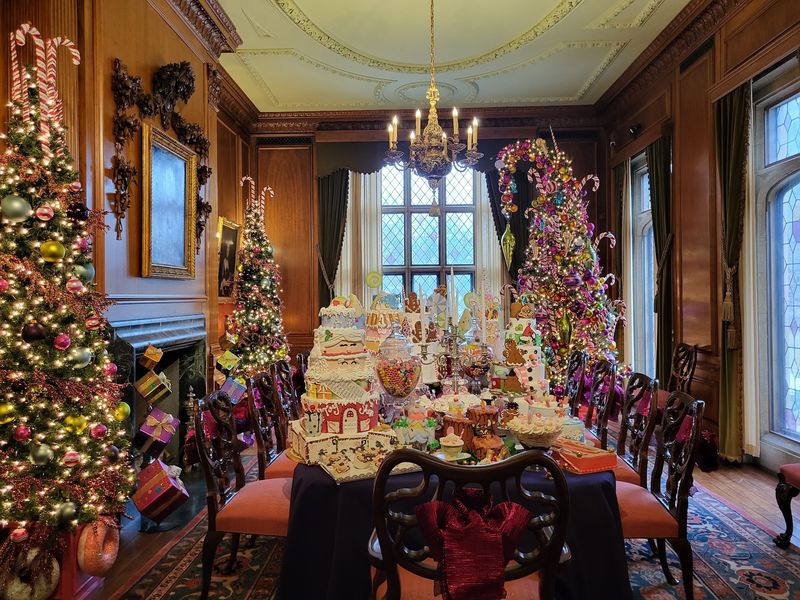
Ready to see the mansion for yourself? Paine Art Center & Gardens is at 1410 Algoma Blvd., Oshkosh, WI 54901.
Call (920) 235-6903 if you want help planning your visit. Allow about two hours for a self-guided look at the mansion and gardens, and arrange any docent-led tour in advance.
Check the official visitor page and calendar before you go. Current admission prices and opening hours can change with exhibitions and seasons, and some spaces or dates may have seasonal closures.
The calendar is the best place to confirm what is open, what tickets cost, and whether you need a reservation for your chosen day or a special event.
Free parking is available near the mansion, including accessible spaces, with additional lots nearby. Before arriving, contact the center about your specific accessibility needs, especially if you plan to visit both indoor rooms and outdoor paths.
A quick check ahead of time can prevent surprises and leave you more time to enjoy the art, architecture, and gardens.