You can walk past a Japanese garden without realizing it is there.
Inside Boston’s Museum of Fine Arts, masterpieces, ancient treasures, and towering sculptures grab most of the attention.
Just outside, though, Tenshin-en offers a completely different kind of wonder.
This Japanese-style garden asks you to slow down and look twice.
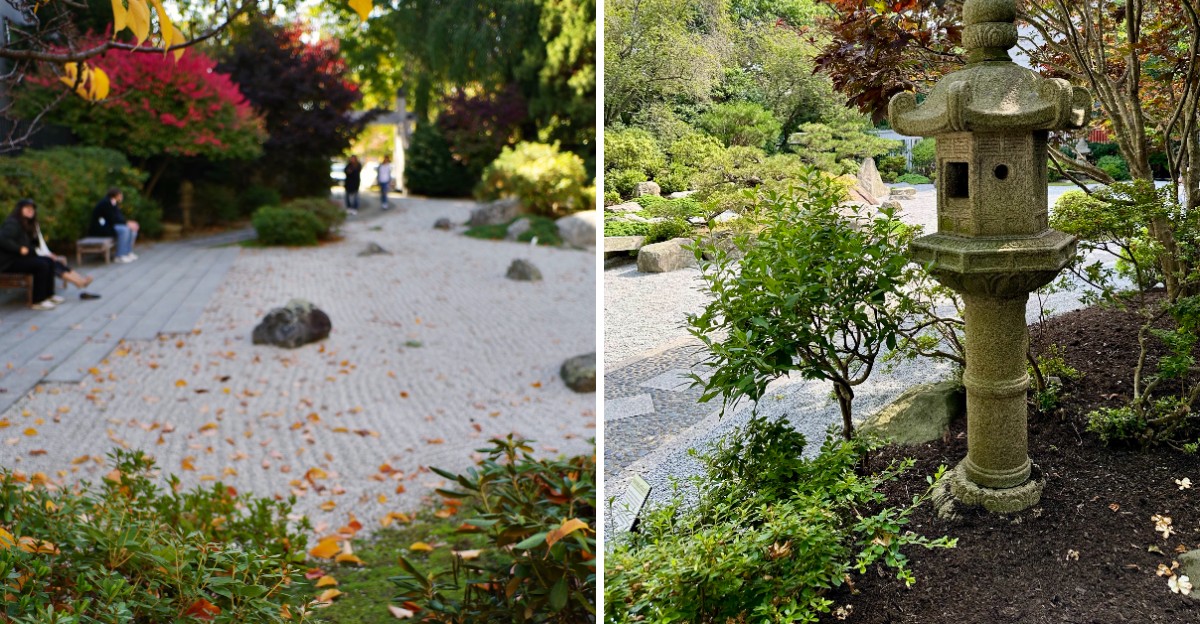
Stones become mountains, gravel suggests water, and carefully placed plants bring texture and seasonal color.
Nothing feels random.
There is history tucked into every corner, from the garden’s Kyoto-inspired design to the symbolism behind its rocks and islands.
It feels less like another museum stop and more like stumbling onto a quiet secret in Boston.
If you are visiting the MFA, Tenshin-en is the kind of hidden escape that can turn an ordinary museum day into something you remember.
Step Into Tenshin-en, The MFA’s Japanese Garden
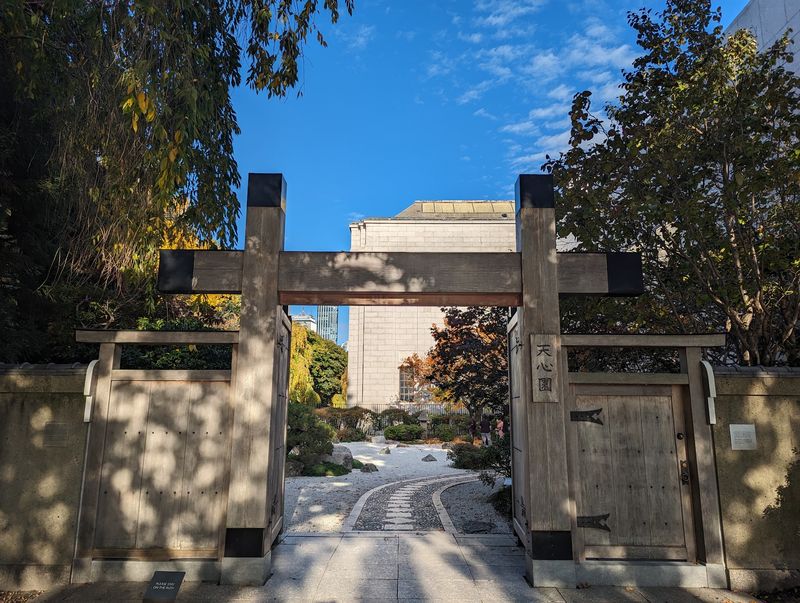
Picture yourself leaving a crowded gallery full of chatter and footsteps. A few steps later, the noise fades, and all you hear is wind moving through pine branches.
That calm feeling is exactly what Tenshin-en was built to give you.
The name means Garden of the Heart of Heaven, and it fits. Located outside the Museum, the garden is designed as a contemplative viewing garden.
That means it is not really a place for running around or picnics. Instead, you stand or sit quietly and let your eyes wander across the scene, like reading a poem made of nature.
Many visitors treat it as a reset button between exhibits. After an hour of studying paintings and artifacts, your brain can feel a little tired.
Spending ten minutes here gives your mind a break while still feeling like part of the art experience.
Here is a helpful tip. Put your phone away for a few minutes when you first arrive.
You will notice small details, like moss patterns and shadows, that are easy to miss otherwise.
See A Japanese Garden Designed By A Kyoto Expert
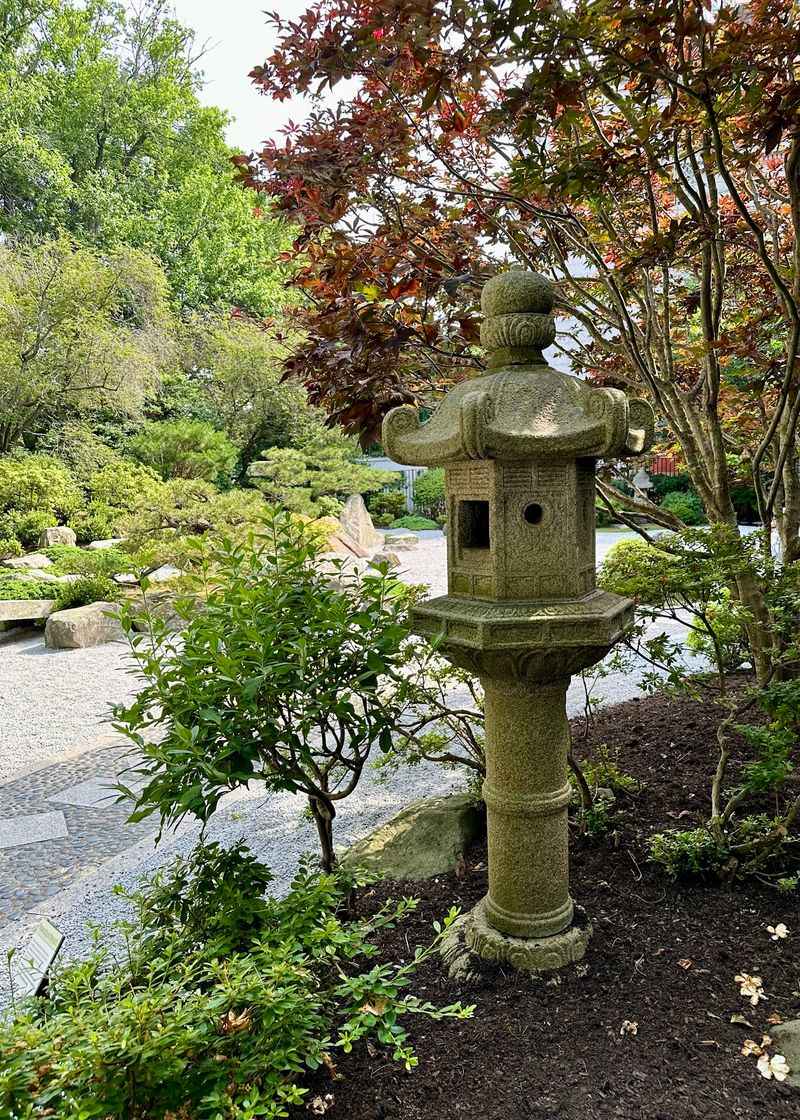
Kyoto is famous for some of the most beautiful gardens on Earth, so it makes sense that Boston borrowed talent from there. Tenshin-en was designed by Kinsaku Nakane, the late professor and landscape designer from Kyoto.
He was a true master of Japanese garden art.
Nakane created the garden in the karesansui style, which is often called a dry landscape garden. In this style, there is no pond or stream.
Instead, stones, gravel, and plants are arranged with great care to suggest a much bigger natural world.
Think of it like a model train set, but for nature lovers. A small patch of ground can hint at mountains, rivers, and even the ocean.
Every rock was placed on purpose, and nothing is random.
When you visit, try standing in a few different spots. The view changes depending on where you are, and that shift was part of the designer’s plan.
Seeing the garden from several angles helps you appreciate how much thought went into each choice.
Look Closely At The Garden’s 200-Plus Stones
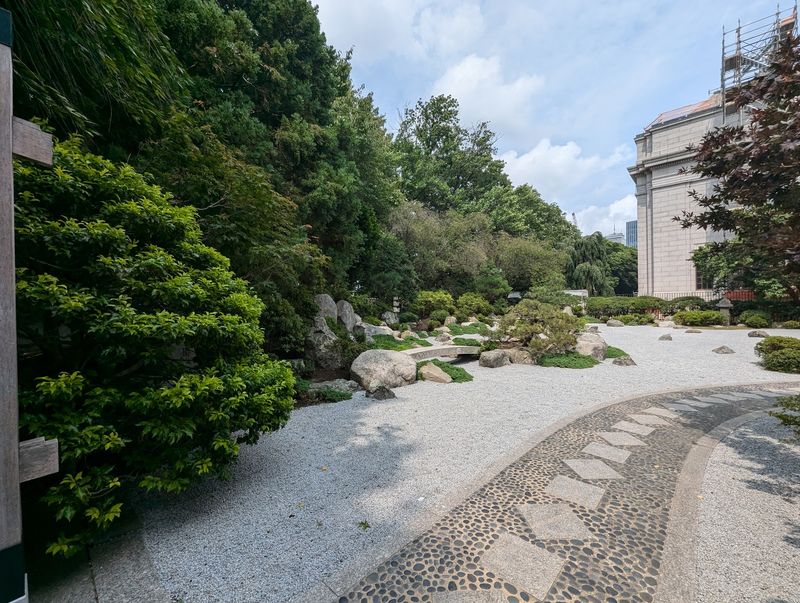
More than 200 stones. That number surprises most people who think a few rocks were simply dropped into place.
In Tenshin-en, the rocks are the stars of the show, not just decoration.
Some stones form a dry waterfall. There is no actual water flowing, yet the shape and placement of the rocks make you imagine a stream tumbling down a cliff.
It is a clever trick, and once you see it, you cannot unsee it.
Other tall stones represent Mount Sumeru, a sacred mountain from Buddhist tradition that is believed to stand at the center of the universe. You will also find stones arranged as symbolic islands, a common feature in Japanese garden traditions.
Want a fun challenge? Try counting the stones you can see from one viewing spot.
You will probably lose count, but you will also start noticing how different each one is in size, color, and texture. Some look rough and jagged, while others seem smooth and rounded, almost like sleeping animals resting among the gravel.
Find The Crane And Tortoise Islands
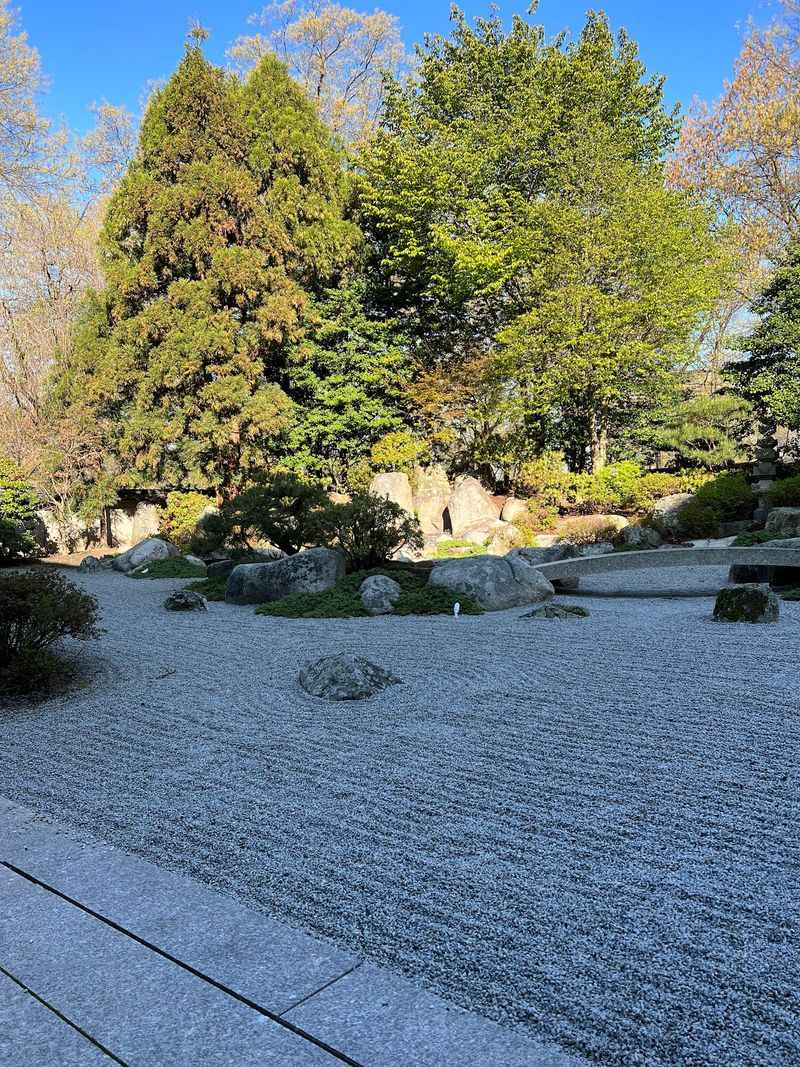
Have you ever played a game of spot the hidden picture? Tenshin-en has its own version, and the hidden pictures are a crane and a tortoise.
They are not statues, though. They are islands made from carefully grouped stones and plants.
The first is tsurujima, or Crane Island. The second is kamejima, or Tortoise Island.
In Japanese culture, both animals are symbols of long life. The crane was said to live a thousand years, and the tortoise ten thousand.
Together, these islands represent the Mystic Isles of the Immortals, legendary places where people were believed to live forever. Garden makers in Japan have included these islands for centuries as a wish for health and long life.
Spotting them takes a little imagination. Look for upright, wing-like stones for the crane.
For the tortoise, search for a low, rounded shape, sometimes with a stone poking out like a head. Bringing kids?
Turn it into a friendly contest to see who finds each one first.
Walk Among More Than 70 Species Of Plants
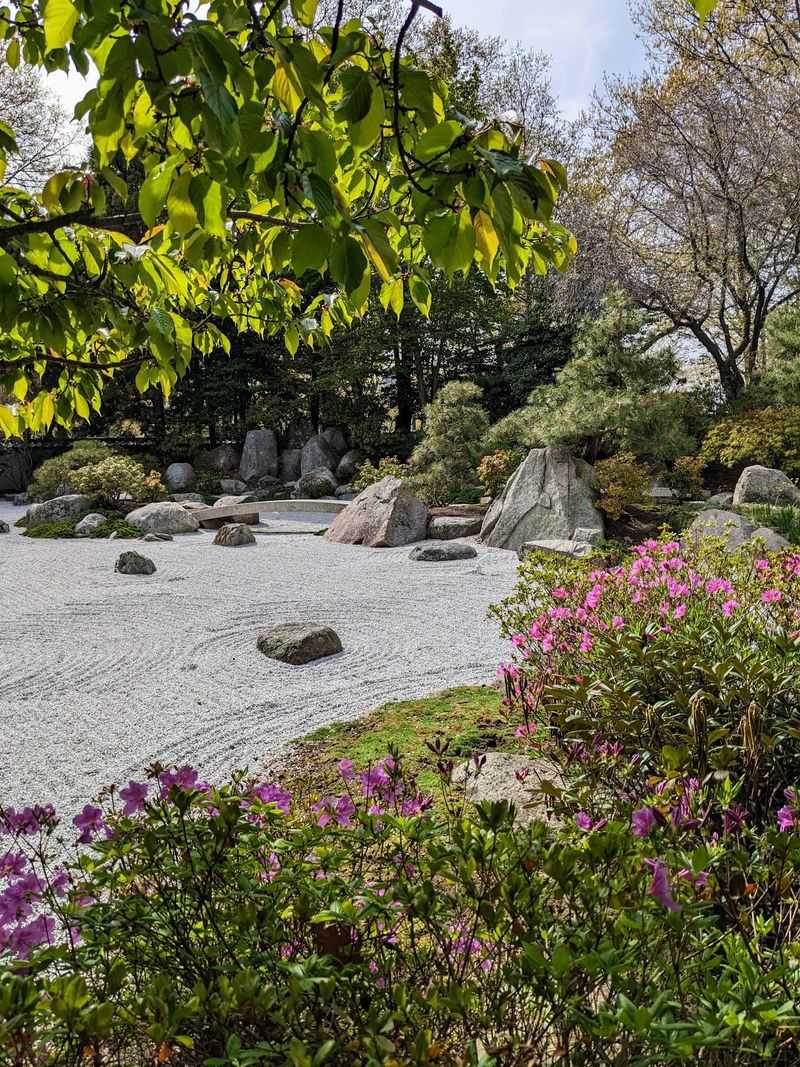
Plant fans, get ready for some impressive numbers. Tenshin-en holds more than 70 plant species and about 1,750 individual specimens.
That is a lot of green packed into one thoughtfully planned space.
What makes the collection special is its mix. Plants come from both America and Japan, growing side by side as if they had always been neighbors.
Some are tall and dramatic, while others stay low and soft, filling in the spaces between stones.
A few favorites stand out. Japanese maples bring delicate leaves that can glow red and orange.
Cherry trees add soft pink blossoms. Pines provide steady green color all year and are often shaped carefully to look old and windswept.
If you enjoy gardening at home, this is a great place to collect ideas. Notice how plants are layered, with taller trees in back and smaller shrubs up front.
Pay attention to how textures contrast, like fine maple leaves next to stiff pine needles. Snap a mental note, or a quick photo, for your own backyard.
See Where Japan And New England Meet
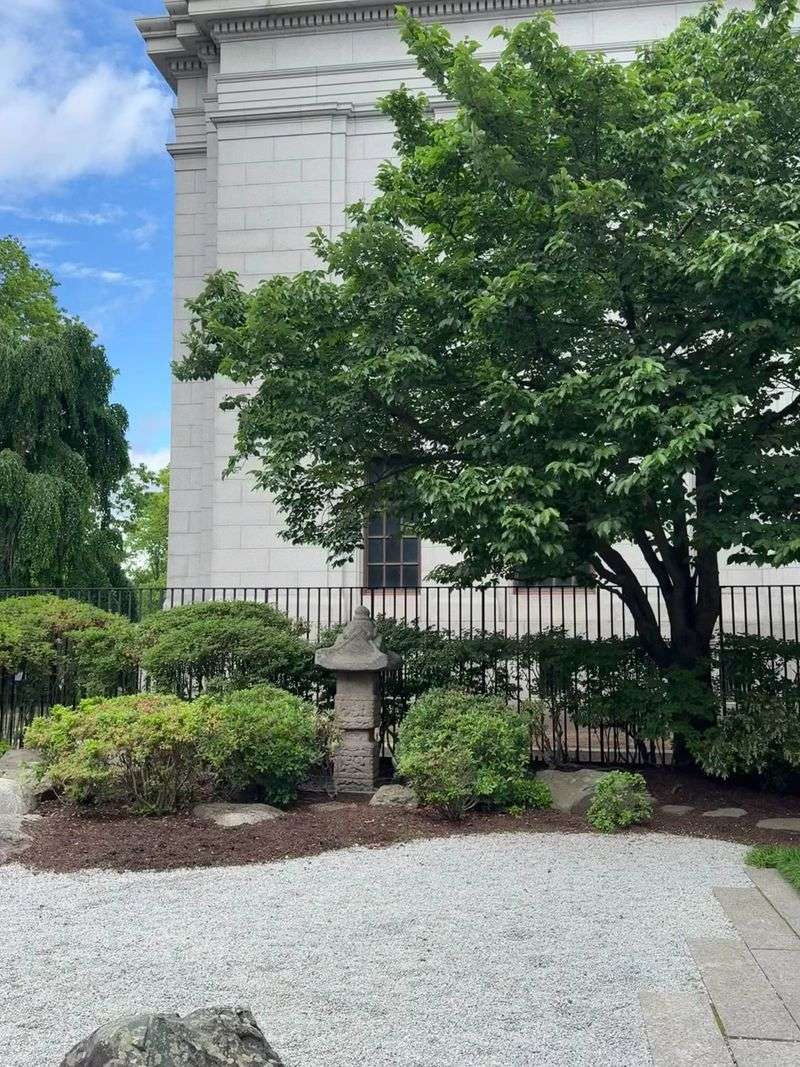
Here is something unexpected. A garden built on centuries-old Japanese traditions can also feel a lot like a walk along the coast of Maine.
Tenshin-en somehow manages to be both.
Its structure and symbolism come straight from Japanese garden practice. The islands, the dry waterfall, and the sacred mountain stones all follow those time-honored ideas.
Yet the MFA says the garden’s atmosphere also evokes New England’s rocky coastline and deep forests.
Look at the rugged stones and imagine waves splashing against them on a chilly Massachusetts morning. Then glance at the evergreens and think of shadowy woods in Vermont or New Hampshire.
The two worlds blend so smoothly that it is hard to tell where one ends and the other begins.
That mix makes the garden feel personal to locals and fascinating to travelers. It is a reminder that art can connect places that are thousands of miles apart.
Standing here, you are in Boston and Kyoto at the same time, which is a pretty amazing thought.
Learn The Story Behind Okakura Tenshin
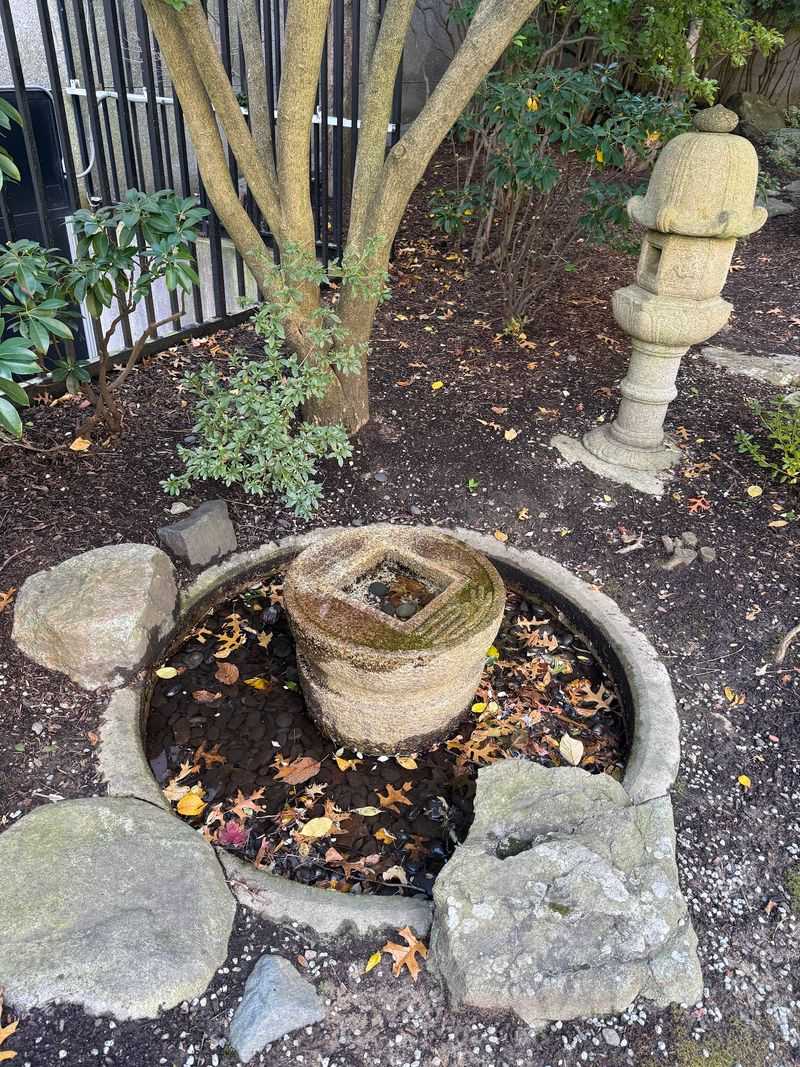
Every great garden has a story, and this one begins with a remarkable man. Kakuzō Okakura was a Japanese art scholar who worked as a curator at the MFA in the early 1900s.
In Japan, he was known as Okakura Tenshin.
Okakura helped Americans understand and appreciate Japanese art at a time when few people in the United States knew much about it. He also wrote The Book of Tea, a famous work about Japanese culture, beauty, and simple living.
Many people still read it today.
Tenshin-en was named in his honor. That connection ties the garden directly to the Museum’s long relationship with Japanese art and culture.
In fact, the MFA has one of the finest collections of Japanese art outside of Japan, partly thanks to people like him.
Here is a nice idea for your trip. Visit the Japanese art galleries inside the museum before or after the garden.
Seeing both together helps you understand the legacy Okakura left behind in Boston.
Visit When The Garden Becomes A Seasonal Escape
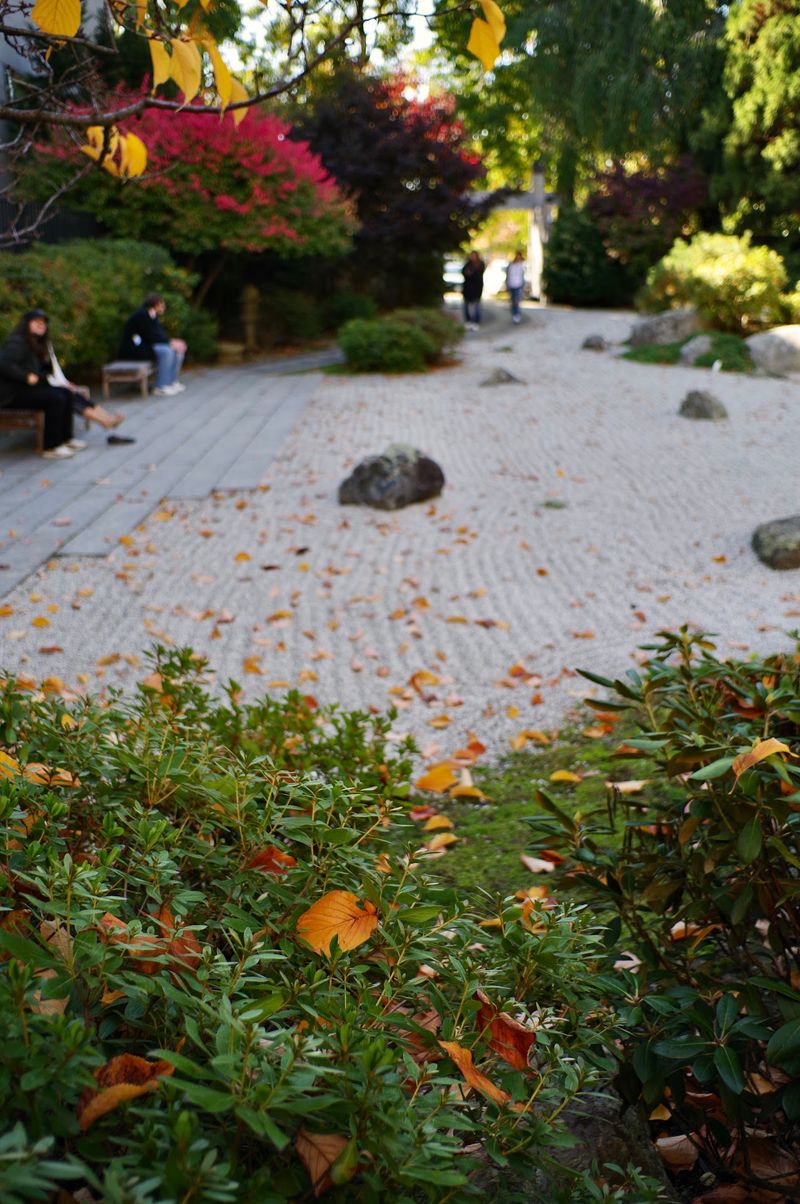
Spring, summer, and fall each paint this garden in a different way. Come back a few times, and it can feel like visiting three separate places.
In spring, cherry trees steal the spotlight with soft pink blossoms. Summer brings deep, cool greens that make the garden feel shady and relaxing on a hot Boston afternoon.
Then autumn arrives, and Japanese maples burst into bright red and orange, glowing against the gray stones.
Through it all, the pines stay green and steady. They act like anchors, keeping the garden calm while everything else changes around them.
Timing matters, though. Tenshin-en is open from April through October, weather permitting.
That makes spring through fall your key window for enjoying it outdoors. In winter, the garden rests, so plan ahead if you have your heart set on seeing it.
A quick tip: early fall weekdays often mean fewer crowds and lovely colors. It is a sweet spot for photos and quiet reflection.
Plan Your Visit To Tenshin-en
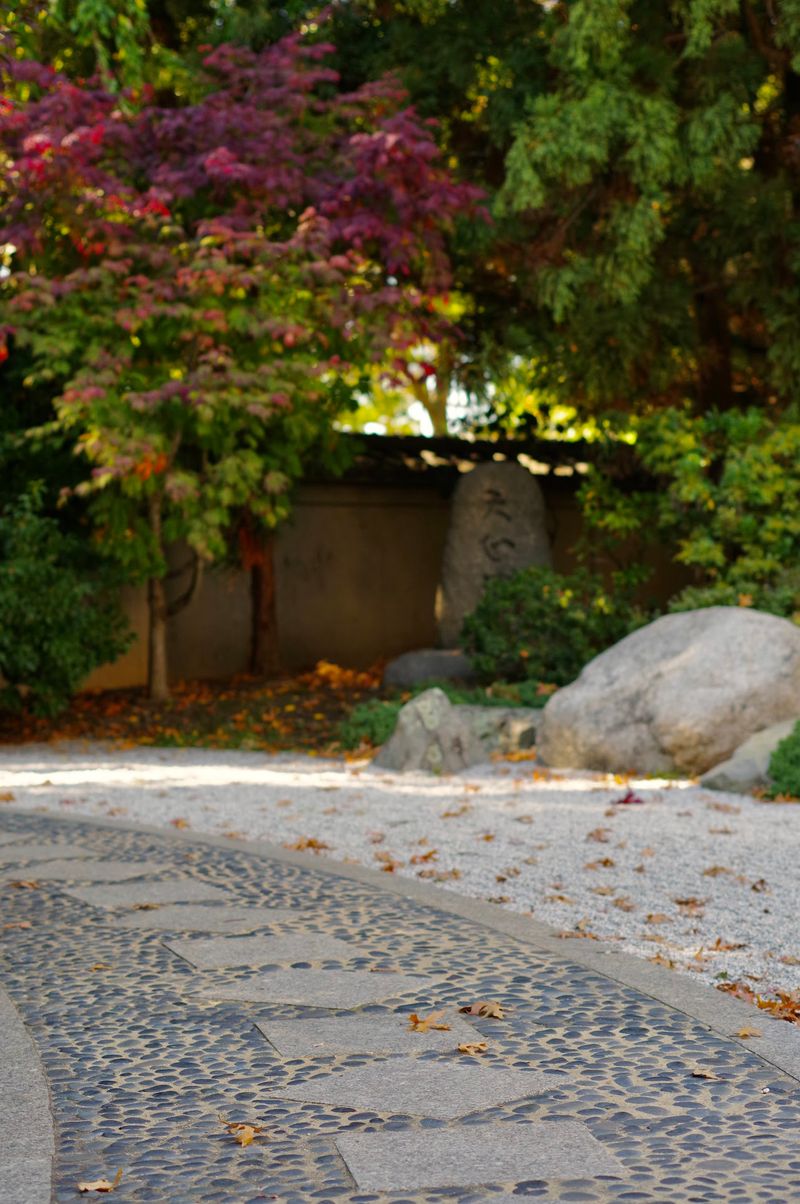
Ready to go? A little planning makes the trip smooth.
The MFA sits at 465 Huntington Avenue, Boston, MA 02115, and you can call 617-267-9300 for general information.
Current hours are Sunday, Monday, and Wednesday from 10 a.m. to 5 p.m. On Thursday and Friday, the museum stays open until 10 p.m.
Saturday runs from 10 a.m. to 5 p.m., and Tuesday is closed.
General admission is currently $30 for adults and $14 for ages 7 to 17. Kids under 7 get in free.
The museum recommends buying tickets ahead of time, which can save you from waiting in line.
Remember that the Japanese Garden is outdoors and open April through October, weather permitting. Check current conditions and garden or gallery updates before you head out.
Getting there is easy. The Museum of Fine Arts stop on the Green Line E puts you right nearby.
The Huntington Avenue entrance has ramps and power-assist doors, making the visit accessible for everyone.