Massachusetts has a quiet way of surprising travelers. Between coastal roads, shaded forest paths, and historic towns, you’ll occasionally come across stone towers, turreted mansions, and old estates that feel more like scenes from Europe than New England.
In late spring, everything softens. Salt air drifts in from the Atlantic, lilacs bloom along quiet neighborhoods, and old brick and granite buildings seem to warm under longer days.
It’s the kind of season that invites slower drives, unplanned stops, and a little curiosity about what’s around the next bend.
These castle-like places aren’t just architecture—they’re atmosphere. Some are grand and polished, others weathered and quietly dramatic, but each one carries a sense of history you can feel as you walk through it.
Here are 11 hidden Massachusetts castles packed with old-world character.
Hammond Castle Museum
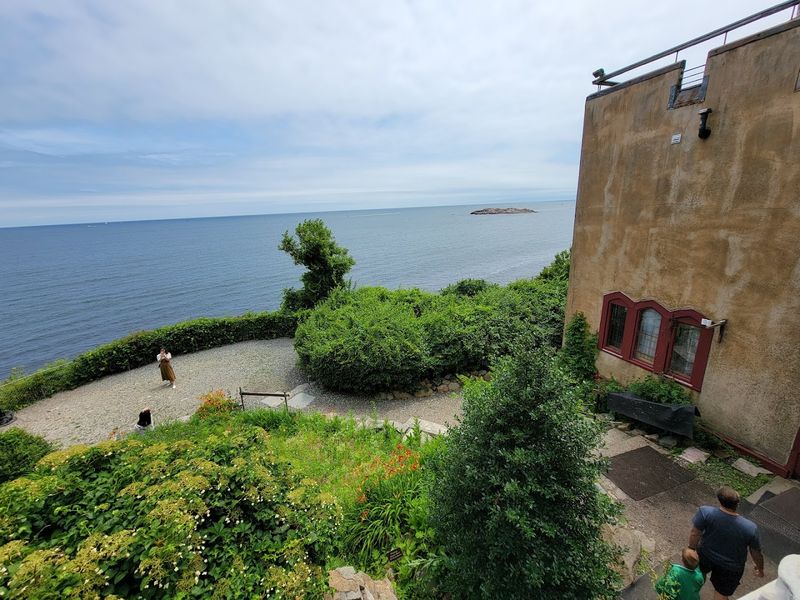
Salt air, rough stone, and crashing Atlantic views set the mood long before you step inside this fantasy-like retreat. Built between 1926 and 1929 for inventor John Hays Hammond Jr., the place was designed to feel centuries older than it really is.
You can sense that ambition immediately in the towers, courtyard, and dramatic silhouette above the Gloucester shoreline.
What makes Hammond Castle Museum so memorable is how convincingly it blends technology with medieval atmosphere. Hammond collected architectural fragments from Europe and folded them into the design, creating a home that feels part laboratory, part fortress, and part museum.
The Great Hall is especially impressive, with soaring spaces and details that make you stop and stare upward.
Even if you usually prefer polished Gilded Age mansions, this one feels more transporting and eccentric. Narrow passages, stone textures, and ocean-facing windows give the visit a moody character that feels wonderfully cinematic.
It is easy to imagine winter storms, candlelight, and private experiments unfolding behind the walls.
Because it sits outside the usual Boston-centered sightseeing loop, it still feels like a genuine discovery. If you want Old-World drama with a distinctly New England setting, Hammond Castle Museum delivers one of the strongest experiences in the state.
Come for the architecture, but stay for the atmosphere.
Winnekenni Castle
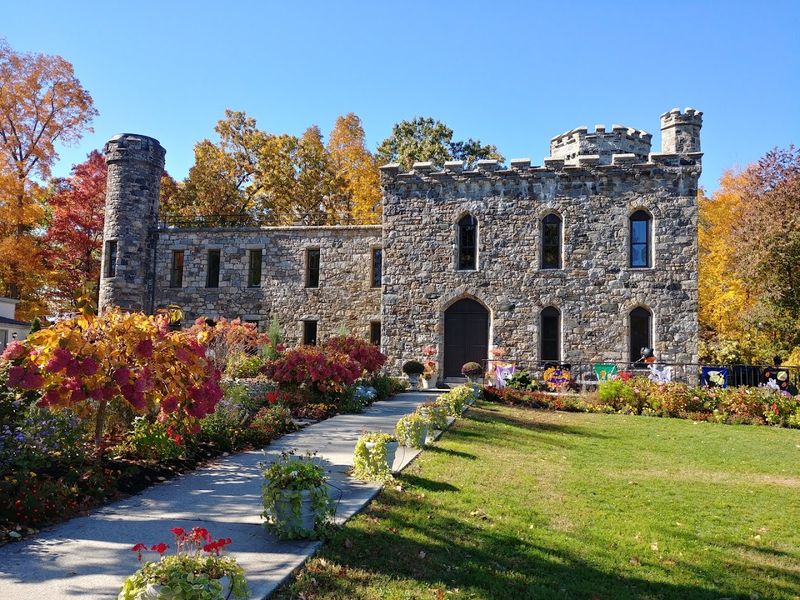
Wooded trails, quiet water, and rugged stone give this hidden landmark a fairytale quality that feels wonderfully unexpected. Overlooking Kenoza Lake in Haverhill, Winnekenni Castle was built between 1873 and 1875 by chemist James Nichols.
Its rough-hewn walls, made from thousands of glacial boulders, make it look as though it rose directly from the landscape.
That natural setting is a huge part of its charm. Rather than dominating the environment, the castle seems anchored to it, surrounded by conservation land, walking paths, and a calm sense of separation from everyday life.
When you approach through the park, the building reveals itself slowly, which only adds to the experience.
Inside and out, the appeal here is less about royal grandeur and more about character. This was one of Massachusetts’ earliest castle-inspired residences, and you can feel that nineteenth-century fascination with romantic European forms in every turreted angle and stony surface.
It feels intimate, local, and pleasantly unpretentious.
For anyone chasing hidden architecture with a storybook mood, Winnekenni Castle is easy to love. It offers history, scenery, and a slightly mysterious atmosphere without requiring a major detour.
If you want a castle visit that pairs especially well with a lakeside walk, this is one of the state’s most rewarding under-the-radar stops.
Castle Hill on the Crane Estate
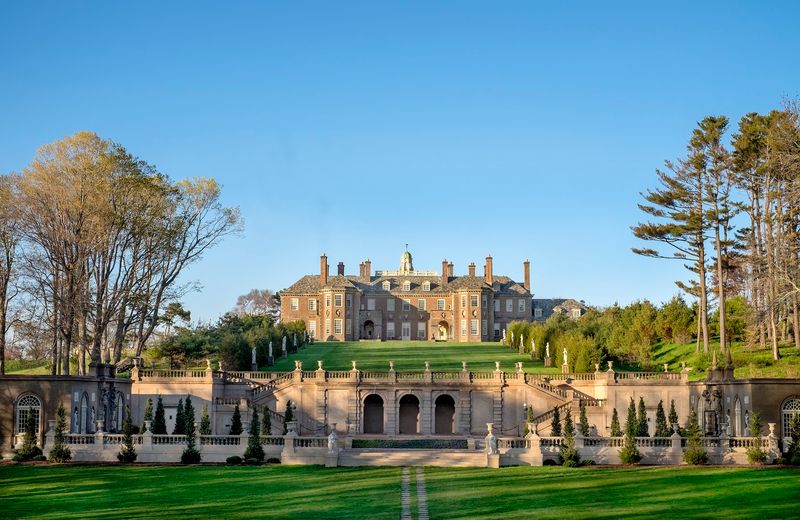
Sweeping lawns, ocean winds, and one of the most dramatic approaches in New England make this estate feel instantly unforgettable. Perched high above the Atlantic in Ipswich, Castle Hill on the Crane Estate combines grand scale with a setting that seems almost impossibly cinematic.
The long Grand Allee alone creates the kind of first impression most places can only dream about.
Completed in 1928, the house reflects English manor influences rather than a medieval fortress style, yet it absolutely earns a place on any castle-themed list. Its hilltop position, commanding symmetry, and formal landscapes give it the stately presence of an aristocratic seat transplanted to coastal Massachusetts.
Every angle feels designed for awe, whether you are looking inland across the grounds or outward toward the sea.
What I find especially compelling is how the estate balances refinement with openness. It is visually impressive, but it never feels sealed off from the surrounding landscape.
Instead, the architecture, gardens, and ocean views work together to create a polished version of Old-World grandeur.
If you are drawn to elegant estates with castle-like drama, this one easily ranks among the state’s finest. Castle Hill offers scale, history, and scenery in equal measure.
Even after you leave, you will probably remember the approach, the horizon, and that sense of standing somewhere built to impress generations.
Herreshoff Castle
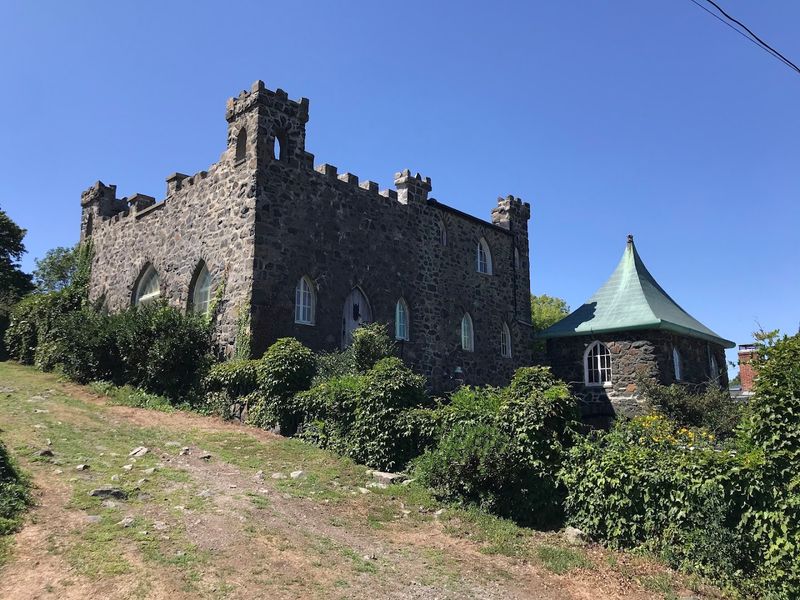
From the street, this stone residence feels like the kind of place that should come with legends, hidden chambers, and a family crest. In Marblehead, Herreshoff Castle stands apart from the town’s better-known colonial architecture with a brooding Gothic personality that feels almost theatrical.
Its turrets, steep forms, and heavy masonry create an immediate sense of mystery.
Built in 1927 by artist Waldo Ballard, the house was reportedly inspired by Erik the Red’s settlement in Greenland, which explains some of its unusual character. Rather than copying one exact European style, it creates its own imaginative world through Gothic windows, secret stairways, and fortress-like details.
That artistic freedom is exactly what makes it so memorable.
Because it remains a private residence, part of the fascination comes from appreciating it from the outside and imagining what lies within. It does not function like a typical historic house museum, yet that inaccessibility only adds to the intrigue.
You are left focusing on silhouette, craftsmanship, and the strong personality built into every wall.
For travelers who enjoy architecture with a little eccentricity, Herreshoff Castle is a standout. It may not be the easiest castle experience to explore deeply, but it is one of the most distinctive in Massachusetts.
Sometimes just seeing a place this unusual is enough to make a detour feel completely worthwhile.
Bancroft Tower
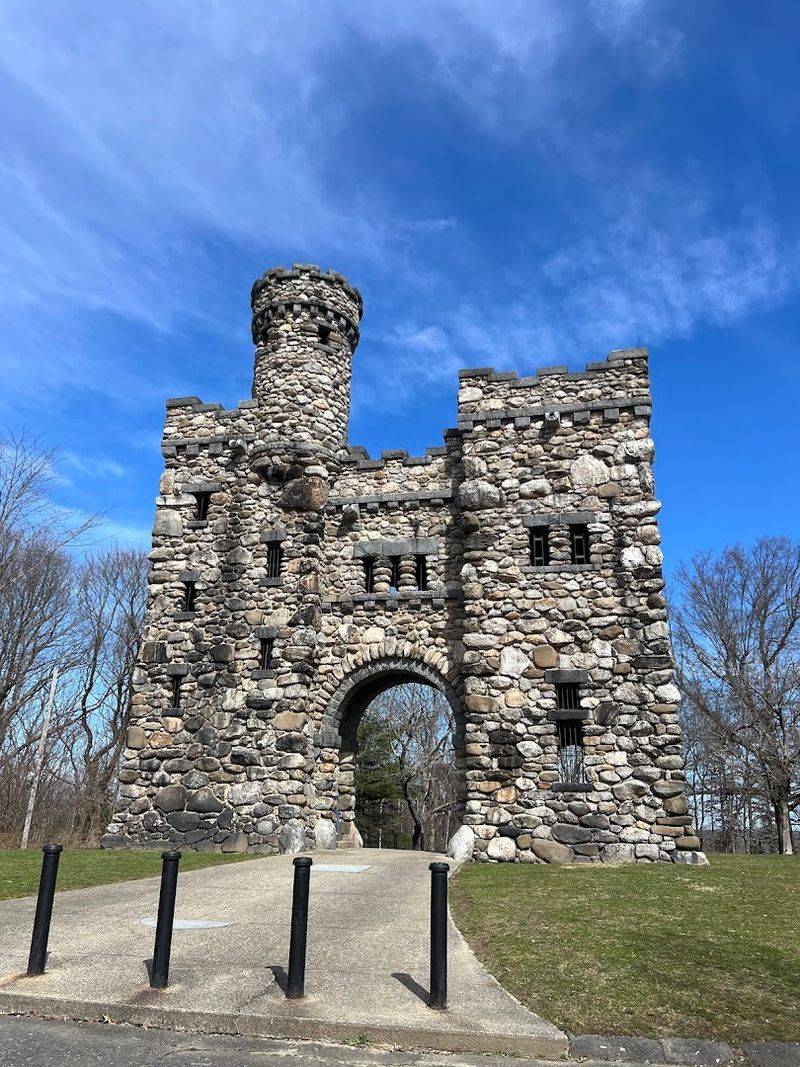
High on a hill, this compact stone landmark looks like a tiny fragment of medieval Europe dropped into a Worcester park. Bancroft Tower may be smaller than many castles on this list, but its battlements, arches, and commanding perch give it outsized personality.
You notice it quickly, and once you do, it is hard to forget.
Built in 1900 as a memorial to historian George Bancroft, the tower was designed to resemble a feudal stronghold in miniature. Its Romanesque details and rugged silhouette create exactly the kind of romantic historic mood castle lovers hope to find.
Even though it functions more as a monument than a residence, it still delivers that satisfying sense of stepping into a different visual world.
The surrounding hilltop setting helps tremendously. From up there, the city falls away just enough for the structure to feel more atmospheric than urban.
That separation gives the tower an almost storybook quality, especially in changing weather or late-day light.
If you enjoy hidden architecture that rewards a short stop, Bancroft Tower is ideal. It is listed on the National Register of Historic Places and remains one of Worcester’s most distinctive curiosities.
You will not spend all day here, but you may leave thinking about how much charm can be packed into one small, turreted landmark.
Bancroft’s Castle
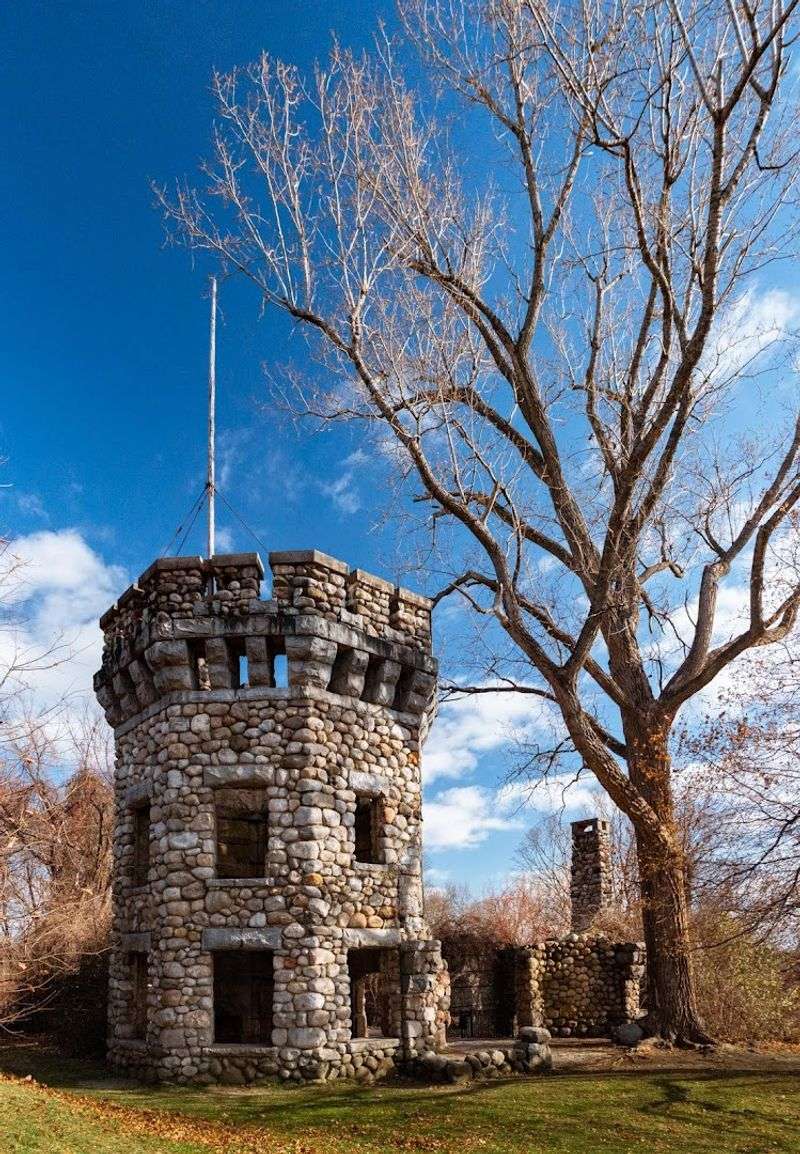
There is something especially thrilling about finding castle ruins at the end of a New England hike. On Gibbet Hill in Groton, Bancroft’s Castle rises as a weathered stone shell that feels dramatic, lonely, and beautifully unfinished.
The walk up already builds anticipation, and the ruin rewards it with a striking silhouette.
General William Bancroft began the structure in 1906 as part of a larger castle complex that was never completed. A later fire reduced the building to the skeletal remains you see today, but that loss somehow intensified its appeal.
Instead of polished grandeur, you get exposed stone, open sky, and the romance of an interrupted vision.
Because the castle stands in ruin, imagination becomes part of the visit. You find yourself filling in towers, chambers, and the ambitious life the place might have had if construction had fully continued.
The hilltop location only deepens that effect, adding sweeping views and a windblown sense of isolation.
For anyone who loves atmospheric places more than pristine ones, this is one of Massachusetts’ most memorable hidden sites. Bancroft’s Castle combines architecture, landscape, and local legend in a way that feels effortlessly cinematic.
Bring good walking shoes, take your time on the ascent, and enjoy a castle experience that feels wild around the edges.
Stonehurst, The Robert Treat Paine Estate
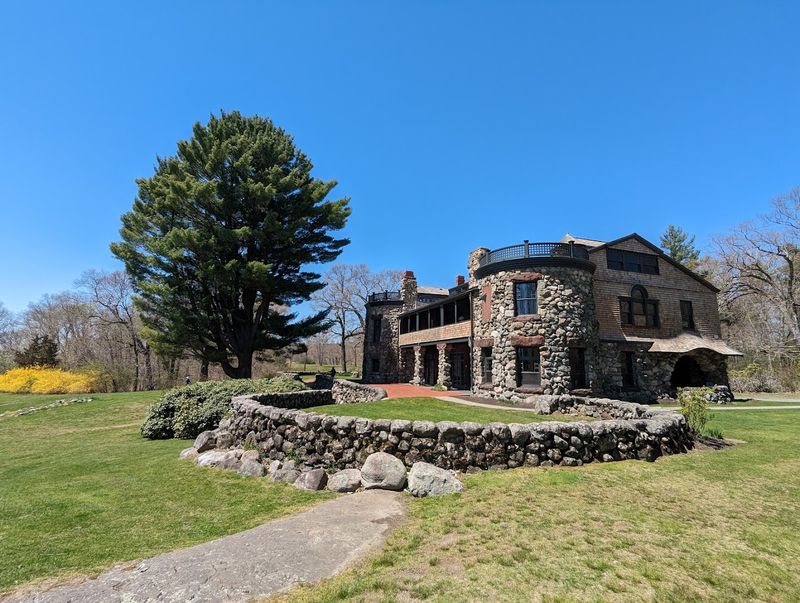
Deep woods, rugged stone, and a hushed sense of retreat give this estate a mood that feels older than the city around it. In Waltham, Stonehurst, the Robert Treat Paine Estate, stands as a massive mansion with a distinctly castle-like presence.
Rather than aiming for fairy-tale fantasy, it leans into weight, texture, and serious architectural character.
Designed by H. H.
Richardson, the house reflects the architect’s gift for making stone feel powerful and grounded. The exterior has the visual authority of an English country stronghold, while the preserved landscape around it helps maintain that secluded, almost aristocratic atmosphere.
You are not just visiting a house here, but stepping into a carefully composed environment.
Inside, the richly detailed rooms deepen the impression. Woodwork, scale, and craftsmanship create a sense of lived elegance that feels far more intimate than many grand estates.
It is easy to imagine long winters, library hours, and the quiet rituals of a household built for comfort as much as display.
If your idea of a castle leans more toward noble country estate than turreted fantasy, Stonehurst absolutely belongs on your list. Its nearly one hundred acres of preserved surroundings add to the immersion in a big way.
This is the kind of place that quietly grows on you, then lingers in your mind long after the visit ends.
Naumkeag
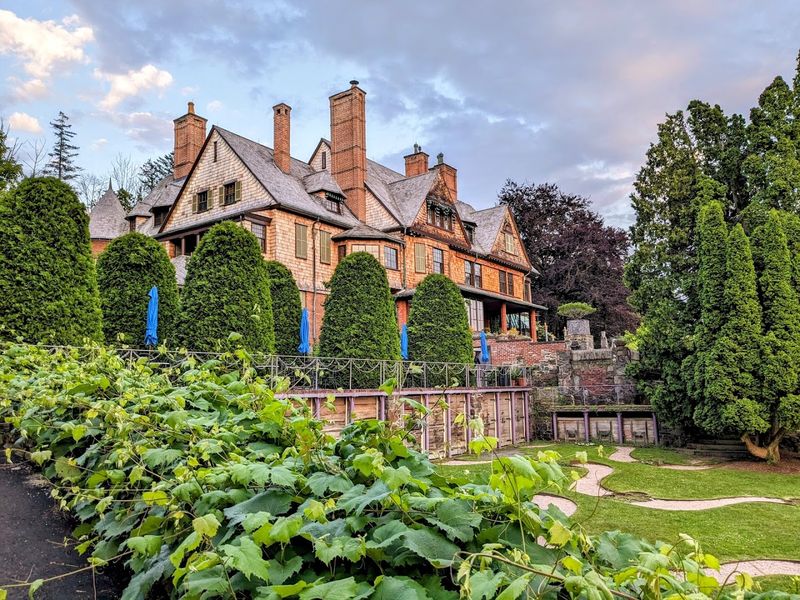
Terraced gardens, hilltop views, and a poised silhouette give this Berkshire estate a quiet castle-like authority. In Stockbridge, Naumkeag is technically a Gilded Age home, yet its towers, elevated setting, and commanding presence make it feel perfectly at home on this list.
The effect is refined rather than defensive, but still wonderfully Old World.
What draws most people first are the grounds. The famous Blue Steps and layered terraces create a sequence of outdoor rooms that feel as carefully staged as the house itself.
From many vantage points, the estate seems to hover above the landscape, framed by mountain views that deepen its romantic appeal.
The house may not imitate a medieval fortress, but it absolutely carries the spirit of a hilltop manor with aristocratic confidence. That distinction matters, because Naumkeag offers a more graceful version of castle atmosphere.
It invites lingering, looking, and appreciating how architecture and landscape can work together to create something unforgettable.
If you love estates that reward both gardeners and architecture enthusiasts, this stop delivers beautifully. Naumkeag feels special in every season, though the gardens naturally steal extra attention when they are flourishing.
For a Berkshire visit with elegance, strong scenery, and just enough castle energy to spark the imagination, it is a very satisfying choice.
Ventfort Hall Mansion and Gilded Age Museum
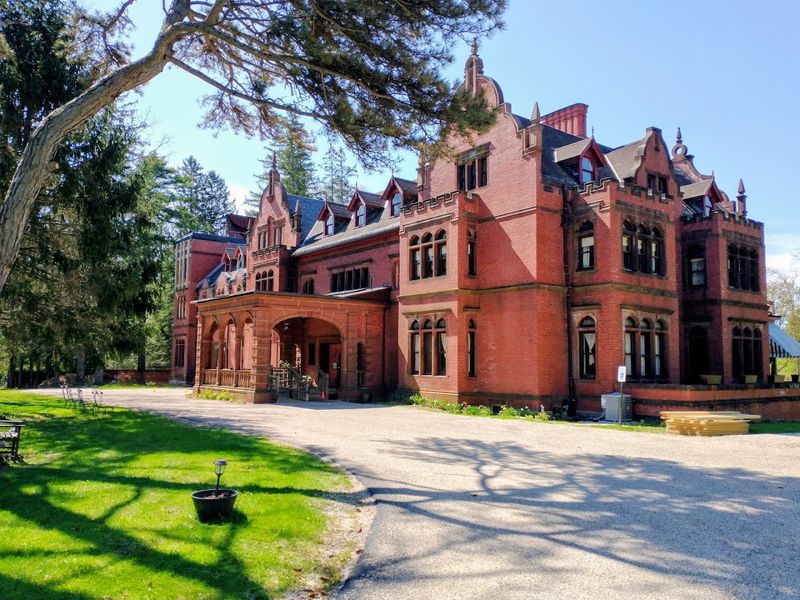
Heavy stonework, tall chimneys, and a stately Berkshire presence give this mansion a distinctly aristocratic air. In Lenox, Ventfort Hall Mansion and Gilded Age Museum stands out for its Jacobethan Revival design, which brings together manor-house elegance and castle-like drama.
The result feels formal, substantial, and satisfyingly rooted in Old-World inspiration.
Built in 1893 for the Morgan family, the house reflects the confidence and scale of the Gilded Age at full strength. Its towers, rich detailing, and broad facade make it easy to compare with English manor castles, especially from the right angle.
Yet it also carries a very American chapter of wealth, ambition, and social history within those walls.
Because the house now functions as a museum, visitors can connect the architecture to a larger story rather than simply admiring the exterior. That context adds depth to the visual impact.
Instead of just seeing a grand residence, you get a clearer sense of how style, status, and daily life once intersected here.
For anyone exploring the Berkshires in search of castle energy, Ventfort Hall is one of the region’s most persuasive examples. It offers scale, historical substance, and plenty of atmospheric detail.
If you want a place that feels both educational and transportive, this mansion makes a strong case for spending extra time in Lenox.
Boston University Castle
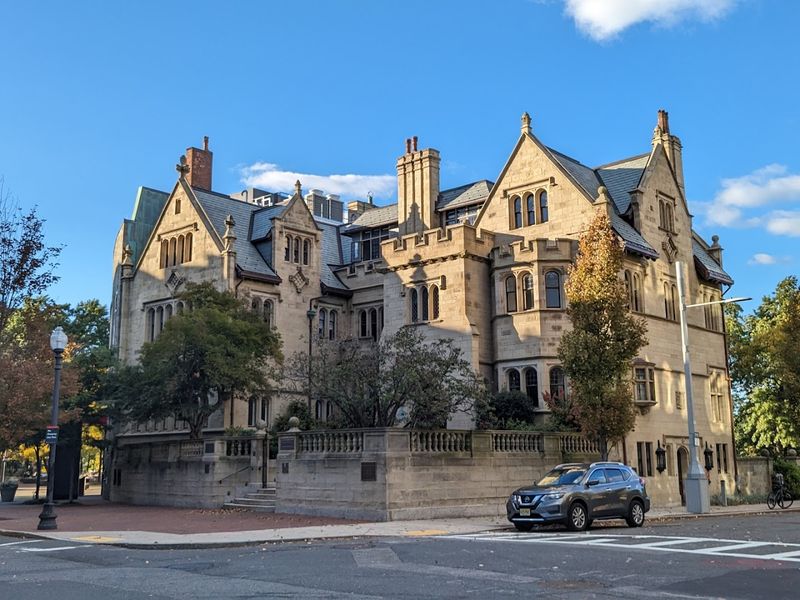
Amid one of Boston’s busiest academic corridors, this stone mansion appears with just enough drama to make you stop in your tracks. Boston University Castle brings Tudor Revival styling, turrets, and a richly textured facade to Bay State Road, creating a hidden-castle feeling in the middle of the city.
It is one of those places that instantly changes the mood of a block.
Built in 1915 as a private residence, the building now serves as a university event venue, but it still retains its original sense of prestige. The stonework, steep rooflines, and castle-inspired features give it a distinctive personality compared with surrounding campus architecture.
You can easily imagine it as the setting for formal dinners, literary conversations, or a very elegant mystery novel.
What makes it especially appealing is the contrast between its urban location and old-world character. You do not have to leave Boston for a taste of turreted architecture and manor-house atmosphere.
That accessibility turns it into one of the state’s most approachable hidden treasures.
If you enjoy finding surprising historic landmarks in plain sight, this is a rewarding stop. Boston University Castle may not be secret exactly, but it is still overlooked by plenty of locals and visitors.
For a quick dose of architectural fantasy without leaving the city, it earns its place on this list.
Castle Nims
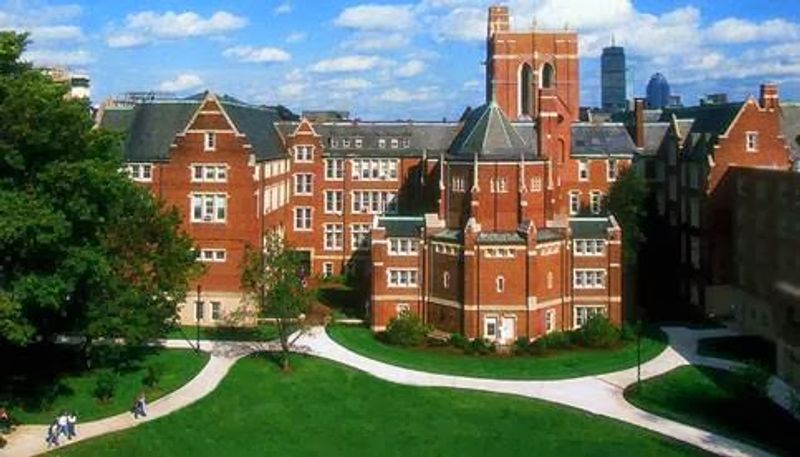
Stone towers and a commanding facade make this Fenway landmark feel far more mysterious than its college setting might suggest. Castle Nims stands within the Emmanuel College campus in Boston, yet many people pass nearby without realizing they are looking at one of the city’s most castle-like buildings.
Its silhouette is strong enough to pull your attention immediately.
Built in 1902 as a private residence, the structure later became part of the college, giving it a layered life beyond its original purpose. The stone exterior, prominent towers, and fortress-like character help it stand apart from neighboring academic buildings.
Even in a dense urban environment, it manages to preserve a sense of individuality and old-world drama.
What I find most compelling is how overlooked it remains. In a city filled with famous landmarks, Castle Nims often gets bypassed in favor of more publicized stops, which makes discovering it feel especially satisfying.
You get that rare mix of accessibility and under-the-radar charm.
If you like urban architecture that rewards curiosity, add this one to your Boston wandering list. Castle Nims may not dominate guidebooks, but it absolutely delivers on presence.
Sometimes the best hidden castles are the ones folded into everyday city life, waiting for you to look up and notice their towers.