Ohio has a surprising number of lesser-known destinations that feel rewarding enough to build an entire trip around.
These hidden spots offer dramatic scenery, historic character, quiet outdoor adventures, and small-town charm that many travelers never expect to find in the state.
What makes them stand out is the sense of discovery that comes with visiting places that still feel relatively overlooked.
The experience often feels more personal and memorable than visiting heavily promoted attractions.
Together, these hidden Ohio destinations prove that some of the state’s most worthwhile trips begin in places many people drive past without ever realizing what they’re missing.
1. Clifton Gorge State Nature Preserve – Yellow Springs, Greene County
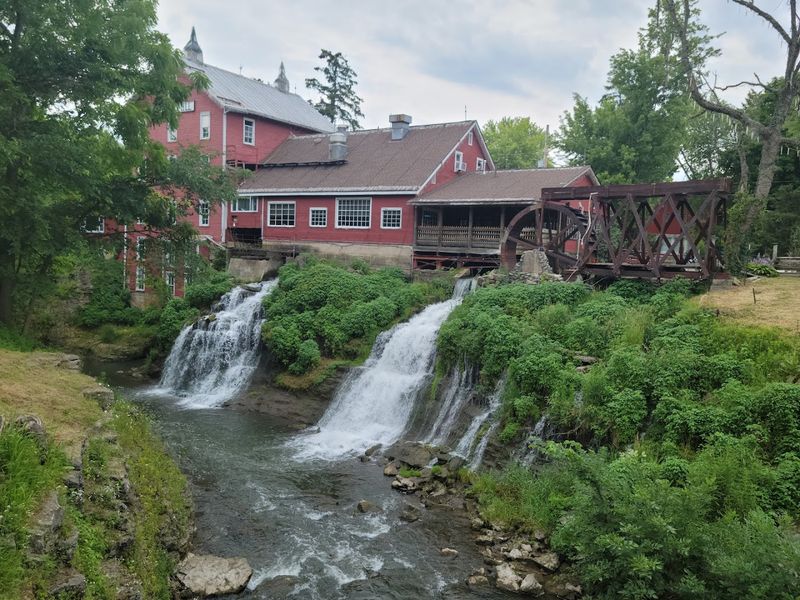
The sound hits first, a steady rush that makes the woods feel awake.
Clifton Gorge State Nature Preserve near Yellow Springs in Greene County follows the Little Miami River through a limestone gorge shaped by ancient water and time.
I like arriving early, when the trail feels cool and the overlooks are quiet enough to hear birds, leaves, and the river working below.
The path is not long, but it keeps changing the scene in satisfying ways.
Clifton Gorge State Nature Preserve is especially beautiful in spring wildflower season and after rain, when the river moves with extra force and the stone looks darker and sharper.
Wear shoes with grip because roots and damp rock can get slick, and if you pair this stop with nearby John Bryan State Park or a meal in Yellow Springs, the day feels full without ever feeling rushed.
I always leave with the sense that Ohio hides its geologic drama in plain sight.
2. Nelson-Kennedy Ledges State Park – Garrettsville, Portage County
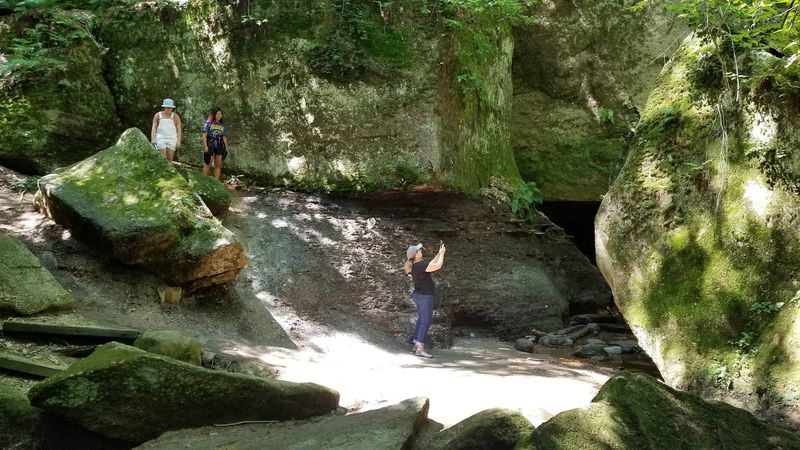
Stone walls rise so suddenly here that the trail can feel like a surprise around every bend.
Nelson-Kennedy Ledges State Park in Garrettsville, Portage County is known for massive sandstone formations, cool shaded corridors, and squeezes between rocks that make a short hike feel playful.
I appreciate that it delivers a lot of scenery quickly, which is useful when you want something memorable without committing to an all day trek.
The best parts are often the small turns rather than the big reveals.
Nelson-Kennedy Ledges State Park has loops with names like the Devils Icebox and the Goldhunter’s Cave area, and the deep shade can make summer visits feel several degrees cooler.
Bring water, move carefully on wet stone, and expect mud after rain because the terrain can be slippery, especially near stair sections and tight passages.
Fall adds a strong color contrast against the rock, but even on a gray day the ledges keep the landscape interesting.
It is one of those places where geology quietly steals the whole show.
3. Mohican State Park – Loudonville, Ashland County
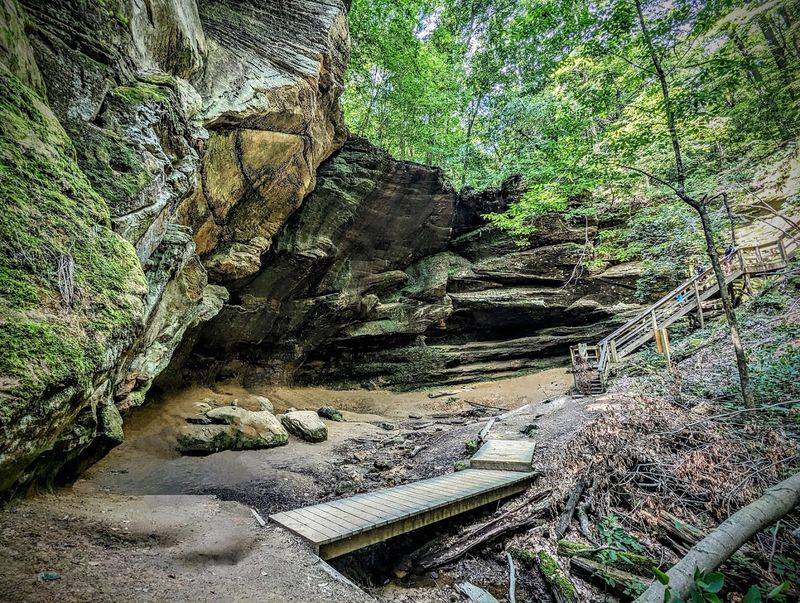
Few places in Ohio make the forest feel this layered and immersive this quickly.
Mohican State Park in Loudonville, Ashland County combines deep woods, the Clear Fork Gorge, and a network of trails that can be as easy or as ambitious as you want.
I usually tell people to start with an overlook, because seeing the terrain from above helps the park make sense before you drop into it.
The mood shifts nicely between calm riverbanks and more rugged stretches of trail.
Mohican State Park connects well with nearby attractions like the covered bridge and Mohican-Memorial State Forest, so you can build a weekend that mixes hiking, paddling, and cabin time without much driving. If you are visiting on a fall weekend, arrive early for parking and bring layers because the gorge can feel cooler than open areas.
Mountain bikers, campers, and paddlers all have options here, but it never loses that tucked away feeling that makes a trip memorable.
When I leave, I usually have muddy shoes and a much clearer head.
4. Marietta Historic District – Marietta, Washington County
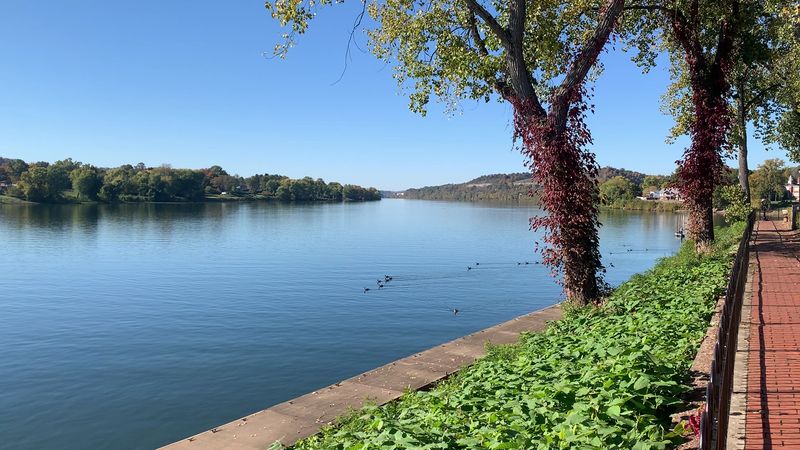
Brick streets and old facades can change the pace of a trip in the best possible way.
Marietta Historic District in Marietta, Washington County sits at the meeting of the Ohio and Muskingum rivers, and the setting gives the town a grounded, lived in feel rather than a polished museum look.
I like wandering without much of a plan here, because the side streets, river views, and architecture reward a slower kind of curiosity.
History shows up in layers instead of lectures, which makes it easier to enjoy.
Marietta Historic District reflects the city’s place as the first permanent settlement in the Northwest Territory, and that past appears in preserved buildings, small museums, old cemeteries, and riverfront details.
Stop into local shops, look up at the upper stories, and give yourself time for Harmar Village or Mound Cemetery if you want deeper context.
The town also hosts festivals and sternwheeler heritage events that add personality without overwhelming the setting.
By evening, the whole district feels like a place that still knows exactly who it is.
5. Glen Helen Nature Preserve – Yellow Springs, Greene County
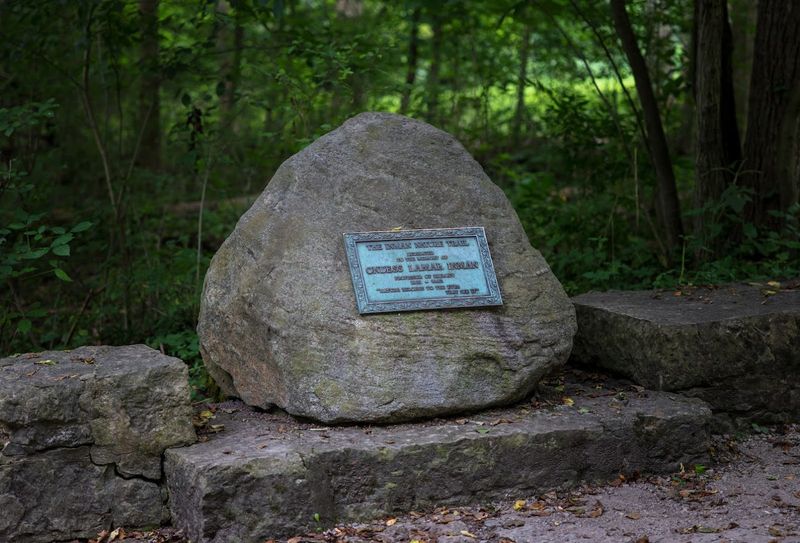
Shade settles in quickly here, and the temperature seems to drop with it.
Glen Helen Nature Preserve in Yellow Springs, Greene County is a beautiful mix of forested trails, limestone cliffs, small cascades, and the spring that gave the village its name.
I find it especially rewarding for an unhurried walk, because the place reveals itself through details like ferns, trickling water, and the changing sound of the creek.
The route feels gentle at first, then quietly becomes richer with every turn.
Glen Helen Nature Preserve includes the famous yellow iron spring, links to longer trail systems, and a strong conservation history tied to Antioch College and local stewardship.
Bring shoes you do not mind getting dusty or damp, and keep an eye out for trail junctions if you want to connect with John Bryan State Park nearby.
Spring and early summer are excellent for greenery, but winter has its own appeal when the ravine opens up and the structure of the land becomes clearer.
It is the kind of place that makes a short walk feel surprisingly restorative.
6. Kelleys Island – Kelleys Island, Erie County
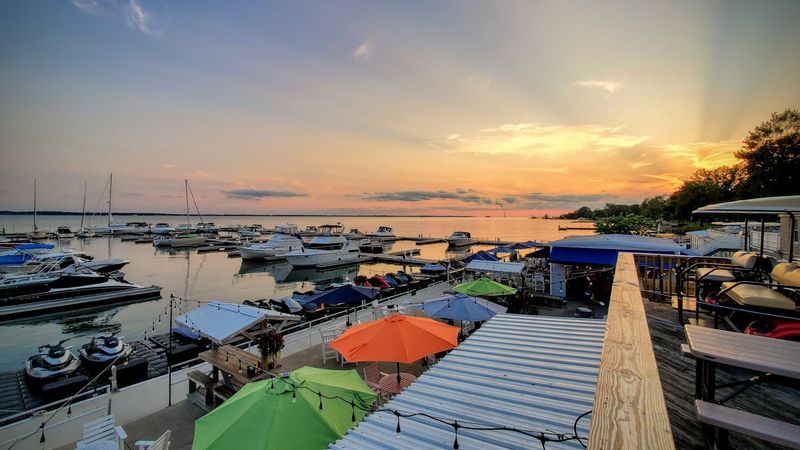
The ferry ride does part of the work by putting regular life on pause.
Kelleys Island in Erie County offers a quieter Lake Erie escape with glacial grooves, rocky shoreline parks, bike friendly roads, and enough small town charm to keep the pace relaxed.
I like visiting without overplanning, because half the pleasure comes from moving slowly between a beach view, a patio lunch, and one unexpected stop.
Water and stone give the island its personality from the start.
Kelleys Island is home to one of the world’s largest accessible examples of glacial grooves, and seeing those huge marks in limestone makes the Ice Age feel less like textbook material and more like recent news. Rent a bike or golf cart if you want flexibility, book ferry times ahead in peak season, and remember that weather can shift plans quickly on the lake.
East Quarry Trails, Inscription Rock, and simple shoreline sunsets all deserve time.
With the end of the day, the island mood tends to follow me back to the mainland.
7. Fort Ancient Earthworks – Oregonia, Warren County
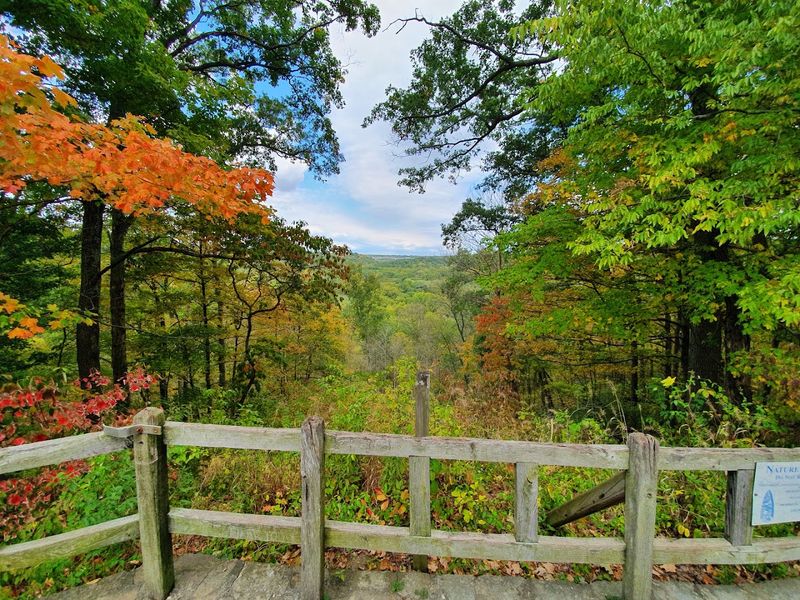
Some places ask for a quieter kind of attention, and this is one of them.
Fort Ancient Earthworks in Oregonia, Warren County preserves remarkable hilltop earthworks built by Indigenous people more than two thousand years ago, with walls and gateways stretching across a broad landscape above the Little Miami River.
I was struck by how the site feels both spacious and precise, as if every curve still holds intention.
The scale becomes clearer when you walk rather than simply look.
Fort Ancient Earthworks includes a museum with helpful context on archaeology, astronomy, culture, and the later naming of the site, which was not actually a military fort despite what the name suggests.
Give yourself time for the pathways along the embankments, and wear sun protection because open sections can get bright and warm.
The location is now a UNESCO World Heritage Site within the Hopewell Ceremonial Earthworks listing, which adds welcome recognition to a place long worthy of careful respect.
I left feeling less like I had checked off a stop and more like I had listened for a while.
8. Ohio Caverns – West Liberty, Logan County
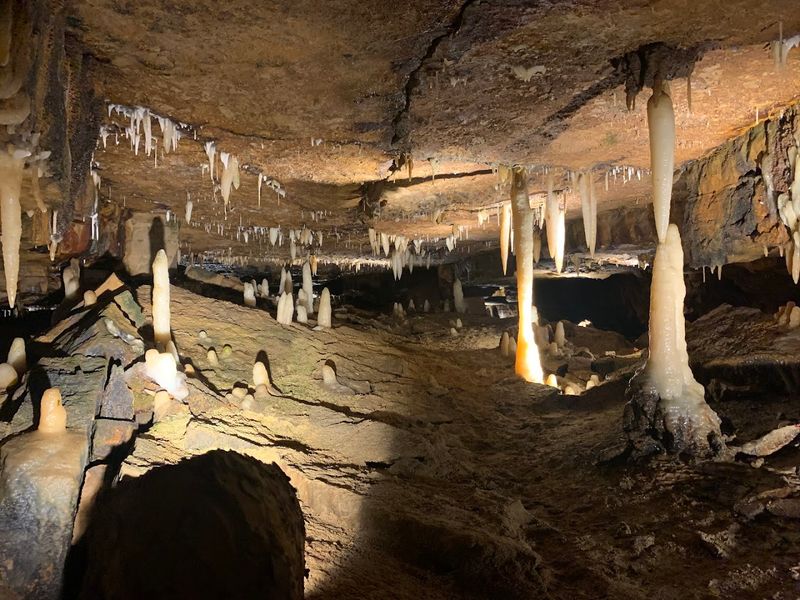
Stepping underground instantly changes the rules of the day.
Ohio Caverns in West Liberty, Logan County is the largest cave system in the state open to the public, and its rooms are known for crystal formations, mineral color, and a steady cool temperature that feels welcome in summer.
I enjoy how the tours balance easy access with real geological interest, so the visit works for curious kids and rock nerds equally well.
Color does the heavy lifting here, especially once your eyes adjust to the light.
Ohio Caverns features stalactites, stalagmites, flowstone, and the famous Crystal King formation, and the guides usually weave in enough science and discovery history to keep the walk grounded.
Bring a light jacket because the cave stays cool year round, and check tour options in advance if you want a longer route.
The paths are developed, but comfortable shoes still help on damp surfaces and stairs.
Since the caverns are privately operated, they often feel a bit more focused and personal than larger attractions.
It is one of the few Ohio stops where the weather almost stops mattering.
9. Shawnee State Forest – West Portsmouth, Scioto County
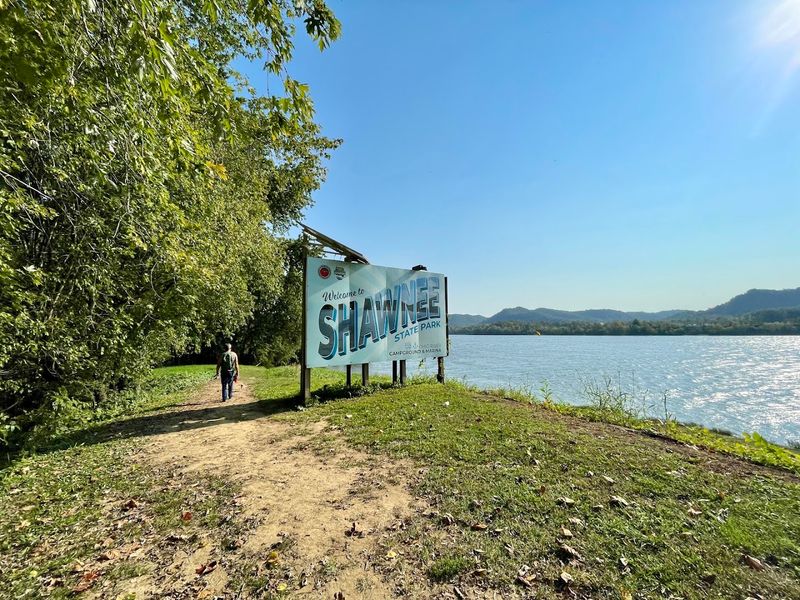
Roads begin to twist here in a way that hints the landscape has sharpened.
Shawnee State Forest near West Portsmouth in Scioto County covers a vast stretch of southern Ohio hill country, with ridgelines, hollows, streams, and a level of ruggedness that earns its nickname, the Little Smokies.
I like that it feels remote without trying too hard, especially if you spend time on the scenic byway or stop at one of the overlooks.
The depth of the forest becomes more obvious the longer you stay.
Shawnee State Forest offers backpacking, hiking, horseback riding, and camping, and serious hikers often know the challenging Backpack Trail for its elevation changes and long miles.
Cell service can be spotty, so download maps before you go and carry more water than you think you need, particularly in warmer months.
Spring and fall are excellent, but even summer rewards patience with quiet roads, dense green views, and wildlife sightings if you move slowly.
This part of Ohio feels less edited than many destinations, and that is exactly why it stays with me.
10. Roscoe Village – Coshocton, Coshocton County
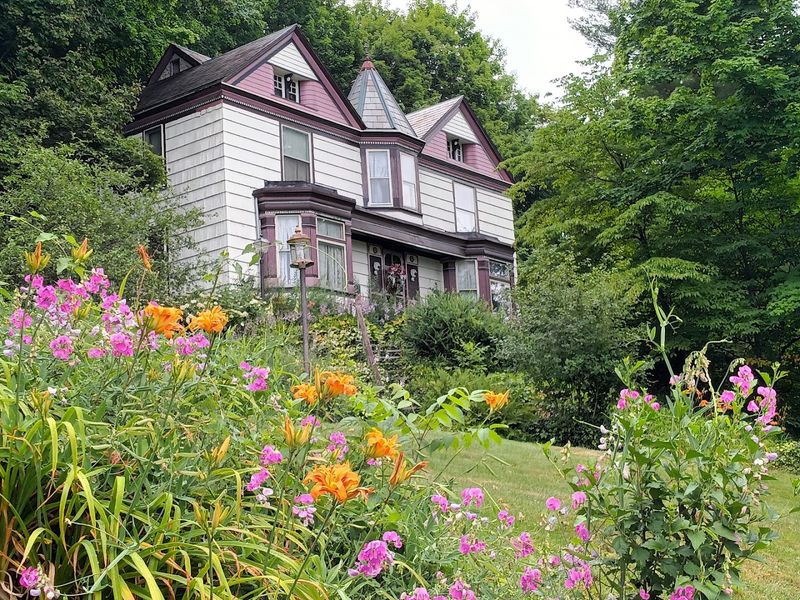
The canal era comes into focus fast when the buildings, signs, and streets align just right.
Roscoe Village in Coshocton, Coshocton County is a restored nineteenth century canal town where the old Ohio and Erie Canal story still shapes the pace, architecture, and atmosphere.
I expected something overly polished the first time, but it felt more grounded than themed, which made the history easier to enjoy.
Small details carry the experience better than any oversized spectacle could.
Roscoe Village includes historic structures, museum spaces, local shops, seasonal events, and canal heritage interpretation that explains how trade once moved through this corridor.
If you visit during a festival period, book ahead and allow extra time for parking, but on quieter weekdays you can stroll at an easy pace and actually hear the place breathe.
Pair it with nearby Coshocton stops like riverfront areas or local wineries if you want a fuller overnight. Families usually find enough to keep kids interested, while history fans can linger over construction details, tools, and stories of daily life.
It is one of those places where Ohio’s past still feels practical rather than distant.
11. Magee Marsh Wildlife Area – Oak Harbor, Ottawa County
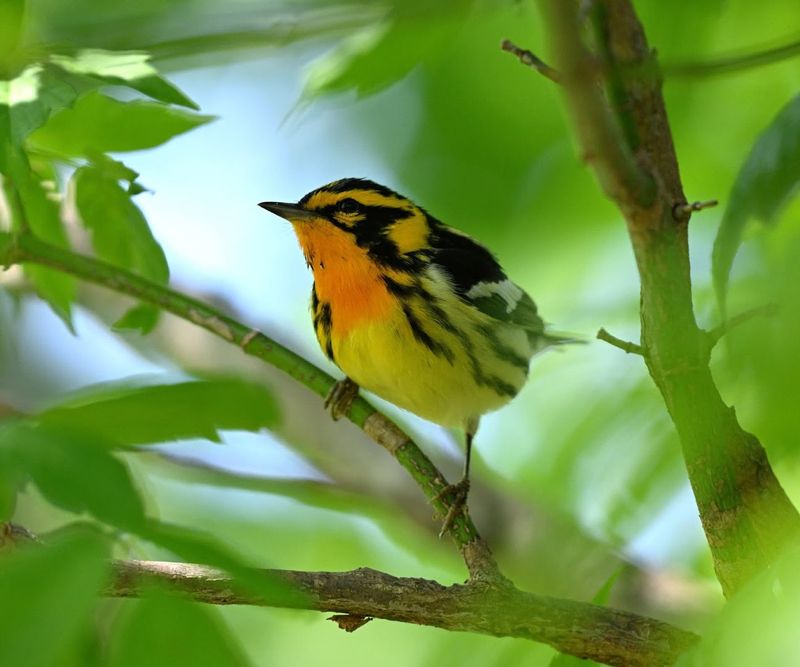
Even people who do not consider themselves birders tend to look up more often here.
Magee Marsh Wildlife Area in Oak Harbor, Ottawa County is one of the best spring migration sites in North America, thanks to its famous boardwalk, rich wetland habitat, and location along Lake Erie.
I have seen complete beginners arrive curious and leave happily debating warbler colors like they have been doing it for years.
The excitement builds in bursts, then settles into patient scanning and listening.
Magee Marsh Wildlife Area is busiest during the Biggest Week in American Birding, but outside peak migration it still offers trails, marsh views, photography opportunities, and a strong chance to learn how habitat shapes wildlife movement.
Bring binoculars if you have them, arrive early for easier parking in migration season, and expect the boardwalk to be social in the best way, with people sharing sightings generously.
Mosquito repellent can make a real difference on warmer days, and a field guide app helps if you are still learning songs and markings.
Few places in Ohio turn quiet observation into such an eventful part of the trip.