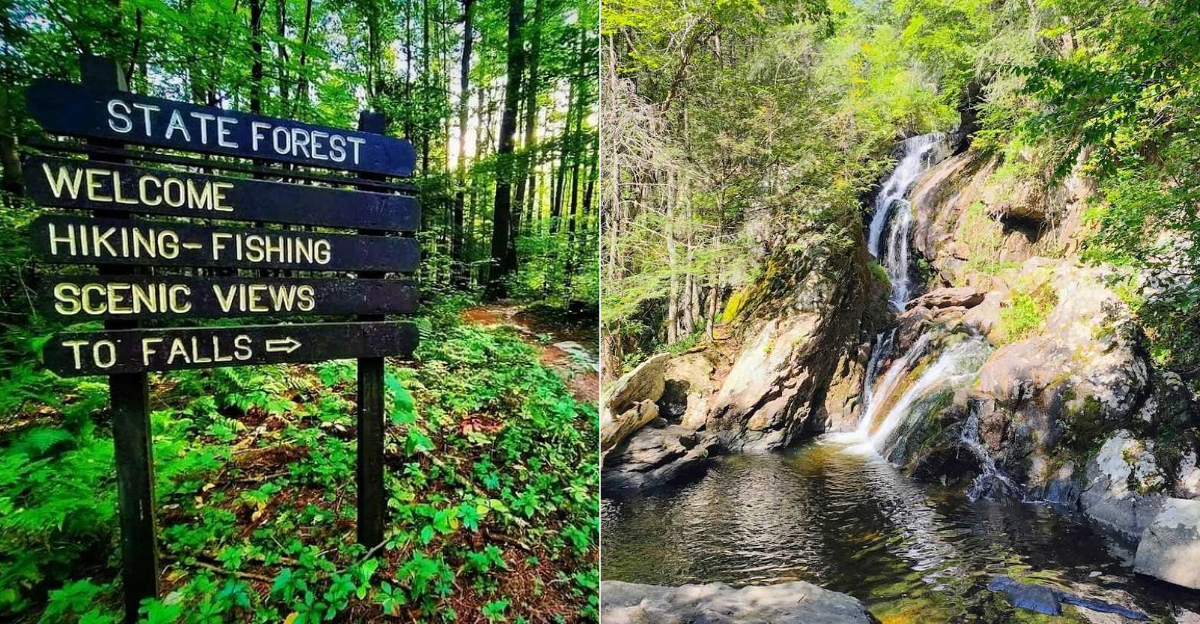
The sound reaches you before the waterfall does. As the forest grows quieter, the rush of cascading water echoes through the trees, building anticipation with every step along the trail until Campbell Falls suddenly comes into view in a spectacular display of tumbling white water.
Tucked away in Campbell Falls State Park in Norfolk, Connecticut, this scenic destination offers one of the state’s most rewarding short hikes. A peaceful woodland path winds beneath tall hardwoods before revealing a striking 50-foot waterfall spilling over rugged rock ledges into the stream below.
The cool mist, moss-covered stones, and gentle shade create a setting that feels both refreshing and remarkably untouched.
Whether you’re looking for a quick outdoor adventure or a peaceful place to reconnect with nature, this beautiful Connecticut waterfall has plenty of memorable sights waiting just beyond the trailhead.
The Thundering Cascade That Splits Two States
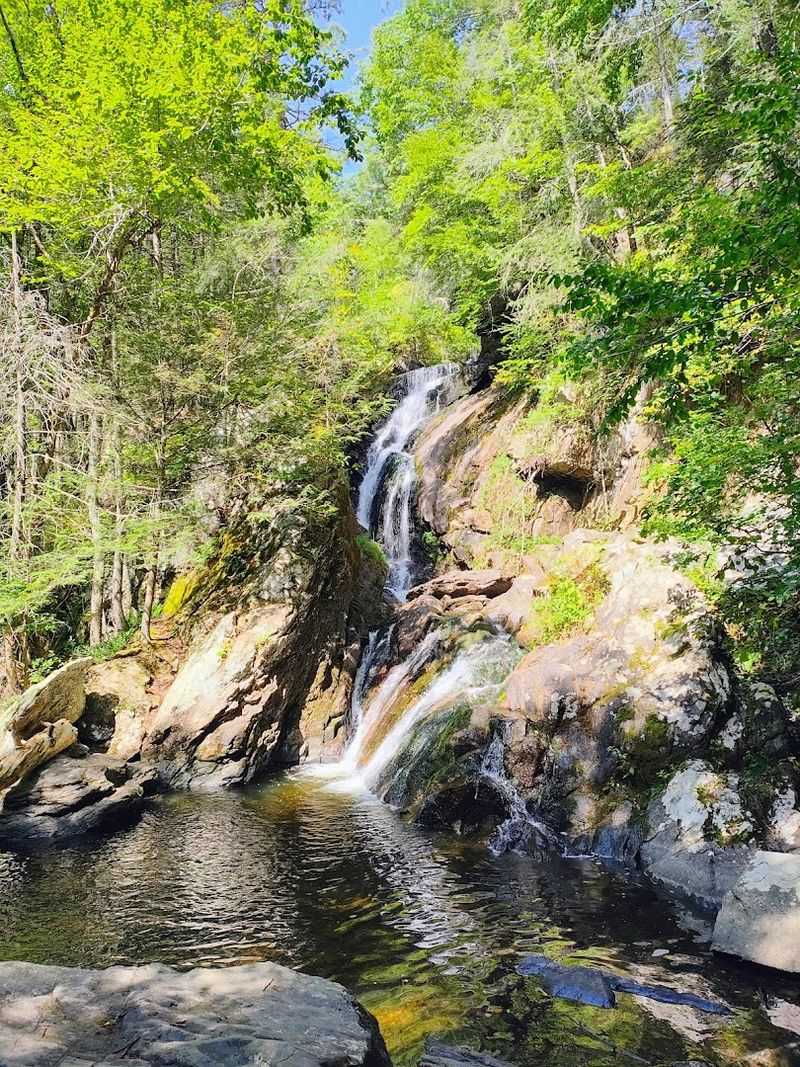
Standing before a wall of rushing water never gets old, especially when it tumbles down 50 feet of ancient rock right at the border of two states. Campbell Falls commands your attention the moment you hear its distant roar through the trees.
The waterfall’s power varies with the seasons, but even during drier months, it maintains an impressive flow that photographers dream about.
The cascade spills over multiple rocky tiers, creating a mesmerizing display of white water against dark stone. During spring runoff or after heavy rains, the falls transform into an absolute beast, filling the gorge with thunderous sound and cool mist.
Summer visitors often find a more gentle but equally beautiful version, perfect for capturing those postcard-worthy shots.
What makes this waterfall truly special is its accessibility combined with its wild character. You’re not looking at some tamed tourist attraction here.
This is raw Connecticut wilderness at its finest, where nature still calls the shots and the scenery takes your breath away every single time.
The Short But Sweet Forest Trail
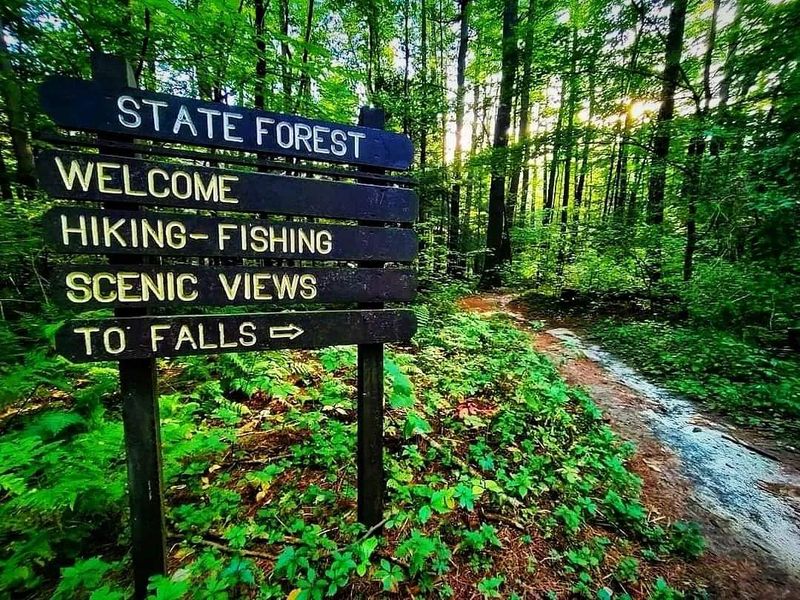
Not everyone has time for an all-day expedition, and that’s exactly what makes this trail perfect. The path to Campbell Falls covers roughly half a mile from the main parking area, taking most visitors about 20 minutes at a comfortable pace.
But don’t let the brevity fool you—this woodland walk packs serious charm into every step.
The trail winds downward through a mature forest that smells incredible, especially after rain when the earthy scent of pine needles and damp leaves fills the air. Tree roots crisscross the path in places, and rocks provide natural stepping stones that add a touch of adventure.
The terrain isn’t flat, but the gentle descent means you’ll be saving your energy for the climb back up.
Locals love this trail because it delivers maximum reward for minimal effort. You’ll pass through cool, shaded woods that stay comfortable even on hot summer days.
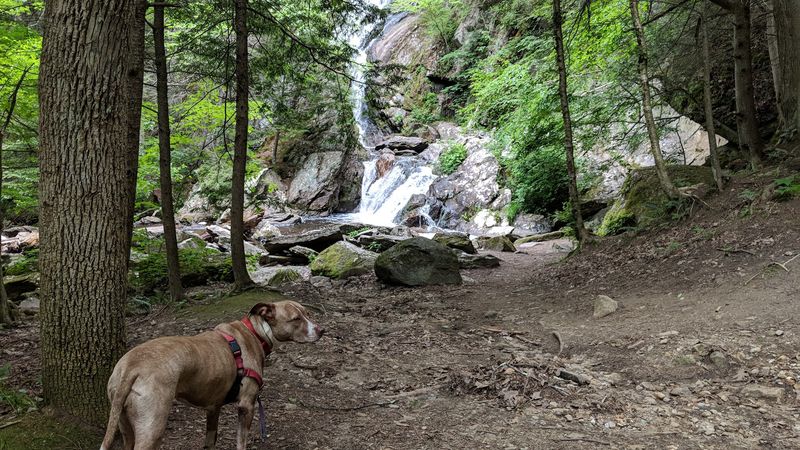
The sound of rushing water grows louder as you approach, building anticipation until that first glimpse of white water through the trees makes your heart skip.
Where Connecticut Meets Massachusetts
Imagine standing with one foot in Connecticut and the other in Massachusetts—no, really, you can actually do it here. Campbell Falls State Park straddles the border between both states, and historical stone markers make the boundary line official and surprisingly interesting.
These weathered granite posts have been marking the division since the 1800s, adding a cool historical element to your nature walk.
Most hikers discover the first boundary marker about five minutes into their walk from the Connecticut parking area. It’s worth pausing to appreciate these carved stones that have witnessed generations of visitors.
One marker shows some wear from time and curious hands, but it still stands proud along the trail.
The dual-state location means you’re technically hiking through two parks at once. Connecticut manages the southern portion while Massachusetts oversees the northern section, though you’d never notice the bureaucratic split.
Nature doesn’t care about state lines, and neither does the waterfall, which flows happily between both territories creating one seamless wilderness experience that belongs to everyone.
Two Parking Options for Different Adventures
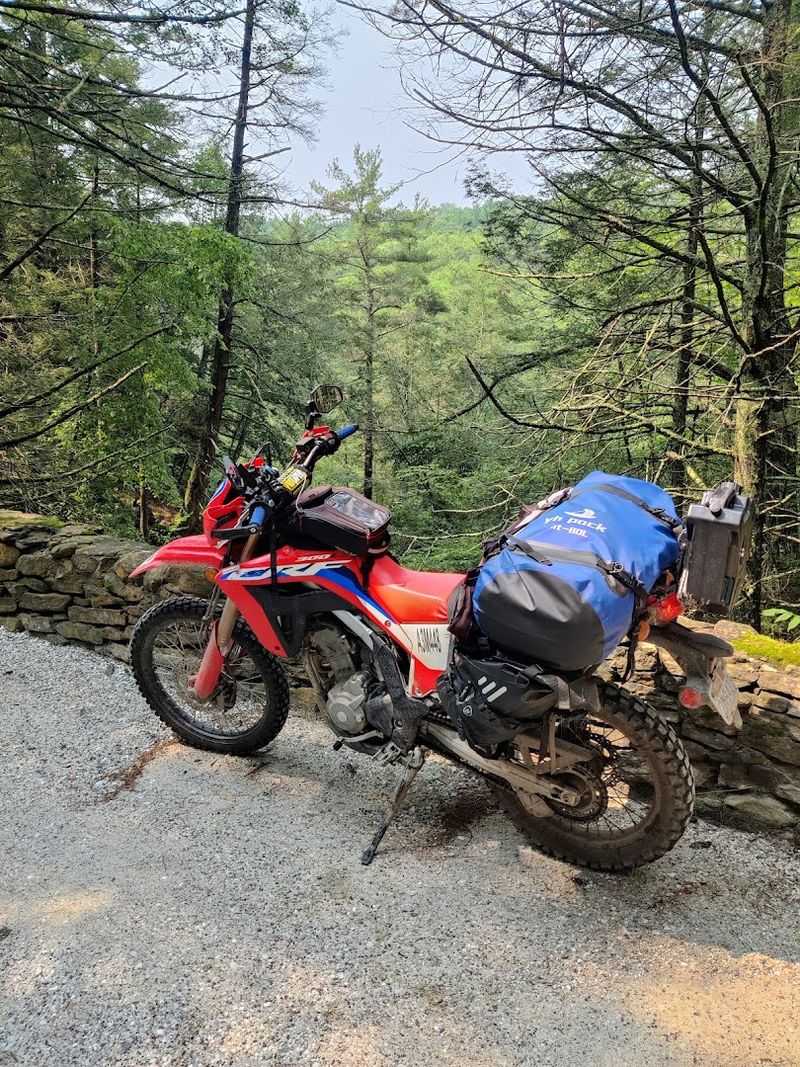
Here’s a secret that can save you some walking: Campbell Falls has two parking areas, and choosing the right one depends on what kind of experience you want. The main Connecticut lot sits about half a mile from the falls and gives you the full forest immersion experience.
But there’s also a closer Massachusetts parking area that cuts your walking distance significantly.
The Connecticut parking area is small but usually adequate except on peak weekend afternoons. From here, the trail offers that satisfying sense of journey as you descend through the woods.
Many visitors prefer this approach because it feels more like a proper hike, building anticipation as you go.
The Massachusetts parking option sits closer to the falls and provides a quick access route if you’re short on time or mobility is a concern. Some hikers actually park at one lot and walk back via the road to the other, making a pleasant loop.
Weekend mornings typically see the least competition for parking spots at both locations, giving you more solitude to enjoy the falls.
A Photographer’s Natural Studio
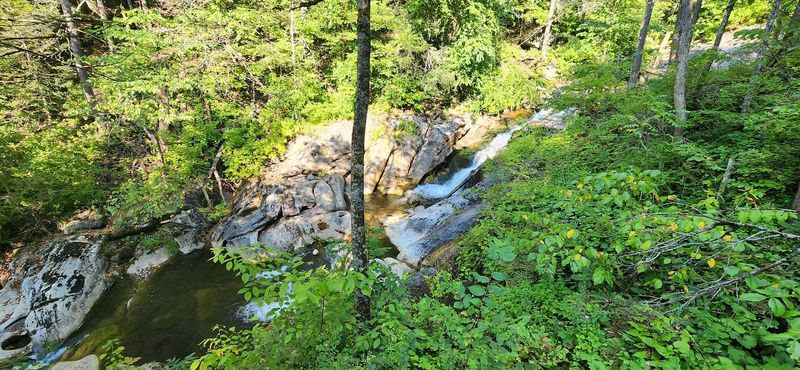
Bring your camera, your phone, or even an old disposable if you’re feeling retro—Campbell Falls practically begs to be photographed. The waterfall provides endless angles and compositions, from wide shots that capture the full cascade to intimate close-ups of water dancing over rocks.
Morning light filters through the forest canopy creating magical dappled effects on the falls.
What makes this spot exceptional for photography is the variety of perspectives available. You can shoot from the base looking up at the towering cascade, capturing the full drama of falling water.
Or walk to the bridge at the top for overhead views that show the water’s journey. Rocky areas around the falls let you get creative with foreground elements and long exposure shots.
Even smartphone snapshots turn out remarkably well here because the scenery is simply that good. The contrast between white water and dark rock, surrounded by lush greenery, creates naturally balanced compositions.
Multiple visitors mention that photos don’t do justice to the real experience, which honestly just means you’ll want to visit in person to see what your camera might be missing.
The Sound of Silence (Except for Water)
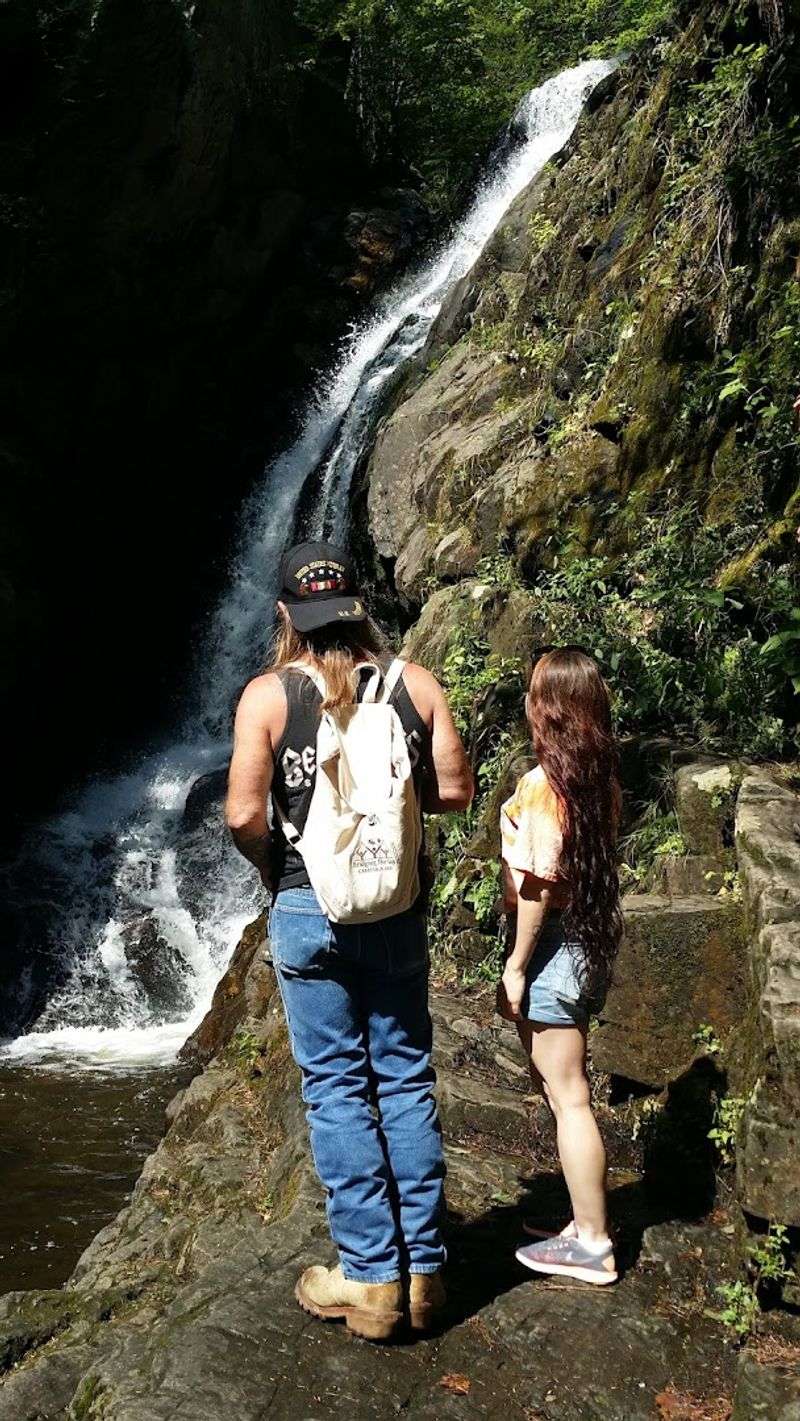
Close your eyes and listen. That’s the experience many visitors treasure most about Campbell Falls—the profound quiet broken only by rushing water and occasional bird calls.
On weekday mornings especially, you might have the entire park to yourself, creating a meditative atmosphere that’s increasingly rare in our noisy world.
The forest here absorbs sound beautifully, muffling any distant road noise and creating a natural sanctuary. Crows sometimes call from the treetops, acting as unofficial park sentinels, but their caws feel more like nature’s soundtrack than an interruption.
As you approach the falls, the water’s voice grows from a whisper to a steady roar that somehow manages to be both powerful and soothing.
This peaceful quality makes Campbell Falls perfect for clearing your head or finding mental space that daily life rarely provides. Visitors consistently mention the calming effect of spending time here, whether sitting on rocks near the falls or simply pausing along the trail.
It’s the kind of zen time that reminds you why getting outdoors matters in the first place.
Navigating the Rocky Reality
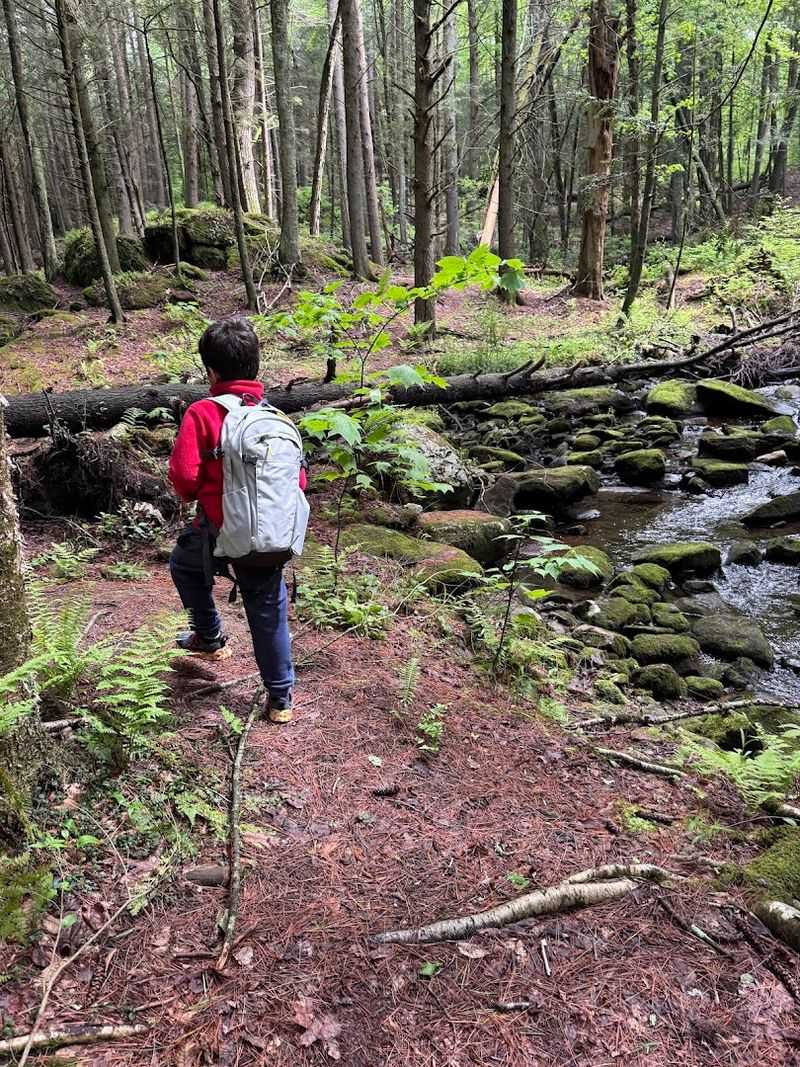
Real talk: this isn’t a paved sidewalk through the woods. The trail to Campbell Falls features tree roots that snake across your path, rocks that double as natural stairs, and sections that turn muddy after rain.
But that’s precisely what gives this hike its authentic backcountry character, even though it’s totally manageable for most people.
Proper footwear makes all the difference here. Visitors who show up in flip-flops or smooth-soled shoes often regret that choice when faced with slippery rocks near the falls.
Hiking boots or at least sturdy sneakers with good tread will keep you confident and comfortable. The trail includes a few steep sections where those roots and rocks actually provide helpful handholds and footholds.
After significant rainfall, expect muddy patches that you’ll need to navigate around or simply accept as part of the adventure. The descent to the falls requires watching your footing, but that slight challenge makes reaching the waterfall feel more earned and satisfying.
Just remember that what goes down must come back up, so save some energy for the return climb.
Seasonal Transformations Worth Repeating
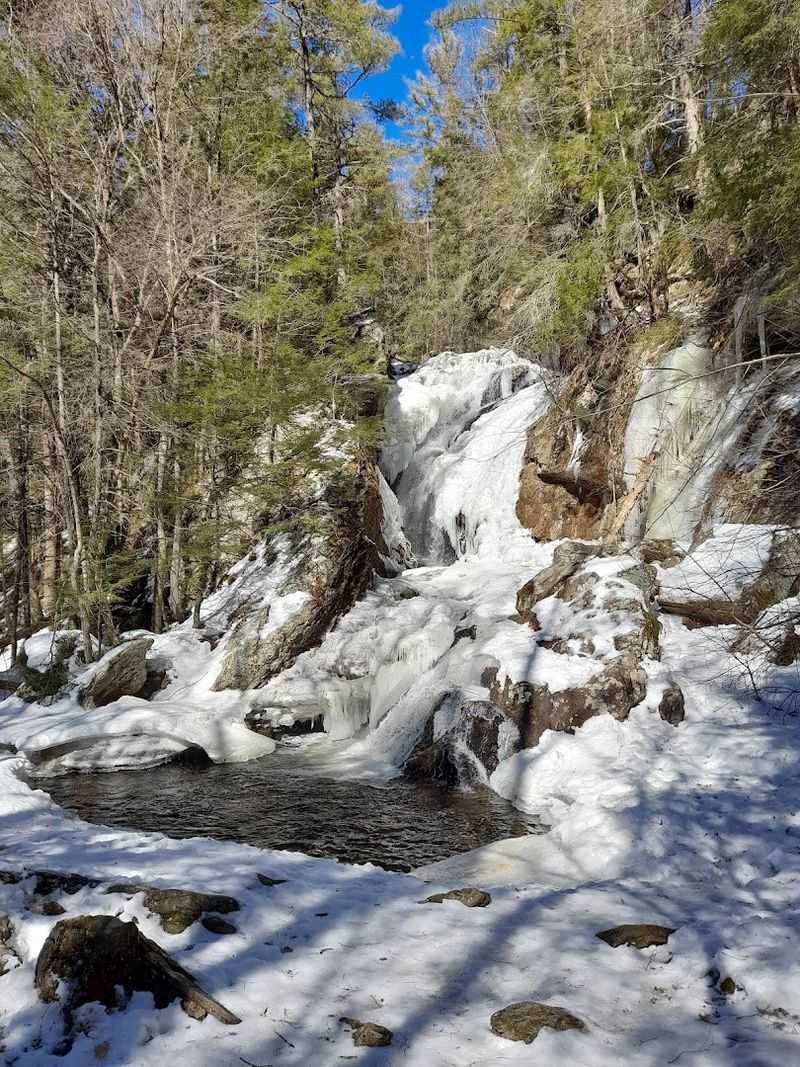
Visit Campbell Falls once and you’ve barely scratched the surface of what this place offers. The park transforms dramatically with the seasons, giving you four distinctly different experiences throughout the year.
Spring brings powerful water flow from snowmelt, turning the falls into a thundering spectacle that shakes the ground beneath your feet.
Summer mellows things out with lush greenery and lower water levels that reveal more of the underlying rock structure. The forest canopy provides cooling shade, and the falls maintain enough flow for impressive photos without the overwhelming roar.
Fall might be the most Instagram-worthy season, when surrounding trees explode in orange, red, and gold, framing the waterfall in New England’s signature autumn glory.
Winter visits require caution due to ice, but hardy souls who brave the cold are rewarded with frozen formations and a stark beauty that’s completely different from warmer months. Some sections of the falls freeze into dramatic ice sculptures while others continue flowing beneath, creating an almost otherworldly scene that few people witness but everyone remembers.
Wildlife Watching in the Litchfield Hills

Keep your eyes and ears open because Campbell Falls hosts a surprising variety of wildlife for such a small park. Bird watchers have spotted orioles in the area, which is noteworthy since these colorful birds aren’t commonly seen in central Connecticut.
Crows serve as the park’s most vocal residents, their calls echoing through the trees as they keep watch over their territory.
The forested setting provides habitat for numerous woodland creatures, though many remain hidden during busy visiting hours. Early morning or late afternoon offers your best chances for wildlife encounters when fewer humans are tramping through.
White-tailed deer, various songbirds, and small mammals all call this protected forest home, benefiting from the park’s preservation status.
Even if you don’t spot much wildlife, evidence of their presence surrounds you—tracks in muddy sections, disturbed leaves where animals have foraged, occasional rustling in the underbrush. The park’s location in the heart of the Litchfield Hills region means you’re hiking through genuine wildlife habitat, not some sanitized nature experience.
That connection to wild Connecticut is part of what makes Campbell Falls feel authentic and alive.