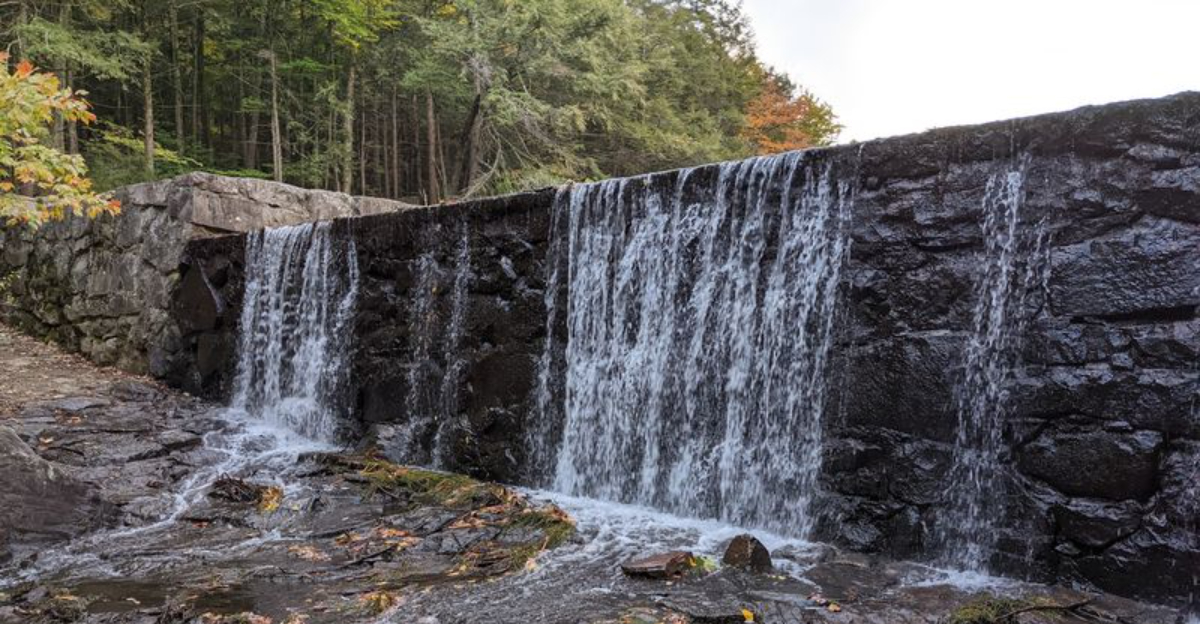
A quiet pond, a shady forest, and the remains of an old factory make Burr Pond State Park feel like a storybook with muddy boots.
Long before people came here to swim, picnic, kayak, and walk their dogs, this place helped power early industry connected to Gail Borden, the inventor known for condensed milk.
Today, the woods hide traces of that busy past, and the pond gives families a fun place to cool off after exploring.
Bring good shoes, a curious mind, and a snack, because this Torrington trail turns a simple walk into a small Connecticut treasure hunt where history waits beside the water, birds call from the trees, and every bend feels like it might reveal one more clue from the past for hikers of almost any age, especially families who like easy trails, lake views, and just enough mystery to keep everyone moving forward.
Start at the Pond That Powered a Big Idea
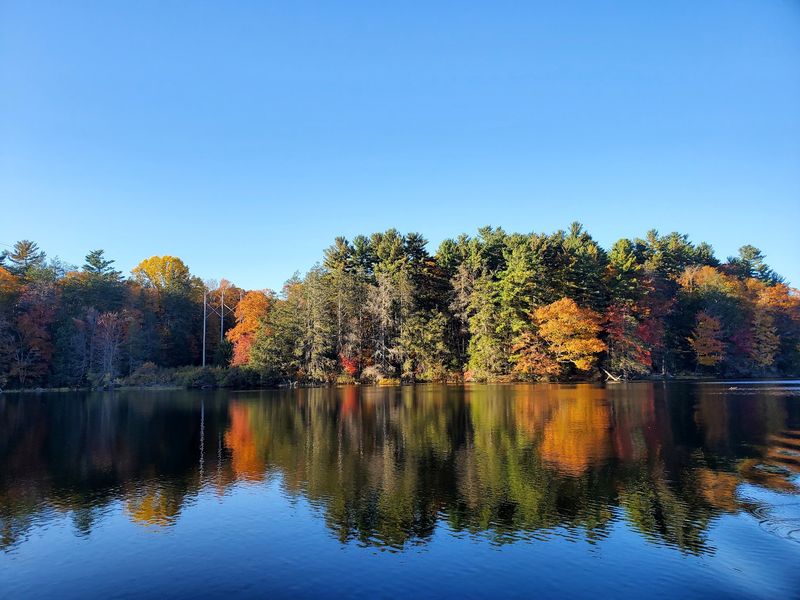
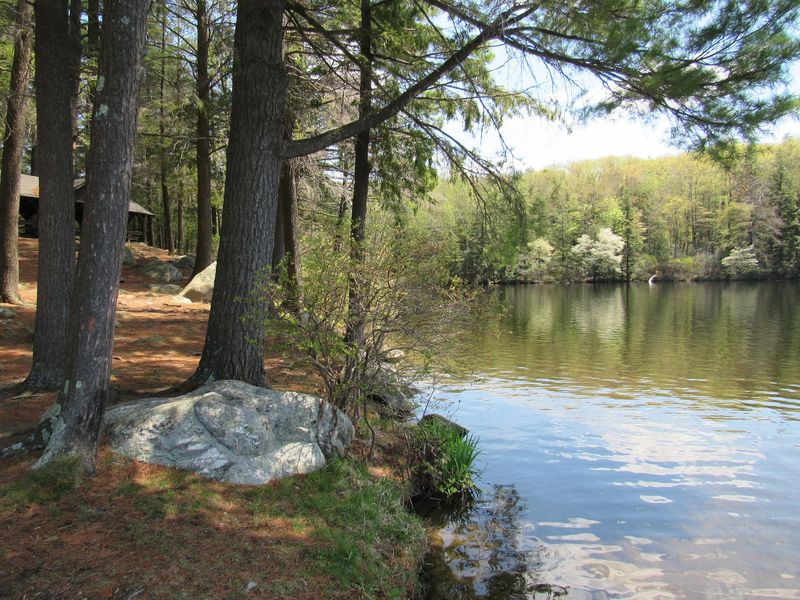
Morning light can make Burr Pond look like a mirror someone forgot in the forest.
That peaceful scene hides a busy past.
The pond was created in 1851 by damming local water to help produce power for industry.
Its story connects to Gail Borden, the inventor best known for condensed milk, whose early factory work once brought machines, workers, and ambition to this wooded corner of Torrington.
Begin your visit by standing near the water and imagining the difference between then and now.
Today you hear paddles, birds, and kids at the beach.
Back then, you might have heard rushing water, tools, and wagons moving supplies.
Burr Pond State Park sits at 385 Burr Mountain Rd, Torrington, CT 06790.
The park is open 8 AM to 8 PM, and its 4.6-star rating shows how much visitors enjoy its clean grounds, marked trails, swimming area, fishing spots, and picnic spaces.
Start early in summer because parking can fill quickly.
Follow the Walcott Trail Around the Water
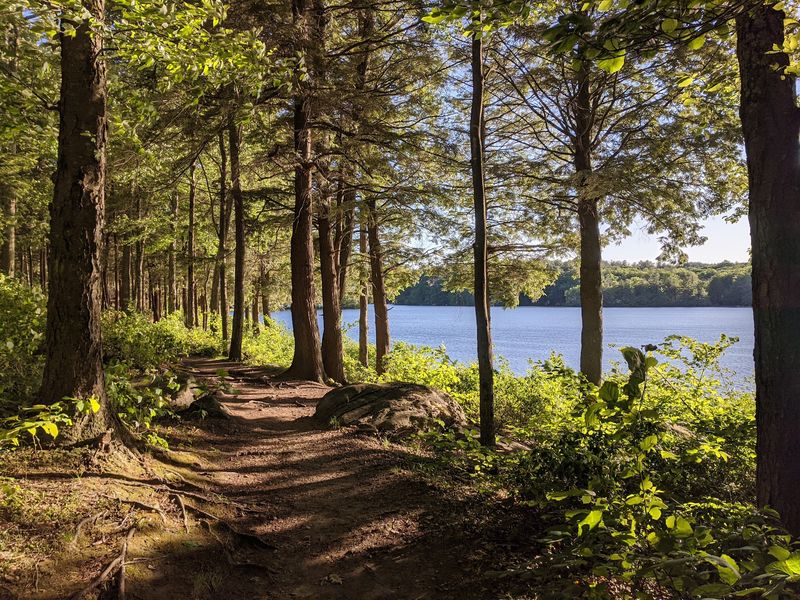
Blue blazes are your breadcrumb trail through this lakeside adventure.
The Walcott Trail circles Burr Pond for about 2.5 miles, making it the best route for hikers who want water views and a chance to search for factory remains.
The path is considered easier than many Connecticut hikes, but it still has roots, rocks, and muddy spots after rain.
Wear sneakers or hiking shoes you do not mind getting dirty.
Keep an easy pace and let the pond guide you.
Some stretches hug the shoreline, while others slip into quiet woods where the air feels cooler.
Trail markers are generally clear, so families and newer hikers can feel confident as long as they pay attention at turns.
Pack water, bug spray, and a small bag for trash.
Dogs are allowed on leash, which makes this loop popular with pet owners.
If you hike with kids, turn the walk into a clue hunt by asking them to spot blue marks, old stonework, animal tracks, and changing views across the pond.
Hunt for Borden’s Lost Factory Clues
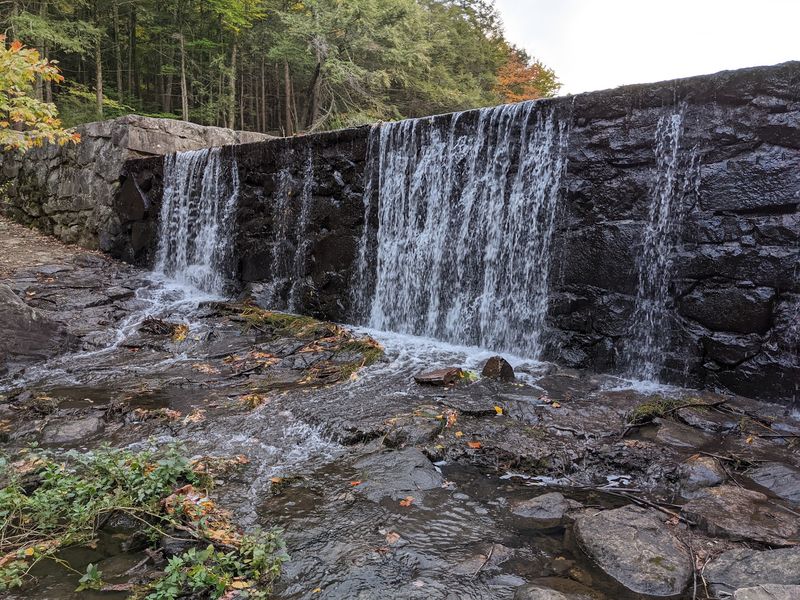
A few old stones can make the woods suddenly feel like a secret museum.
As you hike near Burr Pond, watch for signs of the former factory area tied to Gail Borden’s work.
You are not looking for a standing building with a neat sign and fresh paint.
Instead, the fun comes from noticing shapes that do not seem natural, such as stone foundations, old walls, dam features, and level ground where people once worked.
Move slowly when you reach suspicious spots.
Leaves, moss, and roots can cover the past, and uneven ground may trip careless feet.
Take photos, but do not climb on fragile stonework or move pieces around.
Ruins last longer when visitors treat them like shared history rather than playground equipment.
Parents can make the search meaningful by explaining that factories once depended on water power.
Burr Pond was not only pretty, it was useful.
That simple idea helps kids connect the pond, the dam, and the hidden remains into one bigger story about invention, labor, and change.
Bring a Picnic With a Side of Time Travel
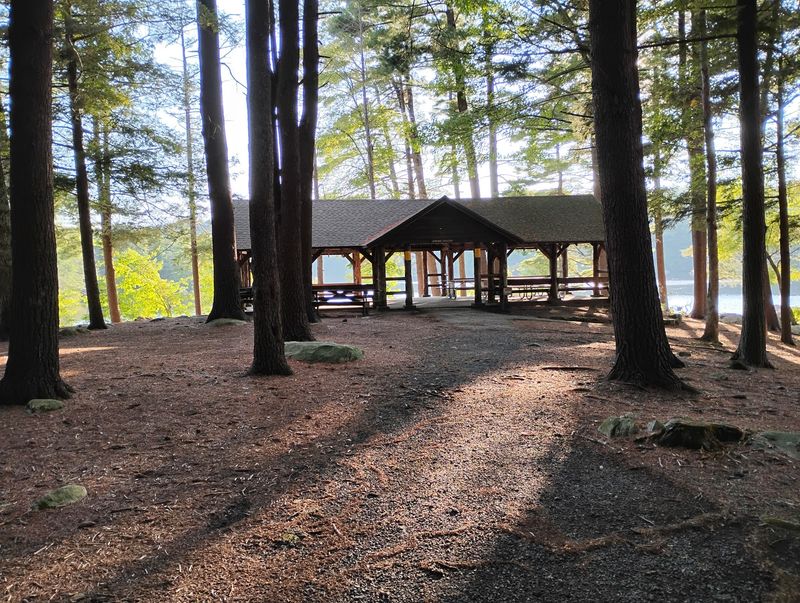
Lunch tastes better when a lost factory is part of the scenery.
Burr Pond State Park has plenty of picnic tables, grills, grassy areas, and shaded places where you can rest after hiking.
Many visitors praise the park for being clean and well kept, though summer weekends can get crowded.
If you want a table near shade or close to the beach, arrive earlier rather than hoping one stays open.
A picnic here works well because the park offers more than one mood.
You can eat quietly under trees, watch kayaks move across the lake, or listen to families laughing near the sand.
The covered pavilion can also help when the weather feels too hot or a little uncertain.
Bring easy food, extra napkins, and a trash bag.
Leaving nothing behind matters, especially in a park that works hard to stay pleasant for everyone.
After eating, take a short stroll and imagine workers from the 1800s taking their own break near the same water, though probably with fewer juice boxes.
Cool Off at the Sandy Beach After the Hike
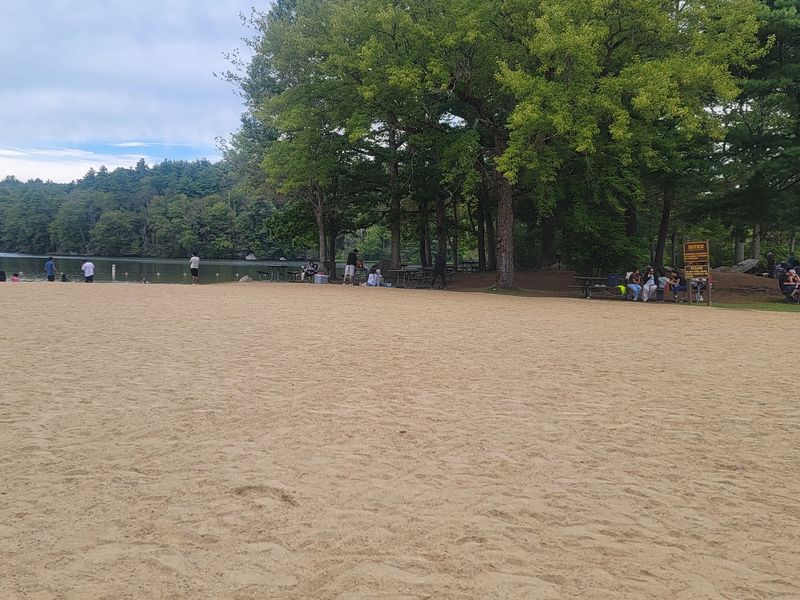
Hot feet have a very clear opinion about ending a hike at the beach.
The swimming area at Burr Pond is one reason many families turn a simple trail walk into a full-day outing.
The beach is sandy, the water is calm, and the roped area helps mark where swimming is allowed.
Visitors often mention that the beach and bathrooms are clean, which makes a big difference when kids are involved.
Check current rules before you swim, because state park conditions and staffing can change.
Some visitors note that lifeguard coverage may vary, so adults should watch children closely.
Water shoes can also help during geese season or when the sand and shallow areas feel uneven.
Plan your hike before your swim if you can.
Walking the loop in wet clothes is less fun than saving the cool water as a reward.
Bring towels, dry socks, sunscreen, and a change of clothes.
After searching for factory clues, floating for a few minutes feels like winning the trail’s quiet little prize.
Paddle Across the Pond for a Wider View
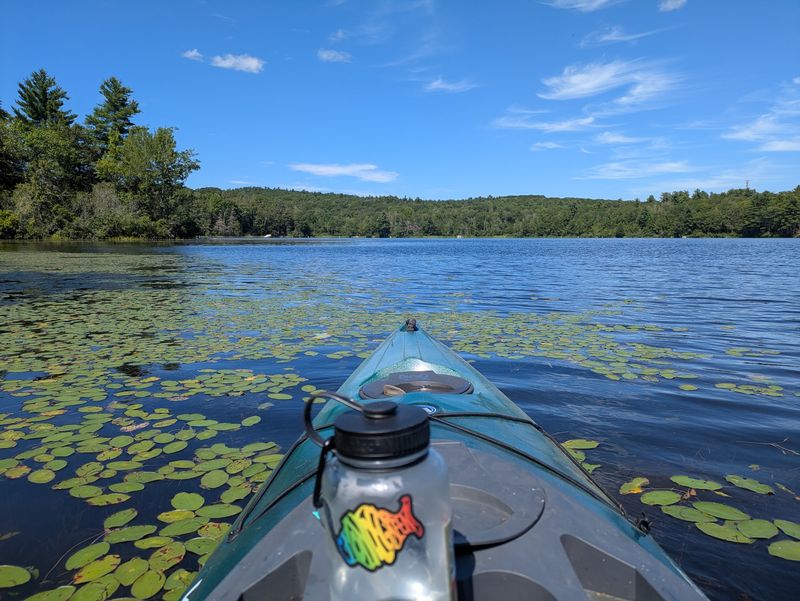
A kayak turns the pond into a moving front-row seat.
Many visitors come to Burr Pond for kayaking, canoeing, paddleboarding, and fishing.
The boat launch makes it easier to get on the water if you bring your own craft, and seasonal rentals may be available on summer weekends.
From the middle of the pond, the forested shoreline looks wider, quieter, and more connected to the park’s old water-powered story.
Paddling also helps you understand why this pond mattered.
Water was not just scenery in the 1800s.
It stored energy, shaped the land, and supported work that depended on steady flow.
When you look toward the dam area, the history feels less like a textbook and more like something you can point to.
Wear a life jacket, keep an eye on wind, and stay aware of swimmers and other boats.
Anglers also use the pond, so give them room.
If summer parking is busy, the boat launch lot can be helpful for unloading, but always follow posted signs and park rules.
Visit in Fall or Winter for a Different Story
October paints Burr Pond like it has been saving its best outfit all year.
Fall is a wonderful time to hike the loop, especially when the trees turn red, orange, and gold.
Cooler air makes the walk comfortable, and fewer beach crowds can give the trail a calmer feel.
Mid-October often brings strong color in this part of Connecticut, so bring a camera or leave extra time for slow stops along the water.
Winter changes the mood again.
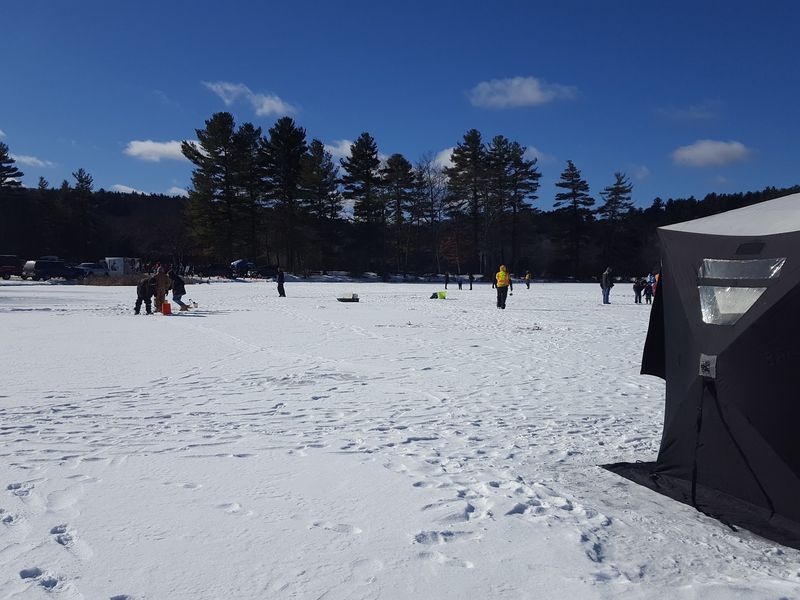
Visitors have reported ice fishing, frozen pond views, and seasonal events that make the park feel lively even in cold weather.
Snow can soften the old factory clues, but bare branches may reveal land shapes that summer leaves hide.
Dress for the season and respect ice safety rules.
Never assume frozen water is safe just because someone else is on it.
In fall, watch for slippery leaves over rocks.
In winter, use warm layers and shoes with grip.
The same trail can feel like three different trips depending on the month.
Leave the Forest Better Than You Found It
The best explorers know when to take only pictures and carry out the snack wrappers.
Burr Pond is loved because it offers hiking, swimming, fishing, paddling, picnicking, and quiet corners in one place.
That mix also means the park gets a lot of pressure, especially on warm weekends.
Reviews often praise the clean grounds, but some visitors complain about litter, loose dogs, and messes left behind.
You can help protect the place with simple choices.
Keep dogs leashed, pick up after pets, follow swimming boundaries, use trash bins when available, and carry out anything you brought in.
If picnic tables or grills are full, wait kindly or choose another spot rather than crowding others.
Respect matters even more near historic remains.
Old factory stones, dam features, and trail edges can be damaged by climbing, digging, or careless exploring.
Teach kids that finding a clue does not mean taking it home.
When visitors act like caretakers, Burr Pond State Park stays beautiful, useful, and mysterious for the next curious hiker.