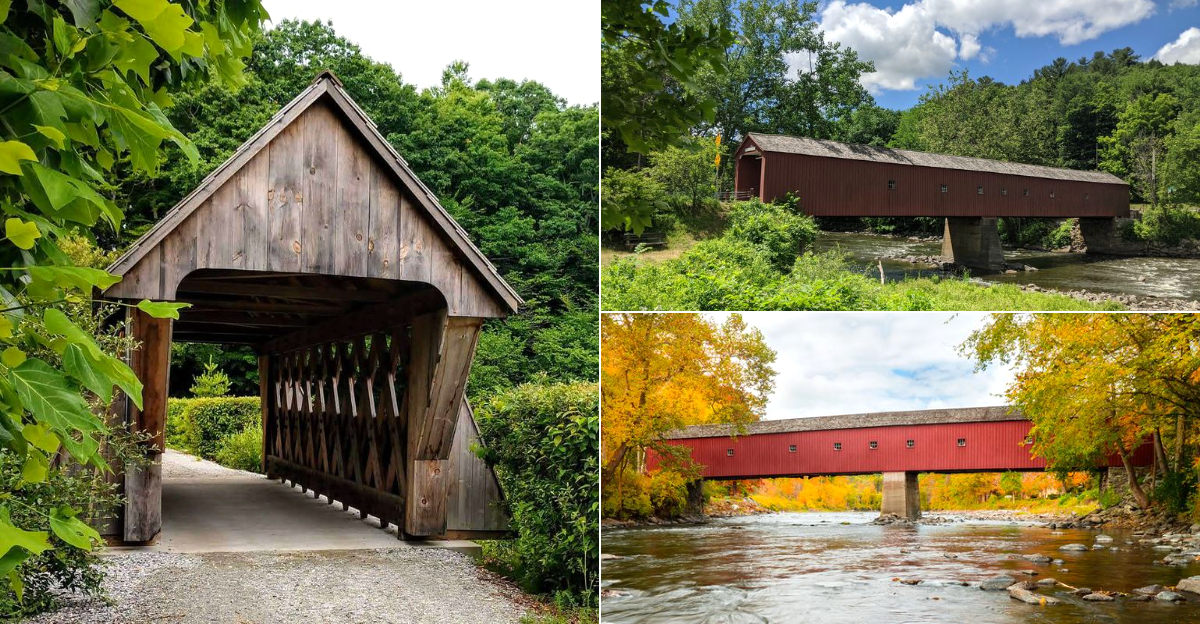
Connecticut’s covered bridges are living pieces of history, wooden structures that have sheltered travelers from rain and snow for well over a century.
Tucked along quiet streams and winding country roads, they carry a stillness that feels almost impossible to find in modern life.
Each bridge tells a story of a particular era, a particular craftsman, and a particular community that built it to last.
Many of these bridges are surrounded by some of the most picturesque scenery Connecticut has to offer, especially in the fall when the foliage turns brilliant shades of gold and red.
Here are ten historic covered bridges in Connecticut that feel like a beautiful step back in time.
1. West Cornwall Covered Bridge, West Cornwall, Litchfield County
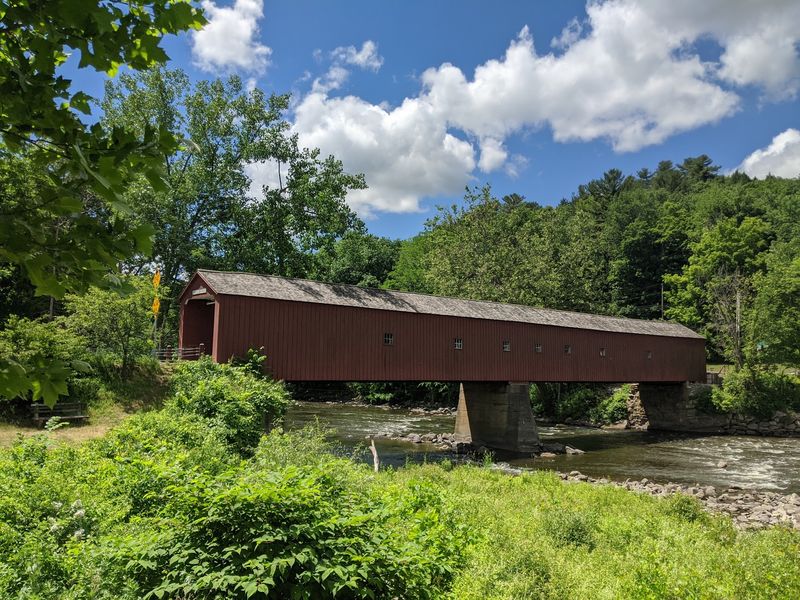
Morning mist often hangs over the Housatonic River here, making the red bridge look like a storybook scene that somehow stayed real for generations nearby.
Built in 1864, the West Cornwall Covered Bridge in West Cornwall, Litchfield County, still carries cars and rewards slower travelers with water and village views.
Its Town lattice design is strong, simple, and easy to admire, especially when sunlight slips through the sides and paints bright stripes inside each afternoon.
Parking nearby lets visitors walk across safely, hear the wooden floor rumble, and notice how the bridge blends with white church steeples and hills beautifully.
Fall may be the busiest season, but early weekdays feel calmer, giving you space for photos and a better chance to watch river reflections shimmer.
Bring comfortable shoes, because the surrounding streets invite wandering, and the bridge sits close to small local stops that make an easy half-day outing too.
Winter has its own charm here, since snow softens the roofline and the riverbanks, turning a familiar landmark into something quiet, almost whispering to visitors.
For anyone exploring old New England places, this bridge offers more than a crossing, it gives a clear picture of craftsmanship, community, and endurance today.
2. Bull’s Bridge, Kent, Litchfield County
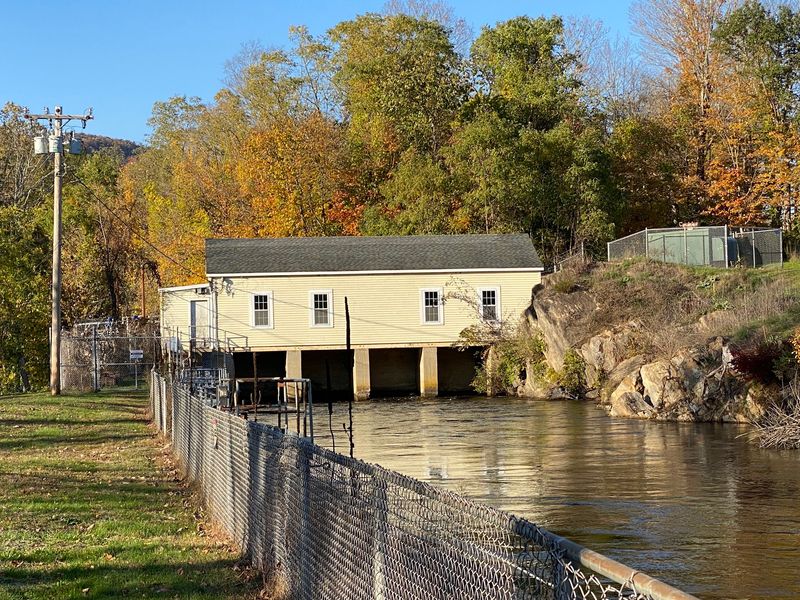
A little suspense comes with every visit, because the road dips toward rushing water and suddenly reveals one of the state’s most dramatic old crossings.
Bull’s Bridge in Kent, Litchfield County, stands above the Housatonic River and dates to 1842, though later repairs helped keep its classic covered shape alive.
Unlike some quieter bridges, this one feels rugged and powerful, partly because nearby rapids, rocky banks, and steep woods create a wilder setting around it.
A short walk leads to scenic trails and viewpoints, so you can pair bridge photos with a riverside hike that adds real adventure to visits.
Because traffic passes through, stay alert if you stop nearby, and use marked areas instead of crowding the narrow road for pictures or long looks.
Spring brings bright green leaves and louder water, while summer offers shade and picnic potential in the surrounding parkland for families and friends alike nearby.
History fans enjoy knowing the site also links to old iron works and early travel routes, which helps explain why the bridge mattered so much.
If you want a covered bridge visit with extra energy and deeper scenery, Bull’s Bridge delivers a memorable mix of engineering, nature, and motion together.
3. Comstock Covered Bridge, East Hampton, Middlesex County
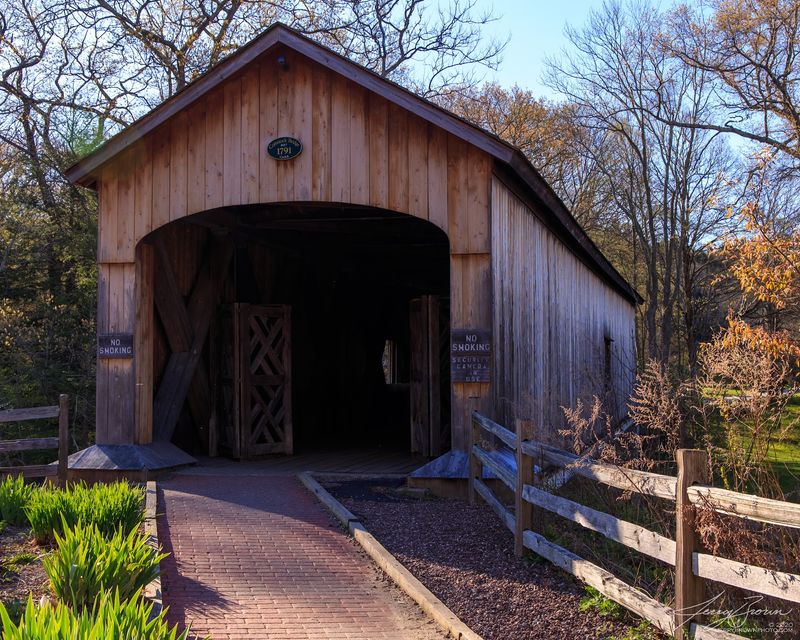
Tucked beside woods and water, this bridge feels like the kind of place where kids would race ahead while adults stop to listen for birds.
Comstock Covered Bridge in East Hampton, Middlesex County, crosses the Salmon River and was rebuilt in the late twentieth century after severe storm damage nearby.
The present bridge honors an older crossing, so a visit here connects you with both local history and the community’s choice to preserve it well.
Because it sits within a park area, families can mix bridge viewing with easy walking, fishing spots, and quiet time near the river banks too.
Photographers often like the reflection angles here, especially when calm water doubles the roofline and trees frame the opening like a painting at sunset sometimes.
You will not find a giant tourist crowd most days, and that makes the bridge a good pick for a slower, less hurried outing overall.
Rainy weather can actually add charm, since wet boards deepen the color and the nearby forest smells fresh and earthy after a summer shower there.
For travelers who like hidden corners more than busy landmarks, Comstock offers a relaxed, thoughtful stop that still carries real historic meaning for Connecticut explorers.
4. Blacksmith Shop Bridge, East Haddam, Middlesex County
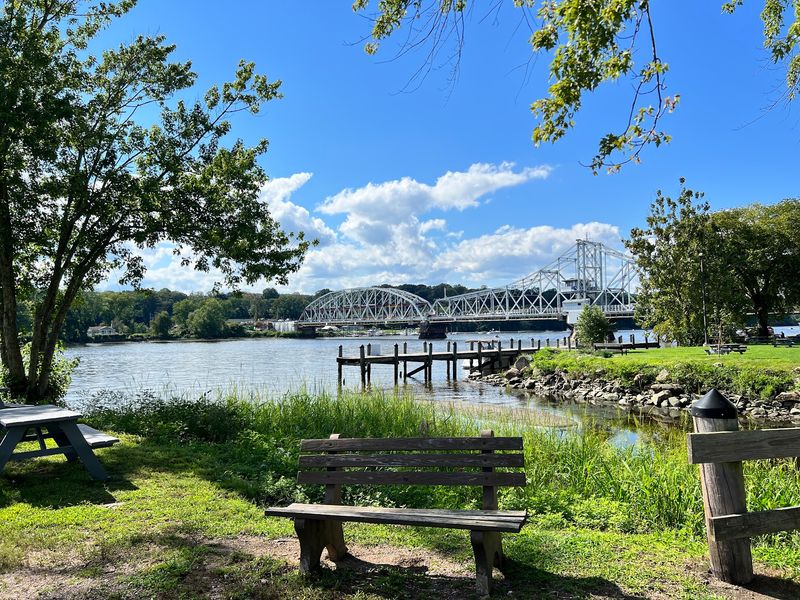
Not every covered bridge feels polished, and that is part of the fun when a place keeps a slightly old-fashioned, workshop kind of spirit alive.
Blacksmith Shop Bridge in East Haddam, Middlesex County, is a smaller wooden span whose name alone sparks curiosity about craftsmen, tools, and village life nearby.
Set near historic buildings in the Johnsonville area, it works best as part of a broader visit where you notice architecture, roads, and landscape together.
The bridge itself is modest, but that smaller scale helps you imagine wagons, horses, and workers moving through a busier nineteenth-century setting every single day.
Morning light is especially kind here, since it picks up the grain of the wood and gives the structure a warm, honey-colored glow for photos.
Visitors should check access conditions before going, because lesser-known sites sometimes have limited parking or nearby areas that change with local maintenance needs over time.
Even a short stop can be rewarding if you enjoy local stories, since bridges like this reveal how everyday travel once depended on skilled hands.
Blacksmith Shop Bridge may not be the loudest attraction in Connecticut, yet its quiet personality makes it memorable for thoughtful explorers who like overlooked places.
5. Creamery Brook Covered Bridge, Eastford, Windham County
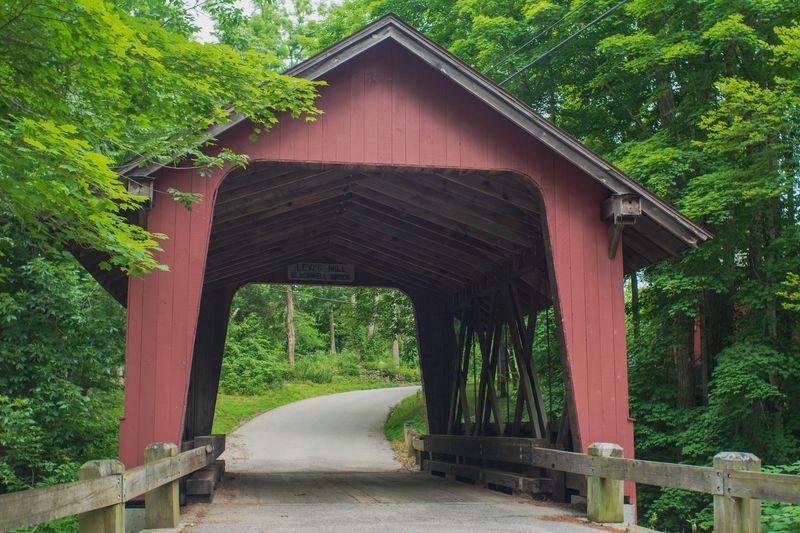
Some places win you over right away, and this cheerful bridge does it with bright color, easy access, and a park setting that feels welcoming.
Creamery Brook Covered Bridge in Eastford, Windham County, sits inside a town park and is known as the state’s shortest covered bridge today to visitors.
Because it was built for pedestrians, you can slow down, look closely at the woodwork, and enjoy the scene without worrying about cars passing through.
Kids often love crossing it more than once, especially when a picnic, playground stop, or short walk turns the visit into a relaxed outing there.
The smaller size does not weaken its charm, since the compact shape makes it feel almost toy-like in the best possible way for first-time guests.
Autumn colors reflect beautifully nearby, and spring brings fresh leaves that make the red sides stand out even more against soft grass and sky overhead.
If you are introducing younger readers or history beginners to covered bridges, this spot offers a gentle, friendly first impression with simple details to notice.
Creamery Brook proves that a very small landmark can still leave a lasting memory when design, setting, and local pride come together for everyone involved.
6. Northfield Covered Bridge, Northfield, Litchfield County
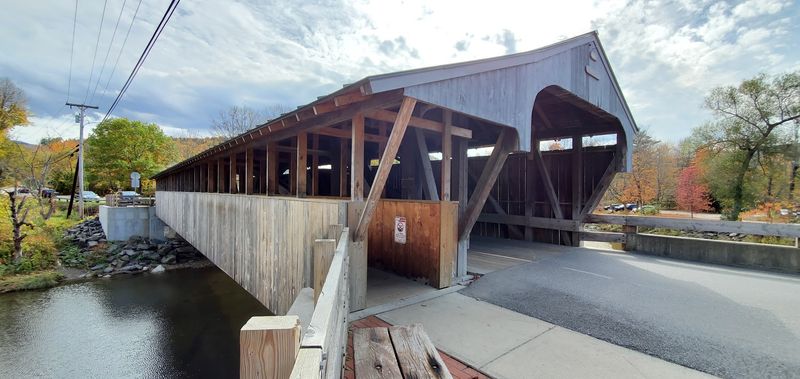
Quiet roads sometimes hide the best surprises, and this bridge rewards patient travelers who enjoy finding history where traffic and noise fade away for awhile.
Northfield Covered Bridge in Northfield, Litchfield County, is a pedestrian bridge with a neat white exterior that feels different from Connecticut’s red spans nearby today.
It crosses the Bantam River area near Route 8, and its cleaner, brighter look gives it an almost chapel-like presence in photographs during calm mornings.
A stop here works nicely with other Litchfield County drives, especially if you like village greens, stone walls, and classic New England scenery near by.
Since people usually cross on foot, you can study the details, listen to the river, and appreciate the bridge at a more comfortable pace there.
Snowy days can make this spot especially pretty, because the pale bridge and bare trees create a crisp scene with strong shapes and clear contrast.
Bring a camera with a wide setting if possible, as the surrounding landscape helps explain why the bridge feels peaceful to passing visitors each day.
Northfield Covered Bridge shines through simplicity, offering a calm stop that feels less like a tourist rush and more like a local secret still cherished.
7. Beebe Farm Bridge, Killingworth, Middlesex County
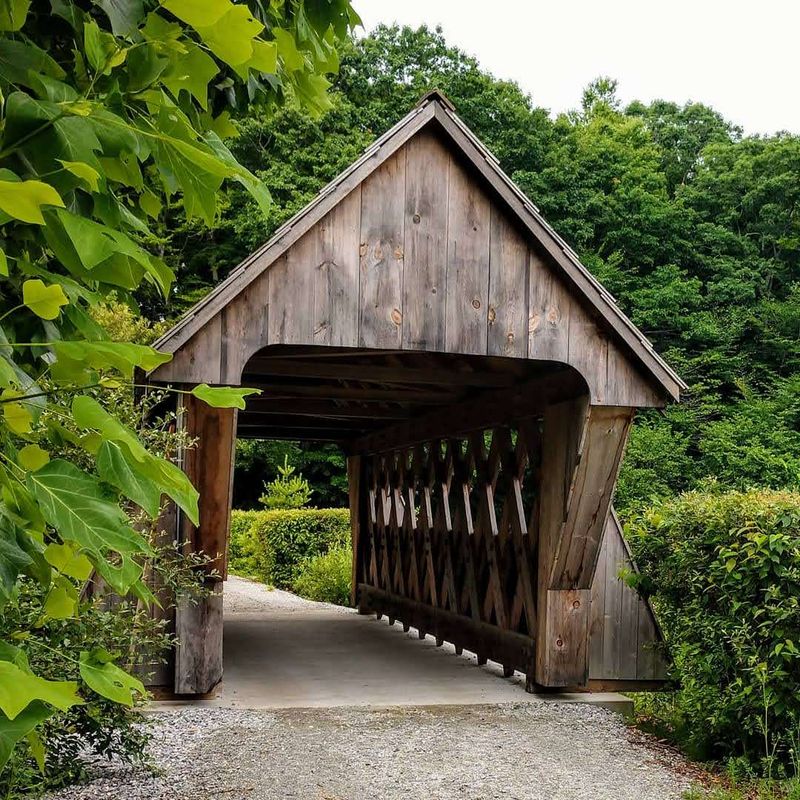
Hidden in a park-like corner, this bridge has a gentle, homey feeling, almost as if it belongs to an old farm story from long ago.
Beebe Farm Bridge in Killingworth, Middlesex County, is a smaller covered bridge that fits perfectly with the rural mood of its setting for nearby visitors.
Unlike a grand river crossing, it feels personal and close-up, which makes people notice texture, scale, and the care behind the design more easily here.
Nearby open space invites a slower visit, so families can stretch their legs, talk, and let younger kids enjoy a short adventure without much planning.
Because the bridge is less famous than some others, it can feel like a lucky find, especially for weekend explorers seeking calm over crowds nearby.
Soft afternoon light works well for photos, and the surrounding greenery keeps the scene cheerful from late spring into early fall most years in Connecticut.
A visit here also reminds travelers that covered bridges were practical tools first, built to protect wooden parts and extend useful life through rough weather.
Beebe Farm Bridge may be small, yet its cozy setting makes it one of those places people remember with surprising fondness after the trip.
8. Pine Grove Covered Bridge, Bloomfield, Hartford County
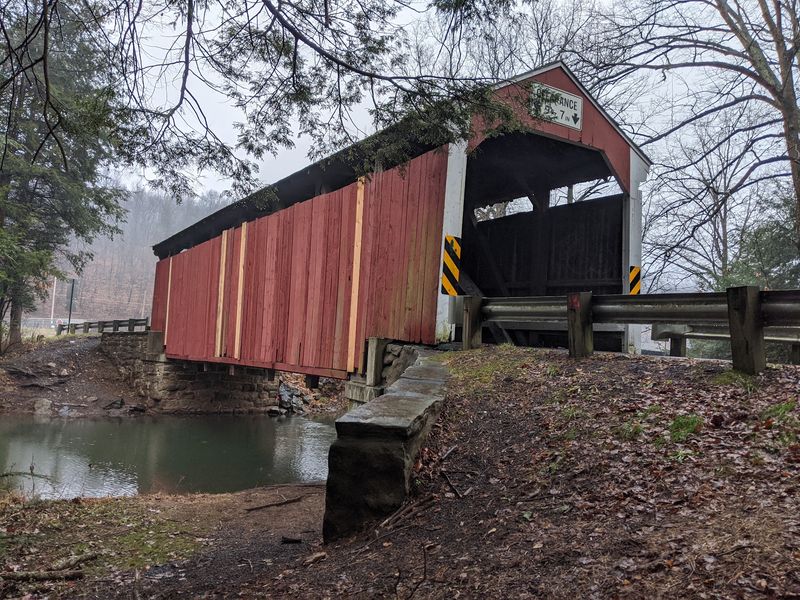
A bridge beside an old mill village naturally feels rich with stories, and that extra backdrop gives this stop more depth for curious history fans.
Pine Grove Covered Bridge in Bloomfield, Hartford County, sits within a historic area where factory buildings and the Farmington River shape the view around it.
The bridge itself is not huge, but the setting helps visitors imagine workers, deliveries, and daily movement from an earlier industrial time in Connecticut history.
Walking paths nearby make it easy to turn a quick photo stop into a longer outing with river views and educational signs for all ages.
Because the area has several attractions, planning an hour or two works better than rushing in and leaving right away after one short glance there.
Brick, wood, and water mix together here in a way that feels especially photogenic, especially during cooler months with clearer views of roofs and river.
If you enjoy local museums or heritage sites, Pine Grove pairs well with that kind of day, since the surroundings add context to every footstep.
Pine Grove Covered Bridge offers a nice mix of charm and industry, proving that beauty can live comfortably beside working history for modern visitors too.
9. Upper Covered Bridge, New Hartford, Litchfield County
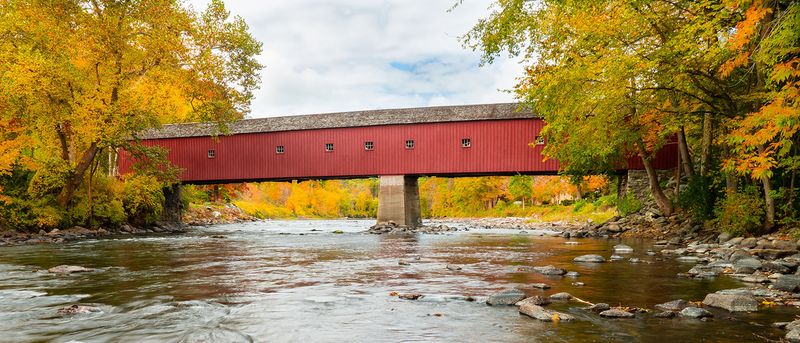
Sometimes a simple name leaves more room for the setting to speak, and that is exactly how this bridge makes its impression on first sight.
Upper Covered Bridge in New Hartford, Litchfield County, feels pleasantly tucked away, with wooded edges and water nearby adding natural calm to every visit there.
Rather than showing off, it invites quiet attention, the kind that makes you notice roof lines, beams, and the changing sound underfoot while crossing slowly.
A slower approach works best, because part of the experience comes from the surrounding landscape, not just the wooden structure itself for passing day trippers.
Try visiting during leaf season if possible, when orange and gold colors can turn an already attractive bridge into a standout scene for your camera.
Because lesser-known bridges can be easy to miss, using a map and checking local directions ahead of time will save frustration for first-time travelers there.
The bridge may not have the fame of West Cornwall or Bull’s Bridge, yet that quieter status can be a real advantage for peaceful exploring.
Upper Covered Bridge is best for readers who like hidden gems, scenic drives, and places that feel personal instead of crowded on busy travel days.
10. Johnson Covered Bridge, East Haddam, Middlesex County
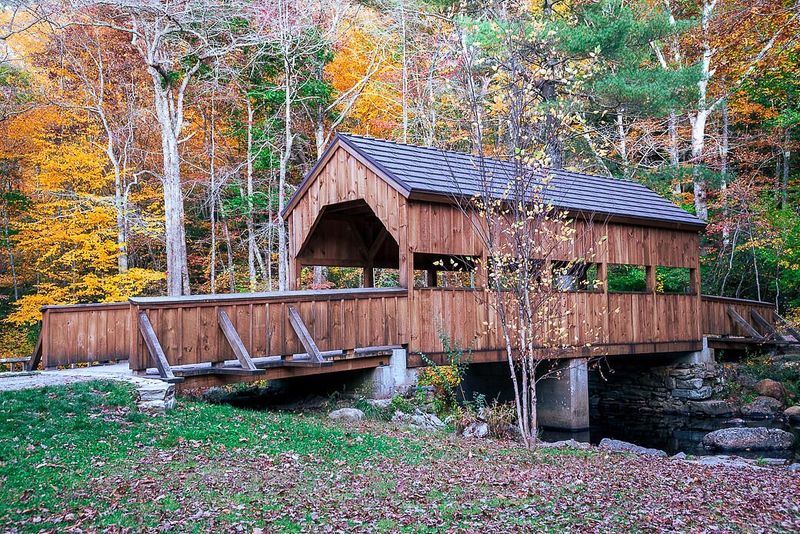
There is something cheerful about a bridge that feels almost handmade, as if it were built to fit its landscape exactly for generations to enjoy.
Johnson Covered Bridge in East Haddam, Middlesex County, offers that kind of charm, pairing a simple wooden form with a peaceful setting for local visitors.
Its appeal comes from scale as much as history, since smaller bridges let people feel closer to the carpentry and design than big road spans.
Take time to notice how the covered roof protected the framework, which was the main reason these bridges lasted longer through years of weather changes.
A short visit can easily become more memorable if you bring a snack, walk nearby, and stay long enough for changing light across the boards.
Since small landmarks sometimes lack big signs, checking directions before leaving home helps you spend more time enjoying the place once you arrive there calmly.
Many travelers remember giant attractions, but bridges like this often create the softer memories that return later without warning during quiet moments at home afterward.
Johnson Covered Bridge closes the journey nicely, reminding visitors that Connecticut’s past still survives in small structures built with patience, care, pride and lasting purpose.