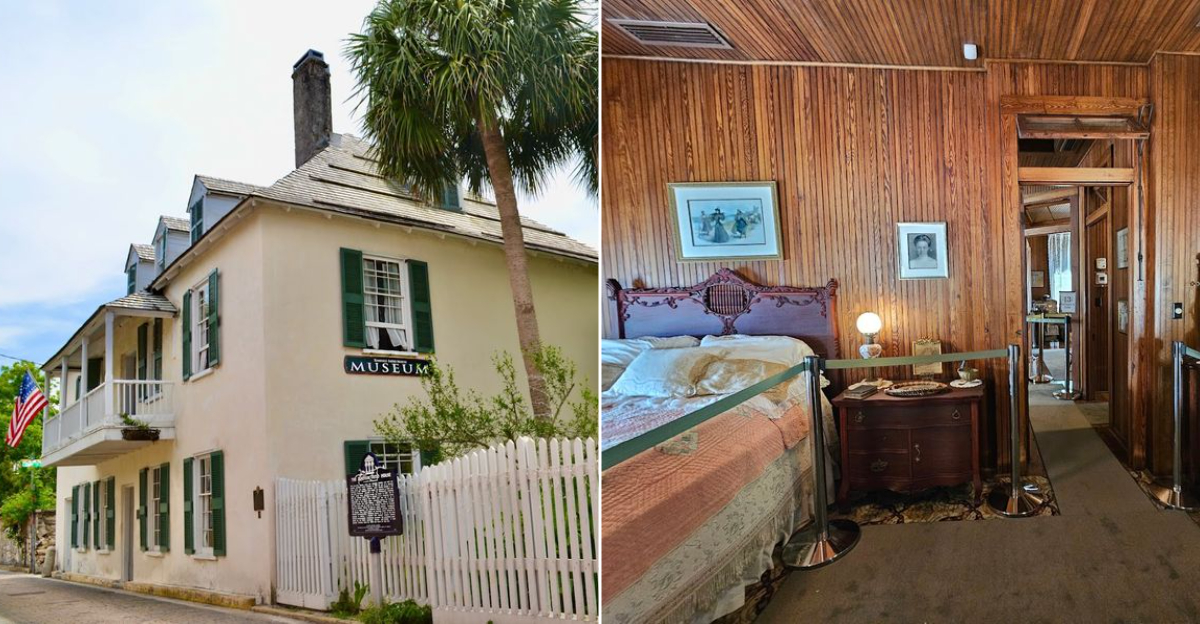
Florida’s past feels far more vivid when you step into a house where the chairs, portraits, desks, and dishes have not been replaced by replicas. These preserved homes let you move through real rooms shaped by pioneers, artists, industrialists, writers, and families whose stories still linger in every detail.
If you love history that feels intimate instead of distant, this lineup offers some of the most memorable places to visit in the state. Each one gives you a chance to see how Floridians actually lived, entertained, worked, and built their world.
Vizcaya Museum and Gardens
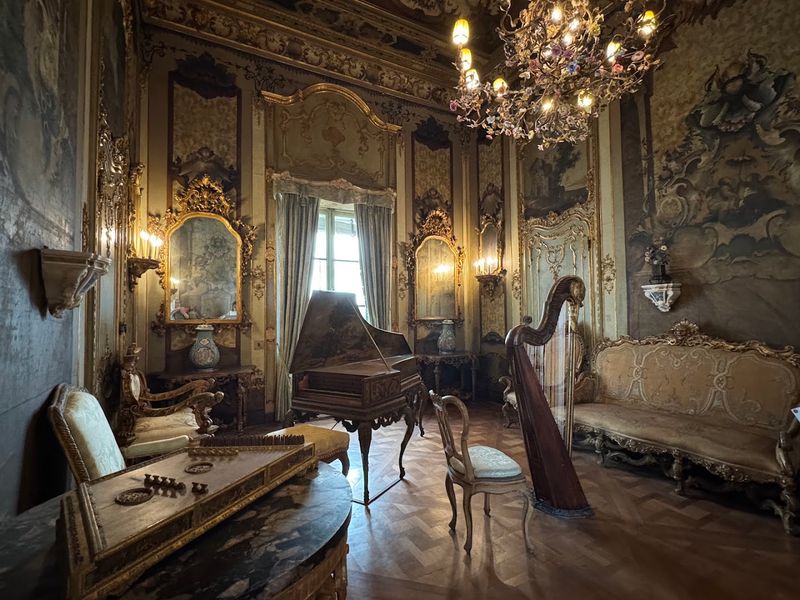
Vizcaya is the opposite of rustic Florida living, and that contrast is part of its magic. Built for industrialist James Deering in the early twentieth century, the estate immerses you in a world of European inspired grandeur, from carved ceilings to imported antiques and richly layered decorative arts.
The preserved interiors still feel theatrical without seeming empty.
As you move through the rooms, the original furniture helps explain how Deering wanted his winter residence to function as both private retreat and cultural statement. You are not just looking at beautiful objects, but at a carefully composed environment where architecture, art, and social ambition worked together.
Every room seems designed to impress guests while revealing something about taste and status.
The gardens and bayfront setting make the house even more memorable, yet the interiors remain the heart of the experience. They preserve a rare picture of elite Florida life during the Gilded Age.
It is lavish, immersive, and unforgettable.
Deering Estate
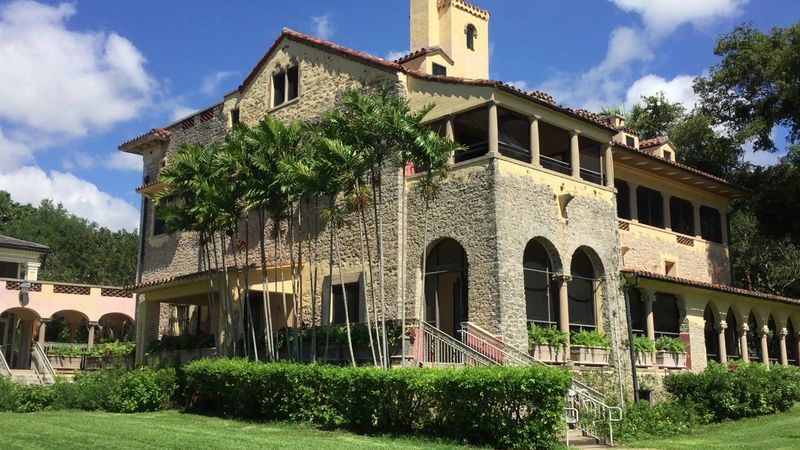
The Deering Estate gives you two very different historic homes to explore, and that layered experience makes it especially rewarding. Richmond Cottage and the Stone House preserve the world of Charles Deering, an art collector and businessman who left a distinct mark on South Florida’s cultural life.
Their furnishings and room arrangements still communicate comfort, prestige, and curiosity.
Inside, you can trace how Deering used the property as a winter retreat and a place for collecting, entertaining, and observing the natural world around him. Original pieces and period details keep the estate from feeling abstract, because the houses still read as places where real routines unfolded.
That makes the stories feel personal rather than distant.
The surrounding landscape deepens everything, with water, hardwood hammocks, and archaeological significance adding context beyond the walls. Few museum homes connect domestic history, environmental history, and collecting culture quite so effectively.
You leave with a fuller picture of old South Florida life.
Bonnet House Museum & Gardens
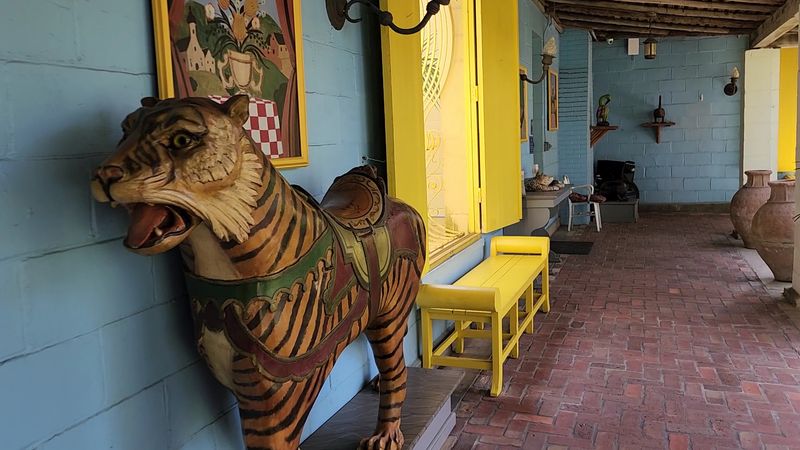
Bonnet House feels delightfully personal, which is why it stays with you long after a visit. This Fort Lauderdale estate preserves the home of artists and collectors Frederic and Evelyn Bartlett, and the interiors remain filled with original furniture, art, and everyday belongings that reveal their eccentric, cultivated lives.
It is elegant, but never stiff.
The rooms have a layered, almost whimsical quality, mixing fine pieces with travel souvenirs, paintings, and objects chosen for pleasure rather than strict formality. That lived in feeling helps you understand the couple as creative individuals rather than names on a plaque.
You are seeing how taste, memory, and domestic life blended in one tropical retreat.
Outside, the gardens and natural landscape complete the story, showing how closely the estate was tied to South Florida’s environment. The house works because it still feels inhabited by personality, not just preserved by policy.
If you like museum homes with soul, this one delivers beautifully and very memorably.
Stranahan House Museum
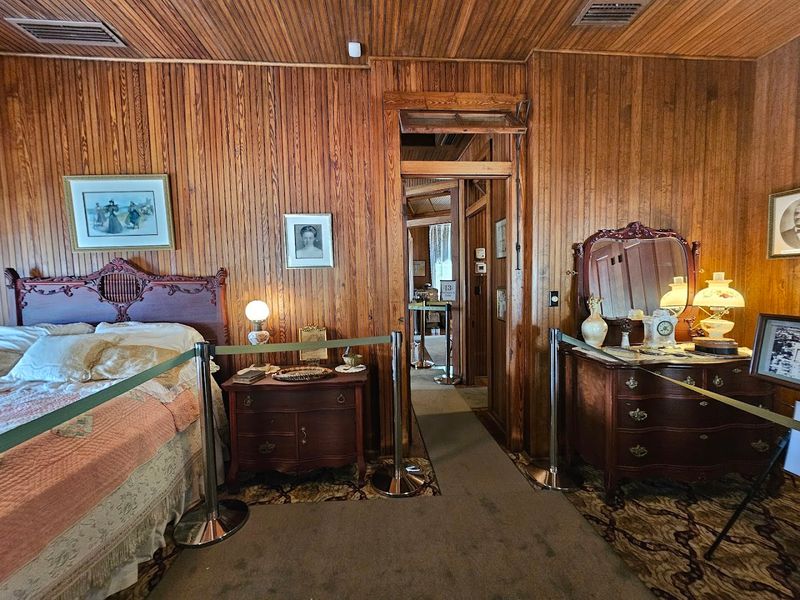
Stranahan House tells the story of early Fort Lauderdale through a building that began as a trading post and became a family home. Dating to 1901, it is the city’s oldest surviving structure, and its preserved rooms help you picture frontier commerce, domestic life, and community building all in one place.
The setting on the New River adds extra authenticity.
Original and period appropriate furnishings show how Frank and Ivy Stranahan lived while helping shape the region’s development. Ivy’s role in education and local civic life gives the house added depth, especially when guides connect furniture and spaces to specific episodes in their story.
You can feel how much early South Florida depended on adaptable, determined people.
Because the house is modest in scale, the experience feels close and human rather than monumental. That intimacy is its strength, making the past easier to imagine and much harder to forget.
It is one of those places where local history suddenly becomes vivid and personal.
Ernest Hemingway Home and Museum
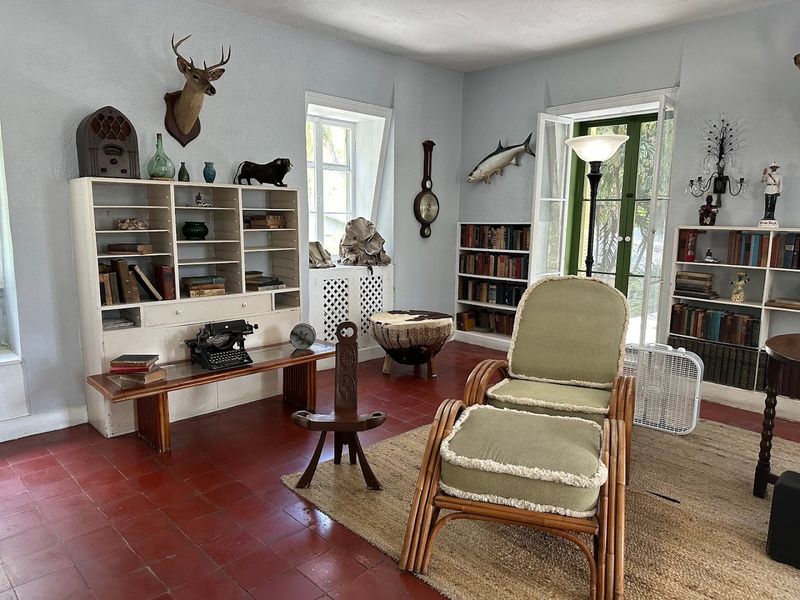
The Hemingway Home in Key West draws plenty of visitors because of the writer’s fame, but the house itself is what makes the visit stick. Its preserved furnishings, rooms, and personal atmosphere offer a direct connection to the years when Ernest Hemingway lived and worked there.
You are not just visiting a celebrity site, but a domestic space shaped by routine, creativity, and relationships.
The interiors feel substantial and grounded, with pieces that suggest both comfort and discipline. Seeing the writing environment and the household setting together helps you understand that literature did not emerge from myth alone, but from a real home with patterns, interruptions, and texture.
Even the famous cats add to that sense of continuity.
The tropical grounds soften the experience and keep the house tied to Key West itself. It remains one of Florida’s most recognizable museum homes because it preserves both atmosphere and story with unusual clarity.
You leave feeling closer to the man and his world.
Audubon House & Tropical Gardens
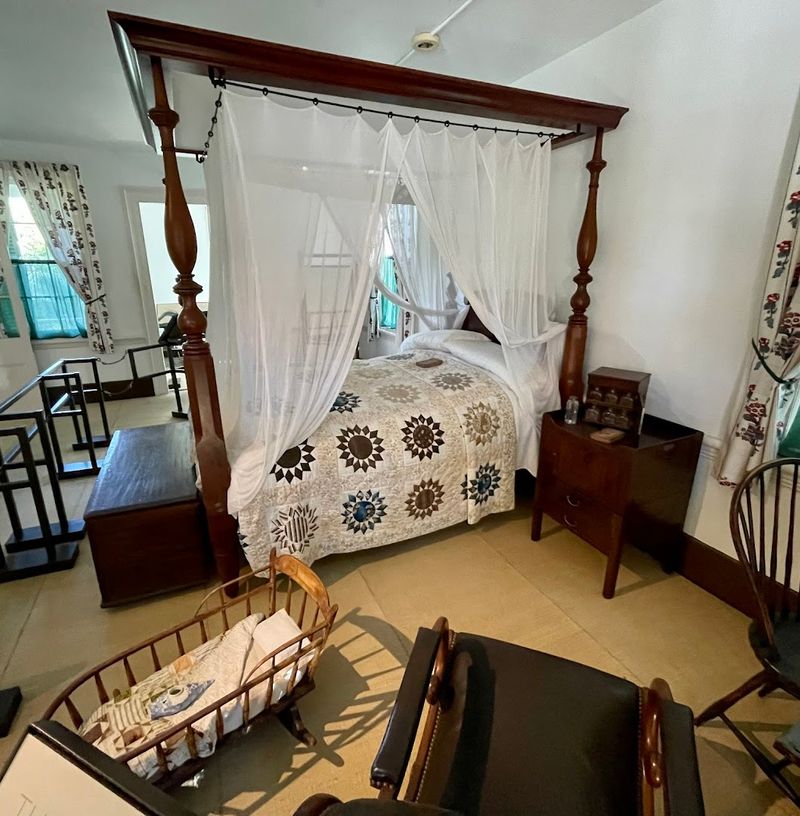
Audubon House offers one of Key West’s most polished historic interiors, and it does so without losing warmth. The nineteenth century home is filled with antique furniture, decorative objects, and artwork that evoke the island’s prosperous maritime era.
Although its connection to John James Audubon is interpretive, the house still feels deeply rooted in local history.
Walking through the rooms, you get a strong sense of how affluent residents furnished homes in a subtropical port city with global trade connections. The preserved pieces create a believable domestic world of refinement, hospitality, and cultural aspiration.
I especially like how the interiors avoid feeling overly formal despite their elegance.
The tropical gardens are more than a pretty backdrop, because they reinforce the relationship between the house and Key West’s lush environment. Together, house and grounds create a vivid portrait of island life before modern tourism transformed the city.
It is a graceful stop if you want beauty, atmosphere, and historical texture in one place.
Oldest House Museum
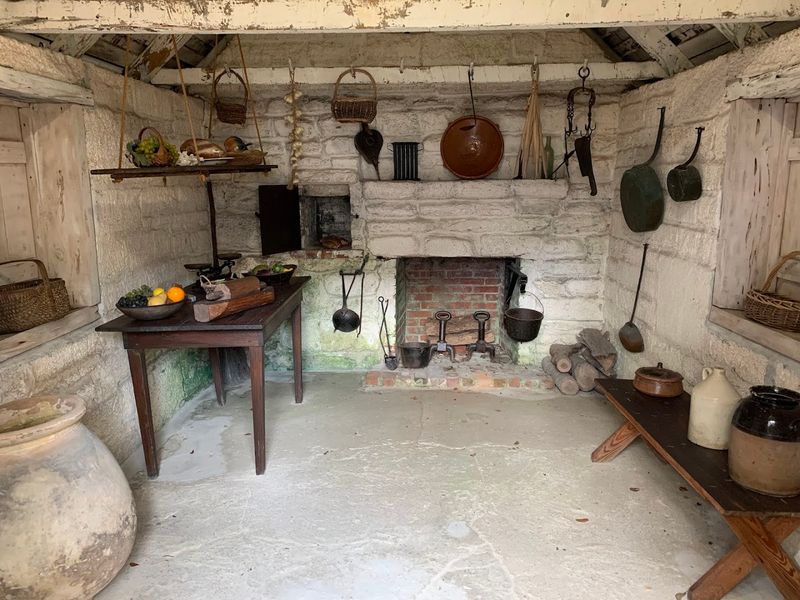
The González-Alvarez House, widely known as the Oldest House Museum, gives you a rare chance to stand inside one of Florida’s earliest surviving domestic spaces. Located in St. Augustine, it reflects centuries of Spanish, British, and American influence layered into a single property.
That long timeline makes the preserved interiors especially compelling.
The rooms are not lavish, but they are rich in context, with furnishings and architectural details that help explain colonial life in practical terms. Thick walls, restrained rooms, and period objects reveal how residents adapted to climate, empire, and changing political power.
You can almost feel the house absorbing history rather than merely displaying it.
What makes this stop memorable is the continuity. So many places talk about the colonial era, but here you move through an actual structure that has witnessed it across generations.
If you want a museum house that anchors Florida’s oldest stories in real space, this one belongs high on your list.
Ximenez-Fatio House Museum
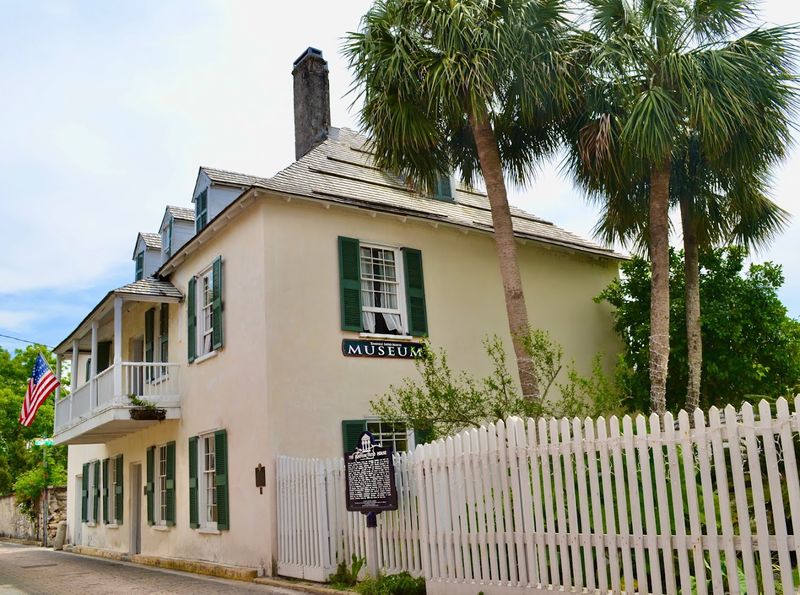
The Ximenez-Fatio House stands out because it tells domestic history through the lens of travel, business, and women’s management. Built in 1798 and later operated as a boarding house, it preserves the kinds of rooms where visitors once slept, socialized, and negotiated the rhythms of St. Augustine life.
That purpose gives the house a distinct energy.
Its restored interiors and period furnishings help you imagine the experience of staying there in the nineteenth century. Instead of one private family’s story alone, you get a broader picture of transient guests, household labor, and the women who made the enterprise work.
The museum does an excellent job connecting objects to those layered human stories.
Because boarding houses sat at the crossroads of public and private life, the rooms feel especially revealing. You see how hospitality, economics, and social expectations met under one roof.
It is a smart, engaging stop if you want something more nuanced than a simple house tour, and its atmosphere remains wonderfully intact today.
Historic Rossetter House Museum
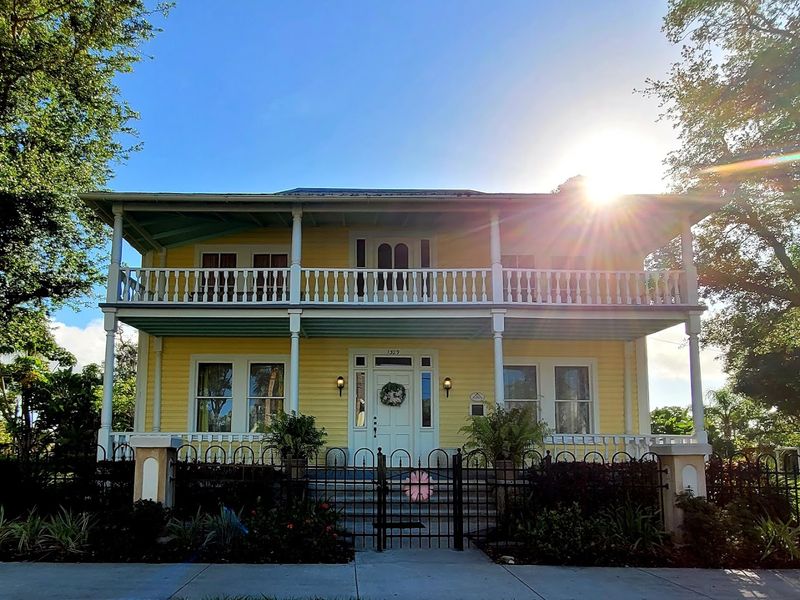
The Historic Rossetter House Museum offers a quieter kind of preservation, and that is exactly its charm. This early twentieth century Melbourne home retains antiques, family artifacts, and domestic spaces that illuminate daily life in a growing Florida community.
Rather than dazzling you with scale, it draws you in through familiarity and detail.
The rooms reflect the Rossetter family’s place in local development, but they also feel recognizably human. Furnishings, decorative pieces, and personal belongings reveal routines, aspirations, and social customs that help you imagine what home life looked like on Florida’s east coast more than a century ago.
That intimacy makes the history easier to connect with.
Because the house is interpreted as a family environment, you notice smaller things: how rooms flowed, how objects were used, and how comfort was created. Those details often tell more than grand architecture ever could.
If you appreciate local history with a strong personal dimension, this museum house is a rewarding and pleasantly grounded stop.
Edison and Ford Winter Estates
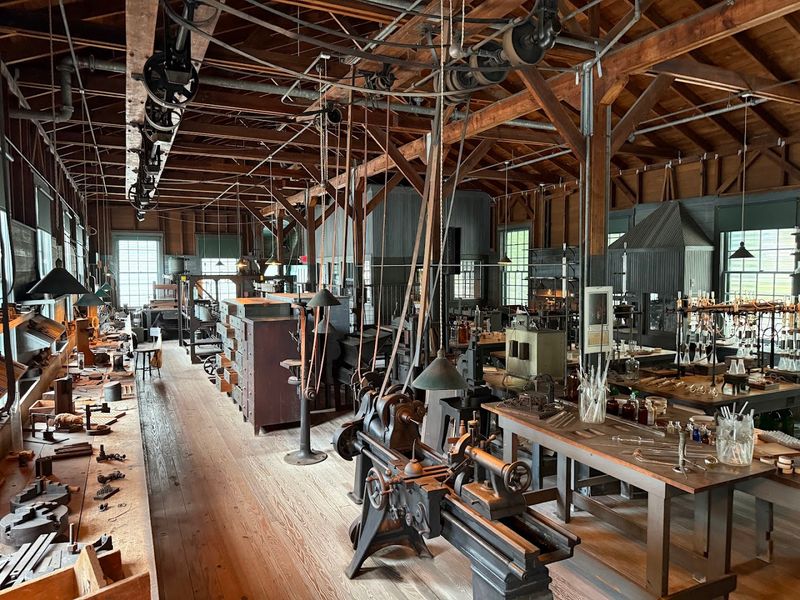
The Edison and Ford Winter Estates combine celebrity appeal with genuinely revealing domestic spaces. In Fort Myers, the winter homes of Thomas Edison and Henry Ford preserve interiors, furnishings, and work environments that show how two famous inventors relaxed, collaborated, and entertained in Florida.
The result feels more personal than many visitors expect.
Edison’s house, laboratory connections, and collections of objects highlight curiosity and constant experimentation, while Ford’s residence adds another layer of industrial era prestige. Original pieces and carefully preserved rooms keep both houses grounded in everyday use rather than turning them into shrines.
You get a better sense of the men as householders, not just icons.
The riverfront setting and surrounding grounds reinforce why these estates mattered as seasonal retreats. They offered comfort, climate, and creative possibility all at once, which you can still feel while moving from room to room.
It is one of Florida’s strongest examples of famous lives made tangible through preserved domestic space.
Gamble Plantation Historic State Park
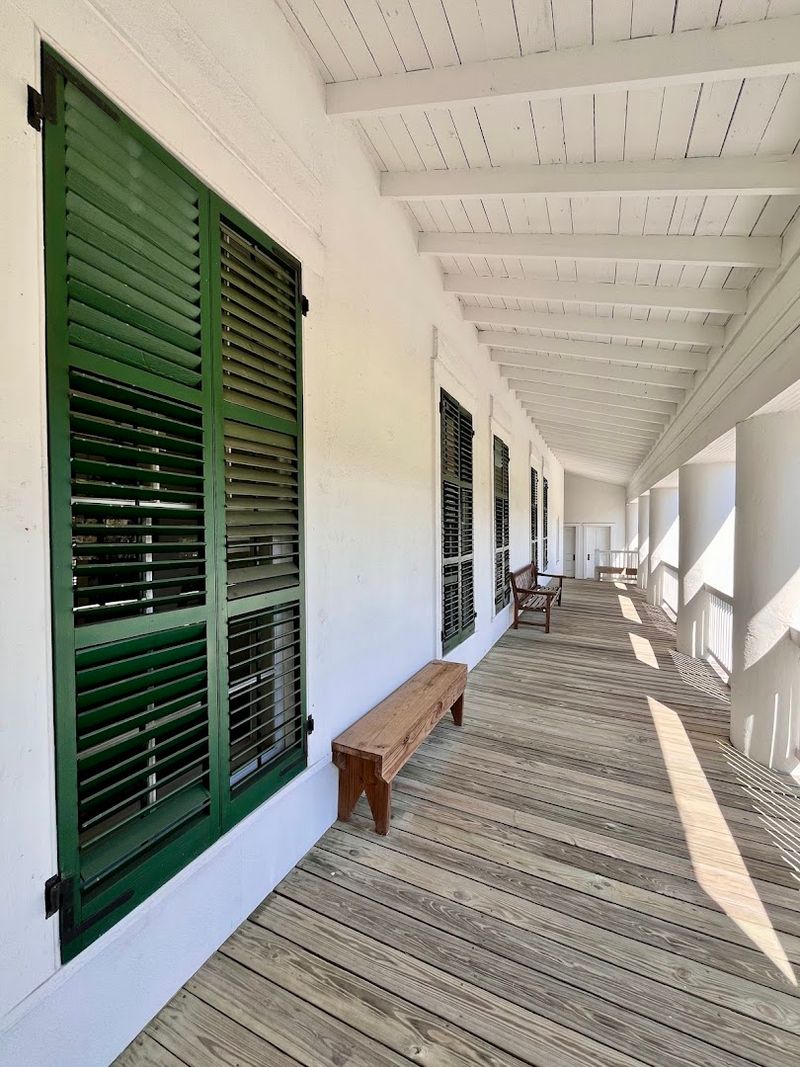
Gamble Plantation stands apart for its dramatic antebellum architecture and the difficult history attached to it. The surviving mansion in Ellenton preserves restored rooms and notable architectural features from a sugar plantation economy built on enslaved labor.
That context shapes every part of the visit, and it should.
Inside, the house gives you a sense of scale, status, and domestic presentation in mid nineteenth century Florida. Furnished spaces help illustrate how the owners wanted to live and be seen, while interpretation opens necessary conversations about the labor system that sustained that world.
Without that fuller framing, the building would say far less.
The mansion’s survival also makes it historically significant as a rare remaining example of its kind in the state. You are seeing not just a house, but a physical trace of a broader economic and social order.
It is worth visiting if you want architecture, preservation, and historical complexity presented in one place with real seriousness.
The Grove Museum
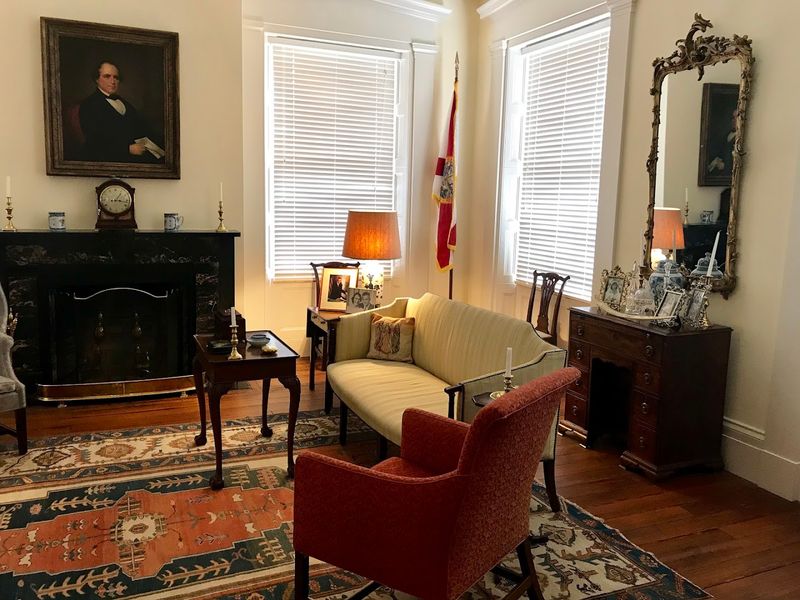
The Grove Museum in Tallahassee offers a thoughtful look at politics, family life, and social change through the preserved Call-Collins House. Dating to the nineteenth century, the home contains historical collections and interiors that connect visitors to several generations shaped by Florida and national history.
It feels substantial without losing intimacy.
The furnishings and original context matter because they keep the interpretation anchored in lived experience. Rather than presenting history as a string of disconnected dates, the house lets you see how ideas about power, domesticity, race, and public life played out in actual rooms.
That approach gives the site unusual depth.
The setting also adds a sense of continuity, with the estate retaining enough landscape to suggest how the house once related to its surroundings. You can imagine both private family routines and larger political conversations unfolding here.
If you want a museum home that balances preservation with smart storytelling, The Grove is one of Florida’s strongest and most rewarding examples.