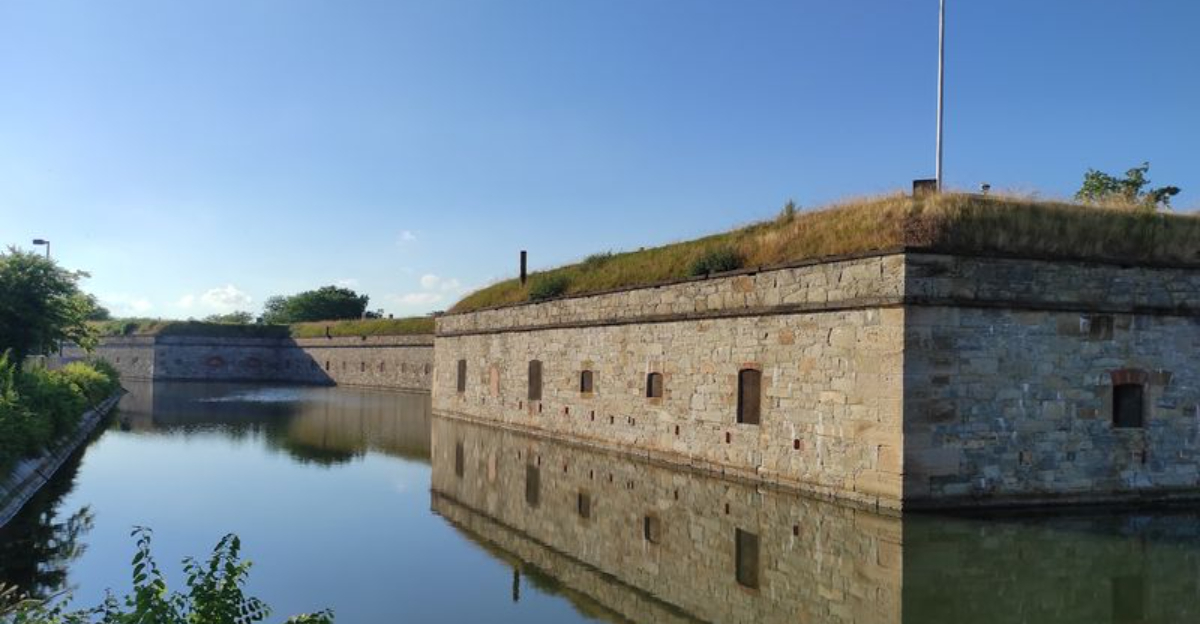
Virginia has a way of making history feel wonderfully close, especially when that history comes with a spectacular view.
Across the state, old forts sit beside rivers, harbors, wooded trails, and rolling landscapes, offering far more than a glimpse into Virginia’s military past. Exploring these sites is even more memorable when the experience includes a breezy overlook, a peaceful waterfront, or a scenic trail winding through preserved earthworks.
From massive coastal defenses to quieter Civil War fortifications tucked into green spaces, each place tells a different story while giving visitors a reason to slow down and look around.
Some are grand and imposing, while others are modest sites where nature has reclaimed much of the landscape.
Together, they show just how dramatically Virginia’s scenery can frame its history.
If you enjoy combining fascinating stories with beautiful surroundings, these 10 historic Virginia forts are well worth adding to your next road trip.
1. Fort Norfolk – Norfolk
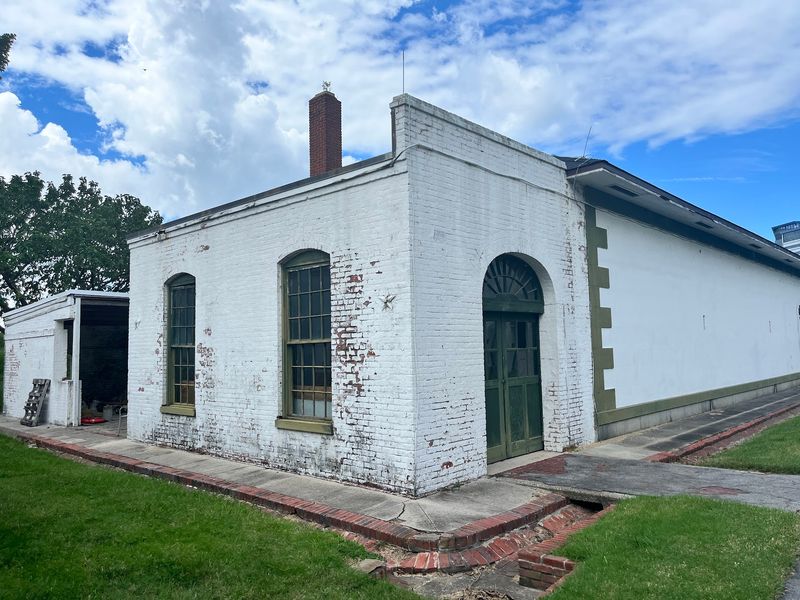
Tucked beside busy city streets, Fort Norfolk surprises people by hiding a quiet green space near the Elizabeth River in Norfolk.
Built in 1794, it is one of the last remaining forts from the system ordered after the American Revolution.
That age gives every brick and walkway extra character.
From the grounds, you can catch river views, passing boats, and glimpses of the naval setting that shaped the region.
The fort feels smaller than some others on this list, but its compact layout makes it easy to explore without getting tired.
A visit works well with nearby museums or waterfront stops, so it is great for travelers planning a full day in Norfolk.
Read the signs carefully, because they explain how the fort protected the harbor and why its location mattered so much.
Best of all, the scene changes from military history to simple river beauty in a few steps.
Morning light is lovely here, and fewer crowds can make the old walls, shaded paths, and water outlook feel like a secret corner of the city waiting just for you on a calm weekend afternoon with soft breezes nearby today.
2. Fort Boykin Historic Park – Smithfield
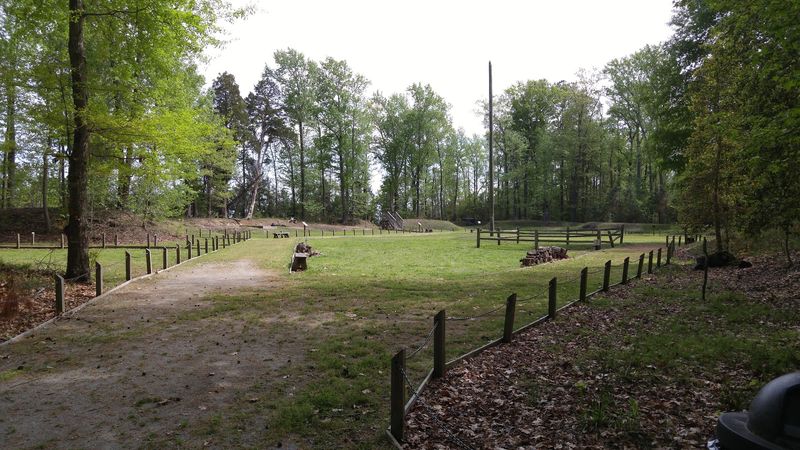
Pine trees, open lawns, and a peaceful river setting give Fort Boykin Historic Park in Smithfield a slower rhythm than many better known sites.
The fort helped guard the James River during the Civil War.
Today, the wide sky and quiet grounds are a big part of the reward.
Some visitors come for the earthworks and history panels, but others fall for the view across the water and marsh.
Birds often add movement to the scene, which makes it a smart stop for people who like both history and nature in one place.
Walking paths help you take in the grounds without much trouble, and the museum gives useful background before you head outside.
Pack bug spray in warm months, bring a camera with a zoom lens, and take your time near the water for the best views.
What stands out here is the feeling of space.
Instead of towering walls, you get a broad landscape that helps you imagine soldiers scanning the river for danger.
Fort Boykin is a fine pick for travelers who want a meaningful historic stop without crowds, noise, or a long, tiring walk there today.
3. Fort Huger – Smithfield
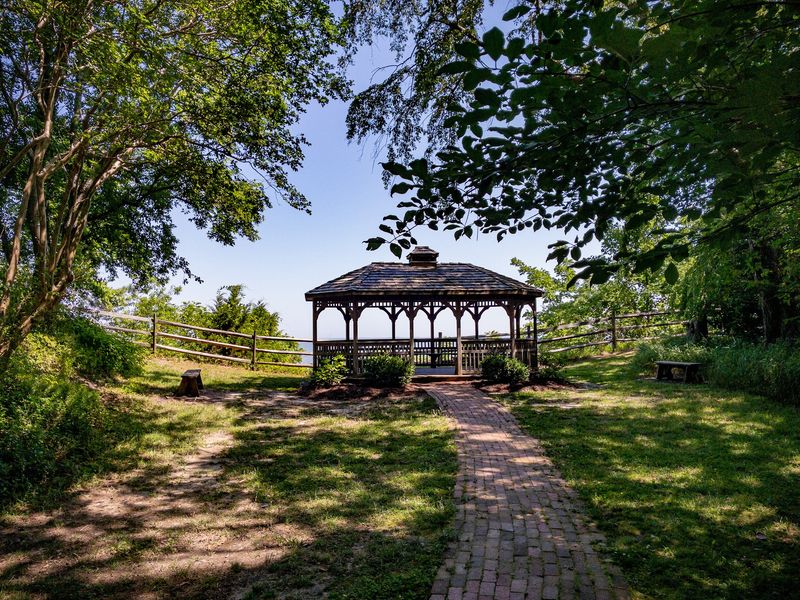
A bluff above the James River gives Fort Huger in Smithfield one of the most dramatic settings on this list.
Confederate soldiers built it in 1862 to help block Union ships.
Standing there now, you can see why high ground mattered so much during river warfare.
The overlook is the star attraction.
Water, trees, and long sightlines spread out in front of you, making the fort feel less like a museum piece and more like a real lookout post.
It is easy to picture watchful eyes following movement on the river below.
Short trails and exhibits keep the visit simple, which is helpful if you are traveling with kids or older relatives.
Wear sturdy shoes after rain, because the ground can be uneven, and pause at the signs to understand the fort’s clever river position.
Unlike busier attractions, Fort Huger has a calm, almost hidden feel that lets the landscape do the talking.
Late afternoon brings soft light through the trees and brighter color on the water.
For anyone who likes Civil War history mixed with a striking river panorama, this stop delivers both with quiet space to reflect afterward.
4. Fort Monroe National Monument – Hampton
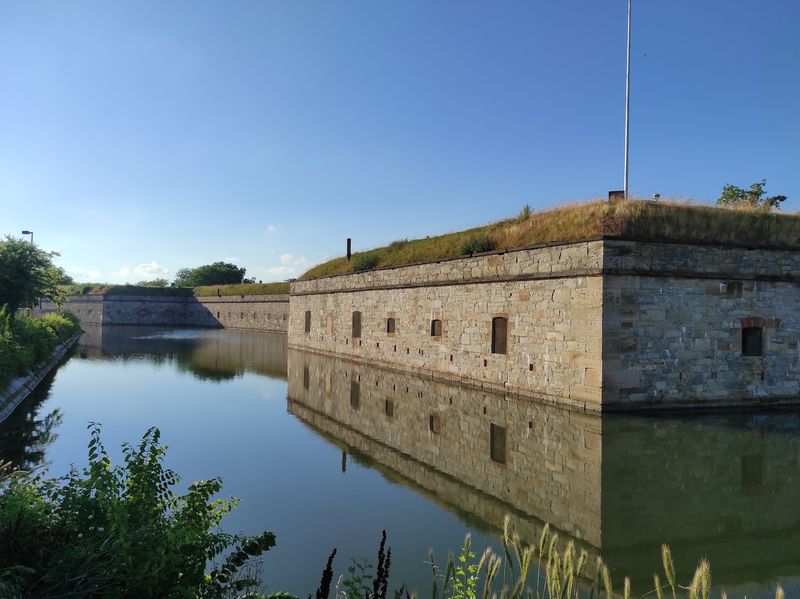
Salt air and huge stone walls make Fort Monroe feel like a place built to guard the edge of the world.
Sitting in Hampton at Old Point Comfort, it has watched the Chesapeake Bay for more than two centuries.
The water views alone can stop you mid-step.
Walk the ramparts early, and you will see boats moving through the harbor while seabirds swing overhead.
History feels close here because the fort played parts in the Civil War, coastal defense, and the story of self-emancipated people who reached freedom there.
Families can tour the museum, visit the Casemate Museum, and stroll the seawall without rushing.
Bring water, wear good shoes, and plan extra time for photos, since every turn seems to frame the bay, the moat, or the long brick lines in a striking way.
Sunset is the grand finale.
Warm light slides across the old fort and turns the water gold, making the whole site feel calm and enormous.
If you want one Virginia fort that mixes major history with big, open scenery, Fort Monroe easily earns the drive and the extra hour of exploring for many first time visitors.
5. Fort Ward Museum & Historic Site – Alexandria
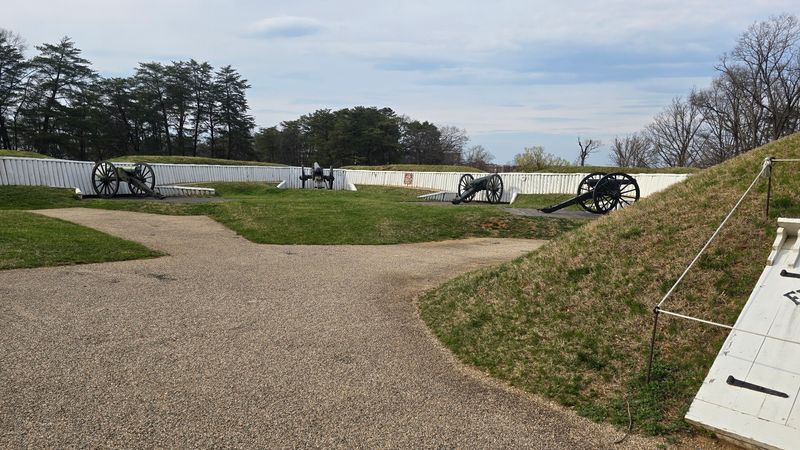
Red earth walls and a deep moat make Fort Ward Museum and Historic Site in Alexandria feel instantly different from a stone fort.
It was built to defend Washington during the Civil War.
The shape of the land still tells the story even before you read a single sign.
The museum adds uniforms, tools, and maps that help young visitors understand what daily life was like for soldiers.
Outside, the fort grounds open up into broad views across the preserved earthworks.
That mix of indoor learning and outdoor space makes the trip feel balanced.
Nearby trails and picnic areas make it easy to stay longer, especially on a mild day.
If you visit in summer, check for living history events, because demonstrations can make the place feel lively and memorable.
Comfortable shoes help, since the paths invite plenty of extra wandering.
A city location is one special strength here.
You are close to Alexandria neighborhoods, yet the fort creates a pocket of quiet where history feels close and modern traffic fades away.
Travelers wanting a Civil War stop with easy parking, solid exhibits, and strong views will likely leave satisfied.
6. Fort Marcy Park – McLean
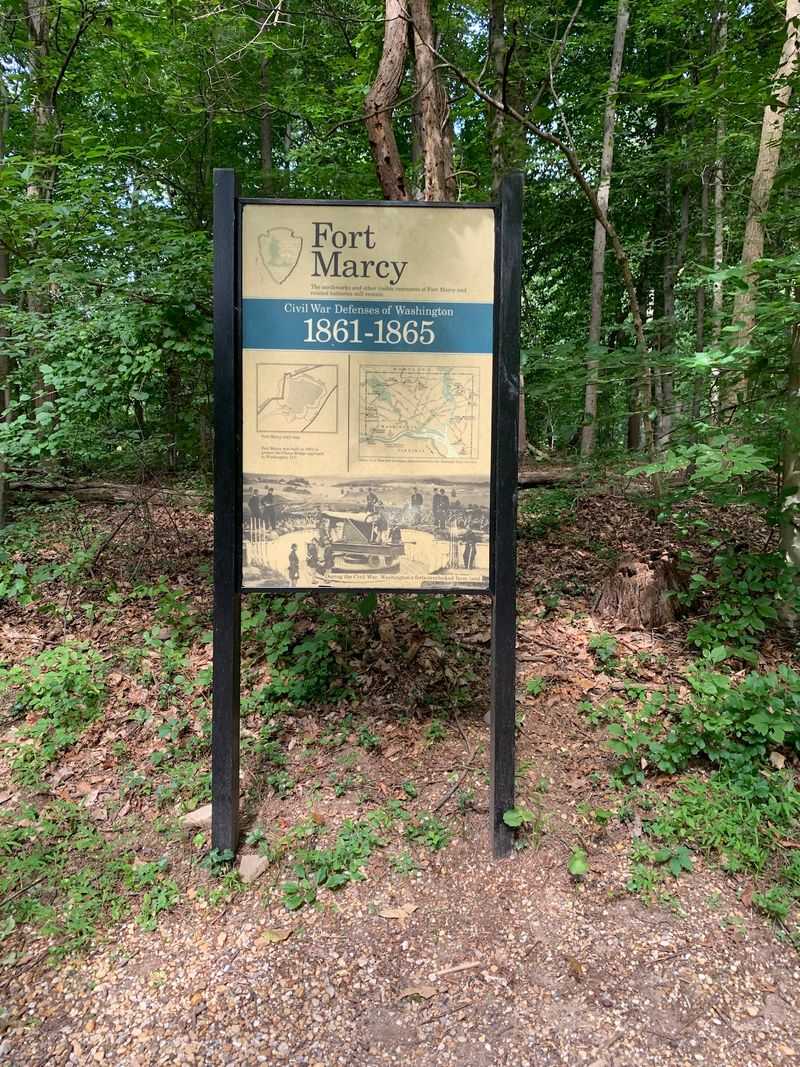
Hidden above the Potomac near McLean, Fort Marcy Park feels like a quick escape from busy roads and city noise.
The Civil War fort once helped protect Washington.
Now its wooded setting and elevated position create a surprisingly peaceful place to walk, think, and catch broad seasonal views.
Do not expect giant walls or a long museum visit here.
The fun comes from the earthworks, the forested trails, and the sense that a historic defense site is quietly tucked into everyday Northern Virginia.
Fall colors can make the visit especially pretty.
Because the park is simple, it works best for travelers who enjoy combining stops in one day.
Pair it with nearby scenic drives or river overlooks, and bring water if the weather is warm.
Good walking shoes matter, since some paths slope and twist through the trees.
What makes Fort Marcy memorable is the contrast.
One moment you are near the capital region, and the next you are standing inside quiet earthworks with leaves rustling overhead.
For a low-key visit with history, shade, and a rewarding sense of discovery, this park earns a place on your route for sure.
7. Fort Hunt Park – Alexandria
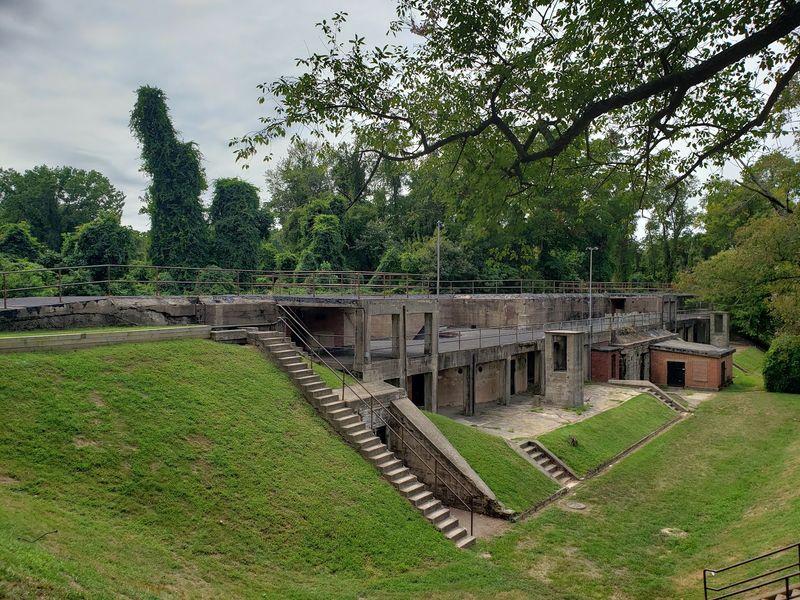
Kids riding bikes and people walking dogs may not realize Fort Hunt Park in Alexandria once served as a key defense site.
That surprise is part of its charm.
The old fort area now blends history, river scenery, and open park space in a way that feels easy and welcoming.
Set near the George Washington Memorial Parkway, the park offers leafy views and glimpses of the Potomac that can be especially nice in cooler months.
It is less about towering fort remains and more about the feeling of standing on land shaped by military planning and later public life.
Bring a picnic or a ball, because the grounds invite a longer stay than you may expect.
History lovers should read about the site’s World War II use and later secret intelligence work, which gives Fort Hunt an extra layer of interest beyond the Civil War era.
Early evening is a smart time to visit.
Softer light, longer shadows, and river air make the park feel relaxed.
If your ideal fort stop mixes local history with everyday outdoor fun, Fort Hunt delivers an appealing, unpretentious break from busier tourist spots nearby.
8. Fort C.F. Smith Park – Arlington
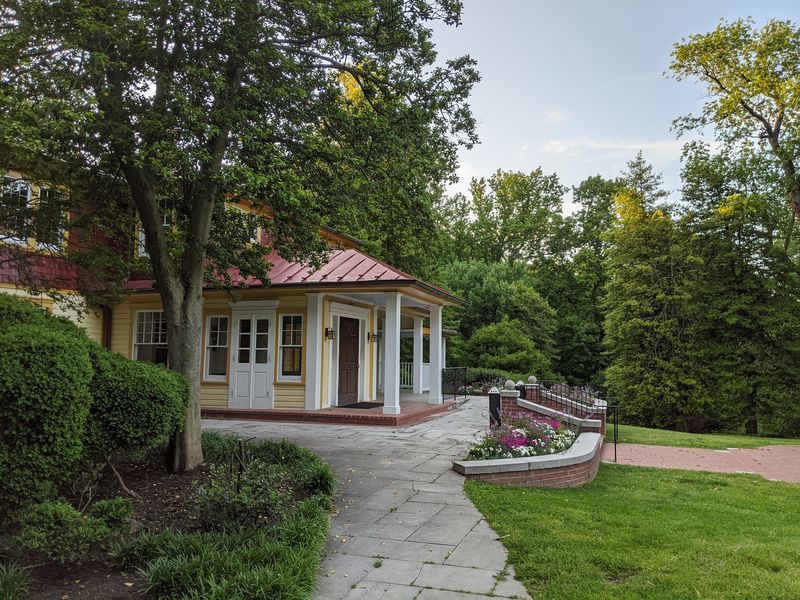
At first glance, Fort C.F.
Smith Park in Arlington feels more like a neighborhood green space than a Civil War site.
Then you notice the earthworks and the commanding perch above the Potomac valley.
The view explains exactly why soldiers once needed this ground.
The park has gardens, trails, and open areas, so it appeals to both history fans and casual walkers.
Families can move at an easy pace here, and signs help explain how the fort fit into the chain of Washington defenses without making the visit feel heavy or complicated.
One nice bonus is the mix of natural beauty and city access.
You can stop by without planning a whole day, yet the overlook and preserved fort lines still give the visit real substance.
Spring and fall are especially pleasant, with clear air and comfortable temperatures.
Try walking slowly around the edges of the old works before leaving.
Angles change, trees open, and small glimpses outward start to feel more dramatic.
For travelers exploring Arlington who want history with a side of fresh air and a strong vantage point, this park is a smart stop for many visitors.
9. Fort Clifton Park – Colonial Heights
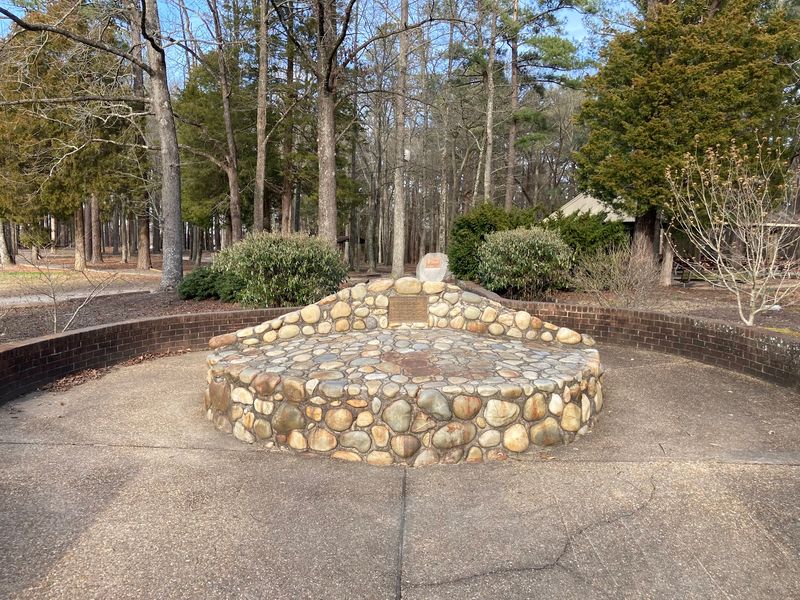
High bluffs and river bends give Fort Clifton Park in Colonial Heights a bold, wide-open look.
During the Civil War, Confederate forces used the site to help defend Petersburg.
The elevated ground still creates the kind of view that makes you stop talking for a second and just look.
The fort earthworks are not flashy, but the landscape does a lot of the storytelling.
From the overlook, you can understand why controlling the Appomattox River mattered so much.
Wind, trees, and distance give the place a serious mood that fits its history.
Trails through the park make room for a longer visit, so bring water and allow time to explore beyond the first viewpoint.
Morning can be especially nice if you want cooler air and quieter paths.
Read the markers, because they connect the scenery to the battles around Petersburg.
Fort Clifton works best for travelers who appreciate a strong sense of place rather than polished exhibits.
The site feels rugged, honest, and spacious.
If you enjoy scenery that helps history click into focus, this bluff-top fort has the kind of view that lingers in memory long after you leave.
10. Fort Stevens Park – North Chesterfield
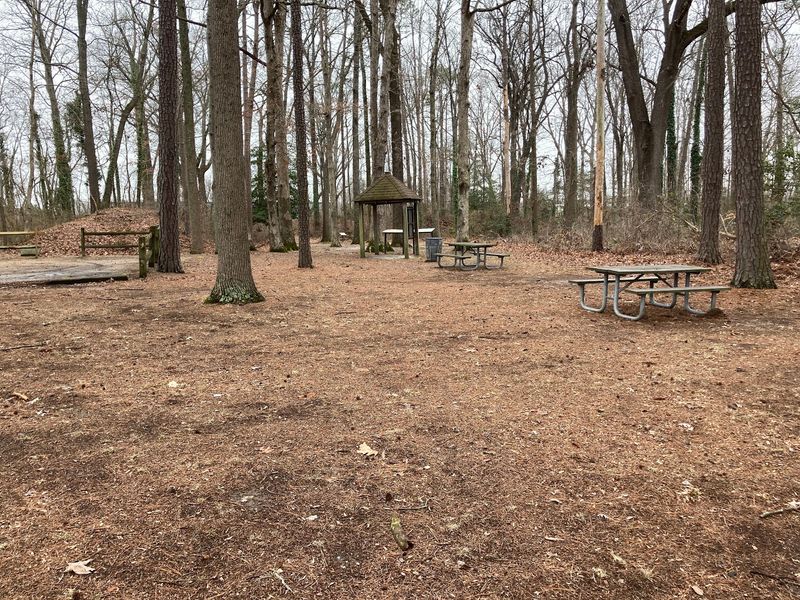
A quiet patch of woods can hold a lot of history, and Fort Stevens Park in North Chesterfield proves it.
The Civil War site was part of the defenses around Richmond.
Today, the remaining earthworks and natural setting create a thoughtful place where the past feels close without needing flashy displays.
Visitors who like quieter stops often enjoy this park because it feels local and unhurried.
Trees frame the old lines of defense, and the simple paths make it easy to imagine soldiers moving through the area.
The view is more subtle here, but that softer beauty has its own appeal.
Come with patient eyes.
Small rises in the land, quiet corners, and changing light reveal more than you might expect at first glance.
Good walking shoes are helpful, especially after wet weather, and a short visit can easily turn into a longer wandering loop.
What makes Fort Stevens memorable is its calm mood.
Instead of big crowds or dramatic structures, you get a reflective landscape that rewards slow walking and careful looking.
For travelers exploring Richmond area, it offers a stop with scenery that makes the trip feel worthwhile.