If you want a low-stress family outing in Pinellas County, Heritage Village is one of those rare places that feels both easy and genuinely memorable. You can wander shady paths, step inside historic homes, and give kids a close-up look at how everyday Florida life once worked without paying an admission fee.
What surprised me most is how manageable it feels, even if you only have a couple of hours. This is the kind of stop that quietly turns into the highlight of the day.
Heritage Village
If you are looking for a family outing that feels educational without becoming a chore, Heritage Village is an easy win. This free outdoor living history museum preserves more than 30 historic structures across 21 shady acres in Pinellas County, giving you room to wander without feeling rushed.
I like that it never feels overly formal, so you can explore at your own pace and still come away feeling like you learned something real.
The village opened as a bicentennial project and now sits within the larger Pinewood Cultural Park area, near the Florida Botanical Gardens. You will find historic homes, civic buildings, exhibits, and occasional live interpretation that together recreate everyday life from the 1850s into the mid 1900s.
For most families, a visit of one to three hours feels realistic, especially if you pause for photos, read the signs, and let kids peek into each building instead of racing through.
McMullen-Coachman Log House
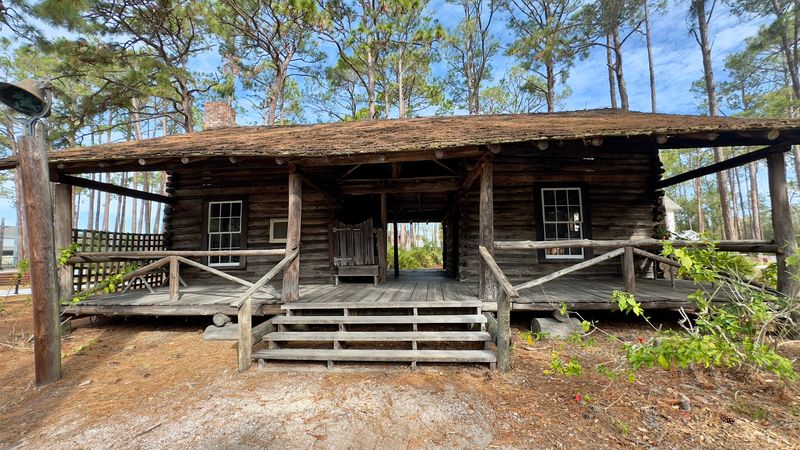
The McMullen-Coachman Log House is the kind of building that instantly makes local history feel tangible. Built around 1852, it is widely recognized as the oldest surviving structure in Pinellas County, and standing near it gives you a clear sense of how tough and practical pioneer life had to be.
The hand-hewn logs, rough textures, and compact rooms tell that story faster than any textbook could.
What I find most interesting is how the house was designed to work with Florida rather than fight it. Its dogtrot-style breezeway and gaps between the logs helped air move through the home, which mattered long before electric fans or air conditioning existed.
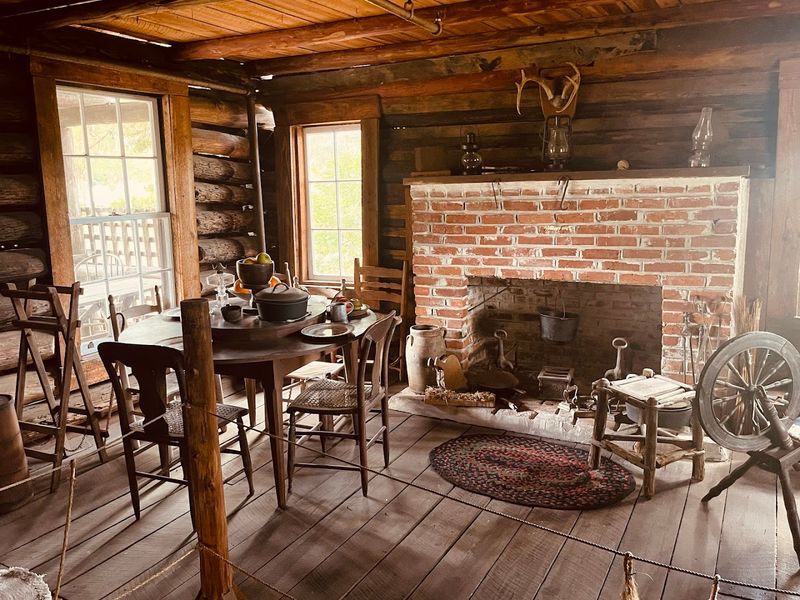
Inside, you can imagine a family balancing farming, livestock, cooking, childrearing, and community responsibilities, all within a small footprint that had to serve nearly every need, including early schooling and midwifery for neighbors.
Walsingham House
The Walsingham House gives you a different version of old Florida than the rougher pioneer cabins nearby. Built in 1915, it reflects a more settled stage of county life, when homes could be practical and sturdy while still showing a few touches of style and growing prosperity.
I like how it quietly reveals that not every historic Florida house looked fragile or temporary.
The architecture is part of the appeal here, especially the rusticated concrete block lower level paired with a wood-framed upper story. Details like high ceilings, porches, and window placement hint at how families adapted to heat, humidity, and daily chores before modern climate control took over.
The Walsingham family was active in agriculture, business, and civic life, so the home also suggests a household connected to the wider growth of Largo and Pinellas County, not just private domestic life behind closed doors.
Depot Building and Train Memorabilia
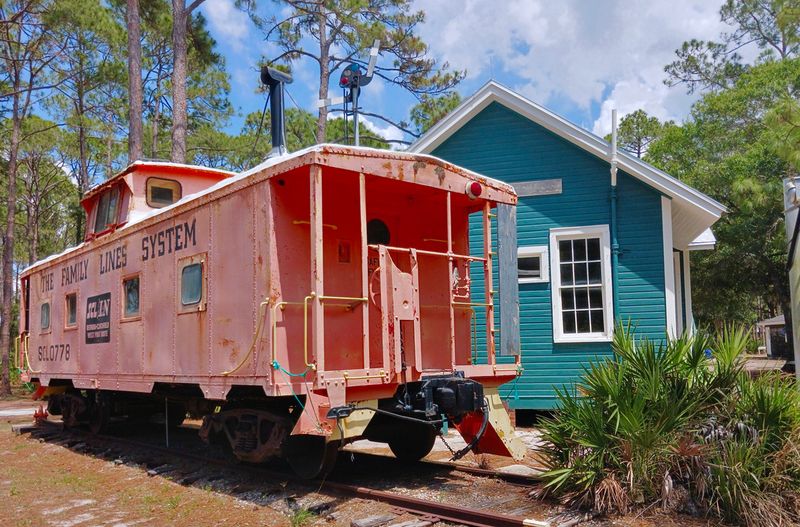
The depot building is one of those exhibits that helps everything else in the village make more sense. Once rail lines reached this part of Florida, communities could grow faster, ship goods farther, and connect more easily with the rest of the state.
When you step into the depot, you are really stepping into the story of how isolation started to fade in Pinellas County.
I enjoy this building because it turns transportation history into something visual and immediate. Old photographs, railroad artifacts, and station details help you picture the era when trains carried produce, visitors, mail, and opportunity through the region.
Even if you are not normally drawn to railroad exhibits, this stop is worth your time because it explains why towns expanded, why commerce accelerated, and why many of the homes and businesses preserved at Heritage Village could exist at all in the form you see today.
H.C. Smith Store
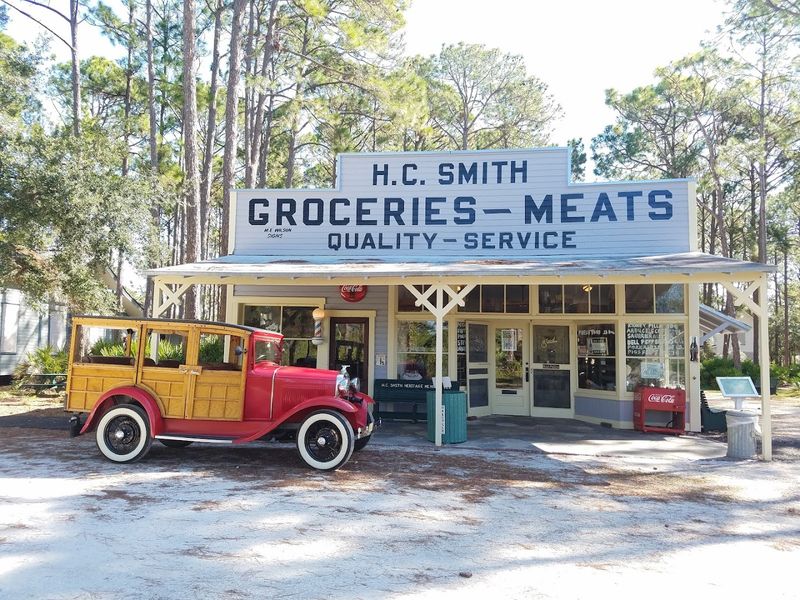
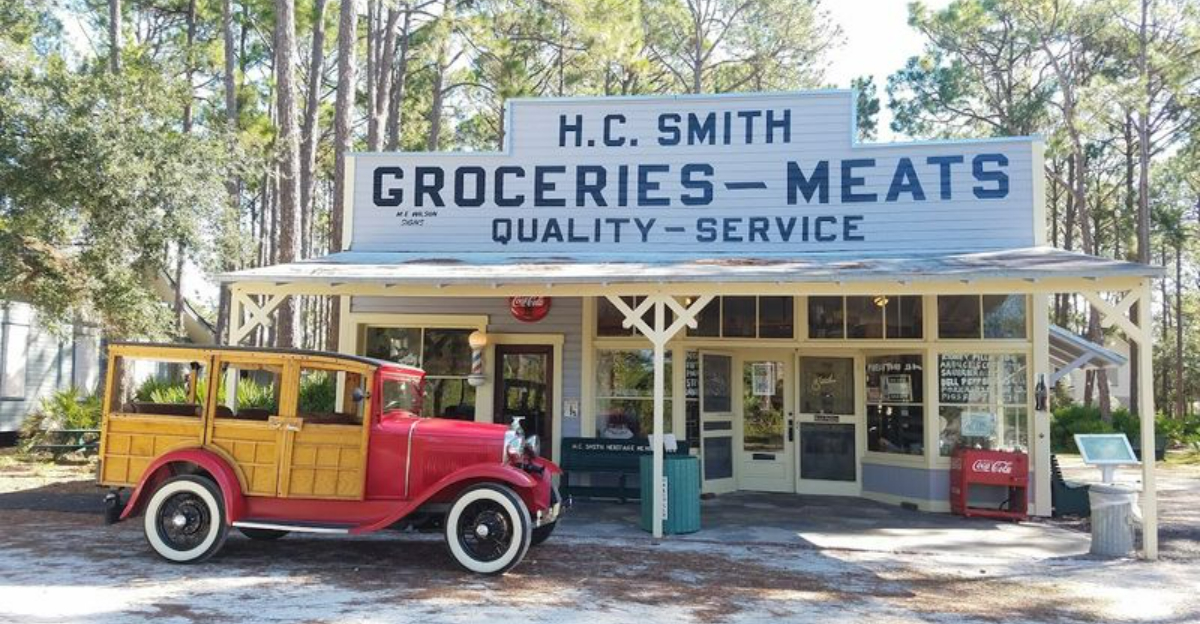
The H.C. Smith Store is one of the most fun places to linger because it feels instantly familiar, even if you never lived anything like this.
Shelves stocked with period goods, counters, packaging, and old-fashioned displays make it easy to imagine neighbors stopping in for staples, conversation, and the latest local gossip. I think kids especially enjoy this building because shopping history is concrete and easy to picture.
What stands out is how a general store served as far more than a place to buy flour or soap. In small Florida communities, stores like this acted as social centers where people exchanged news, compared prices, handled errands, and kept up with community life.
The layout at Heritage Village helps you see that balance between commerce and connection, showing how everyday routines once depended on one multipurpose place rather than a strip mall, big-box run, or scrolling delivery app.
Pinellas County One-Room Schoolhouse
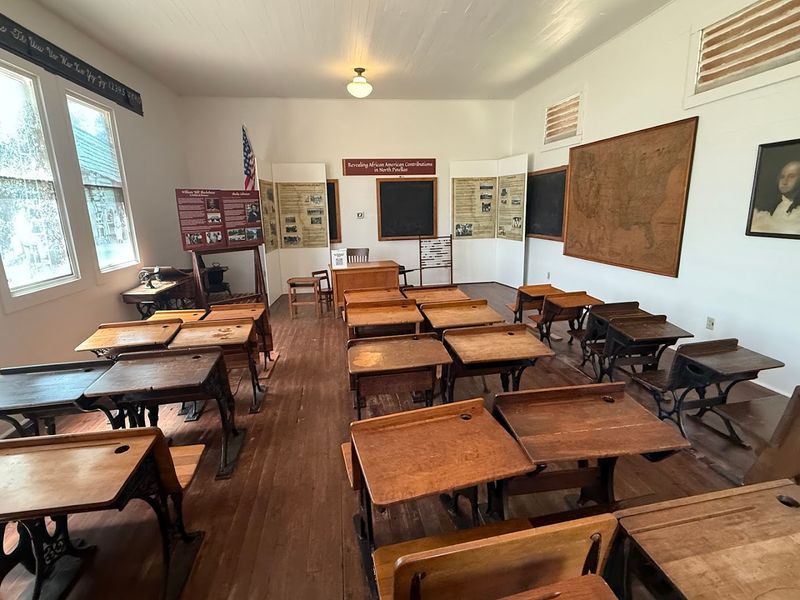
The one-room schoolhouse is one of the easiest places at Heritage Village to compare past and present. When you look at the desks, chalkboard, and teacher’s platform, it becomes obvious how different daily learning once felt from the technology-filled classrooms most kids know now.
I always find myself imagining the noise level, the discipline, and the challenge of teaching multiple ages in one room.
This exhibit works well for families because children can immediately picture themselves in the space. School rules were often stricter, resources were limited, and memorization mattered more, yet the room also reflects a strong community investment in basic education.
Instead of separate grade wings, cafeterias, media centers, and air-conditioned hallways, students had a much simpler environment that demanded attention and patience. That contrast makes this stop surprisingly effective, especially if you want kids to notice how convenience has changed and how much effort earlier students and teachers had to give.
House of Seven Gables
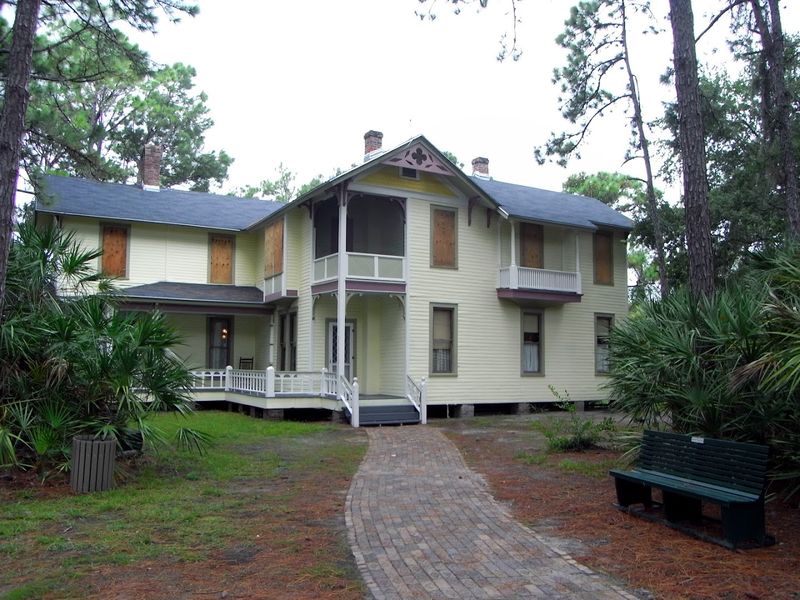
If you have kids who like peeking into unusual rooms, the House of Seven Gables is one of the most memorable stops here. Its steep rooflines, narrow staircase, and period furnishings make it feel storybook without turning spooky.
I like that it adds architectural drama to the village while still teaching you something real about Florida’s past.
Inside, you can slow down and notice the details that make old homes feel personal, from woodwork to everyday objects. It is not flashy, but that is part of the charm for families trying to keep the day relaxed.
Give it time because it often becomes a favorite.
Safety Harbor Church
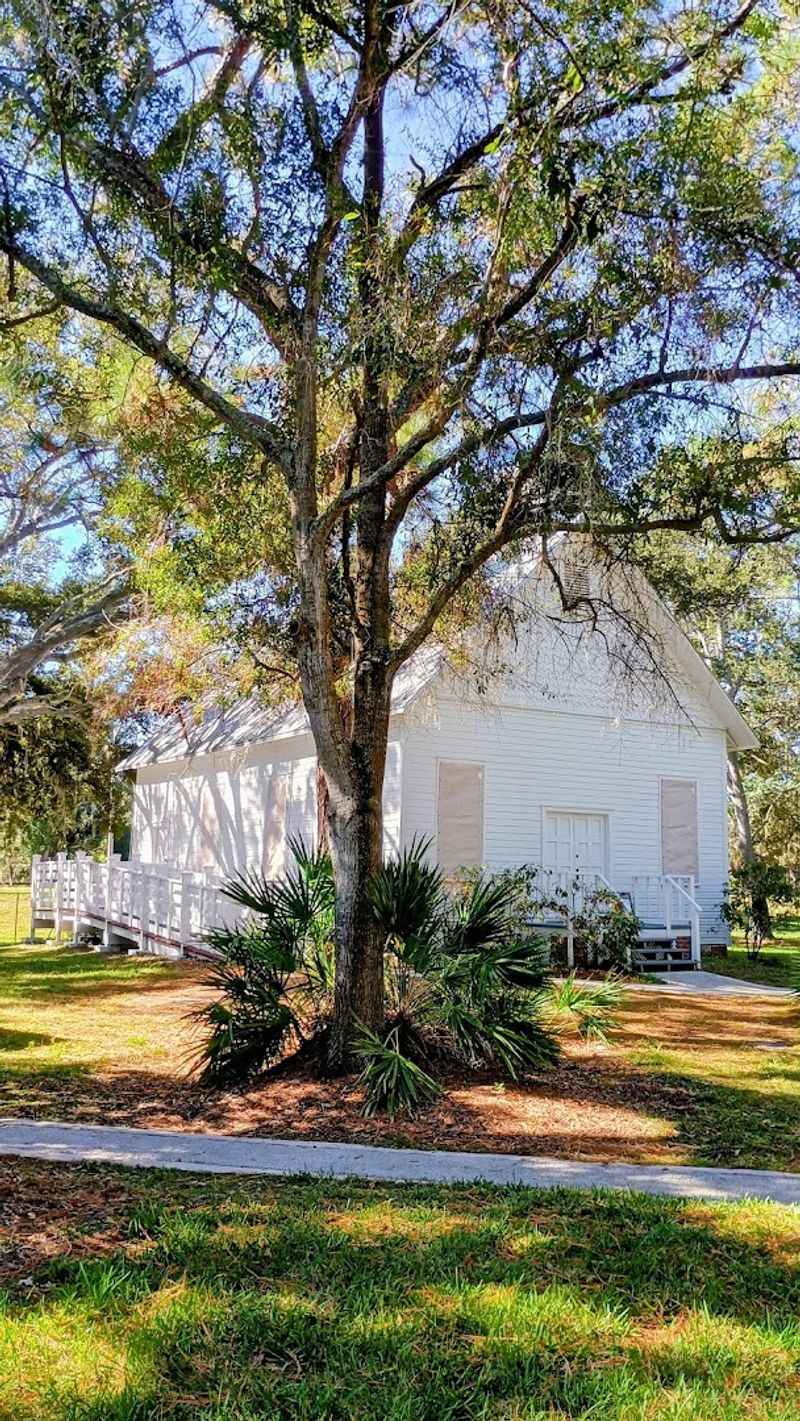
If you like stepping into places that still feel quietly reverent, the Safety Harbor Church is worth slowing down for. This small white frame church adds a different kind of history to the village, showing how faith and community once gathered under one simple roof.
I love how its modest design says so much without trying too hard.
Kids may not linger here as long as they do near trains or stores, but that is part of the appeal. It offers a calm reset between bigger exhibits and helps round out the story of daily life in old Florida.
If you are exploring with family, this stop is brief, peaceful, and surprisingly memorable.
Live Demonstrations and Hands-On Activities
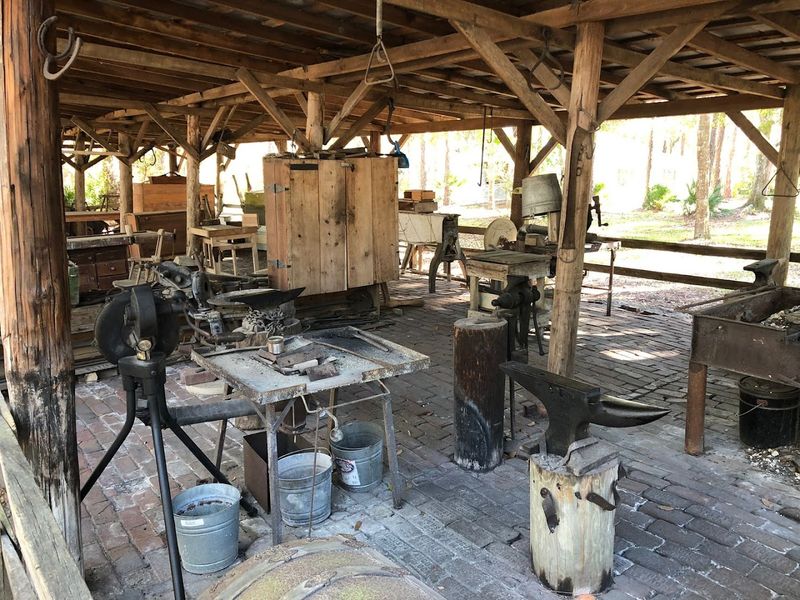
On the right weekend, live demonstrations can turn Heritage Village from a pleasant walk into a memorable family outing. Costumed volunteers sometimes demonstrate blacksmithing, weaving, candle-making, and other hands-on skills that were once basic parts of survival and household life.
I always think these programs are where the site becomes less like a display and more like a time machine.
For children, seeing a craft in motion is often far more powerful than reading a plaque. They can watch tools being used, ask questions, and sometimes join simple activities that make history feel immediate instead of distant.
For adults, the demonstrations add scale to the labor people once handled by hand, without shortcuts or modern appliances. If you are planning a visit, it is smart to check the calendar ahead of time because these special programs can completely shape the experience and make the village feel more animated, social, and unforgettable.
Walking the Grounds: Paths, Shade, and Practical Tips
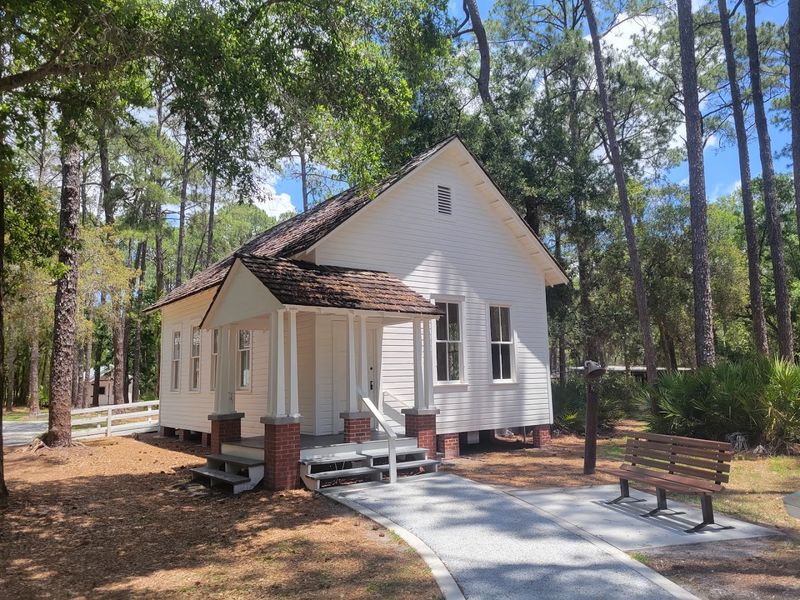
One reason Heritage Village works so well for families is that the grounds are manageable. The pathways are spread out enough to feel scenic, but not so large that the visit turns into an endurance test, especially if you arrive in the morning or during cooler months.
I would still bring water, comfortable shoes, sunscreen, and a little patience for Florida weather, because shade helps but heat can sneak up fast.
The paths run through pine and palmetto landscapes, and many visitors find the setting surprisingly peaceful. Some surfaces can be uneven in spots, so strollers, wheelchairs, and slower walkers may want to move deliberately and take breaks as needed.
Families with young children usually do best by choosing a few highlight buildings instead of trying to do everything in one sweep. If you pace yourself, the village feels calm and inviting rather than overwhelming, which is exactly what makes it such an easy stop.
Visitor Information: Hours, Admission, and Getting There
Planning a visit here is refreshingly simple, which is part of the appeal. Heritage Village is free to enter, parking is free, and the address is 11909 125th Street N., Largo, FL 33774, within the Pinewood Cultural Park area.
It is typically open Wednesday through Saturday from 10 a.m. to 4 p.m. and Sunday from 1 p.m. to 4 p.m., though I would still confirm current hours on the official Pinellas County website before you go.
The museum also has a small gift shop near the entrance and a phone number, 727-582-2123, if you want updated event details. Because it sits near the Florida Botanical Gardens, you can easily pair both spots into one outing and stretch your day without much extra driving.
For lunch, nearby Largo options are an easy short drive away, or you can keep things simple and plan a snack break before or after your walk through the village.