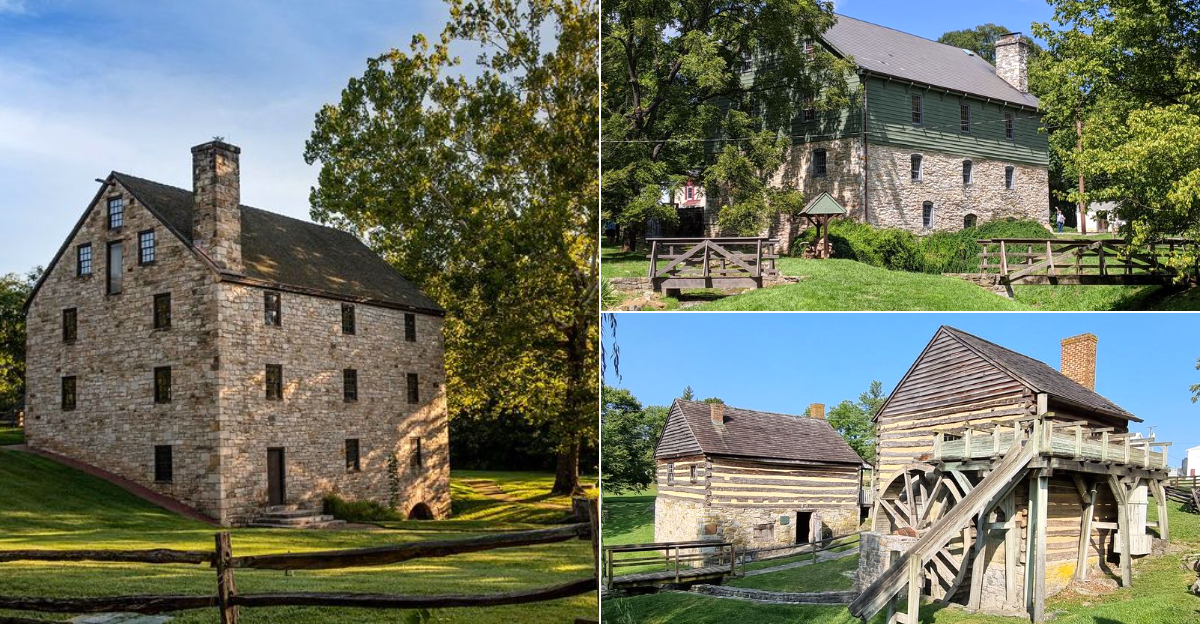
Virginia has more working and preserved historic mills than almost any other state in the country, a quiet testament to how central these structures once were to everyday life across the commonwealth.
From the ridge lines of the Blue Ridge Parkway to the rolling farmland of the Shenandoah Valley, old stone and timber mills still stand at the edges of streams and creek beds, many of them fully restored and open to visitors.
Some date back to the colonial era, with connections to figures like George Washington and Cyrus McCormick that give them an added layer of national significance.
Others are quieter local treasures, maintained by preservation societies and dedicated volunteers who understand what it means to keep this kind of history tangible.
This guide covers ten Virginia mills worth visiting, each one a living piece of a story that shaped the land around it.
1. Mabry Mill, Meadows of Dan, Patrick County
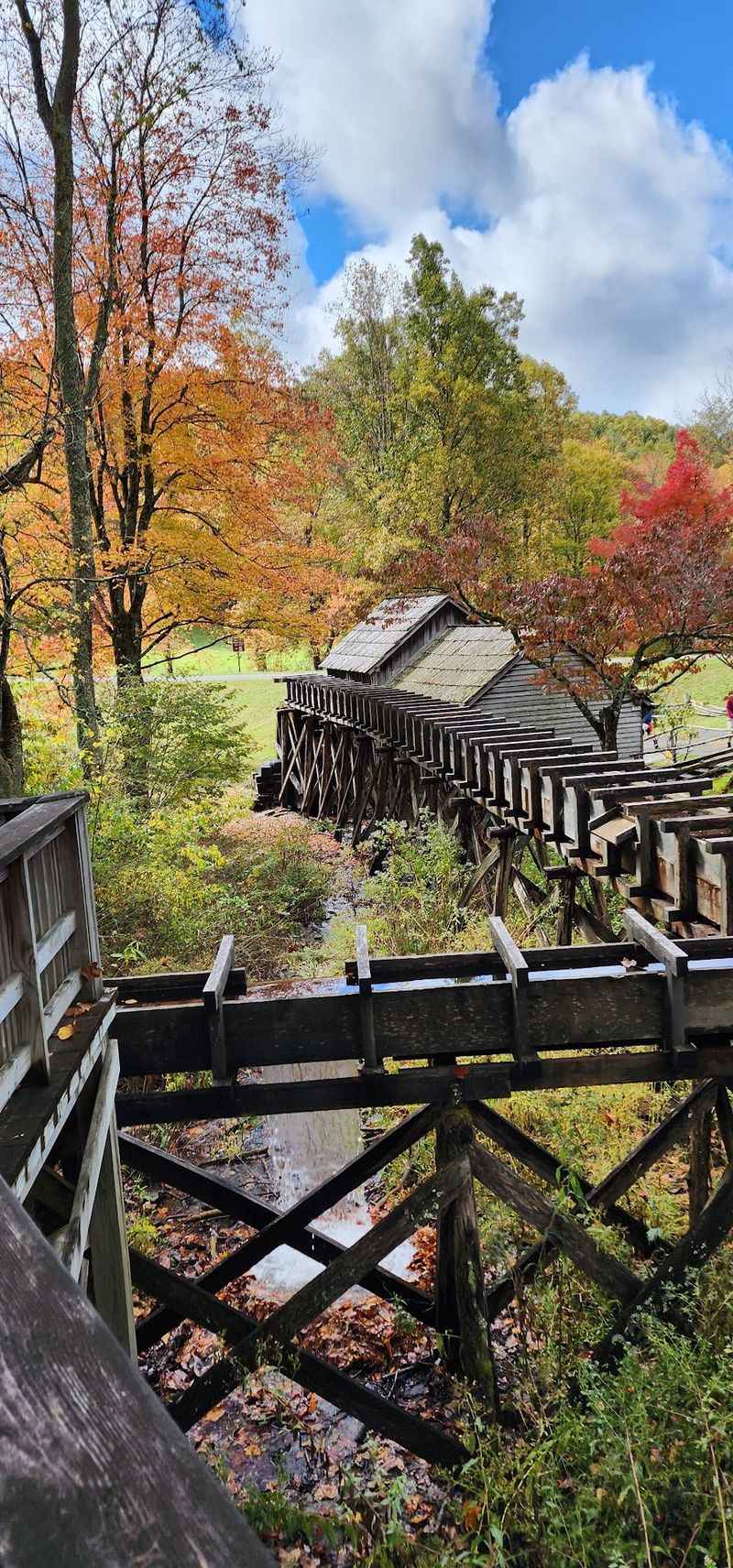
On misty Blue Ridge mornings, turning water and weathered boards make the scene feel like a storybook from long ago.Along the Ridge Parkway, Mabry Mill in Meadows of Dan became known for grinding grain, sawing lumber, and drawing artists.
The site includes a blacksmith shop, a museum, and trails where families can slow down and notice mountain craft traditions.
Mill demonstrations do not run daily, so checking the parkway schedule before driving there can help you catch the machinery.Photographers love the reflected wheel in the pond, especially when summer flowers bloom or orange leaves brighten the hillside nearby.
Because crowds gather on weekends, an early visit often means easier parking, quieter paths, and chances to hear guides clearly.
Kids usually enjoy watching corn become meal, while adults notice how one building supported food, jobs, and neighborhood trade once.
Nearby shops and restaurants make it easy to turn the stop into a day outing with music, snacks, and crafts.
Even people who know little about milling leave understanding how hard work, smart tools, and water power shaped mountain communities.
A visit here feels cheerful and grounded, giving modern travelers a memorable way to meet Virginia history face to face.
2. Aldie Mill, Aldie, Loudoun County
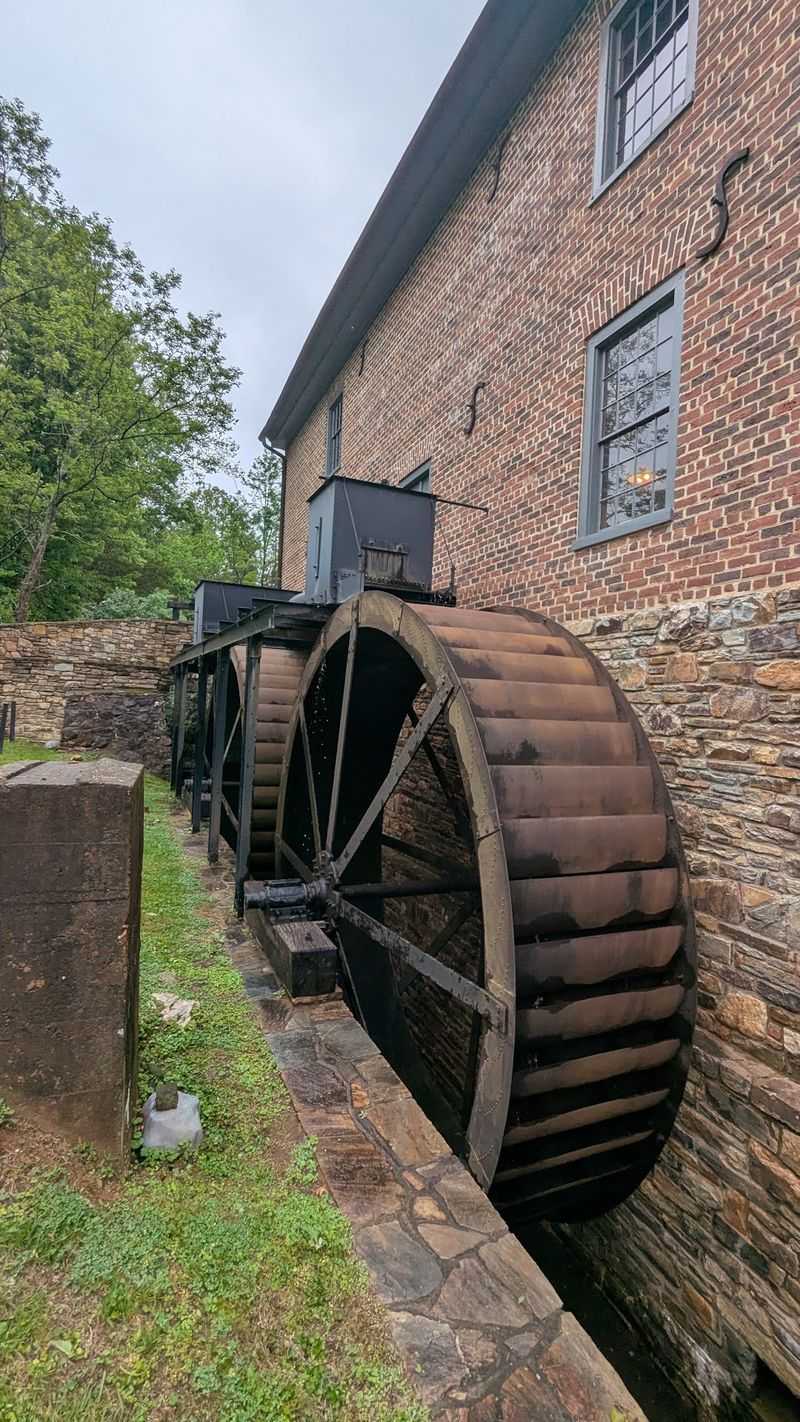
A rushing creek, thick stone walls, and tall gears create the place where industrial history feels close and real today.In Loudoun County, Aldie Mill in Aldie once served busy farmers who brought wheat and corn to be ground there.
Because it sits beside a historic village, visitors can connect the mill to stores, homes, roads, and Civil War movement.
The waterwheel and milling equipment are impressive, but the real lesson comes from seeing how a community depended on production.Special events often bring millers, costumed interpreters, and family activities, so the grounds can feel lively rather than silent outside.
If you like photographs, morning light on the stone building and wheel usually gives the scene extra texture and warmth.
Parking is simple, and pairing your stop with nearby village walks can help younger visitors burn energy between history lessons.
Many guests leave surprised that such a small stream could power heavy work for so many years and people there.
Docents often explain grain grades, millstones, and repairs in plain language, making the machinery easier to understand and remember later.
By the end, Aldie feels less like a museum stop and more like a hardworking neighbor from another century nearby.
3. Burwell-Morgan Mill, Millwood, Clarke County
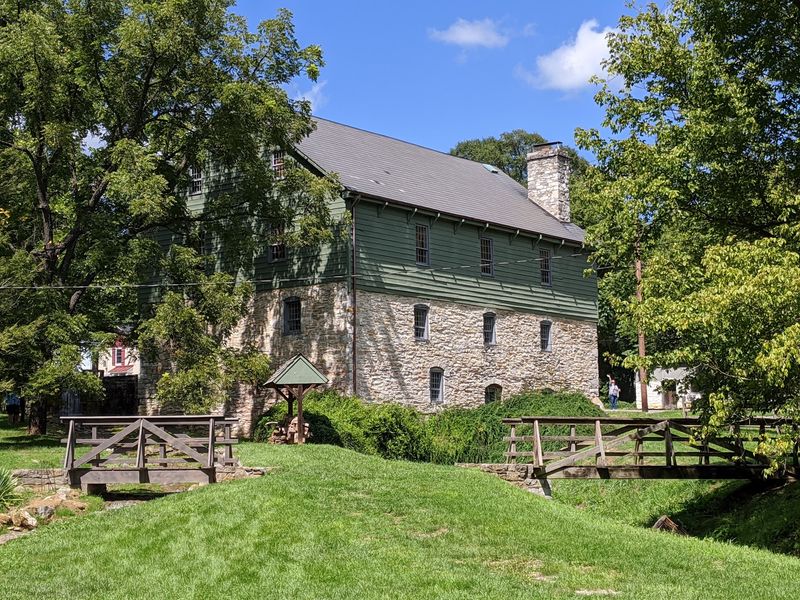
Brick walls, wooden chutes, and the sound of moving water make this Shenandoah Valley landmark feel sturdy, useful, and welcoming.Standing in Millwood, Burwell-Morgan Mill in Clarke County has worked since the 1700s and shows how early industry served towns.
Guided tours often explain the partnership between local farmers, merchants, and millers, helping visitors picture a connected valley economy clearly.
The building itself is beautiful, with heavy beams and large stones that remind you construction once had to last generations.Families who enjoy hands on learning will appreciate grain demonstrations, especially when staff members show how kernels become flour here.
Millwood is easy to combine with other historic stops, making this a smart choice for a full day road trip.
Because the museum tells regional stories, you learn more than mechanics, you also hear about trade, weather, and survival there.
The quiet setting near the road can fool first time guests, but inside, the machinery reveals serious labor and skill.
Take time to browse exhibits after the main tour, since small displays often answer questions children are likely to ask.
Burwell-Morgan leaves a strong impression because it feels both grand and practical, a rare mix that makes history stick longer.
4. Colvin Run Mill, Great Falls, Fairfax County
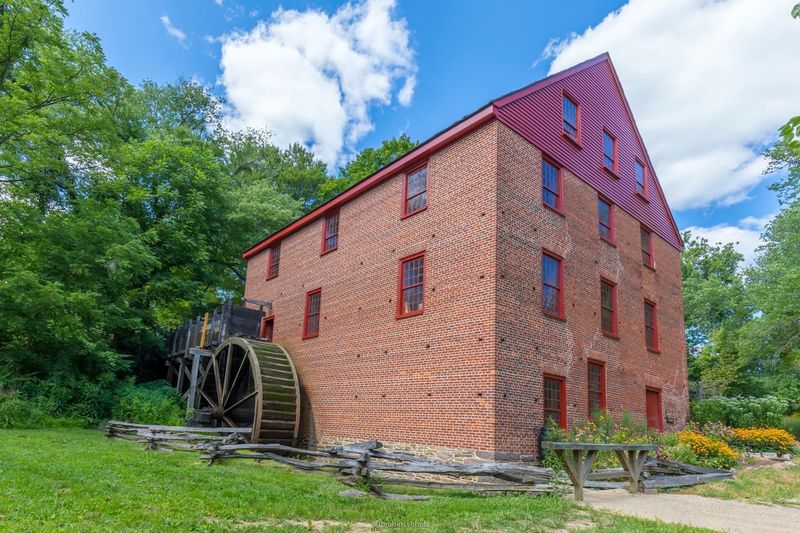
Tucked among modern suburbs, the sudden sight of a water powered mill feels like finding a secret from another age.Near Great Falls, Colvin Run Mill in Fairfax County shows how milling once shaped land now known for roads today.
The restored machinery often runs during demonstrations, and that movement helps children understand immediately that mills were workplaces, not ornaments.
A general store nearby adds fun to the visit, since snacks and old fashioned atmosphere make the stop feel complete.Weekend tours are popular, so arriving early is wise if you want easier parking and a quiet start with kids.
Interpreters usually explain gears, grain elevators, and water flow in simple steps, which makes the engineering feel less intimidating overall.
The grounds are not huge, but they are manageable for mixed age groups who like history without a long hike.
Because the mill sits inside a park setting, families can pair the visit with a picnic or extra outdoor time.
Old tools, rough wood, and grinding stones give the building texture that screens cannot match, even after reading about milling.
Colvin Run proves that local history can survive beside development, offering a useful bridge between suburban life and Virginia’s past.
5. Waterford Historic District Mills, Waterford, Loudoun County
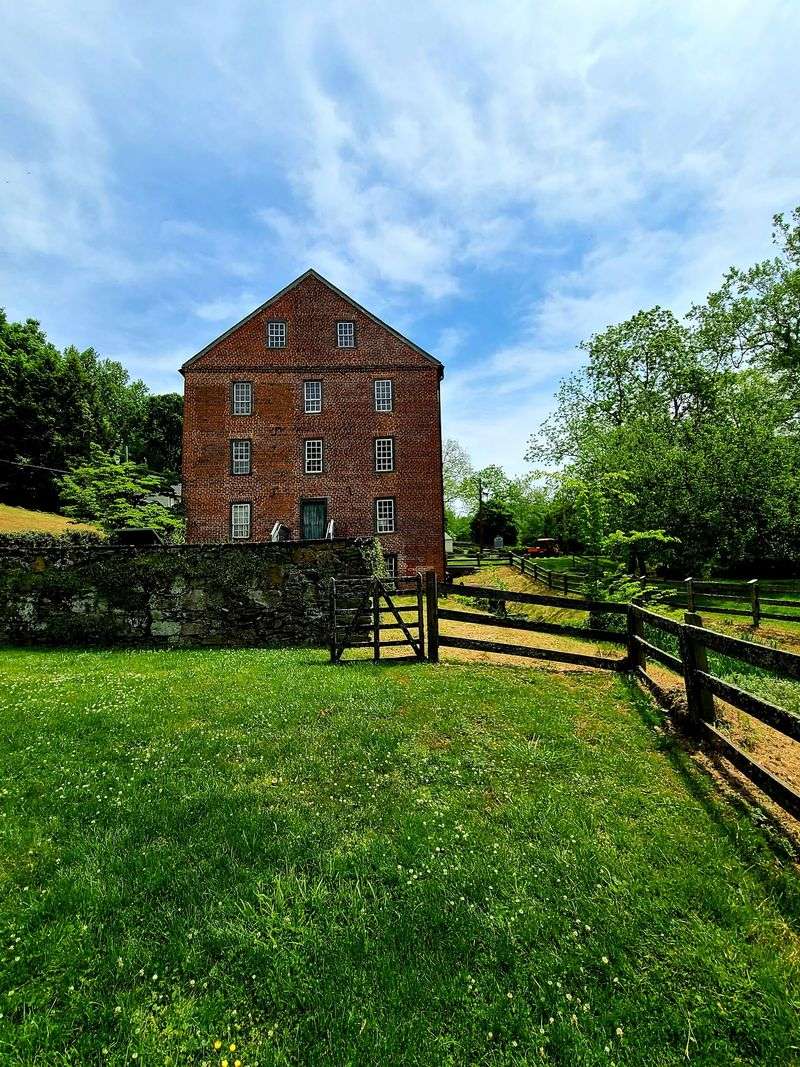
Cobblestone lanes, old houses, and open fields set the mood before you even notice how important milling was here once.In Waterford, Loudoun County, the mills of the historic district help explain why this village became a community not scenery.
Different structures and mill related features show how grain processing, trade, and transportation all fit together in everyday village life.
Walking the village feels rewarding because building adds clues about who worked here, what they made, and where goods went.Historic tours and special events can deepen the visit, especially when guides connect mill sites to Quaker heritage and debates.
Bring comfortable shoes, since the best understanding comes from strolling slowly and noticing distances between homes, shops, barns, and waterways.
Children may enjoy treating the district like a puzzle, searching for signs that reveal how food and business once moved.
Because Waterford remains beautifully preserved, the setting helps visitors imagine noise, wagon traffic, and daily chores with little effort there.
You might not see one single giant attraction, yet the layered story of several mills can feel richer and broader.
Waterford’s mill history shines through patience and detail, making it ideal for travelers who like exploring connections instead of highlights.
6. McCormick Farm, Raphine, Rockbridge County
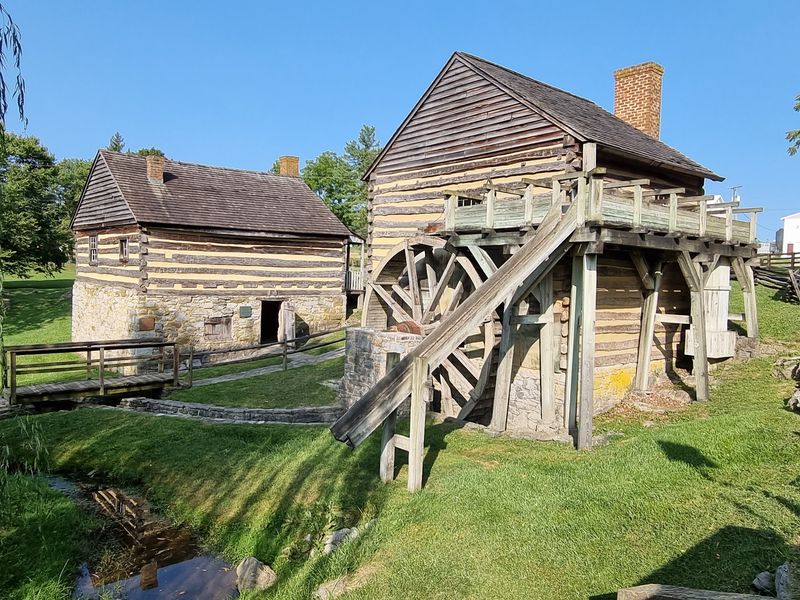
Rolling fields and a calm valley road prepare visitors for a story that reaches far beyond farming tools and chores.Near Raphine in Rockbridge County, McCormick Farm tells how inventor Cyrus McCormick grew up and changed agriculture with mechanical ideas.
The working gristmill matters because it shows the world he knew before his reaper made harvesting faster across America widely.
Visitors often enjoy the mix of farm buildings, exhibits, and landscape, which helps history feel connected instead of boxed indoors.Because the site links invention with daily labor, it can spark good conversations with kids about problem solving and persistence.
Staff and signs explain how water power worked, giving guests a practical look at the systems behind early farm life.
Pack time for the museum areas too, since the story of innovation becomes clearer when you see tools and documents.
The peaceful setting can fool you into thinking little happened here, but the farm helped launch a major American change.
Spring and fall are especially pleasant, with open views and comfortable weather that make walking between buildings easier for families.
McCormick Farm leaves visitors with two lessons at once, how mills worked locally and how ideas spread nationally later quickly.
7. George Washington’s Grist Mill, Mount Vernon, Fairfax County
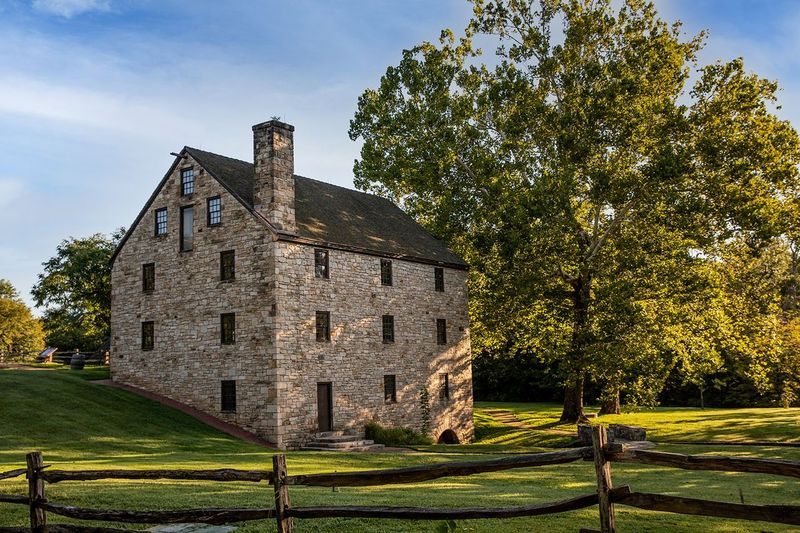
Few places make America feel so hands on with grinding stones, flour dust, and famous history sharing the same room.Outside Mount Vernon, George Washington’s Grist Mill in Fairfax County shows that the first president cared about business and technology.
The reconstructed mill runs with water power, which helps visitors see how grain processing supported a estate and local trade.
Interpreters often talk about enslaved workers and hired laborers, adding needed truth to the story of wealth and production there.That fuller history gives families a chance to discuss how impressive buildings could depend on unfair systems and hard labor.
Watching the machinery work is a highlight, especially for kids who learn better from motion, sound, and repeated steps there.
Plan extra time for nearby Mount Vernon sites, since combining them creates a fuller picture of Washington’s daily world there.
The setting beside the stream feels pleasant, yet the equipment reminds you that food production required planning, investment, and discipline.
Morning demonstrations can be especially good for photos, because sunlight and movement give the wooden interior a warm glow inside.
George Washington’s Grist Mill stands out by linking a famous name to ordinary work which makes the past clear today.
8. Turner-Brenneman Mill, Fulks Run, Rockingham County
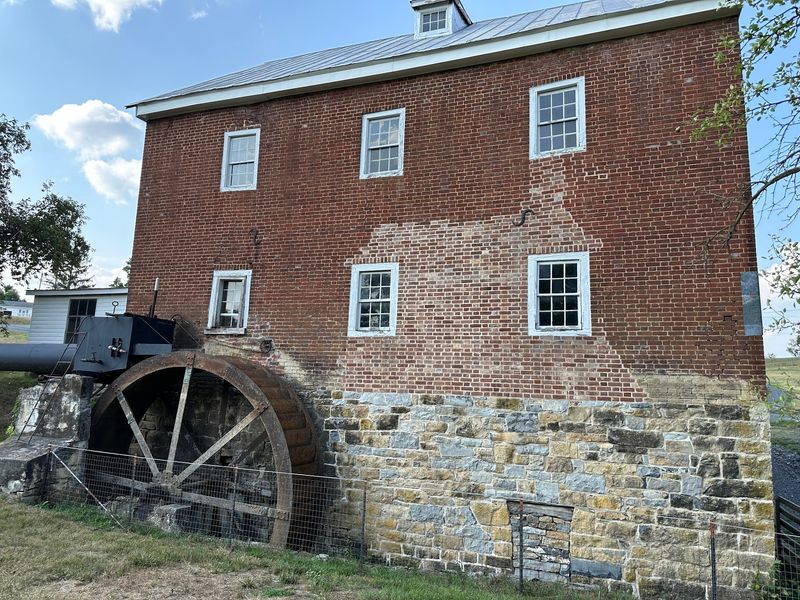
The best historic places sometimes feel homemade, as if generations fixed problems with whatever skill, timber, and determination they had.
Near Fulks Run in Rockingham County, Turner-Brenneman Mill represents the kind of local enterprise that kept farm communities supplied well.
Smaller mills like this are useful for learning, because they show history at a scale children can picture in life.
Instead of flashy displays, the building itself becomes the teacher, with worn boards and machinery parts explaining years of use.
Visitors who ask questions about grinding, repairs, and ownership often get the richest experience from guides or local historians there.
The surrounding countryside adds context, reminding you that grain did not arrive by truck but by wagon, foot, or mule.
Plan for a relaxed pace, since smaller sites reward close attention more than rushing from one attraction to the next.
Children can turn the visit into a challenge by spotting tools and guessing what each piece once did there first.
Because the story is local, it often sparks family talk about grandparents, handmade work, and how towns supported themselves once.
Turner-Brenneman Mill may feel modest at first, but its everyday character is exactly what makes it memorable for many visitors.
9. Motley’s Mill, Halifax County, Halifax County
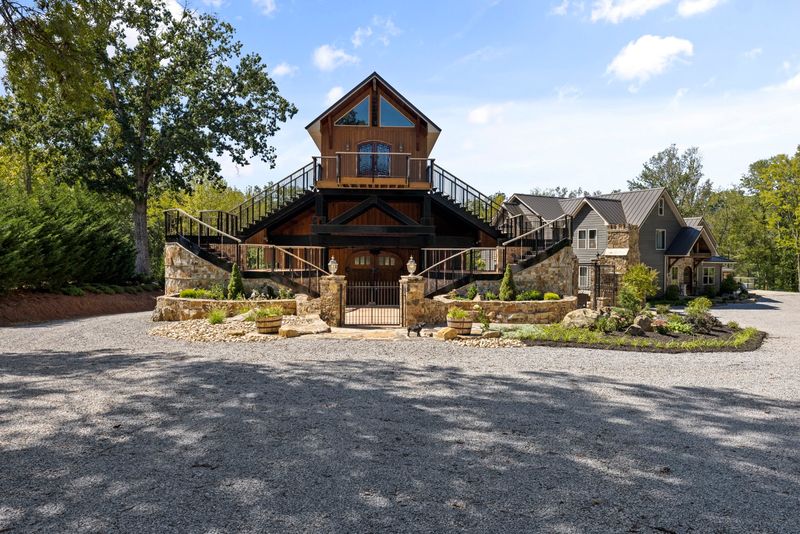
Some mills stand out not because they are grand but because they keep ordinary people and places from being forgotten.
In the Meadows of rural Halifax County, Motley’s Mill reflects the kind of neighborhood industry that supported farms close by.
The structure helps explain how grain became a usable product long before supermarkets and electric machines made the process invisible.
Visiting smaller mills can feel personal, since guides and local caretakers often share stories that never reach textbooks for students.
Ask about floods, repairs, and ownership changes, because those details usually reveal how hard it was to keep mills running.
A site like this can be especially good for older kids who enjoy connecting technology with community needs today well.
The surrounding landscape matters too, since streams, fields, and roads together show why one mill ended up here at all.
Bring patience if hours are limited, because rural heritage sites often depend on volunteers, seasons, and weather for access there.
Photographers may appreciate the worn surfaces and natural backdrop, which can make even simple views look textured and honest today.
Motley’s Mill leaves a quiet lesson behind, showing that community history often survives in humble working places for future visitors.
10. Shenandoah Valley, Lebanon Church, Shenandoah County
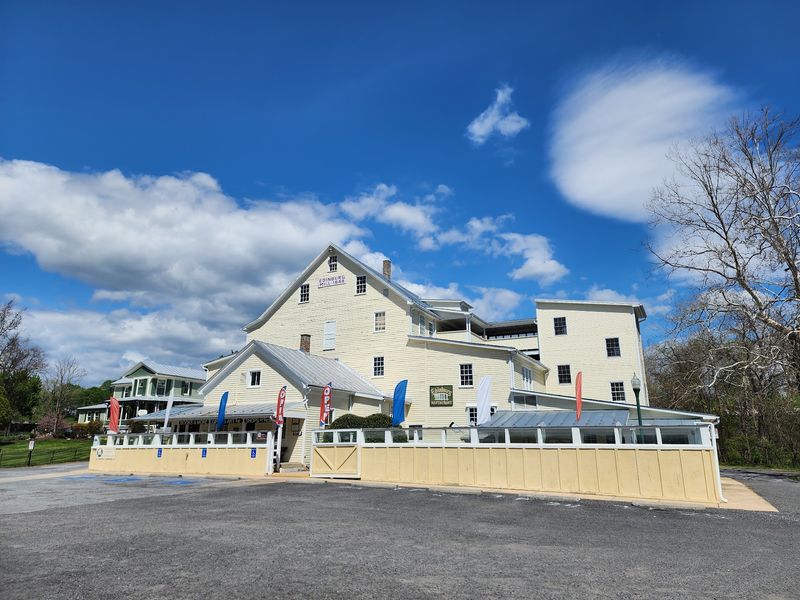
History can feel surprisingly vivid when a simple mill near a church suggests worship, work, and neighborhood life all together.
Around Lebanon Church in Shenandoah Valley, Lebanon Church Mill helps visitors picture a countryside where routines depended on water power.
That link between faith community and labor can make the place especially interesting for people who like social history too.
Mills near gathering places often became centers for news, barter, and chance meetings, not only food production for nearby families.
Visitors can learn a lot by noticing the setting first, then asking how roads, streams, and neighbors shaped the business.
Because the site is more rooted in local memory than celebrity, it can feel refreshingly direct and sincere to visitors.
A calmer visit often works best here, giving you time to imagine wagon arrivals, waiting farmers, and shared errands nearby.
If interpretive signs are brief, use the landscape as a guide, since mills always depended on more than buildings alone.
Families can pair the stop with other valley sights, which helps children balance quiet learning with movement and fresh air.
Shenandoah Valley offers a thoughtful ending to any mill trail, reminding visitors that local stories rarely stand alone anywhere.