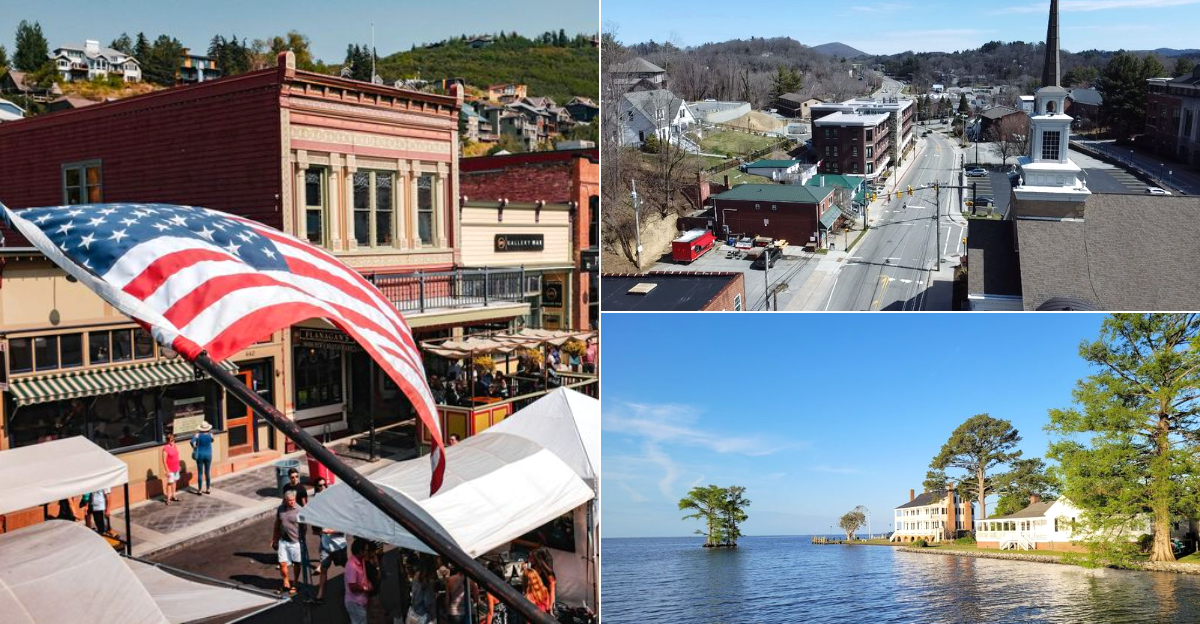
North Carolina is filled with historic streets where the past feels remarkably present.
Lined with preserved homes, centuries-old churches, brick storefronts, courthouses, and architectural landmarks, these thoroughfares offer the kind of immersive experience that makes history feel tangible rather than distant.
Some trace their roots to the colonial era, while others reflect the state’s growth through commerce, transportation, and community life over generations.
Walking along them often feels like exploring an open-air museum, where every building, sidewalk, and public square contributes another chapter to the story.
Visitors can browse local shops, dine in restored buildings, and admire architecture that has survived decades or even centuries of change.
1. Tryon Palace Historic District, New Bern, Craven County
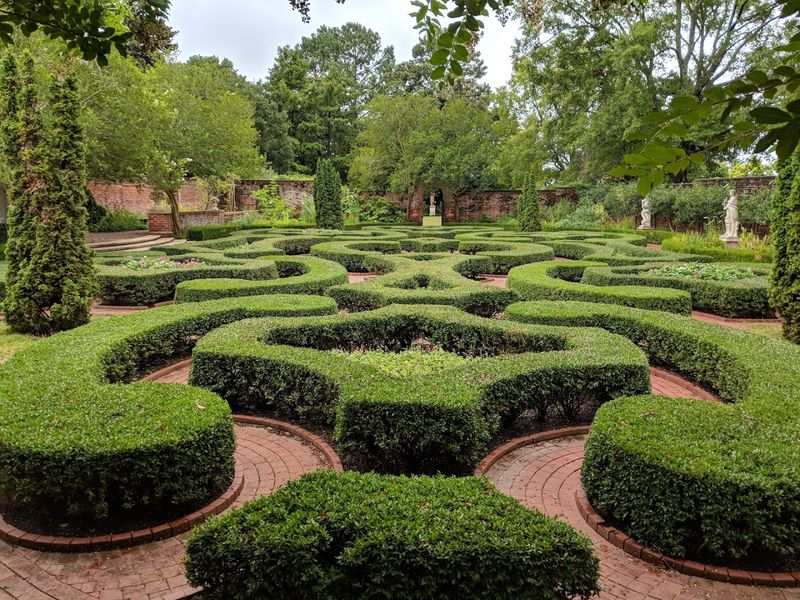
Brick paths, clipped gardens, and stately facades set a mood that feels carefully preserved rather than staged.
Walking here, you notice how the street plan still reflects colonial ambitions, with symmetry and ceremony built into the landscape.
That atmosphere belongs to the Tryon Palace Historic District in New Bern, where the state’s early political and architectural history feels vividly close.
Originally developed around the royal governor’s palace in the late eighteenth century, this district still carries the imprint of provincial power.
Georgian details, formal greens, and reconstructed outbuildings give you a strong sense of how public life once unfolded.
I think what makes it memorable is how easily museum interpretation blends with ordinary neighborhood beauty.
Beyond the palace complex, nearby houses, churches, and shaded streets reveal layers from colonial, Federal, and later nineteenth century eras.
You can pause at gardens, look closely at brickwork, and imagine carriages once replacing modern traffic.
That mix of scholarship and walkability makes the whole district feel unusually immersive.
Come slowly, read the markers, and give yourself time to notice proportions, materials, and sightlines.
Few places in North Carolina make early American urban design feel this accessible.
2. Front Street, Beaufort, Carteret County
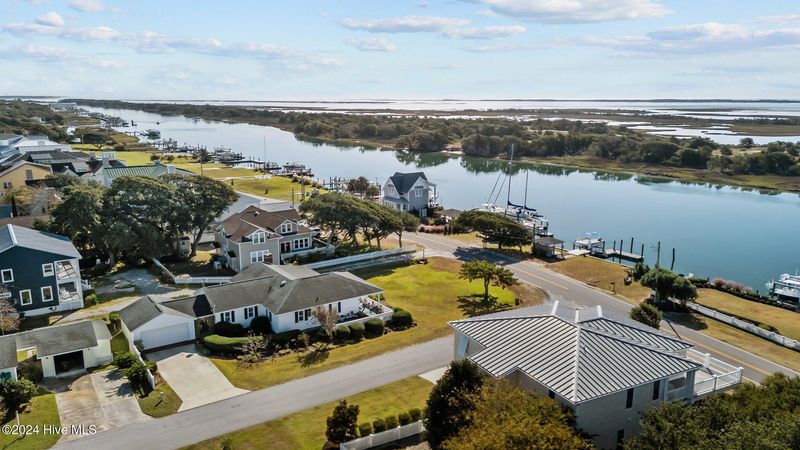
Salt air, creaking docks, and broad porches make this waterfront stretch feel instantly older than the average beach town.
Instead of flashy resort energy, you get weathered elegance, maritime memory, and houses that seem to watch the harbor.
That spell settles in along Front Street in Beaufort, one of the most atmospheric historic streets on the North Carolina coast.
The town grew as a working port, and this street became its social and visual front porch.
Historic homes line the road with deep verandas, picket fences, and views toward Taylor’s Creek and passing boats.
You can feel how seafaring wealth, storms, and daily commerce shaped both the architecture and the rhythm here.
What I love most is that the history does not sit behind ropes.
Wild horses roam across the water on Carrot Island, fishermen still move through the channel, and old homes remain part of living Beaufort.
That combination keeps the street from feeling frozen, even while every block suggests another century.
Take your time near sunset, when the light softens the facades and the creek turns reflective.
3. Main Street, Hendersonville, Henderson County
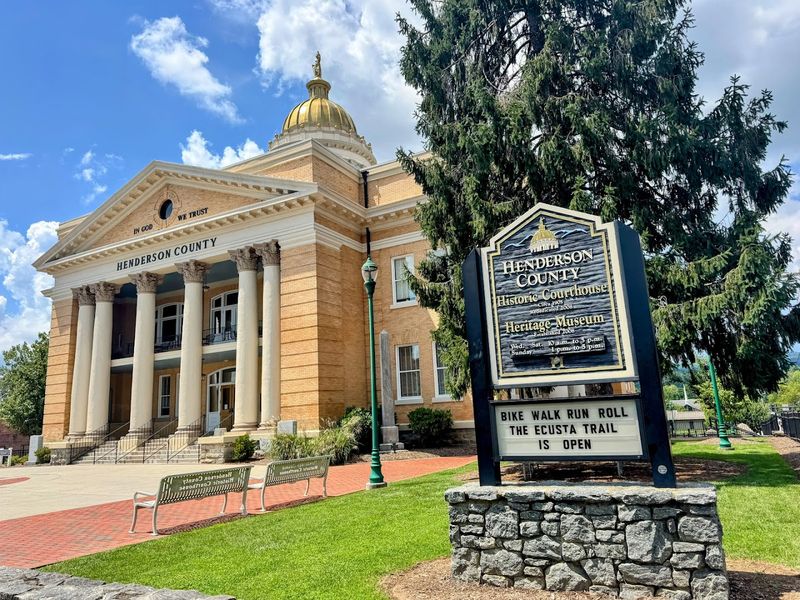
Wide sidewalks, handsome storefronts, and mountain light give this downtown corridor an inviting sense of permanence.
It feels polished but not precious, as if generations have cared for it without scrubbing away character.
That balance defines Main Street in Hendersonville, where historic commercial architecture still shapes everyday life in the Blue Ridge foothills.
The street developed as Hendersonville grew into a regional hub and mountain retreat during the late nineteenth and early twentieth centuries.
Today, brick facades, cornices, upper story windows, and old signage rhythms tell that story block by block.
You can sense how commerce, tourism, and civic pride worked together to create a downtown meant to impress.
The avenue feels broad and breathable, so details become easy to appreciate, from decorative masonry to long surviving shopfront proportions.
Even when festivals and shoppers fill the sidewalks, the historic bones remain clearly readable.
Step into side alleys, glance upward, and notice how intact the streetscape remains compared with many Southern downtowns.
Main Street in Hendersonville feels like a living exhibit on small city prosperity and preservation.
4. Haywood Street, Asheville, Buncombe County
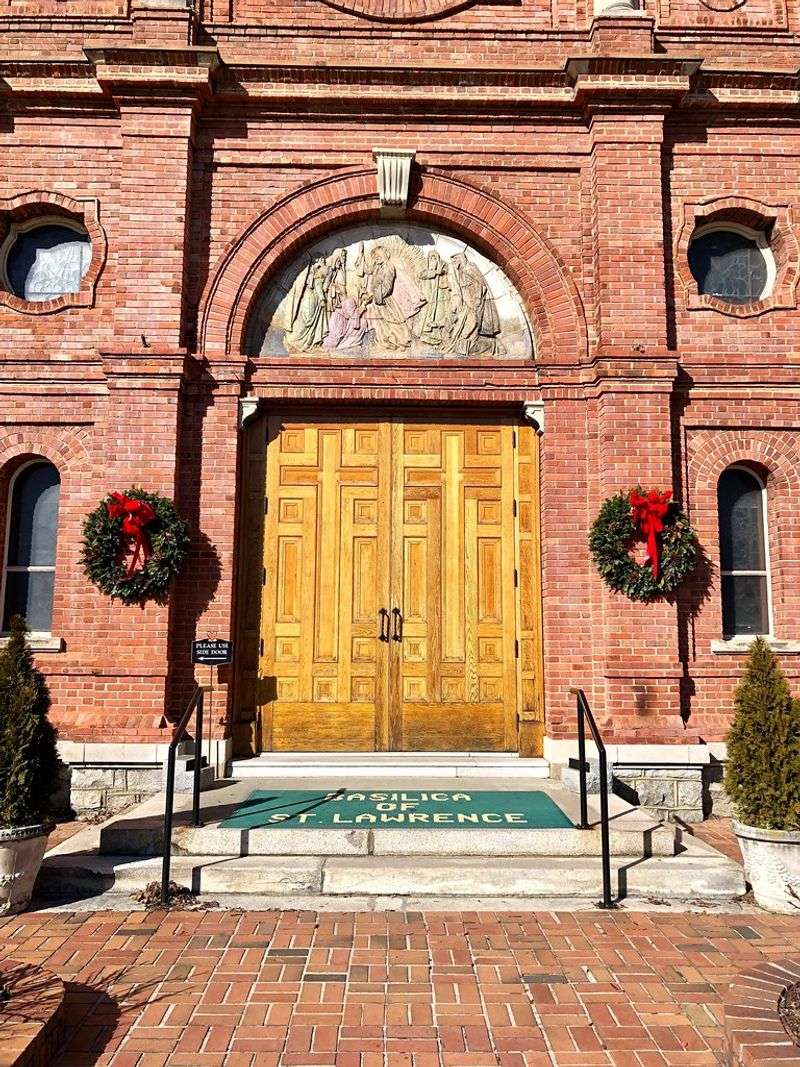
Urban energy meets mountain city grandeur on this downtown street, where ornate facades rise above busy sidewalks.
The scene feels theatrical in the best way, with architectural drama around nearly every glance upward.
That mood belongs to Haywood Street in Asheville, a corridor that shows off the city’s ambition from its boom years.
During the early twentieth century, Asheville expanded with confidence, and Haywood Street gained some of downtown’s most expressive buildings.
Art Deco, Beaux Arts, and richly detailed commercial fronts create a streetscape that feels both cosmopolitan and distinctly local.
You are not just walking past shops and venues here, but through a compact archive of civic aspiration.
The street connects theaters, hotels, churches, and businesses, letting you read Asheville’s cultural and economic history in one manageable walk.
Even amid traffic and nightlife, the craftsmanship in stonework, windows, and cornices still commands attention.
Some of the best details hide in upper stories, where decorative motifs and old proportions survive modernization.
It feels like an open-air museum for anyone curious about Asheville before and after its famous Roaring Twenties surge.
5. Pollock Street, New Bern, Craven County
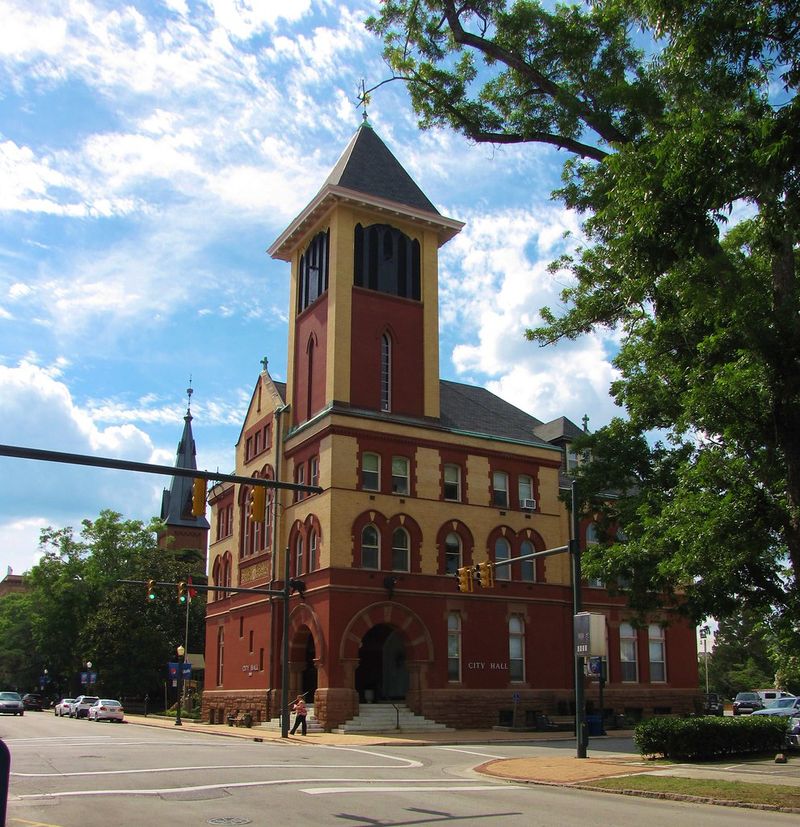
Quiet dignity defines this street, where church spires, mature trees, and elegant houses create a layered historic scene.
The atmosphere feels residential, civic, and ceremonial all at once, which is part of its appeal.
That distinctive blend comes alive on Pollock Street in New Bern, one of the city’s most historically resonant corridors.
Named for colonial governor Richard Caswell’s era contemporary Thomas Pollock, the street reflects New Bern’s importance as an early capital and trading center.
Along its route, you encounter notable churches, refined homes, and public buildings representing several centuries of design.
The result is a streetscape that reveals how politics, faith, and domestic life once overlapped in a compact colonial town.
Even with modern use, many structures still align in a way that preserves old spatial relationships and sightlines.
You can easily imagine formal processions, horse traffic, and everyday errands unfolding here long before automobiles arrived.
Bring curiosity for architectural detail, because fanlights, brick textures, and porch forms tell as much as any marker.
In New Bern, this is one of those streets where history feels steady rather than distant.
6. King Street, Wilmington, New Hanover County
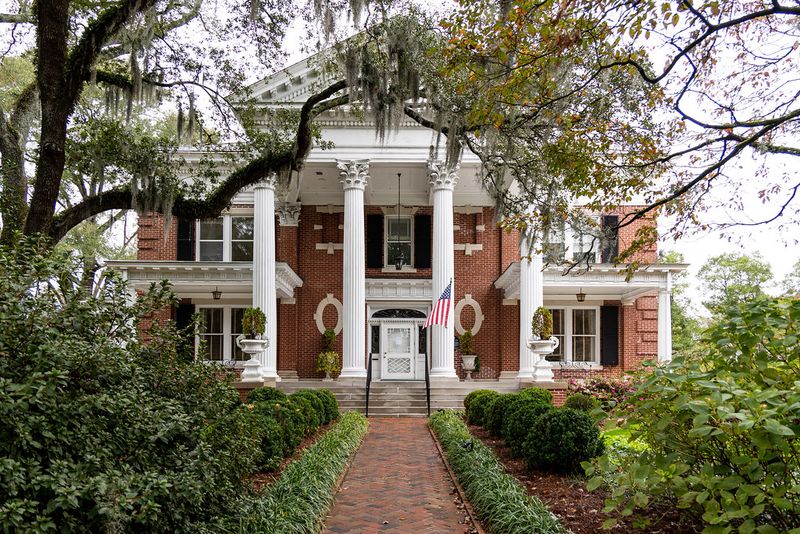
Shaded blocks, old cottages, and the quiet texture of a port city neighborhood give this street deep character.
It does not shout for attention, which makes its historic atmosphere feel even more genuine.
That understated charm defines King Street in Wilmington, where residential architecture reveals another side of the city’s layered past.
Away from the busiest tourist areas, this corridor helps explain how everyday Wilmington developed beyond grand civic landmarks.
Historic homes here reflect working and middle class life, with forms and details shaped by climate, economy, and changing neighborhood patterns.
You see the city not just as a destination, but as a place where generations actually lived.
I appreciate streets like this because they broaden the story.
Not every open-air museum needs monumental architecture when porches, setbacks, rooflines, and materials can speak just as clearly.
King Street offers that more intimate reading of history, especially if you pay attention to scale and repetition.
Look for original woodwork, mature trees, and the way older houses still define the cadence of each block.
In Wilmington, King Street feels like a neighborhood archive written in clapboard, brick, and shade.
7. Trade Street, Winston-Salem, Forsyth County
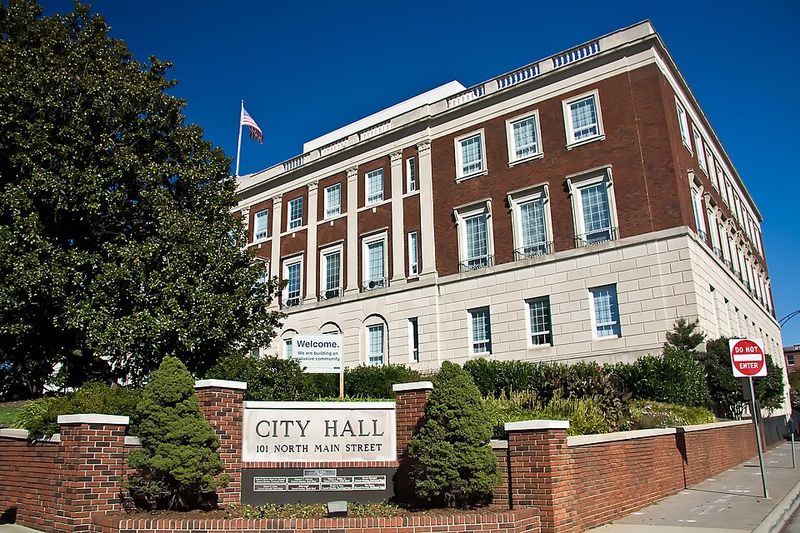
Creative energy and old commercial bones make this street feel alive in two time periods at once.
You can sense the city’s mercantile past even as galleries, shops, and cafes keep the sidewalks active.
That dual identity defines Trade Street in Winston-Salem, one of downtown’s most revealing historic corridors.
The name itself points to the street’s original purpose within a city built on commerce, industry, and exchange.
Historic brick buildings, recessed entries, upper story windows, and long storefront runs show how durable that commercial framework remains.
Walking here, you get a tactile sense of how trade once organized both space and social life.
What keeps it from feeling purely nostalgic is the ongoing reuse.
Preservation has not emptied the street of function, so old facades still frame contemporary life instead of merely commemorating it.
That living quality makes the architecture easier to understand and easier to care about.
Spend time studying brick patterns, cornices, and the rhythm of the blocks between intersections.
Trade Street feels like an open-air museum for Winston-Salem’s commercial imagination, still operating in public view today.
8. Main Street, Davidson, Mecklenburg County
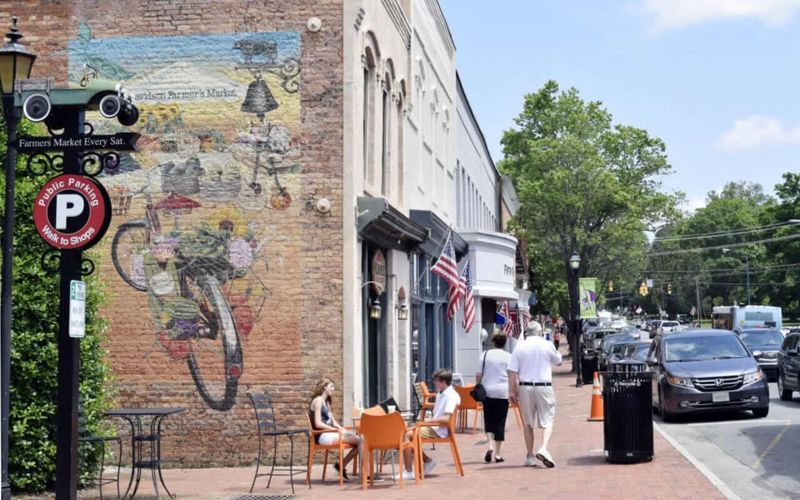
College town energy mixes with old village proportions on this appealing street, where nearly every block feels human scaled.
The atmosphere is friendly and relaxed, yet the buildings hold onto a much older civic identity.
That combination gives Main Street in Davidson its special pull as a walkable historic corridor with unusual coherence.
Davidson grew around its college and railroad connections, and the downtown still reflects that compact, community centered origin.
Brick storefronts, traditional facades, and modest but durable commercial buildings create a streetscape that feels intact rather than reconstructed.
You can read the town’s history in the relationship between shops, campus influence, and residential edges.
I think this street works so well because it never tries too hard.
Preservation here supports daily life, so the historic setting feels naturally inhabited by students, residents, and visitors.
That lived in quality keeps the architecture approachable and makes every detail easier to notice.
Nearby landmarks deepen the sense that Davidson matured thoughtfully instead of sprawling by accident.
Main Street feels like an open-air museum for the kind of North Carolina town many people wish still existed.
9. South Main Street, Lexington, Davidson County
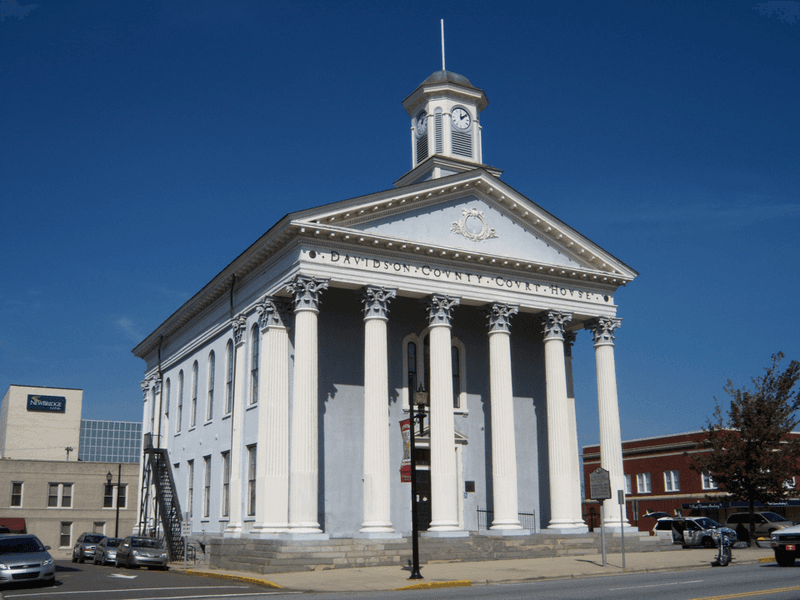
There is a grounded, working downtown feel here that makes the historic fabric especially convincing.
The street carries civic pride without becoming polished into blandness, which is part of why it stays memorable.
That honest character defines South Main Street in Lexington, a corridor that reflects the city’s commercial and cultural past.
As Lexington developed into a manufacturing and regional trade center, this stretch gathered banks, shops, offices, and community institutions.
Many of those early twentieth century buildings still shape the street through sturdy brickwork, decorative cornices, and consistent storefront lines.
You can feel how prosperity once translated into architecture meant to project reliability and ambition.
What I enjoy most is the sense of continuity between local identity and place.
This is a city famous for barbecue, but the built environment tells a broader story about labor, business, and civic life.
Walk with your eyes moving from display windows to parapets and upper story details.
Notice how the scale remains comfortable, encouraging you to linger rather than rush through.
In Lexington, South Main Street feels like an open-air exhibit on how traditional downtown North Carolina once worked every day.
10. Broad Street, Edenton, Chowan County
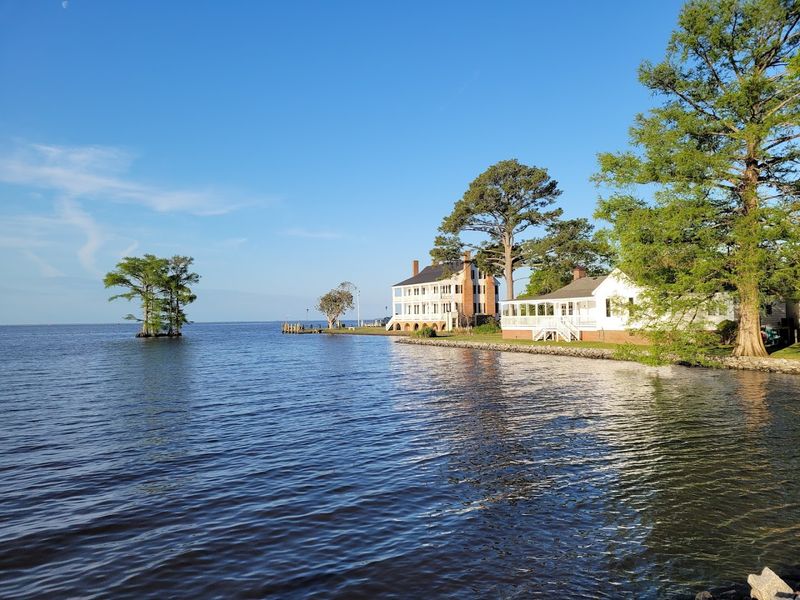
Grand trees, refined houses, and a calm coastal plain rhythm make this street feel almost impossibly composed.
The beauty is immediate, but the deeper appeal comes from how much early North Carolina history still lingers here.
That rich atmosphere belongs to Broad Street in Edenton, one of the state’s most storied colonial era settings.
Edenton was an important political and commercial center, and Broad Street developed amid that early prominence.
The architecture nearby spans colonial, Federal, and later periods, creating an unusually layered streetscape in a relatively small town.
Walking here, you sense not just elegance, but the confidence of a place that mattered early and has remembered it.
I love how the street connects domestic scale with public significance.
Churches, historic homes, and civic landmarks sit close enough together that the whole area reads like a coherent historical chapter.
Visit slowly, preferably when shadows lengthen and details in woodwork and brick begin to stand out.
Markers add useful background, but the setting itself does much of the storytelling.
Broad Street feels like an open-air museum of colonial legacy, preserved in proportion, texture, and silence.
11. King Street Historic District, Boone, Watauga County
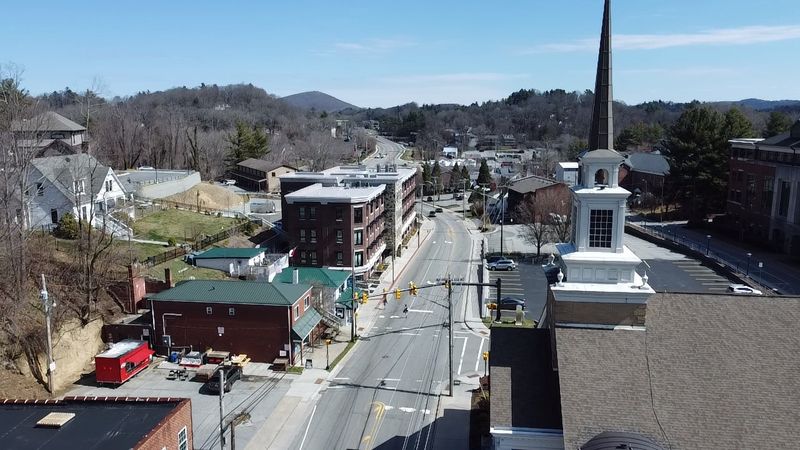
Mountain town bustle and historic storefront character come together beautifully on this well known corridor.
You get the energy of a college community, but the street still reveals the older commercial pattern underneath.
That layered experience defines the King Street Historic District in Boone, where Appalachian identity and preservation meet in plain sight.
As Boone grew from a regional trading settlement into a county seat and university town, King Street remained central.
Its surviving commercial buildings, traditional facades, and compact block structure show how downtown once organized movement, business, and social exchange.
The district tells that story clearly without losing its everyday usefulness.
What stands out to me is how approachable the history feels.
You can browse shops, grab coffee, and still notice cornices, masonry, and storefront proportions that connect present Boone to its earlier decades.
That blend keeps the district from becoming either overly touristy or academically distant.
Give yourself time to walk beyond the busiest spots and study the whole streetscape.
King Street Historic District feels like an open-air museum for Boone’s civic and commercial evolution.
12. Market Street, Washington, Beaufort County
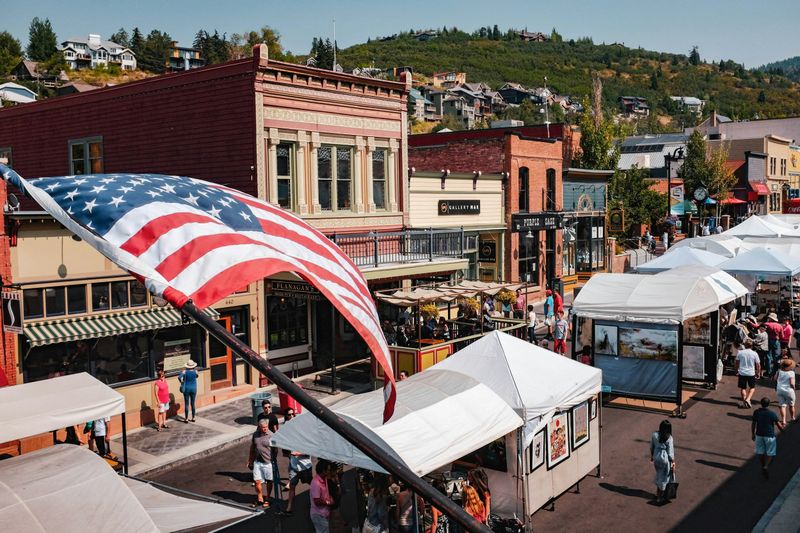
River town charm gives this street an easy grace, but the built environment carries serious historical weight.
There is a sense of exchange and movement here that still feels tied to older patterns of trade.
That enduring identity defines Market Street in Washington, where downtown architecture reflects the city’s long relationship with the waterfront.
As one of North Carolina’s oldest towns, Washington developed around shipping, commerce, and regional connections along the Pamlico River.
Market Street naturally became part of that economic framework, and many historic commercial buildings still shape its appearance today.
Brick facades, rhythmical storefronts, and upper story windows hint at a busier mercantile era that never fully disappeared.
I find this street especially appealing because it feels useful rather than curated.
The architecture supports ordinary business while still revealing how older downtowns organized public life block by block.
That practical continuity helps the history feel immediate and readable.
Notice building materials, corner entrances, and the way the street connects inland activity to riverfront identity.
Market Street in Washington feels like an open-air museum dedicated to commerce, community, and the long memory of a port town.
13. Middle Street, New Bern, Craven County
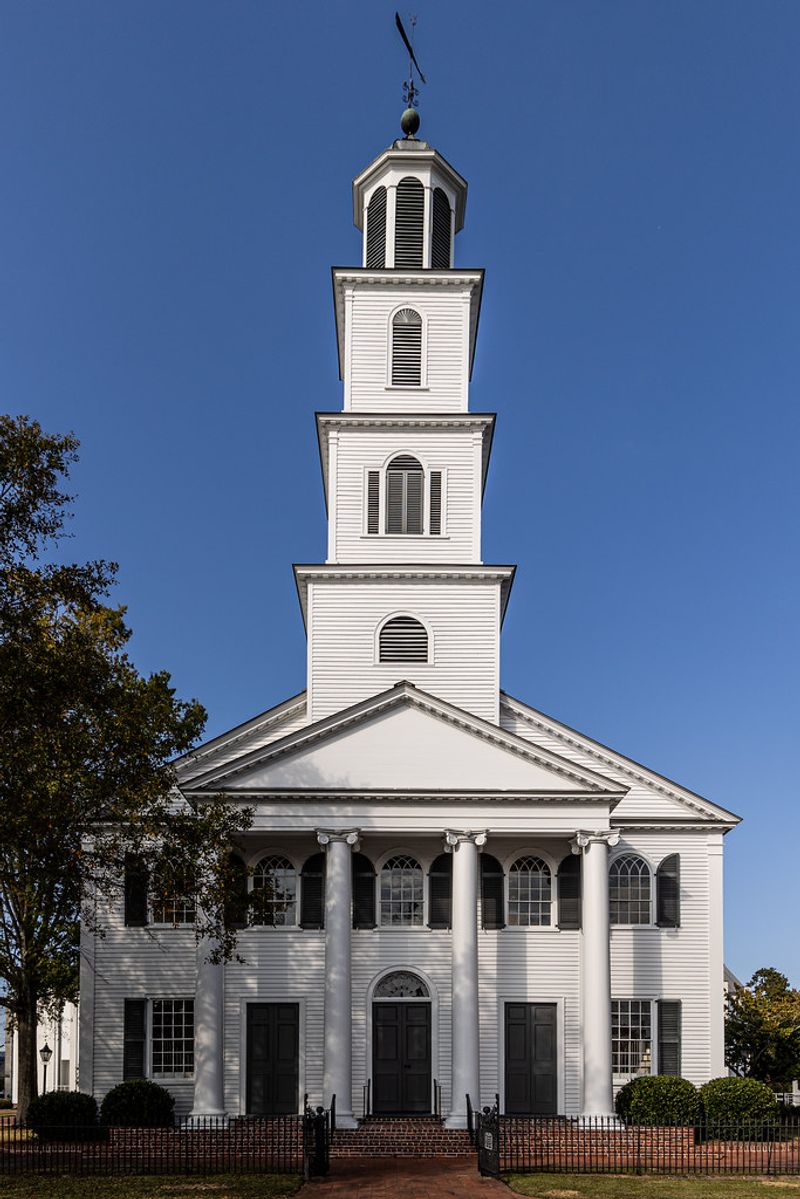
Few streets in North Carolina balance grandeur and livability as gracefully as this one.
There is movement, commerce, and neighborhood life, yet the historic framework still shapes nearly every view.
That elegant balance makes Middle Street in New Bern one of the state’s most rewarding streets for a slow, observant walk.
Running through the heart of one of North Carolina’s oldest towns, the street links civic, commercial, and residential history.
Historic buildings range across centuries, creating a layered corridor where colonial roots meet later prosperity and reinvention.
You can read New Bern’s development here in storefronts, churches, setbacks, and architectural ornament.
One block may highlight commercial vitality, while another turns quieter and reveals refined homes or institutional landmarks.
That variation keeps the experience dynamic and helps you understand how interconnected urban life once was.
Take time to look high and low, from sidewalk brick patterns to upper floor window details.
Middle Street rewards curiosity, especially if you enjoy seeing history embedded in ordinary circulation rather than isolated monuments.
In New Bern, it feels like an open-air museum where the exhibits still serve the city around them.