Pennsylvania holds some of America’s most important historical sites, where the past feels remarkably alive.
Visiting these parks is like walking through a living history book, where battlefields, colonial buildings, and preserved villages tell stories that shaped our nation.
Whether you’re exploring Revolutionary War encampments or touring iron-making villages from the 1800s, these places transport you back in time.
Each location offers a unique window into different chapters of American history that you won’t find anywhere else.
Gettysburg National Military Park
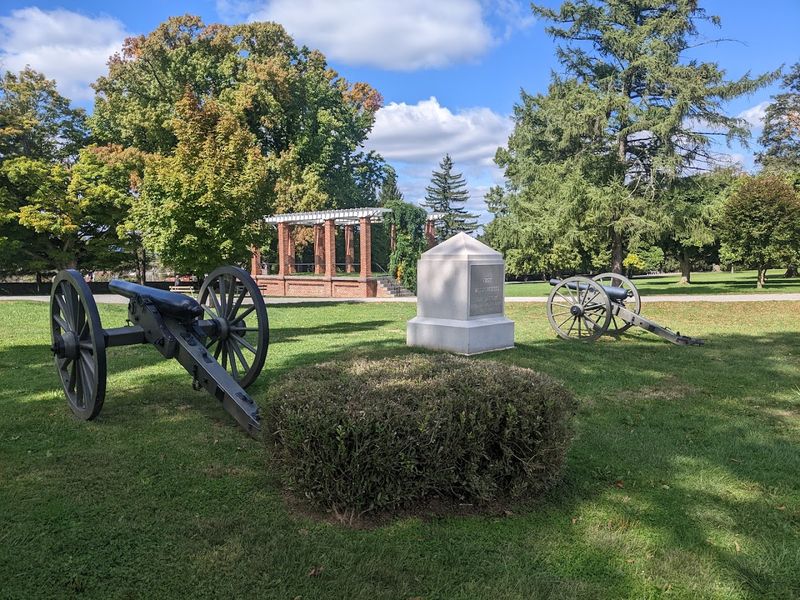
Walking across Gettysburg’s battlefield feels like stepping through a portal into 1863. The cannons still stand where soldiers positioned them, and the stone walls remain exactly where Union and Confederate forces took cover during three days of fierce fighting.
More than 1,300 monuments dot the landscape, each telling a different regiment’s story. The rolling hills and farmland look much like they did during the Civil War, making it easy to imagine the thousands of soldiers who marched across these fields.
Many visitors say they can almost hear echoes of history here.
You can explore on foot, by bicycle, or take a driving tour through the 6,000-acre park. The National Cemetery, where President Lincoln delivered his famous Gettysburg Address, sits on grounds that still inspire reflection.
Rangers offer programs that bring the battle’s events to life with maps and detailed accounts.
Whether you’re a history buff or just curious about America’s past, Gettysburg offers an unforgettable experience that textbooks simply cannot match.
Valley Forge National Historical Park
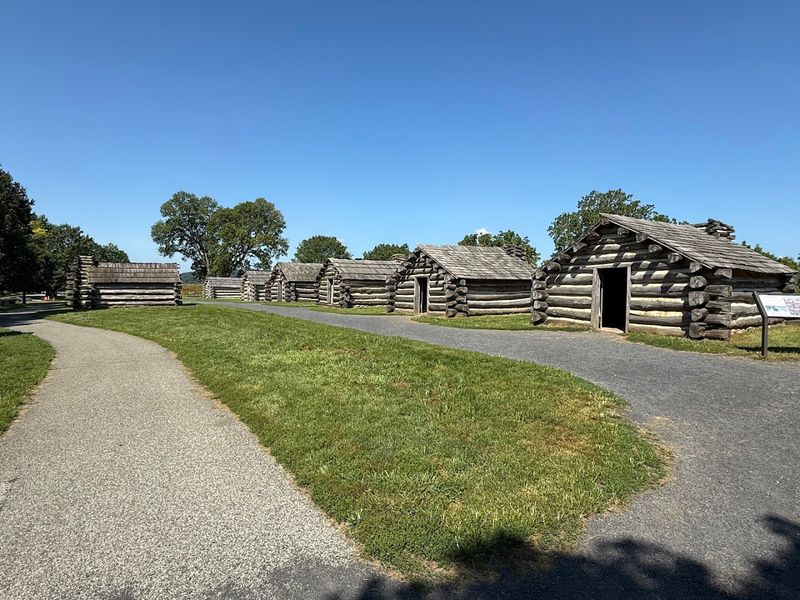
Imagine surviving a brutal winter with little food, tattered clothing, and inadequate shelter. That’s exactly what George Washington’s Continental Army endured here from December 1777 to June 1778, and the park preserves that remarkable story beautifully.
The reconstructed soldier cabins show just how cramped and cold conditions were for the roughly 12,000 troops stationed here. Walking through these simple log structures, you understand the incredible determination it took to forge a new nation.
Washington’s headquarters still stands, offering insight into how the general led during this desperate time.
Miles of trails wind through the park, passing by original earthworks, historical markers, and scenic woodlands. Spring and summer bring wildflowers and green meadows, creating a peaceful contrast to the harsh winter encampment’s history.
The park also features Muhlenberg’s Brigade area and several preserved colonial homes.
Kids especially love seeing where soldiers drilled and trained for battle. The visitor center displays artifacts and films that explain why this winter proved so crucial to American independence.
Independence National Historical Park
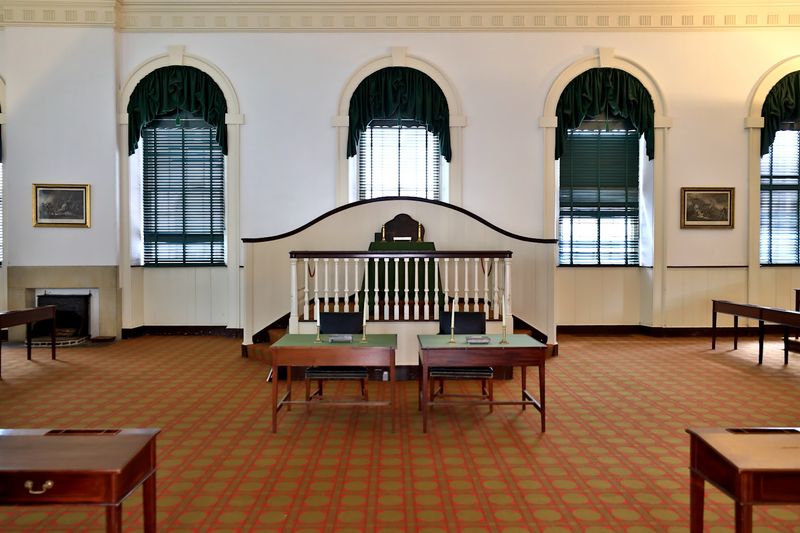
Standing before Independence Hall where both the Declaration of Independence and Constitution were signed creates goosebumps. The building’s Georgian architecture, with its distinctive clock tower and brick construction, looks remarkably similar to how it appeared in the 1770s when America’s founders debated inside.
Just steps away sits the Liberty Bell, its famous crack a symbol recognized worldwide. The bell’s inscription about proclaiming liberty throughout the land still resonates with visitors from every corner of the globe.
Touching its surface connects you directly to centuries of American ideals.
Cobblestone streets and preserved 18th-century buildings surround the park, creating an authentic colonial atmosphere. Carpenters’ Hall, where the First Continental Congress met, stands ready for exploration.
The park encompasses an entire neighborhood frozen in time.
Costumed interpreters share stories about Benjamin Franklin, Thomas Jefferson, and other founding fathers who walked these same streets. Free tours take you inside Independence Hall’s Assembly Room where history literally happened.
The park manages to make complex political history feel personal and exciting for visitors of all ages.
Washington Crossing Historic Park
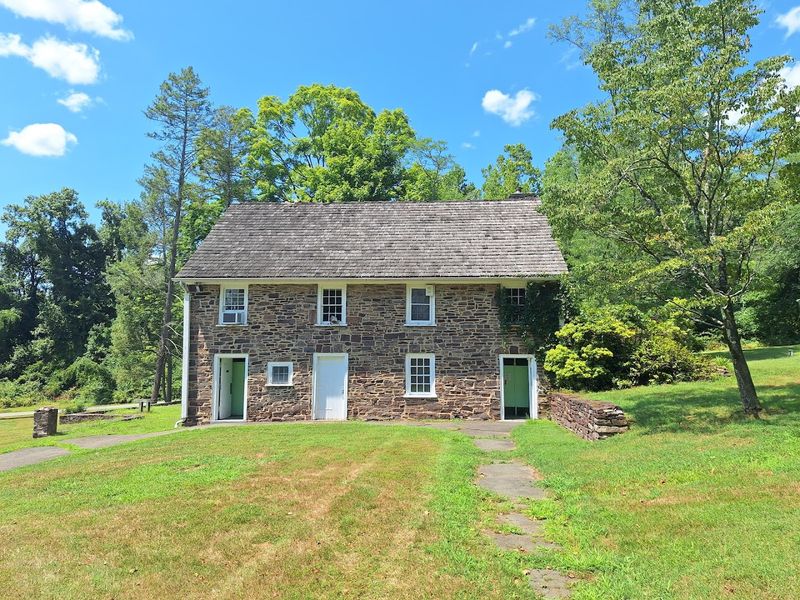
Christmas night 1776 changed everything when General Washington led 2,400 soldiers across the icy Delaware River here. The park preserves both sides of this daring crossing that led to victory at Trenton and renewed hope for the Revolutionary cause.
Historic buildings include the Thompson-Neely House, which served as military headquarters, and the Durham Boat House displaying replicas of the vessels used for the famous crossing. Each December, hundreds gather to watch reenactors brave cold water in period costumes, recreating that desperate nighttime journey.
The tradition honors the courage those soldiers displayed when victory seemed impossible.
Walking trails follow the riverbank where troops assembled before their dangerous mission. Old-growth trees and scenic views create a peaceful setting that contrasts sharply with the urgency Washington’s army must have felt.
The Bowman’s Hill Tower offers panoramic views across the entire historic area.
Educational programs teach visitors about 18th-century military tactics, colonial life, and the strategic importance of this location. The park’s wildflower preserve showcases over 800 native Pennsylvania plant species, adding natural beauty to historical significance.
Hopewell Furnace National Historic Site
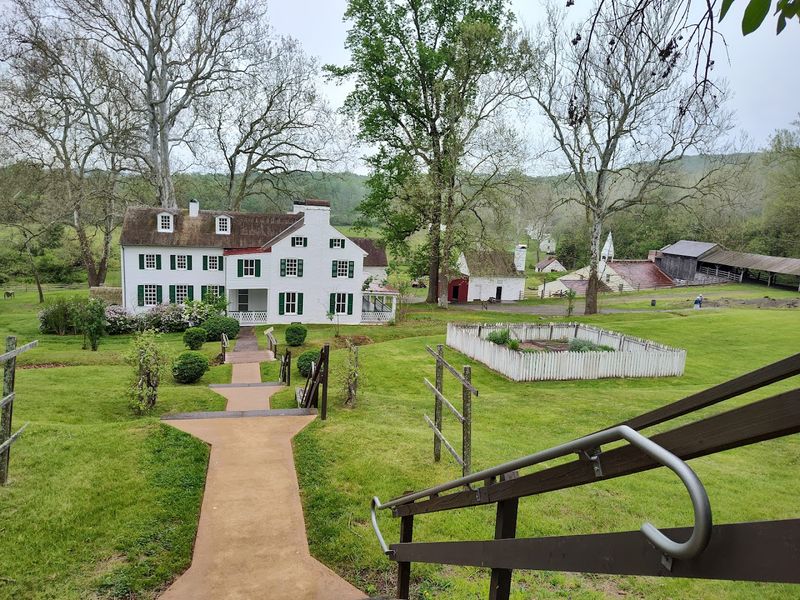
Between 1771 and 1883, this remote village produced iron that helped build America. The remarkably intact furnace, casting house, and surrounding community offer a rare glimpse into Pennsylvania’s crucial role in early American industry before steel mills dominated the landscape.
Workers and their families lived in company-owned houses clustered around the furnace operation. Today you can peek inside these restored homes to see how blacksmiths, molders, and colliers lived during the village’s active years.
Their furniture, tools, and everyday items remain on display, telling personal stories about life in an industrial community.
The massive stone furnace stack still dominates the village center, looking much like it did when workers kept fires burning around the clock. Adjacent barns housed livestock that supported the self-sufficient community.
An apple orchard continues producing fruit just as it did two centuries ago.
Demonstrations show traditional metalworking techniques during special events. Rangers explain how charcoal was made from local timber and how iron ore was transformed into stove plates, kettles, and other essential products that families across America used daily.
Fort Necessity National Battlefield
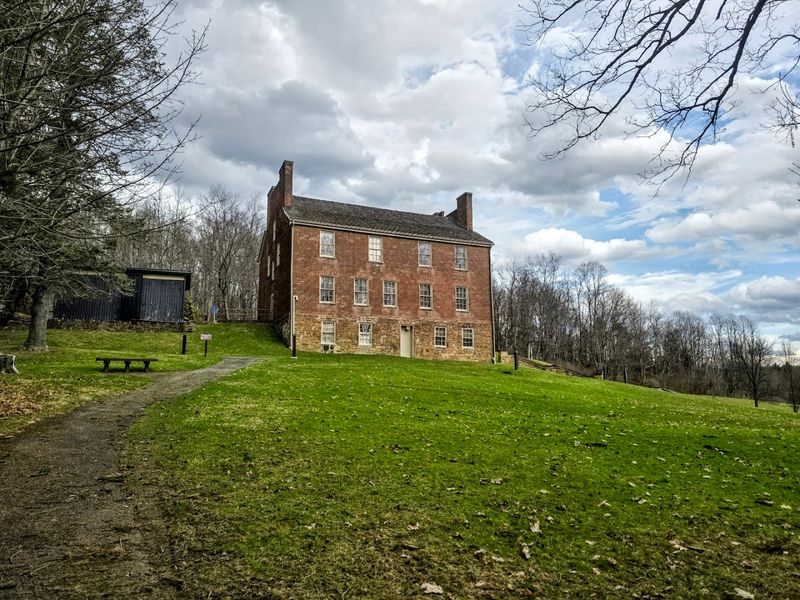
Young George Washington, just 22 years old, built a crude stockade here in 1754 and faced his first military defeat. That battle sparked the French and Indian War, which eventually changed the balance of power in North America forever.
The circular fort’s reconstruction sits in an open meadow, just as Washington positioned it centuries ago.
Unlike more famous Revolutionary War sites, Fort Necessity preserves earlier colonial frontier history when France and Britain competed for control of the Ohio River Valley. The surrounding forest and rolling hills remain largely unchanged, helping visitors understand why this location mattered strategically.
A small visitor center explains the complex politics and alliances that led to conflict.
Hiking trails cross the battlefield where Washington’s Virginia militia and British regulars faced French forces and Native American warriors. Historic markers explain troop movements and battle tactics.
The nearby Mount Washington Tavern, built along the National Road in 1828, shows how this area continued evolving after the battle.
This peaceful site offers quiet reflection on how one young officer’s early defeat shaped his future leadership and America’s destiny.
Bushy Run Battlefield
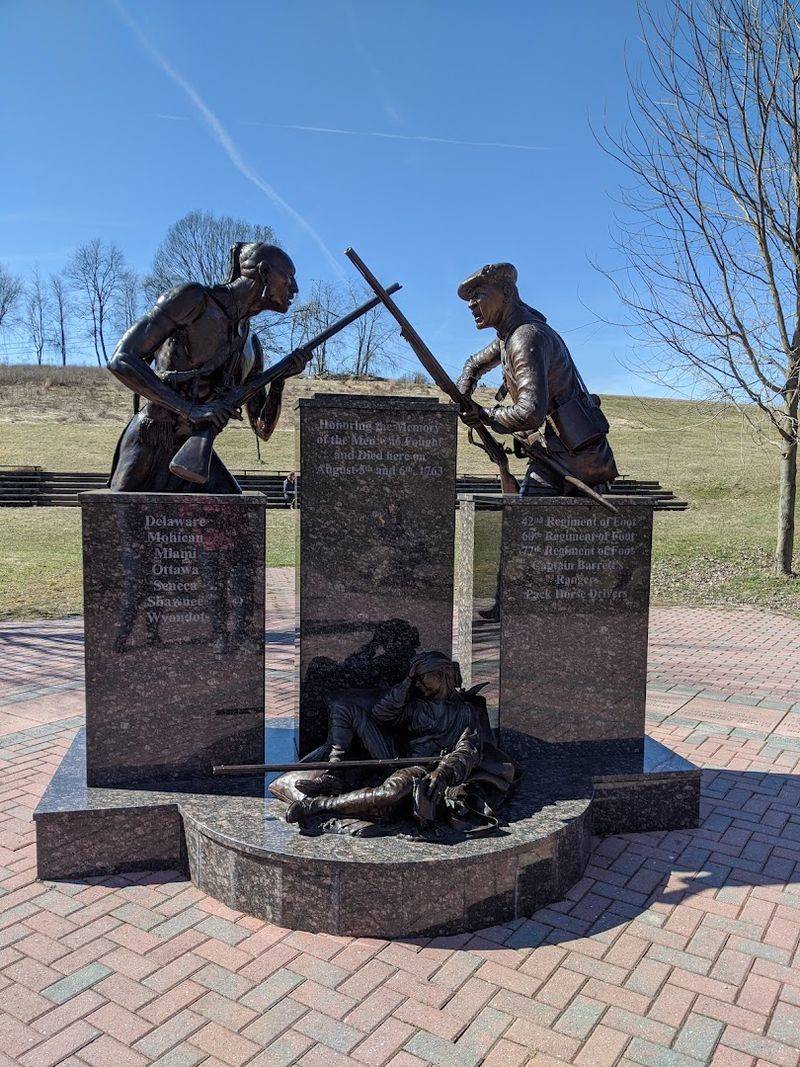
Most people have never heard of Pontiac’s Rebellion, but this 1763 battle proved critical to colonial survival on Pennsylvania’s frontier. British forces defeated a coalition of Native American warriors here, ending a siege of Fort Pitt and securing western settlements for future expansion.
The battlefield remains surprisingly undeveloped, with forest trails leading through areas where fierce hand-to-hand combat occurred. Educational exhibits in the visitor center explain the complex relationships between British forces, colonial settlers, and Native American tribes following the French and Indian War.
The story reveals perspectives often missing from traditional history books.
A self-guided walking tour takes you across the actual battlefield terrain where Colonel Henry Bouquet’s troops used innovative tactics to turn near-defeat into victory. Interpretive signs mark key locations including where troops formed defensive positions and where the final decisive action occurred.
The peaceful woodland setting contrasts dramatically with the violence that erupted here.
Annual reenactments bring the battle to life with period-dressed participants demonstrating 18th-century military maneuvers. The site offers a fascinating look at frontier warfare and the tensions that shaped early American westward expansion.
Point State Park
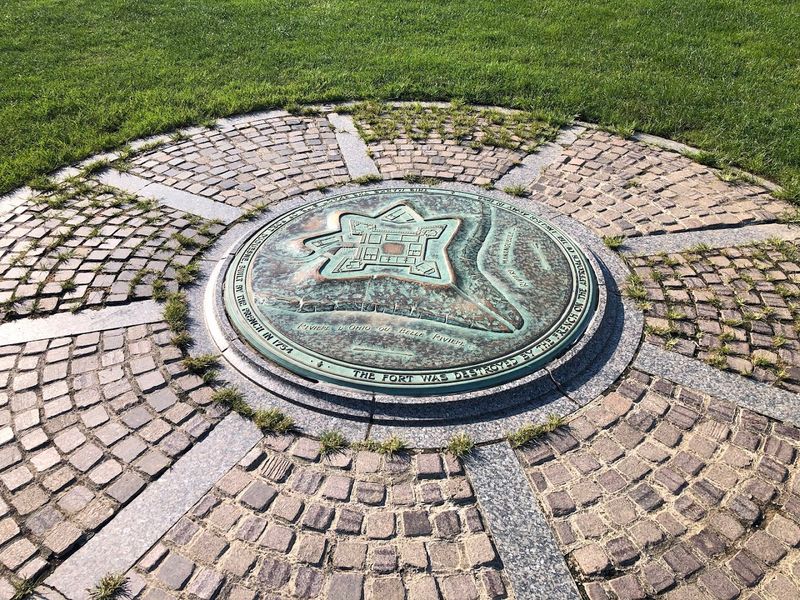
Three rivers meet dramatically at this downtown Pittsburgh location where French and British forces once fought for control of the strategic fork. Fort Duquesne and later Fort Pitt stood here, making this spot one of the most contested pieces of real estate in colonial America.
The famous fountain shoots water 150 feet high, marking the exact point where the Allegheny and Monongahela rivers form the Ohio River. Underground, preserved fort foundations and archaeological remains tell stories of military struggles that determined whether French or British culture would dominate the American interior.
The Fort Pitt Museum displays artifacts excavated from beneath modern Pittsburgh’s streets.
Original fort walls outline where bastions once protected soldiers from enemy attack. Walking these traces while surrounded by modern skyscrapers creates a surreal time-traveling sensation.
Interpretive signs explain how this location’s geography made it invaluable for controlling trade routes and territorial expansion.
The park offers green space for picnics and events while honoring the military history beneath your feet. It’s a place where past and present collide in fascinating ways, showing how strategic 18th-century decisions shaped today’s thriving city.
Pennsbury Manor
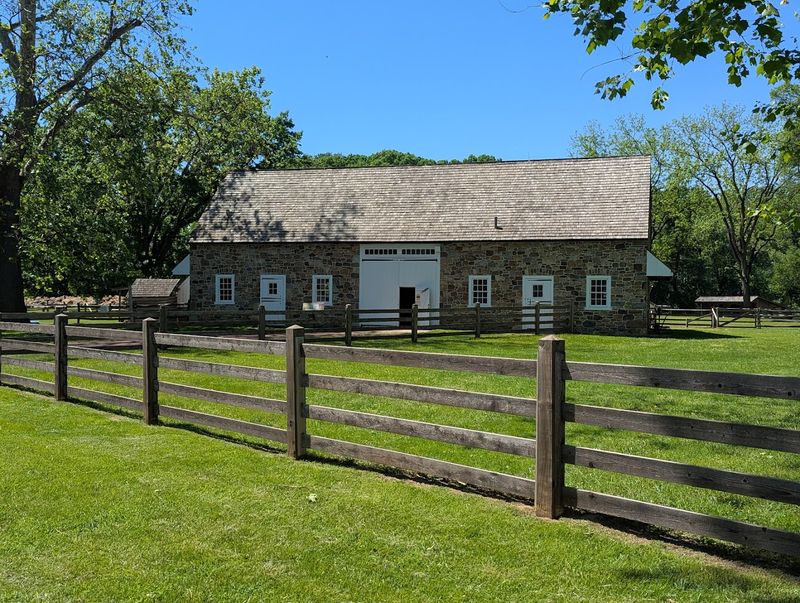
William Penn, Pennsylvania’s founder, built his country estate here along the Delaware River in the 1680s. The reconstructed manor house and outbuildings recreate his vision of an English country gentleman’s life in the New World, offering an intimate look at colonial leadership beyond politics.
Period furnishings fill the manor’s rooms, showing how Penn and his family lived when visiting from Philadelphia. The formal gardens follow 17th-century English designs with geometric beds, herbs, and flowers that would have been familiar to Penn.
Heritage breed animals, including sheep and chickens, populate the farmyard just as they did three centuries ago.
Costumed interpreters demonstrate colonial crafts like blacksmithing, woodworking, and cooking over open hearths. Kids love watching bread being baked in the outdoor oven using traditional methods.
The river landing where Penn’s barge once docked remains accessible, connecting the estate to Philadelphia by the same water route Penn traveled.
Special events celebrate seasonal activities from brewing beer to harvesting crops. The property helps visitors understand Pennsylvania’s Quaker roots and Penn’s ideals about religious tolerance and fair treatment of Native Americans that made the colony unique.
Old Economy Village
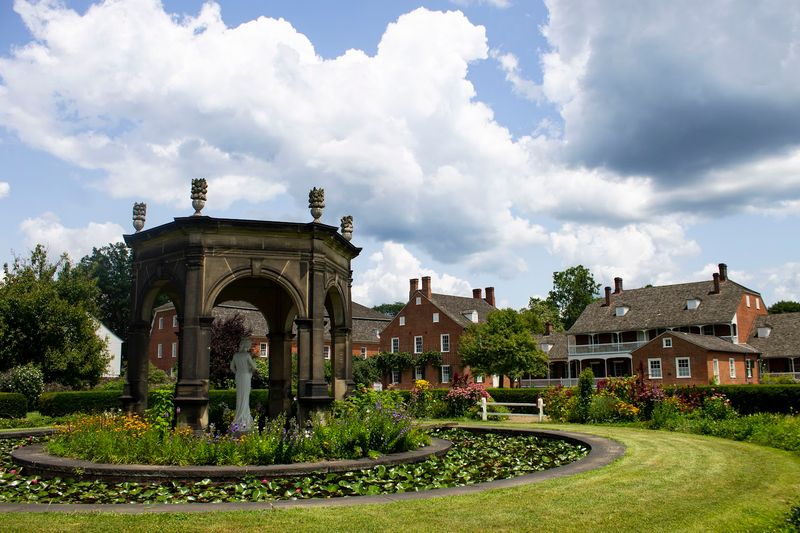
The Harmony Society created a remarkably successful communal experiment here from 1824 to 1905. German immigrants built this self-sufficient village based on shared property, celibacy, and religious devotion, achieving prosperity through hard work and innovative business practices that impressed even their capitalist neighbors.
Seventeen historic buildings survive, including the Great House where society leader George Rapp lived, member homes, workshops, and a beautifully preserved garden with original grape arbors. Walking through these structures reveals how the Harmonists balanced spiritual goals with practical manufacturing that produced textiles, wine, and other goods sold across America.
Their economic success funded comfortable lives despite the community’s austere religious principles.
Original furniture, tools, and personal items fill the buildings, creating an authentic atmosphere. The community kitchen shows how members prepared meals together, while workshops display machinery they invented to improve production.
Formal gardens demonstrate the Harmonists’ love of beauty alongside efficiency.
The village represents one of America’s most successful utopian communities, lasting over 100 years. Visitors gain insight into alternative social experiments that flourished during the 19th century when people actively imagined different ways of organizing society beyond traditional family structures.