

Explore these 14 iconic historical sites, each embodying the cultural and historical essence of their respective countries.
From ancient wonders to architectural marvels, these sites offer a unique glimpse into the past, shaping the identity of nations more profoundly than any contemporary attraction can.
The Great Wall of China – China
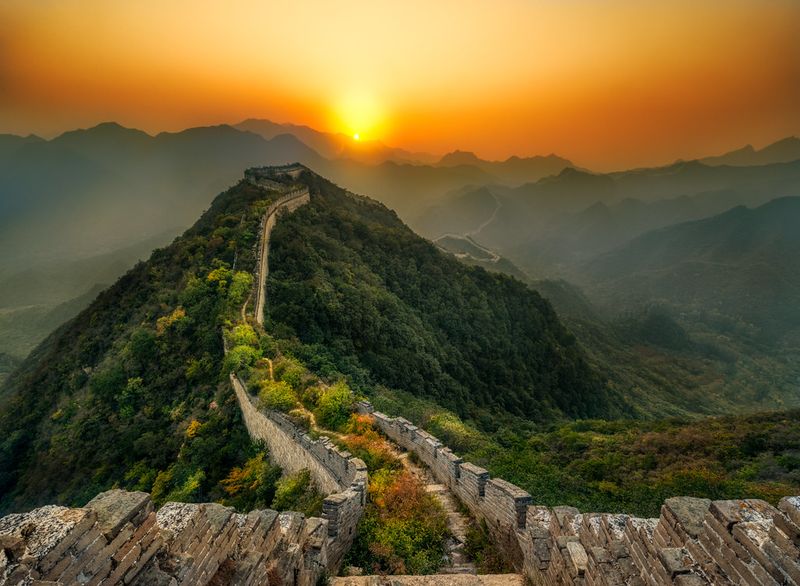
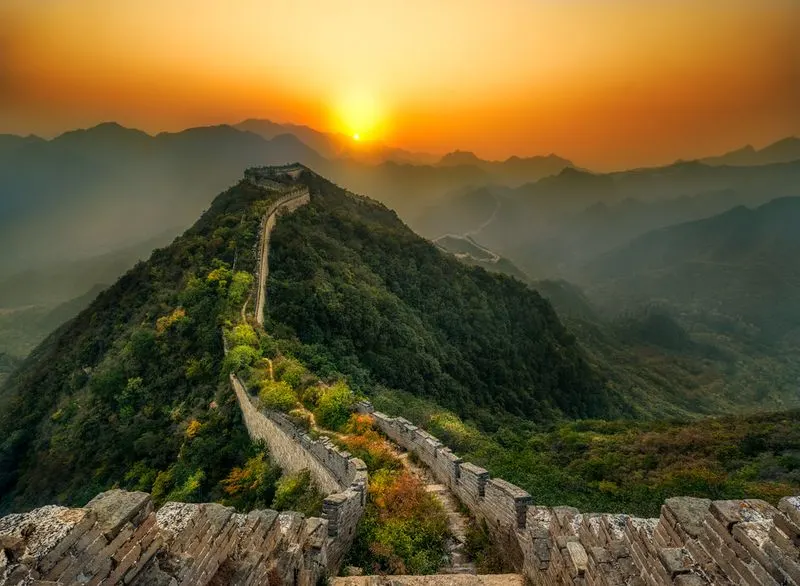
The Great Wall of China stands as a testament to human perseverance and ingenuity. Stretching over 13,000 miles, it weaves its way through mountains and deserts.
Originally built for defense, it now symbolizes China’s rich history and unity. Each section tells a tale of different dynasties, offering a glimpse into the past.
Walking along its ancient paths, one can’t help but feel the weight of centuries of history. This iconic structure continues to define China’s cultural identity, drawing millions to witness its grandeur.
Machu Picchu – Peru
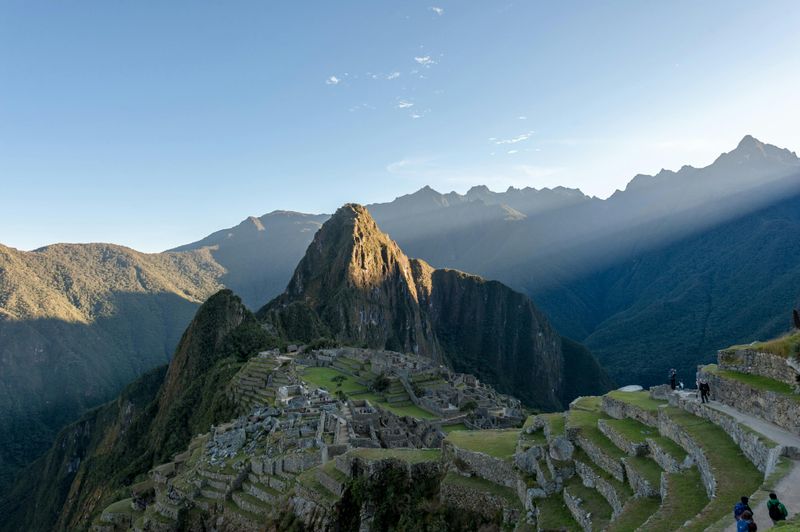
Nestled high in the Andes, Machu Picchu is a marvel of Incan engineering. Its terraces and temples reveal the sophistication of a civilization that thrived long before modern technology.
The site’s mysterious aura and breathtaking views captivate all who visit. It’s more than a historical site; it’s a testament to the spiritual and architectural prowess of the Incas.
Exploring its stones, one can almost hear whispers of ancient rituals and everyday life. Machu Picchu remains a symbol of Peru’s indigenous heritage.
Pyramids of Giza – Egypt
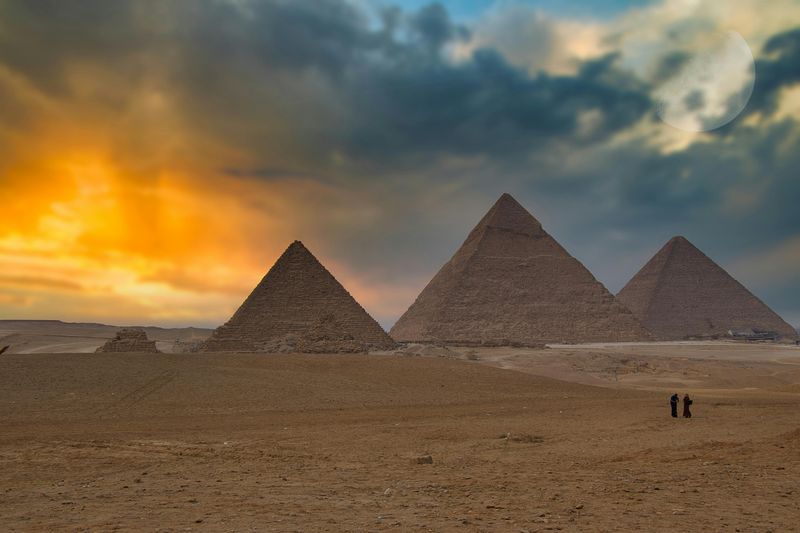
Rising proudly from the desert sands, the Pyramids of Giza have stood for millennia. These majestic structures, built as royal tombs, demonstrate Egypt’s ancient architectural brilliance.
The Great Pyramid, in particular, continues to intrigue scholars and travelers alike. These monolithic wonders represent not only the pharaohs’ power but also the enduring legacy of a civilization that shaped human history.
As sunlight casts long shadows over the desert, the pyramids remind us of Egypt’s monumental past.
Colosseum – Italy
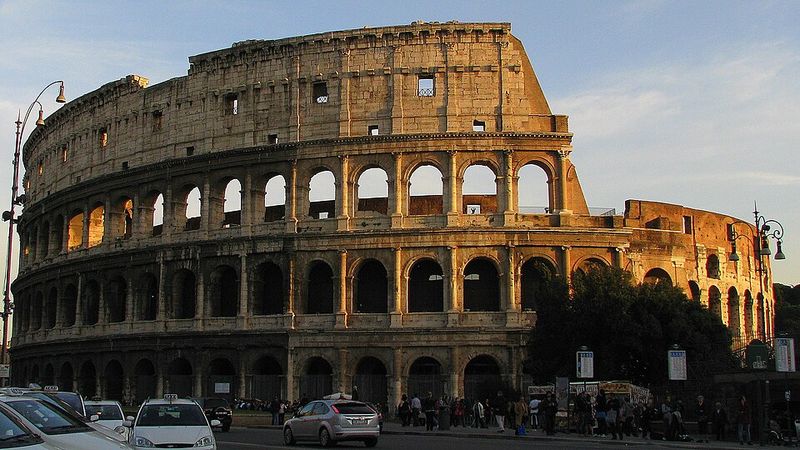
The Colosseum in Rome stands as a symbol of ancient Roman engineering and entertainment. This iconic amphitheater, once bustling with gladiators and spectators, showcases the grandeur of Roman society.
Its arches and corridors echo with stories of valor and spectacle. Despite centuries of wear, it remains a testament to the ingenuity and cultural significance of the Roman Empire.
Today, the Colosseum is a captivating window into Italy’s rich historical tapestry, inviting visitors to imagine the vibrant life of ancient Rome.
Taj Mahal – India
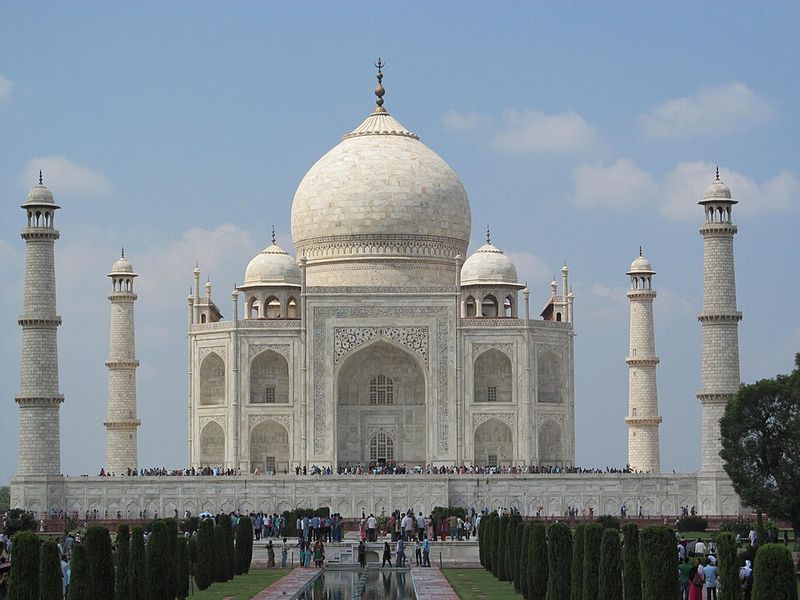
The Taj Mahal, a symbol of eternal love, stands regal and serene. Constructed by Emperor Shah Jahan in memory of his beloved wife, its white marble façade is adorned with intricate carvings and gemstones.
This architectural masterpiece is more than a mausoleum; it represents India’s rich Mughal legacy and cultural sophistication. As the sun rises, casting a golden hue, the Taj Mahal’s beauty captivates all who behold it.
It embodies romance, artistry, and devotion, defining India’s historical essence.
Angkor Wat – Cambodia
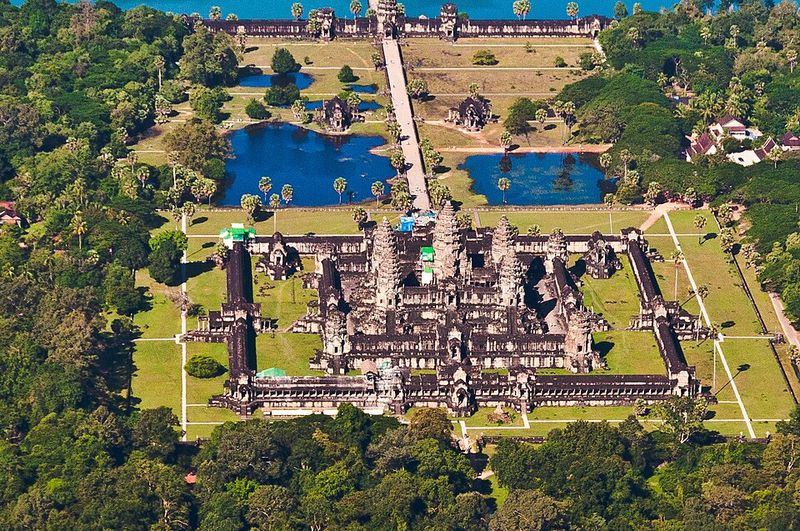
Angkor Wat, the world’s largest religious monument, stands as a testament to Cambodia’s spiritual heritage. Originally built as a Hindu temple, it later became a Buddhist site, reflecting the country’s religious evolution.
Its intricate bas-reliefs and majestic towers demonstrate the Khmer Empire’s artistic and architectural prowess. Walking through its sacred halls, one can feel its historical significance and spiritual depth.
Angkor Wat remains a source of national pride, embodying Cambodia’s rich history and cultural identity.
Stonehenge – United Kingdom

Shrouded in mystery, Stonehenge captures the imagination with its prehistoric origins. This enigmatic stone circle, located in the English countryside, has puzzled historians and archaeologists for centuries.
Its purpose, whether astronomical or ceremonial, remains a topic of intrigue. The ancient stones, aligned with celestial events, connect modern Britain to its distant past.
Stonehenge stands as a symbol of the United Kingdom’s enduring cultural legacy, inviting contemplation and awe.
Acropolis of Athens – Greece
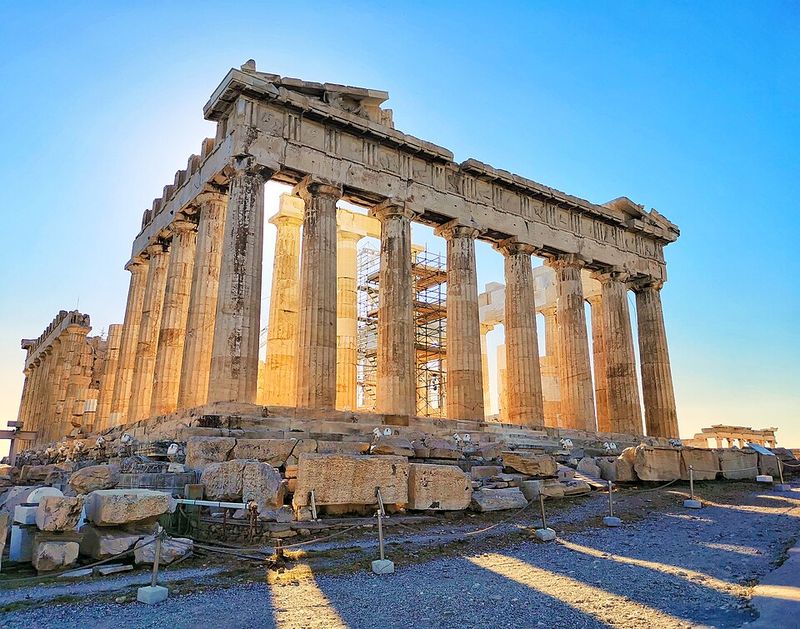
Perched high above Athens, the Acropolis is a beacon of Greece’s golden age. Its centerpiece, the Parthenon, epitomizes classical architecture and the democratic ideals of ancient Greece.
These ancient ruins, with their Doric columns and sculptural elegance, have inspired countless generations. As the sun sets over the city, the Acropolis glows with historical significance.
It remains a symbol of Greece’s philosophical achievements and cultural heritage, embodying the spirit of a civilization that shaped the Western world.
Chichen Itza – Mexico
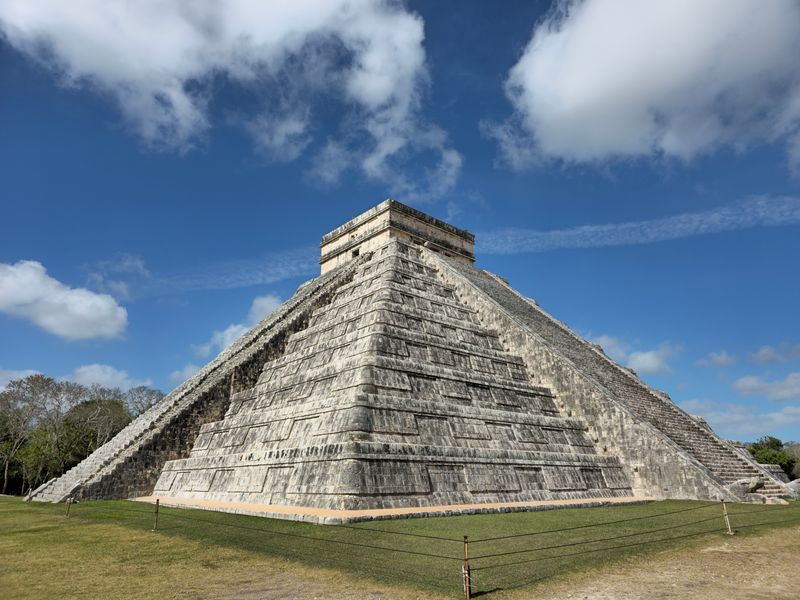
Chichen Itza, a testament to Mayan ingenuity, captivates with its architectural and astronomical alignments. The Kukulkan Pyramid, or El Castillo, is the crown jewel of this ancient city.
During the equinox, shadows cast by the pyramid’s steps create the illusion of a serpent descending, reflecting the Mayans’ advanced understanding of astronomy.
This site symbolizes Mexico’s rich pre-Hispanic cultural tapestry, blending art, science, and spirituality in its stone structures.
Petra – Jordan
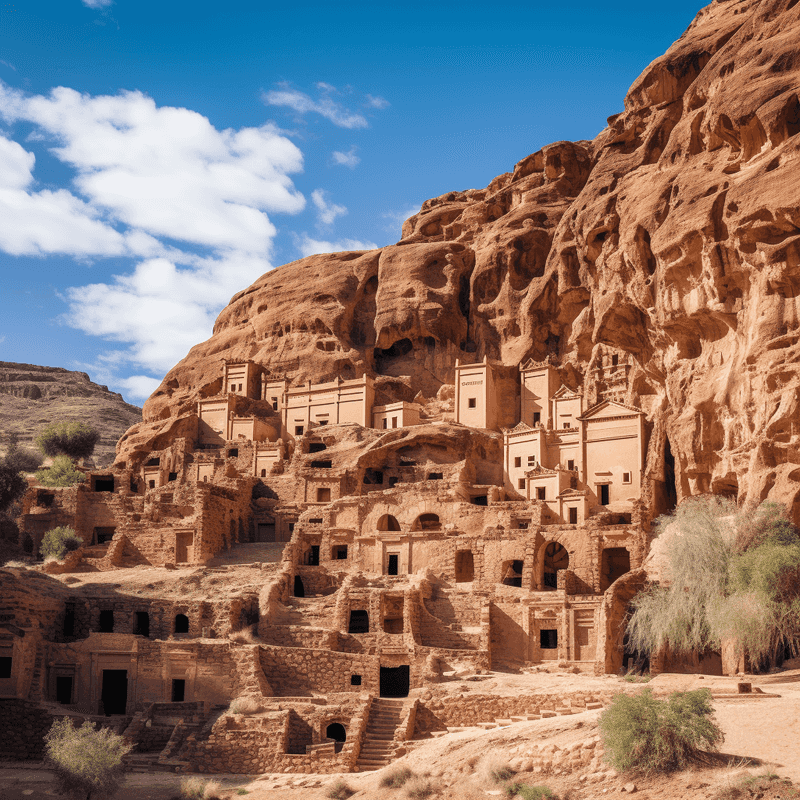
Petra, the rose-red city, reveals Jordan’s ancient engineering and cultural fusion. Carved into sandstone cliffs, its intricate façades and tombs tell stories of Nabatean craftsmanship and trade.
The iconic Treasury, Al-Khazneh, is a masterpiece of rock-cut architecture. Walking through its Siq, a narrow canyon, one is transported to a bygone era.
Petra’s historical significance as a cultural crossroads continues to intrigue and inspire, embodying Jordan’s rich legacy.
Kremlin – Russia
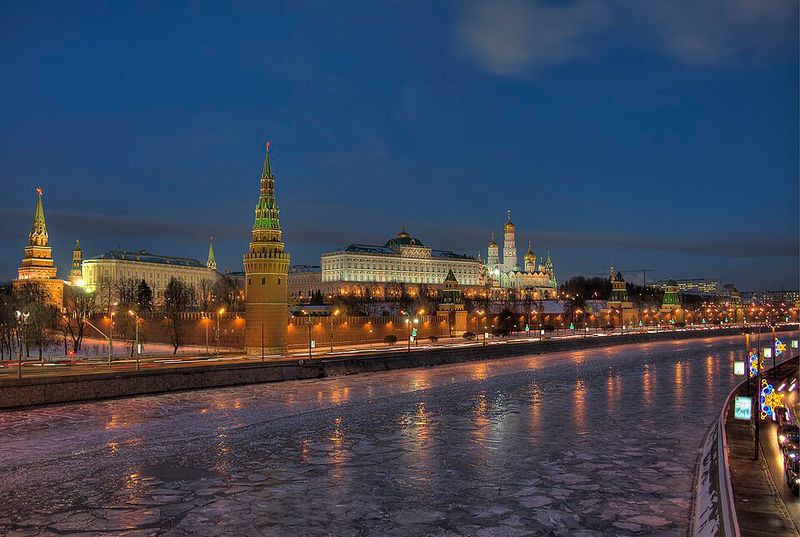
The Kremlin, a fortress of unparalleled grandeur, is the heart of Russia’s political and cultural history. Its cathedrals, palaces, and towers symbolize Russia’s architectural and historical evolution.
The red-brick walls and golden domes reflect centuries of power and artistry. As the seat of Russian leadership, the Kremlin embodies the nation’s resilience and complexity.
Beyond its walls lies a world of intrigue and tradition, making it a defining symbol of Russian identity.
Alhambra – Spain
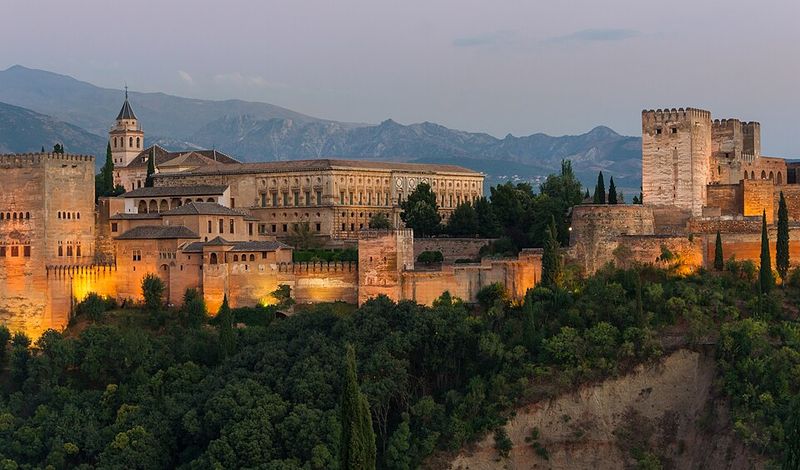
The Alhambra, perched on a hill in Granada, is a masterpiece of Moorish architecture. Its ornate palaces, gardens, and reflective pools create a serene and artistic oasis.
The intricate arabesques and calligraphy demonstrate the cultural synthesis of Islamic and Christian influences. This palatial fortress reflects Spain’s rich history of cultural fusion and artistic achievement.
The Alhambra remains a symbol of the diverse heritage that defines Spain, captivating all who wander its halls.
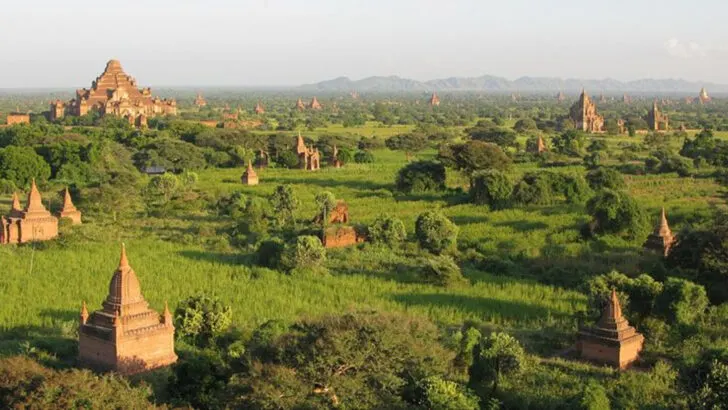
Bagan – Myanmar
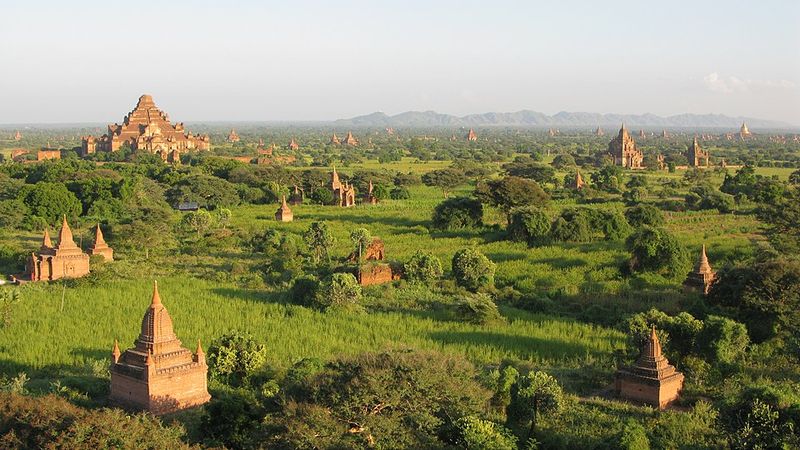
Bagan, a landscape filled with thousands of temples, offers a spiritual and historical journey through Myanmar’s past.
These ancient structures, each with unique artistry, reflect centuries of devotion and cultural achievement. As dawn breaks over the plains, the silhouettes of pagodas create a mesmerizing vista.
Bagan stands as a testament to Myanmar’s spiritual heritage and artistic legacy, inviting exploration and reflection in its sacred spaces.
Moai Statues of Easter Island – Chile
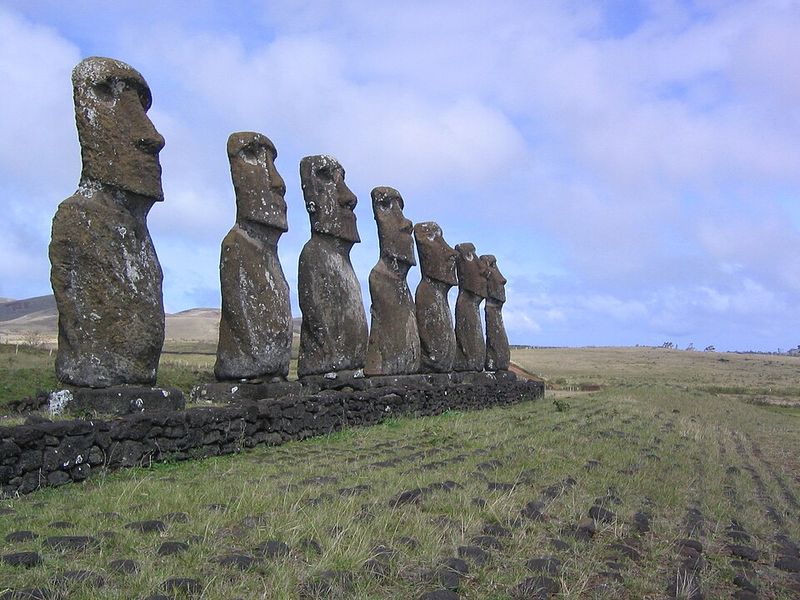
The Moai statues of Easter Island are enigmatic sentinels that guard the island’s secrets. Carved by the Rapa Nui people, these giant stone figures represent ancestral spirits and cultural pride.
Standing against the vast Pacific Ocean, they evoke mystery and wonder. Their silent presence speaks volumes about Chile’s indigenous legacy and the island’s historical intrigue.
The Moai continue to captivate, embodying a unique cultural chapter in Chile’s diverse history.