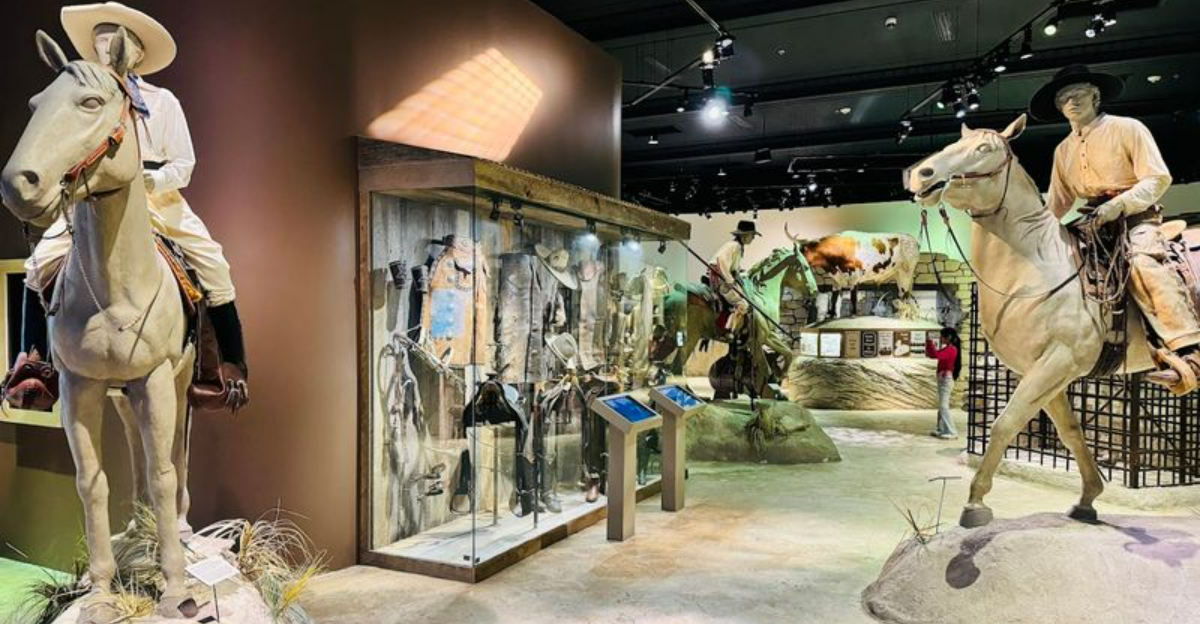
Some museums ask you to look quietly and move on, but Greensboro History Museum pulls you directly into the story. Inside this free downtown space, local history feels textured, human, and surprisingly emotional, especially when you are standing near objects that shaped real lives.
The building, the exhibits, and the voices woven through the galleries all make the past feel close enough to touch. If you want a museum visit that feels less like homework and more like discovery, this is the place to keep reading about.
More Than a Display Case
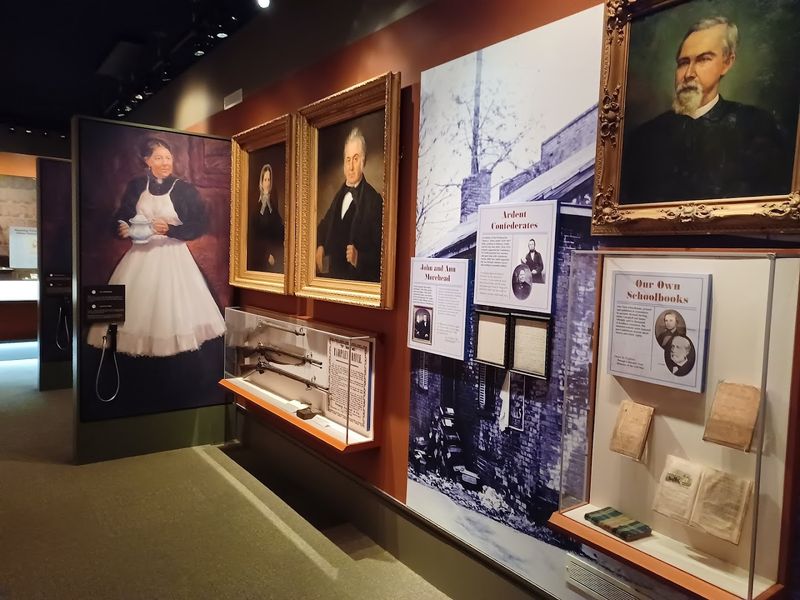
What struck me first about Greensboro History Museum was how little it feels like a museum built around passive watching. Instead of drifting past labels and glass, you are invited to press buttons, hear voices, compare choices, and notice how ordinary people shaped the city.
That shift matters because local history stops feeling decorative and starts feeling lived in.
The fact that admission is free changes the whole rhythm of the visit. You do not walk in with that internal timer asking whether every room is worth the ticket price, so you can linger where something catches you.
That freedom makes curiosity feel natural instead of scheduled.
I think that is what makes this place different from a lot of regional museums. It respects your attention enough to ask for participation, not just observation.
By the time you settle into the first few galleries, Greensboro no longer feels like a backdrop – it feels like a place full of choices, conflicts, routines, and voices.
A Former Church That Still Shapes the Mood
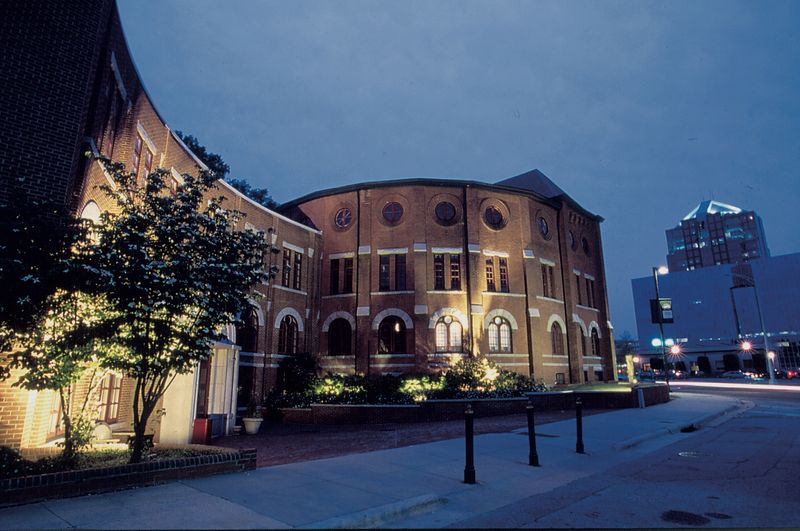
The museum building does not merely contain history – it contributes to it. Housed in the former First Presbyterian Church and the adjacent Smith Memorial Building, the space carries its own timeline before you even reach the first exhibit.
Old architectural bones and later renovations meet in a way that feels thoughtful rather than patched together.
Inside, the ceiling heights and light patterns quietly affect how you move through the galleries. There is a calm, almost reflective quality in some rooms that would be hard to replicate in a standard boxy museum.
Even when you are focused on artifacts, the structure around them keeps whispering that this place has already lived several lives.
I liked that the museum does not hide that layered identity. Exhibits such as A Place to Gather help explain how the site evolved from church to civic center to museum, which makes the building part of the collection.
You are not just visiting history here – you are standing inside it.
Interactive Galleries That Actually Mean Something
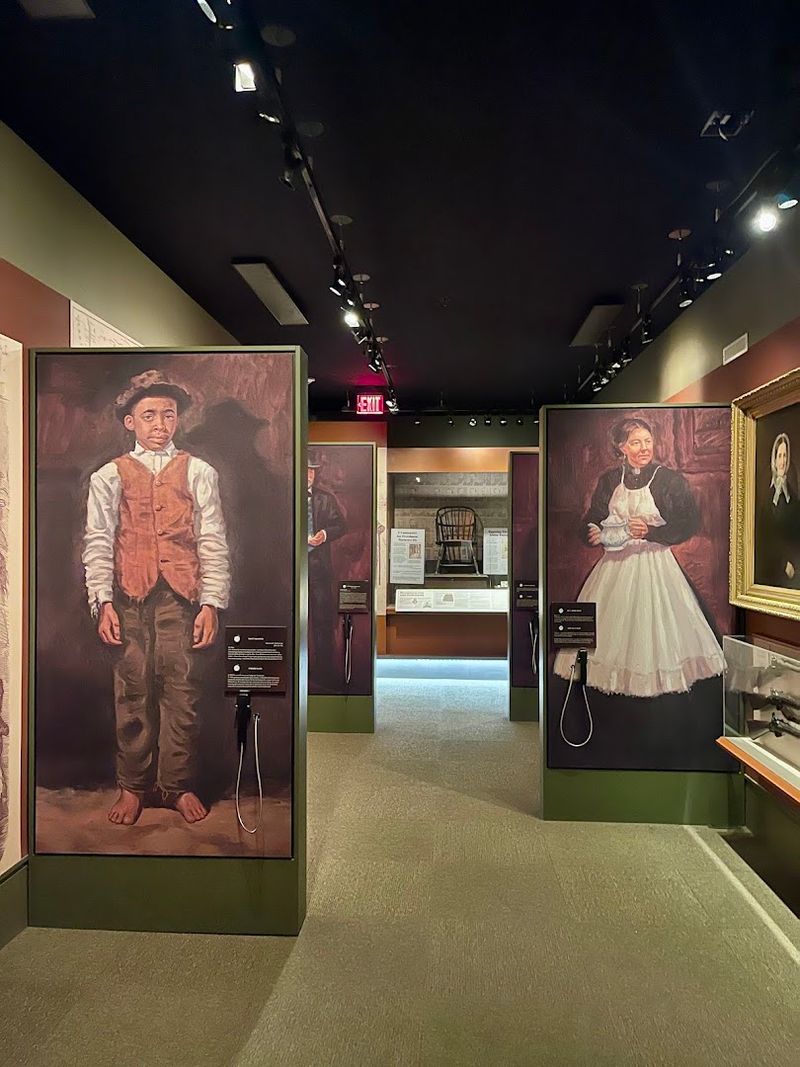
Interactive exhibits can sometimes feel like a museum trying too hard to seem modern, but that is not the vibe here. At Greensboro History Museum, participation is built into the storytelling itself, so touch screens, props, and audio stations feel useful rather than flashy.
They help you enter the material instead of distracting you from it.
One of the strongest choices is the way resident voices appear throughout the galleries. Audio and video elements let Greensboro people tell parts of the story in their own words, which shifts the tone from official narration to something more layered and human.
You are not simply being told what happened – you are hearing how history was experienced.
That community chorus gives the museum emotional range. A family story, a remembered job, or a neighborhood change can hit harder than a polished summary because it feels specific.
By the time you move on, the city seems less like a concept and more like a collection of people speaking directly to you.
Underground Railroad Stories Rooted in Place
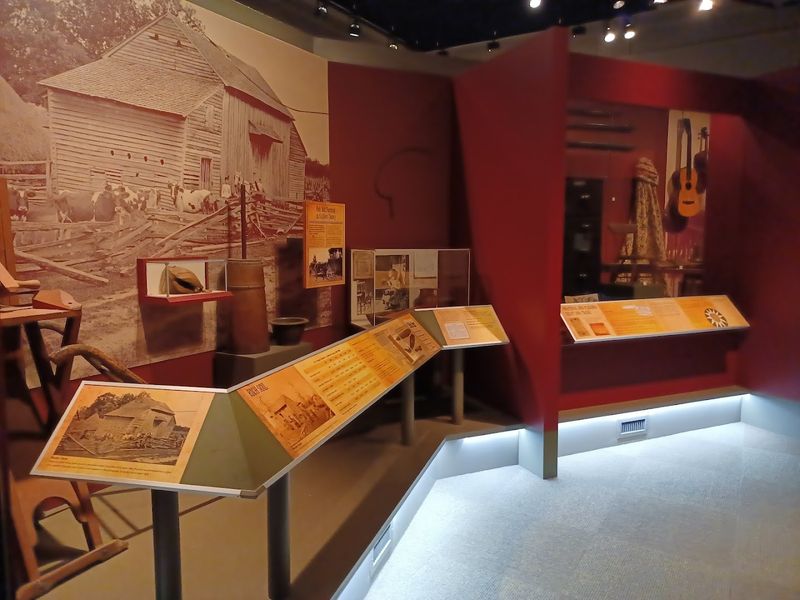
I liked that the museum does not treat the Underground Railroad as a vague national chapter that could belong anywhere. Instead, it ties the story to Guilford County, local geography, and the Quaker community that played a documented role in helping freedom seekers.
That specificity gives the exhibit weight and makes Greensboro’s connection feel traceable, not generic.
The result is a deeper kind of understanding. You begin to see how roads, homes, meeting places, and religious convictions shaped acts of resistance and refuge in this region.
Even displays involving quilts or domestic life carry more significance when they are connected to named people and local networks.
What stayed with me was the sense of proximity. These were not abstract moral heroes floating in textbook space – they were residents making choices within a real landscape that still exists around the city.
That grounding turns the exhibit into a regional discovery, and it makes the moral stakes feel more immediate for visitors walking through today.
Replica Streetscapes You Can Walk Into
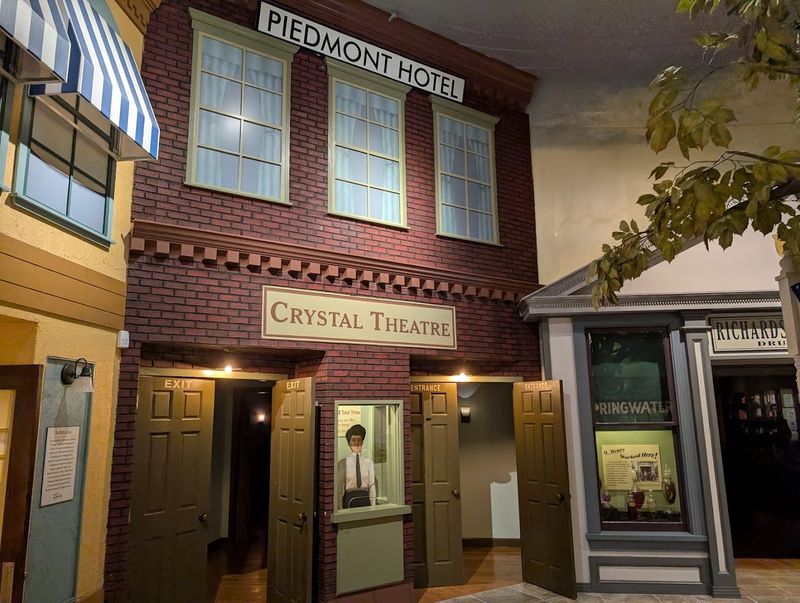
One of the most unexpectedly fun parts of Greensboro History Museum is the chance to move through recreated spaces rather than just study them from a distance. The replica streetscapes and period interiors let you step into approximations of Greensboro around 1900, including places like a drugstore, schoolroom, and theater.
That physical experience wakes up a different part of your imagination.
Flat photographs can tell you what a room looked like, but scale and arrangement tell you how it felt to be inside one. The width of a doorway, the placement of counters, and the closeness of walls all create a stronger memory than a panel ever could.
You are not pretending to time travel, but you are getting closer to the dimensions of everyday life.
I especially liked how carefully these environments appear to be researched. They do not feel like theme-park sets designed for quick novelty.
Instead, they work as spatial evidence, helping you understand that history happened in rooms, workplaces, and streets ordinary people navigated every single day.
Military History Told Through People, Not Just Conflict
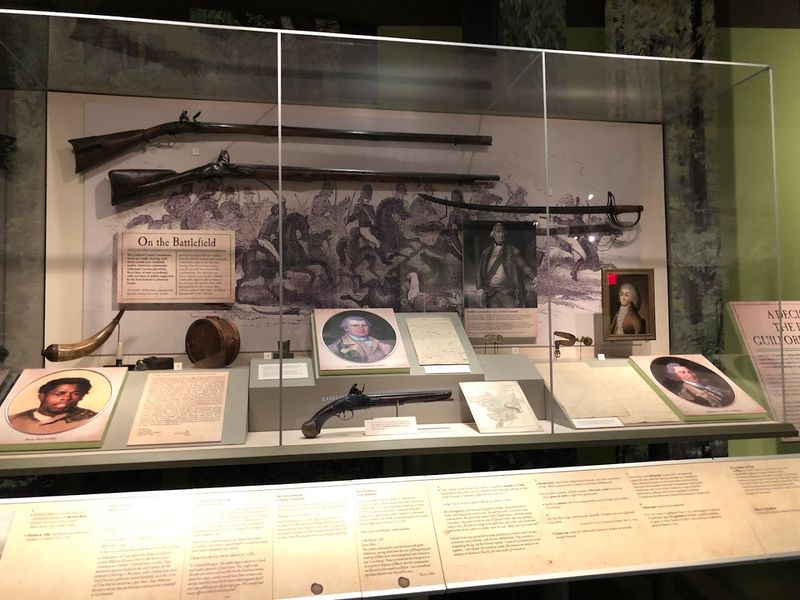
Military exhibits often lose me when they become a parade of battles, dates, and equipment without enough human context. Greensboro History Museum takes a more personal route, centering local residents who served across different conflicts and letting their artifacts speak with unusual intimacy.
Letters, uniforms, photographs, and keepsakes make the galleries feel closer to a family archive than a war hall.
That choice changes the emotional temperature of the experience. Instead of asking you to admire strategy or hardware first, the museum asks you to consider separation, duty, fear, memory, and return.
Even visitors who do not normally seek out military history can connect with that kind of storytelling.
I found the approach especially effective because it links national events back to Greensboro households. Service becomes something carried by neighbors, relatives, and familiar faces rather than distant historical actors.
The result is thoughtful, accessible, and quietly affecting, proving that military history does not need to be loud to leave a lasting impression on people moving through these rooms.
The Land Beneath the Story
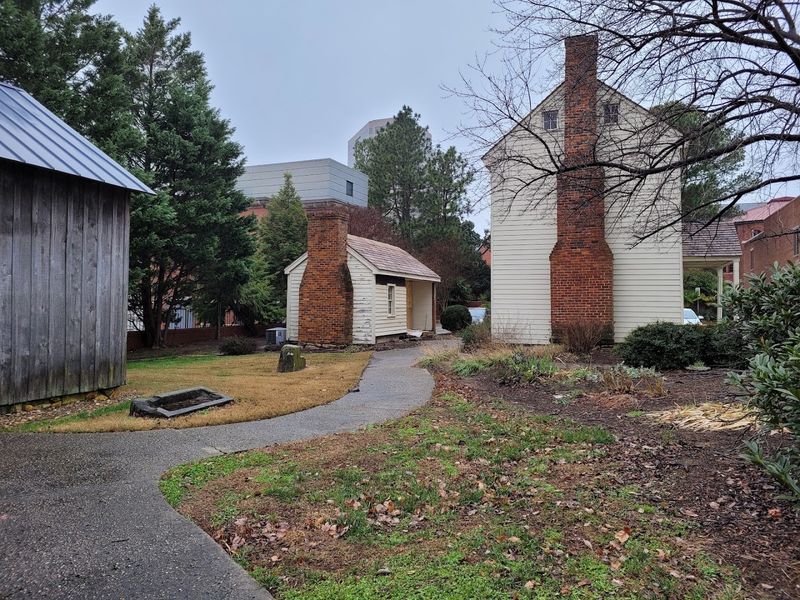
It is easy to think of city history as something built only from politics, business, and people, but this museum reminds you that land comes first. The natural history sections connect Greensboro’s human story to Piedmont geology, wildlife, water, and terrain, giving the rest of the museum a stronger physical foundation.
That context helps everything else click into place.
If you usually race past natural history displays, this section may surprise you. Understanding the region’s soil, resources, and environmental conditions clarifies why settlements developed where they did and how communities sustained themselves over time.
Cultural history feels more convincing when you can picture the ground beneath it.
I appreciated how reorienting this part of the museum felt. It nudges you to see Greensboro not just as streets and buildings, but as a landscape that shaped movement, trade, farming, and daily life long before modern downtown existed.
That broader frame makes the city seem less accidental and far more deeply rooted in the place itself.
Why It Works So Well With Kids
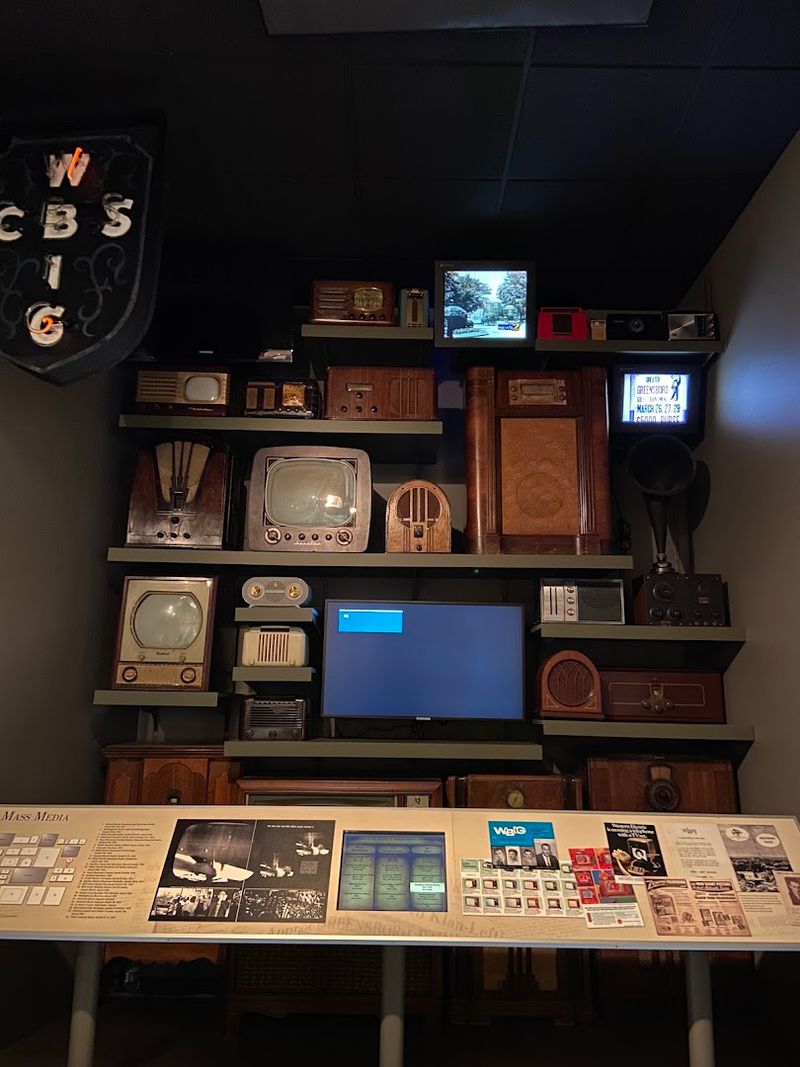
Some history museums ask children to become still, silent mini-adults, which rarely ends well for anyone. Greensboro History Museum feels more realistic about how kids learn, using hands-on features, short videos, walk-through environments, and interactive moments that reward curiosity instead of punishing movement.
That design makes family visits feel possible, not stressful.
The Woolworth counter area can be especially powerful for younger visitors because the story is both concrete and morally clear. Children often respond with immediate questions when they understand that people were denied something as ordinary as a seat and service because of race.
Those honest reactions can open better conversations than a lecture ever could.
I also like that the museum seems to welcome repeat visits. Free admission lowers the pressure, so families can spend an hour here, return later, or focus on just a few galleries without feeling they failed to cover everything.
For parents, teachers, and grandparents, that flexibility turns the museum into a resource rather than a one-time outing.
A Downtown Visit That Connects the City
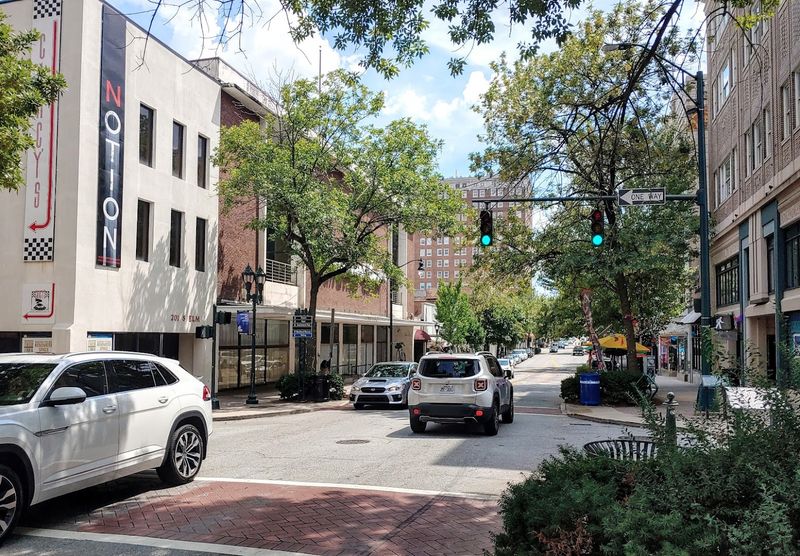
The museum’s downtown location makes it easy to turn one visit into a broader Greensboro experience. You can pair the galleries with coffee, lunch, a walk through nearby streets, or a stop at another cultural site without needing a complicated plan.
That convenience helps the museum feel woven into the city rather than isolated from it.
The strongest pairing is the short walk to the International Civil Rights Center and Museum in the former Woolworth building on Elm Street. Seeing the Greensboro History Museum first gives you useful civic and historical context, while the Civil Rights Center offers a deeper, more concentrated look at the sit-in movement.
Together, they create a fuller understanding than either stop can provide alone.
I also think the walk between them matters. Downtown Greensboro still carries visible traces of earlier commercial architecture, so the route itself reinforces what you have just seen indoors.
Instead of history ending at the exit, it keeps following you through blocks where the city’s past still feels present in brick, scale, and street rhythm.
Why This Free Museum Stays With You
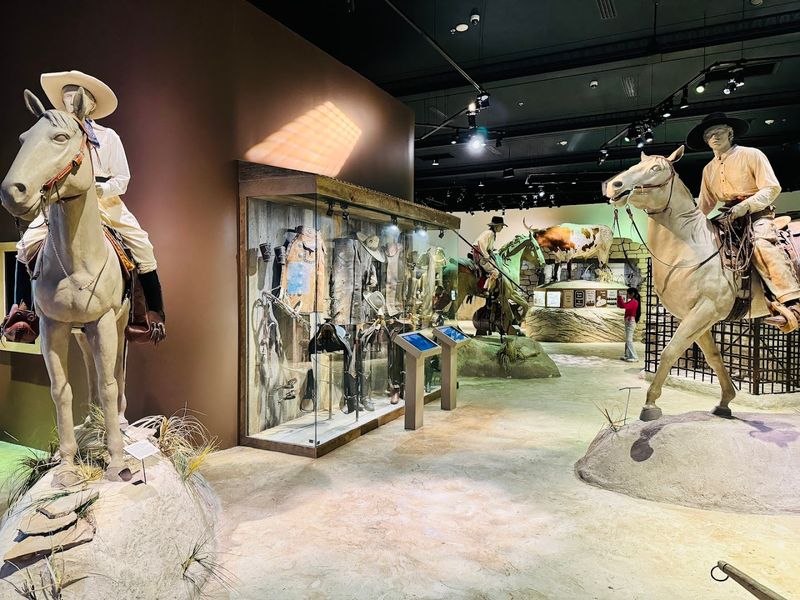
Greensboro History Museum works because it never treats local history like a lesser version of the national story. It assumes that this city’s details, tensions, inventions, neighborhoods, and turning points are worth serious attention on their own terms.
That confidence gives the whole museum a steadiness that feels refreshing.
I also think the interactive design succeeds because it is tied to understanding, not entertainment for its own sake. You are asked to listen, look closer, move through spaces, and connect voices across time, which creates a more active kind of memory.
Many visitors seem to arrive expecting a modest regional museum and leave having spent much longer than planned.
For a free institution in downtown Greensboro, that is a real achievement. The museum is welcoming without being shallow, reflective without being stiff, and family-friendly without sacrificing complexity.
If you give it unhurried attention, it rewards you with something increasingly rare – a sense that the past is not sealed away behind glass, but still speaking directly into the present.