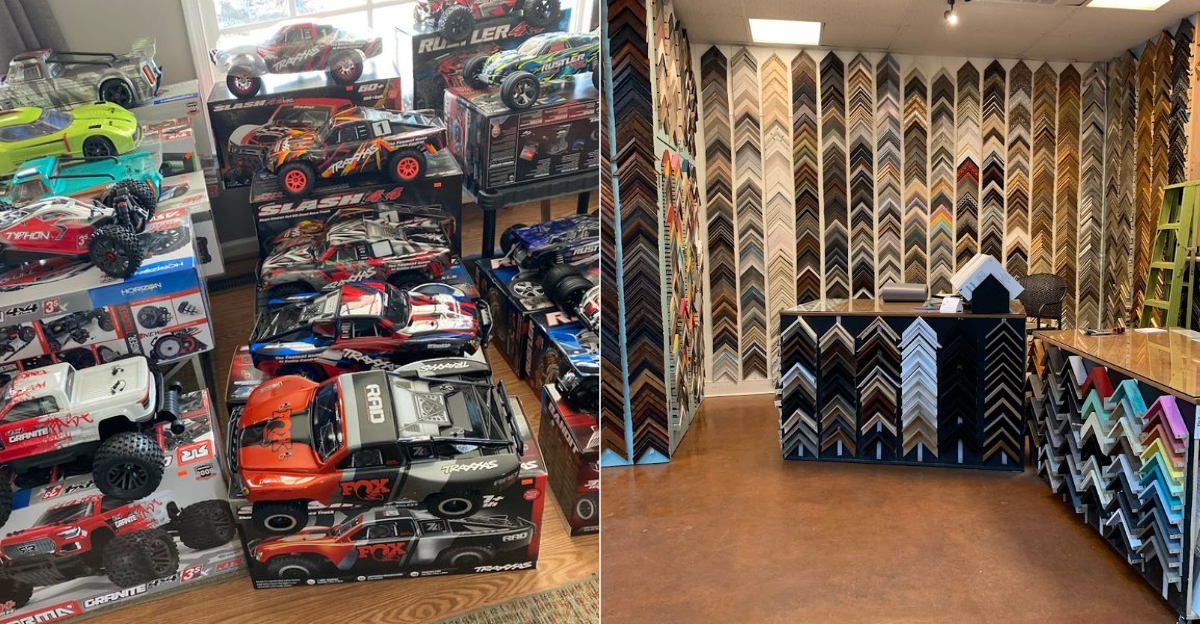
Across Virginia, hobby culture continues to thrive because it connects creativity with technical learning and practical skills that digital spaces cannot fully replace.
Even in an era of fast online shopping, local specialty stores remain valuable by providing expert advice, niche inventory, repair assistance, and hands-on guidance.
Dedicated spaces for model building, radio-controlled vehicles, tabletop gaming, and visual arts offer ongoing support for people who prefer learning through direct experience.
That combination of local expertise and real-world problem solving helps transform a casual interest into a meaningful long-term project.
Here is a guide to 10 hobby stores across Virginia that provide the tools, knowledge, and resources needed to build, test, create, and refine ideas through hands-on work.
HobbyTown – Glen Allen
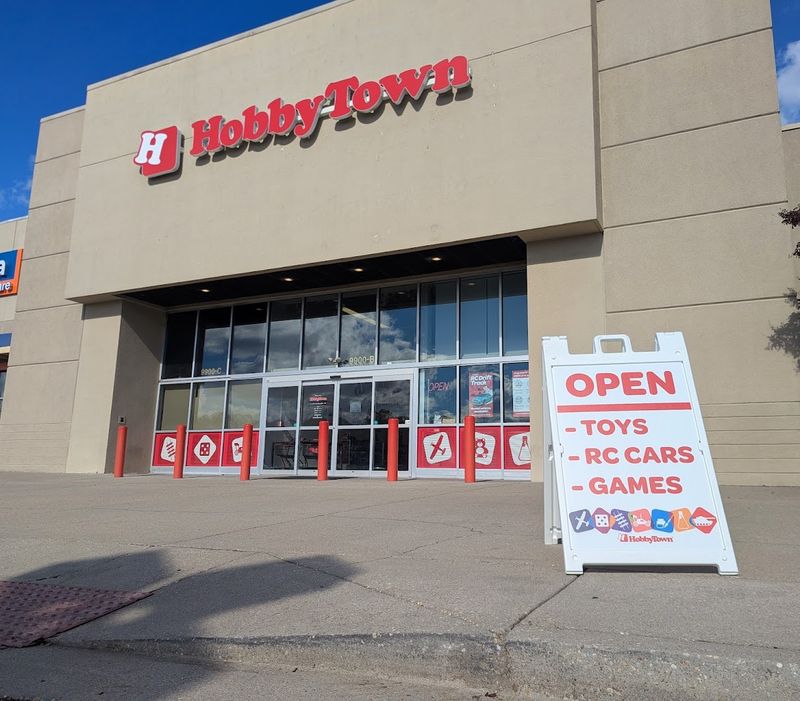
Walking into a broad hobby retailer like this matters because it brings very different interests into one working environment.
One aisle can hold RC cars and replacement batteries, while another carries scale models, paints, glues, cutting mats, and precision tools.
Nearby shelves often include STEM kits, robotics sets, educational games, slot car items, and beginner craft materials that help younger makers start with manageable projects.
That range supports a multi generational approach to making.
A parent looking for a science kit can ask questions beside a builder comparing airbrush supplies or decal solutions for a model aircraft.
Practical advice becomes part of the visit, especially when staff can explain battery care, paint compatibility, adhesives, or which starter kit avoids frustration.
Because hobby skills develop through repetition, access to restock items is essential.
Fresh blades, masking tape, weathering products, basing materials, and spare hardware keep projects moving instead of stalling halfway.
Large stores also help people sample several disciplines in one trip, which often leads to crossover learning between engineering, crafting, and visual design.
Huzzah Hobbies – Ashburn
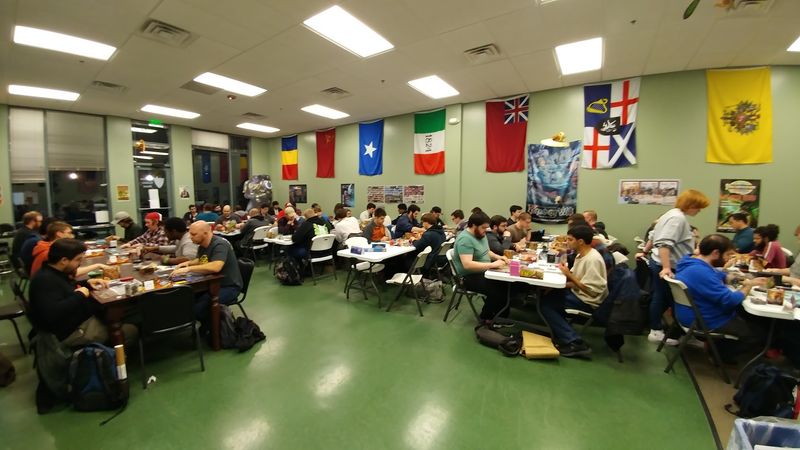
Shared gaming spaces do more than sell boxes and booster packs.
They create a setting where board games, collectible card games, role playing systems, miniatures, and Gundam models become ongoing practices shaped by conversation and regular play.
Tables for tournaments and open gaming give hobbyists a reason to return, test new ideas, and learn from people with different levels of experience.
Miniature painting adds another layer of skill development.
Paint racks, brushes, primers, basing materials, and hobby knives support the slow work of turning small figures into personal projects with color, texture, and narrative detail.
Card players benefit from organized events too, since structured play teaches deck construction, rules knowledge, timing, and adaptation under pressure.
Community matters especially in hobbies that grow through repetition and social contact.
A well run calendar of prereleases, leagues, painting meetups, and casual game nights helps newcomers enter without feeling lost.
Long term hobby culture often forms in places like this, where strategy, craftsmanship, collecting, and friendship reinforce each other across many different game systems.
Adrenaline RC Racing & Hobbies – Chantilly
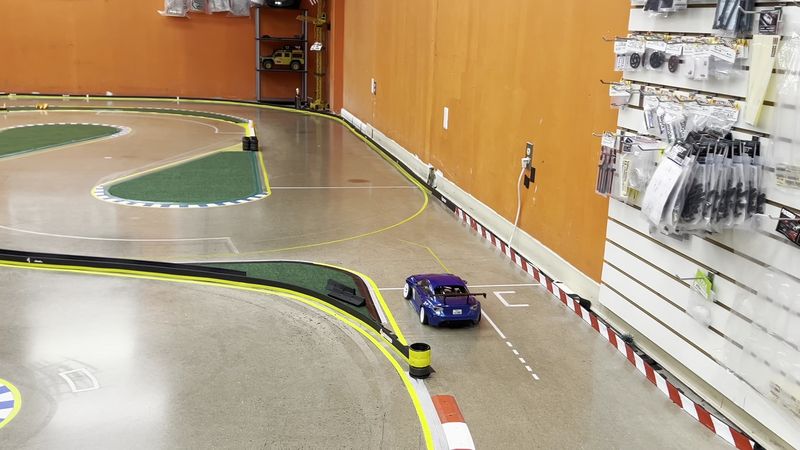
Radio controlled vehicles reward people who like speed, problem solving, and mechanical systems working together.
A dedicated RC shop supports that interest with cars, trucks, batteries, chargers, tires, tools, bodies, suspension parts, electronics, and drivetrain components that are rarely explained well on general retail sites.
Having knowledgeable help nearby is important when a small setup mistake can affect handling, heat, runtime, and reliability.
Maintenance is a major part of the hobby, not a side issue.
Bearings wear out, shocks need rebuilding, gears strip, tires balloon, and connectors fail after repeated hard use.
Access to replacement parts and tuning knowledge keeps equipment on track, while advice about gearing, ride height, differential fluids, and motor timing helps hobbyists understand performance as an engineering problem.
Racing culture also encourages disciplined observation.
Drivers learn to compare lap consistency, traction conditions, battery management, and the effects of tiny adjustments rather than guessing.
That process builds technical patience, especially for younger enthusiasts who begin with driving excitement and gradually discover electronics, mechanics, and careful diagnostic thinking through every repair and setup change.
Strasburg Hobbies – Strasburg

Model railroading combines storytelling, craftsmanship, and systems planning in a way few hobbies can match.
A store centered on trains and railroad modeling supports that complexity with locomotives, rolling stock, track, power systems, scenery materials, structures, wiring supplies, and detail parts that make a layout function and feel believable.
Historical references also matter, since many builders want eras, liveries, and operating practices that reflect real railroad history.
Layout planning teaches patience before a single train moves.
Curves, grades, sidings, turnout placement, electrical blocks, and access for maintenance all affect whether a design becomes enjoyable or frustrating.
Scenic work then introduces another skill set, including terrain shaping, ballast application, tree building, weathering, and the placement of structures so scale relationships look convincing.
Because this hobby blends art with technical precision, guidance can save months of trial and error. Experienced help on couplers, decoder installation, track cleaning, or scale selection is not trivial advice.
Builders often return for incremental purchases over long periods, turning a railroad into a continuing project that teaches research, planning, wiring, and visual composition.
Stone Blue Hobbies – Lynchburg
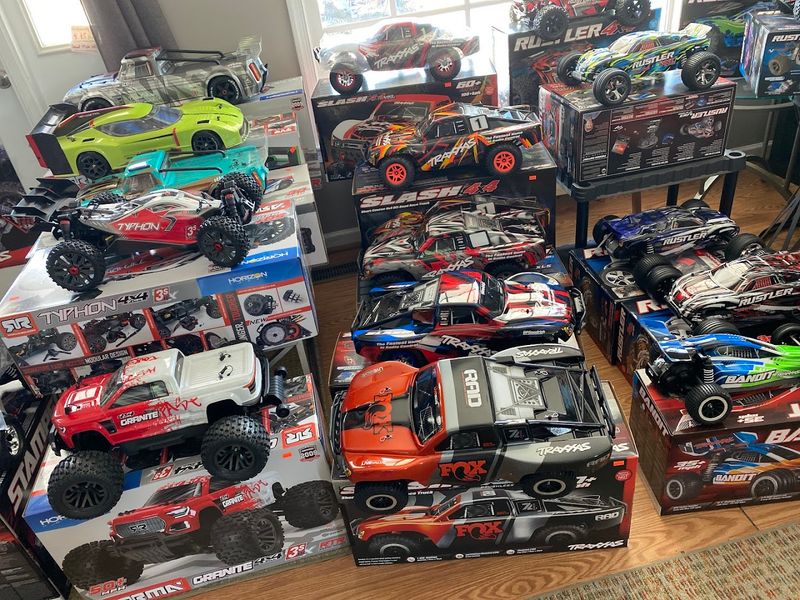
Detailed construction projects teach steady hands and careful sequencing, which is why a model focused hobby shop remains valuable.
Shelves devoted to kits, paints, sanding sticks, nippers, putty, styrene, masking products, weathering supplies, and adhesives give builders what they need to move from simple assembly into real customization.
That progression matters because model making becomes more rewarding once hobbyists understand cleanup, fit correction, seam work, and surface preparation.
Painting is often where technique starts to separate casual builds from polished work.
Color selection, primer choice, brush control, airbrushing, panel lining, and finishing coats all affect how plastic, resin, or mixed materials finally read to the eye.
Builders also learn fabrication skills when an out of box approach is not enough and small modifications require drilling, cutting, filling, or scratch built additions.
Another important lesson comes from problem solving under constraints.
A part may break, a decal may silver, or a joint may need reinforcement before final assembly.
Shops that support these processes help hobbyists think like makers, using tools and materials intentionally rather than rushing toward completion without understanding how a strong build is actually achieved.
Frontline Model Kits & Hobbies – Staunton
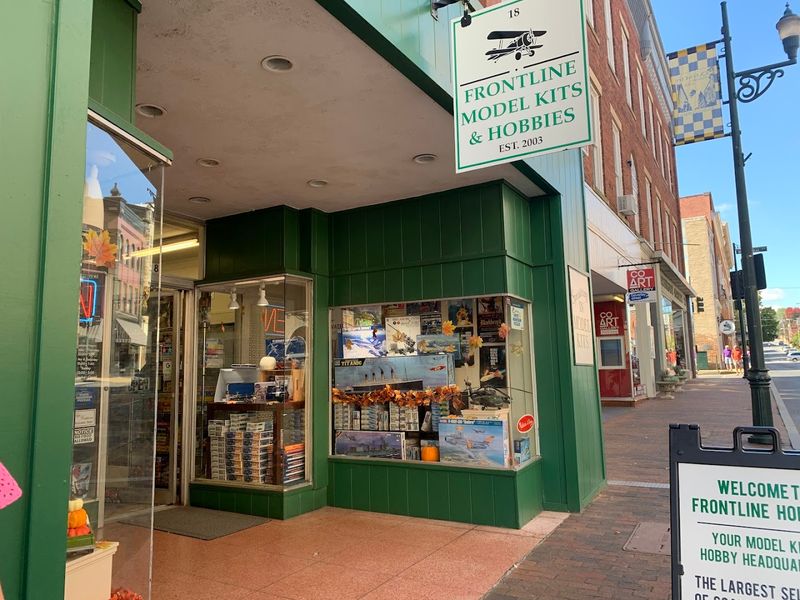
Historical model making asks for more than assembly skill.
A military focused shop usually connects kits with reference material, paint ranges, tools, aftermarket details, and weathering products that help builders recreate aircraft, armor, ships, and figures with greater accuracy.
That research dimension is important because markings, camouflage, field modifications, and equipment placement often changed across theaters and time periods.
Accuracy pushes hobbyists to study photographs, unit histories, technical manuals, and production differences.
Choosing the right version of a tank or aircraft can involve questions about armament, stowage, antenna placement, or late war finish changes that are invisible to casual observers but essential to serious builders. Weathering then becomes interpretive, not random, since dust, chipping, exhaust staining, and mud should reflect environment and service conditions.
Educational value emerges through that process of reconstruction.
Instead of reading history only as text, builders engage with scale, mechanics, and material culture while making a three dimensional object.
Careful model work also teaches restraint, because every added detail must support a coherent historical subject rather than turning the finished piece into a collection of impressive but inaccurate effects.
Blick Art Materials – Richmond
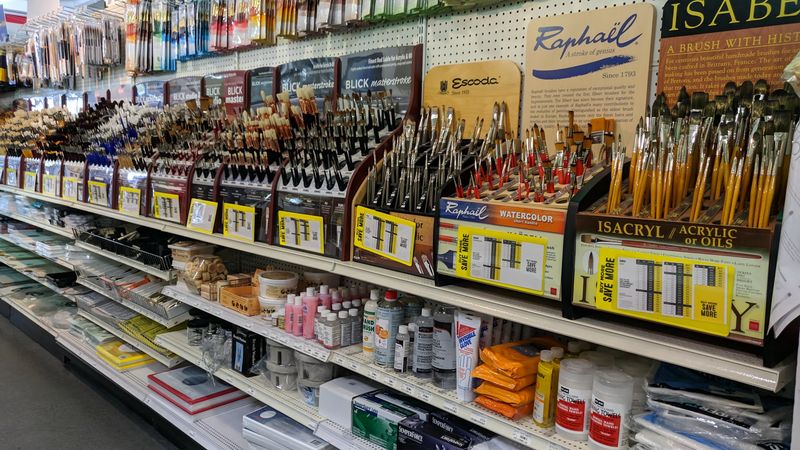
High quality art materials shape results long before the first line is drawn.
A serious art supply store supports drawing, painting, printmaking, illustration, and studio practice with professional pigments, sketchbooks, brushes, canvases, papers, inks, easels, and storage tools that behave predictably under repeated use.
For artists developing discipline, that consistency matters because cheap substitutes can obscure whether a problem comes from technique or from the material itself.
Drawing tools alone reveal how important specialization can be.
Graphite grades, charcoal types, erasers, toned paper, blending tools, and fixatives each influence texture, value range, and revision methods.
Painters face similar decisions with surfaces, mediums, varnishes, palette knives, and brush shapes, all of which affect drying time, layering, edge control, and long term durability.
Access to informed supply choices supports education in a practical way.
Students can compare papers for watercolor versus marker work, while experienced artists refine a studio setup around archival concerns and workflow.
Resource rich stores also encourage experimentation across media, letting people test whether a new process, such as gouache, acrylic ink, or linocut printing, fits their developing visual language.
Blick Art Materials – Fairfax
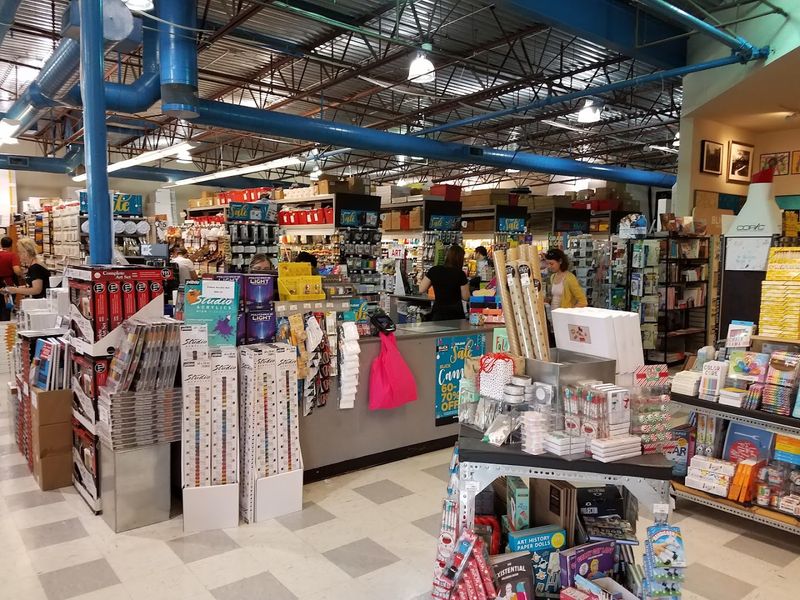
Creative growth often depends on access to materials that invite experimentation without lowering technical standards.
A well stocked fine art store gives students and working artists room to combine acrylics, watercolor, ink, markers, pastel, collage papers, boards, adhesives, and specialty surfaces in ways that support mixed media practice.
That breadth matters because contemporary art making frequently moves between drawing, painting, design, and object based processes rather than staying in one strict category.
Studio habits develop through these choices.
Selecting archival paper, gessoed panels, gel mediums, cutting tools, or portfolio cases teaches artists to think about presentation, storage, transport, and the physical life of a piece after it leaves the desk.
For students especially, being able to compare materials in person makes assignments less abstract and helps them understand why instructors specify certain weights, formats, or pigment properties.
Experimentation becomes more useful when it is grounded in material knowledge.
Trying metallic leaf, alcohol inks, screen printing supplies, or brush markers is not just about novelty.
Those tools expand visual vocabulary while teaching control, layering, surface compatibility, and risk taking, which are central to building a sustainable creative practice over time.
Just Games Lexington – Lexington
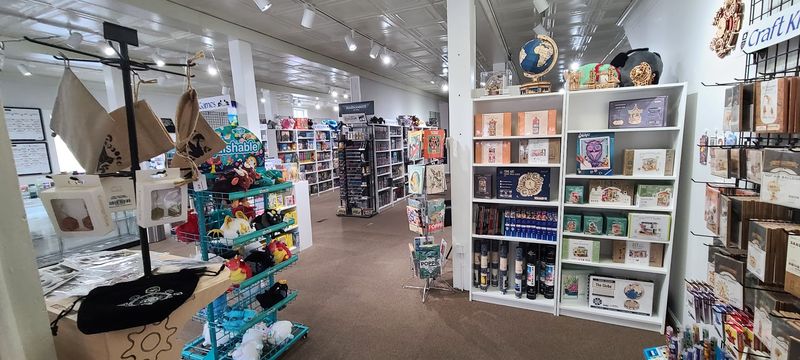
Tabletop play develops practical thinking in ways that are easy to underestimate.
A game store centered on board games, role playing titles, and strategy systems provides access to rules dense experiences that reward planning, negotiation, probability awareness, and flexible decision making. Shelves full of modern tabletop design also expose players to very different structures, from cooperative problem solving to economic engines and asymmetric conflict.
Organized play adds another educational layer.
Scheduled events teach players how to learn systems efficiently, communicate clearly, resolve disputes through rules references, and adapt tactics as opponents reveal new approaches.
Role playing sessions build a different set of skills, including collaborative storytelling, improvisation, listening, and the ability to contribute within a group without dominating it.
Social interaction is the real infrastructure behind long term play.
Regular meetups lower the barrier for newcomers who may not already have a full gaming group at home. Discussion around a table often becomes as valuable as the game itself, as players share strategies, discover new titles, and build patience, teamwork, and communication skills.
Creative Framing and Art Box – Charlottesville
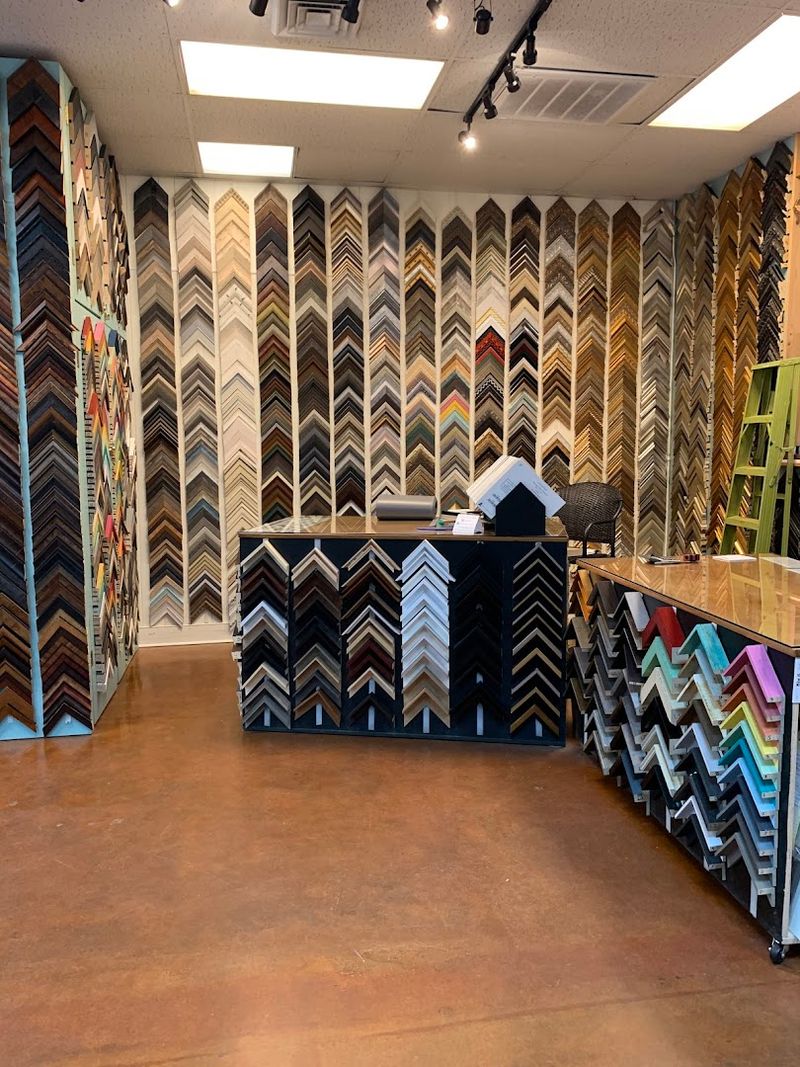
Presentation changes how creative work is seen, preserved, and remembered.
A shop that combines art materials with custom framing helps makers think beyond production and consider matting, glazing, frame profiles, mounting methods, and archival choices that protect a piece over time.
That knowledge is especially important for works on paper, textiles, photographs, and original art that can warp, fade, or deteriorate when displayed carelessly.
Framing is also a design decision, not just a finishing step.
Color relationships between artwork, mat board, and moulding can either support the image or distract from it, while glass choices affect reflections, visibility, and conservation.
Artists benefit from understanding these variables early, because the intended presentation can influence paper size, border planning, and how a final piece should be signed or documented.
Workshops and supply access deepen that relationship between making and display.
Local art culture grows when people can learn practical techniques, share work in progress, and ask informed questions about preservation.
Proper finishing honors the labor behind a project, whether it began as a sketch, print, painting, or personal keepsake meant to remain stable for years.