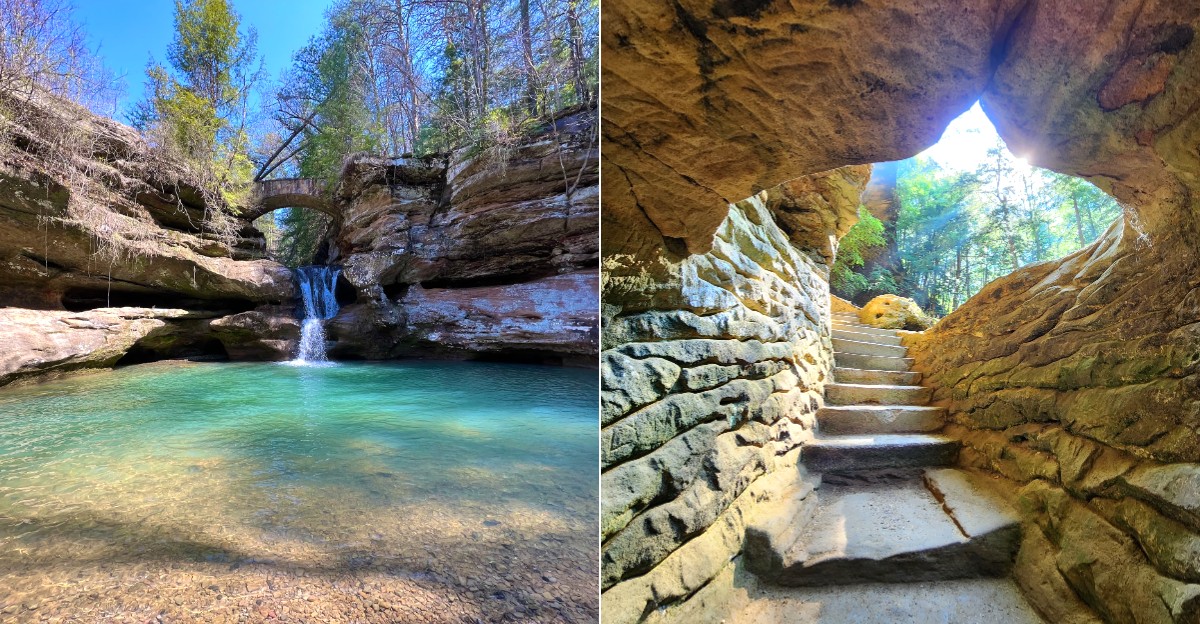
A hermit once called this sandstone overhang home, and the whole place still carries his nickname. In winter, the waterfalls nearby can freeze into hanging curtains of ice.
That alone got my attention. Seep water inside the rock shelters can also freeze into cone-shaped ice towers that rise from the ground like frozen candles.
I like how the cold months strip everything down to rock, water, and quiet. The bare trees open up views that summer leaves usually hide.
Trails here are far calmer in winter, especially on weekdays, which feels rare for one of the busiest spots in Ohio.
I can’t imagine a better time to hear a creek echo off cliff walls. So why does almost everyone save this trip for summer?
The Gorge Feels Like A Different Planet Once The Trees Go Bare
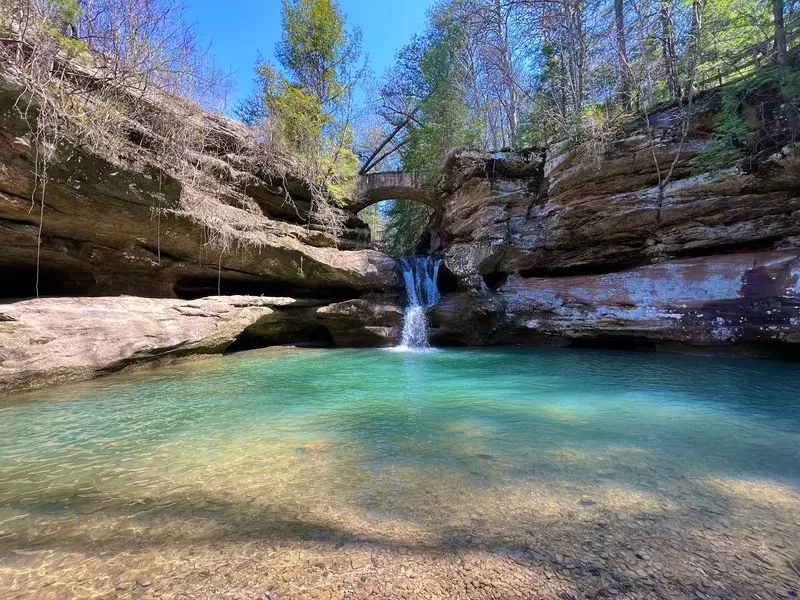
Old Man’s Cave sits inside Hocking Hills State Park, and late fall flips its whole personality. The summer canopy disappears, and the sandstone cliffs finally get the spotlight.
The gorge follows Old Man’s Creek through five main sections. You get the Upper Falls, Upper Gorge, Middle Falls, Lower Falls, and Lower Gorge, all in one stretch.
Bare branches mean longer sightlines down the valley. Rock shapes and ledges that hide behind leaves in July suddenly stand out like they’re posing.
The trails stay open year-round, too. Hours run from half an hour before sunrise to half an hour after sunset.
Winter days are short, so plan your start time carefully. An early arrival gives you more daylight and a better shot at quiet paths.
Weekdays in the colder months are noticeably calmer than summer weekends. That means fewer people stacked on the stone steps and more room to stop and look around.
I believe that’s the real reward here. You get the same famous scenery with space to actually enjoy it.
Bring layers and a thermos. The cliffs block some wind, but the gorge floor can feel chilly in the shade.
Frozen Waterfalls Steal The Show When Temperatures Drop
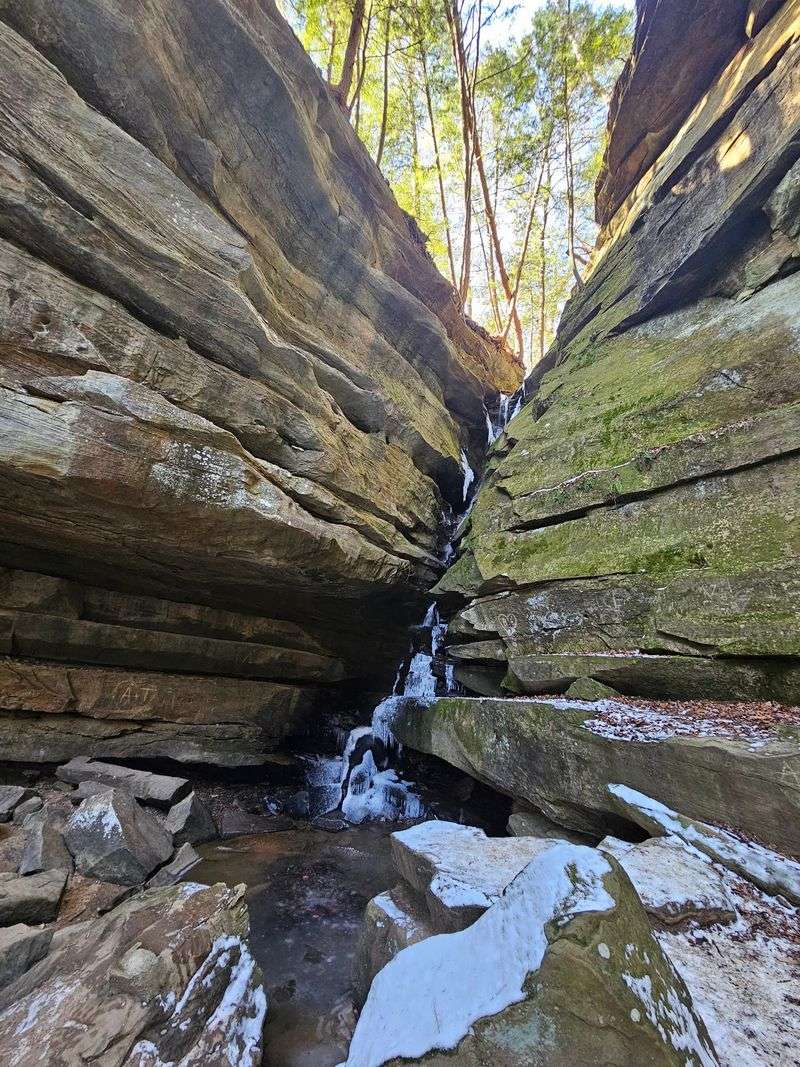
Ice curtains. That’s the headline when a cold snap hits the Upper Falls at Old Man’s Cave.
The Upper Falls often freezes into dramatic sheets of ice. Icicles line the sandstone ledges nearby, hanging like rows of glass teeth.
Inside the rock shelters, something even stranger happens. Water seeping through the stone freezes into cone-shaped ice formations that grow from the ground up.
Those frozen cones look almost fake. They’re a natural trick of dripping water and steady cold, and they only show up in winter.
The best displays depend on the weather, so timing matters. A stretch of below-freezing days usually builds the most impressive ice.
Photographers, this is your season. The pale ice against tan and gray rock makes for striking contrast without any filters.
Keep a respectful distance from the ice, though. Hikers must stay on designated trails, and wading in the falls or creek isn’t allowed in any season.
Honestly, the rule saves you from cold socks anyway. The view from the trail is plenty close for jaw-dropping shots.
Check the forecast before you go. A few frigid nights can turn a normal hike into a frozen gallery.
Your Boots Matter More Than Your Camera Here
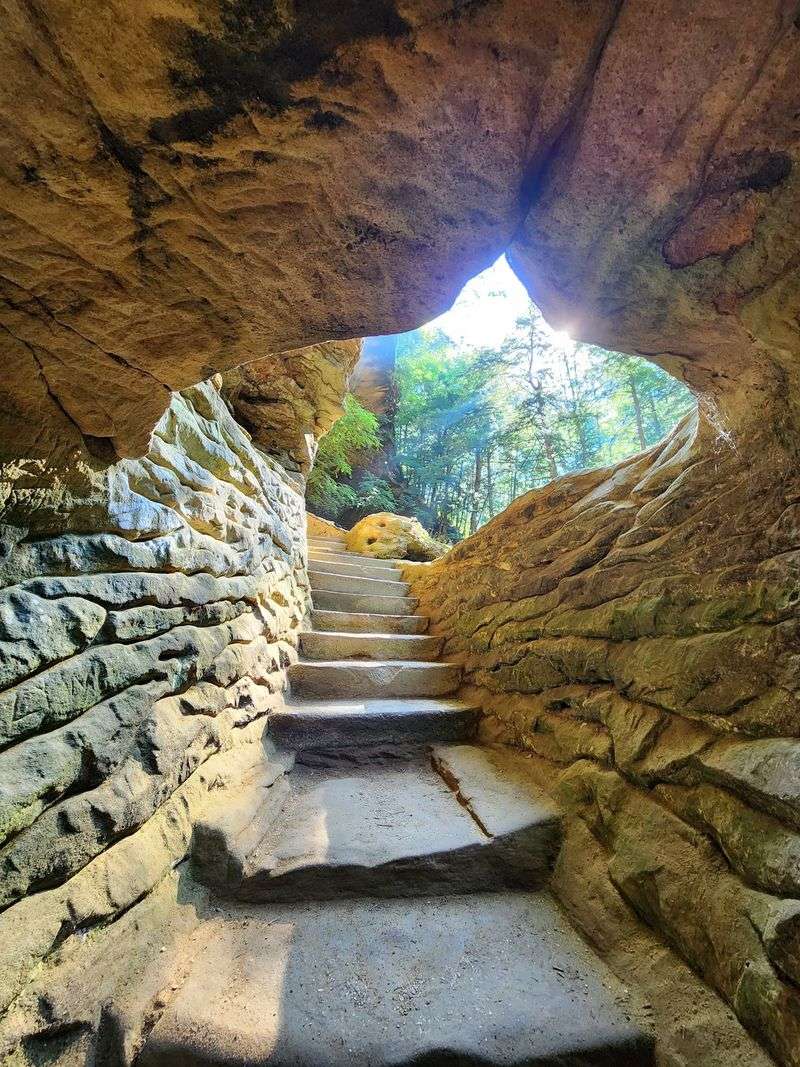
Stone steps carved into the gorge look charming until they’re coated in ice. Then they become a lesson in humility.
The main gorge trail runs one way, starting near the Upper Falls. It drops into the gorge on rugged stone steps and climbs back out the same way.
A shorter loop covers about 1 mile. Continue to the Lower Falls, and you’re closer to 1.5 miles.
Don’t let the distance fool your legs. Narrow paths, cliffs, and plenty of stairs make the full hike moderate to difficult.
Winter adds slick spots on stairs and trails. Ice cleats or microspikes are recommended, along with sturdy footwear and warm outerwear.
Microspikes slip right over your boots. They’re cheap insurance compared to sliding down a sandstone staircase on your backside.
Gloves help too. You may want to steady yourself on railings without freezing your fingers.
Leashed pets are welcome on a leash six feet or shorter. Still, the cliffs and steep steps aren’t ideal for every dog, especially in icy weather.
Move slowly and enjoy it. The gorge isn’t going anywhere, and neither should your footing.
A Swirling Stone Basin With A Devilish Name
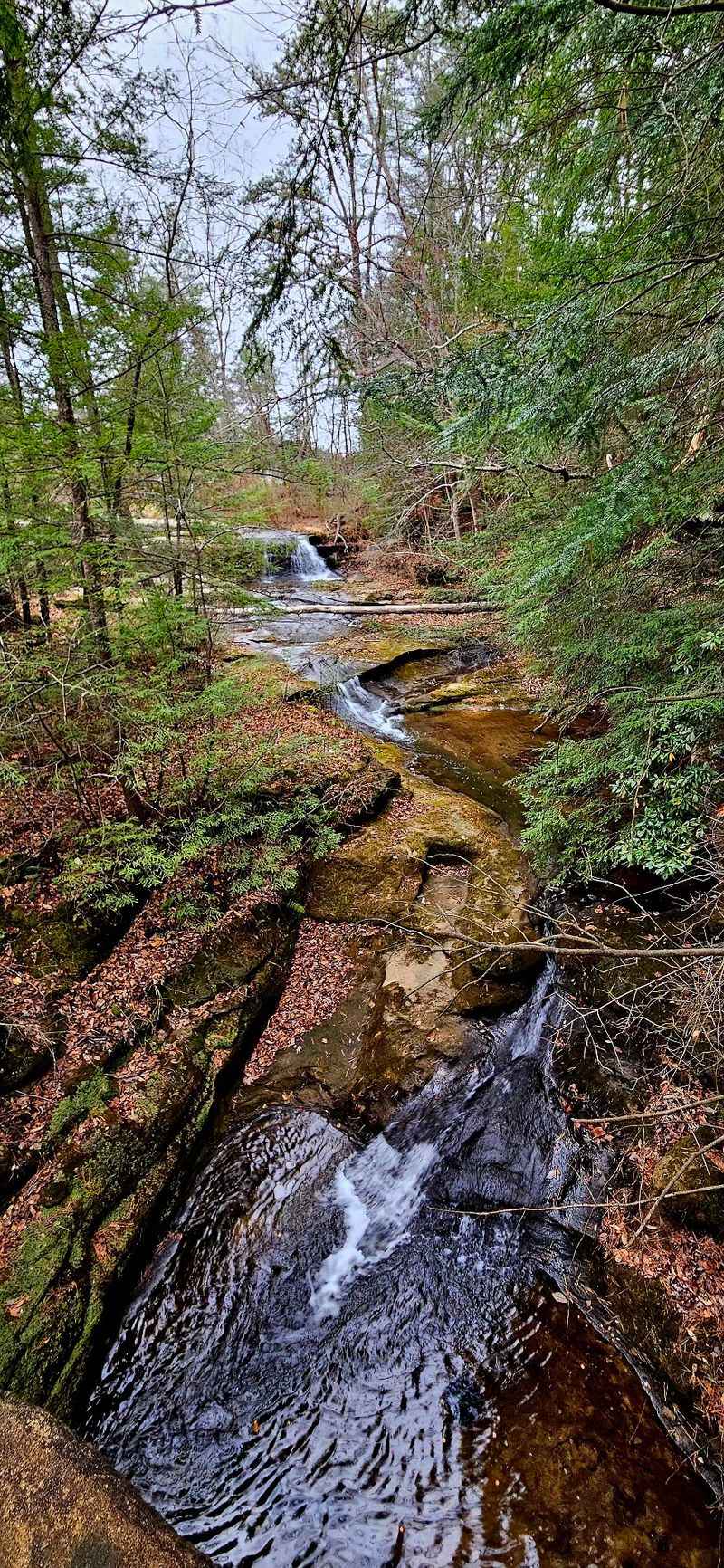
Water has been sculpting the Devil’s Bathtub for a very long time, and it shows. The basin is smooth, round, and swirling, carved straight out of Blackhand sandstone.
A small waterfall feeds it, keeping the water churning. Hikers cross a rock bridge right over the top for a great look down.
The name sounds spooky, but the spot feels more like a natural whirlpool. It’s one of the most recognizable stops in the whole gorge.
That Blackhand sandstone has quite a backstory. It formed between 330 and 345 million years ago, which makes your oldest jeans look brand new.
Glaciers helped shape the region much later. Their erosion played a role between 14,000 and 17,000 years ago.
Late fall and winter make the basin easier to study. With fewer people crowding the bridge, you can pause without feeling rushed.
Look closely at the curves in the rock. Every groove tells you exactly how the water moves.
Remember, no wading or swimming here. Admire the swirl from above and let the Bathtub keep its water to itself.
Meet The Hermit Behind The Famous Name
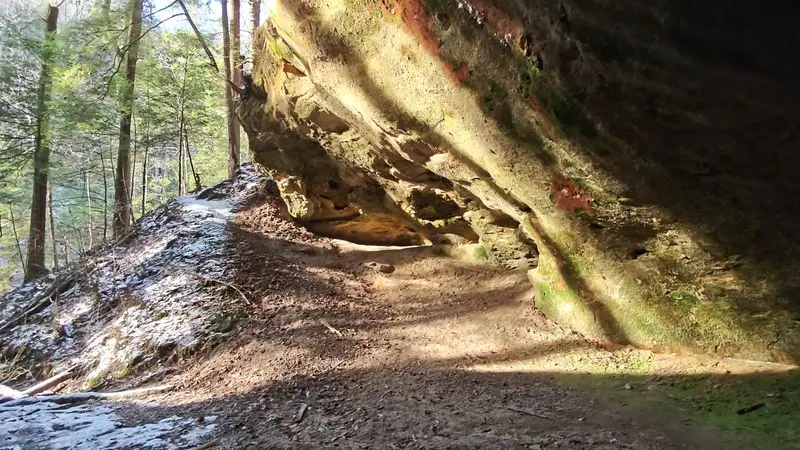
Richard Rowe never planned on becoming a tourist attraction. Yet here we are, still using his nickname.
Rowe was a hermit and trapper who lived in the large recess cave during the 1800s. His family had moved to the Ohio River Valley from Tennessee around 1796.
Legend says he spent the rest of his life in that cave. The story claims he rests beneath a ledge of the main recess, though the exact spot remains unknown.
He wasn’t the first resident either. Two brothers, Nathaniel and Pat Rayon, lived in the area around 1795.
The human story goes back much further. Archaeological evidence suggests American Indians visited roughly 7,000 years ago.
Between 1600 and 1800, the Wyandot, Lenape, and Shawnee lived and hunted across the Hocking Hills. That’s a long line of people drawn to these cliffs.
The cave itself is a huge overhang carved by erosion. Standing under it, you can see why someone would pick it for shelter.
Winter makes that idea feel very real. It’s easy to wonder how Rowe handled January out here.
Spot The Sphinx, The Whale, And A Rustic Bridge
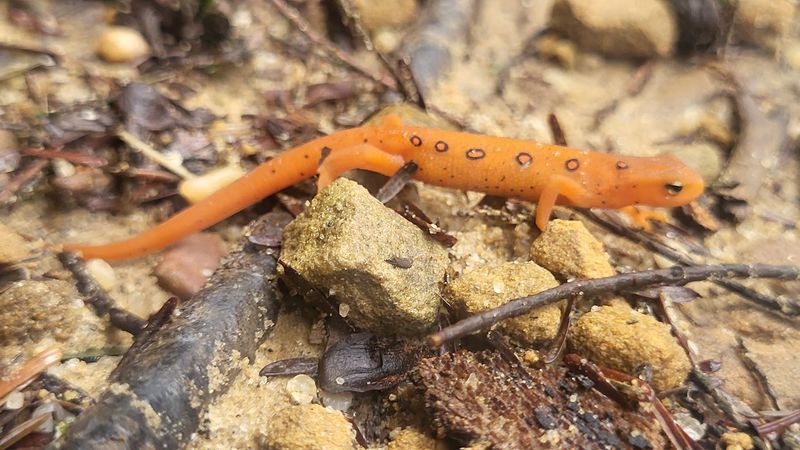
Ohio has its very own Sphinx. No desert required, just a sharp eye along the trail at Old Man’s Cave.
The Sphinx Head is a natural rock formation shaped like the profile of the Egyptian statue. Once you see it, you can’t unsee it.
Keep scanning the walls for more. Whale in the Wall and Eagle Rock also appear along the trails.
Turning the hike into a scavenger hunt works wonders with kids. Who spots the whale first gets bragging rights for the drive home.
Then there’s the A-Frame Bridge. The rustic, man-made crossing spans a scenic section of the gorge and makes a classic photo backdrop.
Bare trees help a lot in the off-season. Rock shapes stand out clearly without leaves blocking the view.
The Lower Falls is another stop worth your time. It’s smaller and more intimate than the Upper Falls, with a calm, tucked-away feel.
Bring a phone with a decent zoom. Some formations look best from a little distance.
Take your time on this stretch. Rushing means missing half the animals carved into stone.
Warm Up Inside Before Or After The Trail
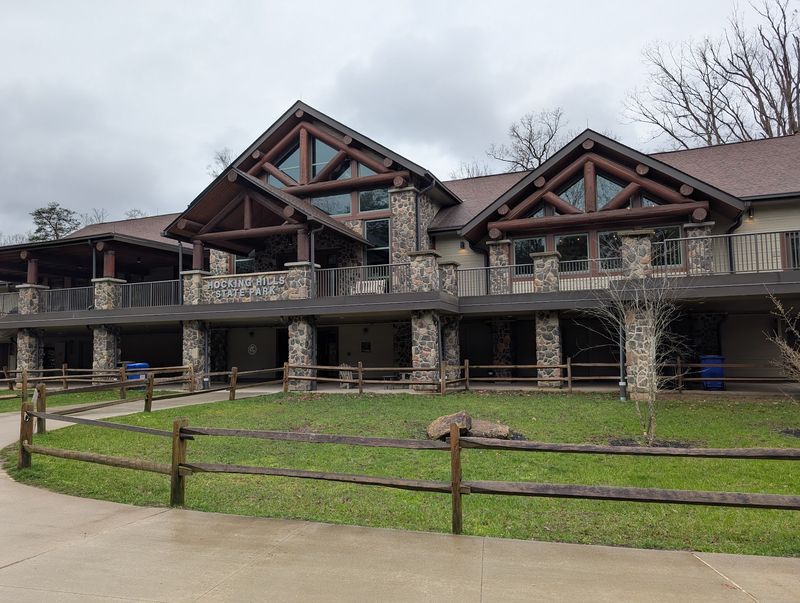
Cold fingers? The Hocking Hills State Park Visitor Center makes a welcome pit stop before or after your hike.
The 8,500-square-foot center opened in 2019 at the Old Man’s Cave parking lot. You’ll find it at 19988 OH-664 Scenic, Logan, OH 43138.
Inside are interactive displays and exhibits about the region’s geology and wildlife. It’s a smart way to understand what you’re about to see.
There’s also a gift shop and restrooms with flush toilets. On a frosty day, that last perk feels like luxury.
The center is typically open daily from 10 a.m. to 4 p.m. Hours can change with the seasons, so check before you count on them.
Behind the building sits a raptor enclosure. Resident hawks and owls live there, giving you a close look at some impressive birds.
Kids usually love that part. Adults tend to sneak a few extra minutes too.
A separate accessible trail near the center reaches the Upper Falls observation area. The gorge trail itself isn’t wheelchair or stroller accessible.
Six Miles, Three Icons, And A Bowl Of Bean Soup
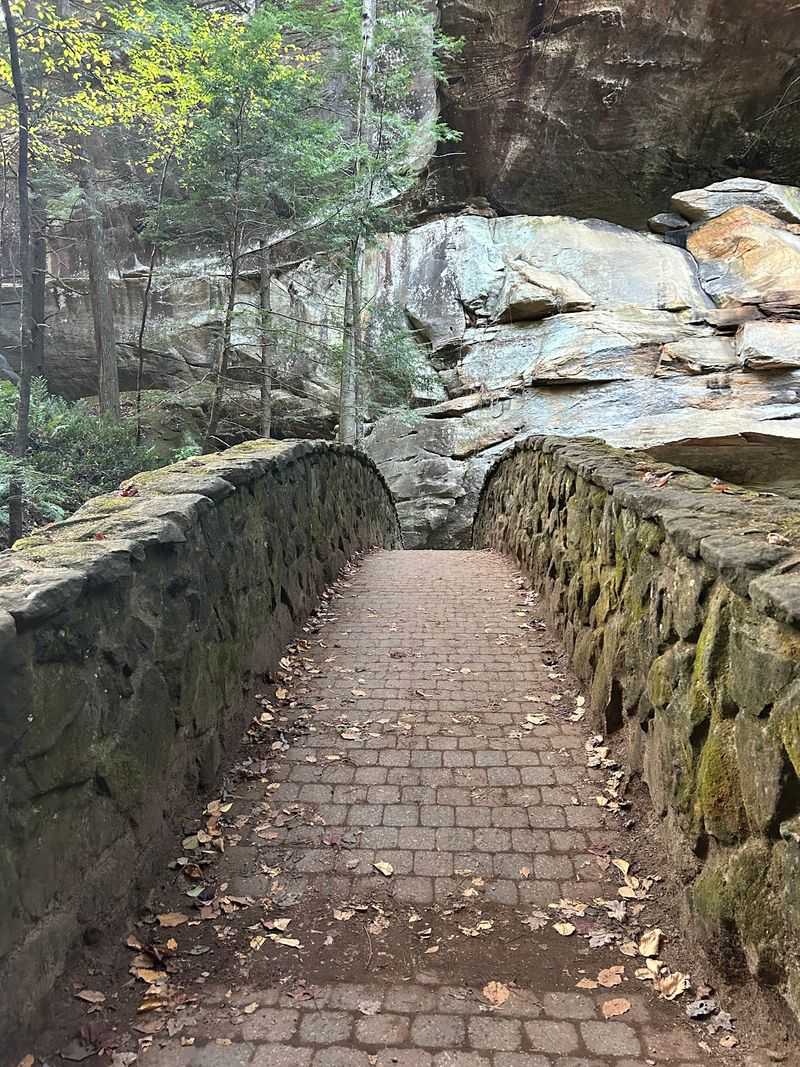
Bean soup and cornbread at the halfway point might be the best hiking incentive ever invented. That’s the deal on the Annual Winter Hike in Hocking Hills.
The event usually happens in January. It covers six miles from Old Man’s Cave to Ash Cave.
The snack stop is at Cedar Falls. Warm food in the middle of a winter trek hits differently.
The route follows the Grandma Gatewood Trail, which starts at Old Man’s Cave. It connects to both Cedar Falls and Ash Cave.
The trail carries some serious credentials. It’s part of Ohio’s Buckeye Trail, the North Country Scenic Trail, and America’s Discovery Trail.
So yes, your Saturday stroll links to national trail systems. That’s a fun detail to drop at dinner.
You don’t need the event to hike it, of course. The trail is open year-round during regular park hours.
Plan a ride back if you go one way. Six miles out means six miles back unless someone meets you at the end.
Dress warmly and pack water. Winter hiking still makes you thirsty.
Pack A Cold-Weather Picnic And Stay A While
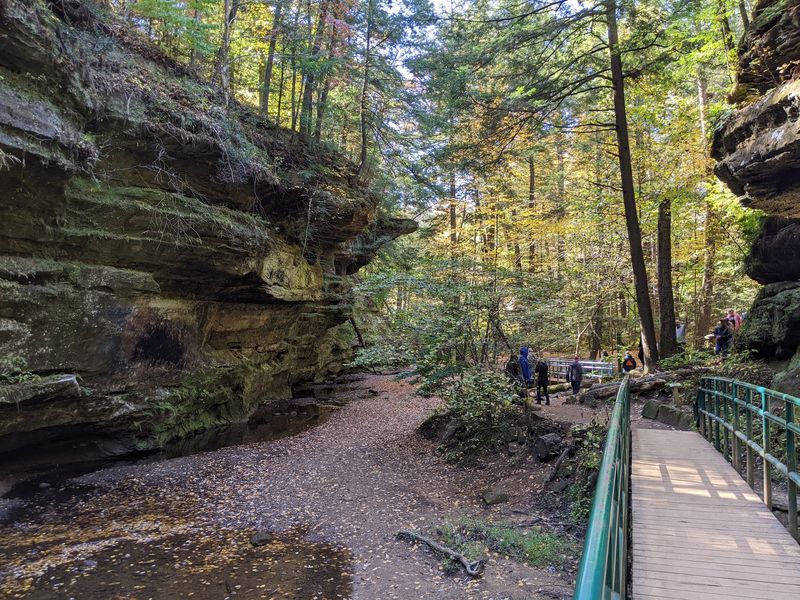
Hot cocoa tastes better after climbing out of a gorge. Old Man’s Cave makes it easy to turn a hike into a full afternoon.
Picnic areas sit at the trailheads with tables, grills, and latrines. Reservable day-use shelter houses are also available at Old Man’s Cave.
A shelter can be a game changer in winter. It keeps snow or drizzle off your sandwiches while you recharge.
Grilling in cold weather feels a little rebellious. A few hot dogs over the flames can rescue any chilly group mood.
Bring a thermos of soup or something warm. Your hands will thank you after an hour on icy steps.
Clean up thoroughly before heading out. Leaving the park as tidy as you found it keeps this place special for everyone.
I like ending the day here more than racing to the car. Sitting still lets the quiet of southeastern Ohio sink in.
The park runs until half an hour after sunset. Winter sunsets come early, so watch the clock.
Leaves will be back by spring, along with the crowds. Until then, the gorge is yours to enjoy.