Some houses hold a secret that changed a whole country. Near Georgetown, South Carolina, a wooden home on a quiet river bluff saw the birth of a young man who later signed the Declaration of Independence.
He was only 26 when he put his name on that famous paper.
The house is older than the United States itself, and it still stands today.
Its story is not just about one famous family, though.
It is also about the enslaved Africans whose skill with rice built the wealth of this region, and whose Gullah culture lives on.
From its Revolutionary War connections to the stories of the people who worked its rice fields, Hopsewee offers a deeper look at the history and traditions of South Carolina’s Lowcountry.
A Riverside Address With Revolutionary Roots
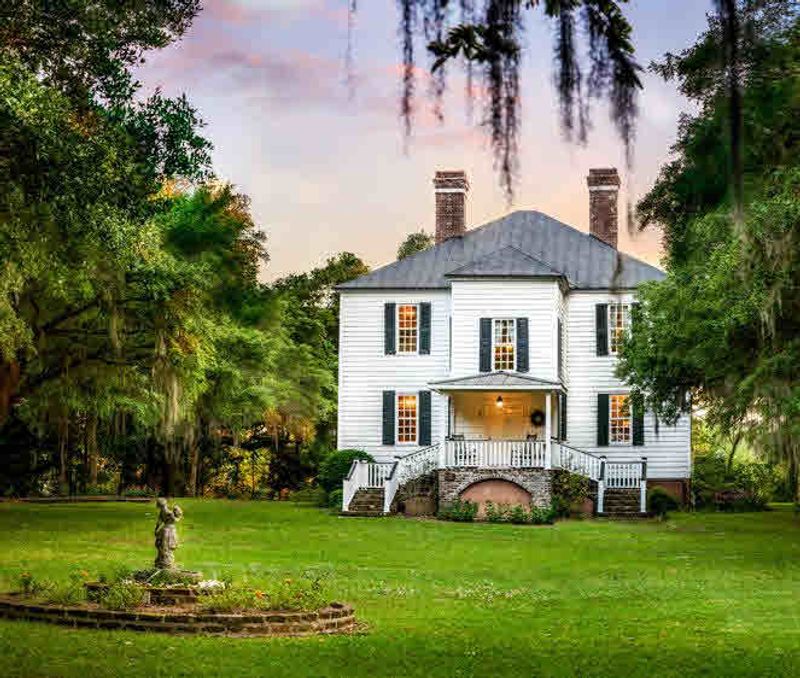
Tucked off a quiet road between Georgetown and Charleston, Hopsewee Plantation sits at 494 Hopsewee Rd, Georgetown, SC 29440. The property rests on a bluff above the North Santee River in South Carolina’s Lowcountry.
The house was built around 1740. That means it was standing decades before the American Revolution even started.
It is a historical landmark today, and it welcomes guests for house tours, a museum, and a tea room. The setting is peaceful, with old live oaks and Spanish moss across the grounds.
Getting there is simple by car, since the plantation is just off the main coastal highway. Many people pair a stop here with a day in Georgetown or a drive along the coast.
Plan ahead for the schedule, because the gates are not open every day. Guided house tours run Tuesday through Saturday, starting every hour from 10 AM to 3 PM.
The site is closed on Sundays and Mondays, with additional seasonal closures and occasional private events, so checking the official calendar before visiting is a smart idea.
The Young Signer Born Here
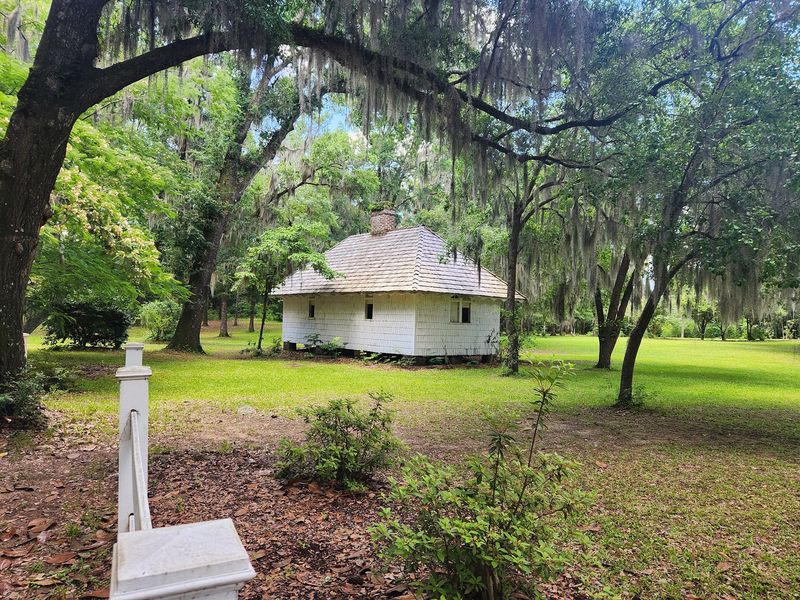
Thomas Lynch Jr. was born at Hopsewee in 1749. He grew up to become one of the youngest men to sign the Declaration of Independence.
His father, Thomas Lynch Sr., was a leader in South Carolina politics too. The older Lynch served in the Continental Congress until poor health stopped him.
The son then joined Congress and added his name to the famous document in 1776. That makes this riverside house a true birthplace of a founding signer.
Lynch Jr. studied in England, including time at Cambridge, before coming home to the colony. His life was short, as he was lost at sea in 1779 while sailing abroad.
Because of that, his story is less known than many other founders. A tour here helps fill that gap in a clear, personal way.
Fun fact: South Carolina had four signers, and Lynch Jr. was among the youngest of them all. History buffs often list this home as a must-see stop for that reason.
A House Older Than the Nation
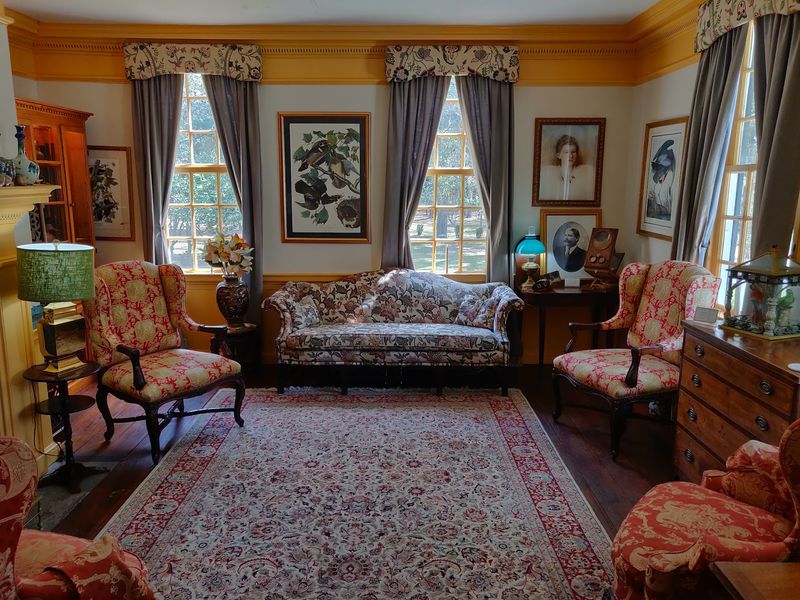
Built of black cypress on a brick foundation, the main house has lasted more than 280 years. That is a long run for a wooden building in a humid coastal climate.
The home follows a classic Lowcountry style. Wide porches and raised floors helped with the heat and the wet ground near the river.
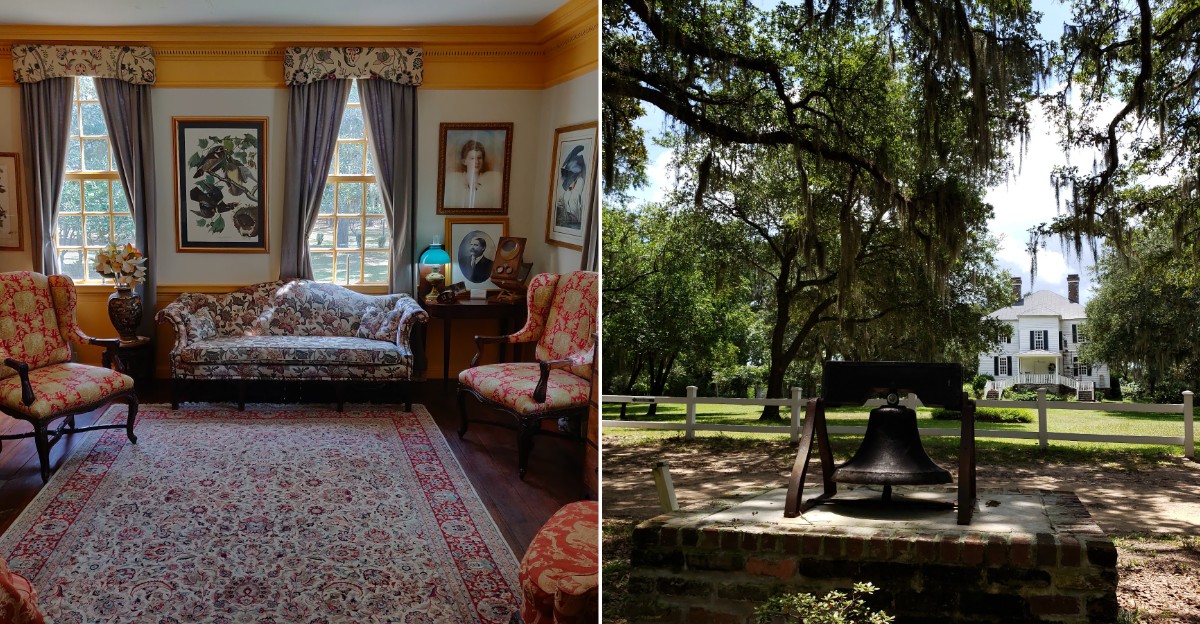
Inside, the woodwork stands out right away. Carved molding and detailed trim show the skill of the people who built it by hand.
Guides point out how the rooms were used by the families who lived here over time. The home passed through several owners, and each left small marks on its story.
Furniture and items from the period help bring each room to life. It gives a clear look at how wealthy families lived in colonial South Carolina.
Architecture fans will want to look closely at the craftsmanship. Take your time in each room, because small details often hold the best stories.
Rice, Rivers, and the People Who Did the Work
Rice was the money crop that shaped Georgetown County in the 1700s and 1800s. The region became one of the biggest rice producers in the country.
That wealth did not come from the owners alone. Enslaved Africans did the hard labor, and many came from parts of West Africa where rice farming was a long tradition.
Their knowledge made the tidal fields work. They built banks, ditches, and gates that used river water to flood and drain the crops.
Hopsewee tells this part of history in an honest way. Tours speak openly about slavery and the lives of the people forced to work here.
Many guests leave saying it was one of the most truthful plantation tours they have taken. The guides explain hard facts with care and respect.
Understanding rice helps you understand the whole site. Without that skill and labor, the grand house on the bluff would never have existed.
Guides Who Love a Good Question
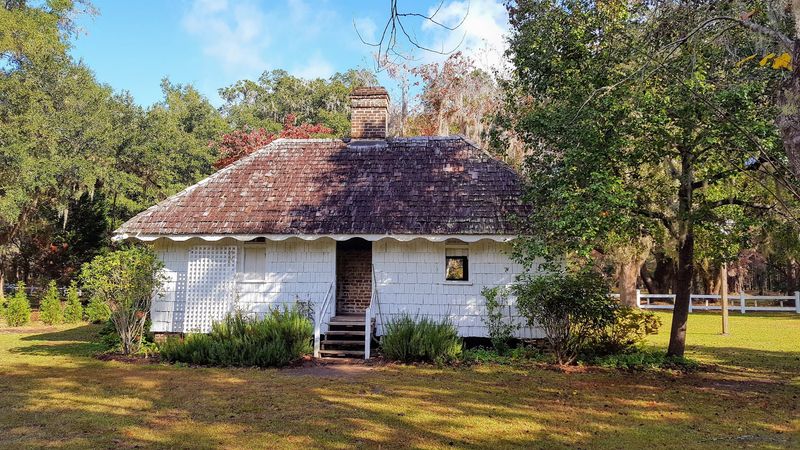
Ask almost anything, and the guides here seem ready with an answer. Their knowledge is one of the most praised parts of a visit.
House tours are led by docents who know the home and its families well. They cover the Lynch family as well as later owners across the years.
Questions are welcome during the tour. Guests often say the staff takes time to explain things clearly instead of rushing ahead.
The tone is friendly but serious when it needs to be. Topics like slavery are handled with compassion and honesty.
Some guides add humor and charm, which keeps younger guests interested too. Families with teens often find the tour easy to follow.
A tip for a better visit: think of a question or two before you arrive. Maybe ask about the woodwork, the river, or the people who lived in the cabins.
The answers might become your favorite part of the day.
A Museum That Tells the Fuller Story
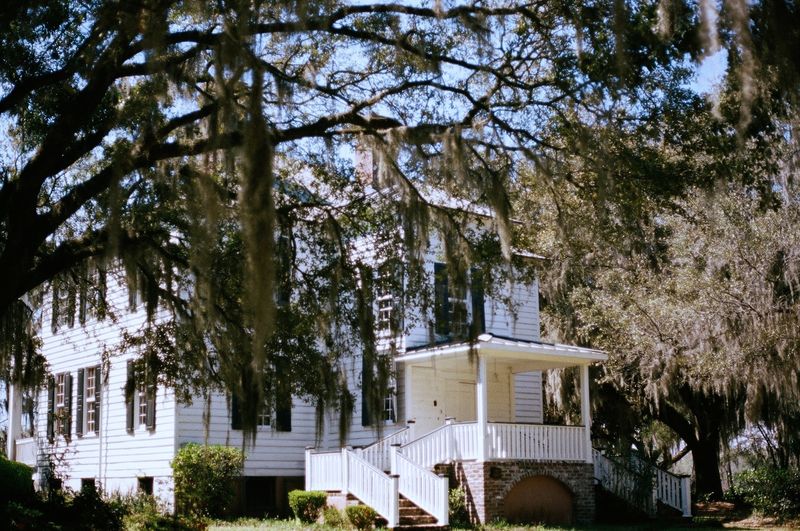
Beyond the main house, an on-site museum adds deeper context. It focuses on the African Americans who lived and worked at Hopsewee.
Exhibits include artifacts and clear displays about plantation life. The goal is to honor people whose names were often left out of older history books.
Many guests choose a package that includes both the house tour and the museum. Booking the two together makes it easier to see the full picture in one trip.
The museum requires a separate admission ticket and can be visited independently of the historic house tour, giving guests more flexibility when planning their day.
Plan on giving yourself a couple of hours if you want to see both the museum and the grounds. Rushing through would mean missing small details.
Teachers and parents may find it a strong learning tool for students. It turns a famous name in a textbook into a story about a whole community.
Gullah Culture Still Going Strong
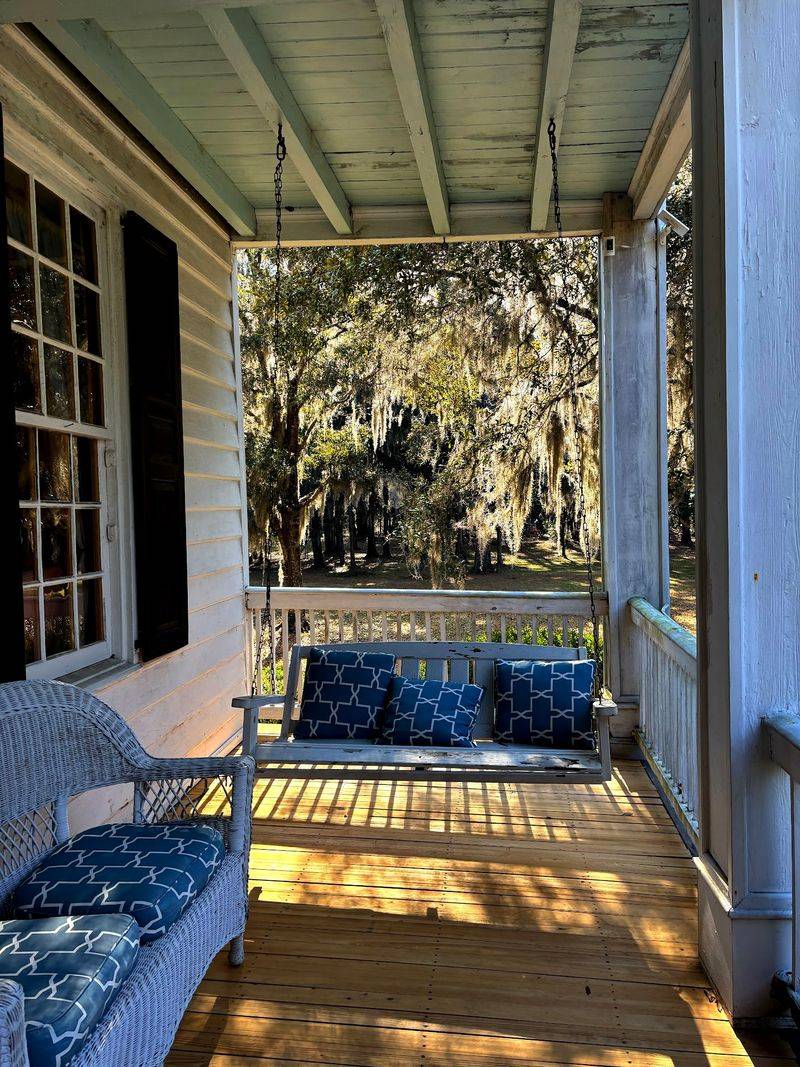
Gullah culture is a living tradition, not just a chapter in the past. It grew among descendants of enslaved Africans along the Carolina and Georgia coast.
Hopsewee offers Gullah tours and presentations that share this heritage. Topics can include language, music, crafts, and family traditions.
Sweetgrass basket weaving is one well-known Gullah craft. The plantation has hosted sweetgrass workshops where guests can learn the basics from skilled local artists.
These programs show how a people not only survived hardship but kept their culture alive. Skills and stories are still passed down through families today.
Check the website for dates, since special programs are not offered every day. Some events fill up, so early booking helps.
Taking part in a workshop gives you something you made with your own hands. It also supports artists who keep this tradition going for the next generation.
Few souvenirs carry that much meaning.
Tea Time at the River Oak Cottage
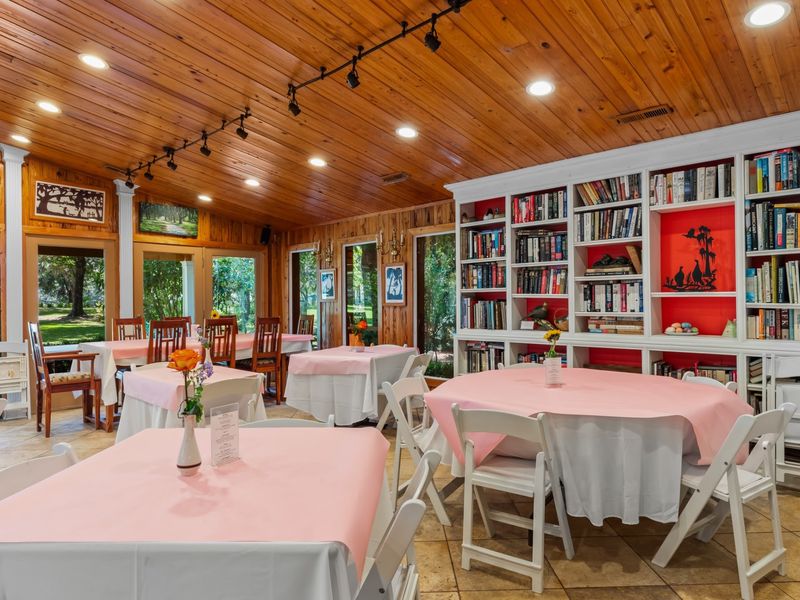
Here is a twist few people expect at a colonial home: a full tea room. The River Oak Cottage Tea Room is one of the most charming parts of a visit to Hopsewee, serving traditional Southern tea and lunch in a peaceful historic setting.
Guests can choose a semiformal Southern tea service or order from a lunch menu. The tea service comes in small courses with a range of tea selections.
Reservations are a smart move, especially on busy days. Some lucky guests grab last-minute spots, but planning ahead is safer.
The cottage sits on the same grounds as the house, so a tour and a meal fit nicely into one afternoon. Many people tour in the morning and dine after.
A gift shop nearby sells teas from the tasting, so you can bring a favorite home. It also carries crafts from local artisans.
Staff members are known for warm, attentive hospitality. It turns a history lesson into a relaxed and memorable outing.
Live Oaks, Moss, and a River Stroll
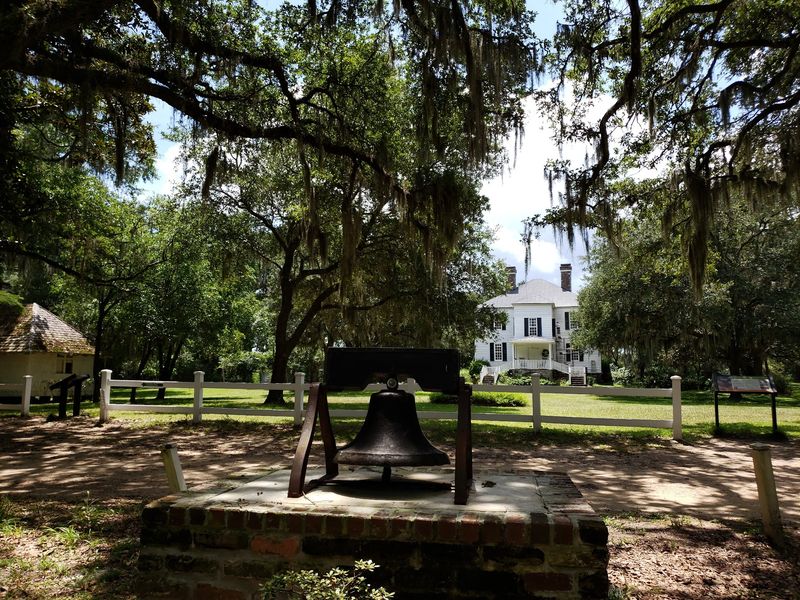
Old live oaks spread their branches across the grounds like a giant green roof. Spanish moss hangs from the limbs, giving the property a classic Lowcountry look.
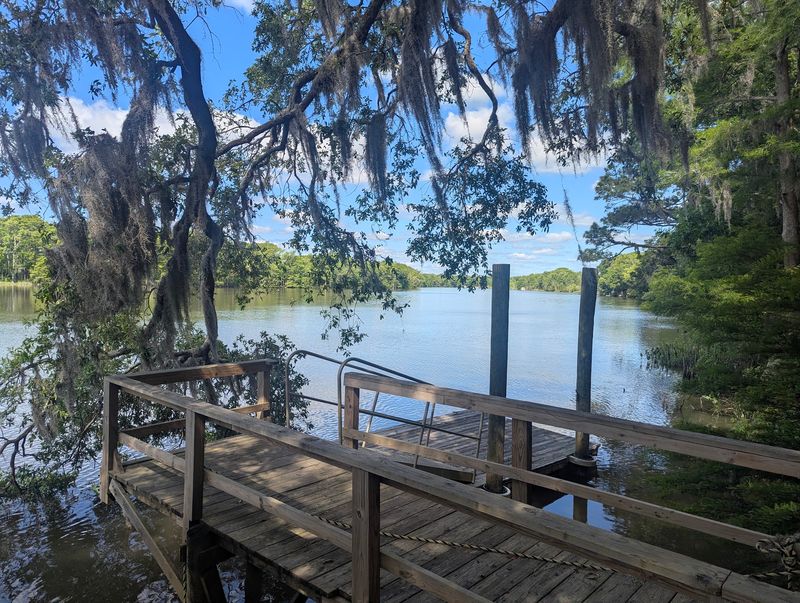
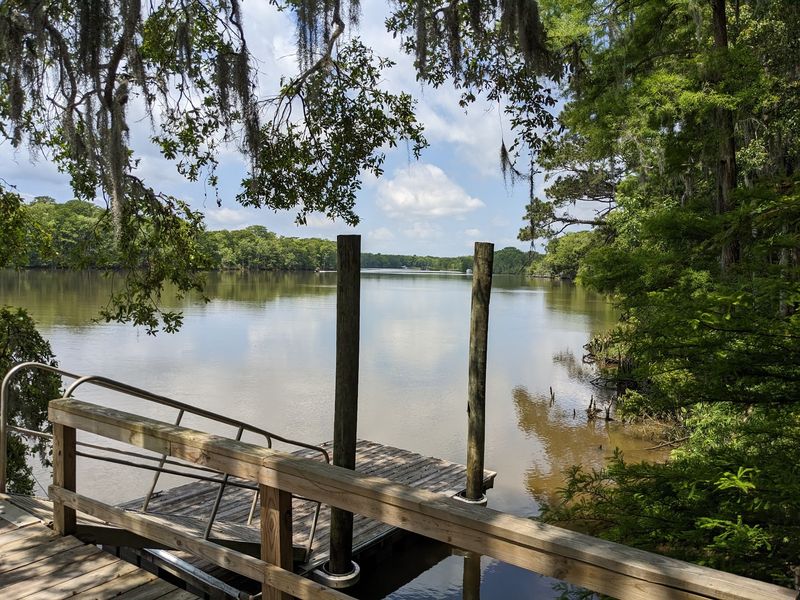
A walk along the river is a nice bonus after the tour. The bluff above the North Santee River surprises many first-time guests.
The grounds feel calm and quiet, which makes them good for slowing down. It is a fine spot to take photos or simply rest on a bench.
Now for a practical warning: bring bug spray. Mosquitoes are common outdoors, especially in warm months.
If you forget, the staff has been known to keep spray by the front door. Still, packing your own is the best plan.
Comfortable shoes help too, since some paths are natural ground. A hat and water are also wise on sunny Carolina days.
A little preparation keeps the focus on the scenery instead of the bugs.
After Dark Tales and Big Days
When the sun goes down, a different kind of history comes out. Hopsewee has offered ghost tours for guests who enjoy spooky local legends.
These evening events are a fun change from the daytime house tour. They mix folklore with real facts about the area’s past.
The property also hosts weddings and special events. Its oaks, river views, and historic house make a popular backdrop for big celebrations.
Staff members work hard to make each event go smoothly. Couples have praised how the team handled unusual requests with care.
Seasonal programs change during the year, so there is often something new to try. Return guests like coming back for a different event each time.
Before you go, check the official website for current tours and dates. Special programs may need advance booking.
From a signer’s birthplace to Gullah traditions and tea on the lawn, this riverside landmark rewards curious travelers. One trip rarely feels like enough.