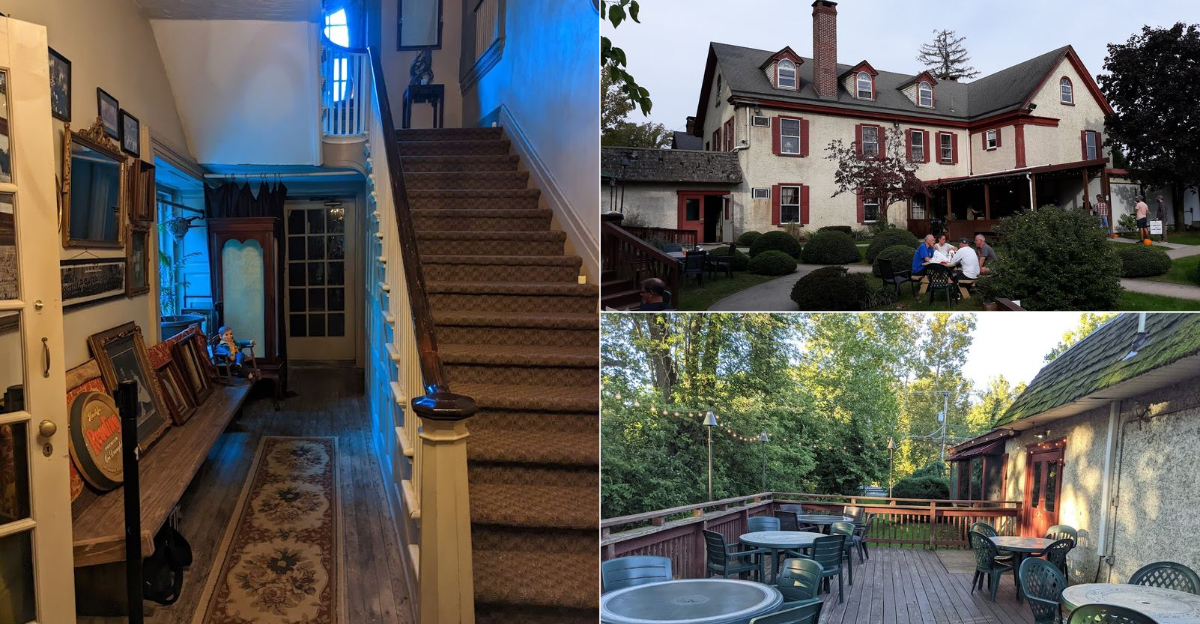
Nestled among the rolling countryside of Berks County, Brinton Lodge feels like the kind of place that encourages you to slow down and appreciate the stories woven into the landscape. Quiet roads, open fields, and mature trees surround this historic estate, creating a setting that feels removed from the rush of everyday life.
In May, fresh greenery and blooming gardens add even more charm to the property, making it easy to imagine what life was like here generations ago. The lodge stands as a reminder of Pennsylvania’s rich heritage, where architecture, local history, and rural beauty come together in a memorable way.
Whether you are drawn to historic homes, scenic drives, or discovering places with a strong sense of character, Brinton Lodge offers plenty to explore. Let’s take a closer look at the history and legacy behind this notable countryside estate.
Three Centuries of Foundation
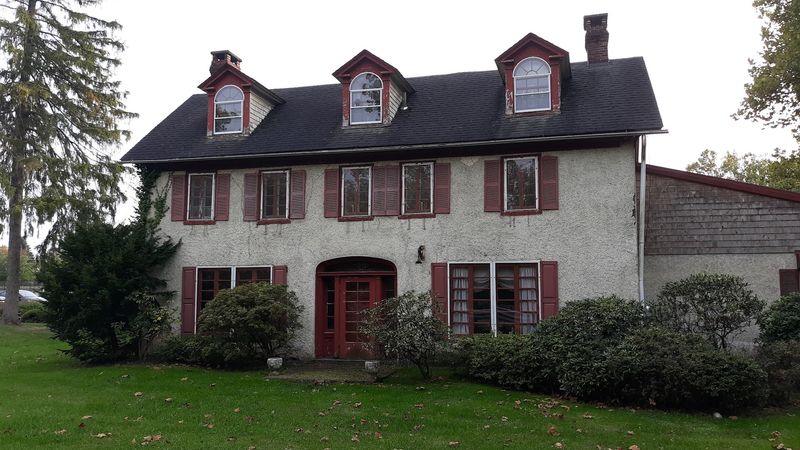
Weathered stone walls tell stories that stretch back three hundred years, when Pennsylvania’s countryside was still wild frontier. Long before modern highways connected small towns, this property served as a testament to colonial craftsmanship and determination.
The original builders chose this location carefully, understanding the land’s potential.
Early settlers constructed the foundation using techniques passed down through generations. Heavy timber framing and locally quarried stone created a structure built to withstand centuries.
These construction methods weren’t just practical—they represented European building traditions adapted to American conditions.
The property witnessed Pennsylvania’s transformation from colony to commonwealth. Revolutionary War soldiers likely passed nearby roads, and families weathered countless winters within these protective walls.
Each generation left its mark through additions and modifications.
Archaeological evidence suggests the site held significance even before European settlement. Native American trails crossed this region, connecting communities across the Schuylkill valley.
This deep historical layering makes the estate truly remarkable, connecting modern visitors to countless previous inhabitants.
Architectural Magnificence at Scale
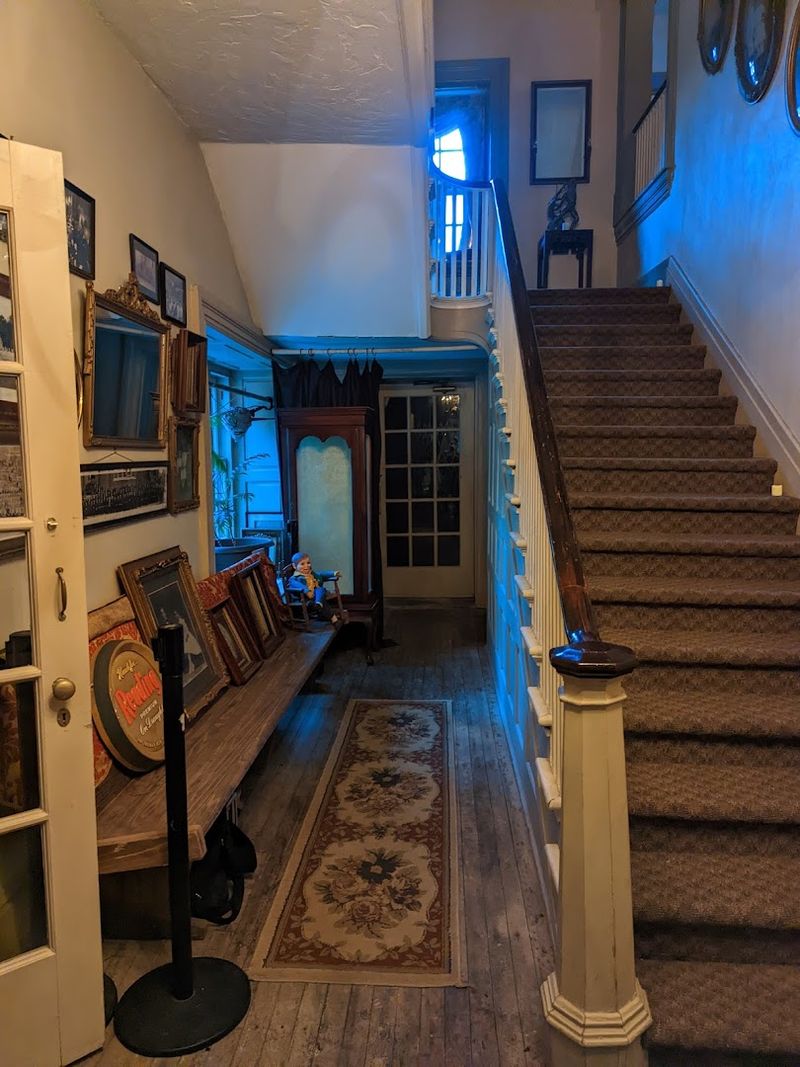
Walking through doorways that open into yet another room creates an almost maze-like experience across 16,000 square feet. Visitors often express surprise at just how many spaces exist within the mansion’s walls.
The sheer size commands attention, yet intimate parlors and cozy corners balance the grandeur perfectly.
Three full stories rise from the Pennsylvania landscape, each level revealing different architectural periods. Original hand-hewn beams contrast with Victorian-era additions, creating a living textbook of construction evolution.
Staircases connect these layers, their worn treads polished by countless footsteps over generations.
Multiple fireplaces once heated individual rooms before central systems existed. Ornate mantels showcase different decorative styles popular across various decades.
Windows of varying sizes and shapes hint at different construction phases, some original wavy glass still intact.
The building’s footprint speaks to wealth and ambition rarely seen in rural Pennsylvania estates. Room after room unfolds, each with distinct character and purpose.
This architectural complexity makes exploration endlessly fascinating, whether you’re attending events or investigating paranormal activity with EMF readers through interconnected chambers.
Perfect Countryside Positioning
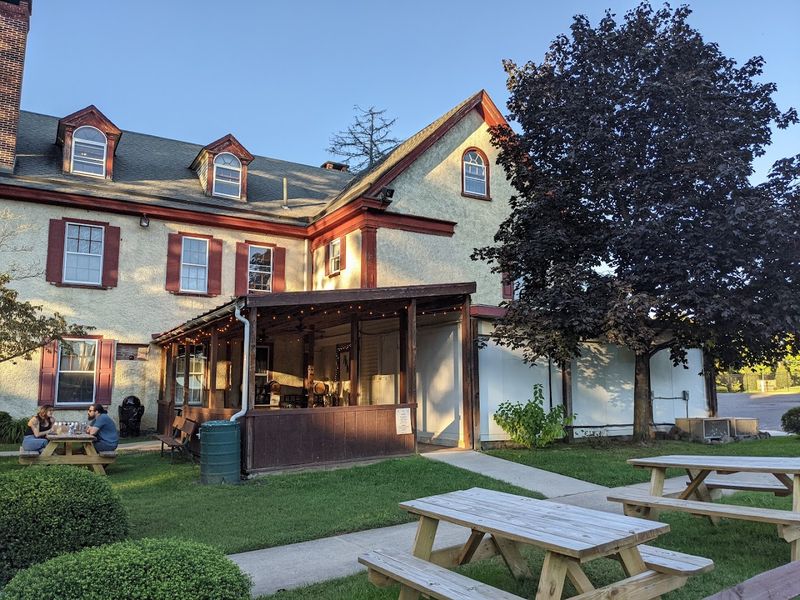
Rolling hills and winding country roads define this corner of Berks County, where suburban sprawl hasn’t yet erased agricultural charm. Positioned along Schuylkill Road, the location offers accessibility without sacrificing peaceful rural character.
Drivers heading between New Jersey and central Pennsylvania find this spot remarkably convenient, making it ideal for mid-route gatherings.
The Schuylkill River valley shaped settlement patterns across this region for centuries. Rich soil and waterway access made these lands valuable to farmers and merchants alike.
The estate sits elevated enough to avoid flood concerns while remaining connected to transportation routes.
Douglassville itself maintains small-town appeal while sitting within reasonable distance of Reading and Philadelphia. This positioning allows the property to draw visitors from multiple metropolitan areas without feeling urban.
Guests can escape city noise while remaining accessible for day trips.
Natural beauty surrounds the property—mature trees provide shade across the outdoor deck and grounds. Seasonal changes paint the landscape in varying palettes, from spring blossoms to autumn brilliance.
The countryside setting enhances both ghost tours and brewery visits, creating atmosphere impossible to replicate elsewhere. Location proved crucial to the estate’s transformation into a destination.
A Visionary’s Preservation Dream
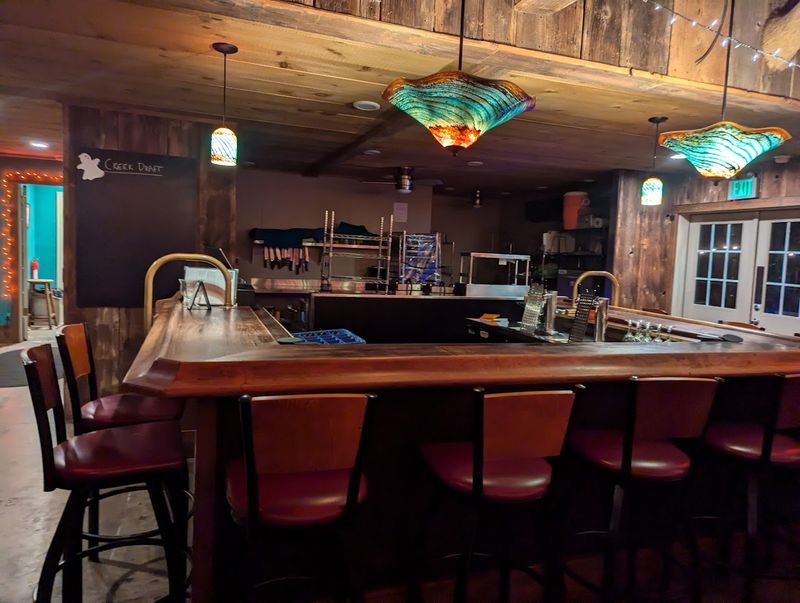
Eleven years ago, one person saw potential where others saw only expensive repairs. Eileen purchased the deteriorating mansion with a clear mission: preserve this architectural treasure for future generations.
Her commitment transformed what could have become another demolished historic property into a thriving community asset.
Historic preservation requires more than passion—it demands financial creativity and endless dedication. Rather than seeking traditional restoration grants alone, she developed a business model where brewery operations and ghost tours fund ongoing repairs.
This approach ensures sustainable preservation without relying solely on donations or government support.
Every detail receives thoughtful attention, from maintaining original architectural elements to researching the property’s history. She welcomes visitors warmly, often staying late to accommodate tour groups eager to explore.
Her knowledge about the building’s past enriches every ghost tour and casual conversation.
Critics initially questioned whether a bar and paranormal tourism could coexist with serious preservation work. Yet this unconventional combination proved brilliant—profits directly support restoration needs while bringing thousands of appreciative visitors annually.
Her vision demonstrated how creative thinking can save historic structures that might otherwise face demolition, inspiring similar projects across Pennsylvania.
From Private Estate to Public Destination
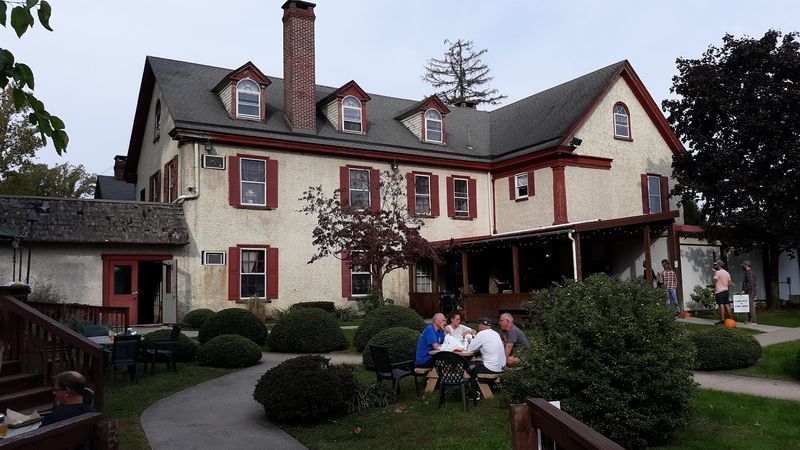
Closed doors and private ownership once kept this mansion hidden from public view for generations. Families occupied these rooms, hosting intimate gatherings away from curious eyes.
The transformation into an accessible venue required reimagining how historic spaces could serve communities differently.
Adaptive reuse breathed new life into rooms that sat empty or underutilized. What were once formal parlors now buzz with conversation as brewery patrons sample craft beers.
Private bedrooms converted into exploration spaces for ghost tour participants seeking paranormal encounters. The kitchen area accommodates food truck partnerships, offering meals to hungry visitors.
This shift from exclusivity to inclusivity fundamentally changed the property’s identity. Thousands now experience architectural details and historical atmosphere previously reserved for property owners and their guests.
Public access democratized appreciation for Pennsylvania’s heritage, allowing diverse audiences to connect with history.
Opening a historic home requires balancing preservation with practical use. High traffic threatens delicate original features, yet keeping people away defeats preservation’s purpose.
Strategic design choices protect vulnerable areas while maximizing accessibility. The estate now serves educational, entertainment, and commercial purposes simultaneously—a transformation that ensures its relevance and financial viability for decades ahead.
Craft Beer Meets Colonial History
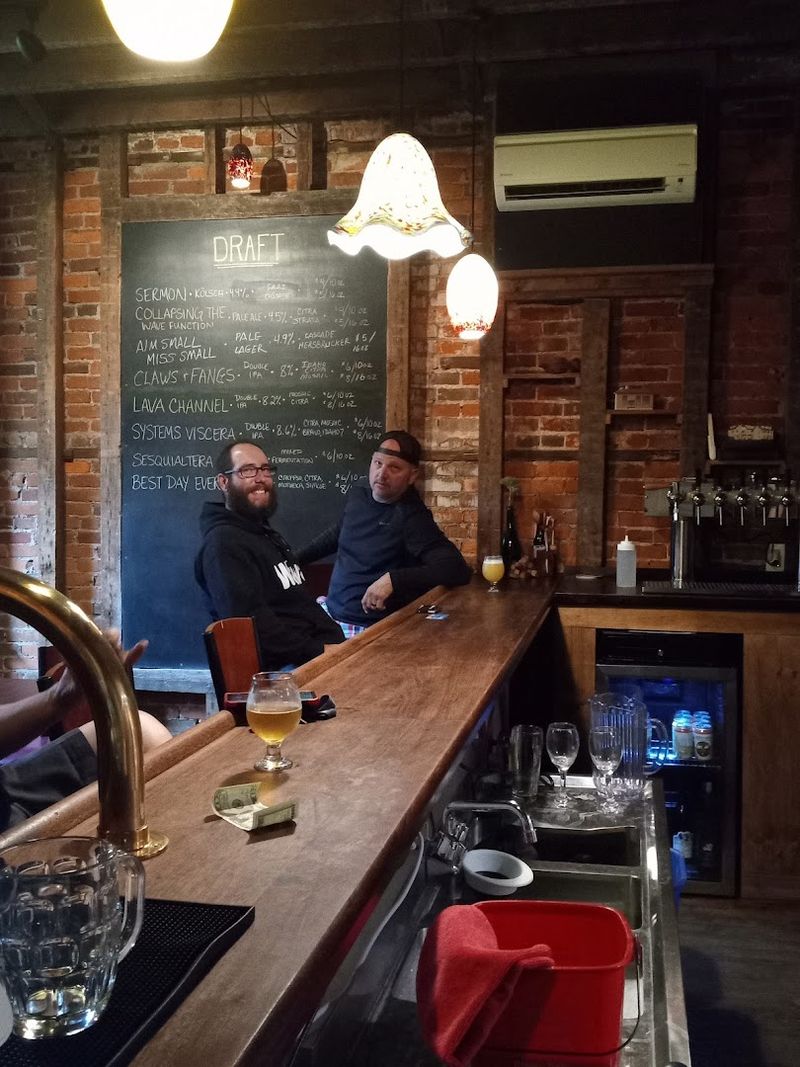
Hops and history make unexpected companions, yet Hidden River Brewery’s presence transformed this mansion into a regional beer destination. Two separate bars operate within the historic walls, each offering carefully curated selections.
Craft beer enthusiasts travel specifically to sample unique brews in this atmospheric setting, creating a customer base that sustains preservation efforts.
The brewery specializes in double and triple IPAs, though reviews mention occasional porters and single IPAs. Beer knowledge runs deep among staff members like Jake, who guide customers toward perfect selections.
Some visitors wish for lighter options when driving, but the focus on bold, flavorful brews reflects current craft beer trends.
Outdoor deck seating lets guests enjoy Pennsylvania weather alongside their beverages. The juxtaposition of colonial architecture with modern brewing culture creates memorable experiences.
Couples and groups linger over flights, comparing notes about both paranormal encounters and beer characteristics.
Food partnerships with rotating trucks complement the beer menu. BBQ, tacos, and other offerings mean visitors can make full evenings of their trips.
Proceeds from every pint sold contribute directly to mansion maintenance, meaning each beer purchase supports preservation. This innovative funding model proves historic buildings can generate revenue while honoring their past.
Haunted History as Tourism Gold
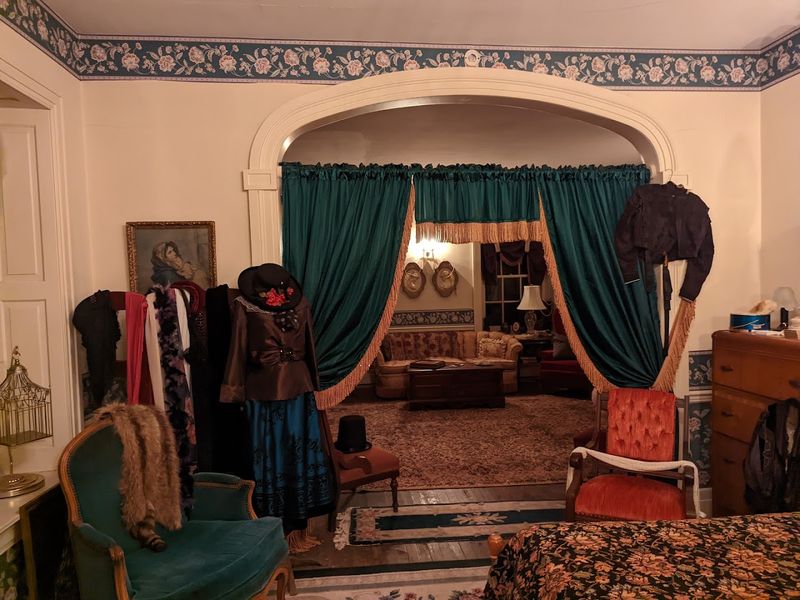
Flickering EMF readers and moving dowsing rods draw paranormal enthusiasts from across the region. For $24, visitors join guided explorations through three floors of documented supernatural activity.
Tour guide Aaron captivates audiences with detailed historical accounts while creating space for genuine investigations. The combination of storytelling and active ghost hunting distinguishes these experiences from typical haunted attractions.
Strange occurrences during tours aren’t rare—multiple visitors report emotional overwhelm, particularly on second-floor stairways. One guest described uncontrollable crying and hyperventilation, sensations she’d never experienced elsewhere.
Others capture unexplained phenomena in photographs, convinced they’ve documented actual spirits.
Tours run approximately one hour before participants receive free exploration time with provided equipment. Clairvoyants sometimes join groups, adding another dimension to investigations.
The mansion’s authentic age and preserved condition create genuine atmosphere impossible to fake in modern haunted houses.
Skeptics and believers alike find value in the experience. Historical information alone justifies the ticket price, while paranormal enthusiasts appreciate the serious approach to investigation.
All proceeds fund restoration work, giving ghost tourism tangible purpose beyond entertainment. The haunted reputation transformed from potential liability into the estate’s most distinctive feature, proving sometimes a building’s spooky stories become its greatest asset.
Community Hub with Multiple Identities
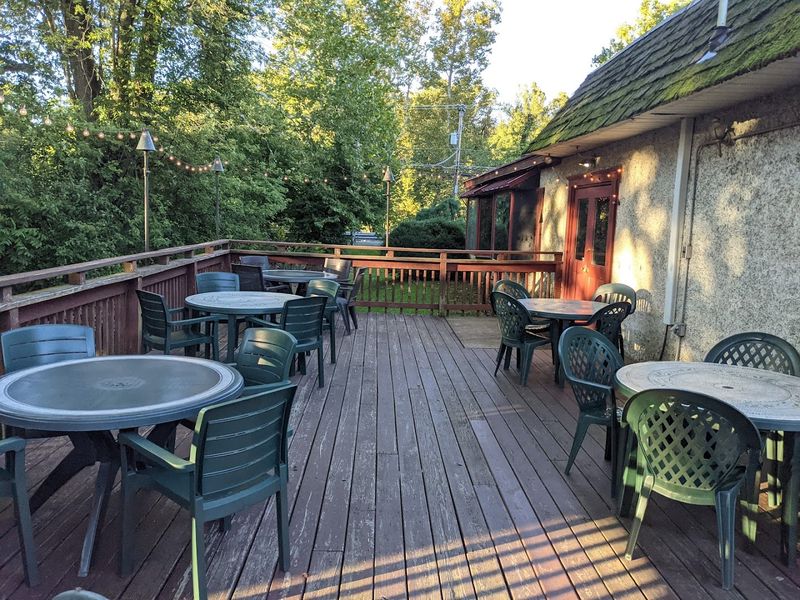
Live music drifts through interconnected rooms without overwhelming conversation—performers keep volume considerate of the intimate setting. Multiple spaces allow different experiences simultaneously: musicians entertain in one area while quiet conversations happen elsewhere.
Games scattered throughout provide entertainment options beyond drinking, making the venue genuinely family-friendly despite being primarily a bar.
The flexible layout accommodates various group sizes and event types. Large birthday parties of fifteen people find semi-private spaces, while couples discover cozy corners.
The mansion naturally segments guests without feeling artificially divided. This versatility attracts diverse audiences from craft beer aficionados to history buffs to paranormal investigators.
Laid-back atmosphere encourages lingering—guests order at the bar, then find their perfect spot among the many rooms. This self-service approach creates relaxed social dynamics different from traditional restaurant settings.
People explore freely, discovering new favorite nooks with each visit.
The building itself becomes conversation starter and backdrop simultaneously. Visitors discuss architectural details between sips, photograph interesting features, and speculate about the mansion’s past.
This multi-layered experience—part bar, part museum, part paranormal hotspot—creates unique appeal. Few venues successfully blend so many identities, yet here they complement rather than compete.
The community embraced this hybrid concept enthusiastically, ensuring consistent crowds.
Successful Adaptive Reuse Model
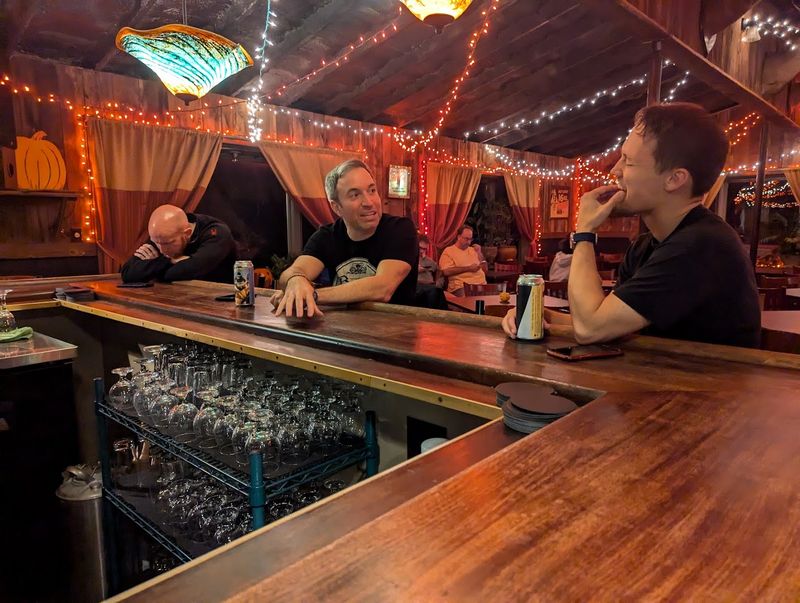
Countless historic buildings across America face demolition because owners can’t afford maintenance without income generation. This estate demonstrates how creative business models preserve architectural heritage sustainably.
Rather than becoming a museum dependent on donations or government funding, it operates as a profitable business that reinvests earnings into preservation.
The brewery-ghost tour combination seemed risky initially—would beer drinkers and paranormal enthusiasts coexist peacefully? Would the commercial activity damage historic integrity?
Early skepticism gave way to recognition as the model succeeded beyond expectations. Diverse revenue streams provide financial stability museums rarely achieve.
Other historic property owners now study this approach. Could similar combinations save endangered buildings elsewhere?
The success proves preservation doesn’t require choosing between historical purity and practical sustainability. Thoughtful commercial use can fund conservation while making heritage accessible to broader audiences.
Challenges remain—balancing foot traffic with preservation needs requires constant vigilance. Original features need protection from thousands of annual visitors.
Yet the alternative—locked doors and gradual decay—serves neither history nor community. This estate proves historic buildings can thrive economically while maintaining architectural significance.
The adaptive reuse model offers hope for countless other endangered properties, demonstrating preservation can be both financially viable and socially beneficial when approached creatively.
Ongoing Legacy and Future Vision
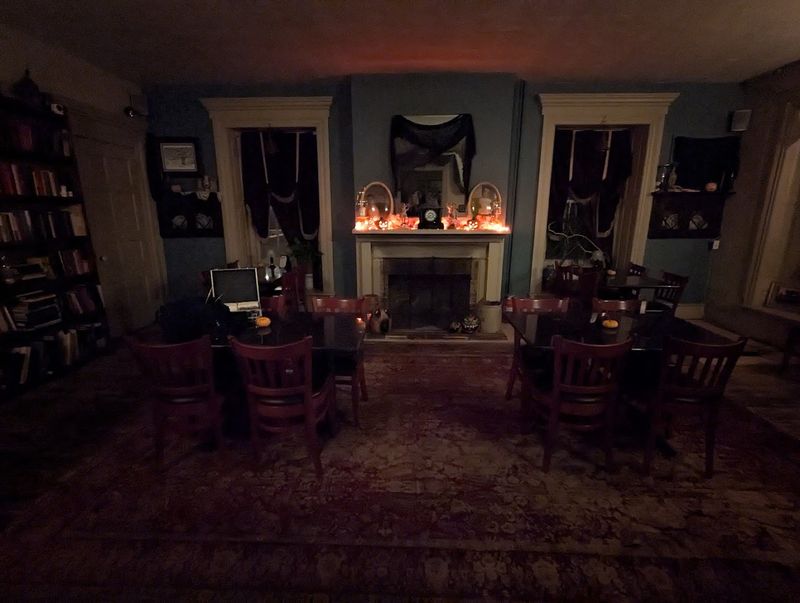
Restoration never truly ends when buildings reach three centuries old. Each season brings new maintenance challenges—winter freeze-thaw cycles, summer humidity, autumn storms.
Continuous funding from brewery operations and ghost tours enables proactive repairs rather than reactive emergency fixes. This sustainable approach prevents small problems from becoming catastrophic failures.
Future plans balance preservation with enhanced visitor experiences. Improved accessibility without compromising historic character requires creative solutions.
Updated heating and cooling systems must protect original materials while keeping modern guests comfortable. Every upgrade demands careful consideration of historical impact.
The owner’s commitment extends beyond her lifetime—preservation planning considers the estate’s next hundred years. Documentation of architectural features and historical research continues, building archives for future caretakers.
Training staff in proper building care ensures knowledge transfer across generations.
Community investment in the property’s future grows annually. Regular visitors become stakeholders, emotionally connected to its success.
Their continued patronage, enthusiastic reviews, and word-of-mouth promotion create a sustainability cycle. The estate’s evolution from private residence to community treasure demonstrates how historic preservation serves present needs while honoring past achievements.
Its notable status stems not just from age but from inspired leadership and community embrace of adaptive heritage conservation.